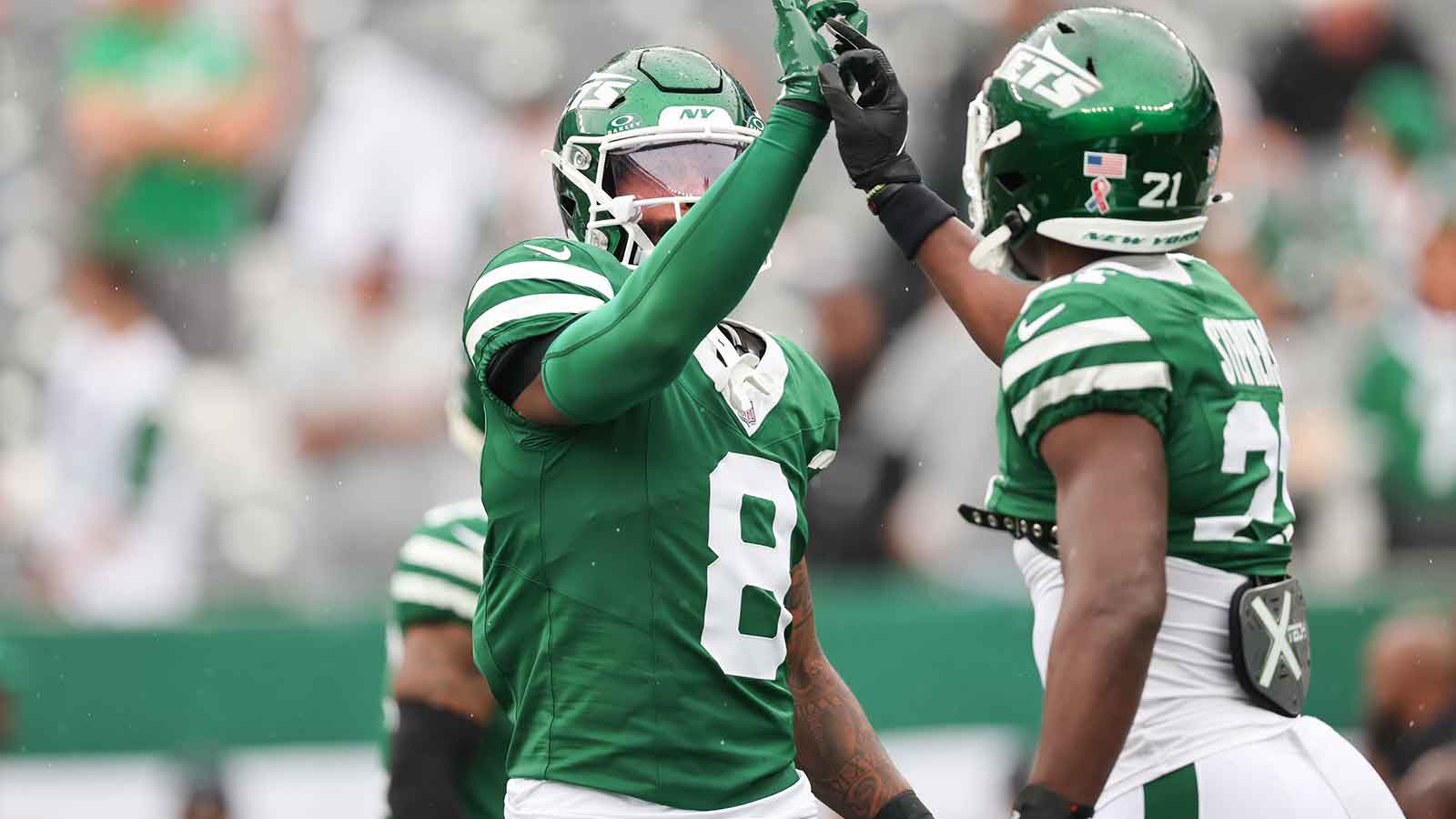

The New York Jets can’t draft hope again. What they really need is certainty. The Jets have spent the better part of two decades chasing potential quarterbacks, potential rebuilds, and potential culture shifts. The result has largely been the same: December irrelevance.
Holding premium draft capital in 2026 gives them options. However, drafting another quarterback at No. 2 overall would mean restarting the development clock yet again. For a regime that already felt the heat in Year One, patience is a luxury.
If the Jets want to make a franchise-altering move, they shouldn’t look to April. They should also look to Arizona.
2025 bottomed out
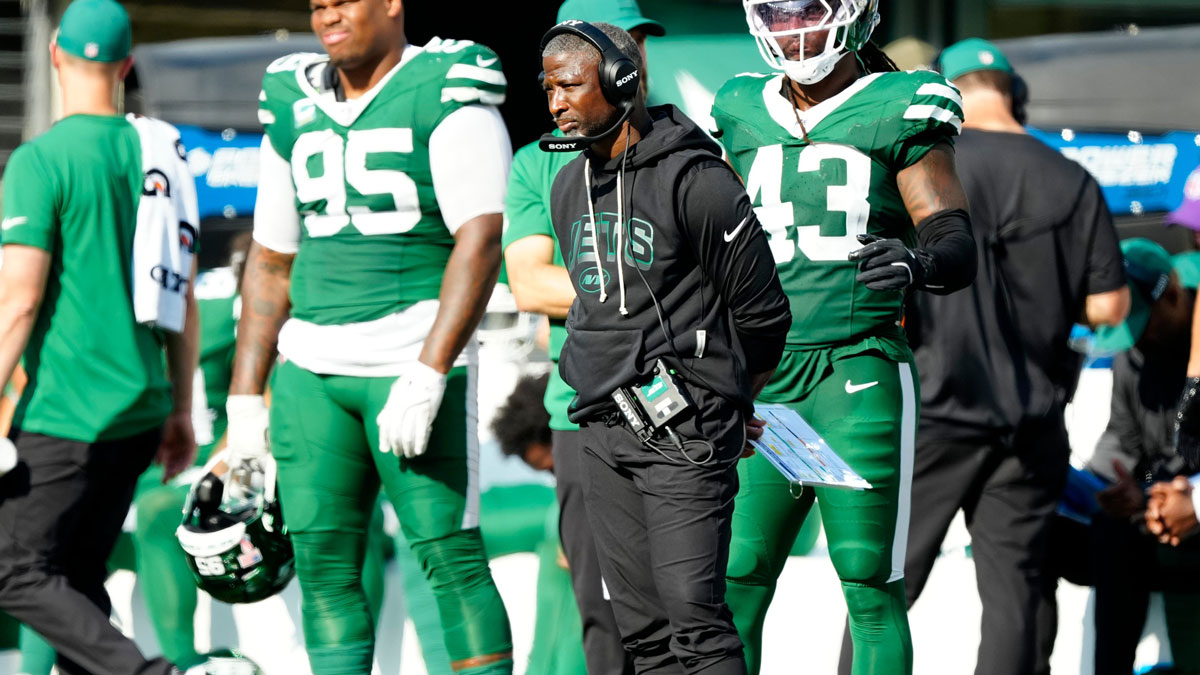
The 2025 campaign was a historic low for New York. In the first season under head coach Aaron Glenn and GM Darren Mougey, the Jets cratered to a 3-14 record. The offense was dysfunctional from Week 1. They cycled through Justin Fields, Tyrod Taylor, and Brady Cook. None provided stability. The result was a league-worst passing attack where no receiver surpassed 400 yards. Breece Hall carried the offense to the franchise’s first 1,000-yard rushing season in a decade. However, he was often running into stacked boxes.
Defensively, things were even more alarming. The Jets became the first unit in NFL history to complete a season without recording a single interception. Mid-season fire sales sent Sauce Gardner and Quinnen Williams elsewhere, signaling a hard reset. A five-game losing streak to close the year extended the playoff drought to 15 seasons. The franchise now faces the blunt reality that incremental change just won’t cut it.
Quarterback desperation
The Jets enter the 2026 offseason with a clear mandate to fix the quarterback room immediately. Fields and Taylor are likely casualties of the reset. The three-headed experiment of 2025 failed spectacularly. Yet unlike previous years, New York has the flexibility to act boldly. The Jets boast $77 million in projected cap space. They also hold two top-16 selections in the 2026 Draft: No. 2 and No. 16 overall.
That rare combination of financial muscle and draft capital allows Mougey to either draft a quarterback or outbid the market for a proven one. That brings us to Kyler Murray.
Murray’s lost 2025 season
Murray’s 2025 campaign was defined by frustration and absence. A lingering foot injury suffered in Week 5 against Tennessee derailed his season. Before landing on injured reserve in November, Murray managed just 962 yards, six touchdowns, and three interceptions across five starts.
He struggled in an unstable offensive environment and was ultimately shut down in early December. He missed 12 games while Jacoby Brissett filled in. Arizona stumbled to a 3-14 record. Reports surfaced of a communication breakdown between Murray and the front office after the season ended. His massive contract and injury history complicate matters. That said, talent has never been the issue. As we saw with Seattle's Sam Darnold, sometimes, a change of scenery resets everything.
Perfect offer
To pry Murray from Arizona, the Jets must leverage capital without mortgaging the rebuild.
The ideal structure looks like this:
- New York receives Kyler Murray and a 2026 fifth-round pick.
- Arizona receives the No. 16 overall pick (via Indianapolis), a 2026 second-rounder (via Dallas), and a 2027 conditional third-round pick.
This package gives Arizona meaningful draft ammunition while allowing New York to retain the No. 2 overall selection.
Why Jets make the move
First, instant credibility. Aaron Glenn cannot afford another 3-win season. Murray, when healthy, is a proven Pro Bowler. He can elevate an offense with his mobility and off-platform creativity. In a scheme tailored to movement and tempo, his skill set is dynamic.
Second, draft flexibility. By keeping the No. 2 pick, the Jets can still address the defensive collapse. Selecting a blue-chip edge rusher like Arvell Reese or Rueben Bain Jr would immediately inject life into a defense that failed to record an interception all season.
Third, contractual flexibility. Murray’s deal carries no guarantees beyond 2026. If the experiment falters, New York can pivot in 2027 with a far more manageable dead cap hit than what they’ve endured in recent years. It’s aggressive, but not reckless.
Why Cardinals listen
Arizona’s incentive is equally compelling. Moving Murray clears $35.3 million in cap space. It also grants GM Monti Ossenfort a clean slate. With the No. 3 overall pick already in hand, adding No. 16 and additional seconds gives the Cardinals enormous draft leverage. They could draft their next quarterback at No. 3 or even package assets to move up for Fernando Mendoza.
Trading Murray before March 15 also prevents his $19.5 million 2027 salary from becoming fully guaranteed. Financial flexibility is often the quiet driver of these deals.
Potential roadblocks
The financial optics in New York are complex. The Jets are still absorbing cap remnants from the Fields and Taylor era. Adding Murray’s projected $39.8 million 2026 cap hit is substantial. Still, with nearly $88 million in available space, they can absorb it without crippling the roster.
The larger question is fit. The New York media market is unforgiving. Murray has faced scrutiny over work ethic narratives in Arizona. Would the spotlight intensify those doubts or silence them? A fresh start, structured environment, and clear organizational alignment could be exactly what he needs.
Looking ahead
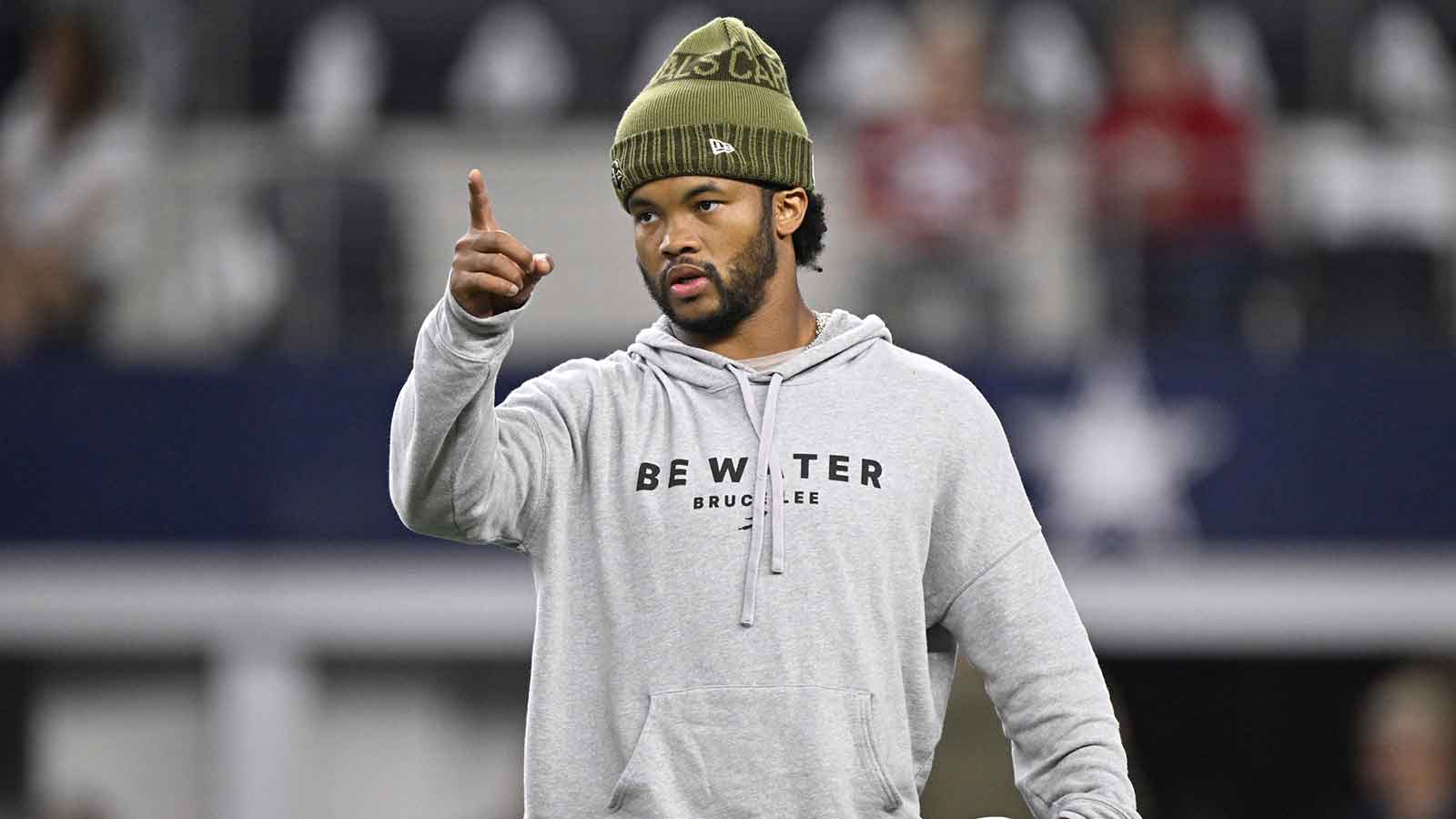
The Jets can draft another quarterback and hope he develops faster than the last three. Alteernatively, they can trade for a player who has already shown he can win at the NFL level.
Kyler Murray is not without risk, of course. Injuries linger. The contract is heavy. The personality fit will be debated endlessly in Manhattan. However, so is drafting a rookie and expecting instant salvation.
If the Jets want to accelerate the rebuild without sacrificing their defensive reset, this is the move that threads the needle. For once, New York holds the leverage. The question is whether they have the nerve to use it.