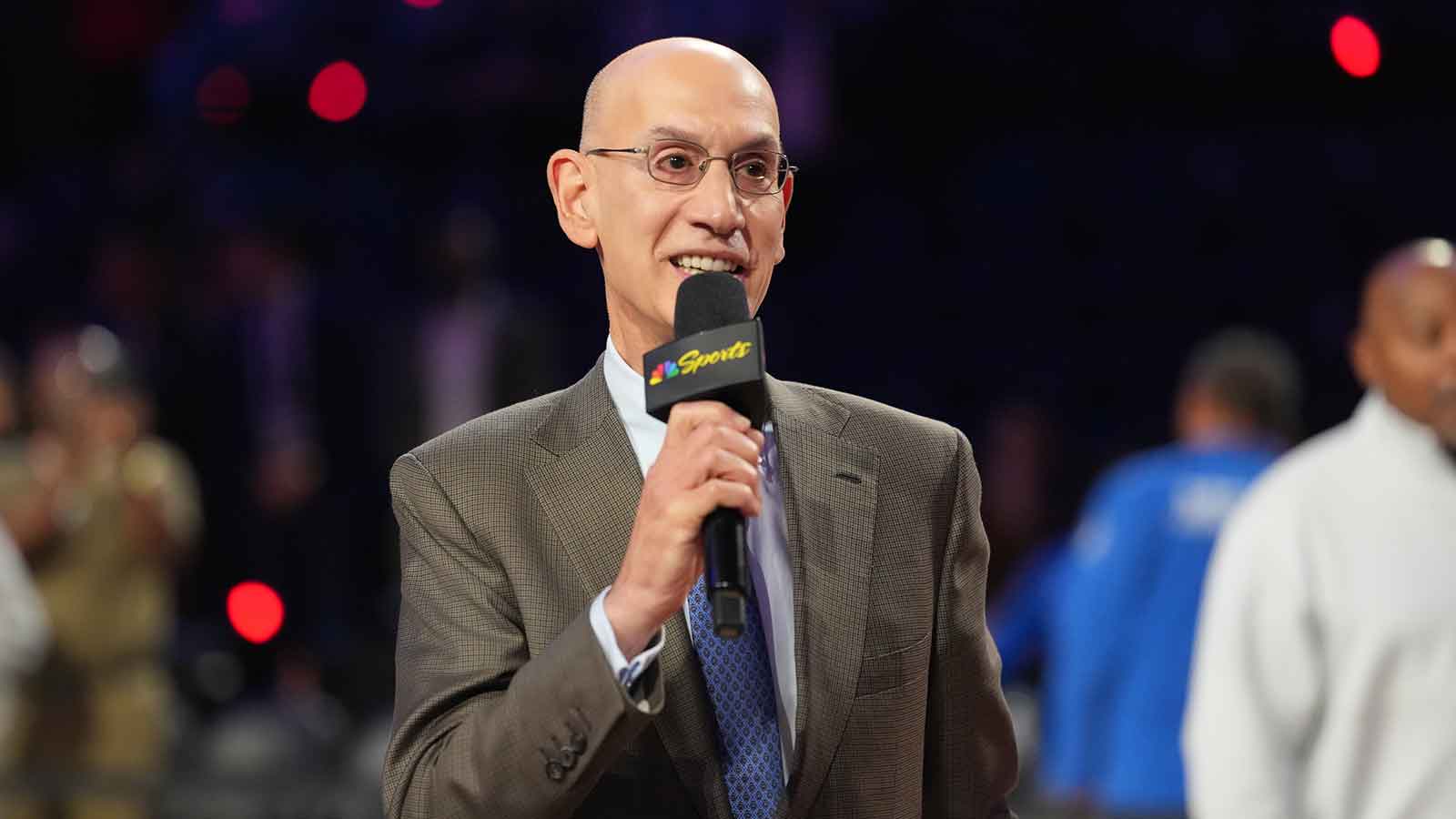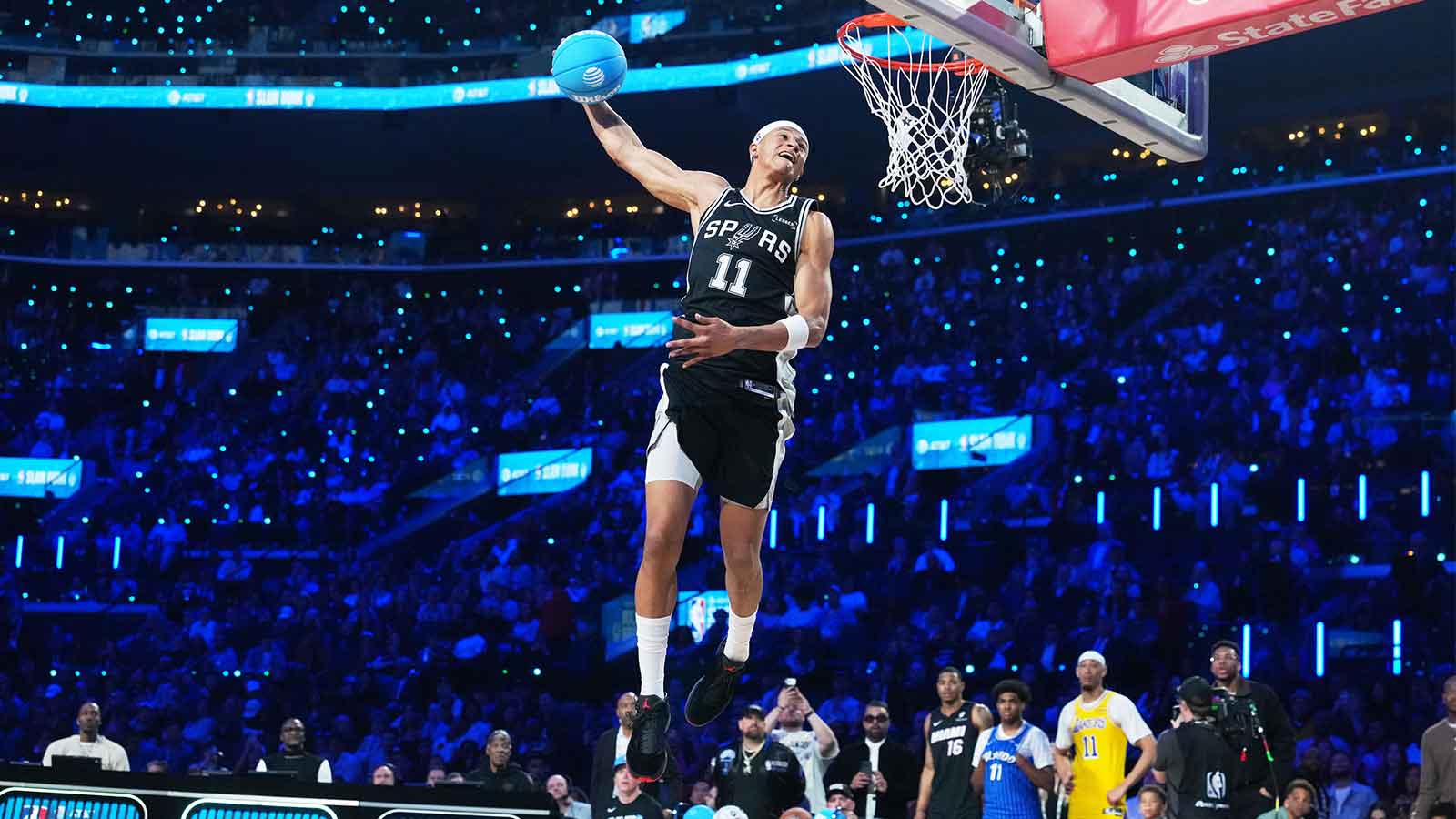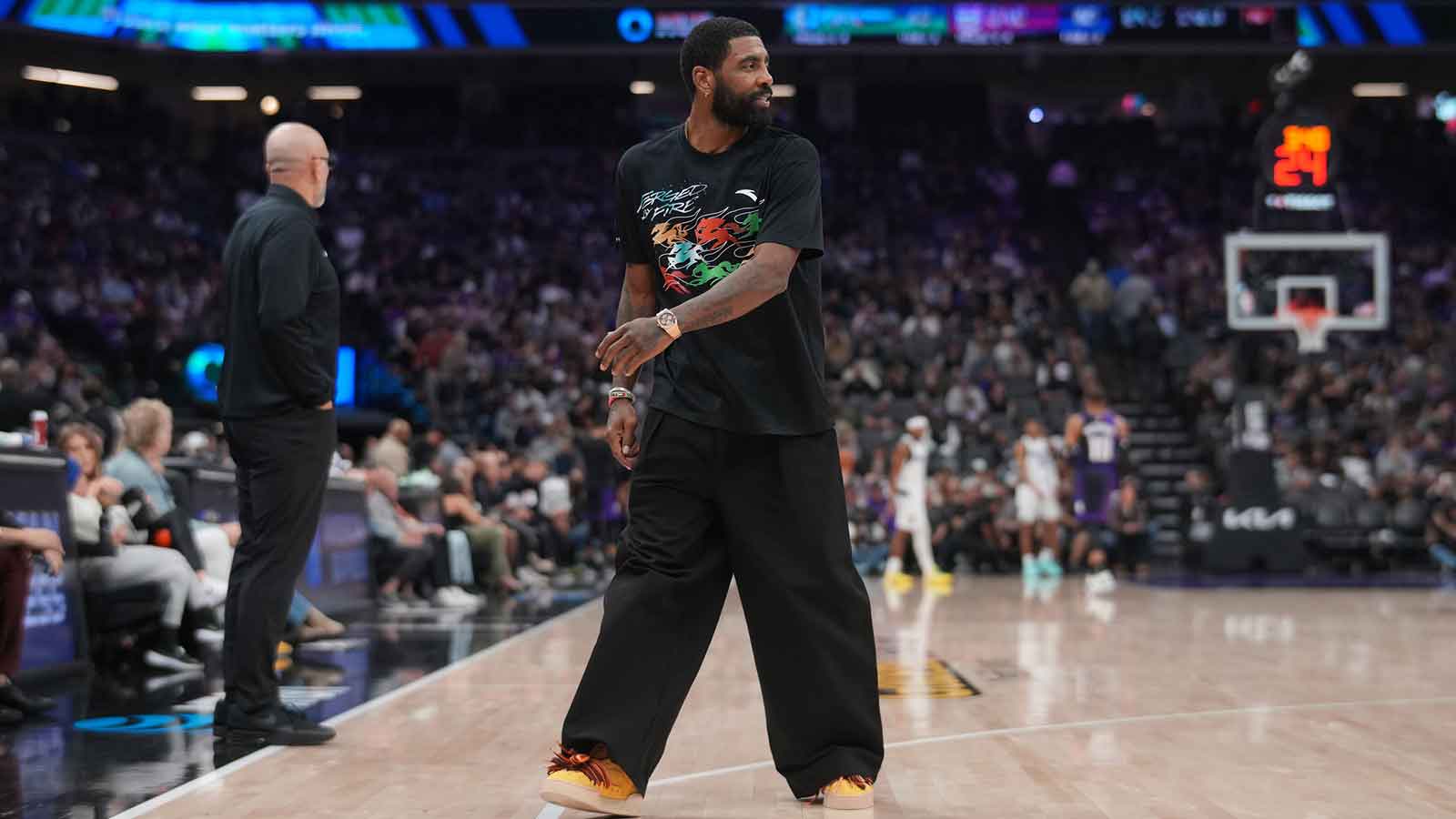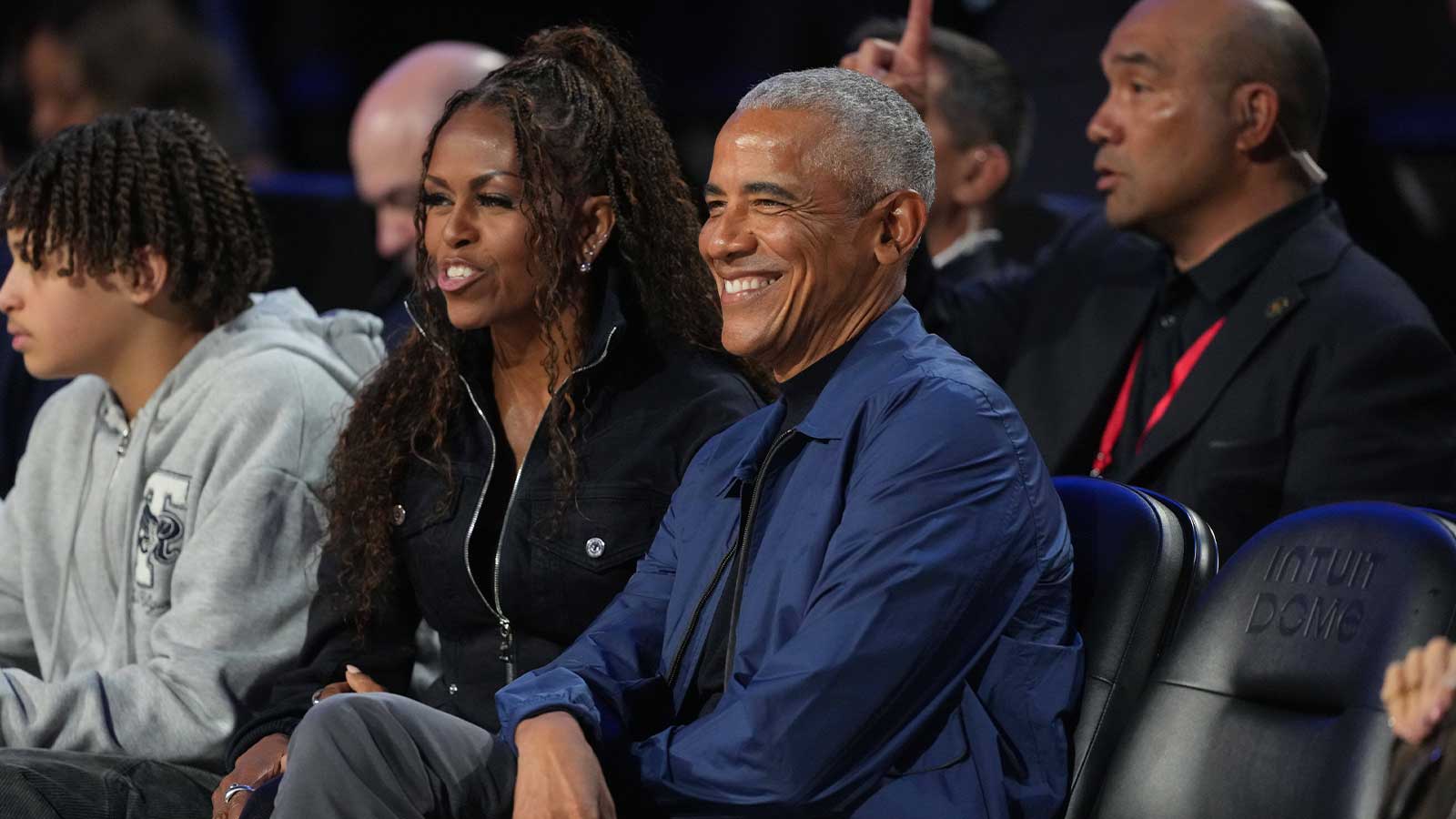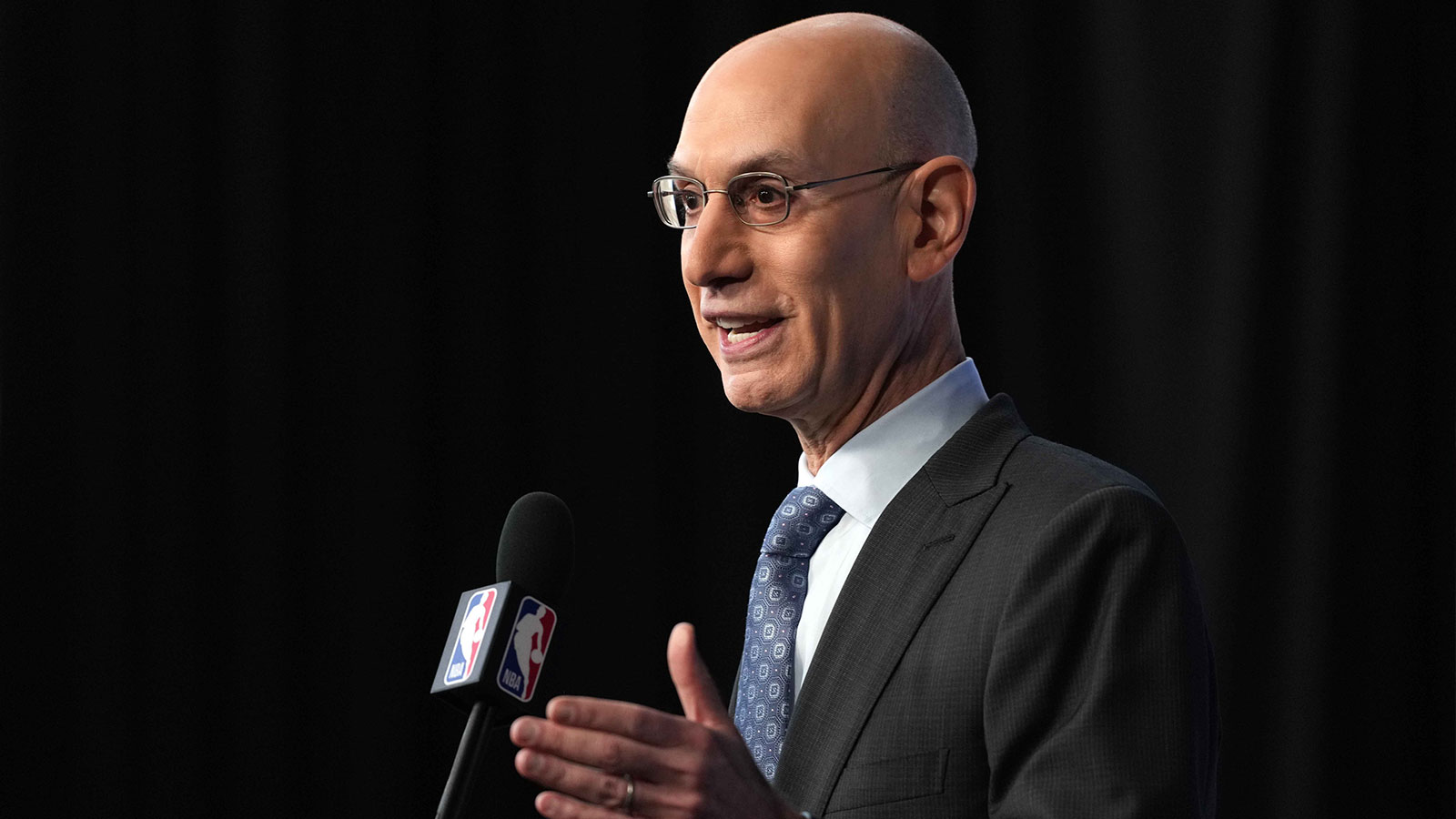
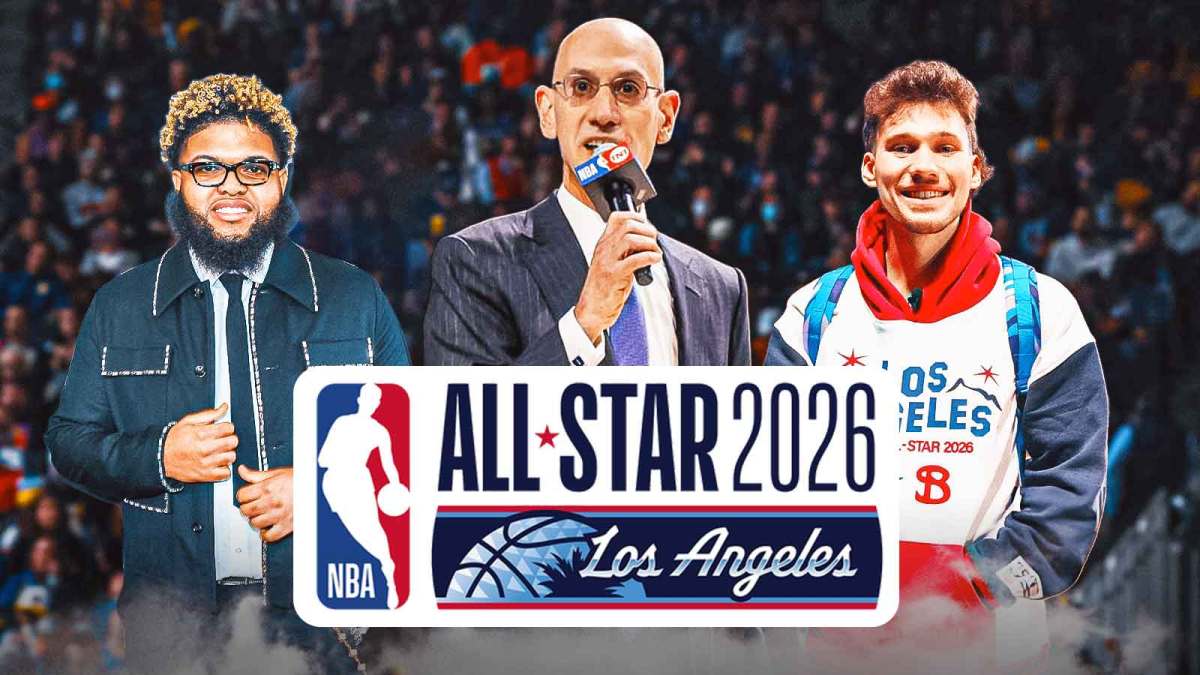
The 2026 NBA All-Star Game was an overall success for Adam Silver, players, and their fans. The NBA also invited over 200 content creators for what it described as its “most expansive creator footprint ever,” welcoming an entirely new set of problems into their world.
There was precedent for the global creators' involvement. This year's annual Super Bowl-week content just made the rounds. Comedians like Jimmy Kimmel Live‘s Guillermo Rodriguez have been connecting superstars to national audiences at NBA Finals media availabilities for years. With regard to media coverage in today's digital age, though, the NBA needs to leave reacting to streamers and get back to its roots as one of society's most influential cultural forces.
The answer is to acknowledge journalism and content creation as separate. Players will dread additional content-creating media availabilities the same way they likely dreaded the introduction of in-game interviews on television. Historically, leagues have found ways to force players to make sacrifices to help grow audiences.
As print culture continues to die in favor of video or online platforms with character limits, discourse about anything from sports to politics has become increasingly irrational. The convenience of instantaneously-delivered messages is undeniable. But it cannot be separated from the context that is often lost in online posts. This is especially relevant for platforms such as X, which both limit characters and incentivize controversy.
The equation of journalistic work with content creation, whether entertaining or not, is dangerous for fans. The NBA led globally with its handling of the outbreak of the COVID-19 pandemic. While sports reporting isn't as urgent as a matter of public health, the league can again lead globally by setting an important standard. The NBA owes its fans an example of how to operate and advance in this unprecedented era of content and information.
NBA pits creators against journalists, making fans the real losers
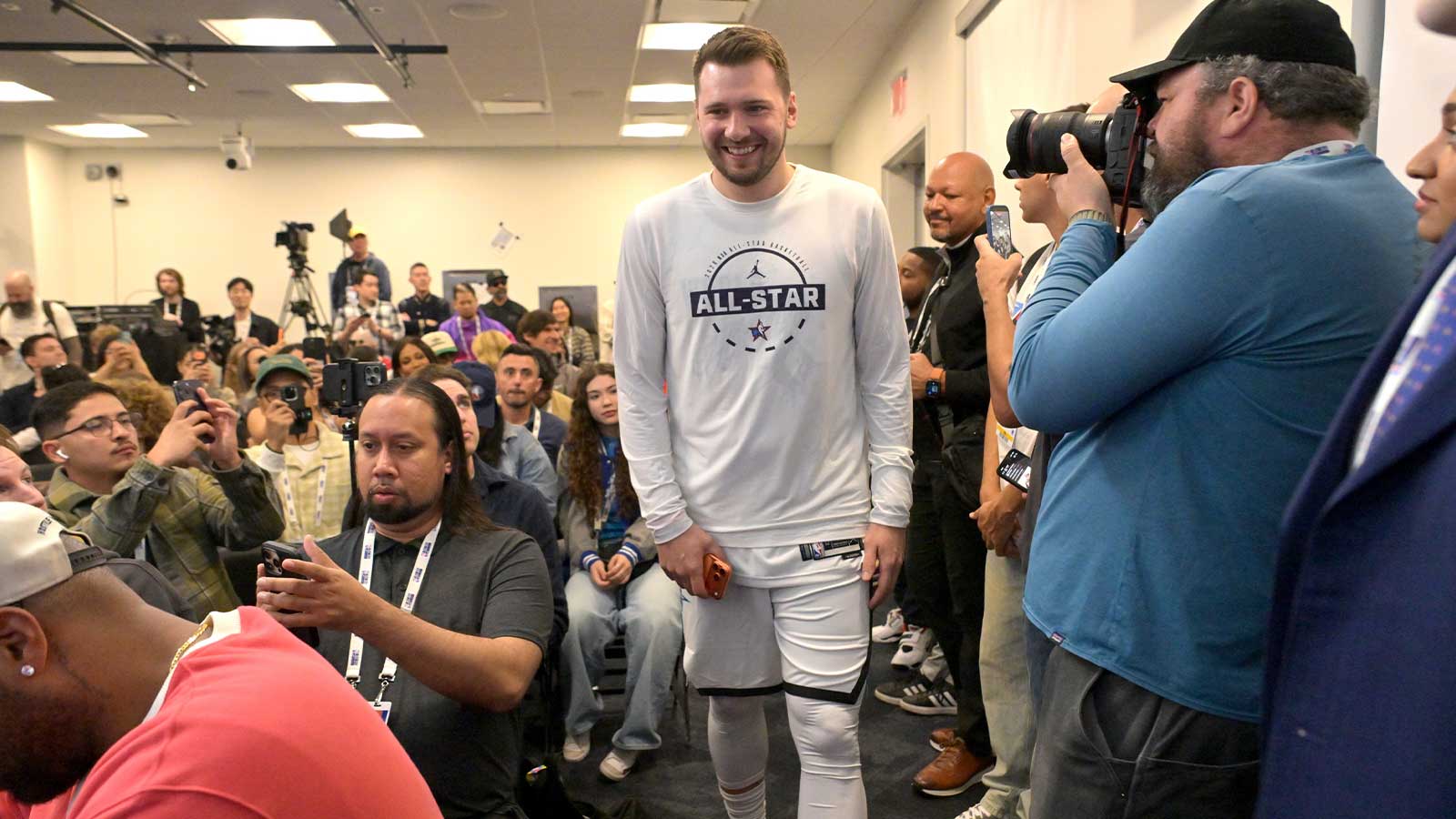
Creators were “deeply integrated” in All-Star Weekend, according to the league, playing “active roles within All-Star events through on-court participation, broadcast roles and behind-the-scenes access.” They are real factors with regard to growing sports and creating revenue to power teams and fuel the sports economy. But they do not have the responsibility to their audiences that journalists do.
TikTokers are beholden to standards of accuracy or fairness, but not in the way that an NBA beat reporter is. Content creators entertain audiences, a fundamental tenet of sports themselves. But they do not investigate and share information with audiences the way journalists must.
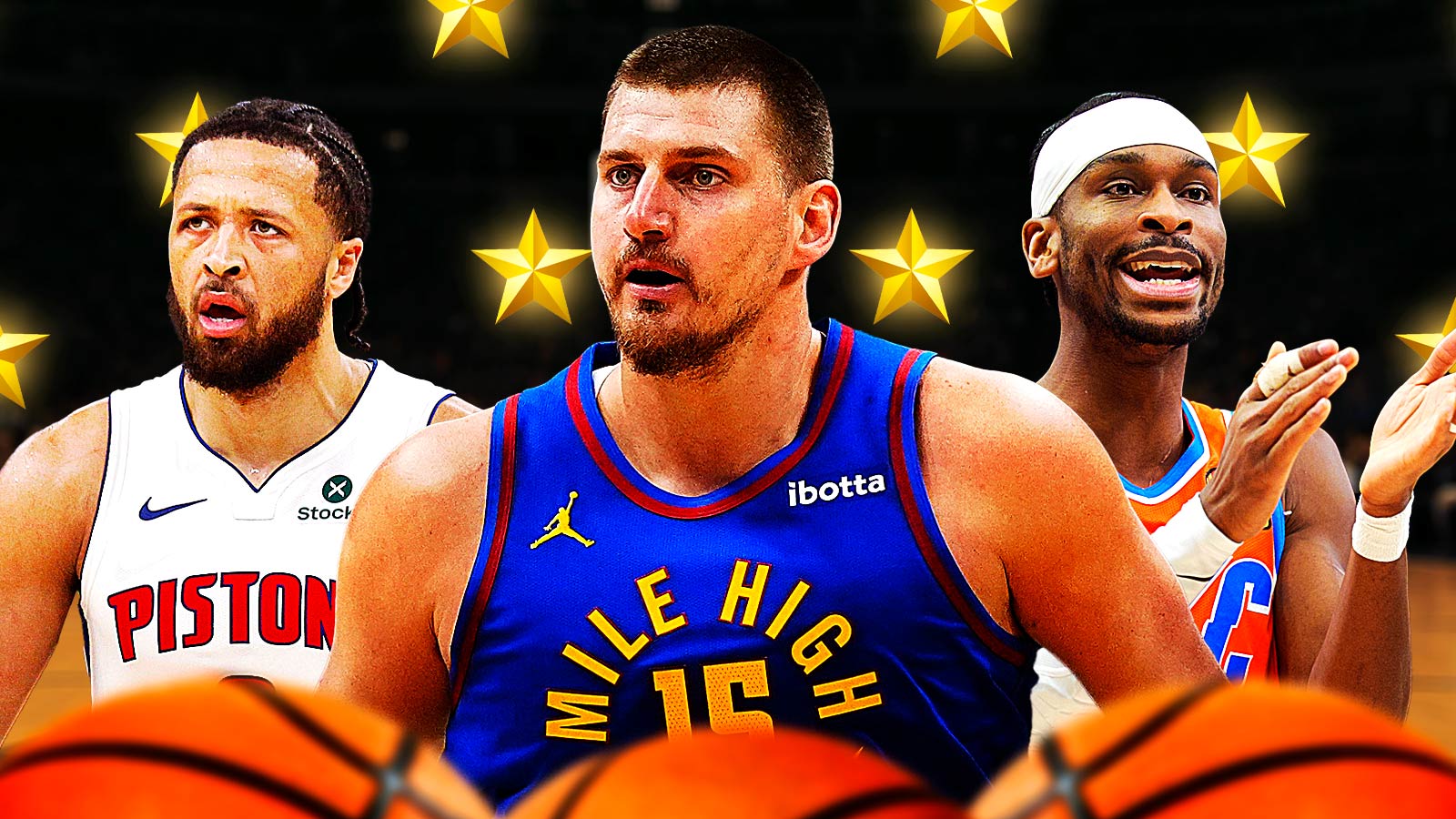
Detroit Pistons reporter Omari Sankofa II was unable to pose questions to all three of Motor City's All-Star representatives. This was simply because of an easily preventable scheduling snafu that had Jalen Duren, Cade Cunningham, and J.B. Bickerstaff's availabilities planned simultaneously. When so many players and coaches have to field questions from a plethora of media members, overlap is understandable. But it's key to recognize that fans suffer most from that setup.
The league scheduled JB, Duren and Cade all during the same 10-minute availability window. Cade was in the interview room down the hall, wasn't able to make to him on time. Guess they didn't think a local Pistons beat writer might want to talk to all three lol
— Omari Sankofa II (@omarisankofa) February 14, 2026
Reporters, particularly local ones, have long been fans' best way to follow their team over the course of a season. Influencers and content creators are more than welcome to join the conversation, providing both current and potential fans with entertaining perspectives on their favorite—or new favorite—athletes. But it can't keep coming at the cost of reporters being muted.
Creators should be welcome to NBA world, but not at cost of journalism
In some rare cases, those reporters are being muted: literally. When the NBA announced its influencer plans, New York Knicks reporter James L. Edwards III shared an anecdote of his own from the NBA Cup. Reporters missed out on an opportunity to ask a legitimate final question because one content creator produced a jersey for a Knicks player and asked them to sign it.
While at the NBA Cup, we (media) were trying to do a player interview for our jobs and one content creator interrupted, pulled out a Knicks player’s jersey out of his pocket and asked him to sign it. He got the last question. https://t.co/16ZqmYvwne
— James L. Edwards III (@JLEdwardsIII) February 10, 2026
While the urge to call these scribes cranky and move on may be strong, the fact of the matter remains that their jobs are to serve fans by investigating and sharing the truth. The league's increasing amount of partnerships with sportsbooks and prediction markets underscores the need for that kind of journalism.
While the cultural half-life of information continues to shorten, some data points are still much more significant than others. But the NBA doesn't have to choose between any of them. They should show creators how important they are by providing them with their own media availabilities. Some of the hilarious content created at All-Star Weekend showed that NBA stars are prone to doing all sorts of strange things. But making TikToks during job interviews doesn't have to be one of them.