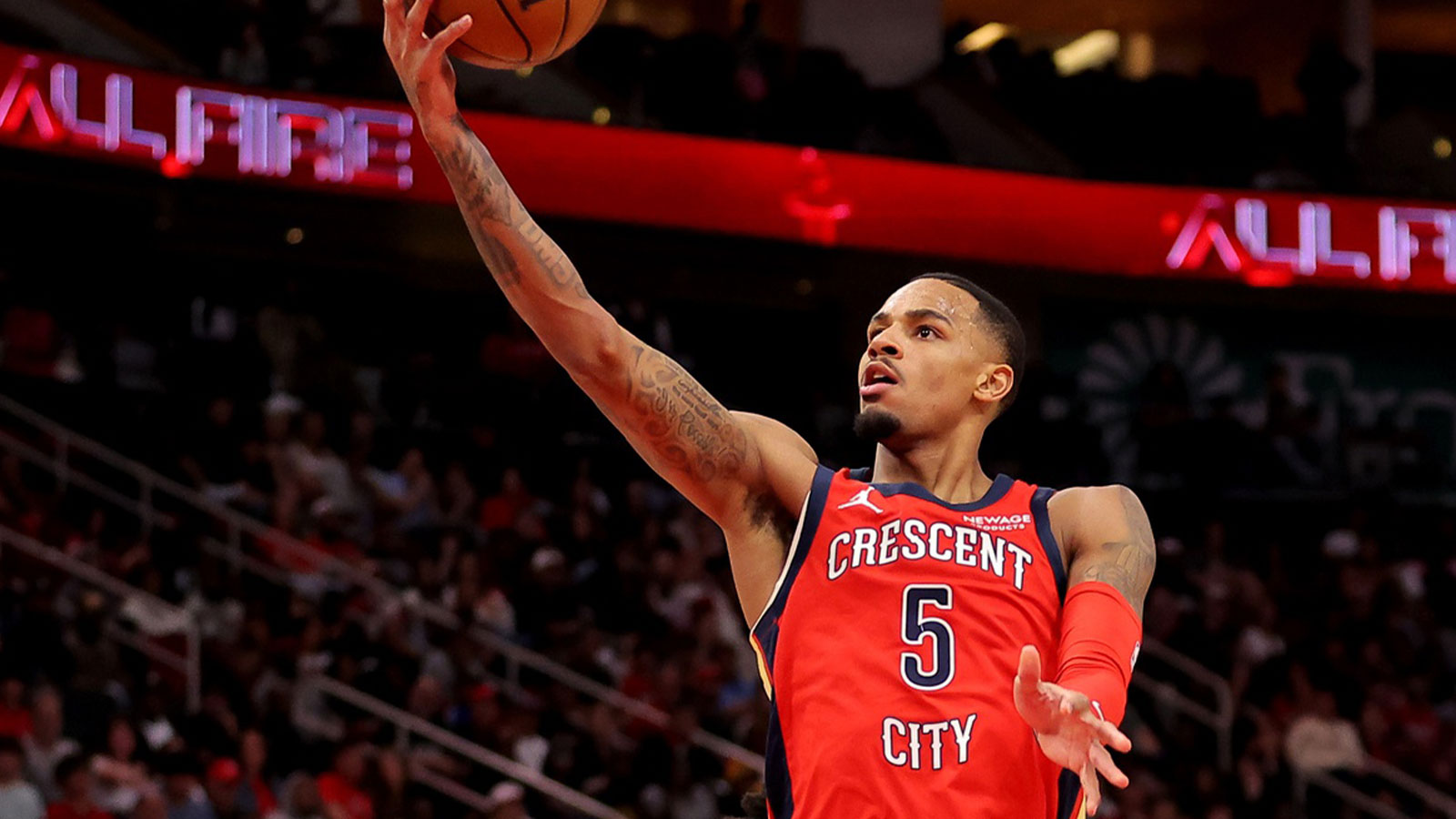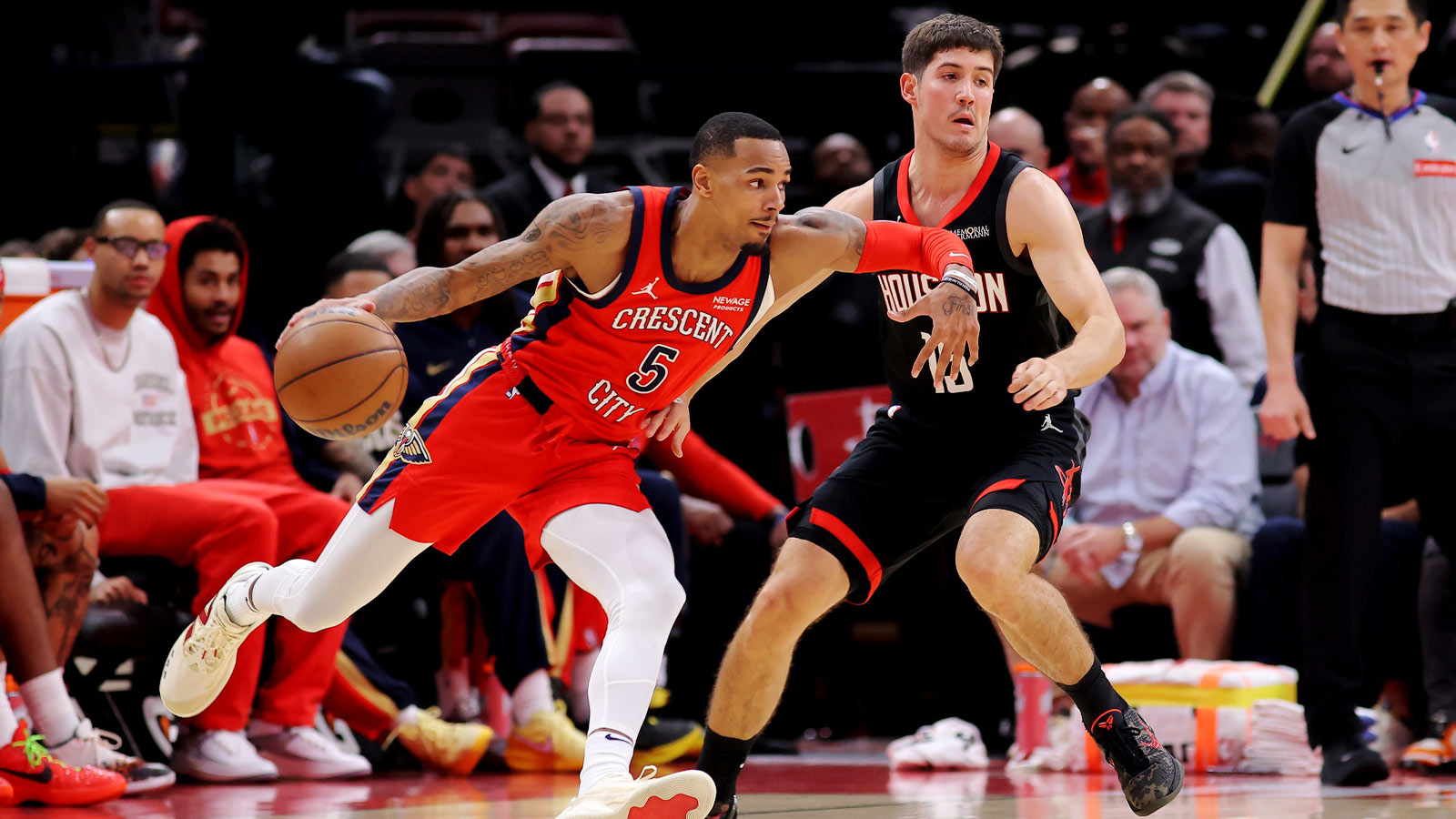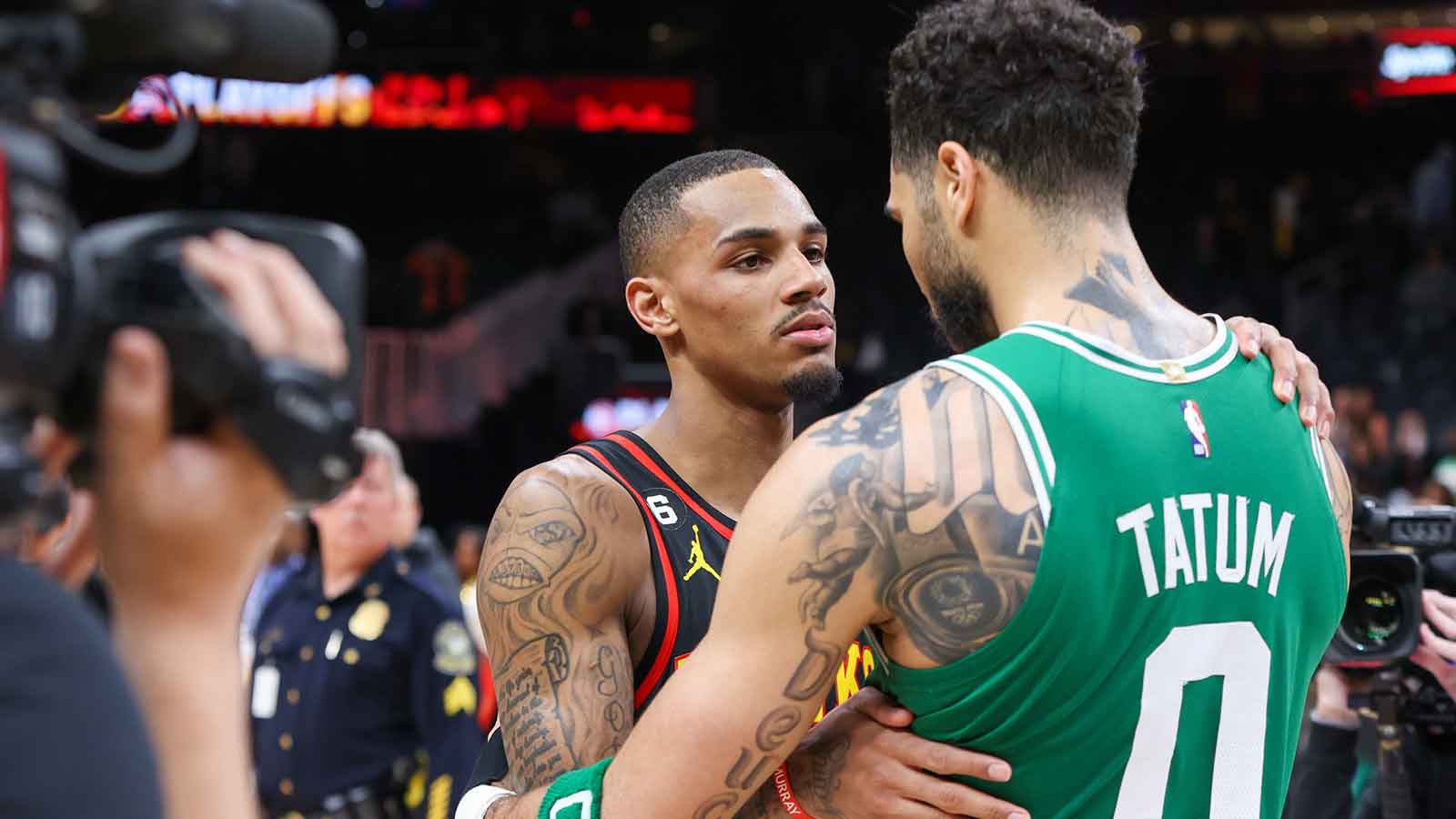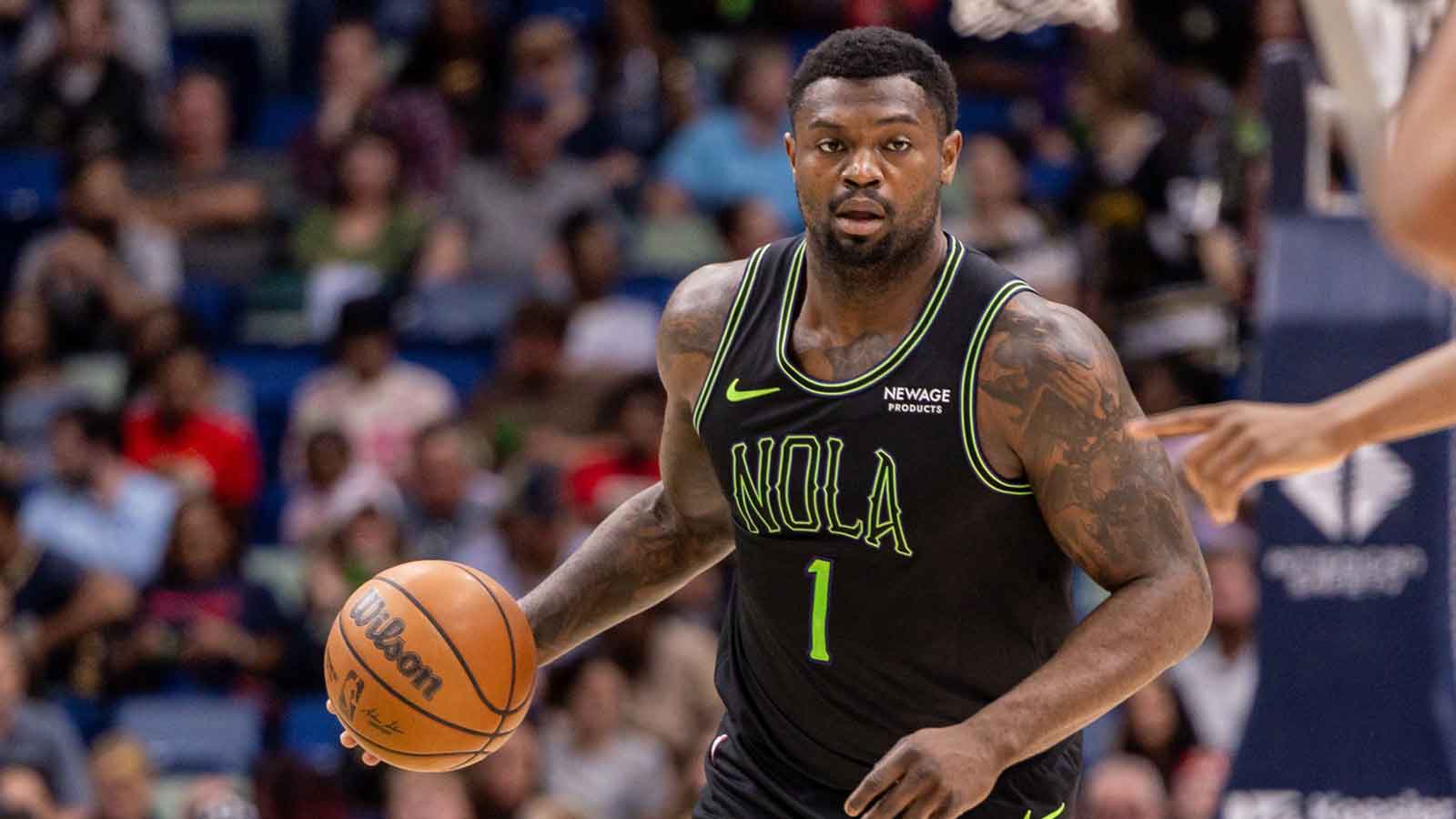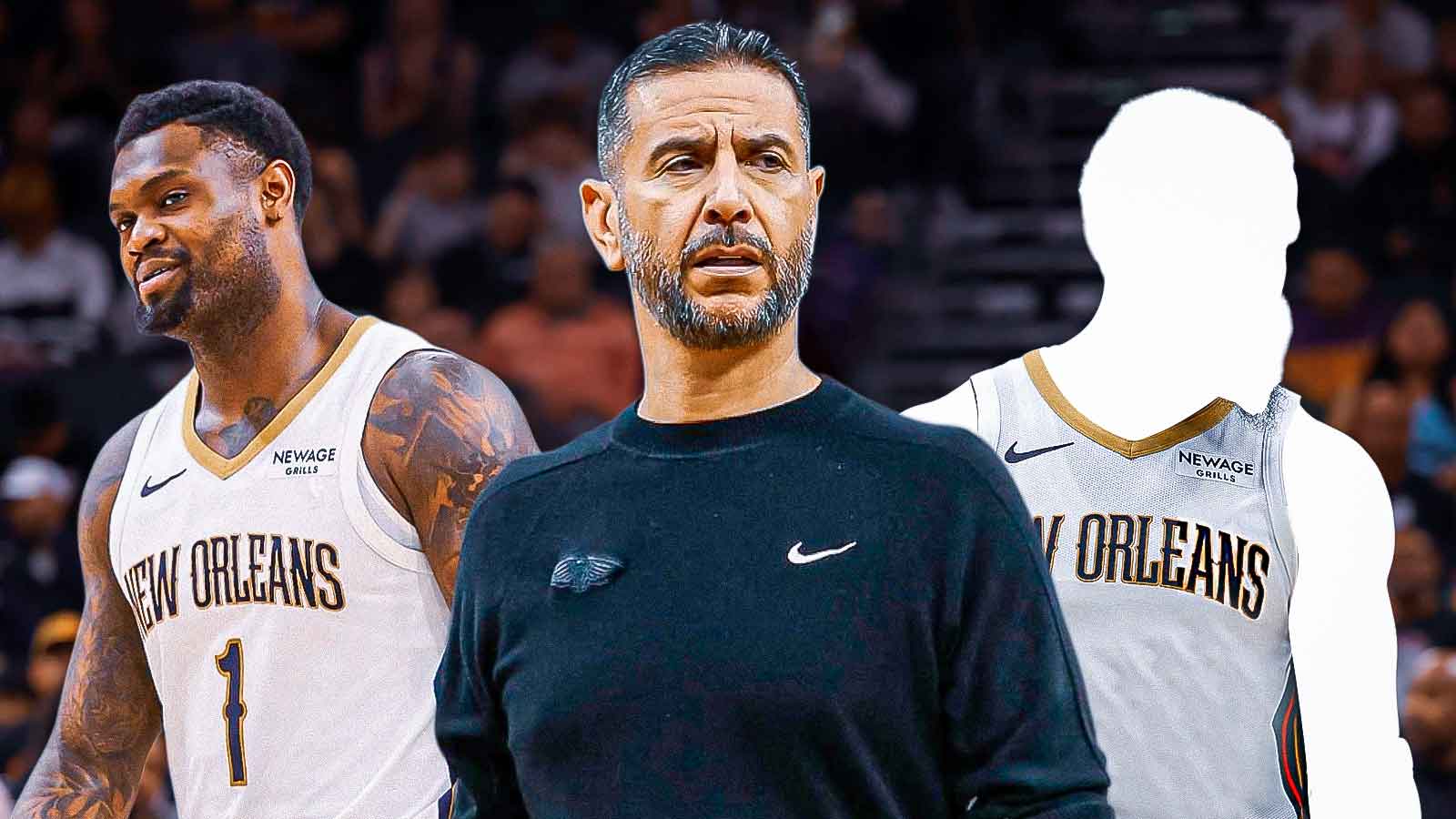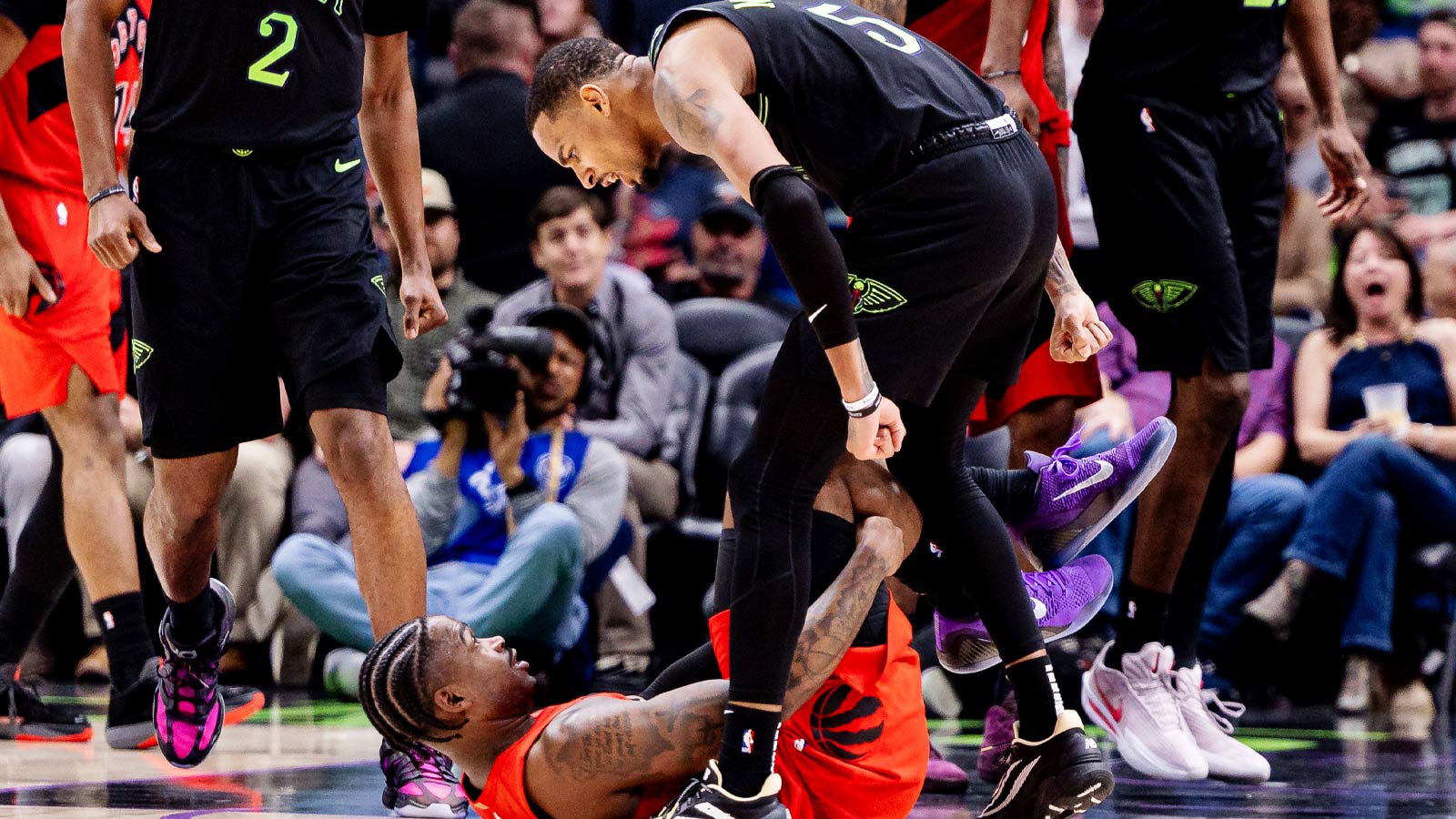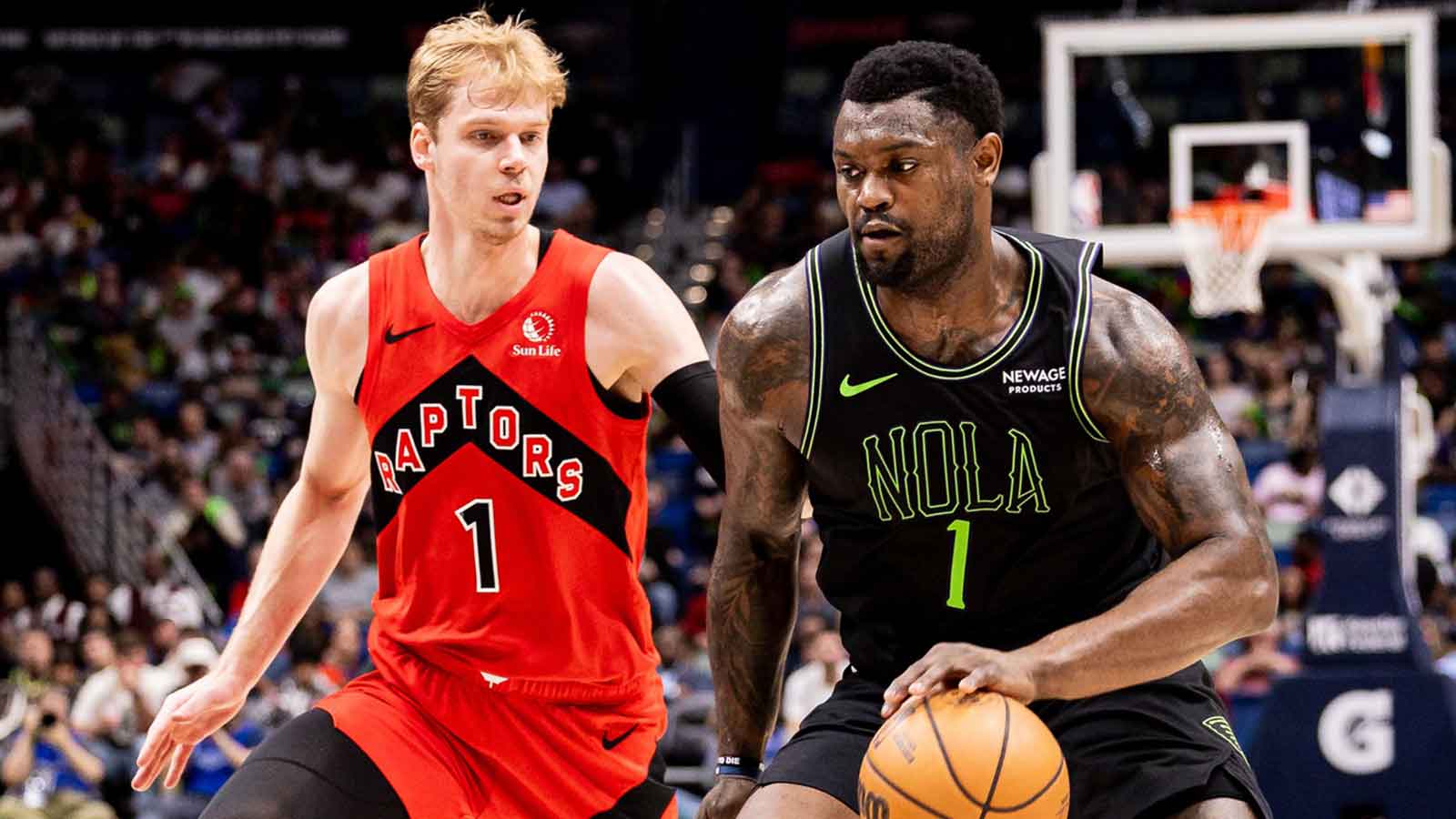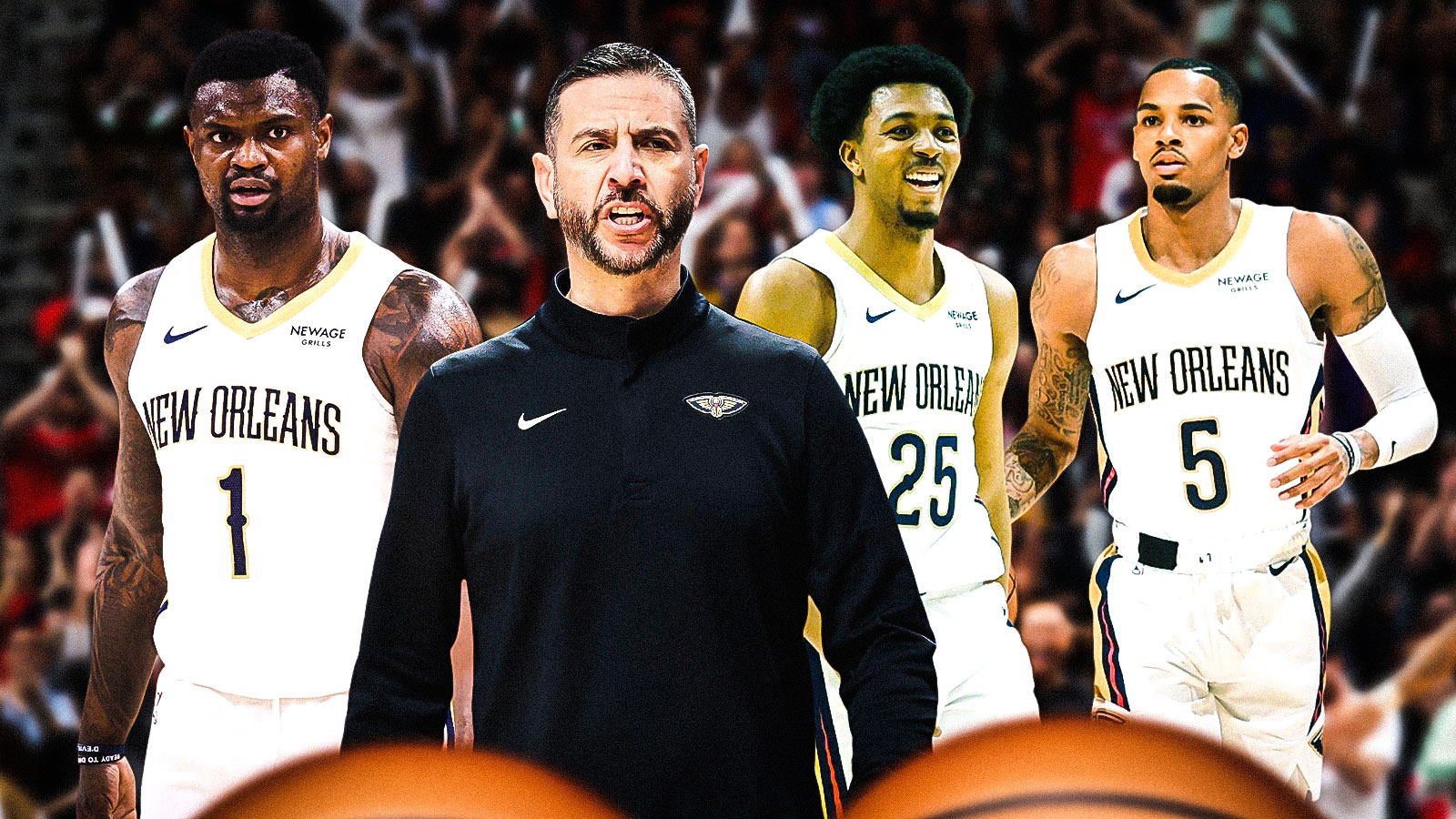
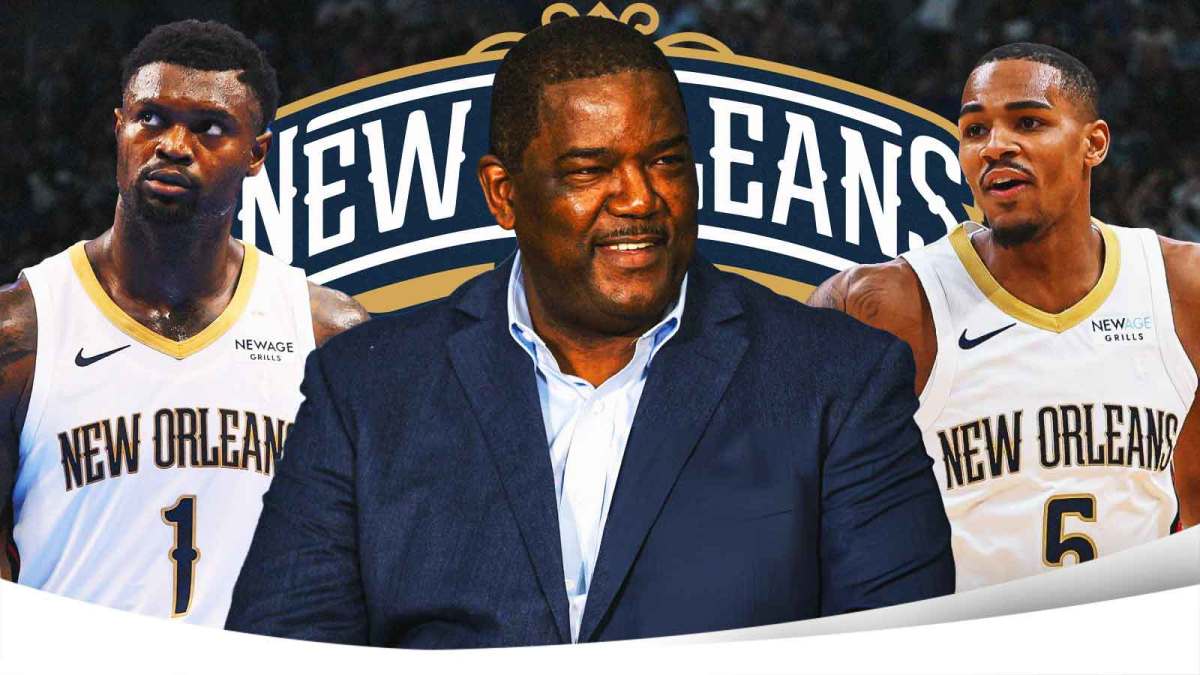
The New Orleans Pelicans are running out of ways to downplay Dejounte Murray’s impact. Since returning from injury, the former All-Star has not only stabilized the backcourt but reshaped the team’s defensive identity. This is a transformation James Borrego has made clear is no coincidence. That reality is what makes this offseason’s looming contract decision far more complicated than a simple market-value debate, especially since Zion Williamson is in a similar situation.
In his first 10 games back, Murray has averaged 18.7 points, 6.3 assists, 5.1 rebounds, and 1.6 steals in 27.6 minutes per game. His field goal percentage since returning sits at 54.7%, a level of shooting efficiency that outpaces anything he produced in 31 starts before the injury. The Pelicans are seventh in points per game and 10th in steals since Murray returned.
However, this contract extension decision goes beyond the counting stats. Borrego emphasized that Murray’s presence has fundamentally altered the team’s identity, shifting the mindset from passive to assertive.
“The physicality has picked up with our intention to be a more physical, aggressive team with our hands on the ball,” Borrego explained. “We've set the tone on the ball. That's Dejounte, that's Fears, that's Herb Jones setting the tone on the ball, contesting every shot. Our field goal percentage defense has really picked up. We're challenging every shot. Our three-point percentage has really gone down as far as our opponents.”
“You can't be a bottom-tier team in this league and think you're going to win,” added Borrego. “And it's got to be a mindset. Every day we're coming to work defensively. It's been about a pride. It's been about the size. It's been about physicality. And I think we simplified our defense, too. We're not changing coverages a whole lot. At most, what we're doing within a game is maybe trying to take one or two players out.”
As Borrego noted, the team's statistical shift has been stark with Murray anchoring the point of attack defense. Since the NBA All-Star break, the Pelicans have climbed from 27th to 18th in defensive rating. Contesting shots is paying huge dividends. They have shown marked improvement in opponent effective field goal percentage, particularly from beyond the arc, moving from 26th (55.8%) to eighth (53.2%).
With Murray’s projected contributions expected to remain near All-Star levels over the next three to four years, the Pelicans must decide whether the veteran guard represents the cornerstone piece needed to translate this late regular-season momentum into future postseason success. The franchise has long valued fiscal discipline to avoid the luxury tax, but there is a compelling case for making an investment that could solidify the team’s identity for years to come.
As the Pelicans regroup for a pivotal offseason, the front office faces a high-stakes math problem. How exactly will Joe Dumars and Troy Weaver value a player who has fundamentally altered the team’s defensive DNA?
The answer likely sits at the $100 million threshold.
Dejounte Murray paces Pelicans
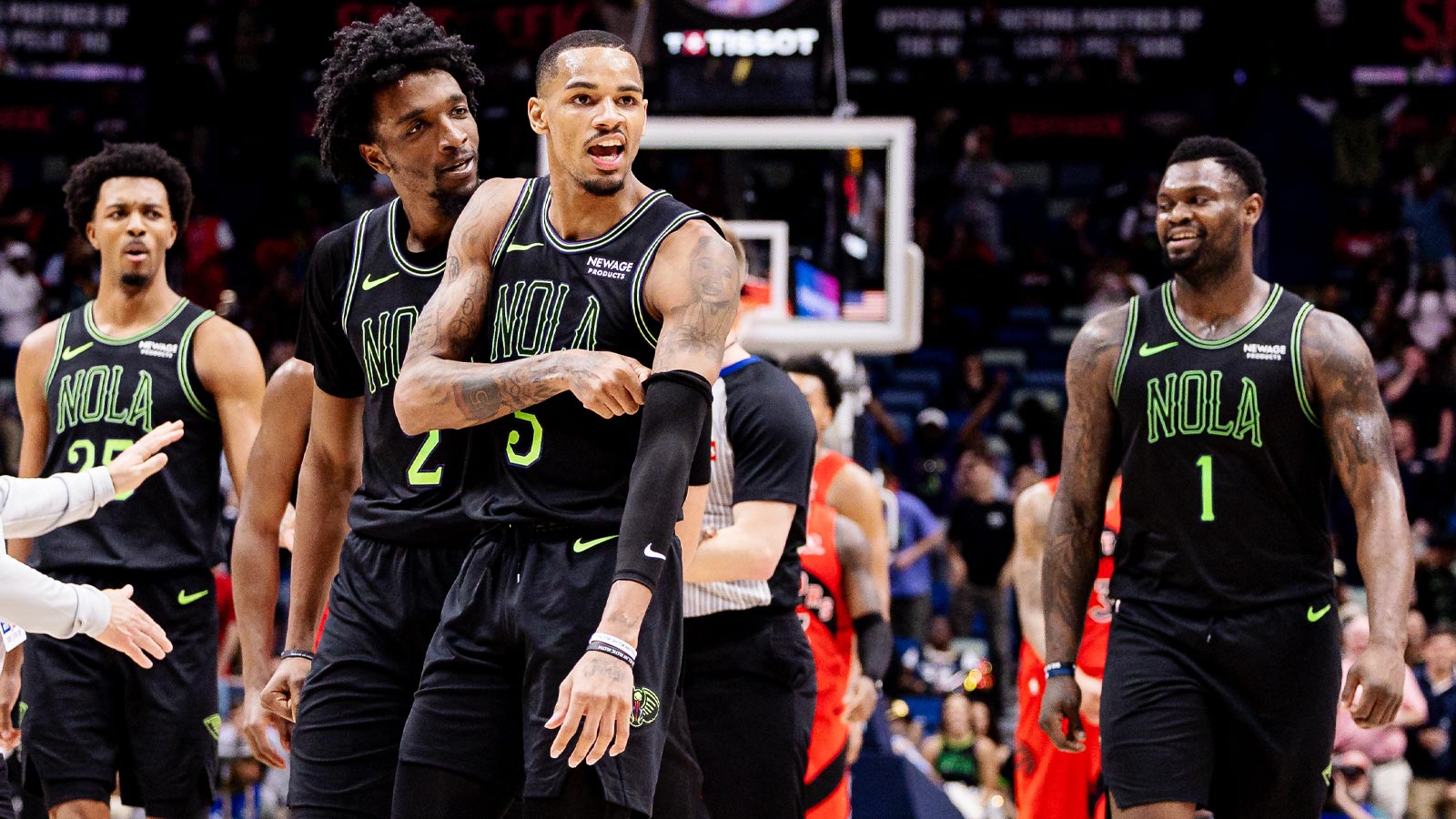
Murray's $32 million salary cap hit is perfectly fine next season. There is no way he opts into a $30 million player option for the 2027-28 fiscal year. Something approaching $38 million annually to add another three years represents a fair reflection of what he has shown and what he can provide. It will be expensive. It will require financial discipline elsewhere on the roster.
However, the alternative of watching a former All-Star, an elite defender, and a natural leader walk out the door because the front office was unwilling to move off $40 million AAV would be a mistake this franchise cannot afford to make, given how other star eras have ended. Zion Williamson can afford to wait in line behind Murray for this order of business.
Fortunately, Brandon Ingram, CJ McCollum, Zach LaVine, Kyrie Irving, and Derrick White's contracts provide reference points below that threshold. Jrue Holiday and Fred Van Vleet's deals provide the floor for Murray's agents should the market want to play hardball.
A potential three-year, $114 million extension may not align with the internal accounting plans. Still, it's hard to ignore the on-court evidence, which is increasingly forcing the franchise to reconsider just how rigid that line should be with this core. Murray is entering what should be the peak stretch of his career. His Achilles injury was serious, but his return in terms of production, efficiency, and impact on winning has eliminated most of the durability concerns that might otherwise depress his market value.
There are perhaps 15 players in the world capable of being a nightly near triple-double threat while remaining a legitimate NBA Defensive Player of the Year contender. Most are on the All-NBA teams at the end of the season. That combination of skills does not have a clean price tag, but it has a very high floor, especially next to Zion Williamson, Trey Murphy III, Derik Queen, and Herb Jones. Just look at how much the Pelicans are winning lately.
Given how the last few weeks have played out, the connective tissue of that core is unquestionably Dejounte Murray. Letting him leave, or letting negotiations stall long enough to damage the relationship, would cost New Orleans far more than the contract dollars in question. That's why the Pelicans must consider opening the conversation with a long-term three- or four-year investment over a two-year, $80 million placeholder that leads to the trade market.