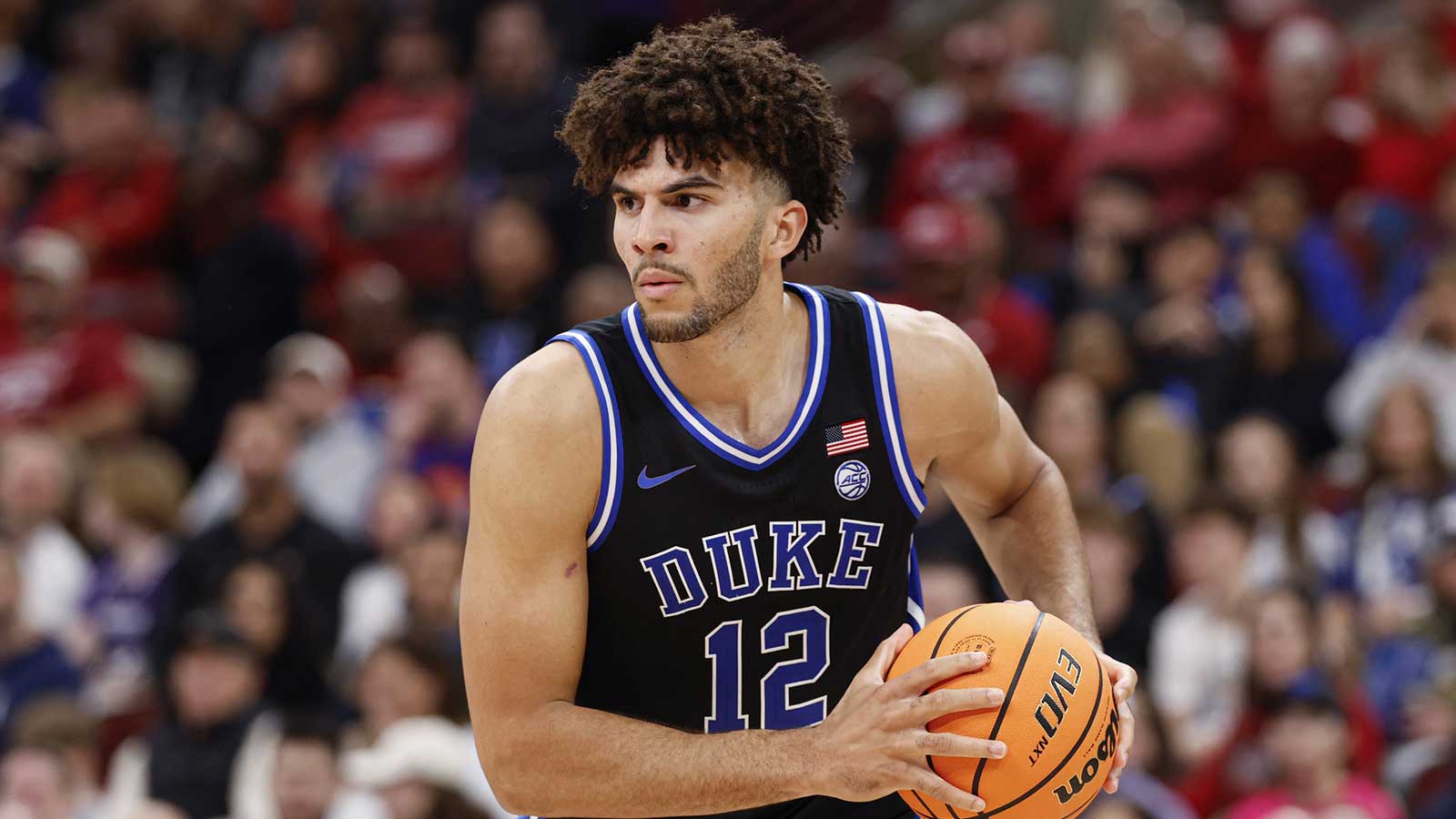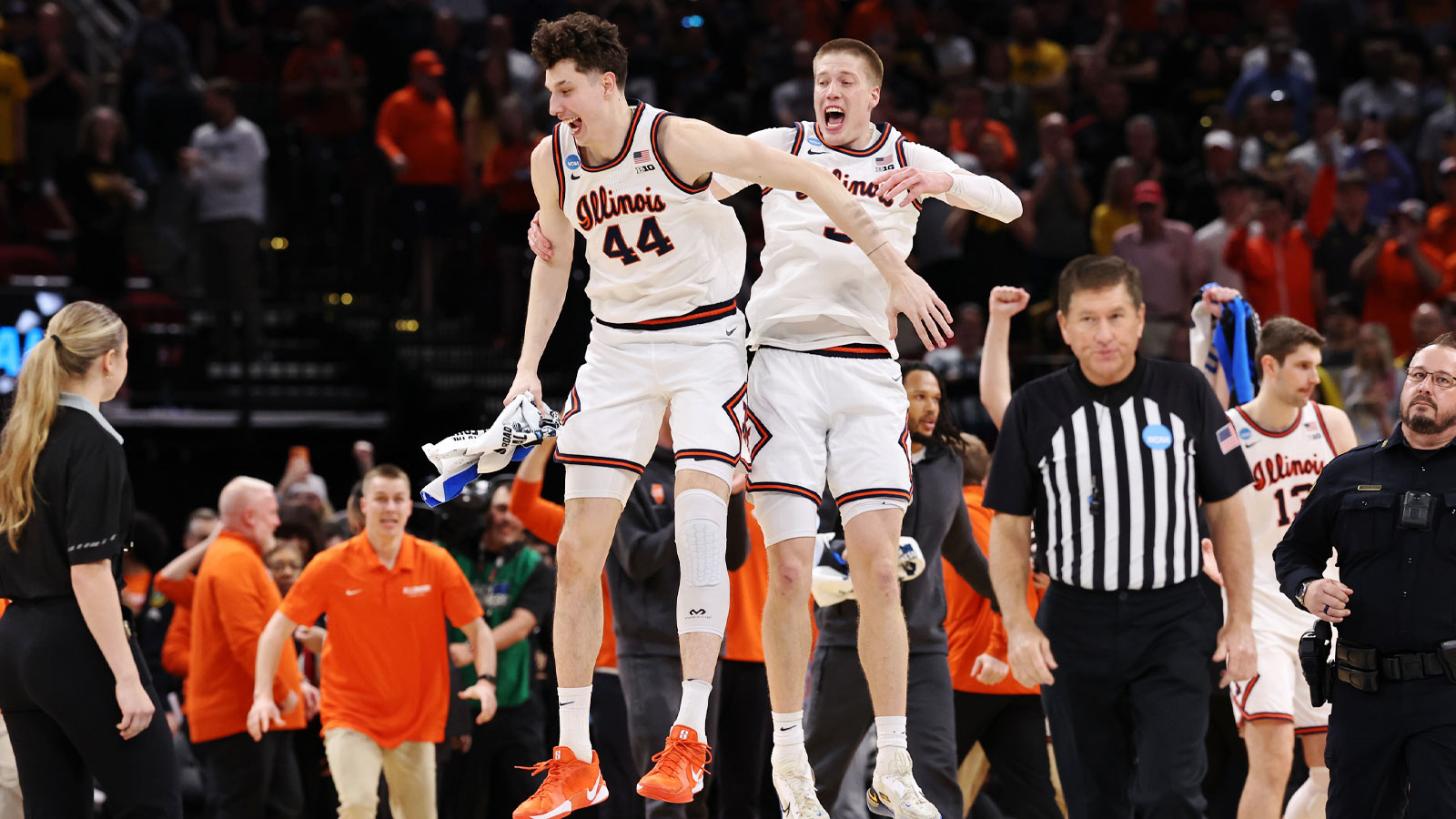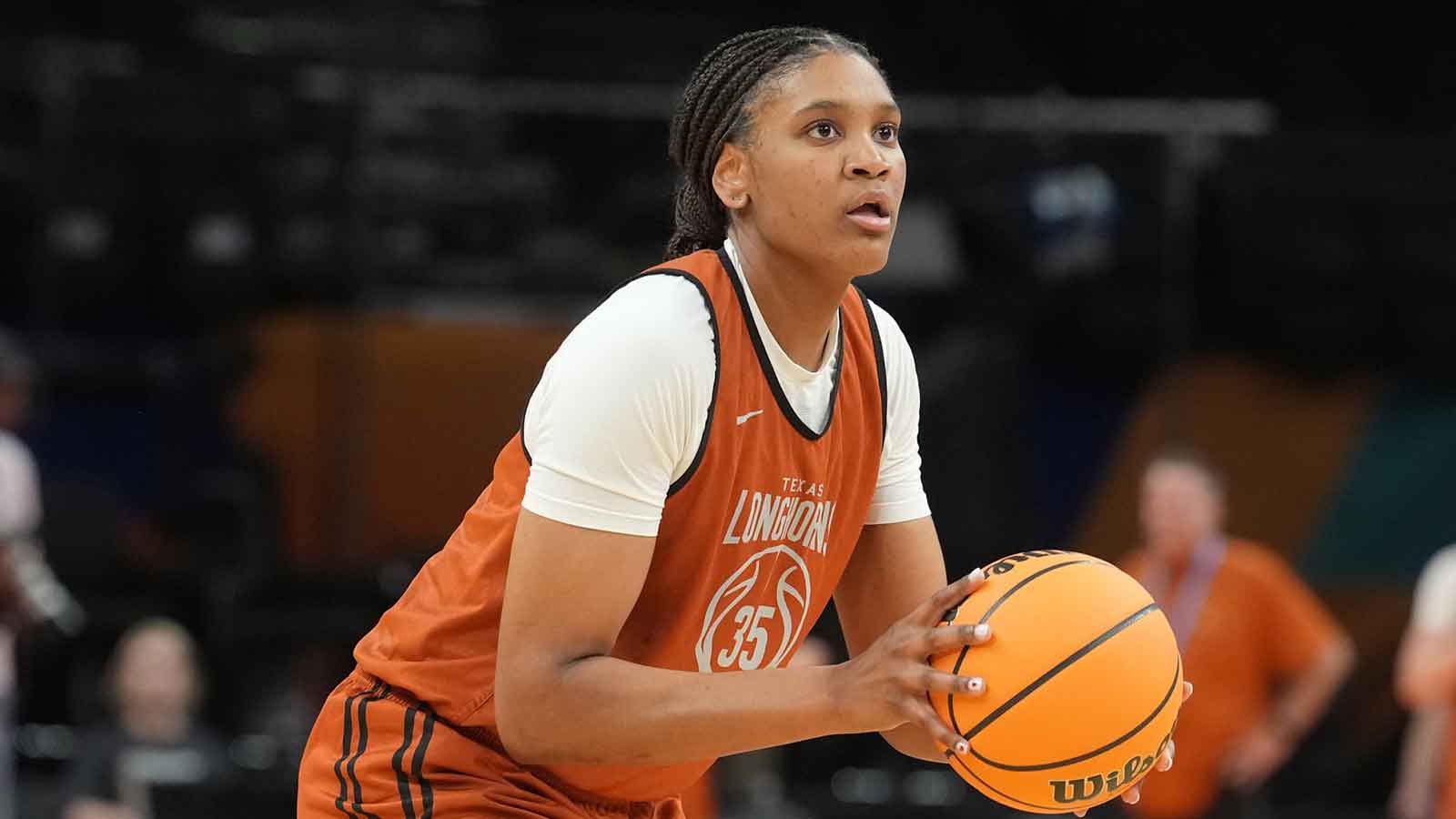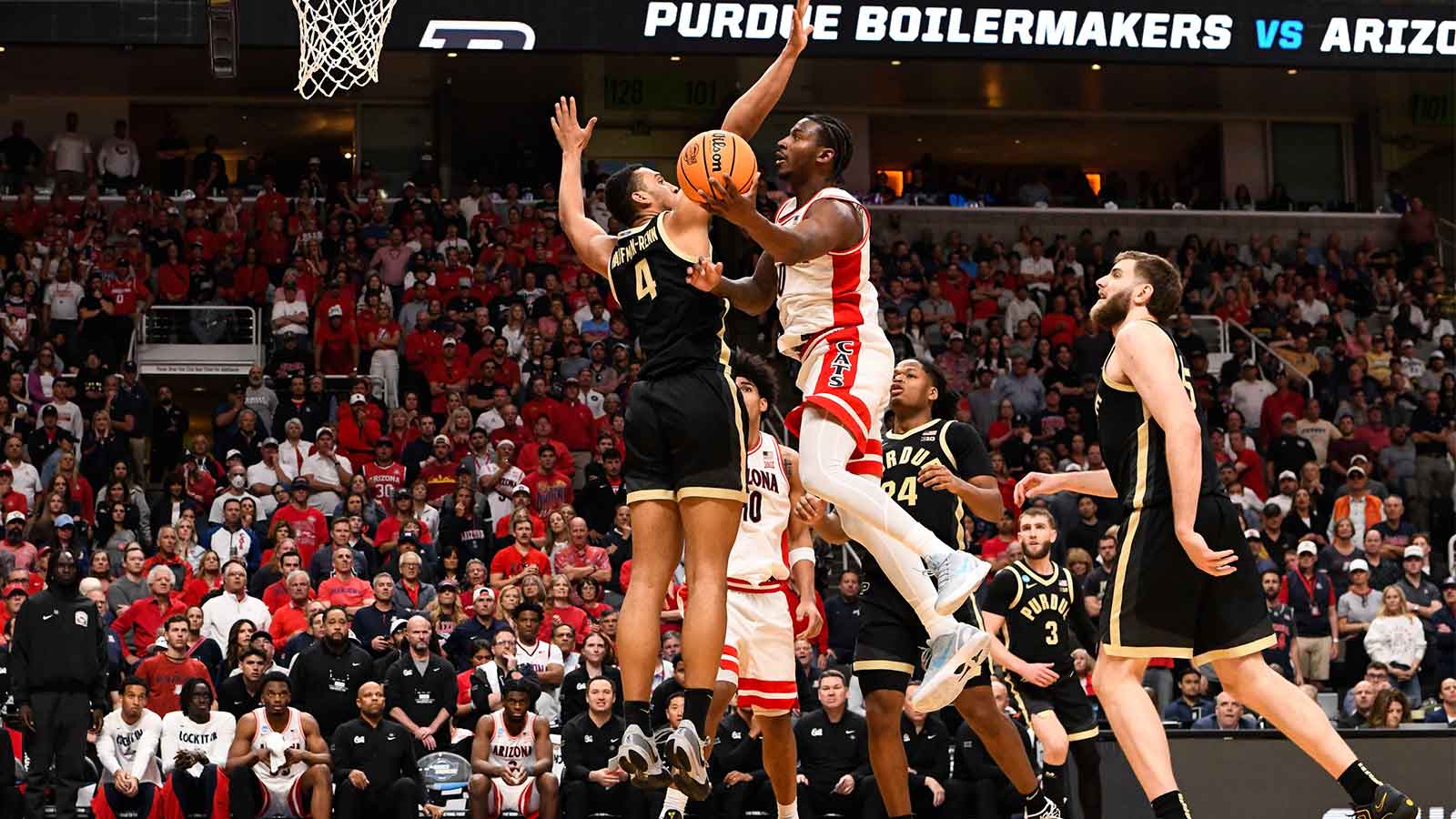

The women's NCAA Tournament semifinals bring together four of the most complete teams in the country. UConn women's basketball, South Carolina women's basketball, Texas women's basketball, and UCLA women's basketball, all No. 1 seeds, make up the 2026 field, and they are the exact same teams that reached the Final Four a year ago.
What makes this group especially compelling is the balance in competition. Each program has carved a distinct path to this stage, no single team enters with a clear or overwhelming advantage, and each matchup is a genuine clash of elite talent.
Since these Final Four competitors are pretty familiar with one another, the personal stakes for everyone involved are a lot higher. This penultimate round will be defined less by inevitability and more by discipline, passion, and the ability to outperform their opponent under pressure.
And then there were FOUR.
🎟️ https://t.co/uinvwwRlnm
📺 https://t.co/gcVRxPVaXR
📲 https://t.co/G2KeqiVWZ3
📻 @westwood1sports#MarchMadness x #WFinalFour pic.twitter.com/6nGK5pSBn2— NCAA March Madness (@MarchMadnessWBB) March 31, 2026
UConn vs. South Carolina
The first national semifinal game brings together two storied programs and legendary head coaches that are used to the March Madness environment. While both UConn and South Carolina are accustomed to the spotlight, they arrive with contrasting identities that should make for a highly tactical and physical contest.
Under head coach Geno Auriemma, UConn leans heavily on precision. Their offensive system is built around Sarah Strong, Azzi Fudd, and Blanca Quiñonez, who heavily contribute to the team's spacing, timing, and decision-making and often generate high-quality looks at a high speed. Ball movement is central to their success, and when the Huskies are executing at a high level, they can dissect even elite defenses. This group has also benefited from roster continuity and an overall healthy season, allowing the team to build up its chemistry even more since last year.
South Carolina, with Dawn Staley at the helm, has a slightly different focus. The Gamecocks possess a ton of scoring depth in players like Ta'Niya Latson and Joyce Edwards, but they especially thrive in the paint and on the glass, and their ability to control rebounding margins and protect the rim forces opponents into difficult, contested shots. Defensively, they are relentless, often extending possessions and wearing teams down over the course of the game.
The key tension lies in whether UConn can maintain its high level of offensive rhythm against South Carolina's defensive pressure. If the Huskies can limit turnovers, especially in the paint, and convert their perimeter shots, they can stretch the defense. However, the Gamecocks' skillset and depth make sustaining that efficiency difficult over four quarters, especially if second-chance opportunities begin to pile up.
Prediction: UConn advances in a tight, physical game, edging South Carolina late.
Texas vs. UCLA
The second semifinal game of the night will feature a compelling stylistic clash between defense and offensive depth. Texas brings one of the most physical, disruptive defenses in the nation, while UCLA counters with pacing and scoring versatility.
Texas has built its identity on defensive pressure. The Longhorns' ability to contest shots, force turnovers, control the glass, and otherwise smother offenses allows them to dictate the terms of games. Even when star Madison Booker, Rori Harmon, or the rest of its offense stalls, Texas stays competitive by limiting opponents’ efficiency and creating extra possessions.
UCLA thrives in a more fluid, up-tempo environment. The Bruins' offensive versatility allows them to attack from multiple angles, whether it's through their elite perimeter shooting from Gianna Kneepkens, driving inside and getting to the rim via Lauren Betts, or scoring in transition. The roster's well-rounded skillset has made UCLA a true contender, giving the team enough balance to complement its size and other strengths.
This matchup will likely hinge on tempo. Texas will attempt to slow the game down and turn it into a half-court battle, while UCLA will look to push pace and create early scoring opportunities. The team that successfully imposes its style will gain control.
Prediction: UCLA advances by maintaining offensive balance and doing just enough defensively to withstand Texas’ pressure.
Final Four aftermath
With UConn and UCLA advancing, the championship matchup becomes a contrast between offensive speed and dynamism. UConn’s ability to control the pace and dominate the boards gives them a structural edge. UCLA’s path depends on perimeter efficiency, defensive capabilities against a high-powered offense, and avoiding extended scoring droughts.
This Final Four underscores the evolving balance within the women’s game. Efficiency, power, defense, depth, talent, and versatility are all represented at the highest level, and no singular game plan guarantees success. The margins between these teams are narrow, and outcomes will be decided by how well each side can execute in crucial moments. These are matchups that could be decided by late-game possessions, rebounding battles, and the ability to adjust under pressure.
However, the broader takeaway is the parity on display: Four distinct styles, all capable of winning, converging on one stage. That tension between contrasting approaches and equal ambition is what should make this championship weekend especially compelling.