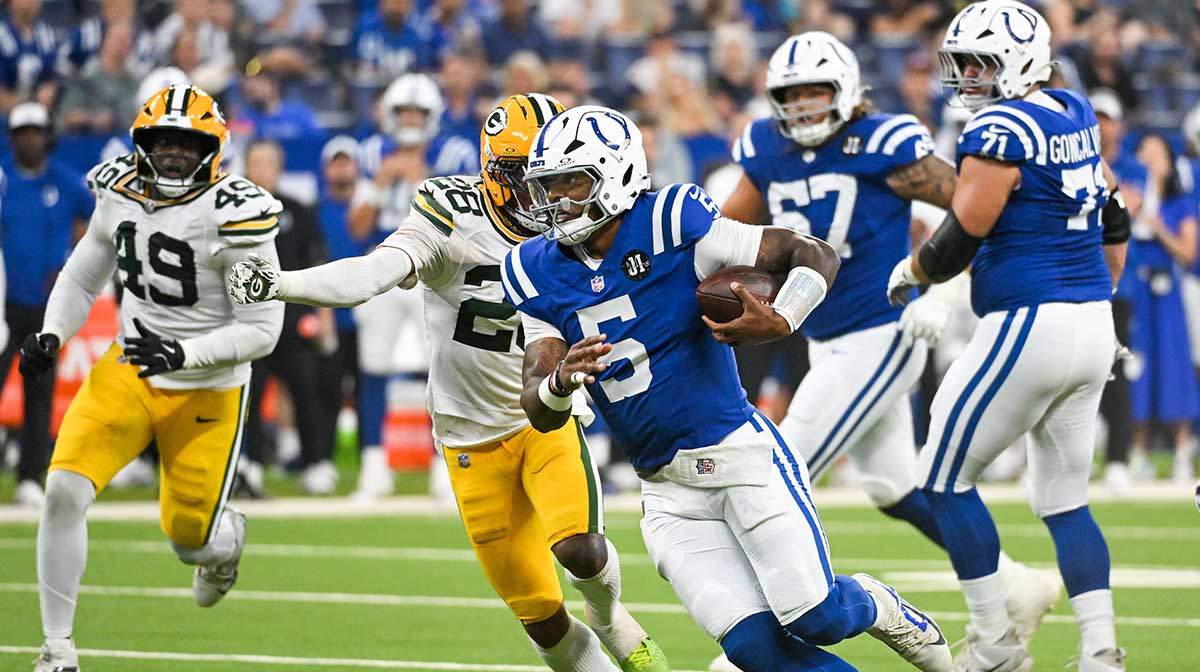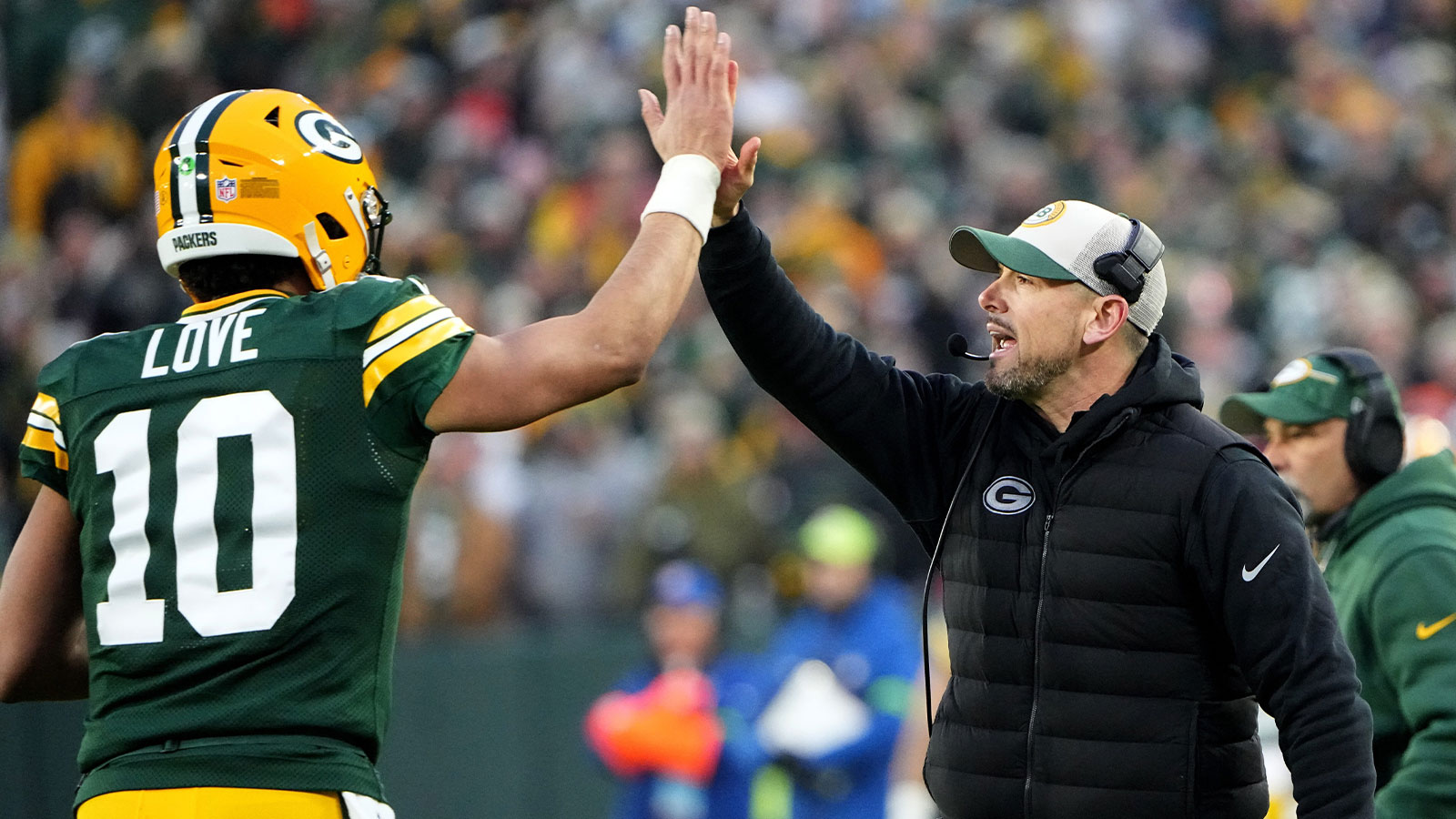
Recent rumors surrounding Green Bay have created a somewhat tumultuous offseason. Pete Dougherty suggested that some locker-room friction may stem from players feeling miscast or overwhelmed by their roles. Meanwhile, speculation about the backup quarterback position continues, with names like Jimmy Garoppolo emerging as potential options after other veteran quarterbacks have been signed, and while these discussions are noteworthy, they should not divert the Packers' attention from one clear and effective draft strategy.
They should focus on strengthening the trenches during the early rounds of the draft, and shouldn't waste a pick on a flash-in-the-pan receiver, a running back just for the sake of it, or an early quarterback based on recent trends. Instead, their best course of action is to invest their premium picks in solidifying their offensive and defensive lines, and this approach would benefit Jordan Love, head coach Matt LaFleur, and make their competition more difficult.
Though this strategy may sound traditional, sometimes traditional simply means correct, and the current roster composition makes this approach even more necessary.
They do not possess a first-round pick and head into the draft with seven selections, one in each of the second through sixth rounds, plus two in the seventh, and this limited margin means that their early picks must have substantial value.
In this situation, the front office should prioritize certainty over novelty, and the focus should be on building a powerful team rather than one that relies on flashy plays.
The Packers should build the draft around force
For months, discussions about the Packers have revolved around more eye-catching topics: the locker-room atmosphere, whether LaFleur’s leadership still resonates with players, and whether Love needs a more experienced backup. While these concerns are certainly valid and generate headlines, they often overshadow a more fundamental issue.
The Packers have too frequently appeared as a team trying to solve problems through complex arrangements rather than through sheer force, and the result is a lack of clarity and defined roles.
The upcoming draft weekend is an opportunity to change that narrative, and the ideal version of the Packers will not be built on constant compromises.
Instead, it should focus on clear roles, a tougher interior, and a competent front that can withstand the pressures of January without needing everything to go perfectly. In simpler terms, the solution to a team grappling with internal discord is not added complexity, but rather a roster that makes roles clear from the start.
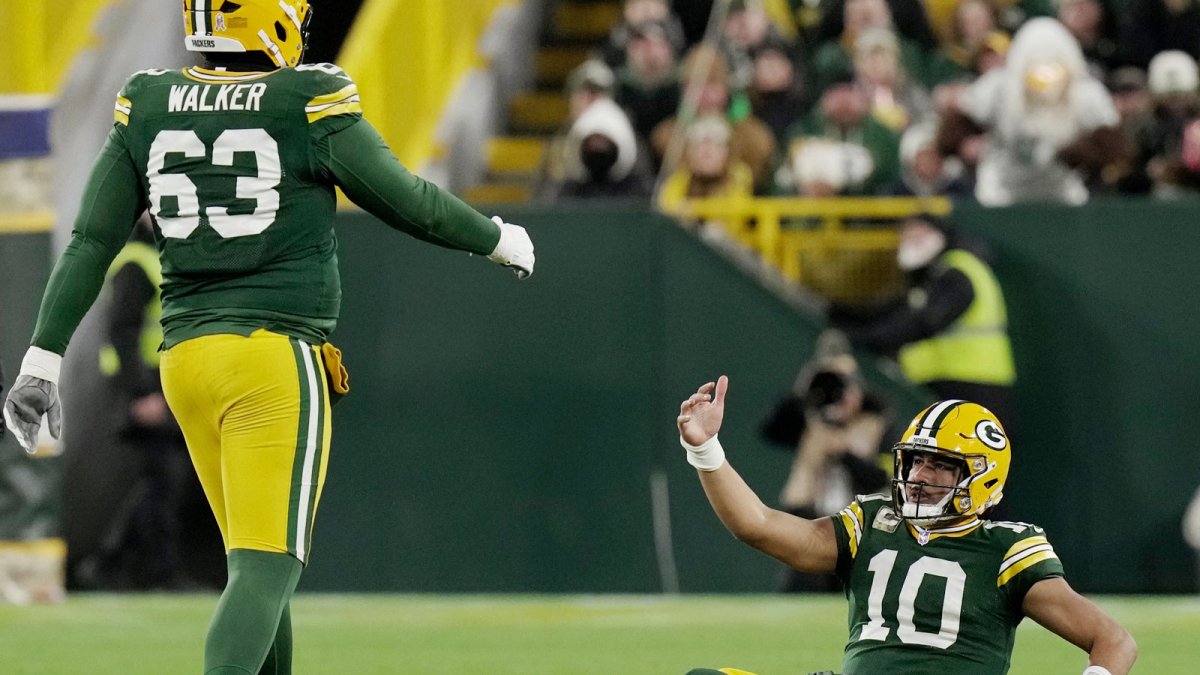
The focus should start with the offensive line, as much of the recent tension appears to stem from this area, and selecting a genuine center or guard with their first pick would not only improve one position but also stabilize the entire line.
This would help the coaching staff assign roles more effectively and substantially support Love, not through gadget plays or empty promises, but by providing a pocket that forms consistently and stands firm when the game becomes challenging. Quarterbacks often do not require more weapons, but they need a more secure environment in front of them.
This choice would also send a strong message to the locker room because it would eliminate the need for constant reshuffling and vague claims about being able to perform multiple roles.
Players thrive on clarity, and while coaches appreciate flexibility and fans enjoy exciting plays, athletes tend to prefer knowing where they fit within the team structure. Drafting for the offensive line may not resolve every issue overnight, but it would quickly improve the overall coherence of the team.
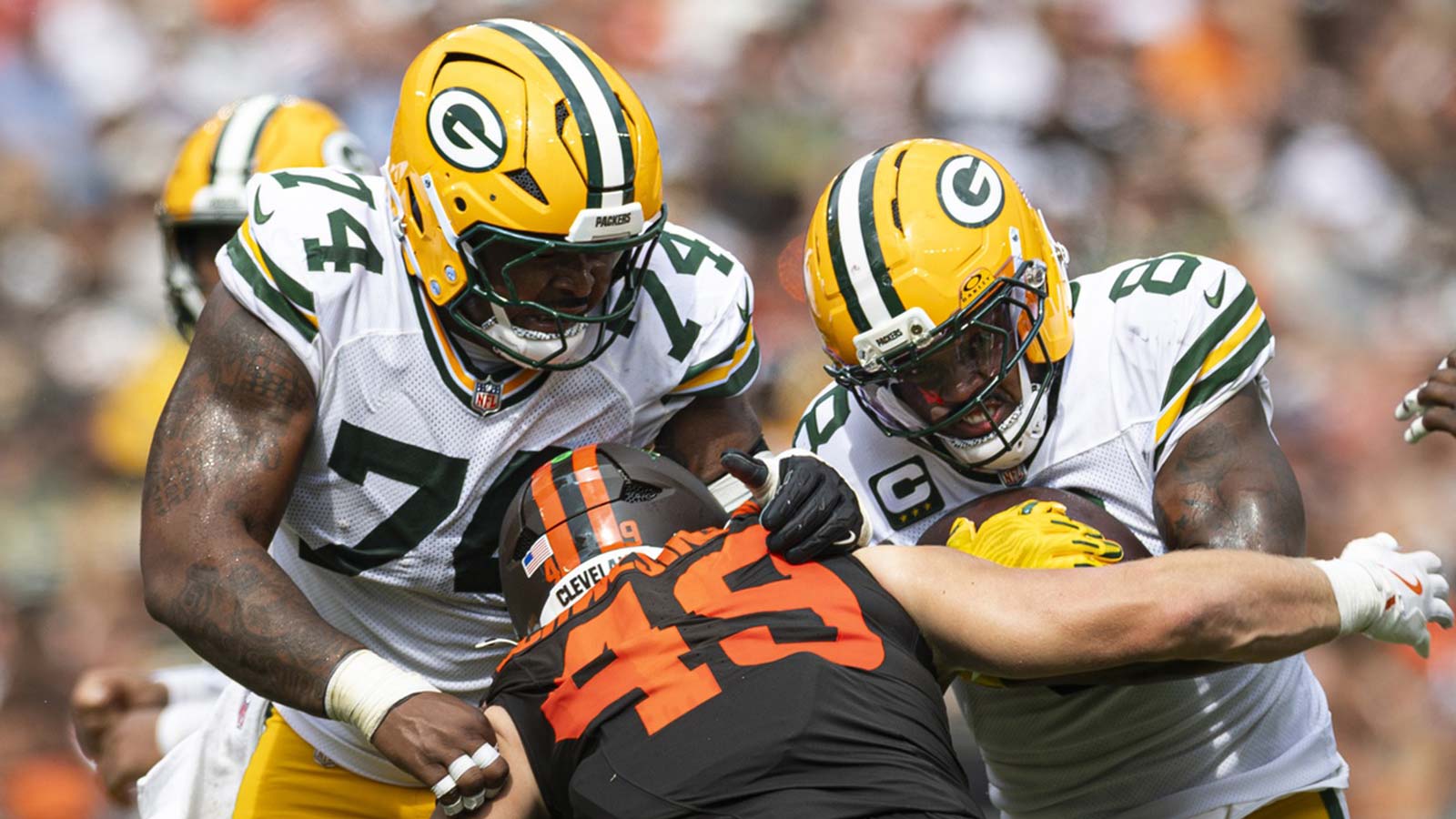
Then comes the part fans usually resist: doing it again. Spend the next meaningful pick on the defensive front, and go for an edge rusher, a tackle, or a disruptive player who can ruin run fits and collapse the pocket.
The specific type matters less than the principle, and they have spent enough time trying to win with balance and intelligence while lacking the necessary toughness when the weather turns, and the field shrinks.
Every season eventually reaches a point where the elegant offenses lose their finesse, where route combinations take longer to develop, and where someone must win with leverage, size, and aggression, and the Packers have too often appeared to understand this truth on an intellectual level without fully committing to it in their roster construction.
A focus on the trenches at the beginning of the draft would be a strong commitment, and it would also serve as a solid response to the chatter about locker-room dynamics.
Players tend to voice their complaints more loudly when the team feels soft, and this isn’t cruelty at all, but a simple football anthropology because when the organization is strong, when assignments are clear, and when games are won decisively, most minor resentments fade away through the chemistry of success.
Putting a tougher team on the field would eliminate the need for many therapy sessions.
They need to leave the flashy detours to someone else
This strategy would also help avoid several common traps, and it would steer clear of the enticing Day 2 receiver, who may look electric in space but would join a crowded room full of players already seeking opportunities, and also it would bypass an early running back pick, a move that excites highlight editors but rarely addresses the team's underlying issues, and avoid the temptation of selecting a backup quarterback early, a familiar draft-room lure where teams convince themselves they are getting “value” at the most expensive position in sports, even if the player won’t contribute in the current season.
This last point is particularly important, and the Jimmy Garoppolo rumors make some sense because teams don’t want to start a season with minimal support behind their starting quarterback.
However, the draft should not turn into a quest for a backup savior in the early rounds because that would be panic disguised as prudence. If they want a veteran reserve, they should sign one, if they’re looking for a developmental quarterback, they can find one later in the draft.
Wasting an early selection on a quarterback simply because the market got tight would be one of the quickest ways to squander a draft with limited premium picks.
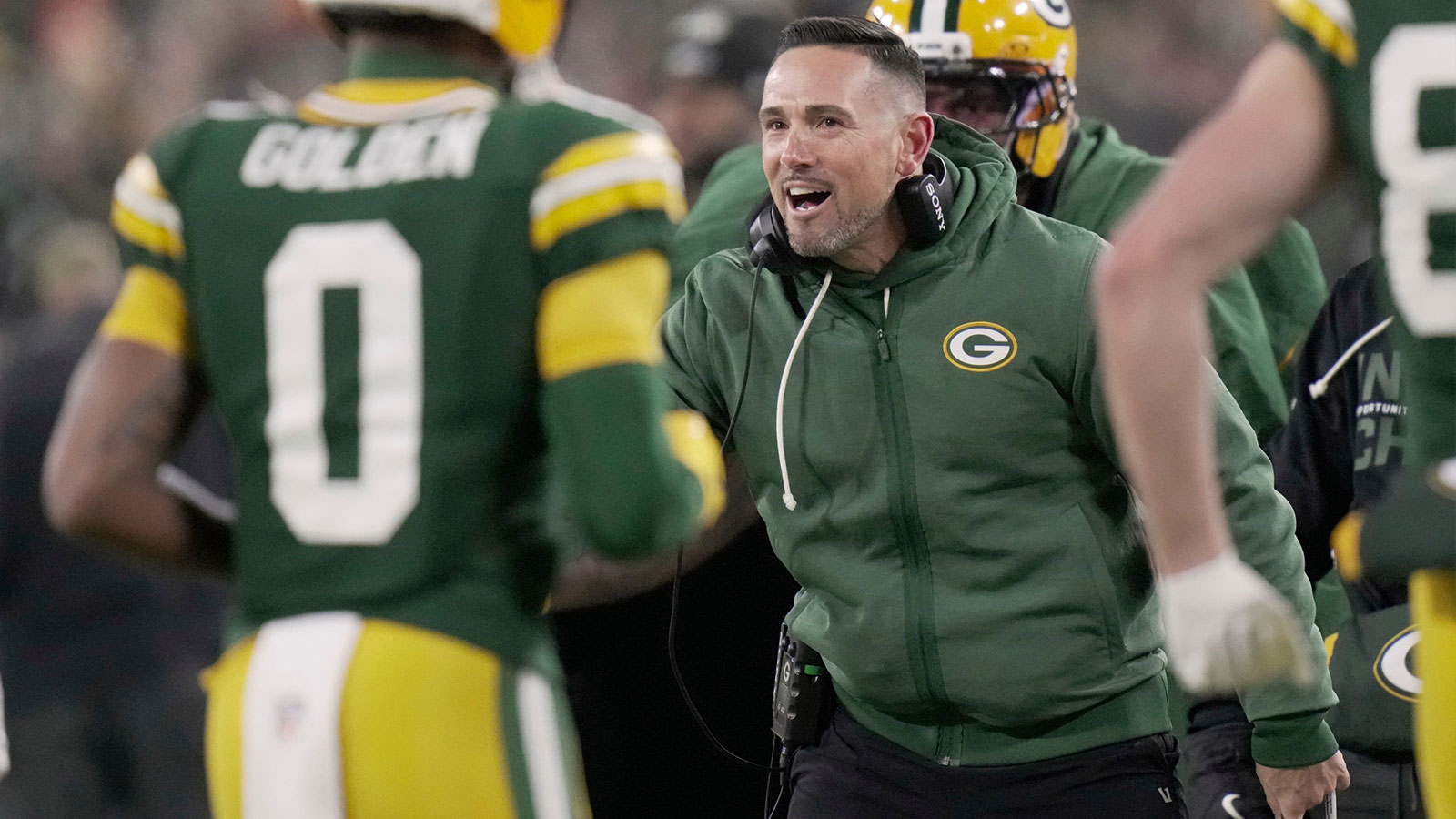
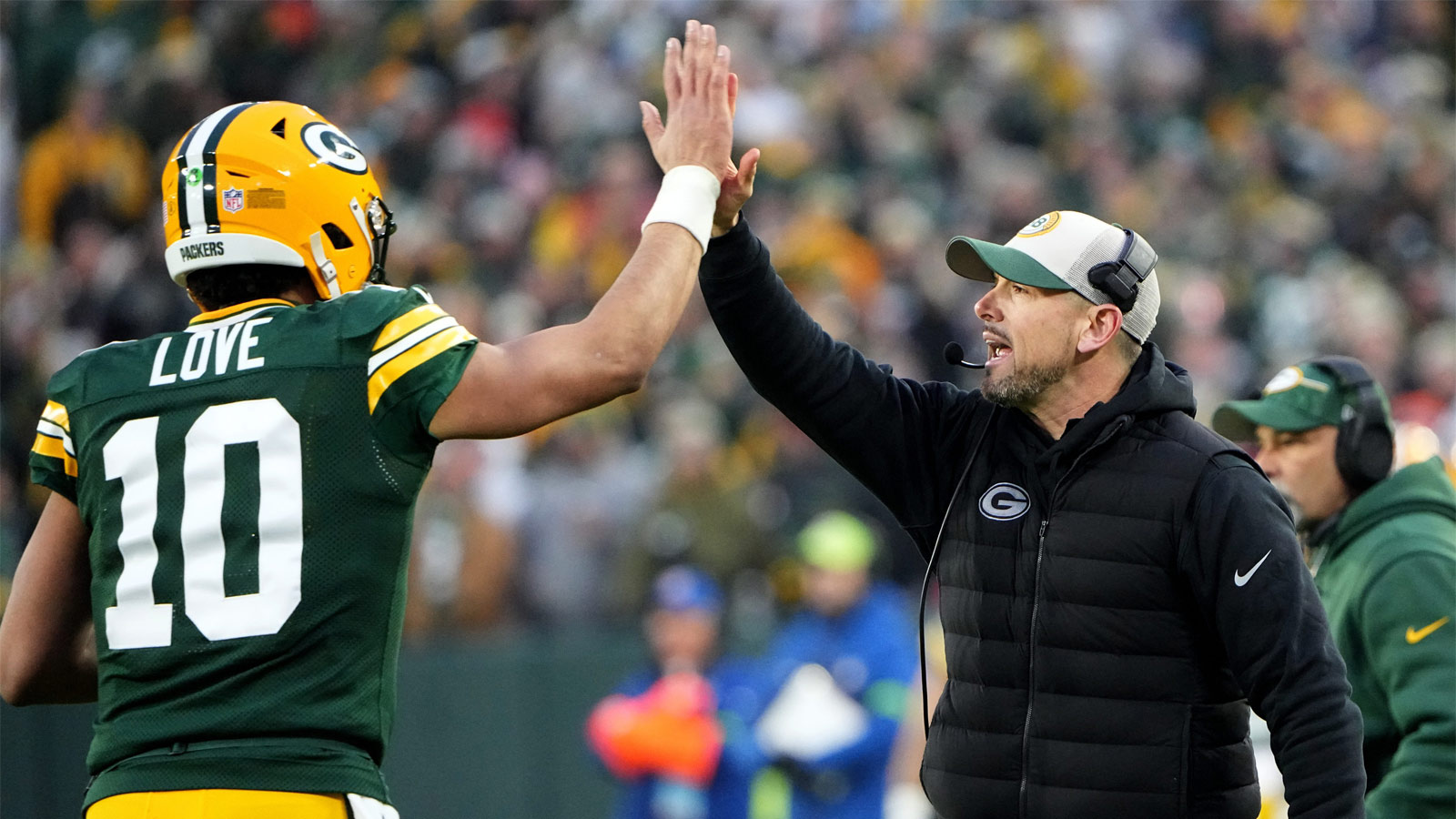
There’s also a larger organizational benefit to this approach, because coach LaFleur has often operated as someone trying to keep too many plates spinning, balancing player development, appeasement, matchups, touches, and tempo.
A tougher roster would relieve him from some of that juggling act, and he wouldn’t need to strategize perfection as often if the offensive line protected better and the defensive front put more pressure on opponents, and wouldn’t need to manage each player’s expectations with such delicacy if the team could simply line up and dictate the terms of the game.
In that way, a trenches-focused draft would make the head coach’s job simpler, clearer, and likely more fulfilling, and for a team that has felt caught between being good and “dangerous,” this shift is significant.
The most intriguing aspect of Green Bay’s offseason is the opportunity to redefine their identity because if they pursue flashy names, the Packers might remain a clever team with inconsistent performances. However, if they attack the lines with conviction, they could transform into something more solid, something tougher, and more challenging to disrupt. That is the vision worth pursuing.
You can call it conservative, boring, or even an overreaction to locker-room whispers, and none of those labels would concern you. Championship rosters are often constructed by people willing to take unpopular choices for a time, and they need a draft that reinforces the team’s core purpose.
So yes, the bold but brilliant move is to resist the allure of flashiness most people expect.