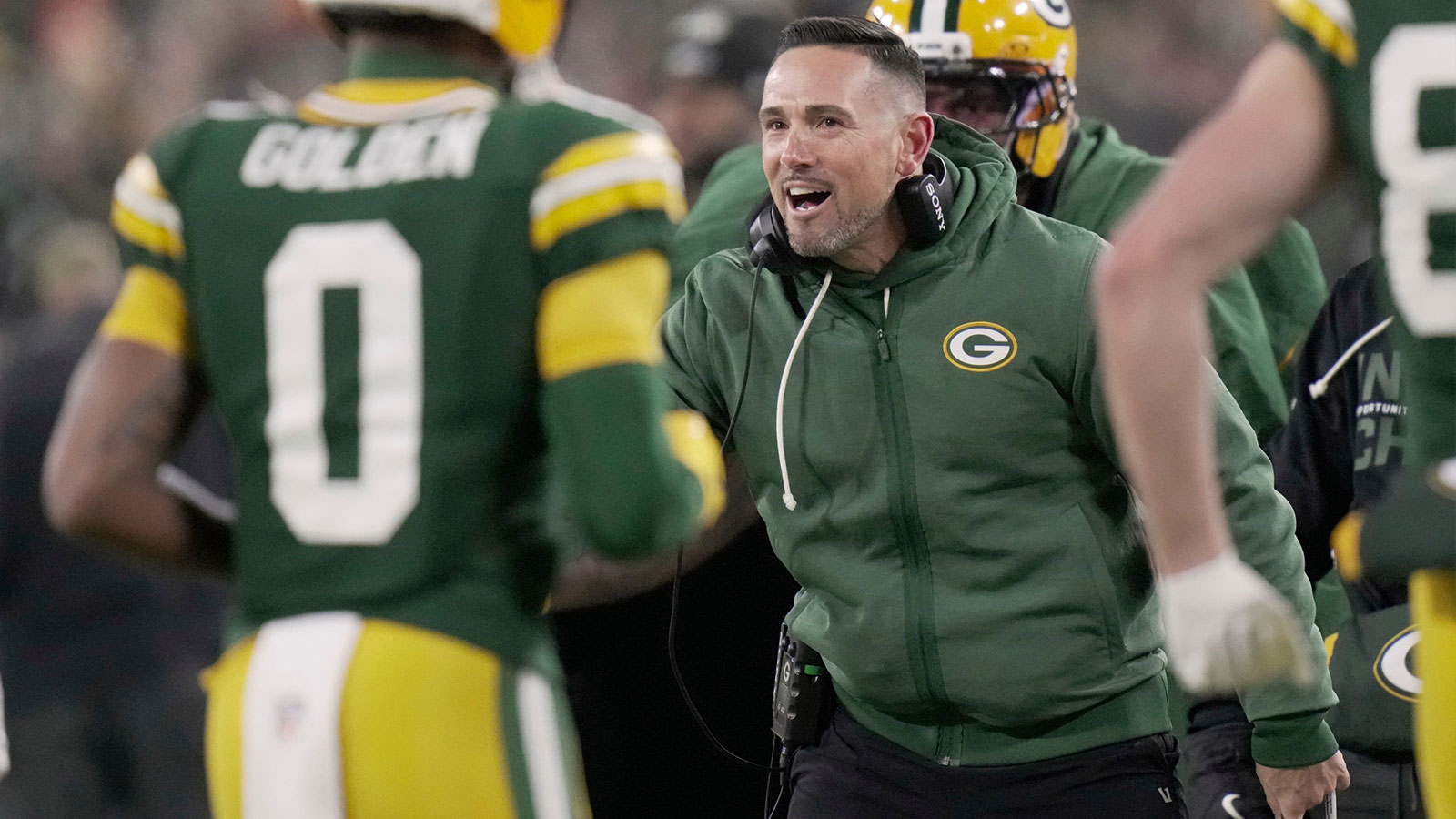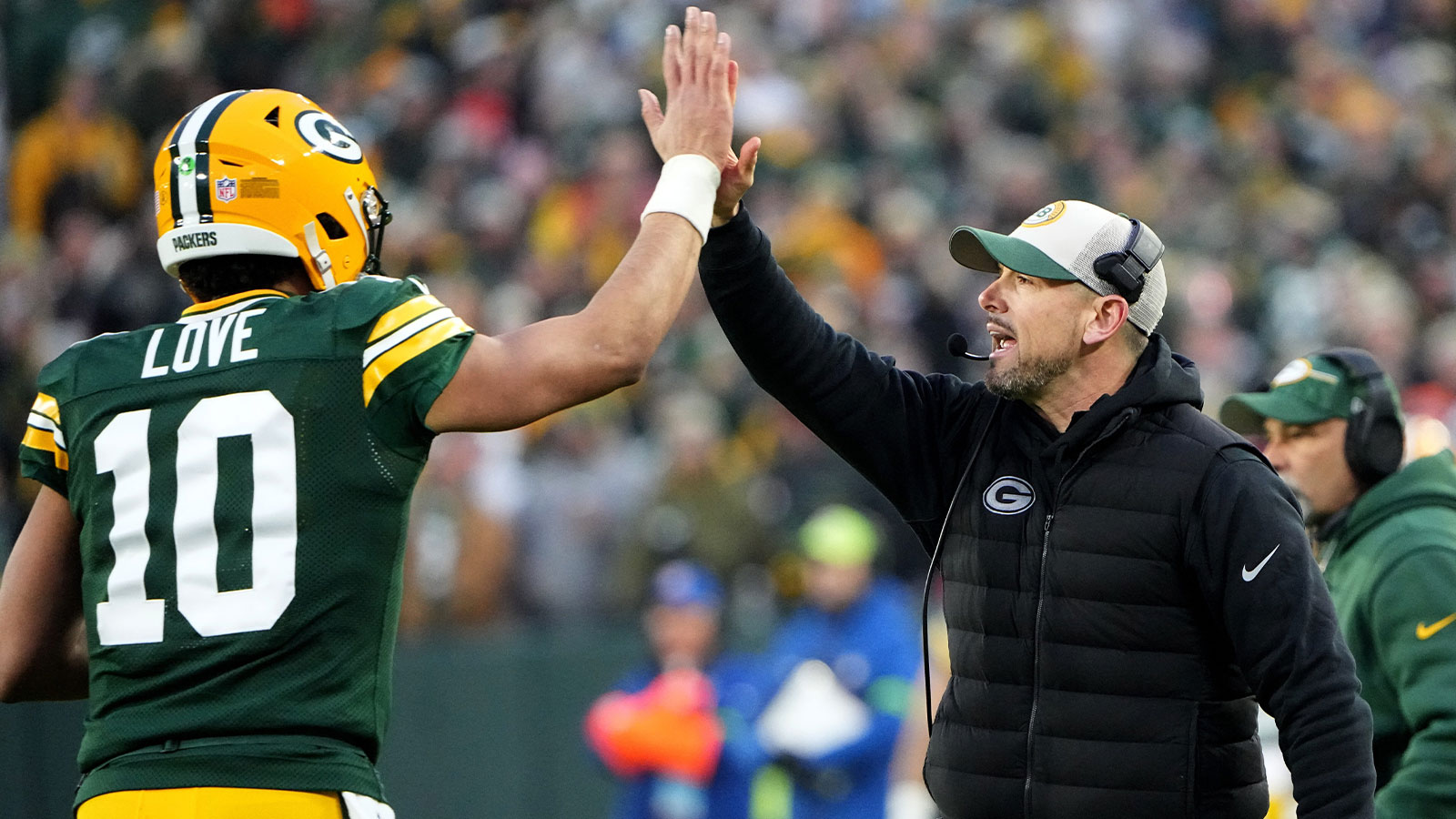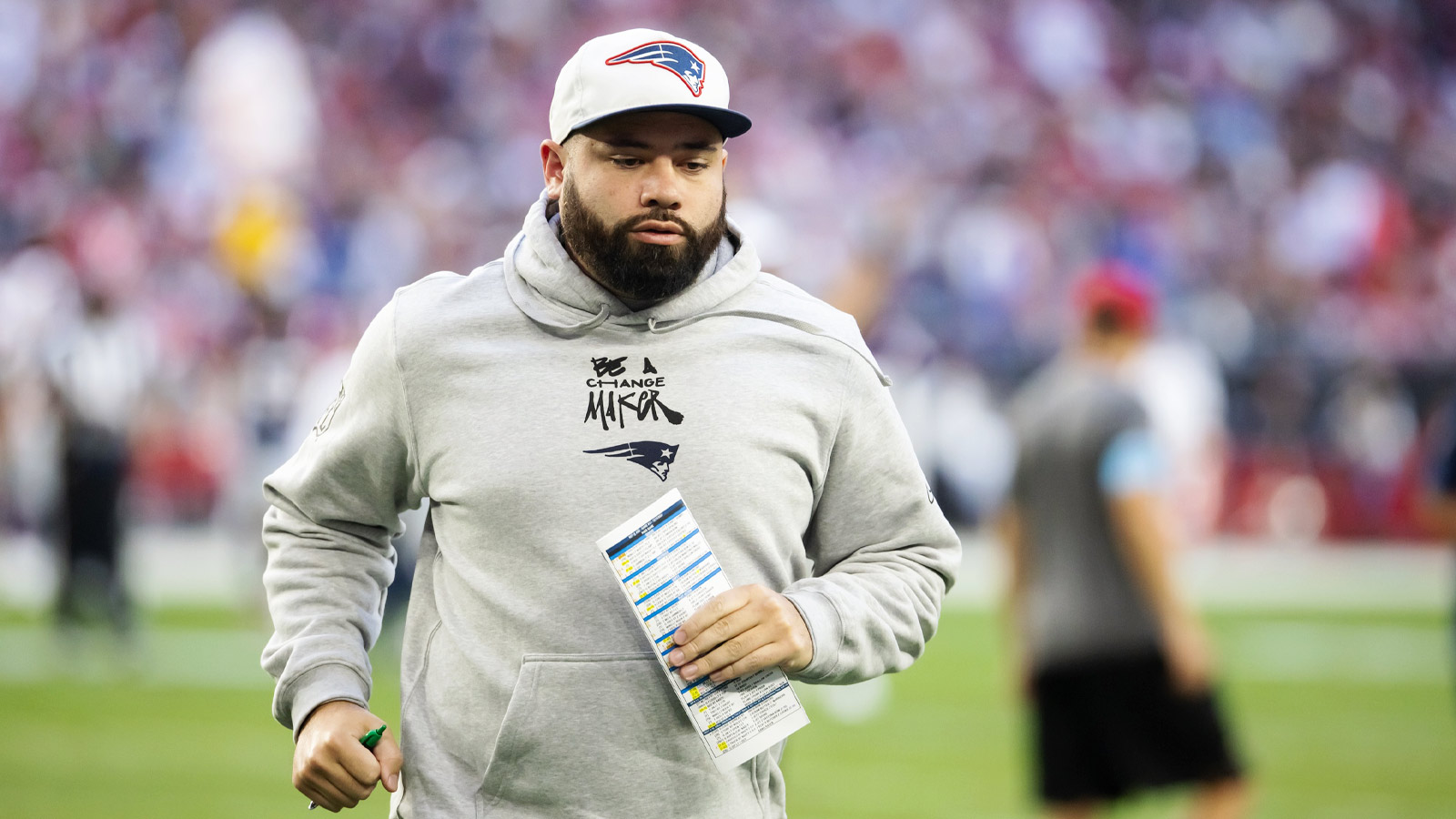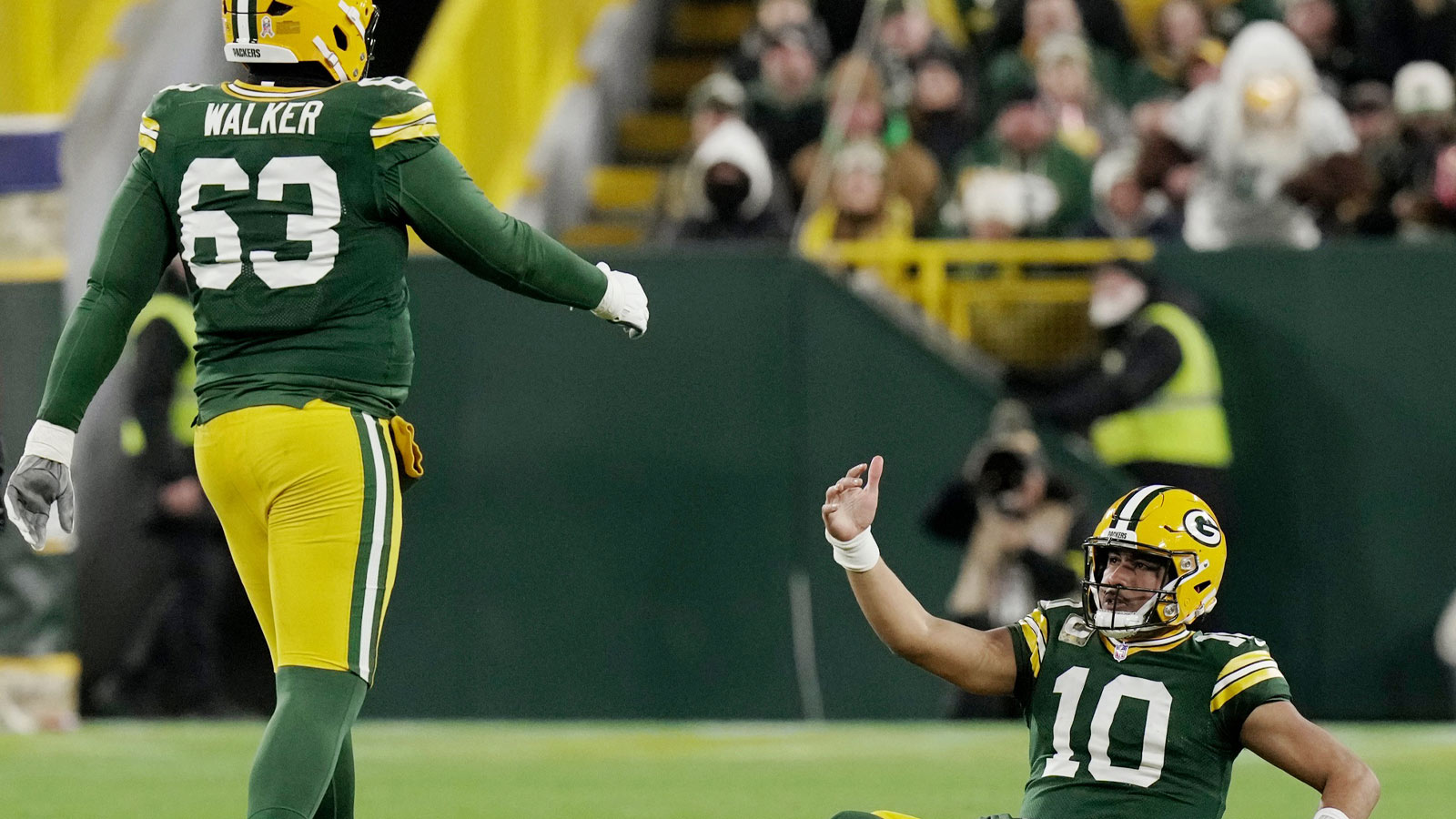
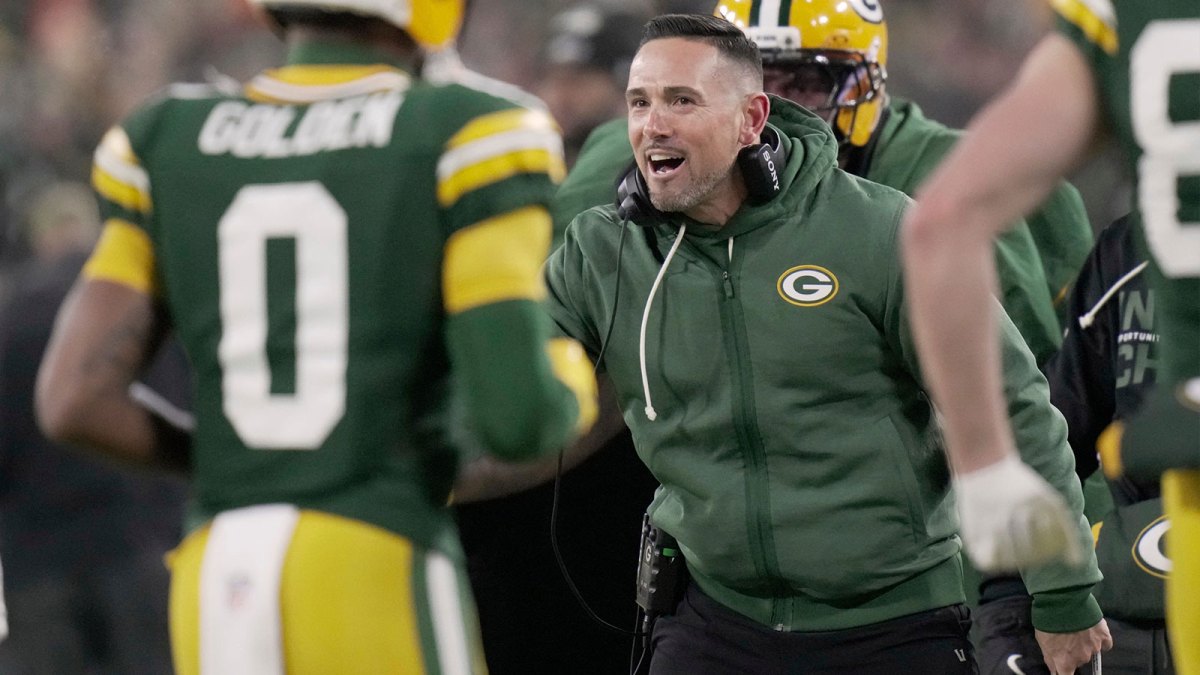
So, the Packers have approached the start of spring with two distinct focuses. On one hand, Matt LaFleur’s staff is evolving, highlighted by the addition of former LSU quarterback TC McCartney as an offensive assistant.
This move underscores the continuous refinement of the coaching staff around Jordan Love.
On the other hand, the quarterback situation has piqued external interest, especially after Malik Willis departed in free agency, with Anthony Richardson emerging as a potential trade target.
While these developments are noteworthy, they shouldn’t overshadow the primary challenge the Packers face in the upcoming draft: the need for restraint rather than a dramatic shift.
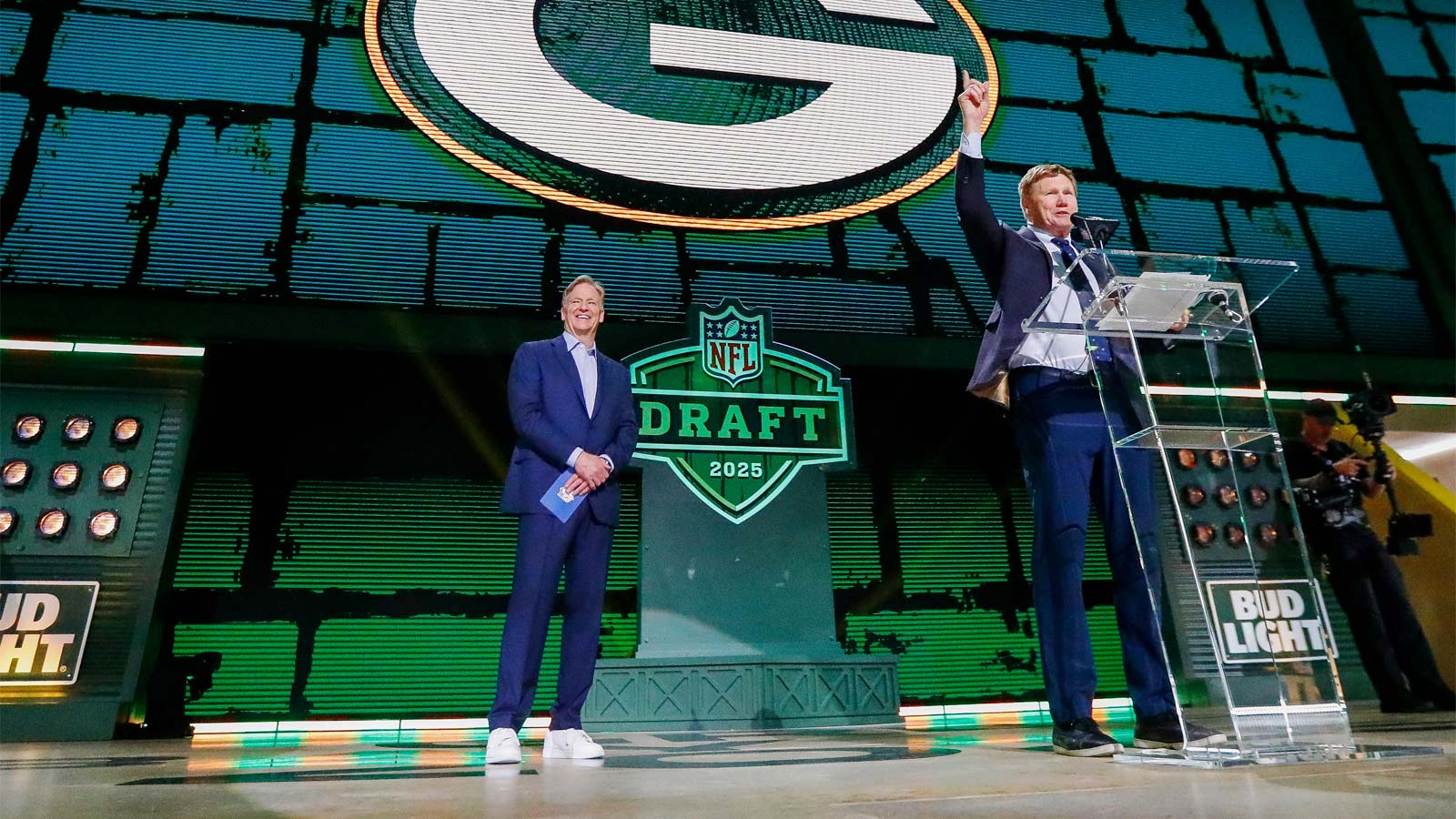
This need for careful consideration is particularly important because Green Bay is no longer drafting out of panic, and although the Packers do not possess a first-round pick, they enter the 2026 draft with seven total selections, including picks in every round from the second through the seventh, plus a compensatory choice at No. 255.
And in the draft, all of this is important because making the wrong pick this year is unlikely to result in selecting a poor player.
Rather, it could lead to choosing a talented prospect for a position where the team already has a solid answer, a recent investment, or significantly less urgency than other positions on the board, and teams in similar situations often get into trouble by treating every good player as an equally good choice. Green Bay should be cautious and avoid this pitfall.
QB Drew Allar, Penn State
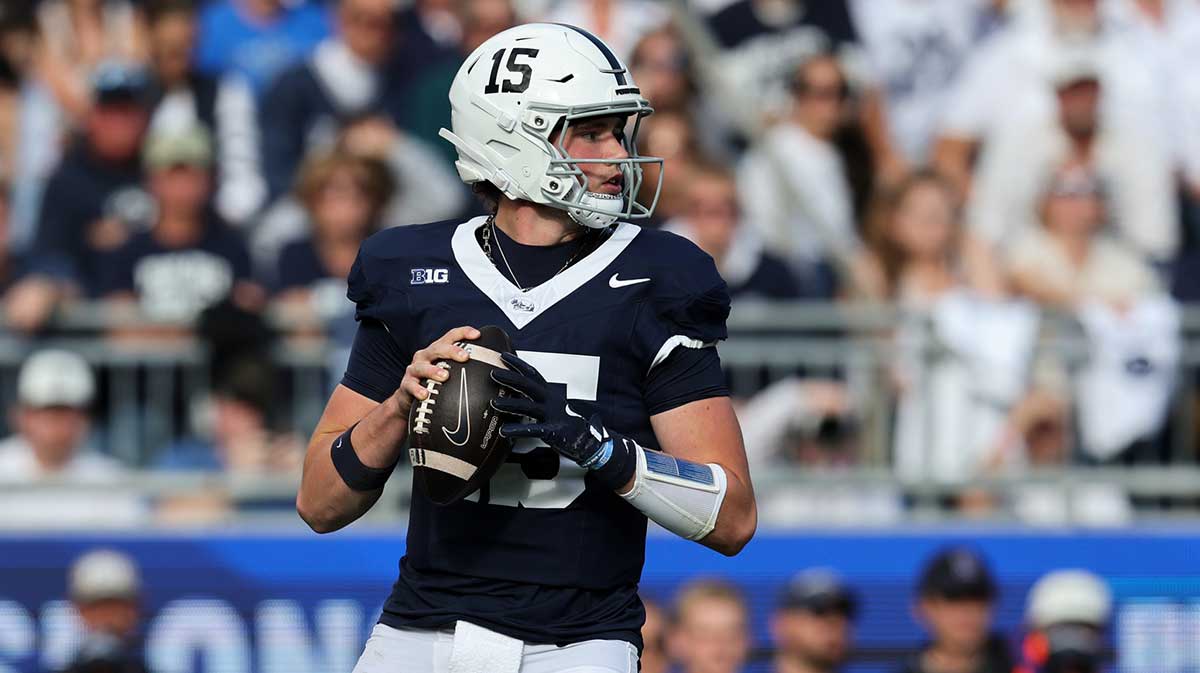
Drew Allar is the kind of quarterback prospect capable of making a stable team feel unstable because he has the right frame, impressive arm talent, and the pedigree that sparks developmental interest, causing discussions about his “future value.” However, for Green Bay, engaging in such conversations would be misguided.
Jordan Love remains the unquestioned starter, and the offseason has shown no indication of a change.
The discussions surrounding Anthony Richardson reinforce the idea that the Packers are seeking a practical backup solution after losing Willis, rather than a complete quarterback overhaul, and there is a significant difference between wanting to add depth and spending one of the team’s valuable assets on another young quarterback.
That’s why Allar would be an awkward fit for the Packers.
A team with a solid starter and more pressing needs should not use a second-round pick on a quarterback who would likely spend most of his rookie contract as a backup unless the entire structure changes, and Green Bay has numerous other areas where the draft could have a more immediate impact.
The offensive line is still in transition following the release of Elgton Jenkins, and the defensive front needs to get younger. While the receiving corps added Moore, it still requires improvement, making it a more sensible area of focus than starting a second quarterback project simply because a recognizable name is available.
Another issue with selecting Allar is the message it would convey because the Packers have spent the last two years working to establish that Love’s timeframe is legitimate, not provisional.
Introducing a highly drafted quarterback would create confusion about that commitment without any meaningful benefit, and a late-round developmental quarterback could be one scenario; however, using a premium pick on a quarterback when the roster is built around Love would be a sophisticated mistake that squanders opportunities.
RB Jonah Coleman, Washington
Jonah Coleman is precisely the type of player who might tempt a good team into making a poor value decision. He runs hard, possesses real speed, and could be positioned as an asset in a balanced offense.
However, that does not change the fundamental fact that the Packers should not be spending premium draft capital on a running back.
While the backfield may not be perfect, it is not the area that requires the most attention on this roster, and Josh Jacobs is still one of the core components of the offense.
Although Emanuel Wilson has signed elsewhere, the Packers are not entering the draft with a bare running back room, and a strong organization must distinguish between adding depth and creating redundancy, and this situation leans much closer to the latter.
The real concern here is opportunity cost.
Selecting a Day 2 running back like Coleman might make the offense more exciting at first, but that does not imply it would strengthen the roster where it most needs help by December. Green Bay has pressing long-term concerns on the offensive line, and the front seven must remain healthy and productive throughout the entire season.
Given these conditions, a premium running back is seldom the solution.
There is also a strategic aspect to this because running back is one of the easiest positions to romanticize during draft weekend.
Teams often envision another explosive option, another body in the rotation, or another way to keep the offense dynamic, and this thinking becomes perilous when it overshadows more practical needs.
While Coleman may develop into a useful NFL running back, the Packers should refrain from using one of their key picks to find out.
TE Jack Endries, Texas
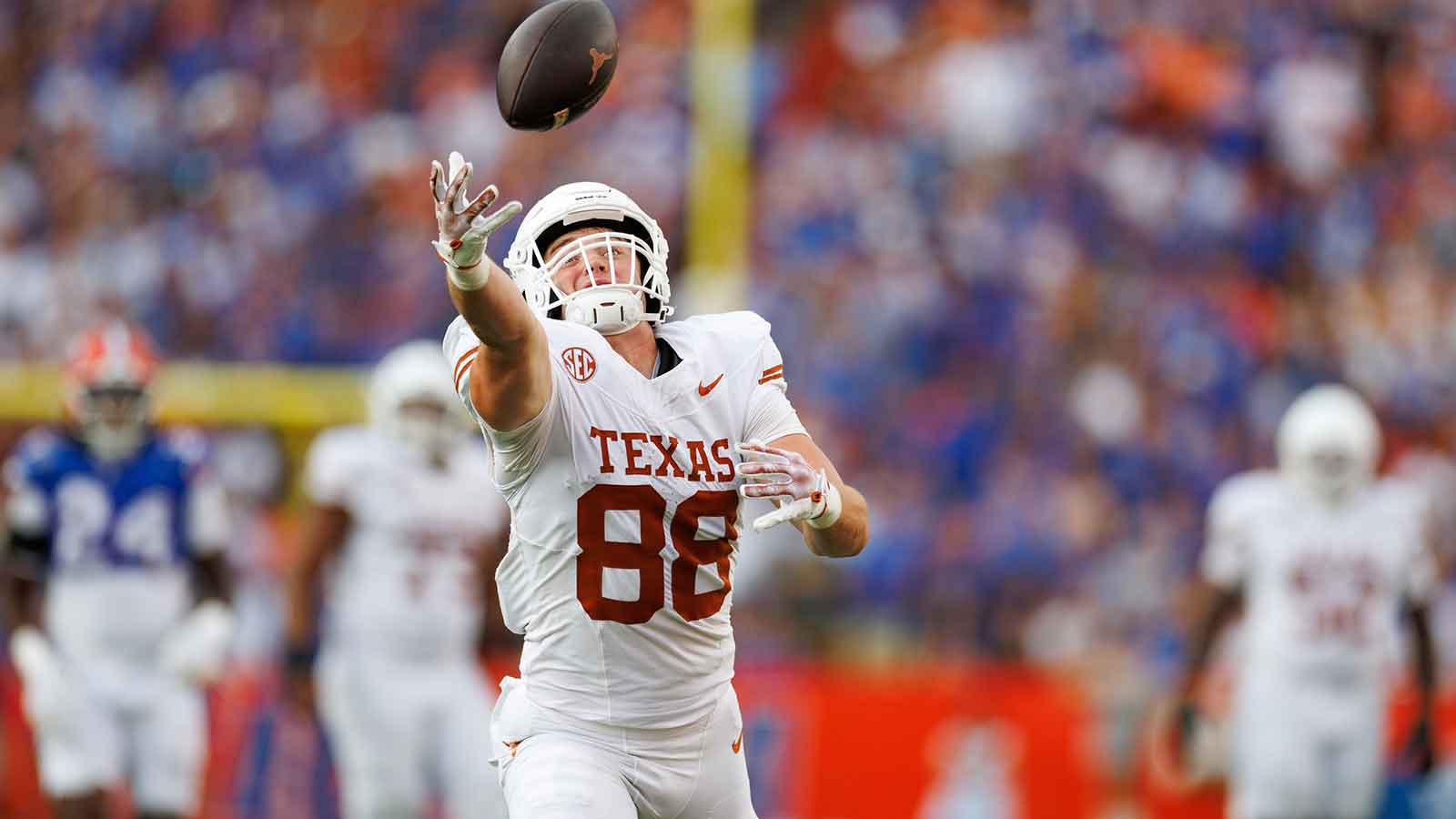
Jack Endries is the type of tight end that coaches appreciate for his versatility. He can be utilized in various ways, serving as a receiving option, a matchup problem, or as a movable target in a layered offense. However, on the wrong draft board, such versatility can be seen as appealing, which should raise a warning flag for the Green Bay Packers.
The primary reason for this caution is that the Packers do not lack identity at the tight end position.
Tucker Kraft is a significant contributor to the offense, while Luke Musgrave is still on the roster.
Additionally, the team has brought back Josh Whyle, and overall, the tight end group is not in desperate need of a premium investment; it already has sufficient depth and functionality.
Adding another tight end early in the draft could feel more like an indulgence than a necessity.
While acquiring another skill player might appear to enhance a good offense in theory, the Packers have more pressing draft needs.
The offensive line requires additional stability, the receiving corps could benefit from a player with a clearer long-term profile than Moore, and the defensive front still needs reinforcement despite the arrival of Hargrave. Selecting a tight end does not adequately address these concerns.
For these reasons, Endries should be on the avoid list.
This isn't due to a lack of talent, but rather because his addition would detract from addressing more urgent needs, and contenders and playoff-caliber teams usually don’t miss in drafts by selecting players who can't contribute. They miss because they prioritize less pressing options over more essential ones. In this case, the tight end falls into that trap for Green Bay.
LB Whit Weeks, LSU
Whit Weeks is a competent linebacker who could satisfy almost any draft room.
So, for him, Green Bay has already directly addressed the middle linebacker position through a trade for Zaire Franklin.
This was a significant move, and the Packers' official review of the offseason clarified its purpose.
Following Quay Walker's departure, Franklin's arrival provides a veteran presence alongside Edgerrin Cooper, with Ty’Ron Hopper, Isaiah McDuffie, and Kristian Welch also returning. The linebacker room requires assistance in other areas.
This makes Weeks a risky pick, and while he is undoubtedly a defensible talent addition in isolation, on this roster, after the offseason moves, he would cause redundancy in a position where resources have already been allocated.
Teams have a limited number of meaningful opportunities to improve during a draft, and wasting one of those chances on a linebacker, given the recent trade for Franklin and Cooper’s development, would seem like a well-intentioned but unnecessary move.
All this also underscores a broader truth about their draft strategy, because the Packers should focus on strengthening their weaker positions before bolstering those that are already strong. Linebacker, at this stage, does not warrant an early draft choice.
Ultimately, the essence of a successful draft for a team like Green Bay lies not only in identifying good football players but also in recognizing which talented players do not fit the team's current needs.
After free agency, the Packers should have a clear understanding of their requirements and avoid convincing themselves to pursue the wrong kind of value, and the smart move now is to demonstrate this understanding.