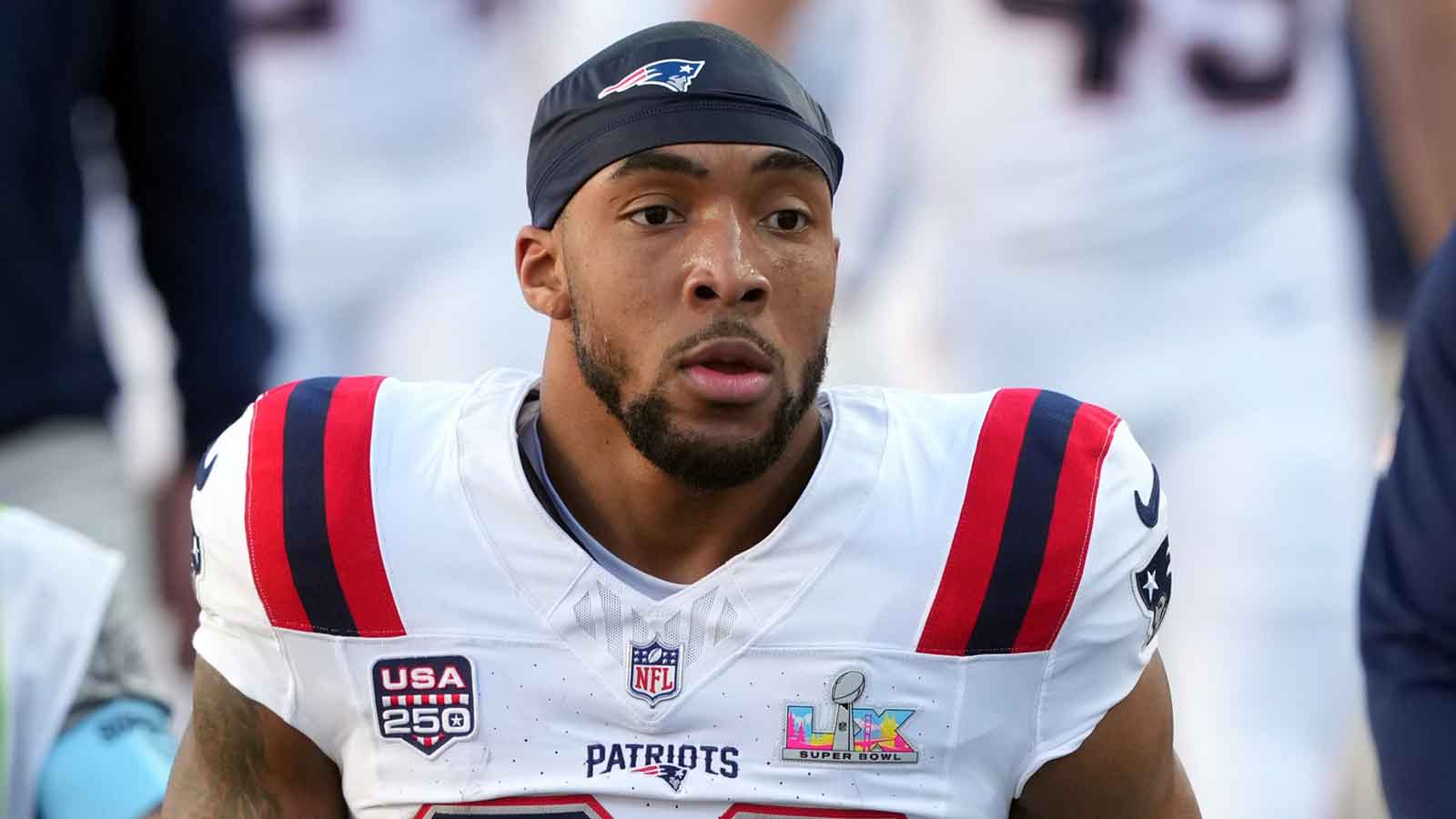
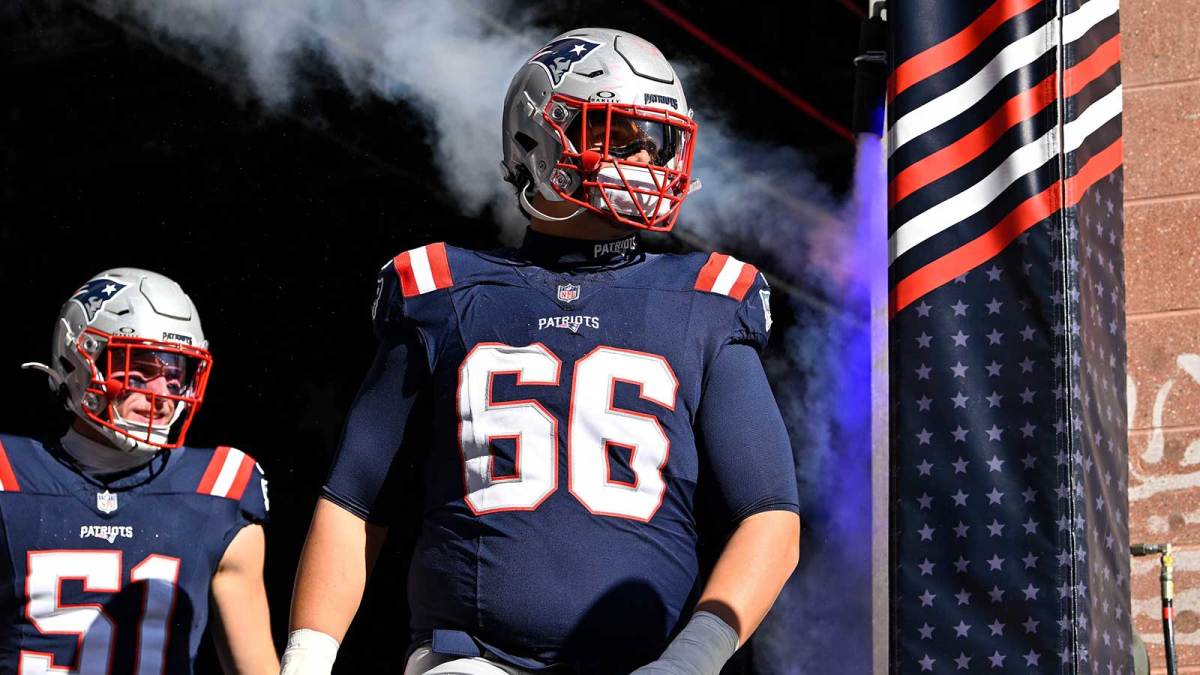
The New England Patriots’ appearance in Super Bowl LX put a spotlight on rookie left tackle Will Campbell, who faced significant challenges against a relentless Seattle Seahawks defense. Former NFL offensive lineman Andrew Whitworth recently shared his perspective on the situation, explaining that playoff teams are specifically coached to identify and attack the flaws of inexperienced players.
Whitworth pointed out that opponents had two weeks to scout Campbell's film and develop a plan to exploit his weaknesses.
He dismissed ongoing criticism regarding Campbell's arm length, characterizing the struggles as a natural part of a rookie's development when facing elite, targeted competition on the league's biggest stage.
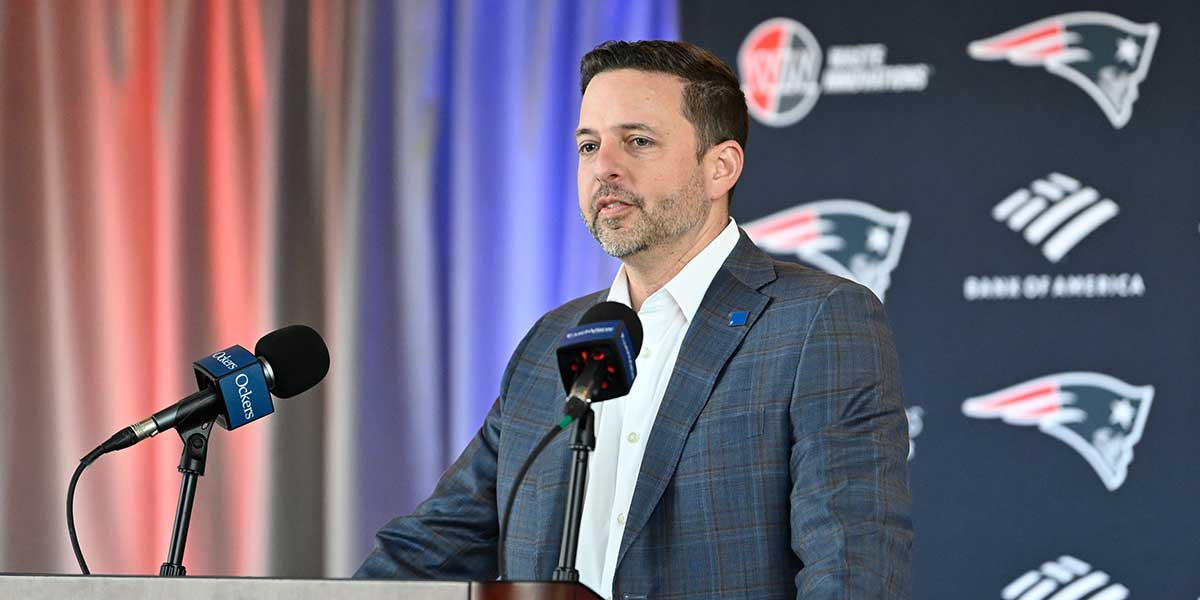
The physical toll of the season also played a major role in Campbell's performance drop-off. Eliot Wolf notes that LT Will Campbell’s lower-body strength didn’t look the same post-knee injury, but he liked the way Campbell played before the injury, as noted on X by Mike Reiss.
This loss of power in his anchor likely hampered his effectiveness in pass protection, particularly during the high-pressure environment of the postseason.
Before the injury, Campbell had demonstrated the potential that made him a key piece of the offensive line, but the lack of strength in his base became a significant hurdle as the year progressed.
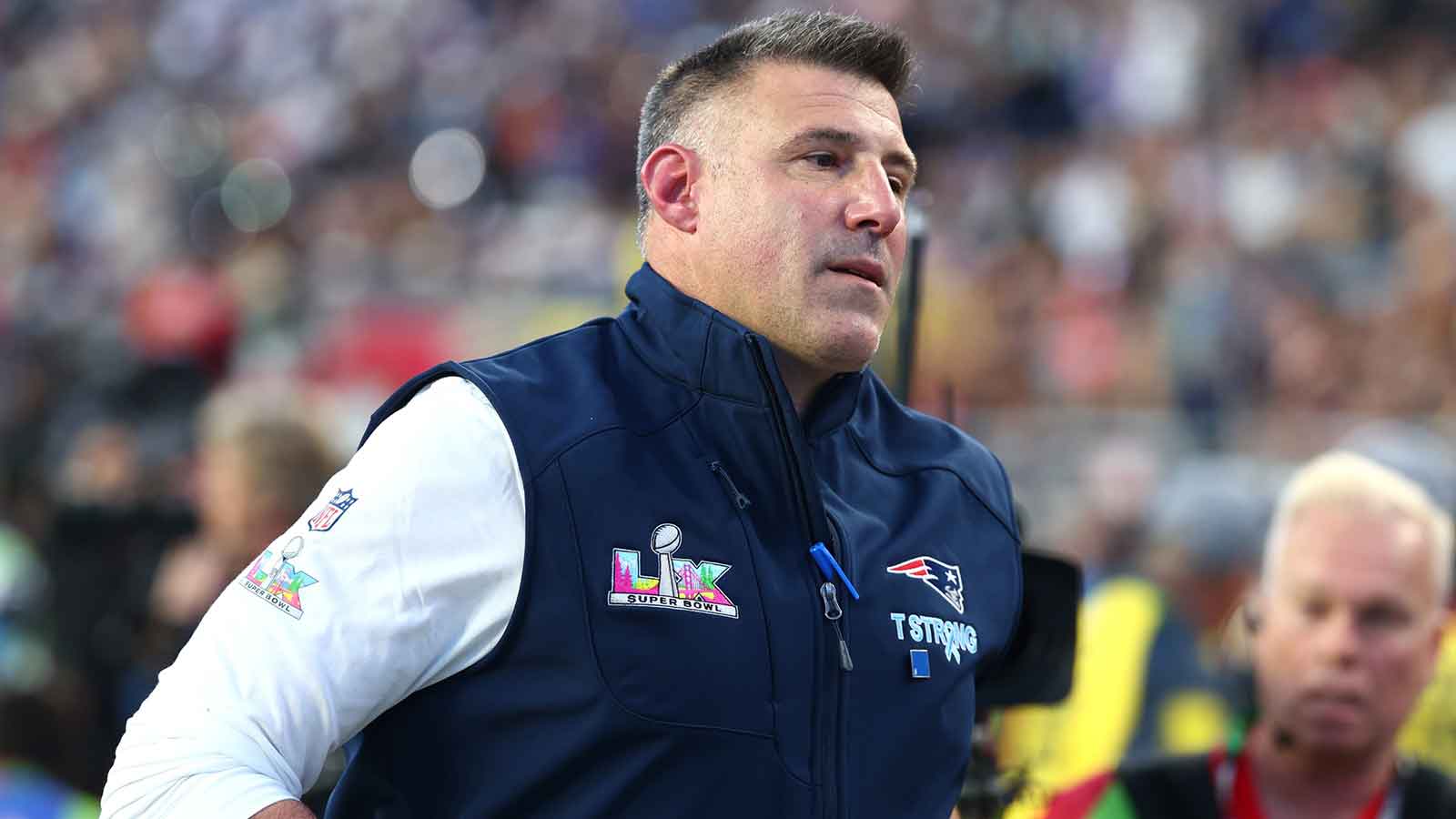
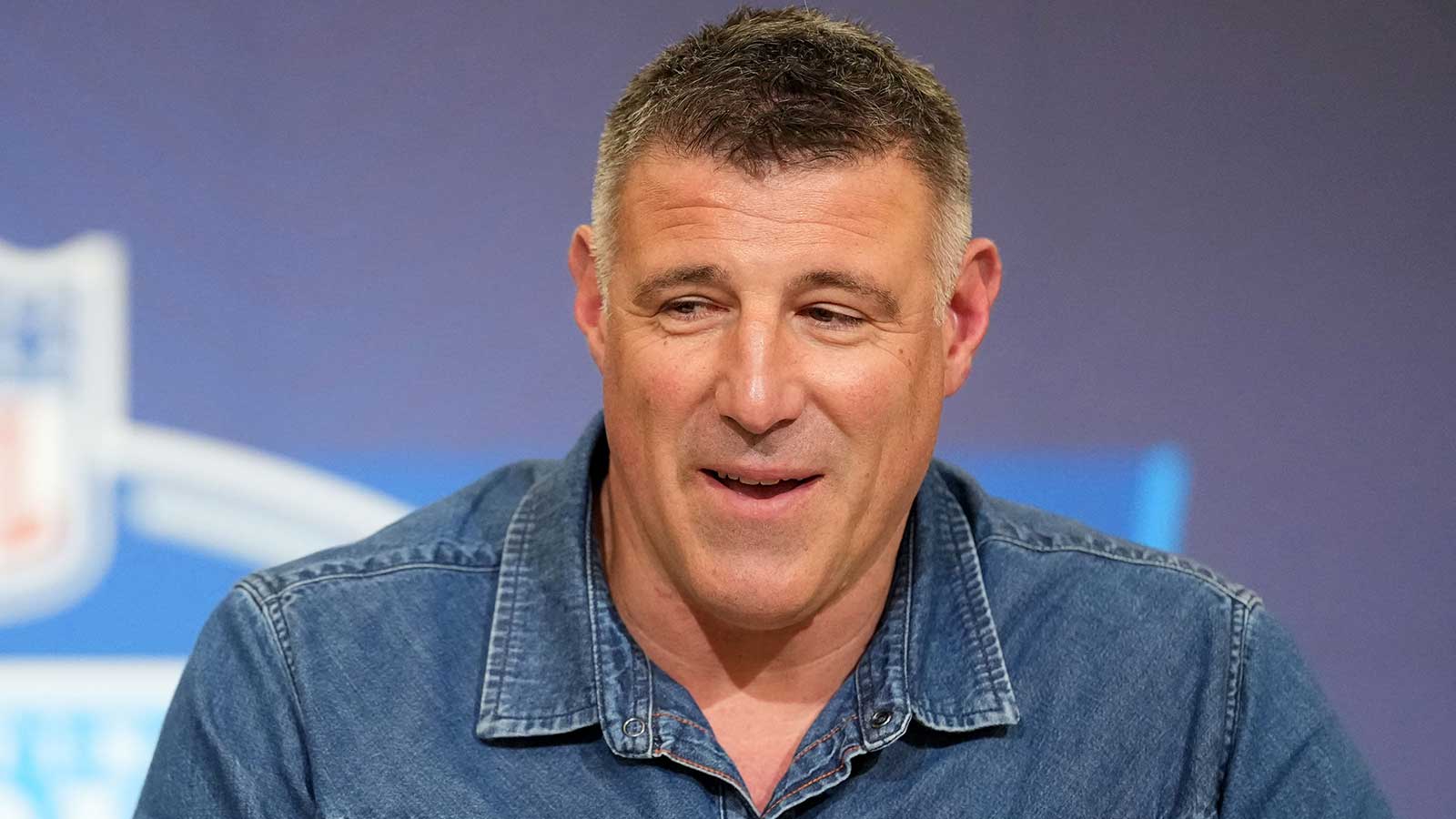
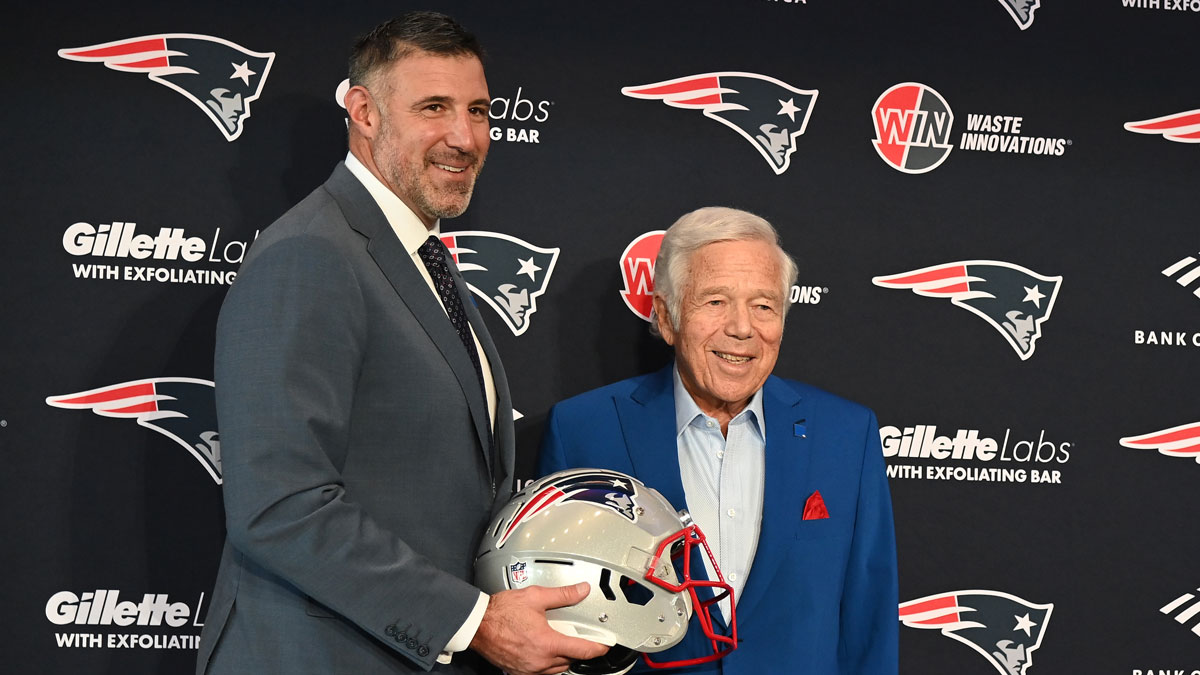
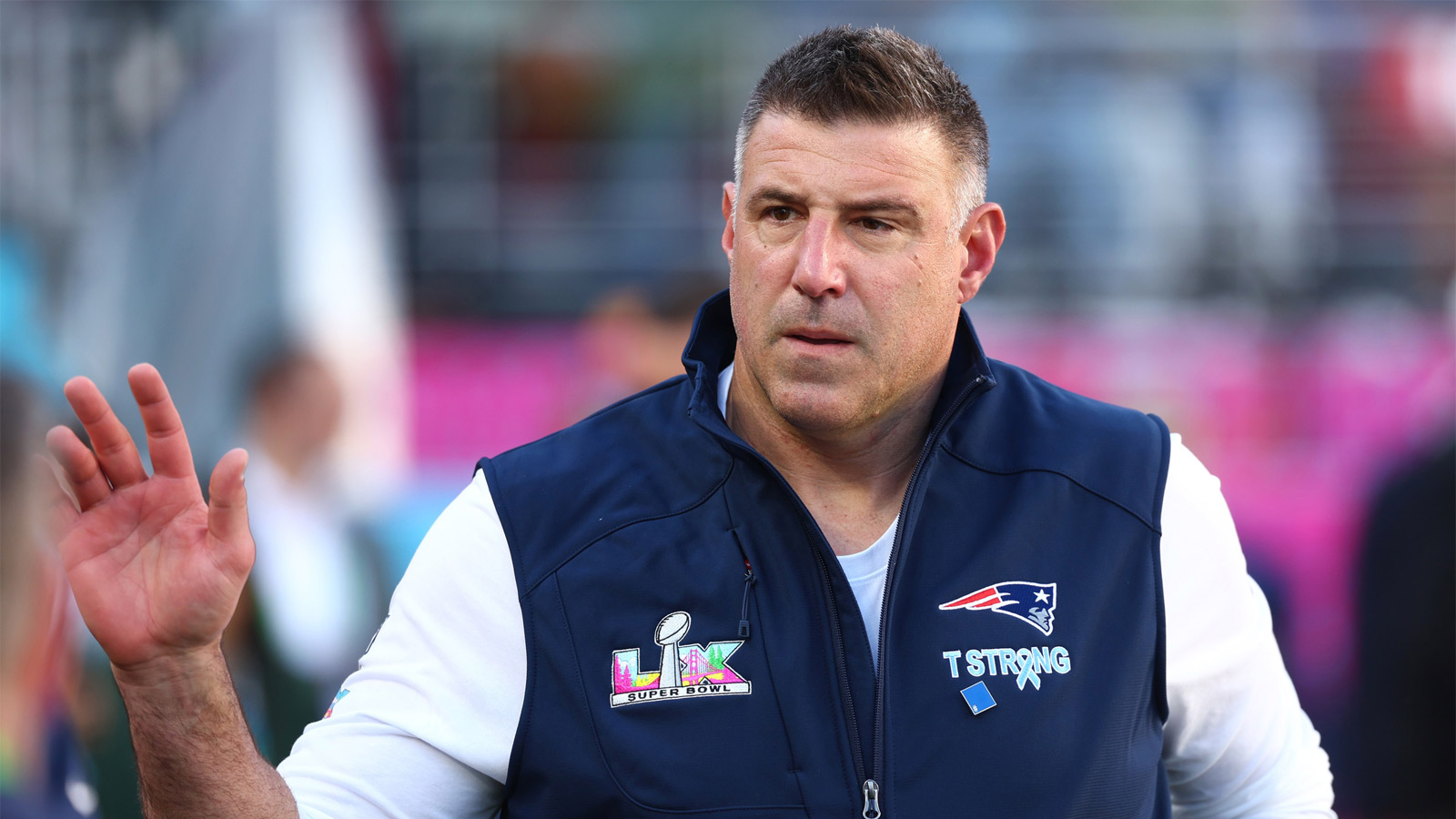
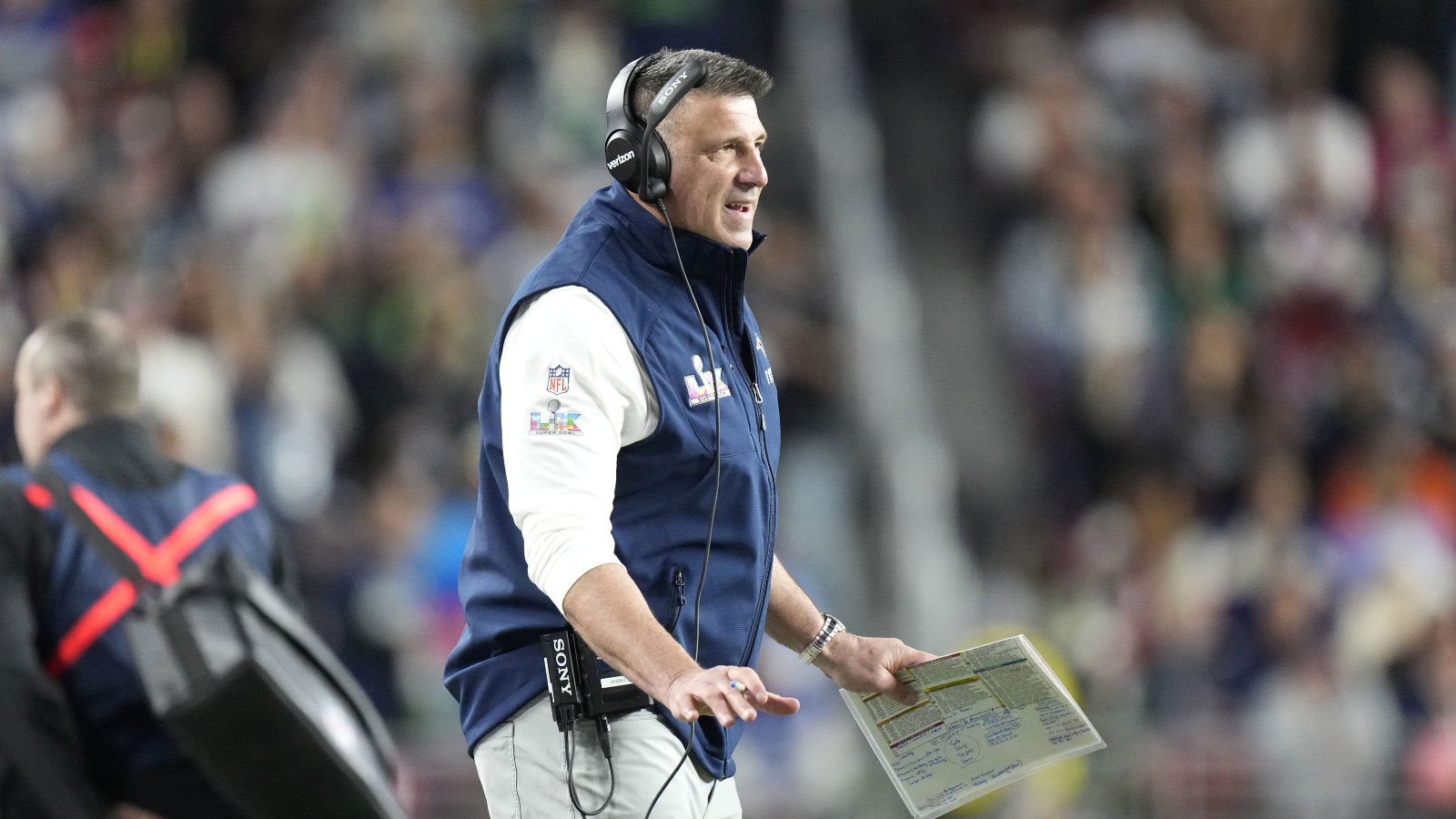
Coach Mike Vrabel remains committed to his young core as the team turns its focus toward long-term construction. While acknowledging that the NFL is a business where teams constantly look for younger and cheaper talent, Vrabel reiterated that Campbell remains the team’s definitive left tackle.
With eleven draft picks and free agency approaching, the Patriots aim to refine the foundation established during Vrabel’s first year.
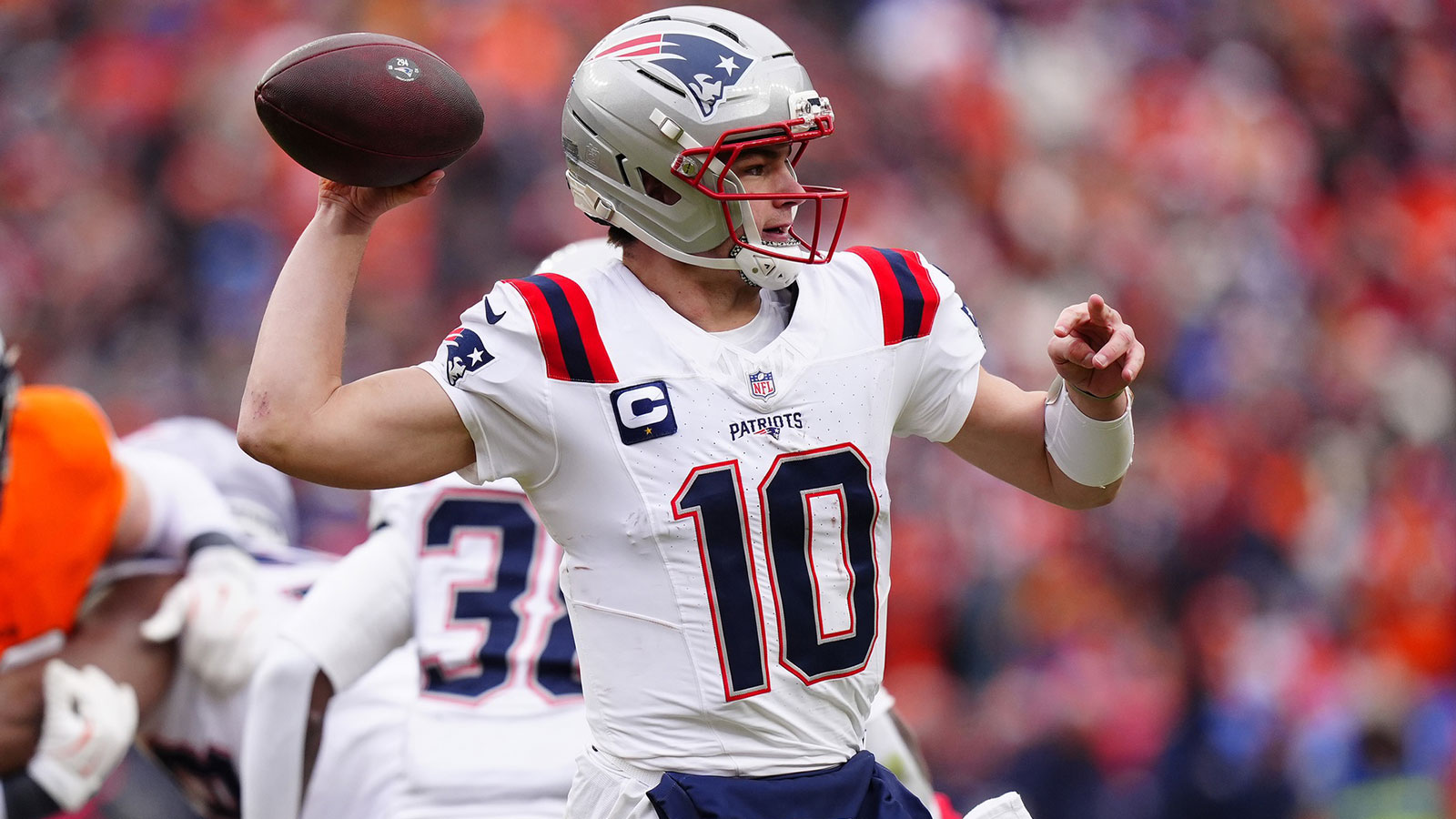
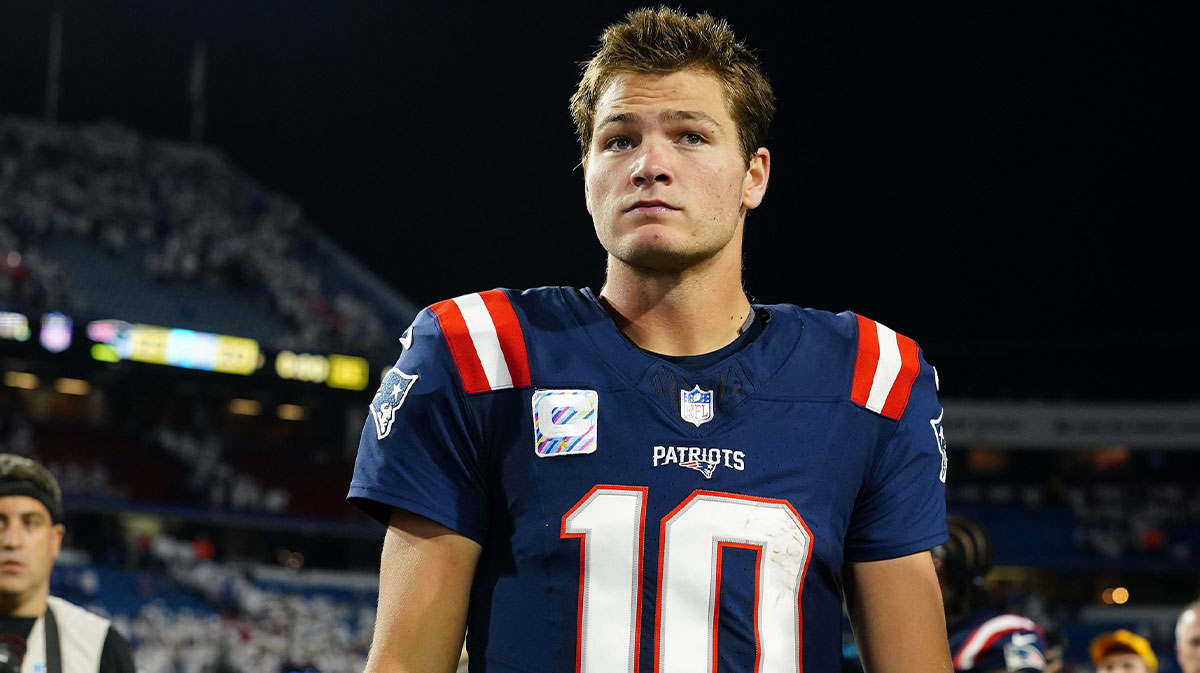
By addressing the holes exposed during the playoffs and prioritizing Campbell's physical recovery, New England hopes to build a more resilient roster around Drake Maye for the 2026 season.