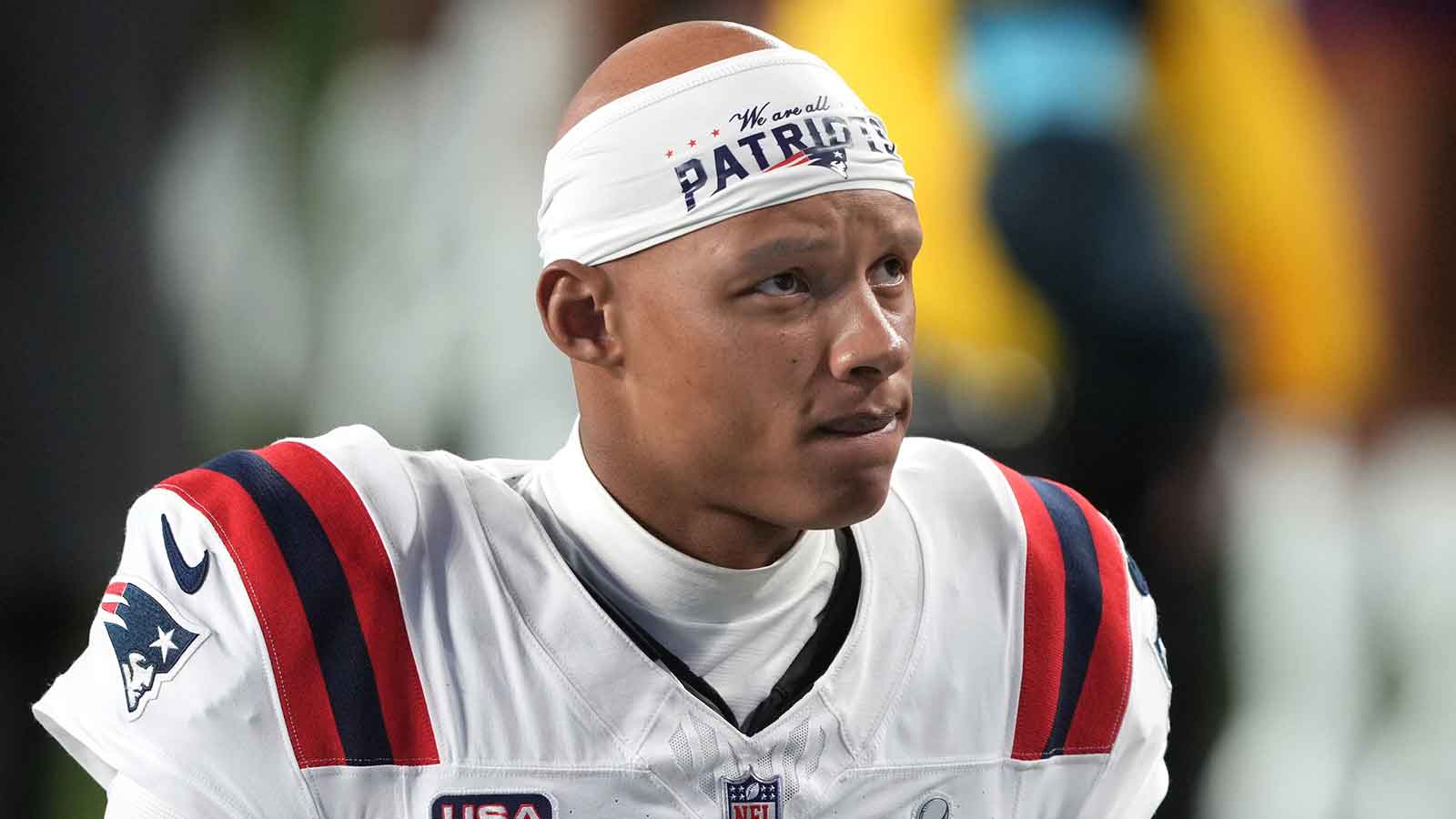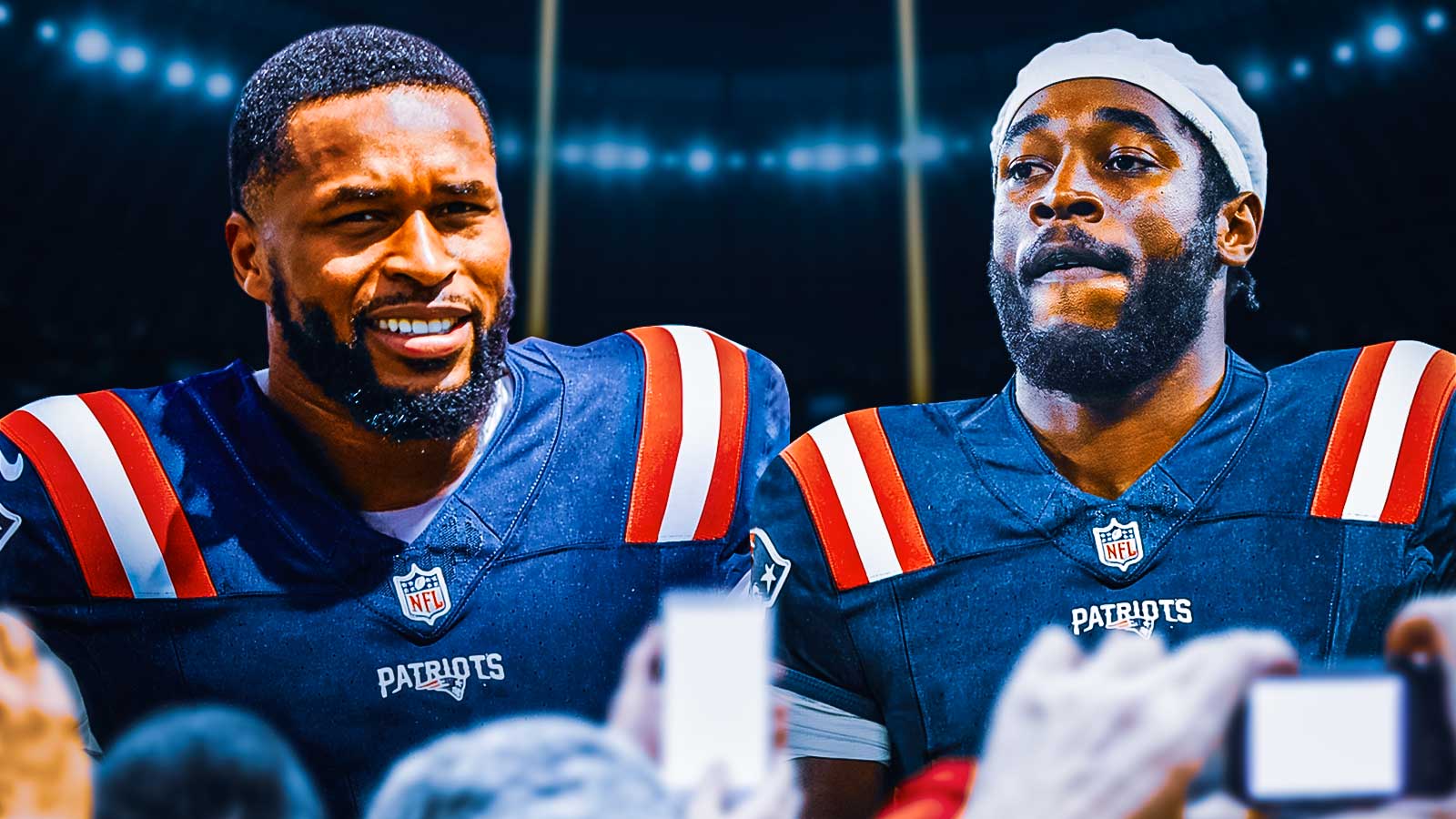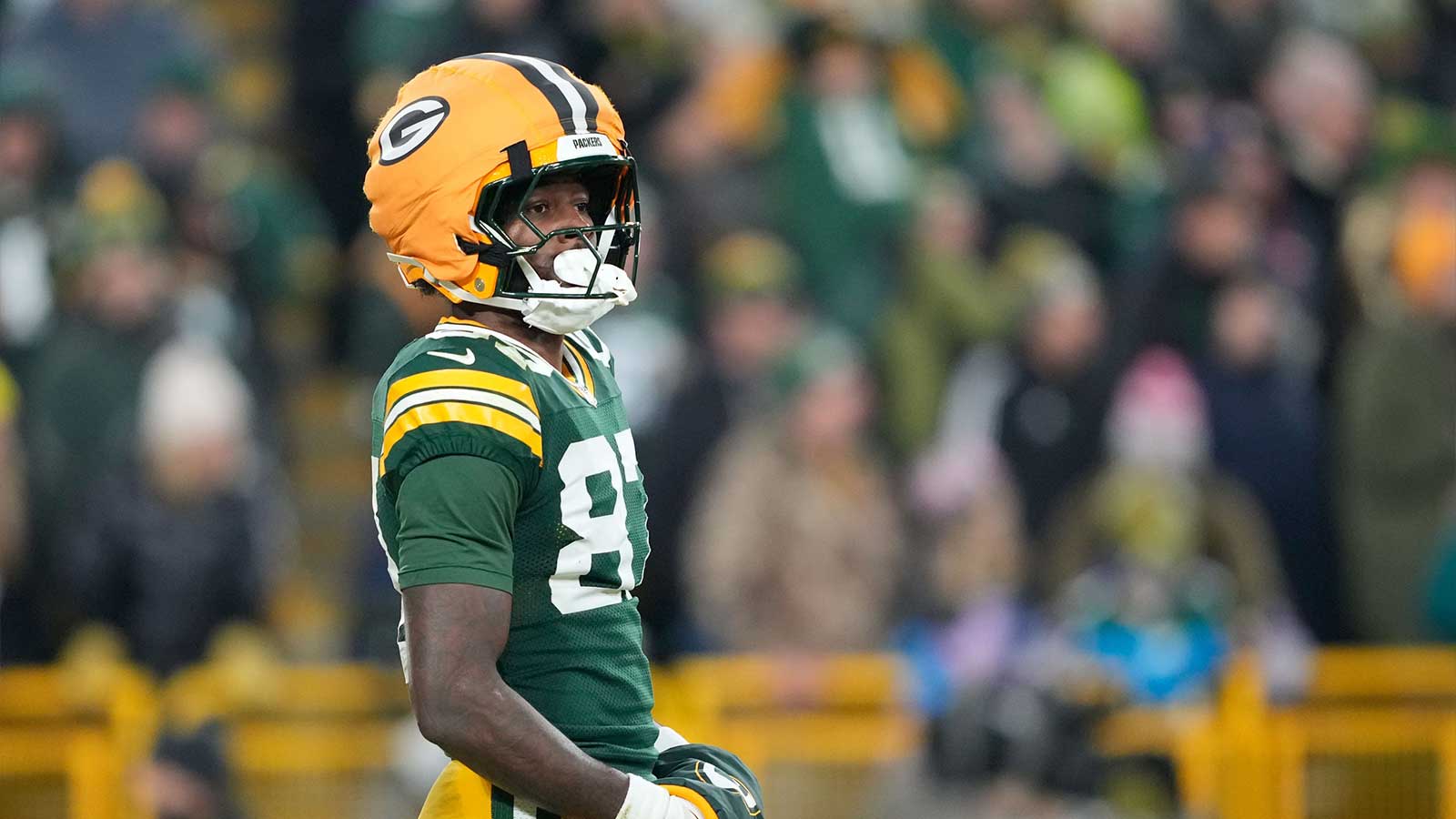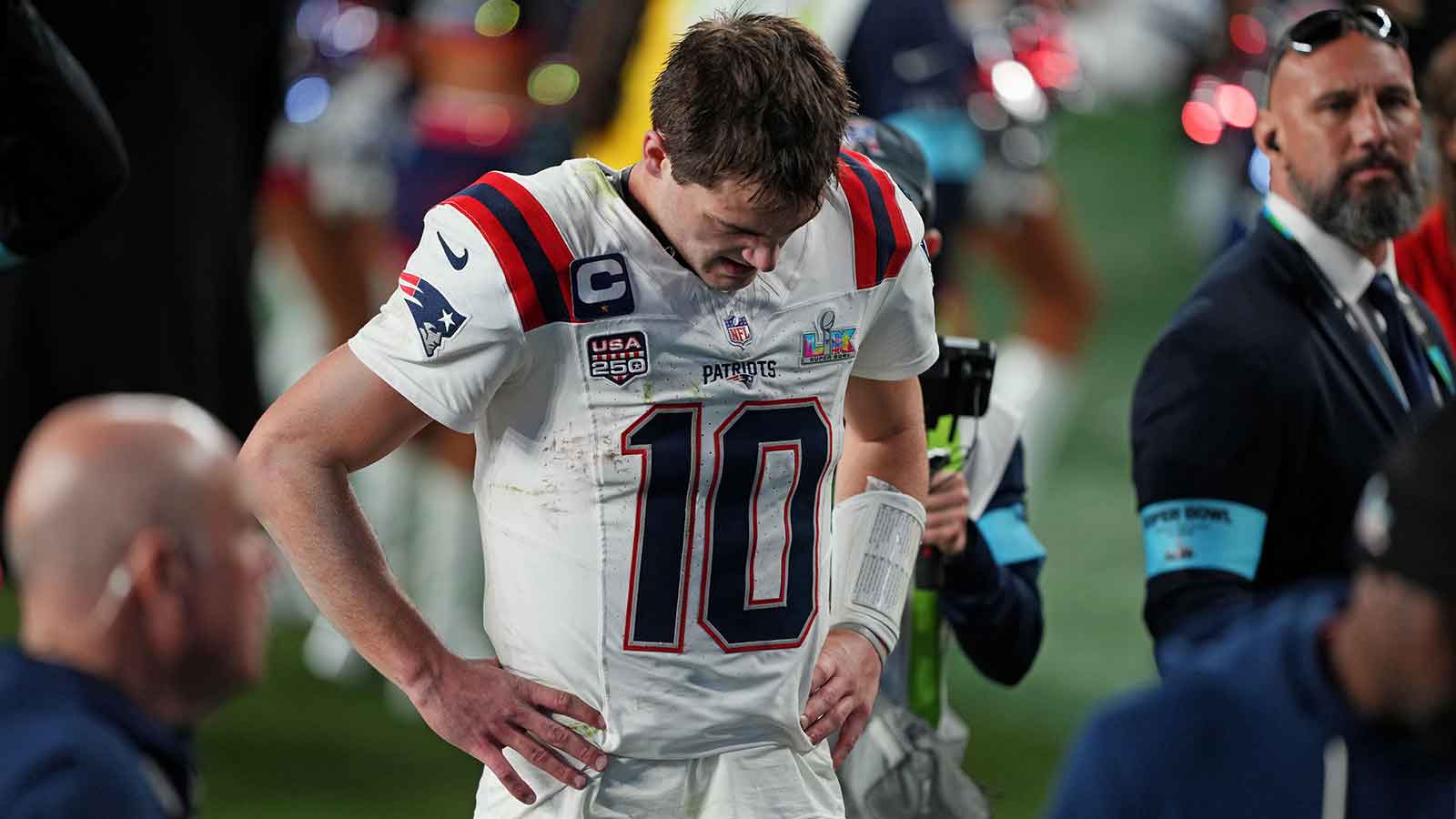
The Patriots are entering that season like a team that made the Super Bowl. One of the first signs of that came when New England brought back Tommy DeVito on a two-year deal worth up to $7.4 million, giving the team a familiar backup behind Maye and Joshua Dobbs.
At the same time, they came up with another small but telling move on defense: signing outside linebacker Jesse Luketa to a one-year contract before free agency officially opened, adding depth to a front that still feels unfinished.
None of those moves lock in what the Patriots will do in April, but together they make the direction pretty clear.
After the combine, the mock draft picture around the Patriots has started to settle into a few real themes. Let's see what some analysts think about this new team.
OT Max Iheanachor, Arizona State
Tim Crean predicts that Iheanachor will be selected by the Patriots at No. 31, indicating that he believes New England is ready to stop relying on improvisation to fix the offensive line.
Crean’s reasoning is linked to Will Campbell; he argues that at some point, the Patriots should transition Campbell inside, where he is a better fit, and allow Iheanachor to become the long-term answer at left tackle.
Iheanachor's scouting profile is impressive too, standing at nearly 6-foot-6 and weighing 331 pounds, with arms measuring almost 34 inches. He also notes that he displayed sufficient pass-protection skills at the Senior Bowl to be considered a possible early starter.
This choice aligns with how competitive teams think.
The Patriots do not currently need an emergency left tackle, but instead, they require a solution that can be developed into the next iteration of their offensive line before it becomes a significant issue.
This is particularly important with Maye on the roster since young quarterbacks thrive when they receive clean pockets and can develop through consistent practice and game preparation.
He works because it respects how contenders actually think, and if New England sees Campbell as a better guard than tackle, then Iheanachor at 31 is not a luxury move.
EDGE Cashius Howell, Texas A&M
Jordan Reid takes an interesting approach by projecting Texas A&M edge rusher Cashius Howell to the Patriots.
His reasoning is clear and difficult to dispute, and with K’Lavon Chaisson heading to free agency and Harold Landry III aging and having missed part of the 2025 season, New England still needs to bolster its edge group, regardless of whether those veterans remain.
Reid describes Howell as a “pass-rushing menace” with an advanced skill set, noting that his 11.5 sacks last season ranked seventh among all FBS defensive linemen.
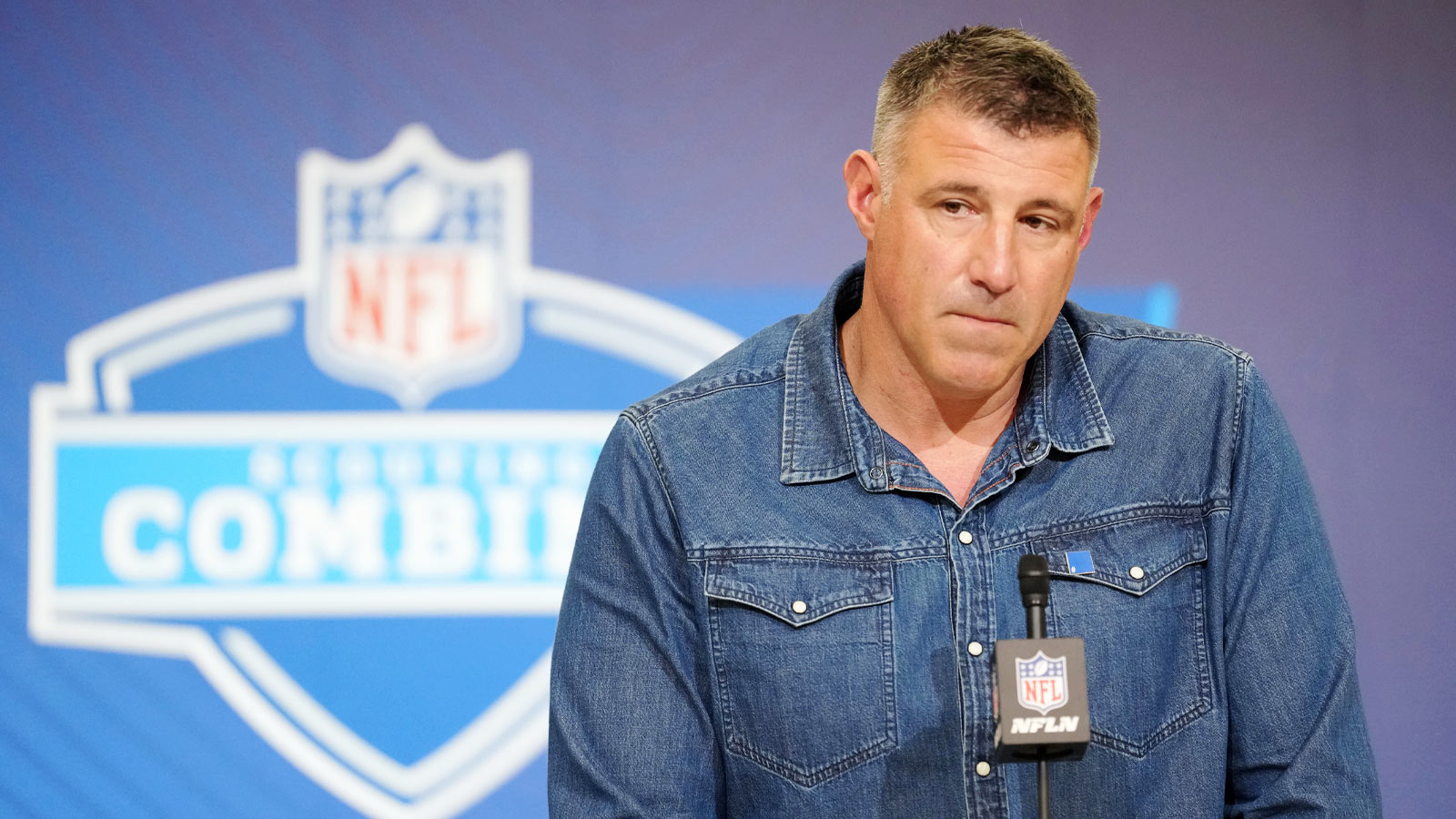
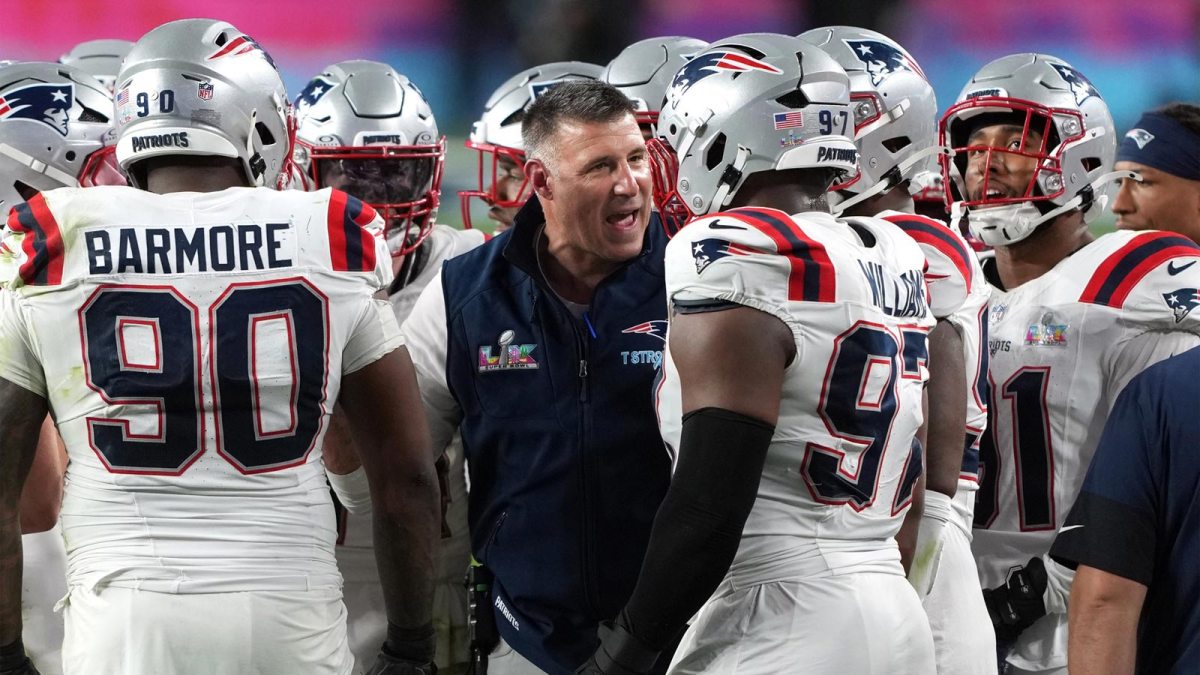
This projection aligns with head coach Mike Vrabel’s team-building strategy.
Vrabel has consistently preferred defensive fronts that can pressure the quarterback effectively without resorting to gimmicks, and while he doesn't shy away from blitzing, he prefers a structured pass rush rather than a desperate one.
Howell, with his readiness as a rusher, fits this philosophy better than some rawer edge prospects. He excels with tempo, employs counters, and doesn’t require a perfect path to reach the quarterback.
For the Patriots' new team, this focus on winning now makes sense because they are a Super Bowl-caliber team aiming to maximize their championship window while their quarterback is still early in his career.
If they select Howell, it will be because they believe he can contribute immediately, not just because of his potential. This rationale makes Reid’s projection plausible.
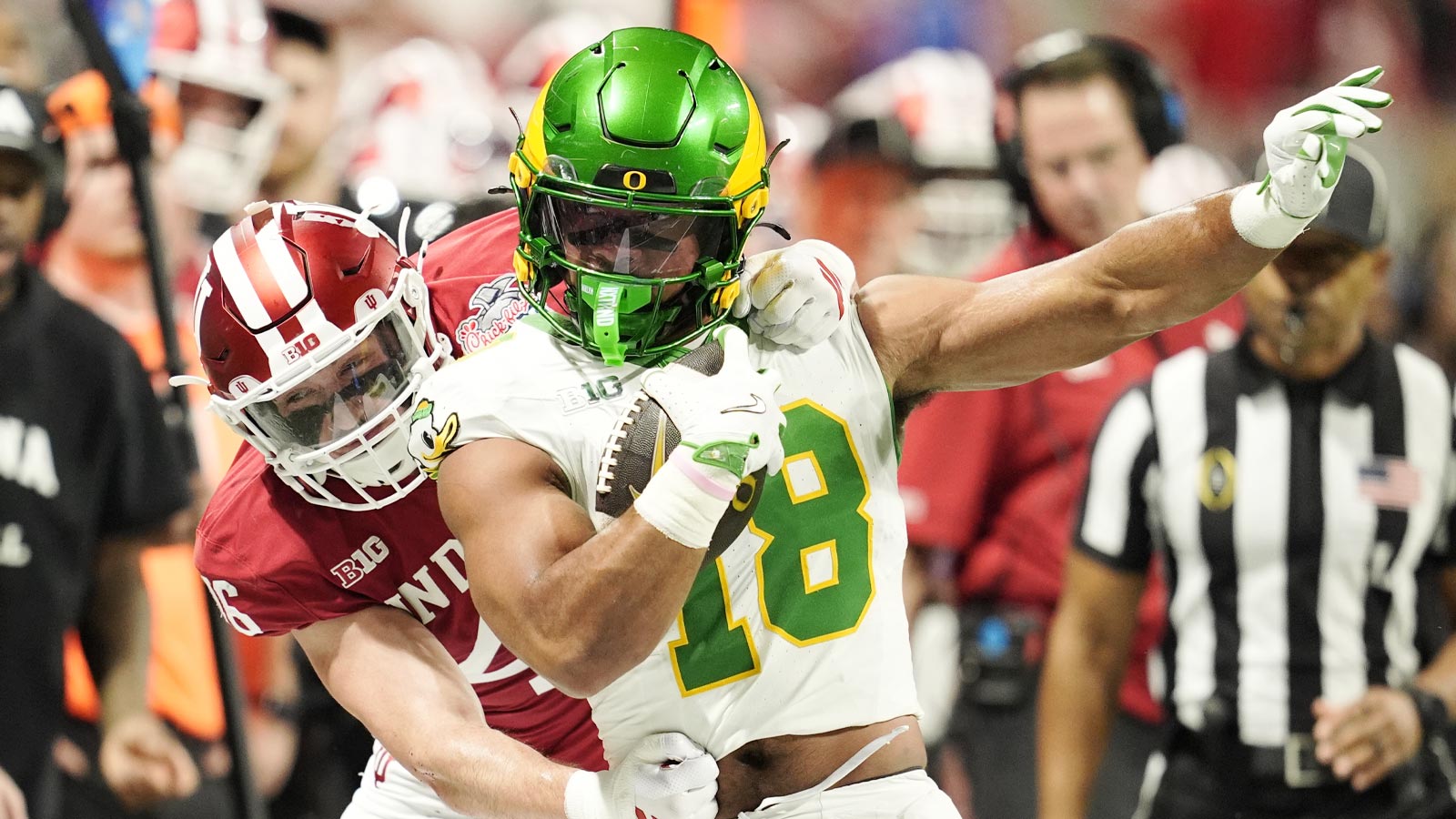
WR KC Concepcion, Texas A&M
Lance Zierlein projects KC Concepcion to New England, presenting a compelling case for the receiver.
His argument is direct: the Patriots need to continuously add playmakers around quarterback Drake Maye, and Concepcion can provide the immediate separation necessary for clean throws from the slot.
Zierlein emphasizes that Concepcion is a tremendous separator, a crucial quality for a receiver in New England’s offense.
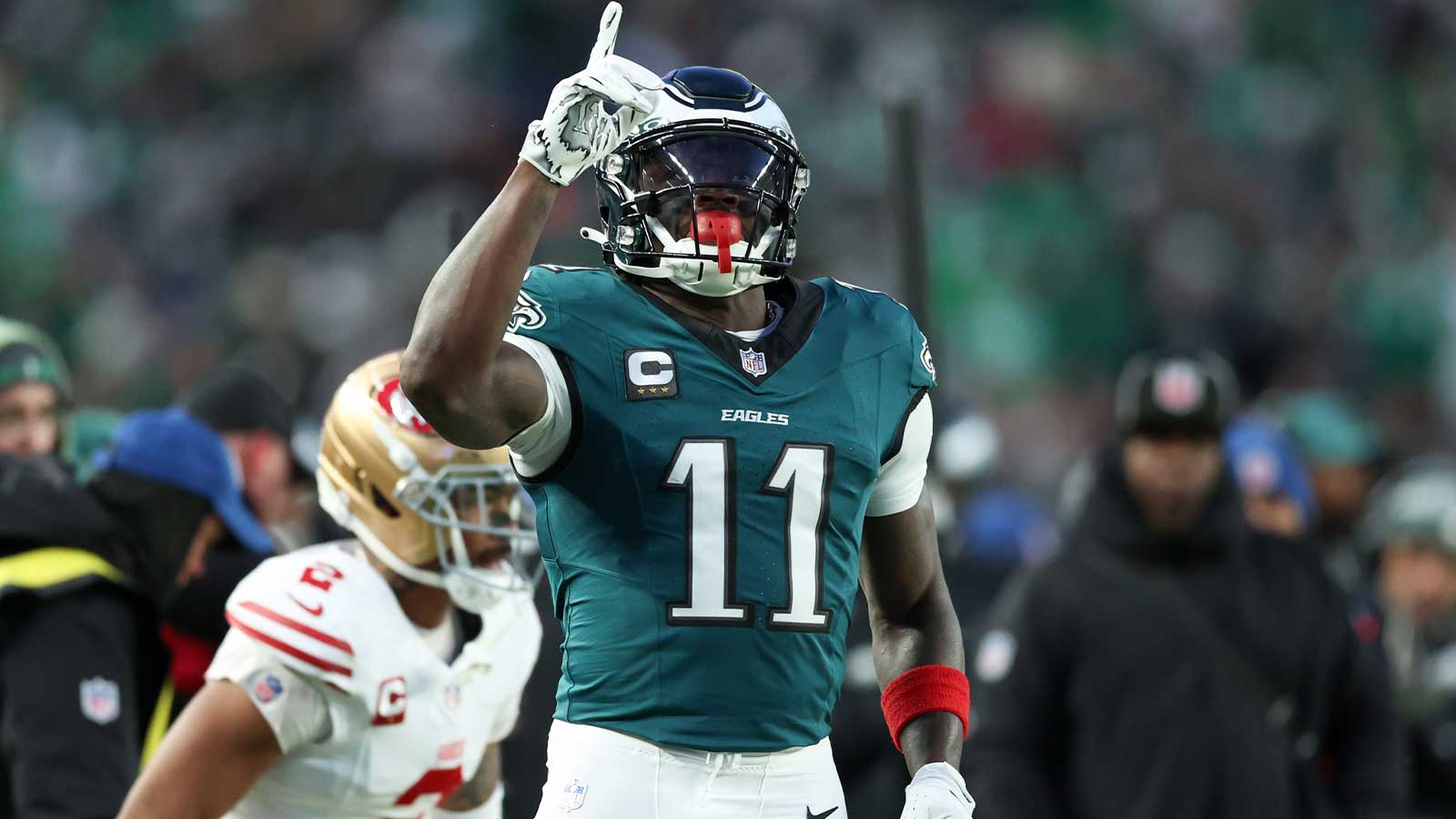
This selection becomes even more intriguing in light of the A.J. Brown trade discussions.
If the Patriots don't acquire a major outside receiver through trade, their offense will still need a route-runner who can stretch coverage without requiring perfect throws.
While Concepcion wouldn't replicate Brown's skill set, he presents a different yet practical solution by winning early in routes and easing the burden on Maye, rather than waiting for a potentially unrealistic big-name addition.
Additionally, selecting Concepcion at the 31st pick is pragmatic.
Late in the first round, teams often chase “upside” and overlook players who can provide immediate assistance to the quarterback.
The Pats have made enough of these mistakes in previous years, and a clean route runner with significant after-catch ability might not generate excitement in draft discussions, but it's the type of addition that becomes invaluable when the quarterback is capable of leveraging those skills.
TE Eli Stowers, Vanderbilt
Fornelli projects that the Patriots will select Eli Stowers with the 31st pick, and he acknowledges a significant tradeoff: while Stowers is unlikely to excel as an in-line blocker against strong defensive ends, he presents a matchup challenge for linebackers and safeties.
Fornelli views him as a useful chess piece for a creative offensive coordinator.
This projection hinges on how the Patriots envision the evolution of their offense because if they aim for greater versatility, employing flexible personnel packages and creating mismatches for linebackers, Stowers makes sense.
He would enhance the offense as a receiving tight end who can alter defensive alignments, particularly on early downs when maintaining the threat of heavier personnel is crucial without becoming predictable.
This is particularly important for a young quarterback like Maye, as young passers often improve more rapidly when the middle of the field is open, and when the offense can create mismatches without requiring impossible throws.
What is best for the Patriots right now?
Would I rank Stowers above a tackle or edge rusher for the Patriots right now? Probably not.
However, I understand Fornelli's rationale, and New England needs more than just additional players right now, because they require another point of stress for opposing defenses.
If a team focuses on stopping the run or double-teaming outside receivers, a weapon like Stowers can exploit the resulting vulnerabilities underneath.
Following the Combine, the broader picture for New England is clearer than it was a month ago. All these insights address a common question for the team: what should they prioritize?
Based on the recent Combine outcomes, I believe the safest matches are still Howell or Iheanachor, as both align with reliable strategies for maintaining a stable contender: either improving quarterback protection or making the defense more formidable.
But Concepcion's viewpoint seems particularly illuminating.
If the Patriots choose this path, it indicates they believe Maye is ready for more than just basic management and that the offense should start being designed around his strengths rather than merely avoiding wasting his potential.