For the new season in 2026, the Patriots did make some moves to enhance their receiving corps, but they are still involved in conversations about acquiring A.J. Brown.
Bill Simmons has consistently suggested that a trade for Brown to New England remains plausible, even after the team signed Romeo Doubs to a four-year contract worth up to $80 million to support quarterback Drake Maye.
On the surface, this move appears to address a weakness; however, in practice, it seems more like the team paid for a decent solution while still lacking the critical answer it truly needed.
This is why I believe New England’s biggest mistake in Week 1 was not just one reckless contract or a single embarrassing misstep, but it was more nuanced than that.
The Patriots treated their receiver room as if it had been fully solved when, in reality, it had only been upgraded. There’s a significant difference, and for a team trying to build properly around a quarterback as talented as Drake Maye, that distinction is crucial.
Doubs is a legitimate player, productive, tough, and reliable enough to contribute; however, if the Patriots convinced themselves that Doubs transformed the receiving room from needing a true No. 1 to “good enough,” then that would be a misunderstanding of the situation.
I don’t mean to diminish Doubs’ abilities at all, because in the right role, he can be a very effective receiver.
Last season, he recorded a personal-best 724 yards and six touchdowns, demonstrating his capability as a dependable starter during his four years in Green Bay.
The issue lies in what the Patriots paid for, and what it still failed to acquire. Doubs arrived on a contract that can escalate to $80 million, and while that is significant money, it isn’t quite elite receiver compensation, but it’s close enough that expectations change.
Once you make such a financial commitment, you’re signaling to the league and to your quarterback that this player is part of the core. For me, that’s where the Patriots found themselves awkwardly caught between two ideas: paying like they secured a major solution while still discussing and behaving as if they might need a more substantial one.
That tension becomes even clearer when you examine what else transpired within the receiving room.
The Patriots officially released Stefon Diggs and traded center Garrett Bradbury to the Bears while also parting ways with linebackers Anfernee Jennings and Jahlani Tavai. While Diggs may not have been a perfect fit, and there are valid reasons for moving on, his release took away the only veteran receiver on the roster with proven No. 1 credentials.
If Doubs was the next step after that release, then fine, but the team must recognize what Doubs is and what he isn’t.
He is not the type of receiver around whom defenses will scheme all their coverage, and he is not the kind of player who makes every crucial third-down situation feel simpler. Letting Diggs go only becomes a sound football decision if the replacement plan feels stronger, but that did not seem convincing by the end of Week 1.
This is where the A.J. Brown situation becomes significant, and not because the Patriots had to trade for him, and not because Simmons mentioned it on a podcast makes it a given, but it matters because Brown embodies the kind of player the Pats still clearly needs.
Reports indicate that both the Rams and Patriots expressed interest in Brown even after serious trade talks stalled, with the Eagles expecting a package worth a first- and second-round pick.
That is indeed expensive, but it reflects what real No. 1 receivers command in the market.
If they were not willing to meet that asking price, that is understandable; however, the front office should have had a second plan that clearly solved the same problem.
The Patriots made mistakes in Week 1?
Week 1 presented another aspect that diminished confidence in the receiver's decision because the Patriots invested heavily in other areas.
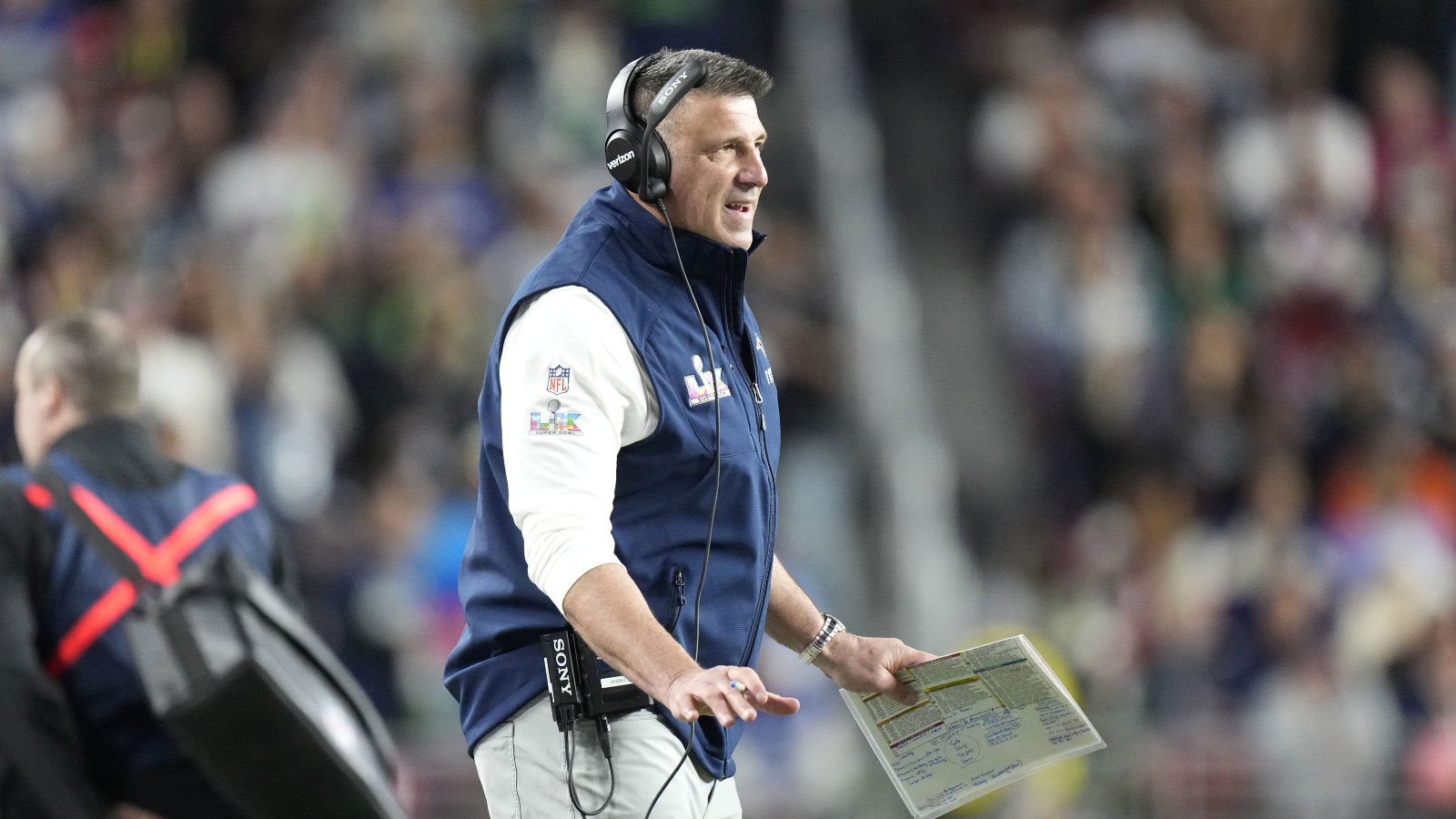
They signed Alijah Vera-Tucker to a three-year, $42 million contract to bolster the offensive line, added Dre’Mont Jones on a three-year deal, signed Kevin Byard to a one-year, $9 million deal, and acquired Reggie Gilliam on a multi-year contract, all in response to Mike Vrabel’s desire for more strength and aggression on the roster.
None of these moves is unreasonable; in fact, most are smart. Vera-Tucker, in particular, is a sensible risk if he can maintain his health because last season, he didn't play a game.
Nevertheless, once you observe where the money and urgency were allocated, the receiver issue becomes more pronounced. The yacted like a team that knew precisely how it wanted to reshape its line, front, and overall roster dynamics, and the receiver position was the one premium area where the resolution felt expensive but still insufficient to settle the matter.
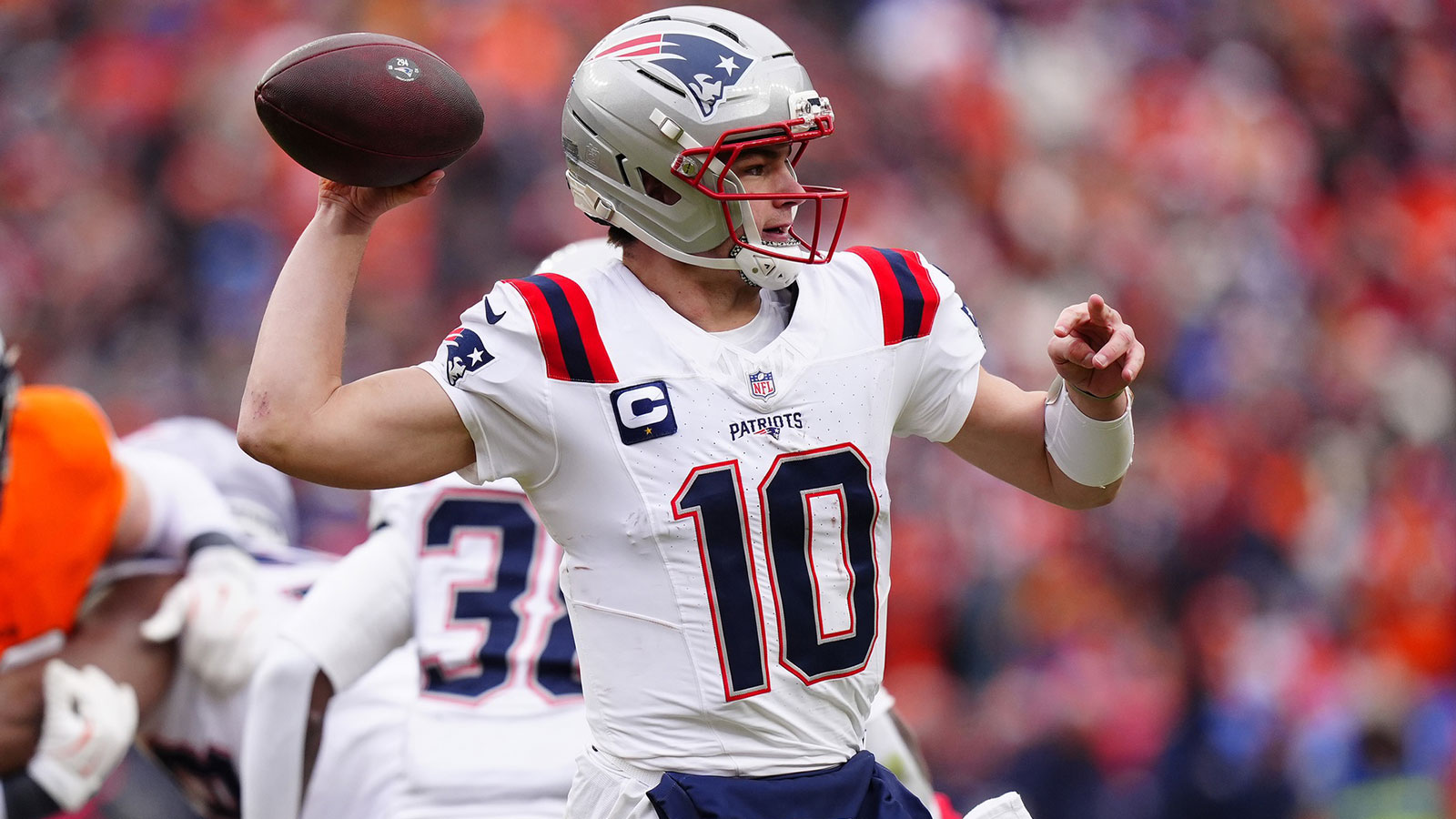
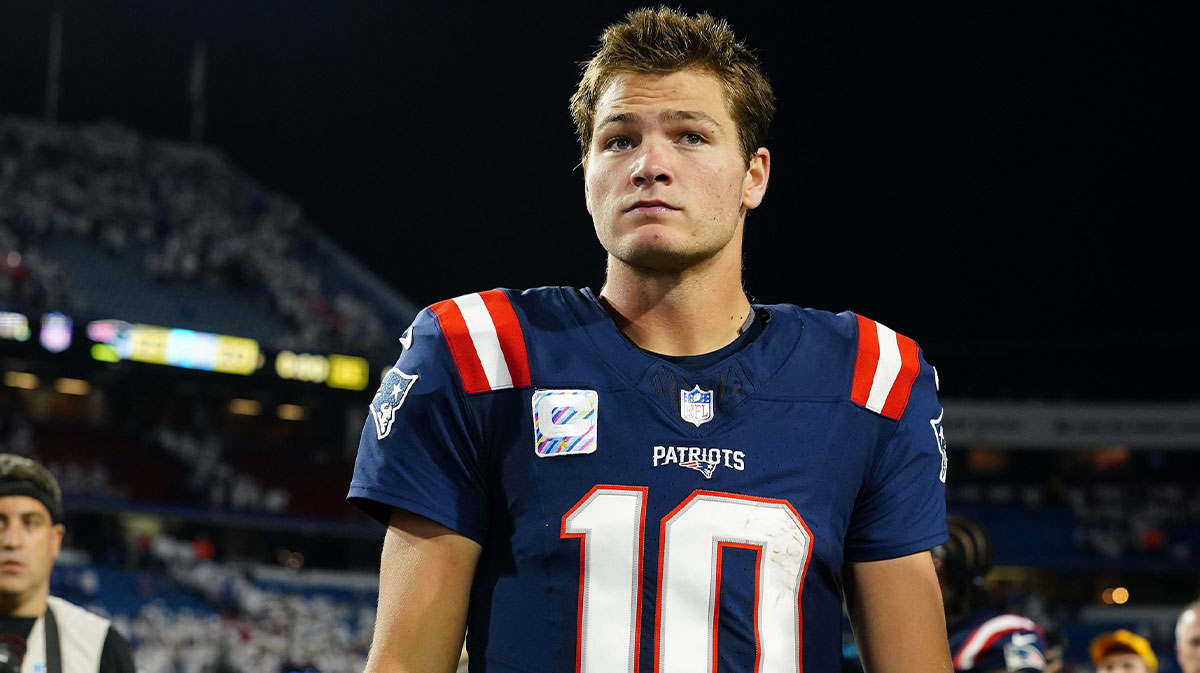
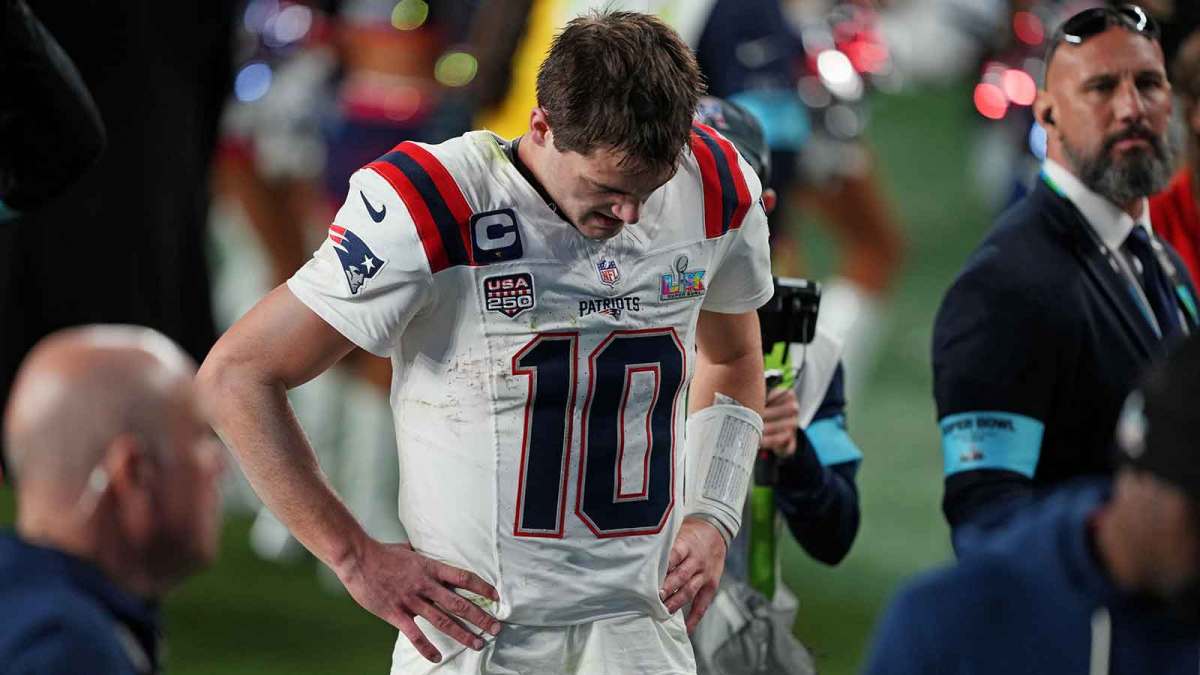
There is a significant quarterback-development angle here that shouldn't be overlooked, too. Drake Maye is the main focus, besides a bad game in the last Super Bowl.
Once a franchise-level passer demonstrates such high potential, every major offensive decision should revolve around one question: Does this make his life significantly easier?
Currently, New England does not have enough of those key players, which leads me to the same conclusion: they approached spending as if they were trying to support Maye, but not quite in a way that maximizes his potential.
I also believe the Bradbury move is more important than it initially appears. Reuters reported that Chicago gave up a 2027 fifth-round pick for him, and the Patriots plan to shift rookie left guard Jared Wilson to the center position.
Maybe that will work; perhaps Wilson is ready, but this is another example of how they are opting for projection over certainty while simultaneously aiming to win now after a Super Bowl appearance. The Patriots seem comfortable taking a lot of risks all at once.
While that approach can be fine for one position group, it becomes riskier when it spans multiple areas across an offense centered around a young franchise quarterback.
To be clear, I am not suggesting that the Patriots had a bad week, that would be unfair.
They improved in several areas, and the roster is now more competitive and focused than it was before the market opened. However, if I had to identify their biggest mistake, it would be this: they invested in enhancing the roster without truly fixing it.
In doing so, they risked convincing themselves that they had attained a level of offensive comfort that isn’t actually there yet. This type of error is typical for good teams that are close enough to feel confident but not complete enough to act decisively.
This is why I find this situation more striking than any single player departure or flashy signing.
Week 1 should have been the moment when the Patriots conclusively demonstrated their commitment to providing Drake Maye with a top-tier target structure.
Instead, the Patriots left the week improved and tougher while still a bit unfinished in the one area of the offense that should have been their clear priority.