The New Orleans Saints started the offseason strong by making an important defensive move, bringing back Kaden Elliss on a three-year, $33 million deal to restore some punch and familiarity at linebacker.
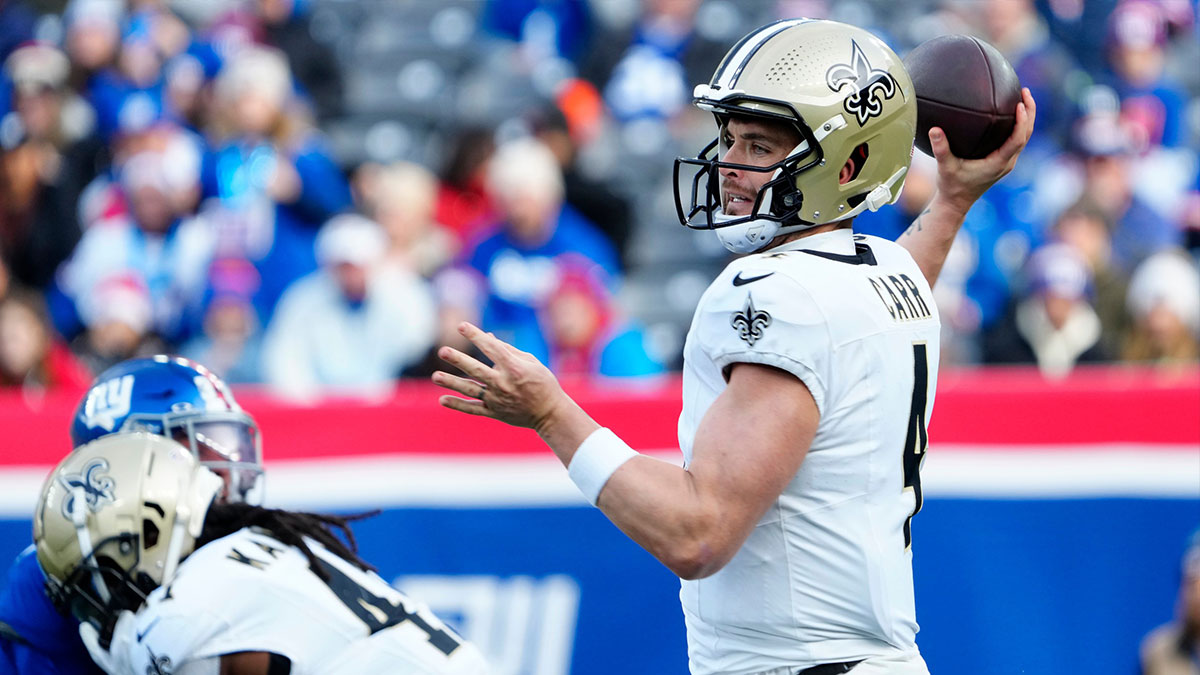
However, the situation surrounding Derek Carr's future remained stagnant, with no trade inquiries reported in the first week of free agency.
This scenario highlights a significant challenge for the Saints: while they recognize that parts of the roster need immediate repair, even as other questions remain unresolved. As a result, the Saints’ biggest mistake in Week 1 was misplacing their urgency as they acted like a team that believed the offense was just one running back and one guard away from being functional, despite larger issues lurking elsewhere.
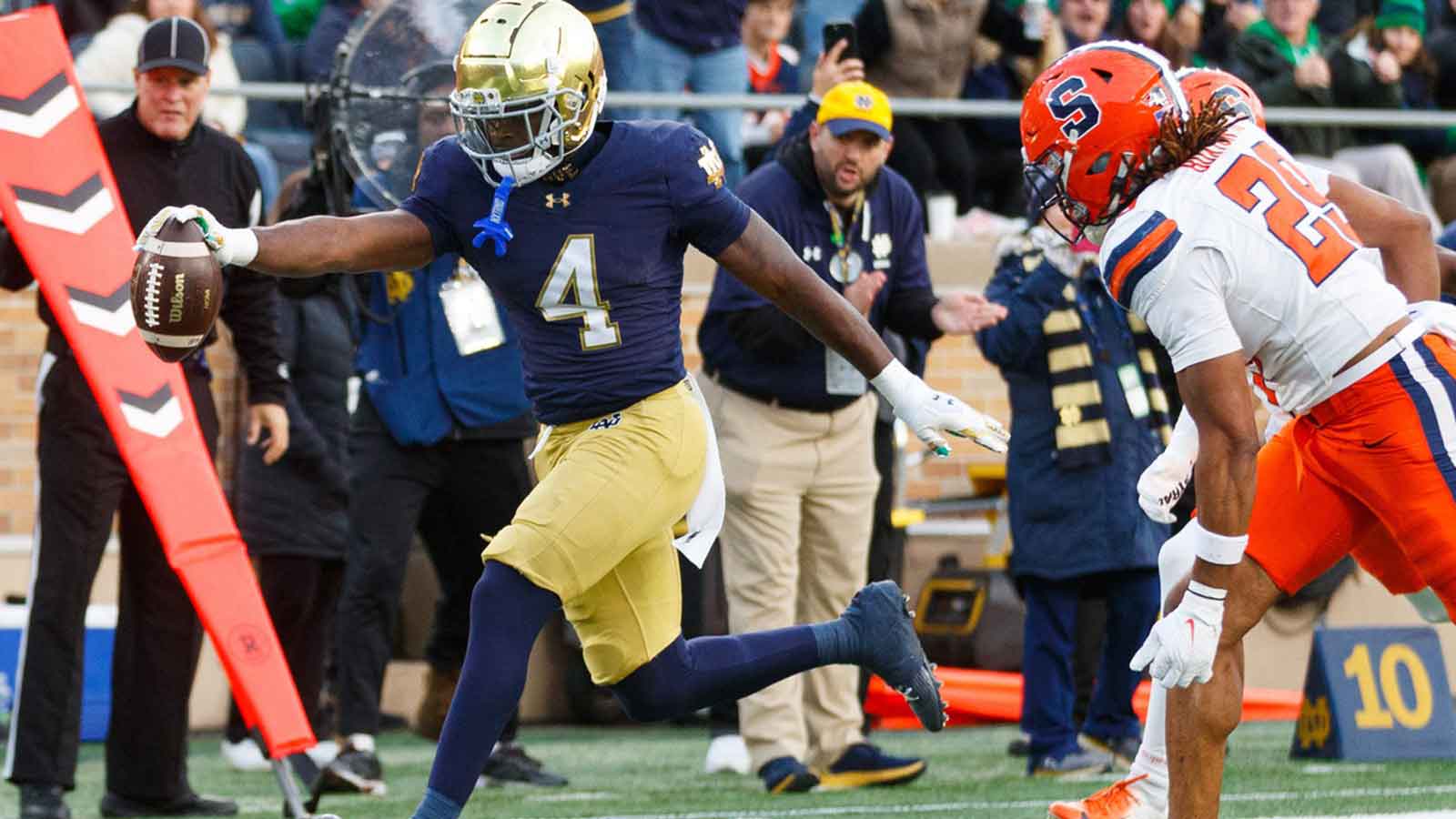
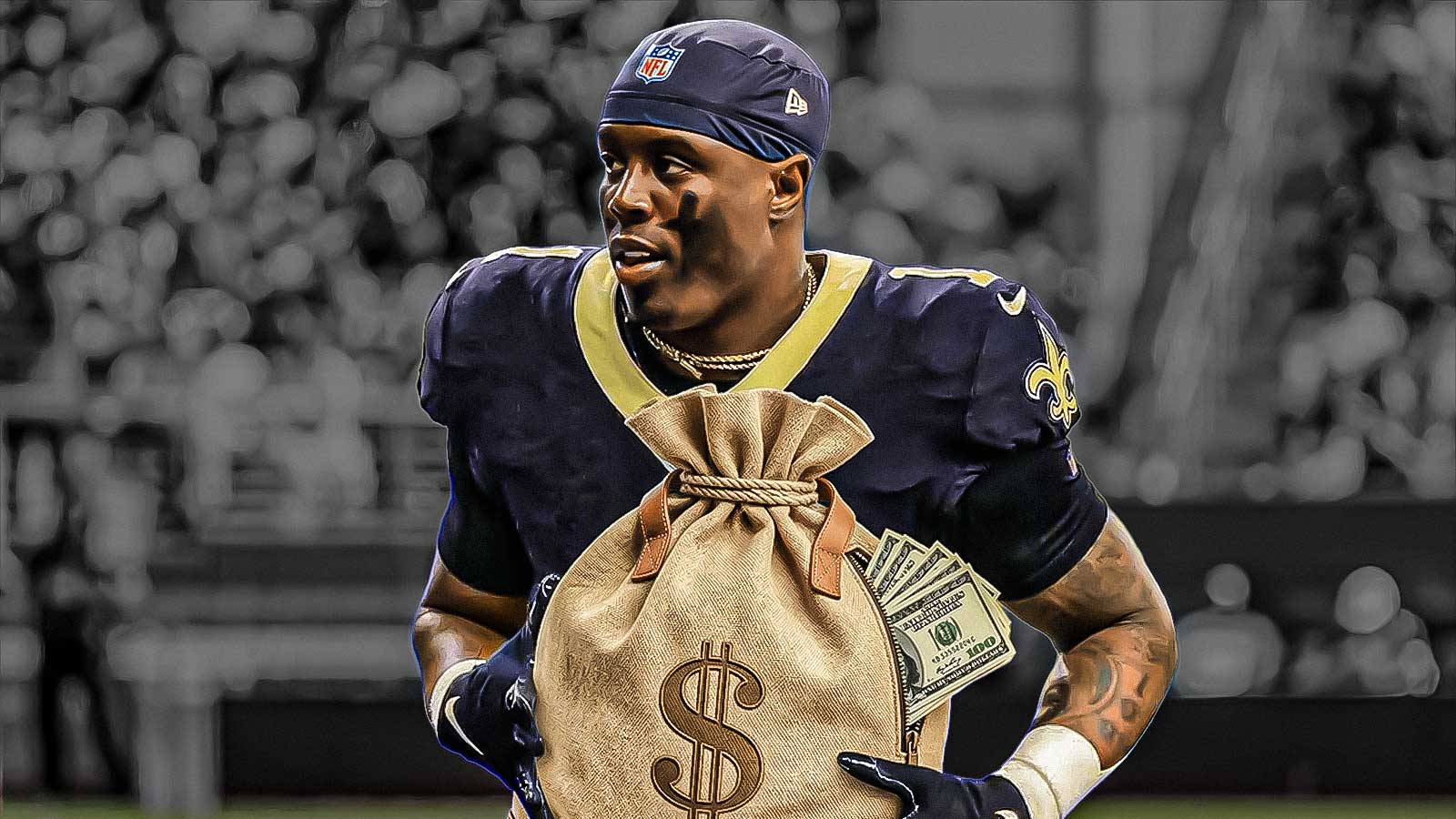
Travis Etienne received a four-year, $52 million deal, while David Edwards got four years and $61 million. These are substantial commitments, signaling that the Saints treated the opening days of free agency as an opportunity to quickly return to competitiveness by investing heavily in the run game and the left side of the offensive line, while other issues were left unaddressed.
While the rationale behind signing Etienne makes some sense, as the Saints struggled drastically in the rushing department in 2025, ranking 28th in rushing yards per game and 31st in yards per carry. Etienne, who is younger and more explosive than Alvin Kamara and coming off a strong year, offers the speed and volume they were seeking, and while this addition is justifiable on its own, it becomes problematic when viewed in the broader context of the roster.
The Saints already had Kamara under contract and lacked a solid answer at quarterback beyond mere hope, and additionally, they were about to lose a key cornerback. In this environment, allocating significant funds to a running back feels more extravagant than practical.
This week felt off because the Saints acted as if enhancing the offense's style was more pressing than ensuring its stability.
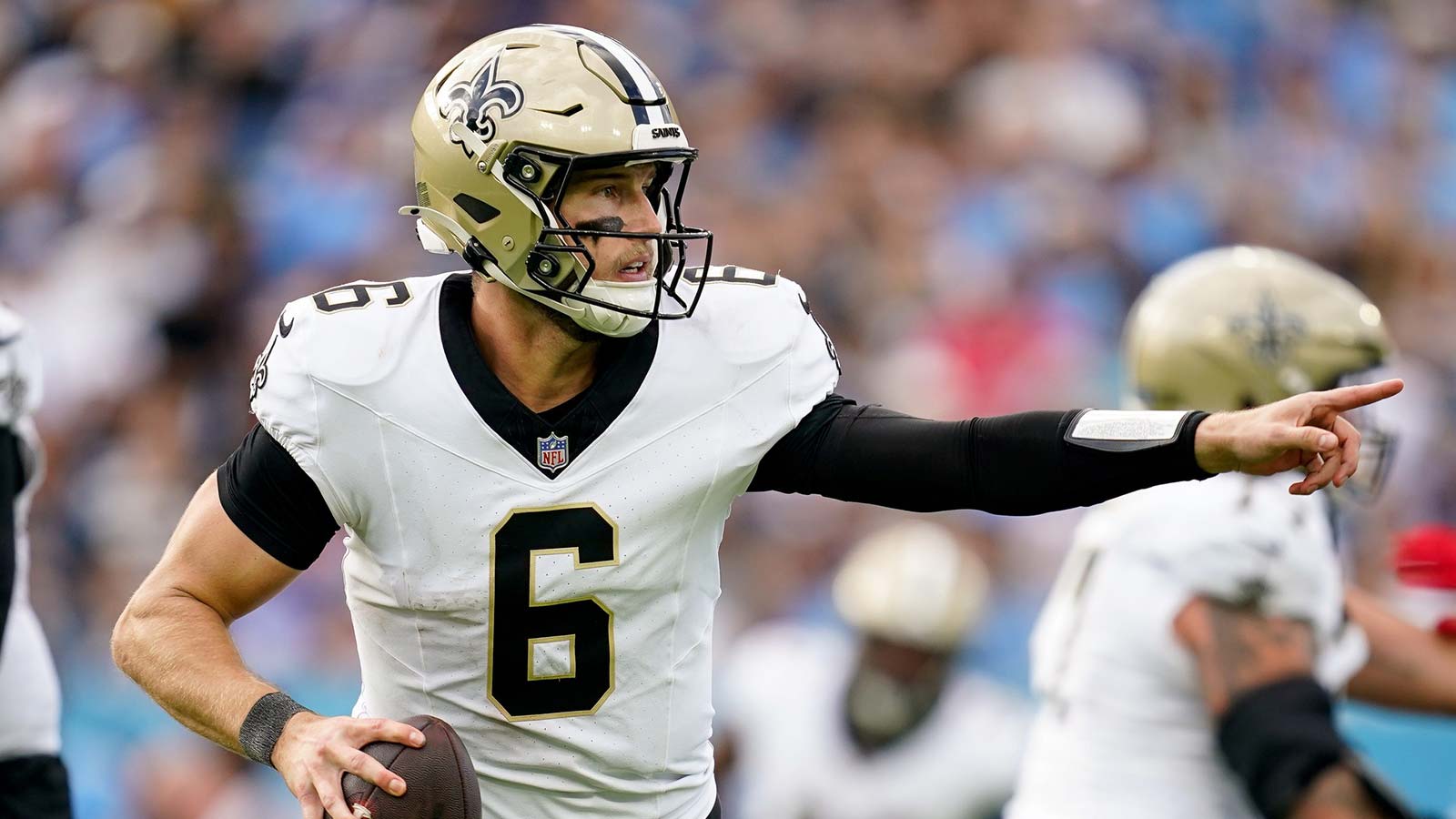
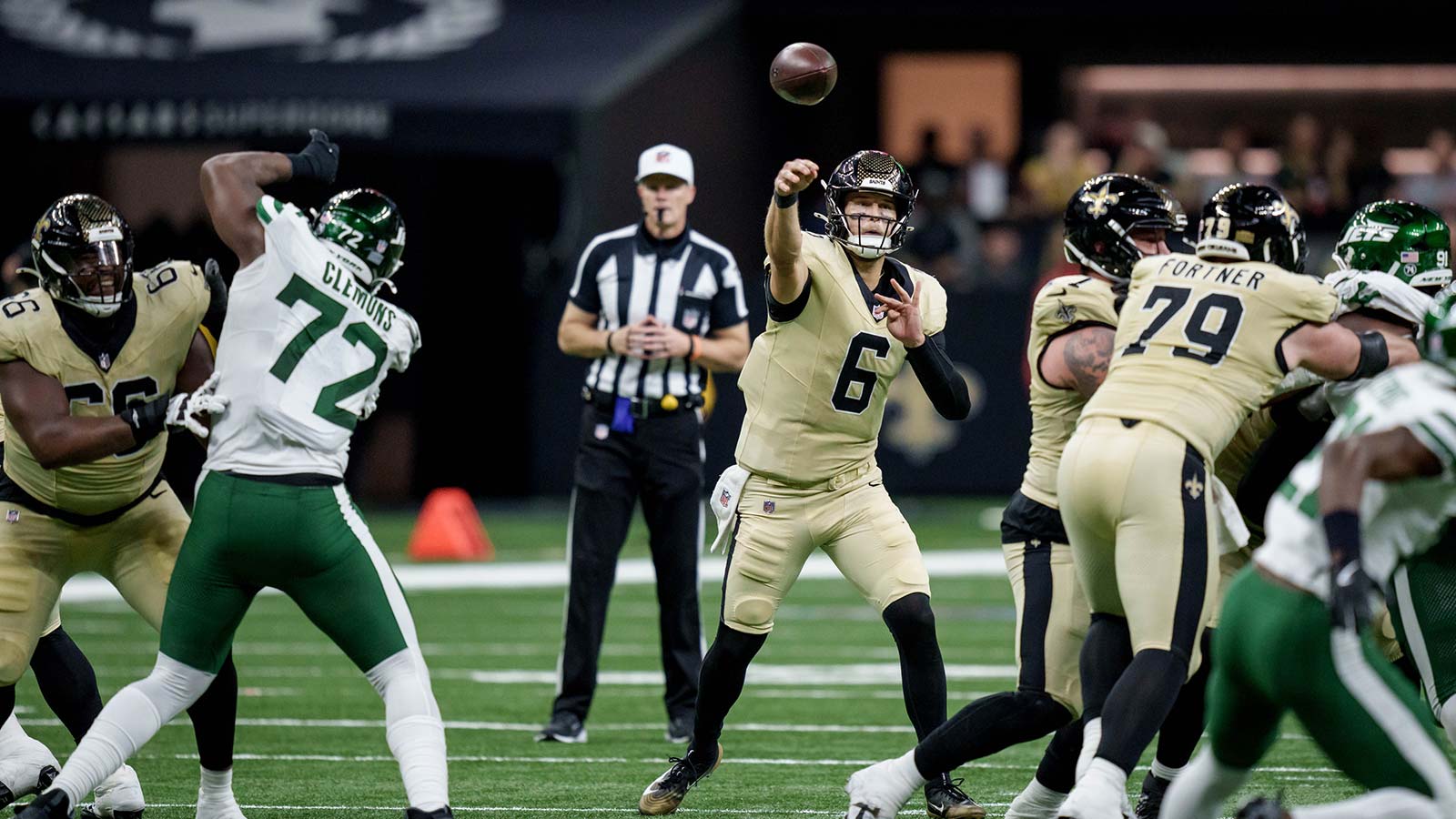
Tyler Shough may develop into a good quarterback, and he showed promise as a rookie, sparking the organization's interest, but a team genuinely building around a young passer typically prioritizes the first week of free agency by focusing on protection or high-end receiving help.
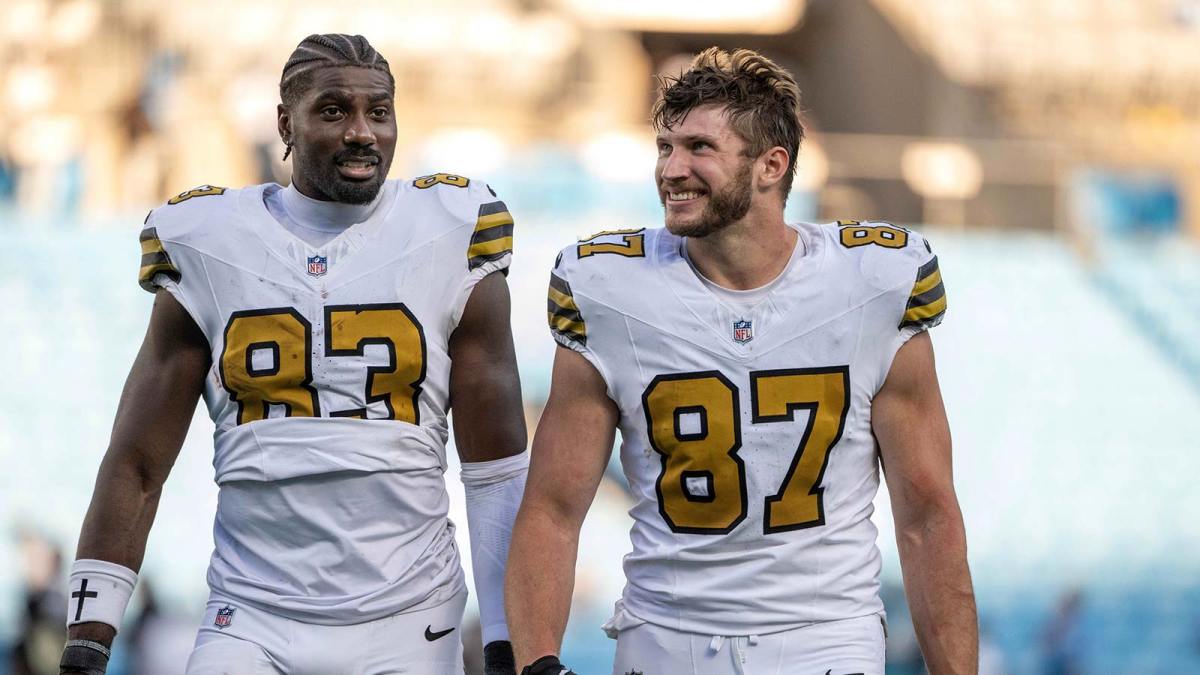
The Saints did none of these things comprehensively, and instead, they heavily invested in Etienne, signed Edwards to a significant contract, and added Noah Fant on a short-term deal, all while Carr’s contract situation lingered in limbo and no inquiries came in from other teams. Although this isn't a disaster, it is certainly an unusual sequence of moves.
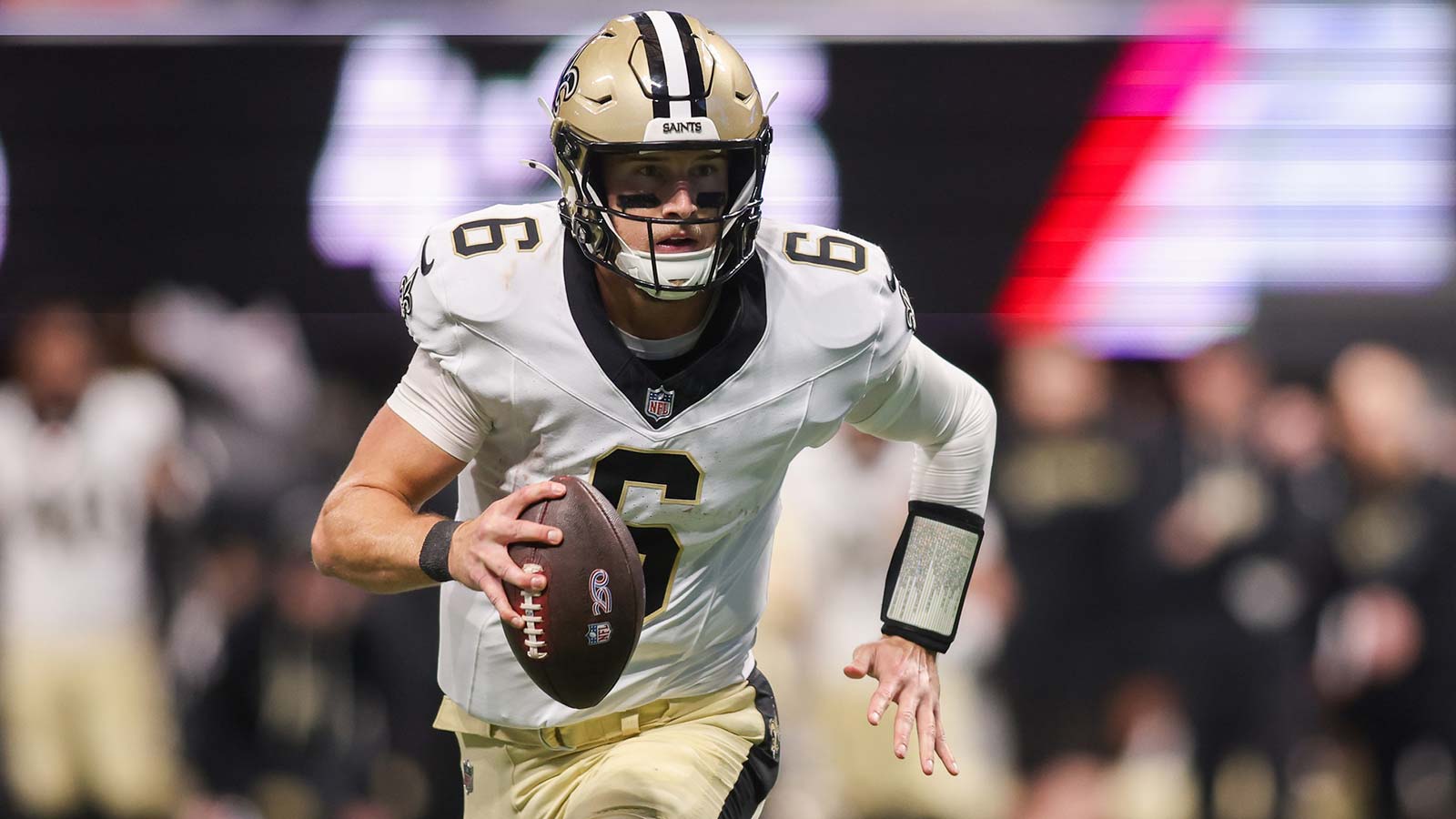
The Saints left too many questions unanswered in Week 1 of free agency
The Saints also created a hole on the defensive side of the ball, making the spending on Etienne look even more questionable. Alontae Taylor signed with the Titans, and despite any anticipation of this outcome, it remains a significant loss. Taylor was one of the few corners on the defense with starting-caliber versatility, and this was a key decision for the Saints, with expectations of him commanding significant money in the market.
Letting Taylor go and then redirecting funds to a running back room that already included Kamara was a choice, and I believe it was the wrong one.
The same logic applies to Demario Davis, while he is older and not on the same career timeline as Shough or Etienne, his leadership and communication in the middle of the defense are still vital, especially for a team that lacks proven answers in the secondary.
LouisianaSports’ roundup of the Saints’ early moves highlighted Davis, Taylor, and Luke Fortner as major losses. While Kaden Elliss helps address some of the linebacker concerns, the overall defensive picture is thinner after Week 1 than it could have been.
Some may argue that signing David Edwards addressed the offensive line, which provides some protection, and while that is partially accurate, since left guard was indeed a need, signing a guard alone does not define the offense's identity. Edwards may improve one aspect of the line, but he does not alleviate the heavy reliance on Chris Olave remaining healthy and productive for the pass-catching unit. Finally, it doesn’t remove the awkwardness of investing significant funds in the running back room while ignoring the most critical position on the field.
The core of the mistake lies in the order of priorities. Because of all the players the Saints signed, with Etienne being talented, Edwards a valuable addition, and Elliss a strong acquisition, Fant can contribute, but the problem is that New Orleans spent its initial moves in free agency on positions that made the roster appear busier but not necessarily wiser.
If the Saints had come out of the week with a clearer quarterback plan or a stronger solution at cornerback, I would be much more forgiving.
Unfortunately, they did not achieve that, and with Taylor no longer an option, the defense lost more than one experienced voice.
Meanwhile, the offense became more expensive in the backfield before gaining clarity at quarterback, with this approach not typical for a team aiming to compete in a division where quarterback performance and explosive passing are often the deciding factors.
I do not believe the Saints ruined their offseason because there is still time to draft a cornerback, reallocate funds, or make another addition that could shift the narrative. But what Week 1 revealed was a team focusing on superficial improvements rather than addressing fundamental issues, and the Saints pursued more explosiveness in the running game and greater reliability at left guard while allowing significant unresolved questions to linger. This type of oversight may not be punished immediately, but later in the year, we don't know more about this. Could New Orleans flip their world around?