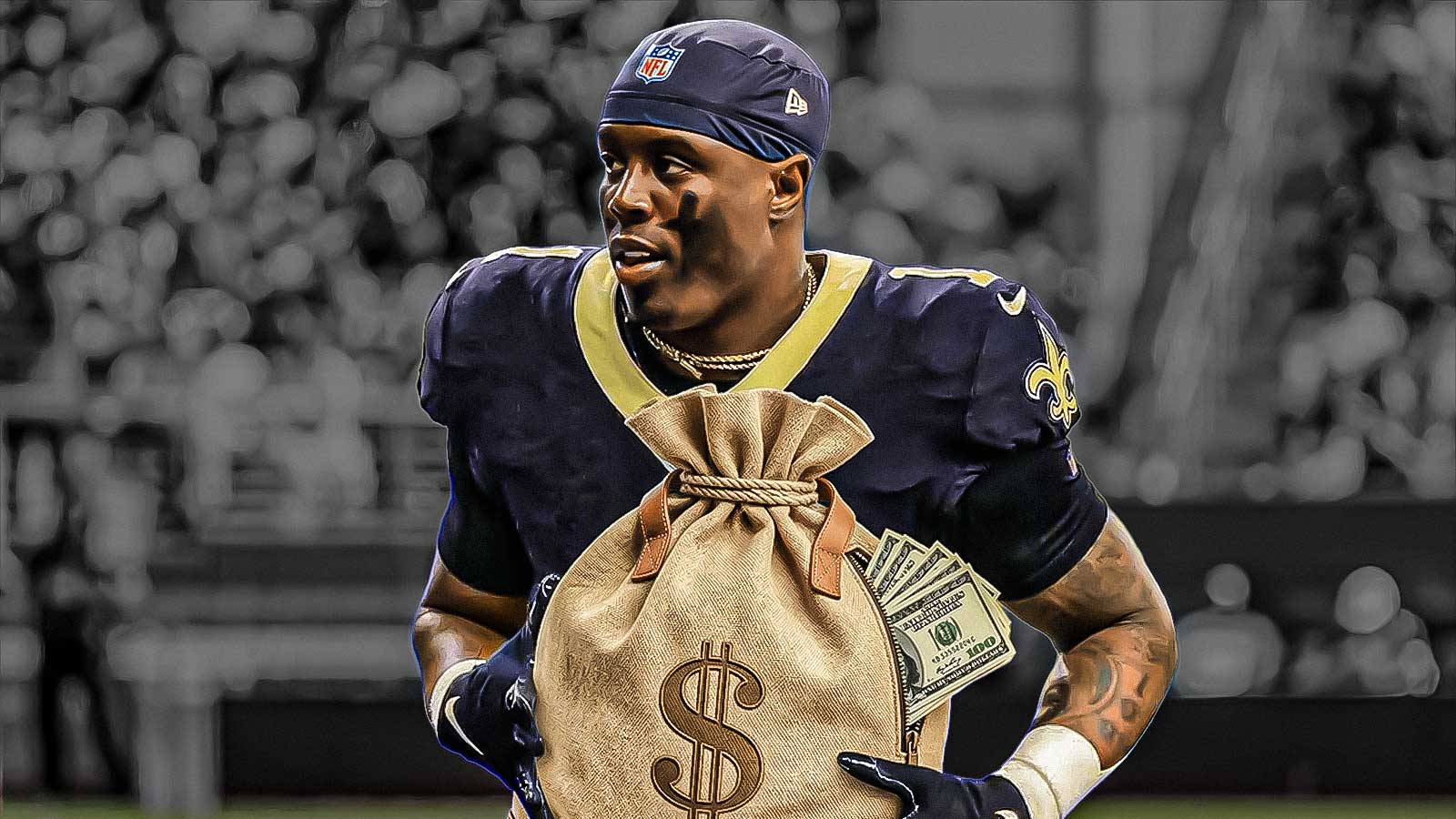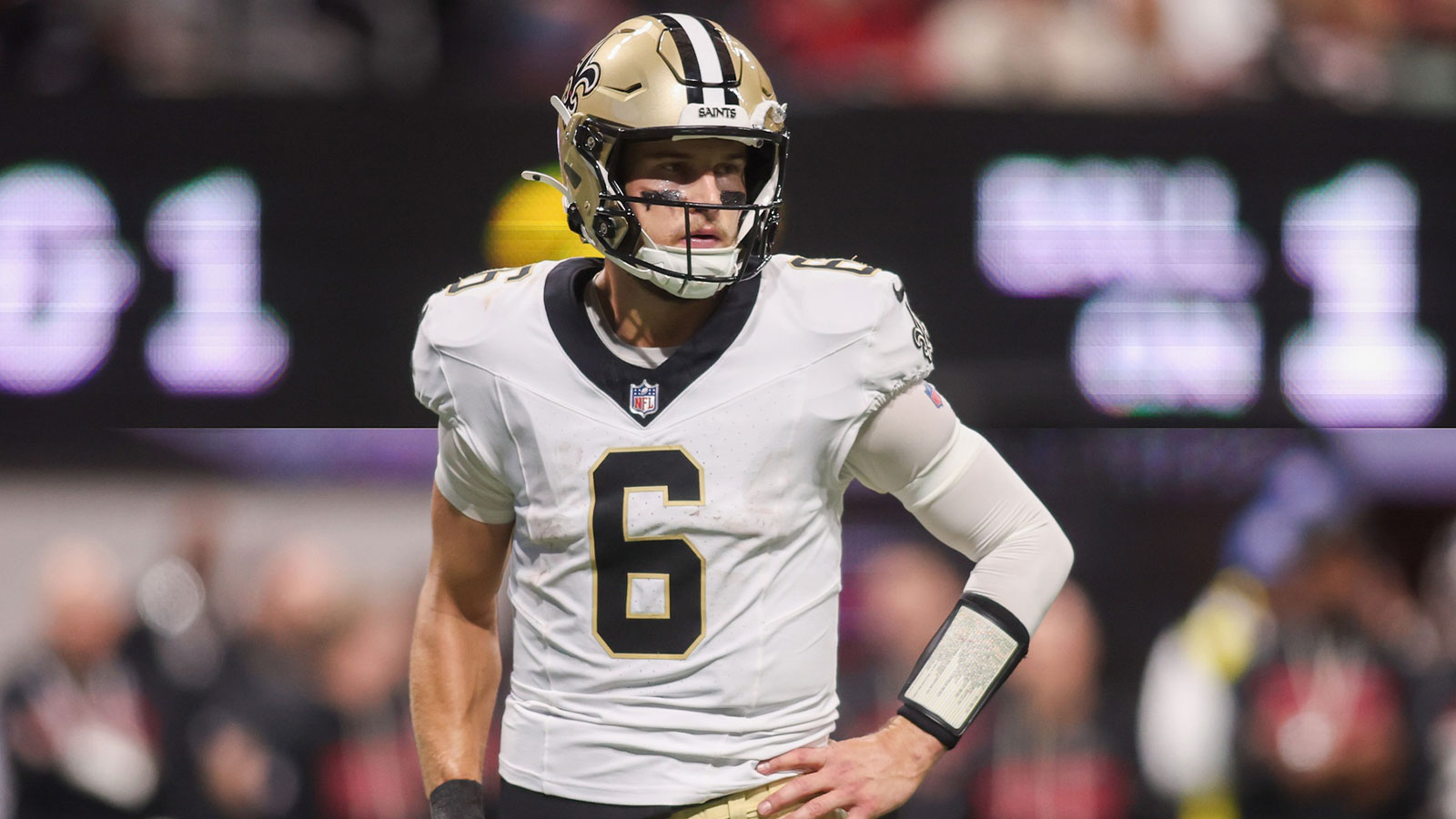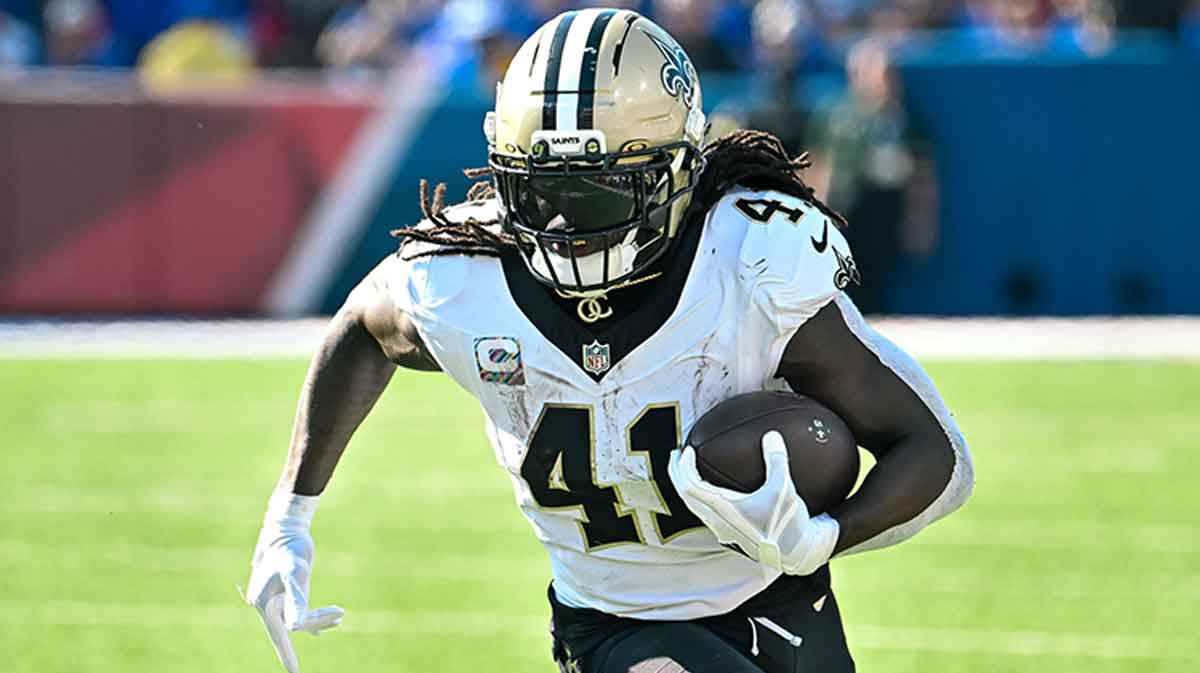
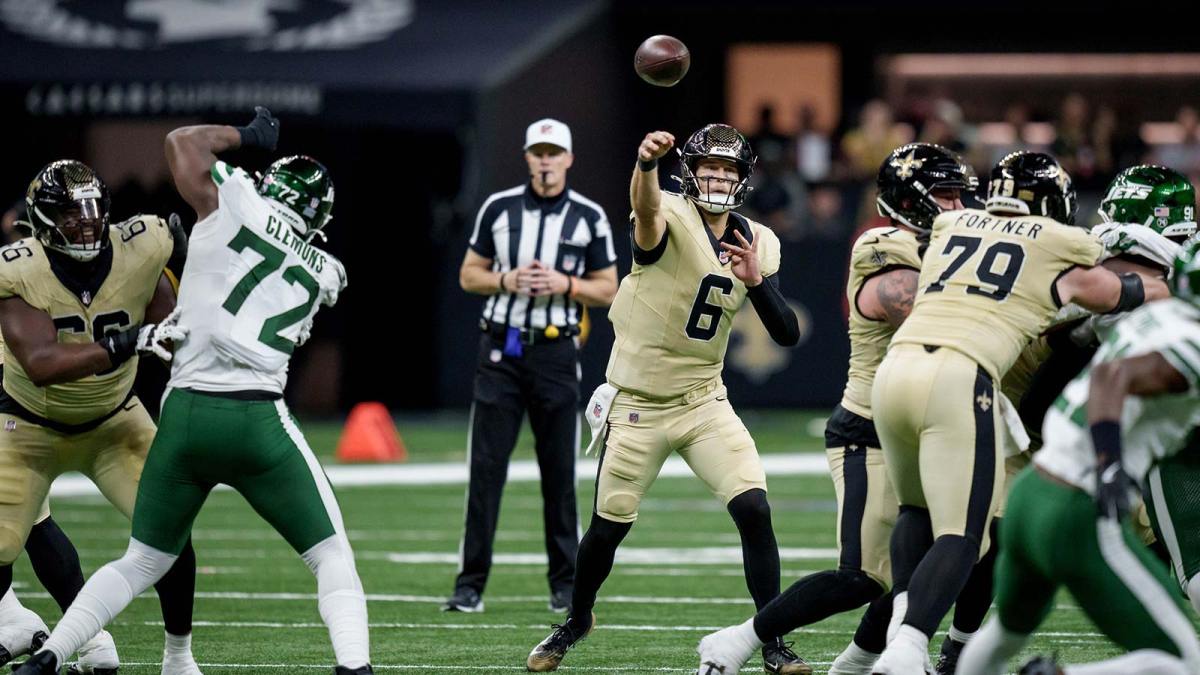
The Saints started the week by adding another target for Tyler Shough, reaching a two-year agreement with tight end Noah Fant. The former first-round pick of the Denver Broncos arrives after a one-year stint with the Bengals, providing the Saints with another experienced pass-catching option as they reshape their offense around their young quarterback, and while this move may not be franchise-altering in itself, it aligns with the overall theme of the offseason: giving Shough more support rather than expecting him to shoulder the entire load.
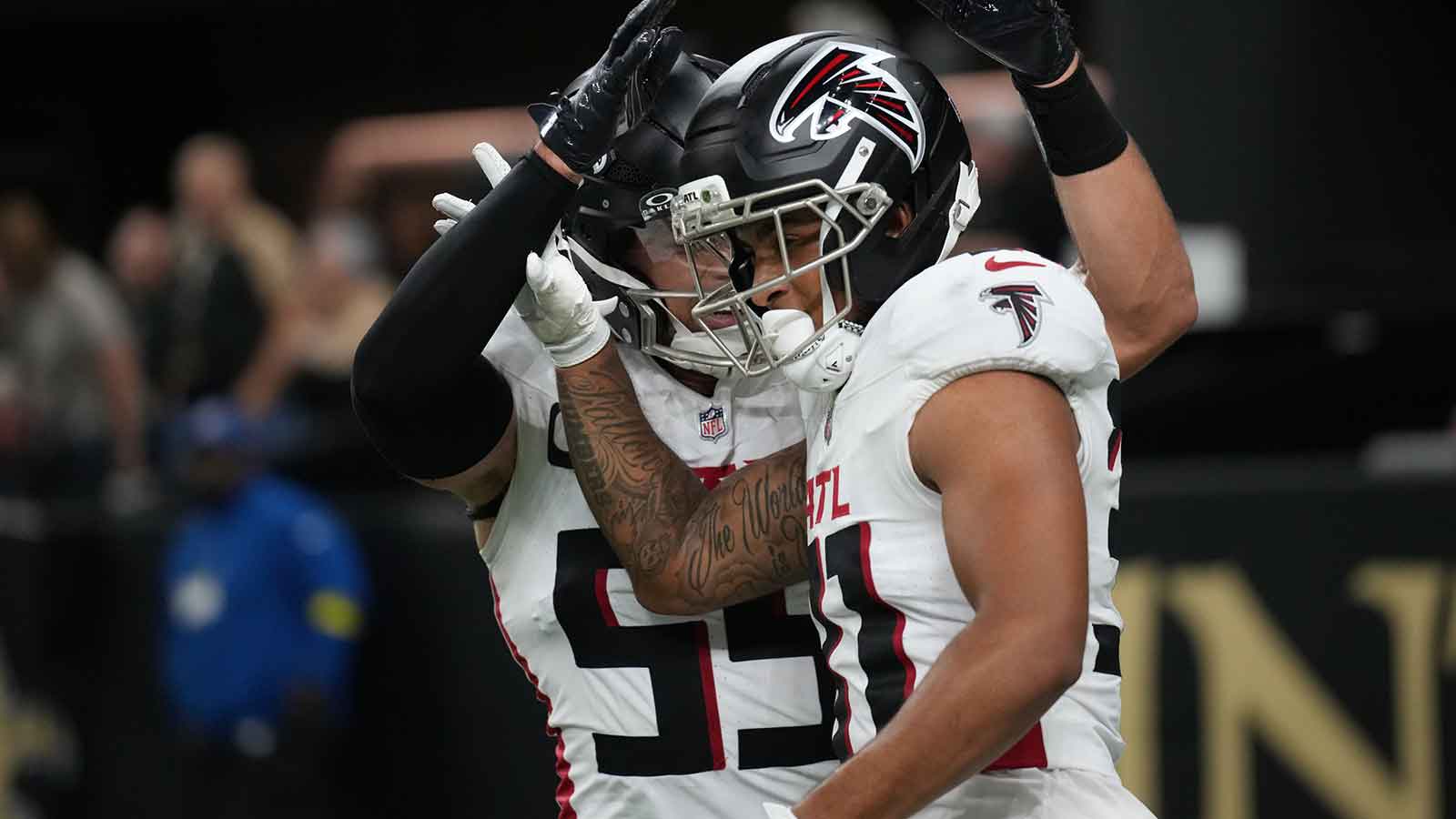
The next significant move came on defense, as the Saints re-signed linebacker Kaden Elliss with a three-year, $33 million contract that includes $23 million guaranteed. Elliss is familiar with the organization and its expectations, and he adds a proven piece to New Orleans' front seven after spending the past three seasons with the Falcons.
Together, these two signings illustrate the Saints' strategy of bolstering the offensive support for the quarterback while restoring toughness and familiarity on the defensive side.
This sets the stage for an important question heading into the draft, as the Saints hold the No. 8 overall pick and have a total of eight selections, positioning them to select a premium receiver, a top-tier edge rusher, or a defensive back if the draft unfolds favorably.
Although free agency addressed several immediate needs, it did not confine the Saints to one clear first-round choice, instead making various possibilities more apparent.
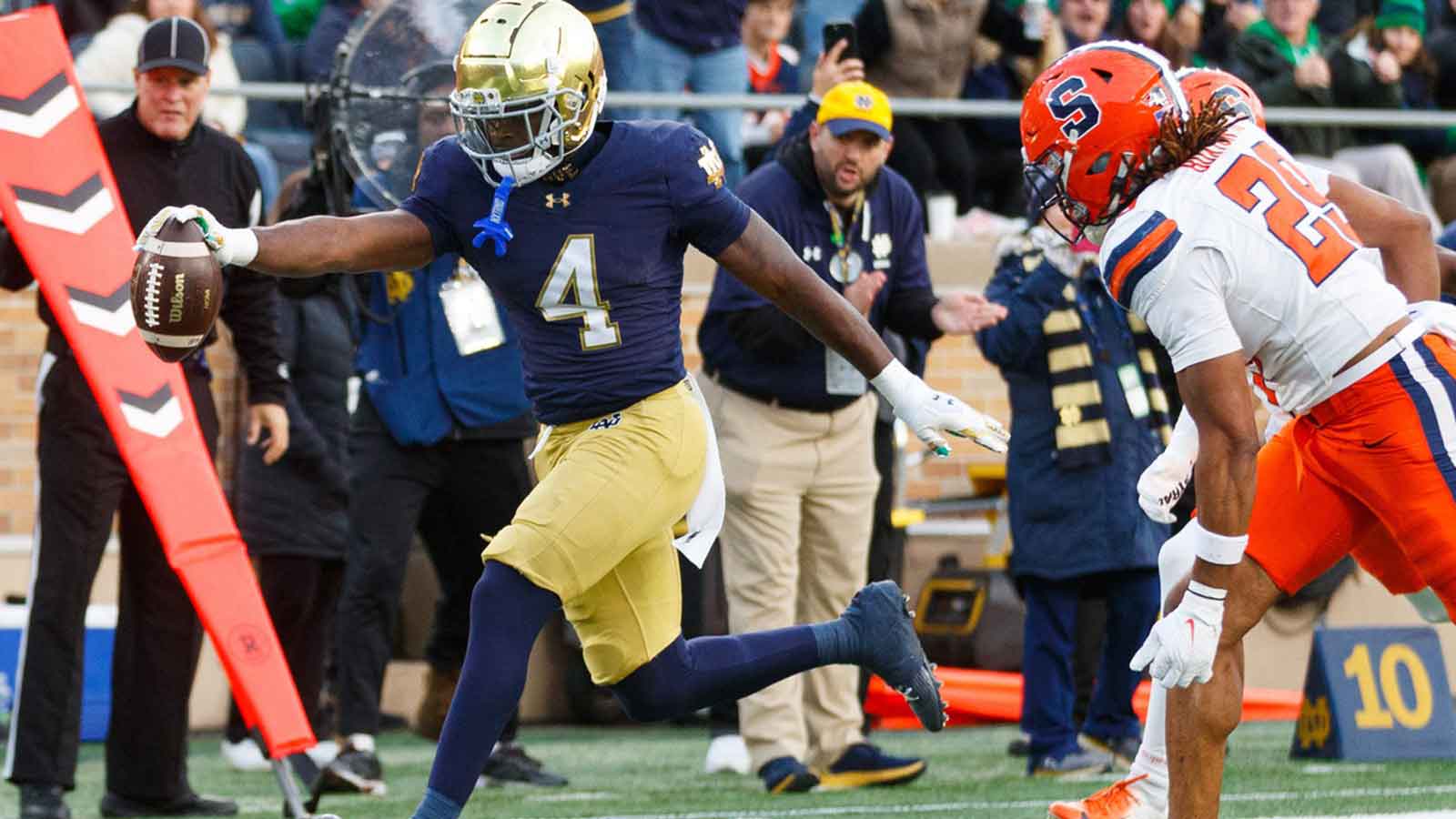
WR Carnell Tate, Ohio State
Tim Crean favors Carnell Tate for New Orleans, reasoning that the fit is a natural continuation of the Saints' offseason moves around Shough. Chris Olave remains the primary receiver on the roster, but the Saints lack sufficient proven talent behind him.
Tate would provide a larger outside target with impressive production against top competition, and Crean counters concerns about Tate's 4.53-second 40-yard dash time, asserting that these speed worries do not accurately reflect the player Ohio State showcased on the field. Tate's game tape demonstrates that he consistently excelled within a strong Buckeyes offense, which is ultimately more significant than a single measurement.
For the Saints, the justification is that having already added offensive pieces like Fant, Travis Etienne Jr., and guard David Edwards, selecting Tate would align with their offseason philosophy by providing Shough with an additional reliable receiver.
WR Makai Lemon, USC
Yates takes a different route, projecting Makai Lemon to New Orleans in his post-free-agency top-10 mock draft.
He links this selection to the Saints' initiative to ease Shough's transition, but unlike Tate, Lemon brings a different kind of appeal, emphasizing electrifying playmaking ability and production post-catch. Yates notes that Lemon averaged 96.3 receiving yards per game in 2025, the third-best average in the FBS, which helps explain his continued presence in discussions about the Saints.
This draft aligns well with the Saints’ roster and other trackers as well, where Lemon has consistently remained in the first-round conversation.
If Tate offers a more substantial complement to Olave, Lemon represents a dynamic addition to the receiving corps.
In either case, the underlying philosophy is similar: if the Saints prioritize Shough's development as the franchise's main focus, adding another wide receiver becomes a matter of roster strategy rather than luxury.
EDGE Rueben Bain Jr., Miami
Mike Renner presents an alternative perspective on the offseason by projecting Rueben Bain Jr. to New Orleans in his post-free-agency mock draft.
He argues that the Saints no longer need to force a discussion about drafting a running back after signing Etienne and should redirect their focus to enhancing the pass rush, and while Cameron Jordan remains productive at 36 years old, Renner highlights the importance of finding a long-term solution for the edge rusher position.
Although concerns about Bain's arm length are acknowledged, they are not viewed as disqualifying factors, and Renner believes pairing Bain with Chase Young could provide the Saints with a much younger and more formidable edge rush without waiting for urgency to dictate the need.
This type of projection often gains traction when a team has adequately addressed its offensive needs, allowing for increased focus on defensive improvements.
CB Mansoor Delane, LSU
In his latest mock draft, Tom Fornelli has LSU cornerback Mansoor Delane going to New Orleans, and Fornelli's call is that elite cornerbacks rarely stay on the board for long, and when the best player at the position is available, teams that need help should not overthink their decision.
He also emphasizes that Delane is a local talent who could improve the secondary immediately, adding a regional context to the pick without making it the sole focus. The football rationale remains essential.
Although the Saints have made several defensive additions, there is still a need for a long-term solution in the secondary, and a top-tier cornerback can significantly transform a defense, especially for a coaching staff looking to improve coverage and create more flexibility with pressure packages.
While Delane may not create the same buzz as an exciting offensive weapon for quarterback Tyler Shough, he highlights a different priority: ensuring the Saints do not rely solely on their offense to win high-scoring games each week. This is why Fornelli's projection is important because it indicates that not every credible post-free-agency mock draft sees New Orleans as an offense-only team.
The central theme here is the overall tension within the roster, and the Saints have already made visible efforts to support their quarterback, which naturally leads to more mock drafts featuring wide receivers.
However, the team's official tracker shows that edge rushers and wide receivers are tied for the most common first-round picks in recent projections, and this indicates much about the current state of the team: New Orleans has enough offensive urgency to justify adding another weapon, but there is also defensive work that remains unfinished, warranting attention in the trenches or the secondary.
This makes their draft position particularly intriguing because they are not limited to addressing just one urgent need, and having this flexibility often reveals what the organization truly values.
The post-free-agency mock landscape is not unclear at all, and one perspective suggests that the Saints should continue to bolster the offense and provide Tyler Shough with another receiver, which explains the repeated mention of Carnell Tate.
Conversely, another viewpoint argues that the more strategic move would be to fill a critical defensive position before it escalates into a larger issue, bringing players like Rueben Bain Jr. and Mansoor Delane into the conversation.
By making significant acquisitions, the Saints have managed to avoid drafting out of desperation, and now, the question is whether they want their first pick to ease life for their quarterback or complicate matters for opposing passers. At pick No. 8, all three arguments hold substantial weight, making New Orleans one of the most fascinating teams to watch in the first round.