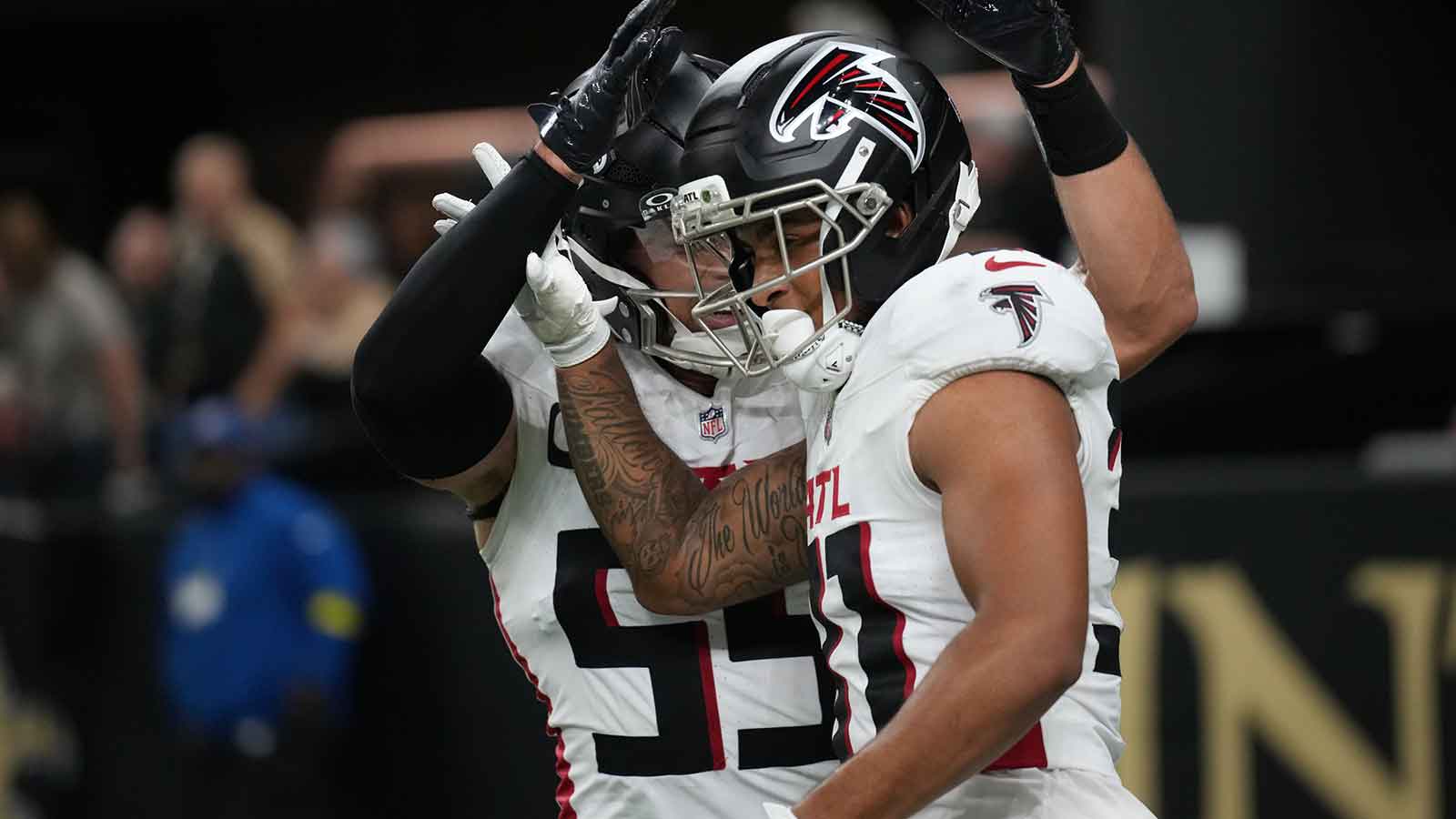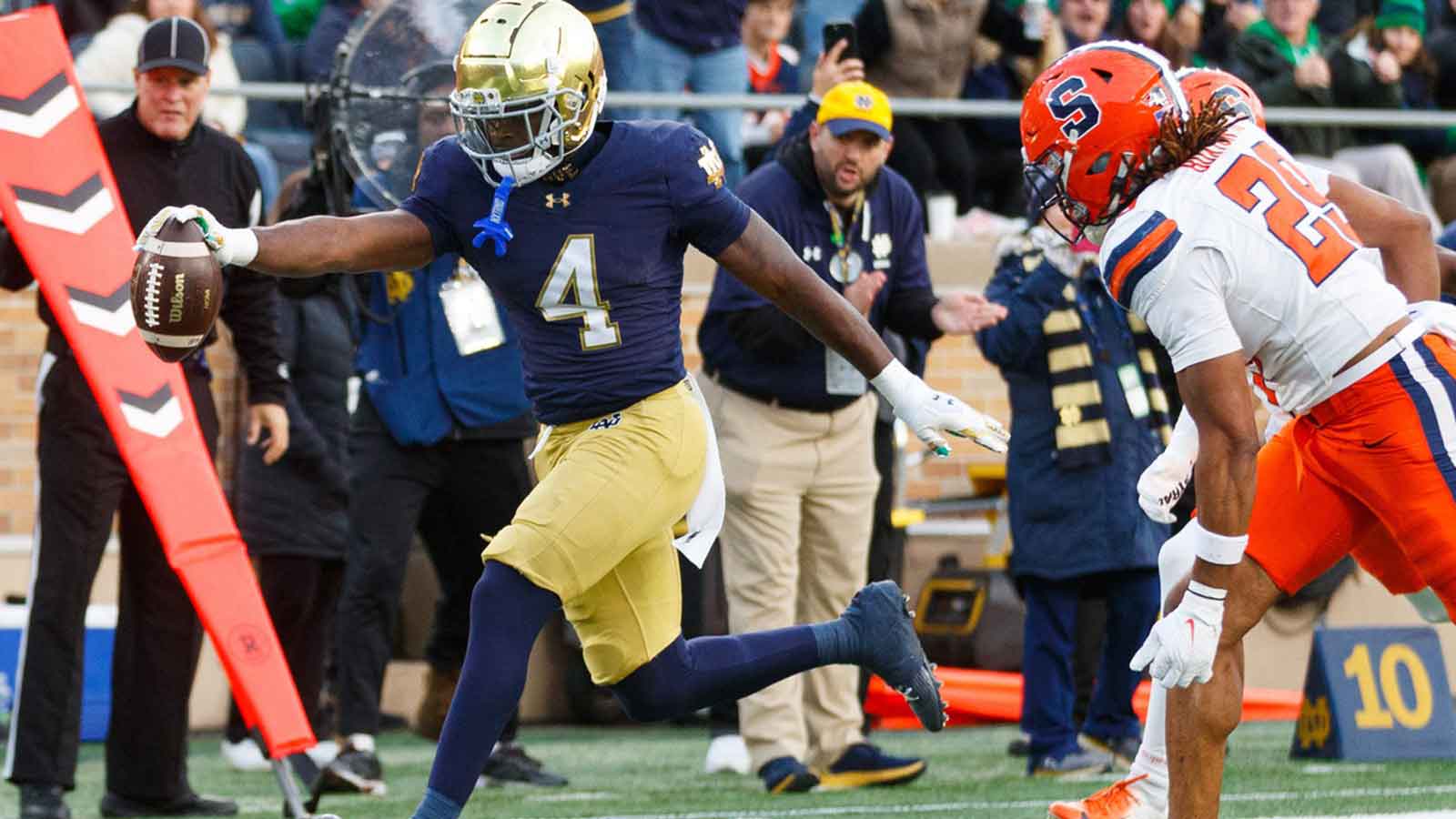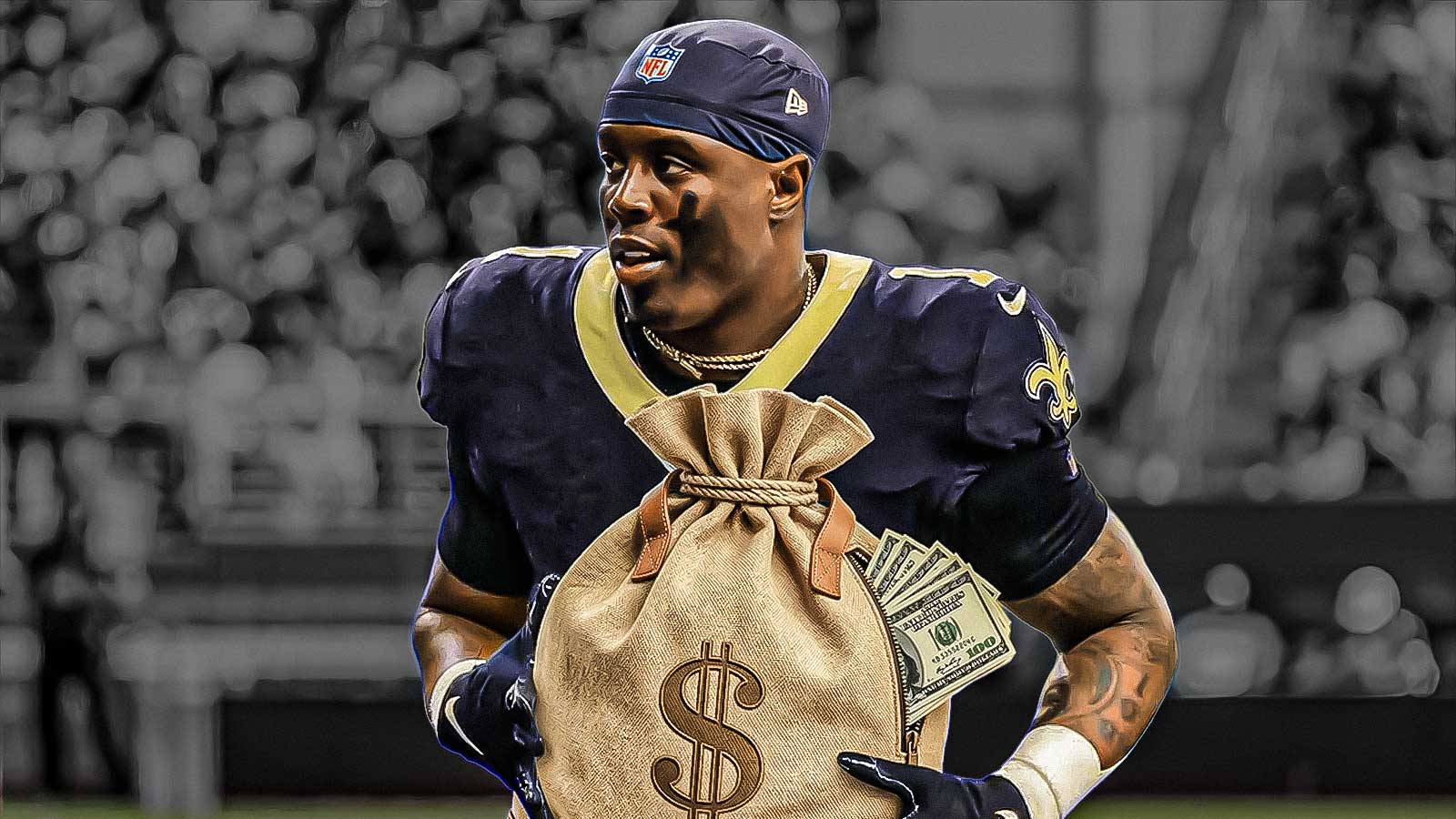
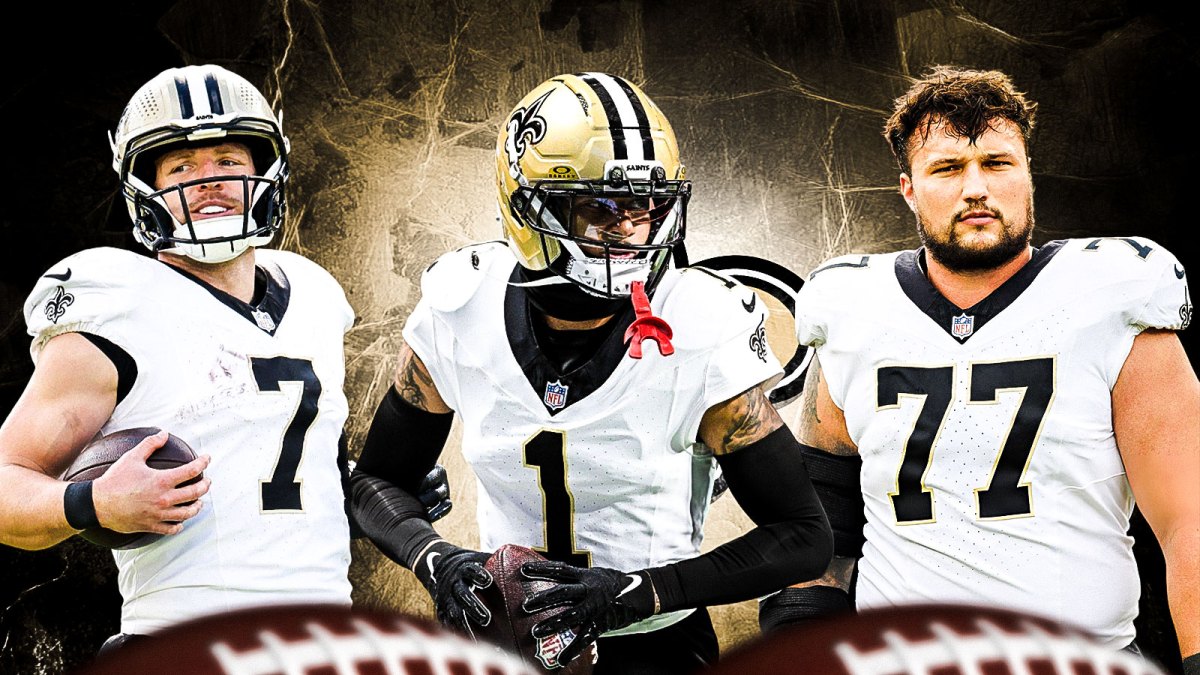
The New Orleans Saints have spent the better part of a decade trying to stretch one competitive window into another. The result has been a slow drift into mediocrity. Now, they are coming off a turbulent 2025 campaign and the emergence of a promising young quarterback. As such, the Saints finally have a bit of clarity around Tyler Shough.
Clarity, however, comes with cost. The roster still carries vestiges of past ambitions and aging pillars. If New Orleans is serious about accelerating its retool around Shough, it must make difficult, unsentimental decisions. Three familiar names sit at the heart of that crossroads.
Struggle with hope
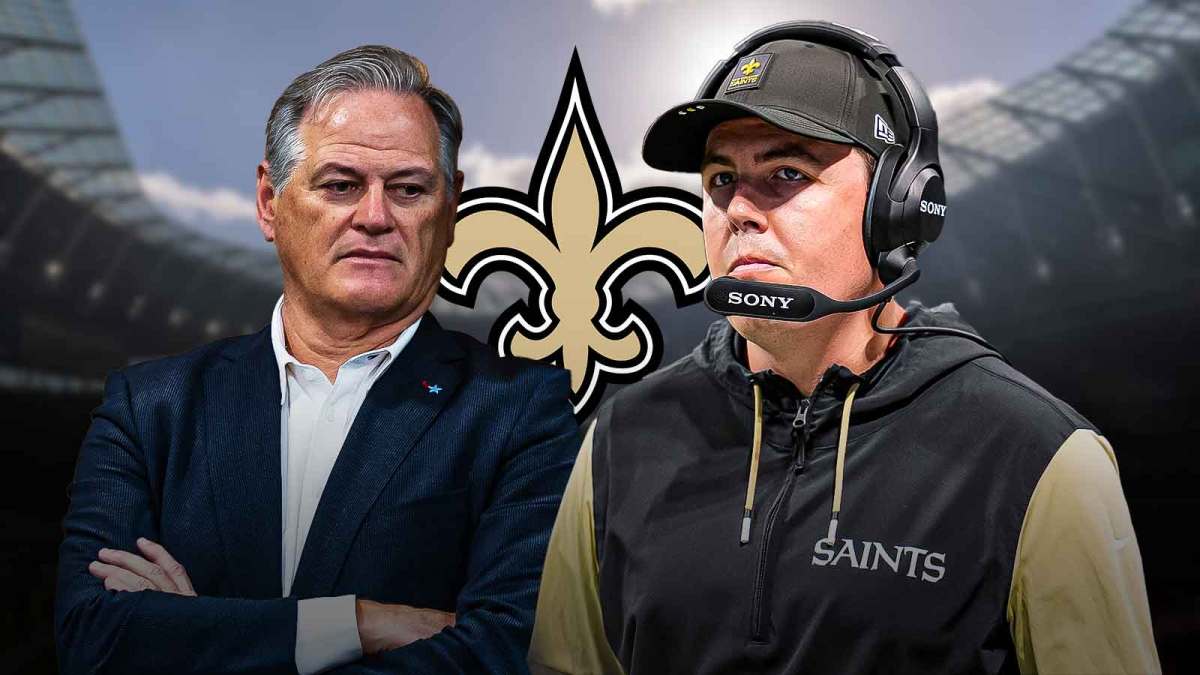
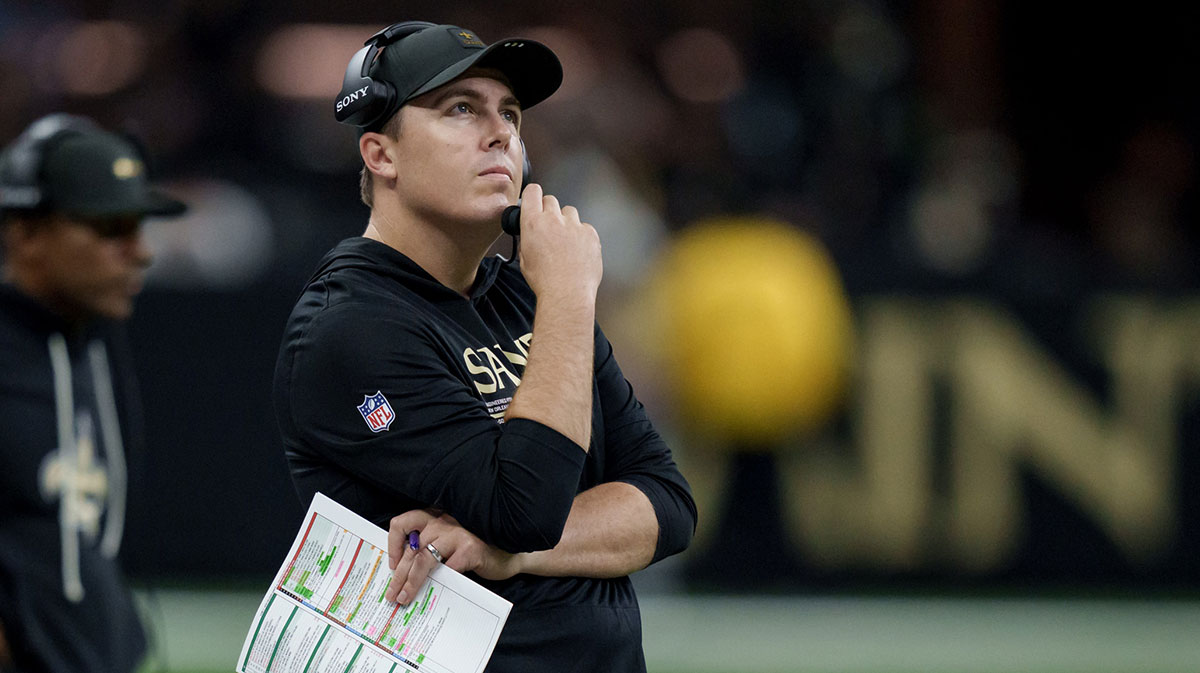
The Saints’ 2025 season ultimately saw the team finish 6-11 and miss the playoffs for a fifth consecutive year. The campaign began in chaos under first-year head coach Kellen Moore. After Derek Carr’s unexpected offseason retirement, the offense stumbled to a 2-10 start with Spencer Rattler under center.
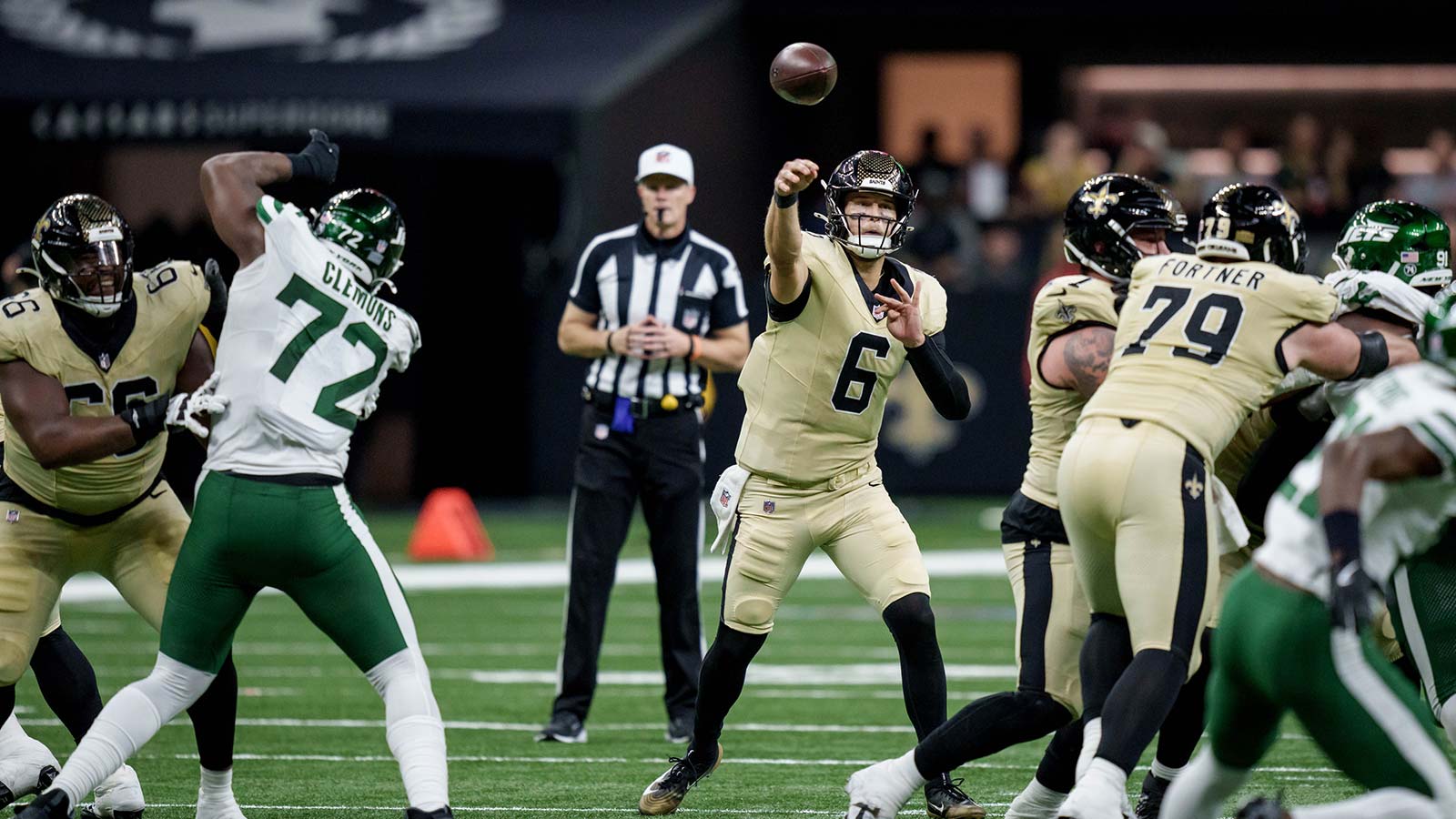
Everything changed late in the year. Rookie second-round pick Tyler Shough took over the starting role and injected life into the offense. His decisiveness and vertical aggression energized the locker room. That translated to wins in four of the Saints’ final five games. Sure, the surge wasn’t enough to salvage the season. However, it altered the franchise’s trajectory. Shough emerged as the quarterback of the future. Still, the Saints finished last in the NFC South. Optimism is present, but work remains extensive.
Building around a young QB
Entering the 2026 NFL Free Agency period, New Orleans must focus on stabilizing the infrastructure around Shough. The most urgent issue lies along the interior offensive line. The Saints ranked 31st in EPA per rush in 2025. Inconsistent guard and center play also routinely collapsed pockets and stalled drives.
Defensively, icons Cameron Jordan and Demario Davis are nearing the twilight of their careers. With that, the team must inject youth and explosiveness at edge rusher and linebacker. In the secondary, young pieces like Kool-Aid McKinstry and Quincy Riley offer promise. That said, the potential departure of Alontae Taylor creates a looming void.
Offensively, Chris Olave needs a legitimate vertical complement. With the No. 8 overall pick in the 2026 draft, the Saints are positioned to reshape the trenches decisively. Before they can add, though, they must subtract wisely.
CB Alontae Taylor
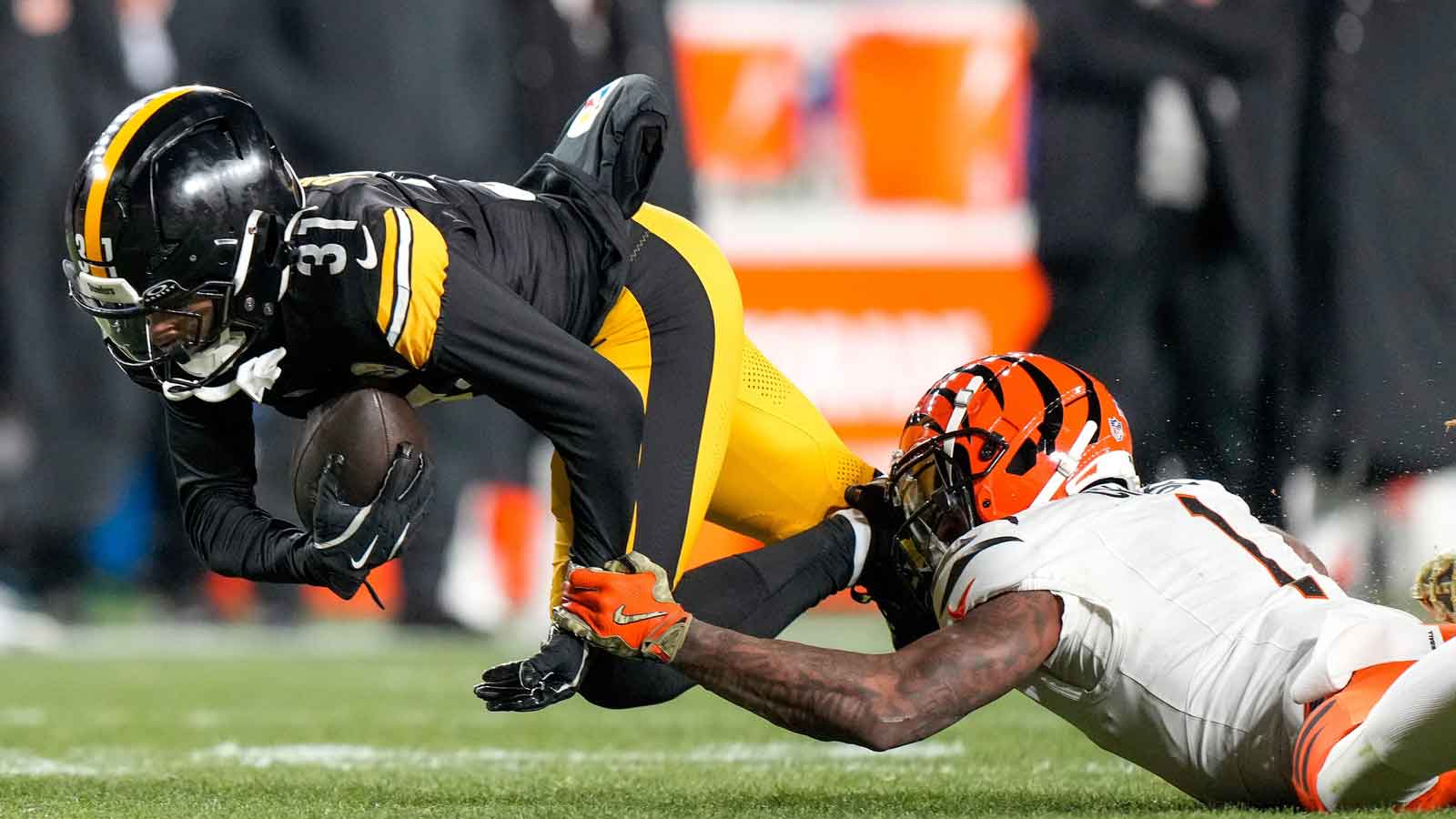
Alontae Taylor’s versatility has made him one of the most valuable pieces in Brandon Staley’s defensive system. His ability to play outside and match up against dynamic receivers gave New Orleans schematic flexibility. That versatility is precisely why he is poised to command a premium contract in free agency.
The dilemma is financial, not evaluative. Some teams will view Taylor as a top-tier boundary corner. They could offer compensation reflective of a CB1. For the Saints, matching that price could restrict their ability to repair the offensive line or fortify the front seven.
New Orleans has invested in youth at the position. McKinstry and Riley provide cost-controlled upside. Allocating top-of-market money to Taylor while the offensive line remains unstable would represent misaligned priorities.
Letting Taylor walk would hurt, of course. Still, the Saints cannot afford to allocate premium resources to a position where they already have succession in place.
QB/TE Taysom Hill
Few players in franchise history have embodied versatility like Taysom Hill. For nearly a decade, he served as quarterback, tight end, special teams ace, and short-yardage weapon. His unpredictability was a strategic advantage and a cultural rallying point.
Yet, Hill approaches age 36. As such, the cost-to-production equation shifts. Yes, the “Taysom Package” once provided schematic wrinkles. Still, it increasingly feels like a nostalgic add-on rather than a foundational component.
Hill enters 2026 as an unrestricted free agent. Retaining him would be emotionally satisfying and culturally comfortable. It would also potentially hinder the offense’s evolution, though. New Orleans must commit fully to its next iteration, empowering younger tight ends and schematic consistency rather than leaning on specialty formations.
Letting Hill walk is about acknowledging that the Saints are entering a new chapter — one that requires structural clarity over creative nostalgia.
OL Dillon Radunz
Dillon Radunz proved valuable in 2025. He stepped into 10 starts after injuries and roster changes reshaped the offensive line. He was reliable and professional. That's exactly what teams hope for in midseason reinforcements. Of course, reliability does not always equal long-term solution.
The Saints’ interior line remains a glaring weakness. Doing the job in emergency situations is different from anchoring a quarterback’s developmental arc. Shough’s growth is dependent on clean pockets and a revived run game. With that, incremental fixes are no longer sufficient.
New Orleans holds the No. 8 overall pick. They have clear incentive to prioritize premium offensive line talent. Re-signing Radunz risks perpetuating placeholders at a position group that demands difference-makers. Radunz served his purpose as a bridge. The bridge has now led to a fork in the road.
Necessary purge
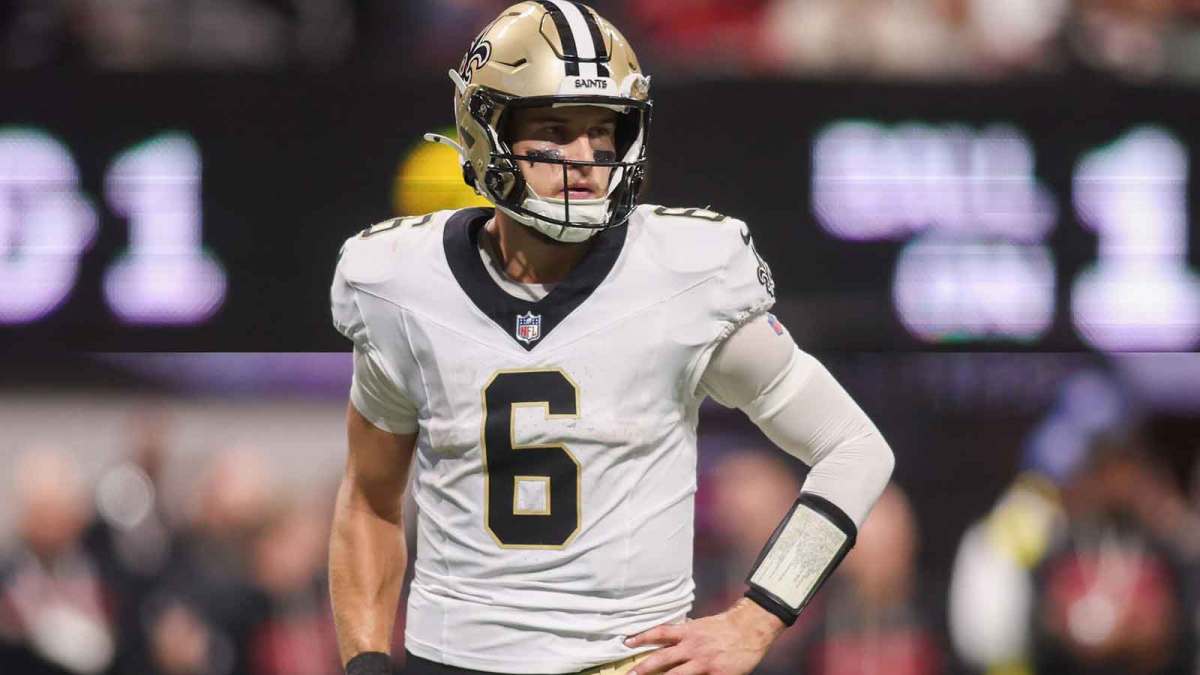
The Saints are not undergoing a full rebuild. They are executing a targeted reset centered on Tyler Shough. To maximize that window, every cap dollar must reinforce infrastructure, explosiveness, and youth alignment.
Allowing Alontae Taylor, Taysom Hill, and Dillon Radunz to depart would free financial flexibility. It would also signal organizational commitment to modernization. The Saints would prioritize trench dominance over secondary surplus and long-term growth over short-term comfort.