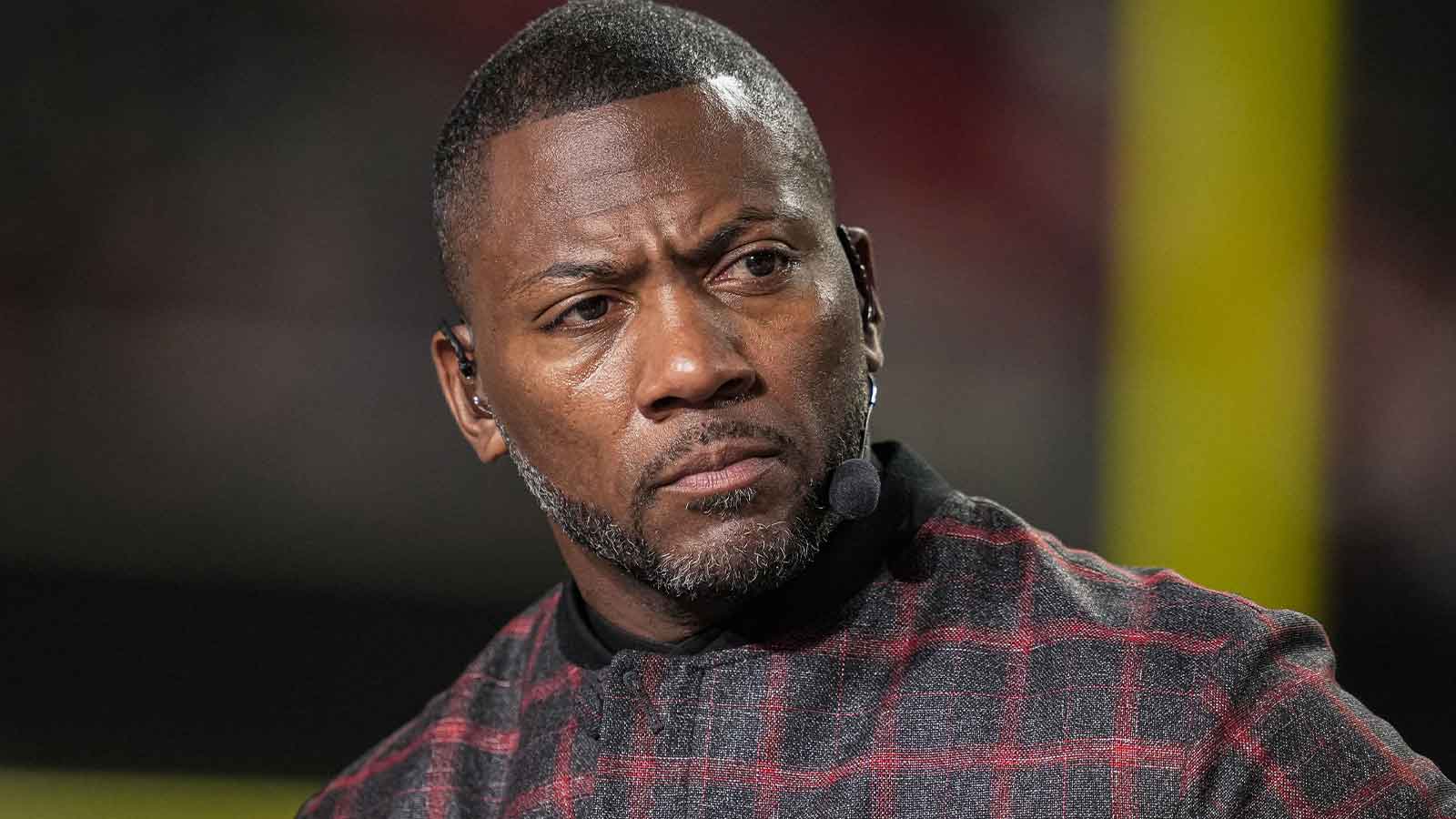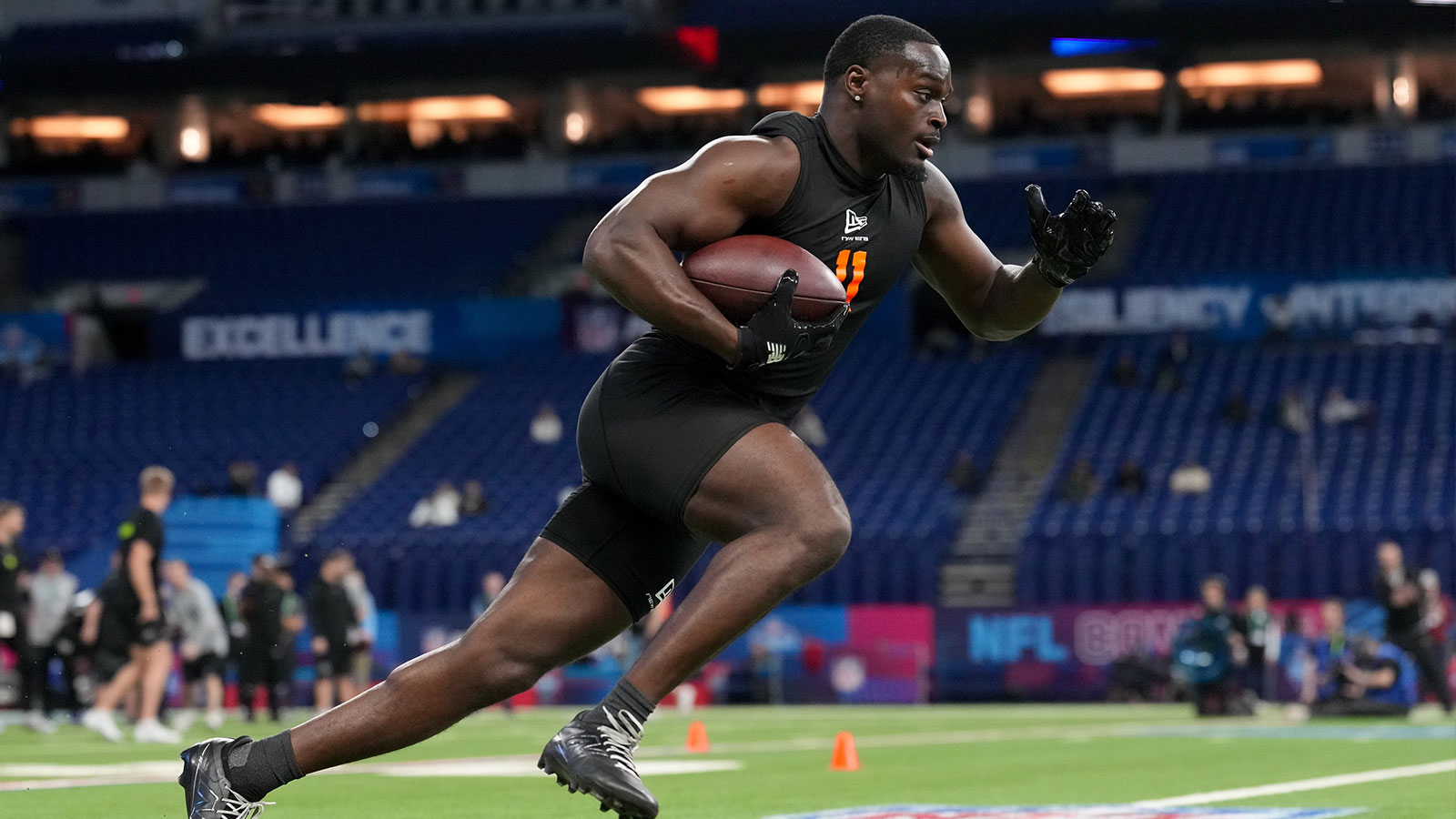
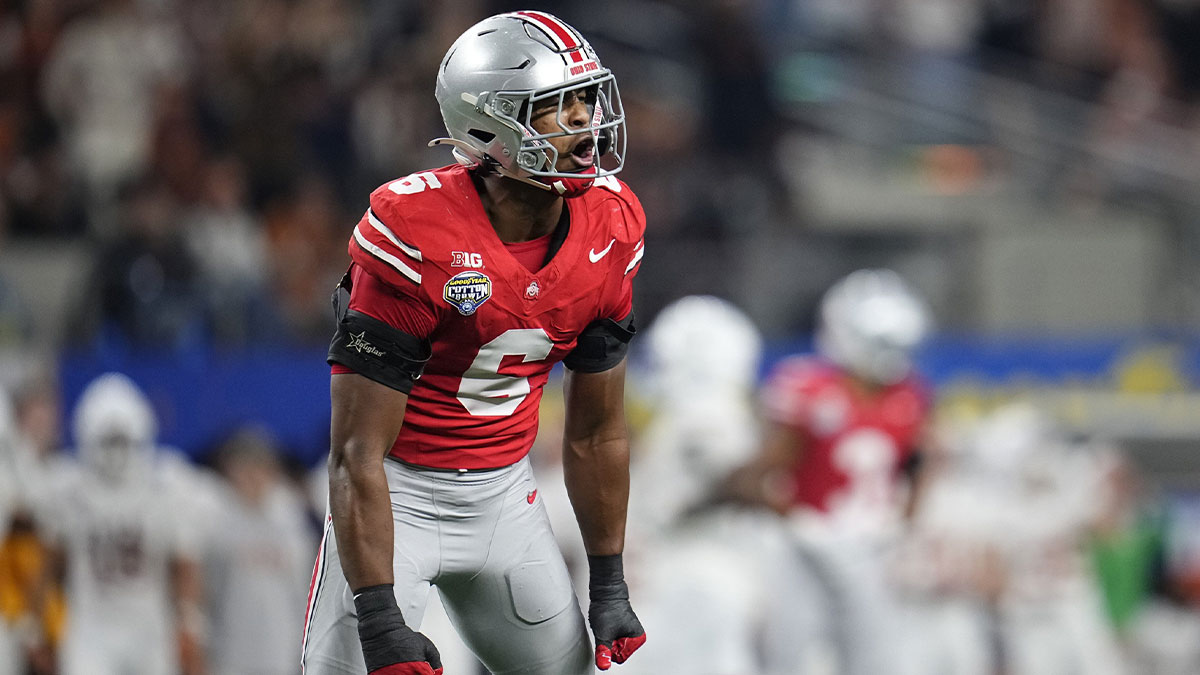
The NFL Combine thrives on opportunities exactly like this, where a prospect arrives with a solid reputation and leaves as a major headache for offensive coordinators. Sonny Styles has a genuine shot at being that transformational figure in Indianapolis. The buzz around the facility suggests he will be the event's testing marvel, a massive, rangy linebacker who is expected to weigh in the low 240s while moving with the fluidity of a much smaller athlete. If he validates what he has shown during training, he is going to climb draft boards rapidly. Tom Pelissero was very direct, noting he believes Styles might be the one player in these drills who truly blows people away.
He entered the draft after successfully reinventing himself at Ohio State, moving from safety to linebacker before the 2024 season and producing 183 tackles and seven sacks over two years.
What makes Styles such an intriguing prospect is that his film reveals two different defenders depending on the snap.
On some plays, he looks like a quintessential off-ball linebacker, filling gaps and finishing tackles with punishing force.
On others, his safety background is obvious in how he handles routes and overlaps throwing lanes rather than simply chasing the play after the catch.
This specific blend is why his NFL Combine results carry more weight than most; if he performs like a large-framed safety while weighing like a modern linebacker, teams will stop debating his position and start dreaming up creative roles.
The organizations that maximize his potential will draft him as a movable second-level piece who can stay on the field in nickel packages without getting bullied in the run game.
Here are three destinations that make the most sense for Sonny Styles in the 2026 NFL Draft.
Detroit Lions
Detroit represents the cleanest football fit because its defensive scheme has leaned heavily into linebacker usage in a way that demands exceptional range. The Lions have shown they are comfortable utilizing three-linebacker packages, and when a team commits to that approach, they cannot simply fill the room with one speed specialist and two thumpers who must leave the field in passing situations.
Styles fit Detroit because he can serve as the answer defender during those uncomfortable middle downs. This applies to situations like second-and-six, where the offense still threatens the run but also looks for the glance route behind it.
He also possesses the movement skills to reduce how often Detroit has to tip its hand through personnel substitutions. This is crucial because the Lions’ primary defensive struggle during difficult stretches hasn’t been a lack of effort; it’s been predictability, and we'll see that in the NFL Combine.
The roster math also supports this pairing, with Detroit's linebacker room having faced questions regarding who is locked in beyond the current season, which is why the team is frequently linked to multiple off-ball prospects in draft coverage.
Dallas Cowboys
Dallas is a logical destination because Styles addresses a recurring headache the Cowboys face when opposing offenses target the middle of the field. Modern passing schemes systematically attack linebackers using spacing, option routes, and crossers that force defenders to choose between a shallow throw or a deeper dig route.
The Cowboys have consistently felt this pressure, which often results in them falling back into softer zones due to a lack of trust in specific man-to-man matchups at the second level.
Styles provides a solution for Dallas because he can navigate heavy traffic without becoming a statue on the field. He can align inside and still carry receivers to their landmarks, which fundamentally changes how aggressive the Cowboys can be with their defensive front.
When the second level of a defense can hold its own for an extra beat, coordinators gain the freedom to call more simulated pressures while remaining sound in the secondary.
Additionally, Styles is effective as a blitzer in the way modern coordinators actually utilize linebackers. Rather than traditional edge rushing, he excels at timed blitzes through interior gaps or acting as a late add-on when protection slides away.
The Cowboys also historically favor defenders who can wear multiple hats, as it allows them to adjust game plans weekly without overhauling their personnel packages. Styles’ unique background provides a credible path for him to serve as a primary linebacker on early downs before flexing into a coverage-heavy role when Dallas wants to utilize lighter bodies without sacrificing size.
Tampa Bay Buccaneers
Tampa Bay is perhaps the most obvious destination for Sonny Styles, given the team's pressing needs and a coaching scheme that fits his unique skill set perfectly. The Buccaneers have faced ongoing questions at linebacker involving aging veterans and expiring contracts, signaling a shift toward a new version of the defense. Organizations often seek out the next green dot leader sooner than expected, and Styles fits the mold of a future defensive anchor.
His fit in Tampa is driven largely by how Todd Bowles utilizes second-level defenders. Bowles thrives on disguise and complex pressure looks designed to make quarterbacks hesitate for a split second before punishing the delay.
A hybrid linebacker with the movement skills of a safety is the ultimate weapon for this style because it allows the defense to show one picture before the snap and play another without switching personnel.
Styles can align in the box and still possess the athletic range to bail into deep coverage, or he can walk out toward the slot and still trigger downhill with immense force if an offense tries to run against a light box.
Beyond the scheme, there is a clear roster incentive for Tampa Bay to target a player like Styles. Offseason discussions and team coverage have consistently highlighted the need for speed and impact within the front seven, specifically at linebacker and edge.
Why is the NFL Combine the pivot point for Styles?
The biggest question surrounding Styles at the NFL Combine is whether his testing can create a definitive tier break in the minds of teams drafting in the late first and early second rounds.
Conversely, if he tests merely well, his stock likely remains high, but the sense of urgency may fade as teams begin to prioritize other positions.
Tom Pelissero’s recent comments are significant because they capture exactly what scouts value during Combine week. A prospect has the power to force talent evaluators to rewrite their internal labels in real time.
This is a rare occurrence for linebackers, as the league has become increasingly selective about which players truly qualify as difference-makers at that position.
Styles has a clear path to earning that distinction, and those teams are the destinations where that elite label would translate directly to defensive impact on Sundays, not just stay on a scouting report.