The Chicago Cubs received meaningful news this weekend as the club continues shaping its pitching plans for the 2026 season. With an encouraging injury update coming directly from pitcher Justin Steele, optimism has grown around the rotation as potential return timelines begin to take shape earlier than initially anticipated.
Chicago gathered at CubsCon with several roster questions still unresolved, but Steele’s progress quickly emerged as one of the most discussed developments. After months of controlled throwing, his recovery has reached a critical stage that signals tangible forward momentum.
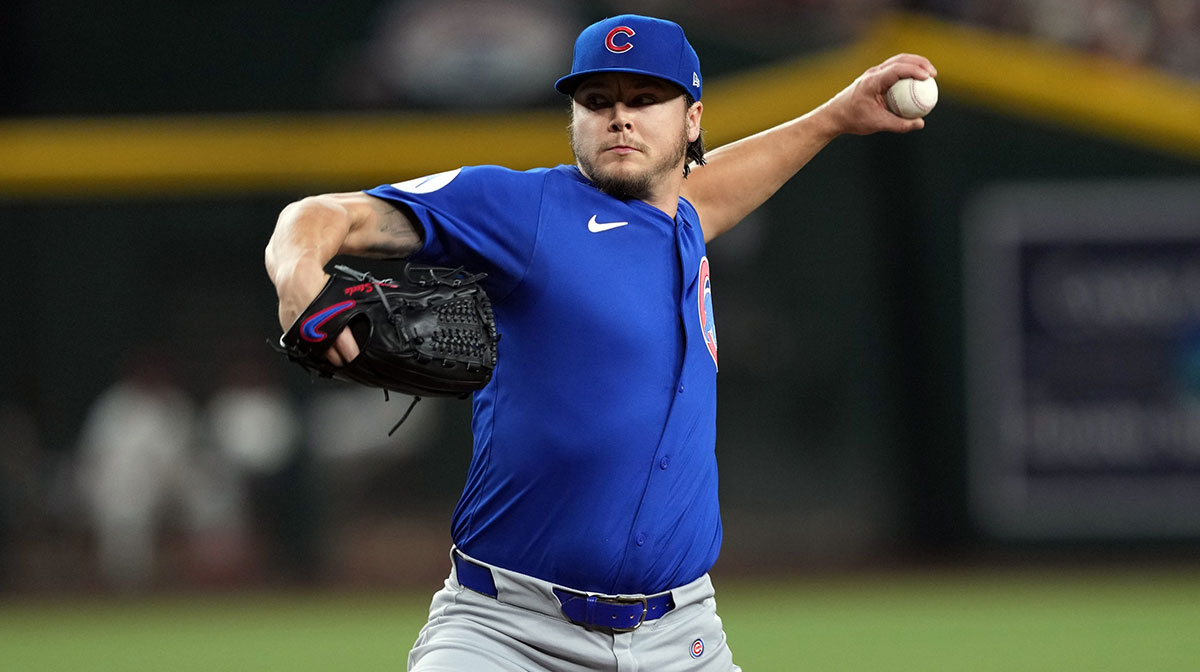
Speaking openly about his recovery, the southpaw confirmed a key milestone in his rehab. The move from flat-ground throwing to pitching off a mound tests both elbow stability and confidence, making it an important step for Chicago’s rotation moving forward.
Marquee Sports Network shared Steele’s comments on its official X (formerly known as Twitter) account following an on-site interview at CubsCon, providing clarity on where the left-hander stands in his recovery.
Justin Steele threw off the mound for the first time since his surgery in a bullpen session yesterday. pic.twitter.com/WSk167pcWB
— Marquee Sports Network (@WatchMarquee) January 17, 2026
“I got off the mound yesterday for the first time, yeah,” Steele said.
When asked how the session felt, he described the physical relief and mental reassurance that accompanied the moment.
“It felt great. I’ve been doing the normal throwing progression for months now, and it’s been feeling really good. Getting back on the slope felt like a return to normal, and now I’m ready to start building volume off the mound again.”
The update carries weight because it confirms Steele’s elbow can tolerate mound stress. That progression moves him from rehabilitation maintenance into a structured buildup phase focused on workload, pitch mix, and consistency.
While Chicago does not expect Steele to be ready for Opening Day, his current pace keeps him on track for a return during the first half of the season. For a rotation managing depth and durability, his progress represents stability beginning to re-enter the picture, particularly as younger arms continue to develop and workloads are carefully monitored.