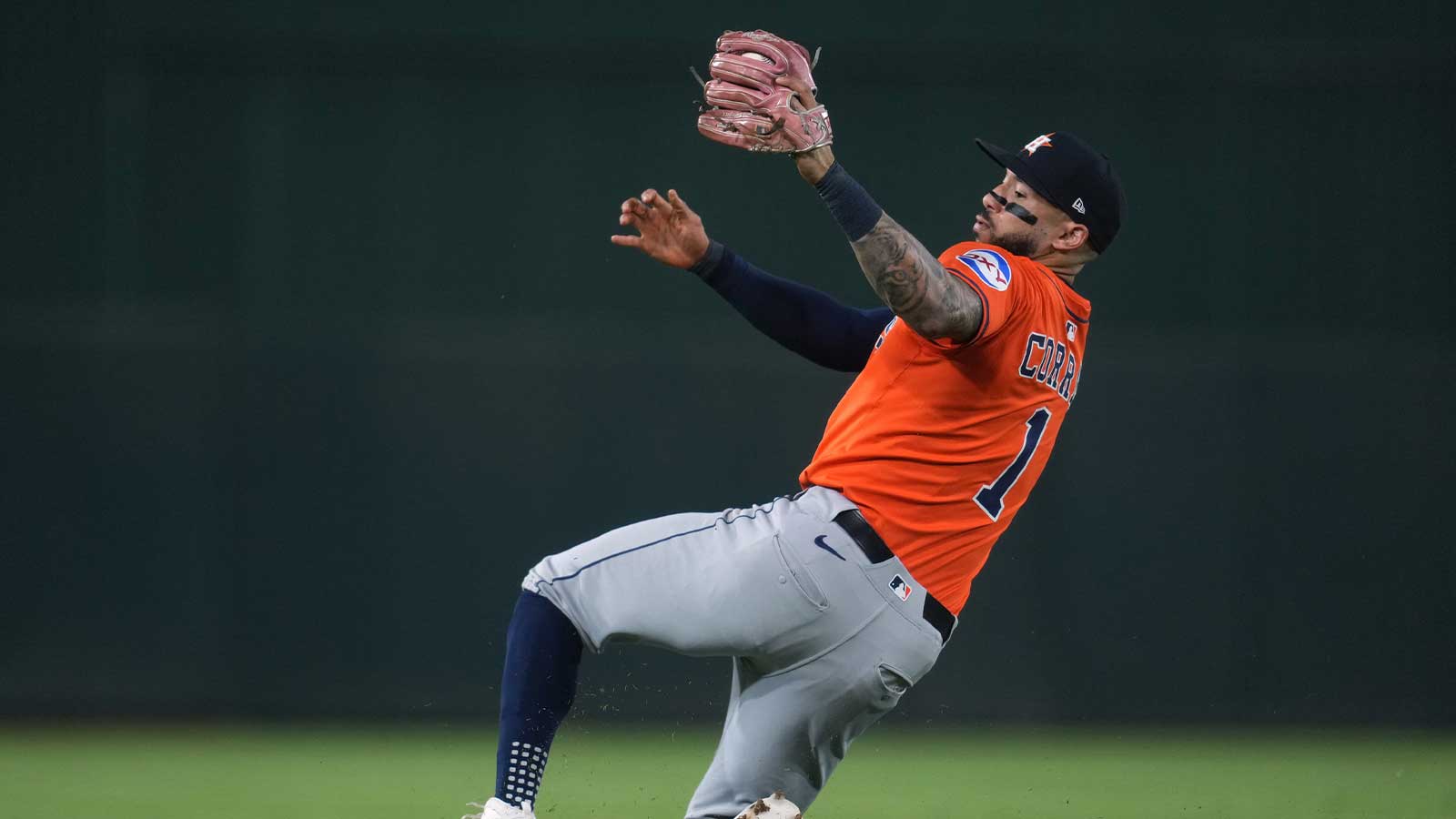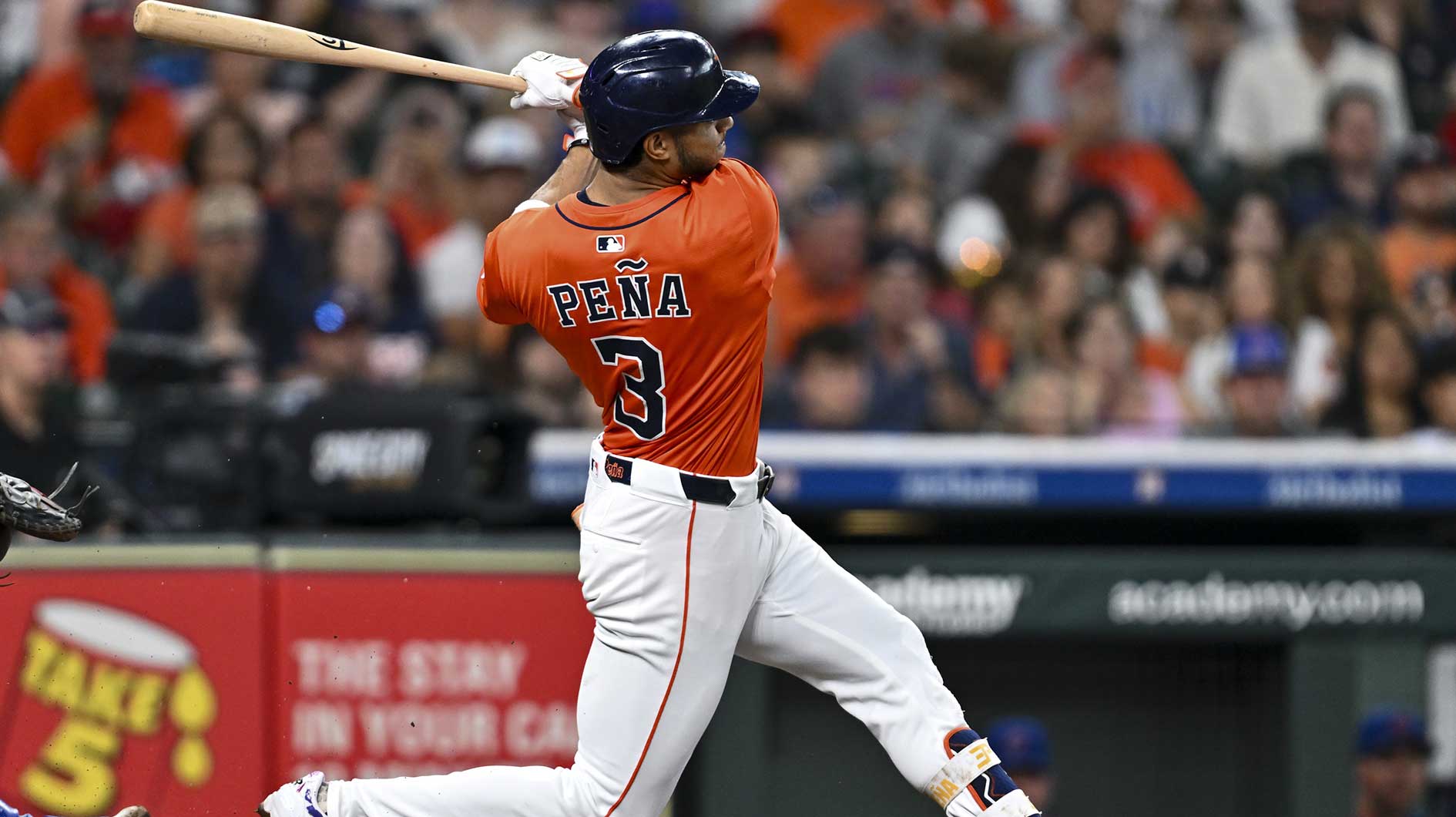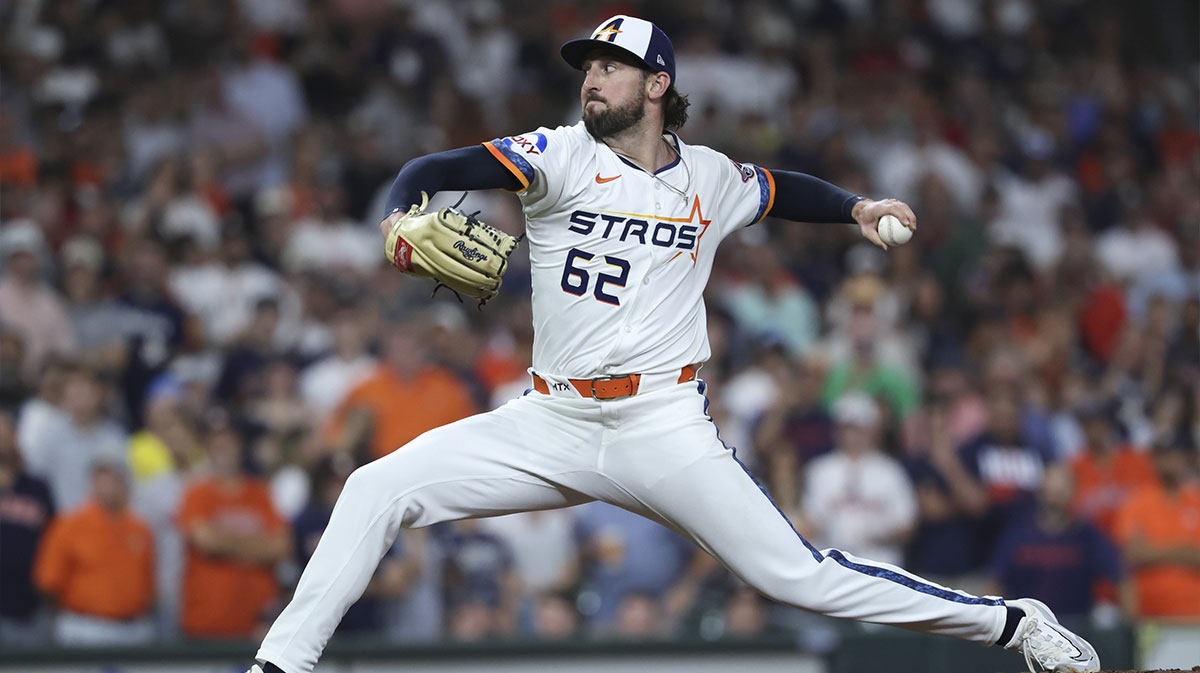

The Houston Astros find themselves at a critical juncture this winter, needing to bolster a rotation that has been besieged by injuries and free-agent departures. While the Milwaukee Brewers have publicly stated their intention to retain Freddy Peralta for the final year of his favorable contract, the reality of the market often dictates otherwise.
General Manager Dana Brown has been aggressive in maintaining Houston’s championship window, and acquiring a legitimate No. 2 starter is the priority. The Brewers are operating from a position of strength, possessing a rotation surplus anchored by Brandon Woodruff and young arms like Jacob Misiorowski.
However, Milwaukee’s front office has never shied away from a deal that maximizes long-term value, even if it means moving a fan favorite. A “blow away” offer is the only thing that will move the needle for a Brewers team that sees itself as a contender in the National League Central.
There has been buzz surrounding Peralta during the Winter Meetings, and the Astros are one of the few teams with the motivation to get a trade done. Houston’s farm system may not be ranked at the top of the league, but they possess specific high-ceiling talent that aligns perfectly with Milwaukee’s player development strengths.
The Trade Proposal for Freddy Peralta
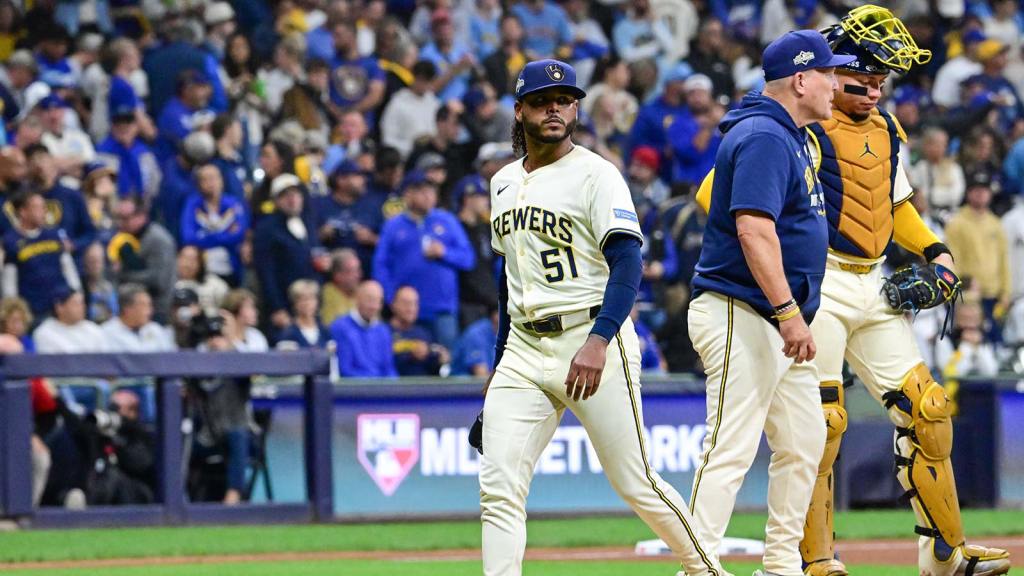
Houston Astros receive:
- RHP Freddy Peralta
Milwaukee Brewers receive:
- OF Jacob Melton
- RHP Miguel Ullola
- OF Zach Dezenzo
Why Houston Makes the Deal
The Astros are acquiring a pitcher who fits their analytical model perfectly, specifically relying on a high-extension fastball that remains effective despite lower velocity trends in the league. Peralta has averaged a 3.30 ERA since 2021 and has proven his durability by clearing 165 innings in each of the past three seasons.
This consistency is exactly what Houston needs to stabilize a rotation that has relied too heavily on unproven depth in recent playoff runs. At just $8 million for the upcoming season, Peralta is a financial bargain that allows the Astros to add an ace-caliber arm without pushing their luxury tax payroll into unsustainable territory.
His low release point and extension create a unique approach angle that plays well in Minute Maid Park, where fly-ball pitchers can sometimes struggle with the Crawford Boxes. Peralta’s ability to miss bats with his fastball and plus changeup gives Houston the swing-and-miss merchant they need to counter the elite lineups in the American League.
Furthermore, acquiring a starter with proven postseason experience is invaluable for a franchise that measures success solely by World Series titles. Giving up a top outfield prospect like Melton is painful, but the Astros have immediate outfield answers and can afford to trade future value for present certainty.
The window for the current Astros core is slowly closing, and waiting for prospects to develop is a luxury they cannot currently afford. By consolidating three prospect assets into one frontline starter, they maximize their 2026 roster for a deep run.
Why Milwaukee Cannot Say No
The Brewers are dealing from a position of immense depth, with Quinn Priester and Jacob Misiorowski ready to take on larger roles in the rotation alongside Woodruff. While losing Peralta hurts the 2026 rotation on paper, the return package addresses multiple long-term holes in the organization.
Getting a near-MLB-ready outfielder allows Milwaukee to continue their youth movement while maintaining offensive production from the outfield spots. The inclusion of a high-strikeout arm like Ullola gives the Brewers’ renowned pitching development lab a new project with elite raw stuff to mold into their next breakout star.
Milwaukee’s model relies on sustainable success through constant retooling, and turning one year of Peralta into six years of control over three high-upside players is the epitome of that philosophy. The Brewers know that Peralta’s value will never be higher than it is right now before he hits free agency next winter.
If they wait until the trade deadline, the return will be diminished, and they risk injury depreciating his value entirely. This trade allows them to remain competitive in 2026 while simultaneously extending their championship window into the next decade.
Accepting this deal removes the risk of losing Peralta for nothing but a compensatory pick after the season. For a small-market team, maximizing asset value is the only way to survive, and this package offers a blend of immediate help and future upside that is simply too good to pass up.