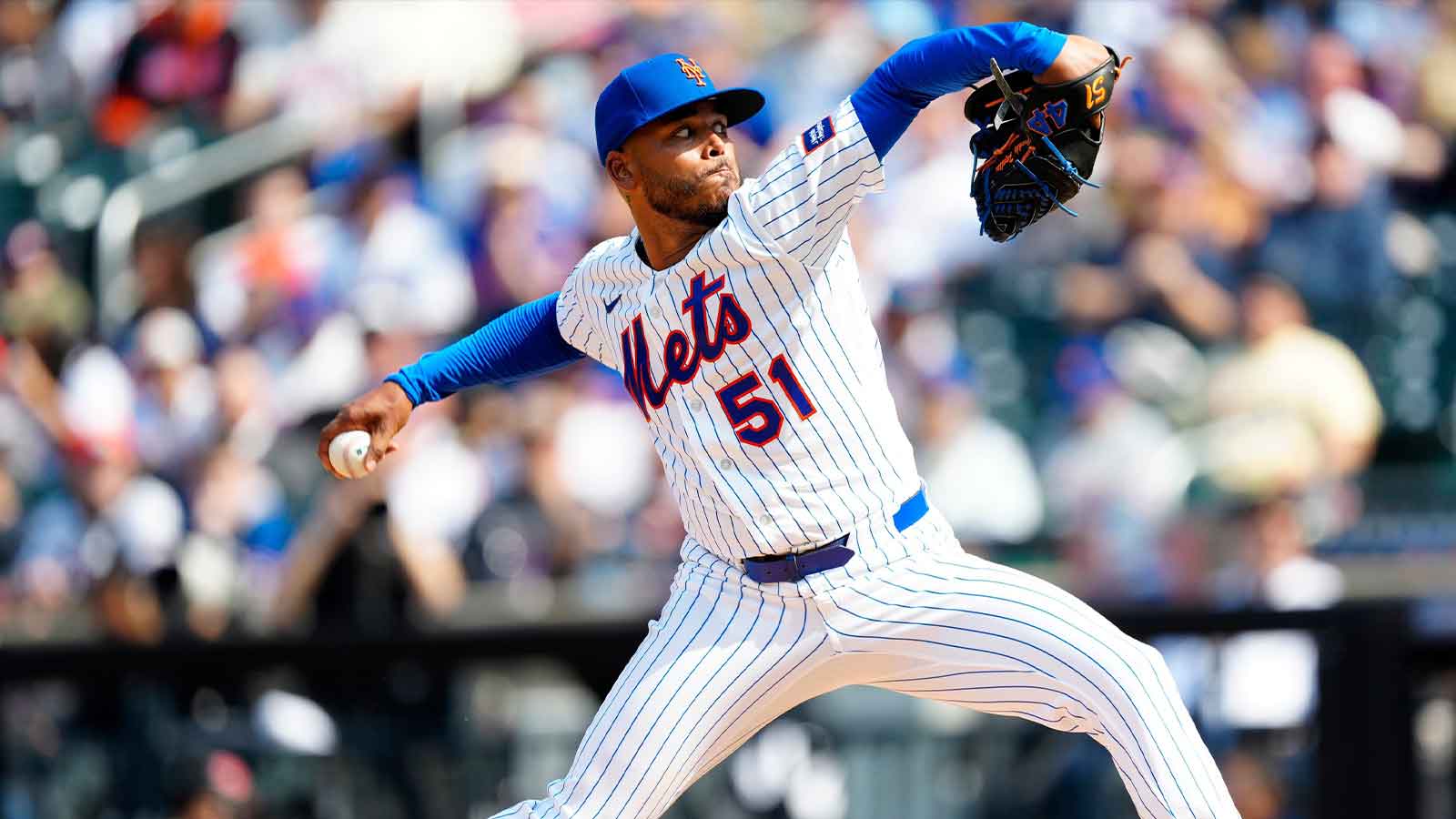

The New York Mets face a critical juncture this offseason, and Jose Berrios represents a realistic pathway to strengthening their rotation at a fraction of the cost of pursuing an ace-level pitcher on the free agent market. With President of Baseball Operations David Stearns openly stating the organization will be “heavily involved” in acquiring rotation help, the Mets shouldn't overlook the Blue Jays' willingness to move Berrios despite the contractual complications that surround him. An established, durable right-hander with a proven track record of reliability remains precisely what New York needs as it builds around prospects like Nolan McLean and other young arms.
The situation in Toronto screams opportunity. The Blue Jays' additions of Dylan Cease and Cody Ponce have created a rotation logjam that directly positions Berrios on the trade block. A source confirmed that Toronto is willing to listen on the veteran right-hander, particularly given the organizational reality that he no longer fits their immediate plans. Berrios' $66 million remaining contract over three years concerns most teams, but the Mets possess the financial flexibility and farm depth to construct a compelling package that addresses Toronto's needs without overextending themselves in the process.
The Mets' Trade Package Proposal
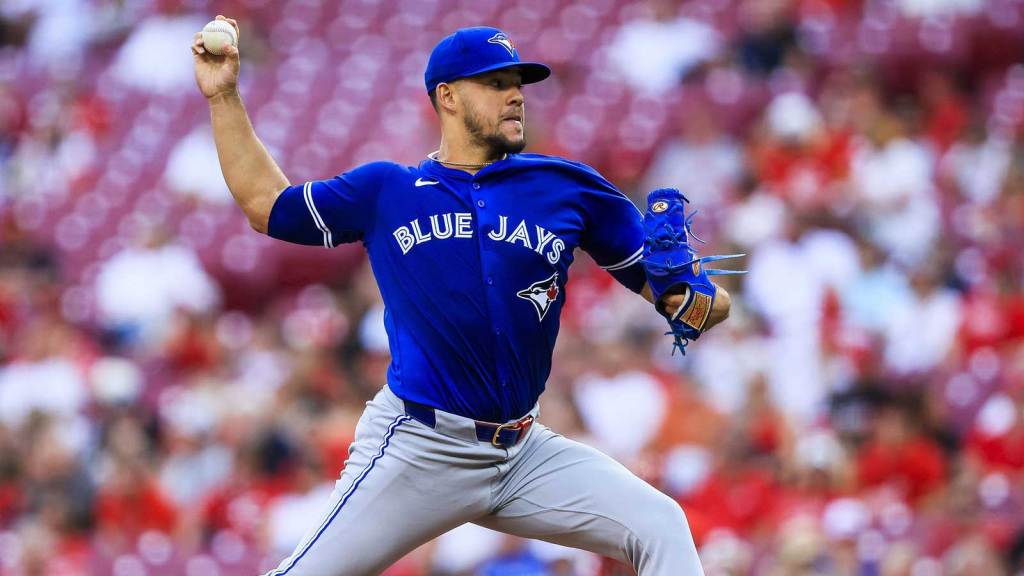
The Mets offer to the Blue Jays includes:
Blue Jays receive:
- LHP Jonah Tong
- RHP Brandon Sproat
- OF Carson Benge
Mets receive:
- RHP Jose Berrios
Why This Works for New York
The Mets get an established innings-eater who can immediately anchor their rotation alongside their emerging prospects. Berrios averaged over 182 innings per season from 2021 through 2024, providing the organizational durability that has evaporated from their recent pitching history. Even after a down 2025 season that ended prematurely due to elbow inflammation, Berrios posted a 3.94 ERA across his entire career and has proven capable of bouncing back from adversity.
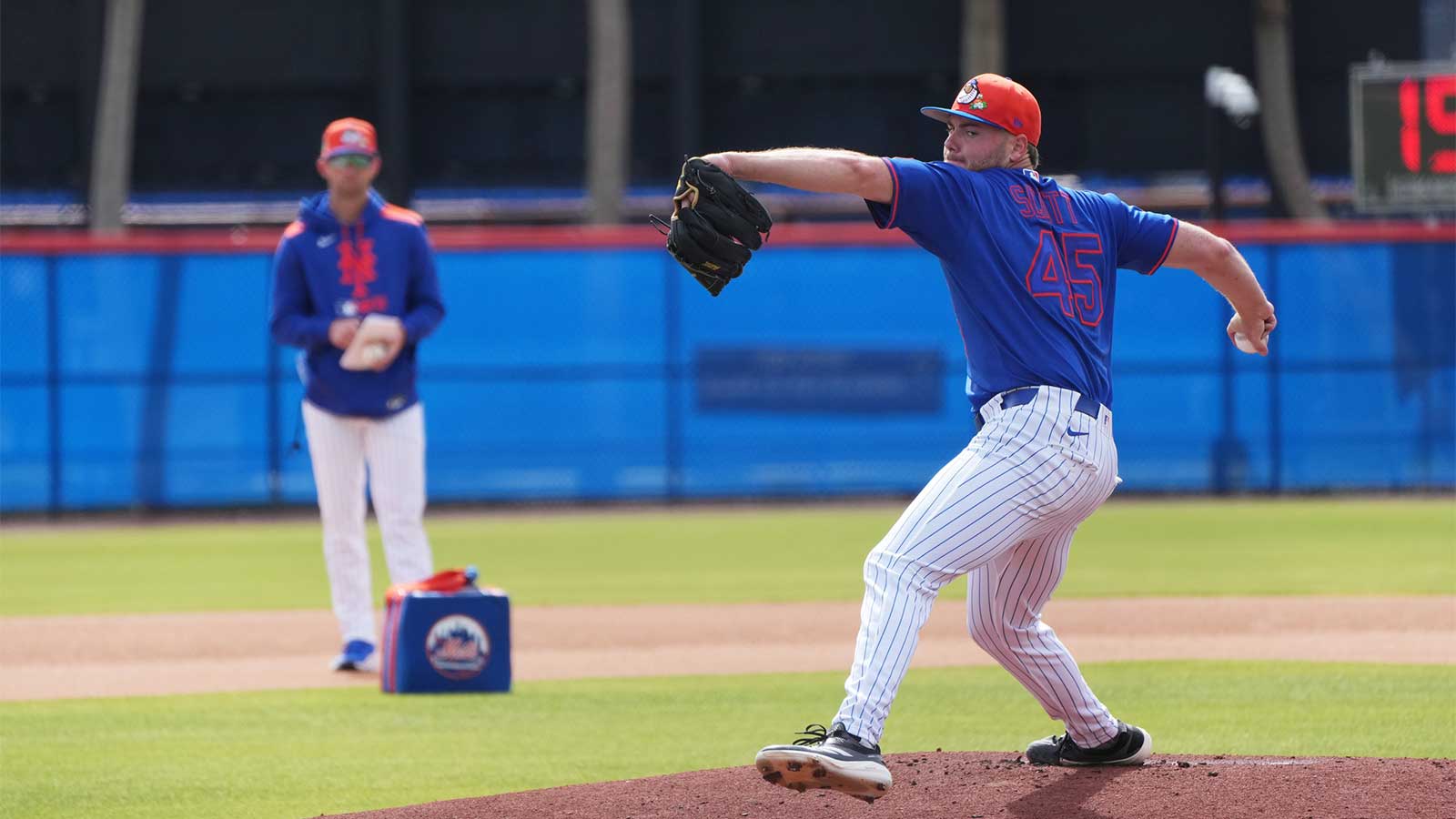
Stearns can utilize this acquisition to position Nolan McLean in the middle of the rotation rather than asking him to shoulder the ace's burden as a rookie. Berrios provides a safety net while allowing the Mets' young arms—McLean, Tong (if retained), Brandon Sproat, and Christian Scott—time to develop without excessive pressure. This balances organizational need with developmental reality, a critical balance that the Mets previously lacked during their recent downturn.
Why This Works for Toronto
The Mets' package addresses Toronto's exact timeline as the organization prepares for an immediate competitive window powered by young, controllable talent. Jonah Tong represents the exact type of long-term rotation solution that the Mets can afford to move now given their pitching depth. Sproat provides near-major league readiness for a franchise that signed multiple free agents and needs organizational depth across their minor league system. Carson Benge offers upside in the outfield, a position where Toronto continues to assess its long-term composition.
The financial component matters equally. By assuming $8-10 million of Berrios' salary annually, Toronto frees up immediate payroll flexibility to redirect resources toward other organizational needs or pursue additional roster improvements. The Blue Jays avoid the trap of watching Berrios potentially opt out after 2026 if he rebounds, instead receiving genuine young talent with meaningful ceilings.
This trade represents fair market value negotiation rather than organizational capitulation. The Mets don't overpay by attaching elite foundational prospects, while Toronto receives legitimate major league contributors and financial relief. For a Mets team desperate for rotation depth and a Blue Jays organization openly willing to listen on their veteran right-hander, this proposal addresses both franchises' immediate and long-term objectives in equal measure.