The Philadelphia Phillies’ offseason now pivots around the ripple effects of the New York Mets’ aggressive free agency strategy—an approach that increasingly shapes every major decision in the NL East. After re-signing J.T. Realmuto and losing Bo Bichette to the Mets, the Phillies face a moment demanding urgency, clarity, and conviction.
Friday’s Stove League chaos left no room for half measures. Realmuto’s return stabilized the core. Bichette’s decision to take a short-term, high-impact deal with the Mets shifted the balance of power in the division. Taken together, those developments clarified one truth, the Phillies cannot stand still while their top rival reshapes the competitive landscape of the division.
Realmuto’s three-year agreement matters because it preserves continuity. His offensive dip in 2025 did not diminish his impact on game planning, pitcher confidence, or defensive leadership. By locking him in through 2028, President of Baseball Operations Dave Dombrowski reinforced the team’s foundation. But while that move established a stable floor, it didn’t elevate the ceiling.
That reality points to one clear move the Phillies must now make—they need to sign Cody Bellinger. It’s no longer a luxury, it’s a structural necessity. Given the Mets' emphasis on elite contact and lineup depth, the Phillies need to counter with a player capable of making a significant impact on games from both sides of the field.
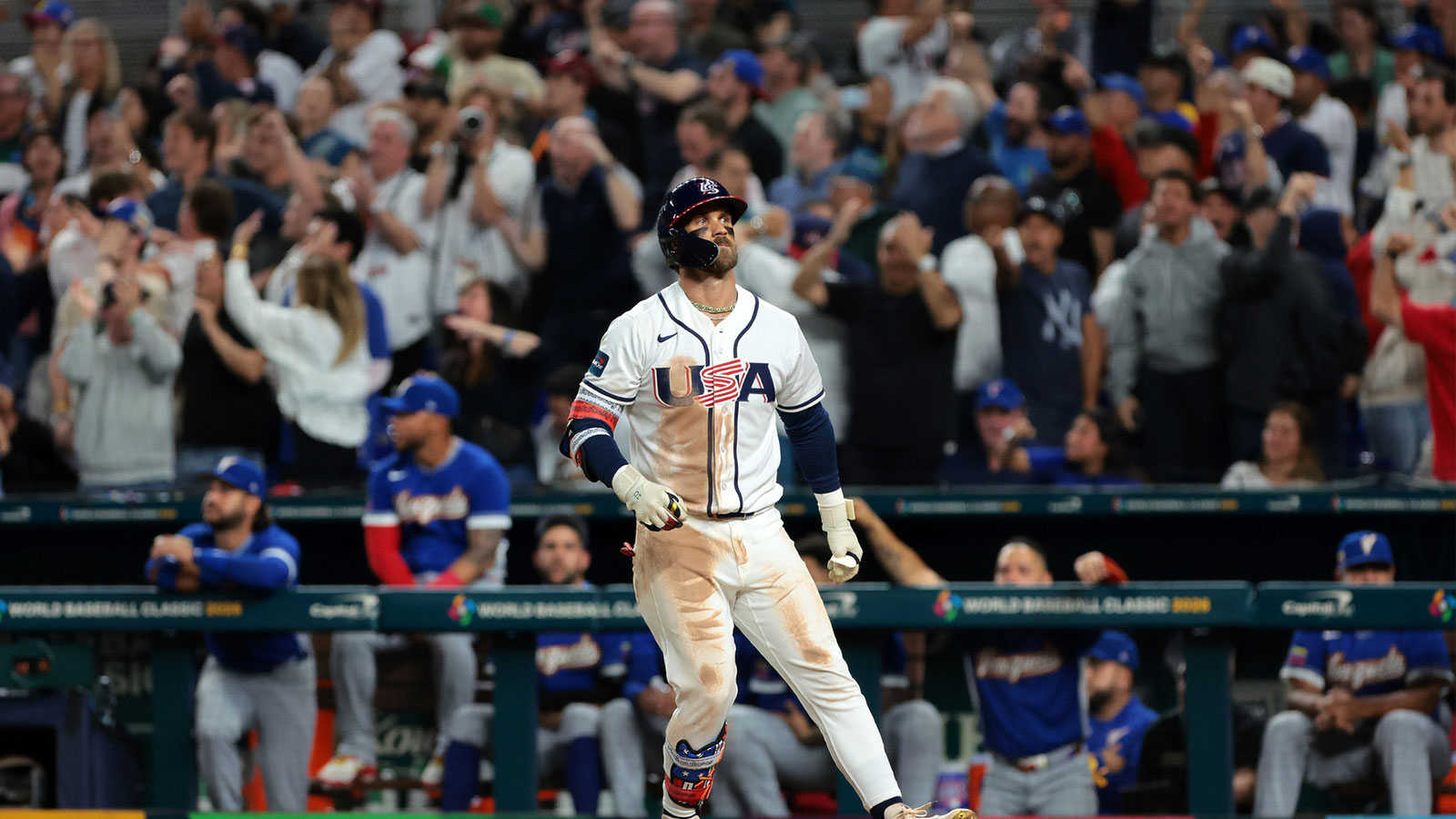
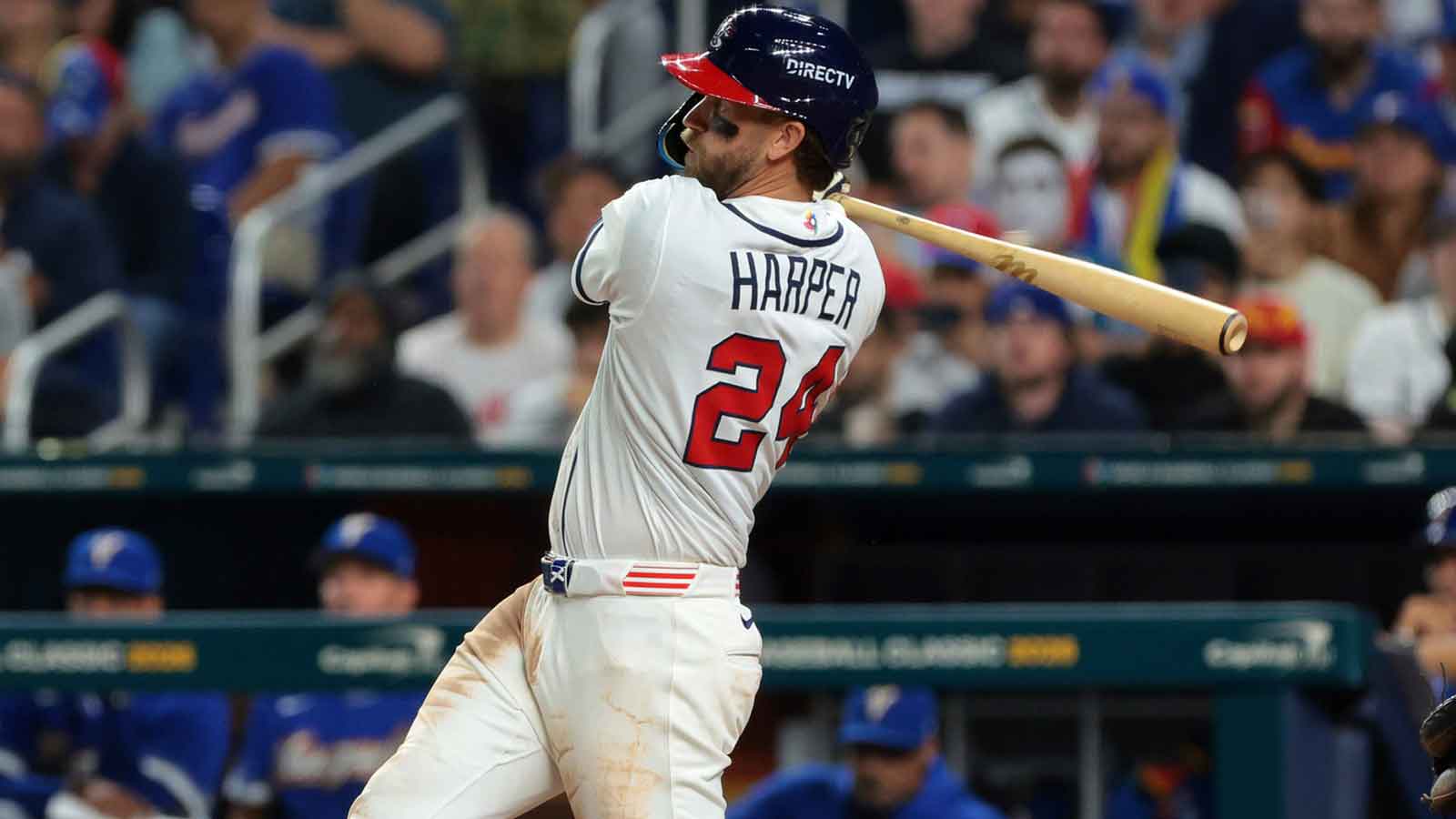
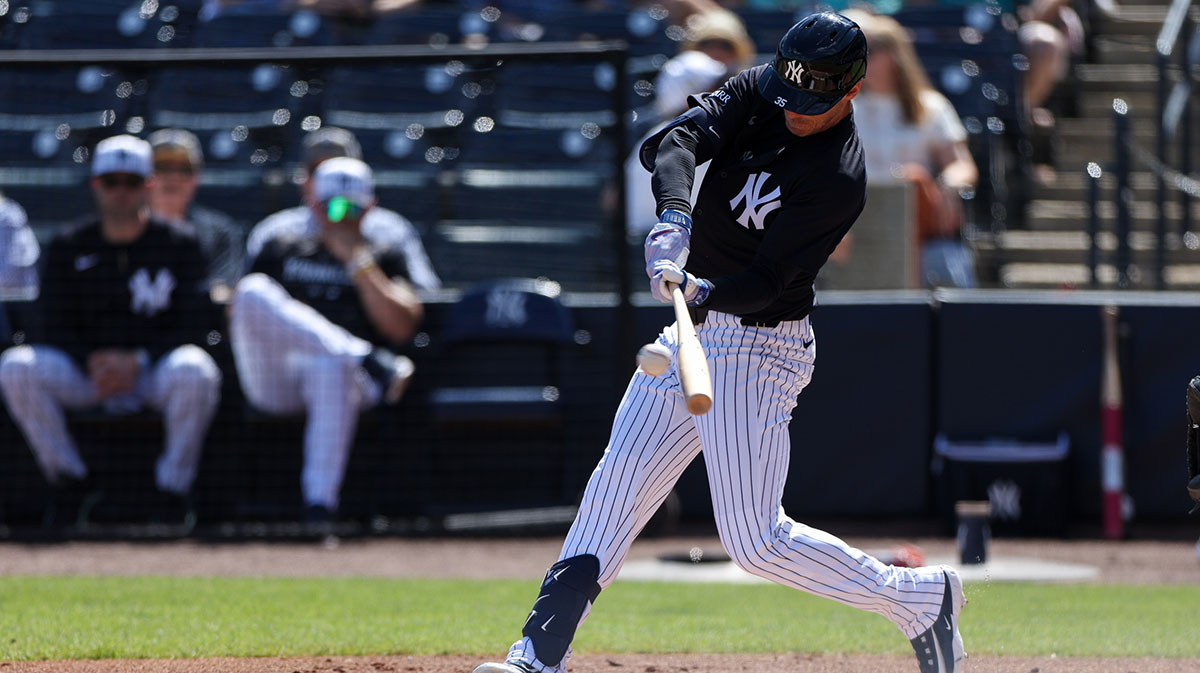
Bellinger addresses multiple issues at once. Defensively, he restores order. Sliding him into center field allows Brandon Marsh to return to his optimal corner outfield role, creating a more efficient alignment. Offensively, Bellinger brings left-handed power that lengthens the lineup behind Bryce Harper and helps offset the production lost when Bichette signed with New York.
Financially, the fit is obvious. Philadelphia had prepared to allocate premium dollars to Bichette. Redirecting that budget toward Bellinger transforms a missed opportunity into a calculated pivot. In a division where the arms race is accelerating, marginal upgrades are no longer enough.
Timing is as critical as fit. The Mets have already declared their intentions through bold action. The Atlanta Braves remain dangerous when healthy. Waiting allows the market to set the terms, rather than the Phillies influencing them. Dombrowski’s track record suggests he won’t hesitate, particularly with a veteran core operating within a finite championship window.
If the Phillies fail to act, the consequences are clear. Entering the season without a transformational addition leaves the lineup thinner and the defense exposed. In a division where New York is converting financial muscle into immediate advantage, restraint becomes a liability.
The verdict is clear. Re-signing Realmuto preserved stability. Losing Bichette heightened urgency. Signing Bellinger is the move that restores balance, answers the Mets’ challenge, and keeps the Phillies in control of their contention path.
It reinforced the organization’s commitment to its veteran core, and ensured leadership behind the plate remained intact—a critical factor with a rotation reliant on rhythm, sequencing, and trust between pitchers and catchers.
Now, matching that same conviction with one more bold move could define not just this offseason, but the Phillies’ trajectory in a division where hesitation is punished and ambition is rewarded.