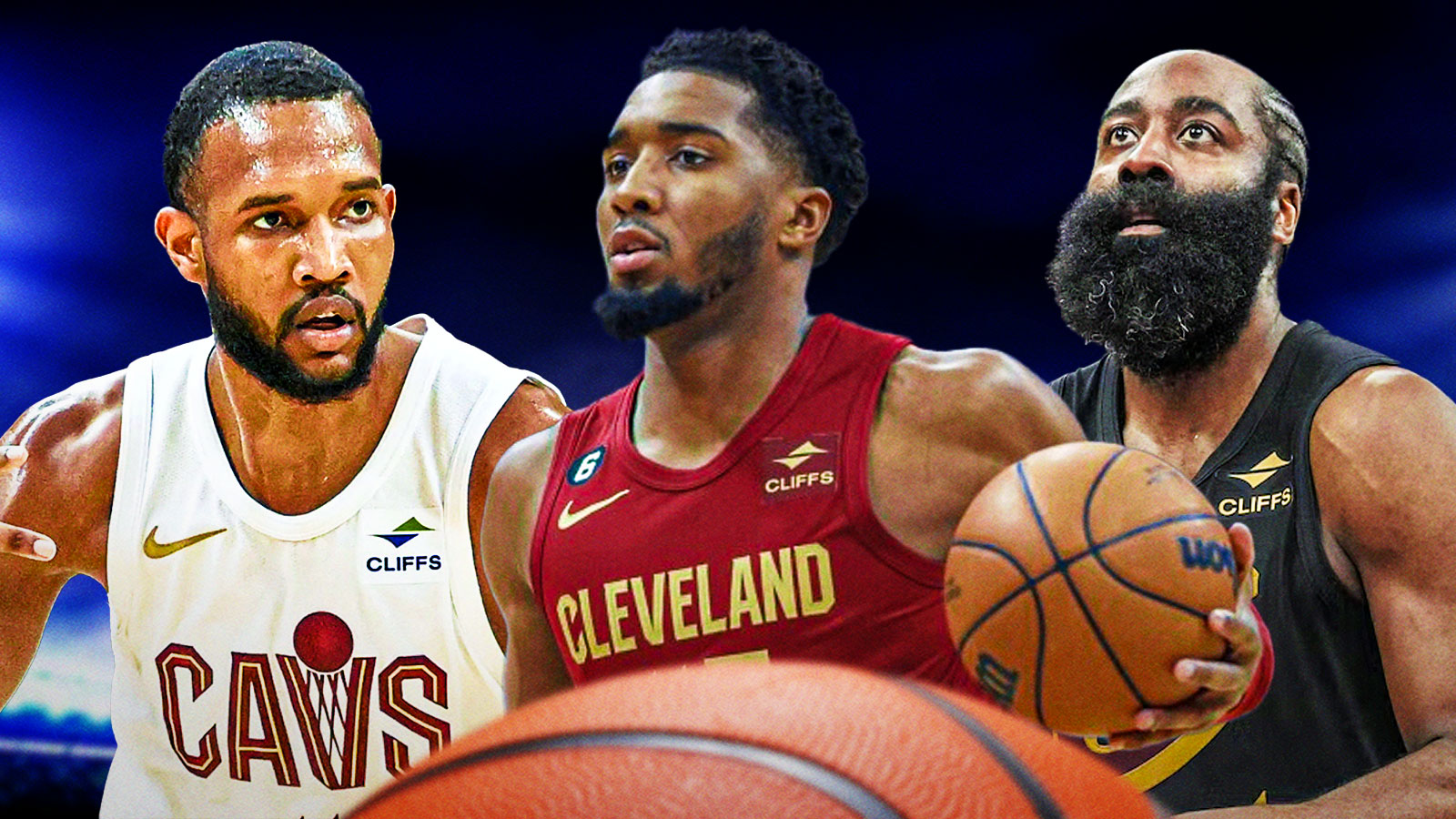
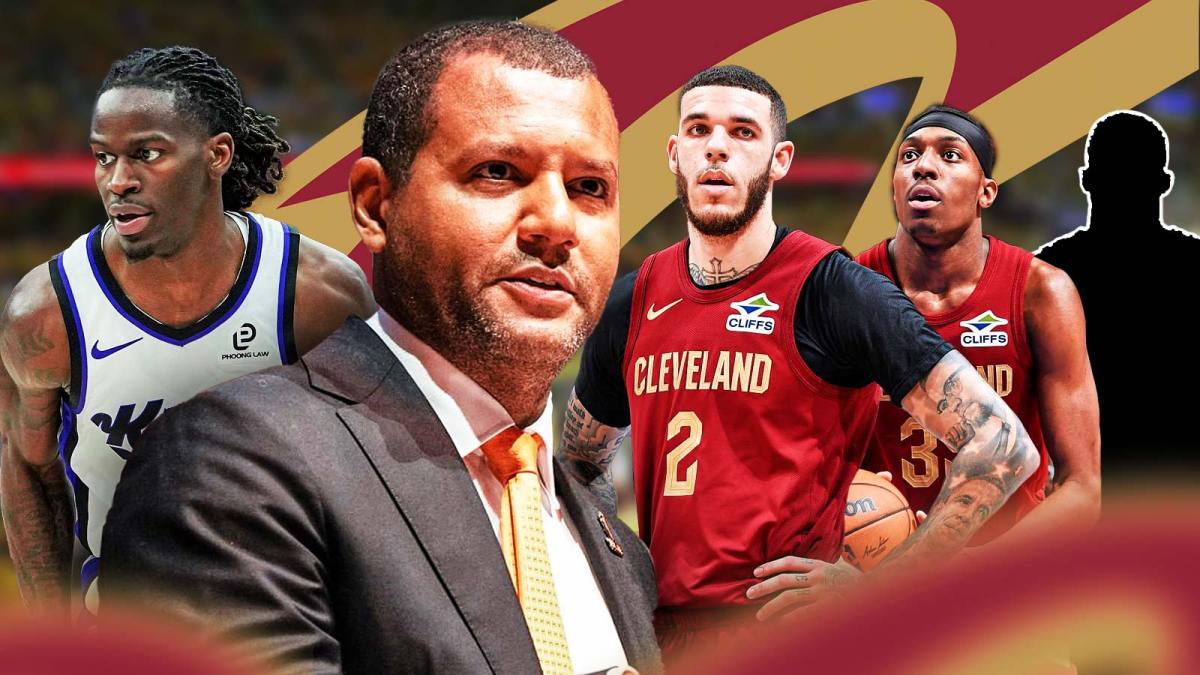
The Cleveland Cavaliers and Sacramento Kings tipped off NBA trade deadline week a few days early. On Saturday night, Cleveland landed Keon Ellis and Dennis Schroder, sending De'Andre Hunter to the Kings in a three-team deal with the Chicago Bulls. ClutchPoints did a trade grade for the move already, but what are the next steps for the Cavs in the coming days?
Firstly, with a crowded guard room, they will need to maneuver. Cleveland is looking for a suitor to take on Lonzo Ball and his $10 million contract with a team option for next season. Because of club control, Ball's salary can be treated as expiring.
Though readily available consistently after an injury-riddled four years, the 28-year-old has not meshed as well as the team originally anticipated. Add in the fact that the organization is operating with second apron restrictions, and that weight is felt heavily.
Despite having one of the highest assist percentages in the league, his offensive shortcomings as a shooter are too difficult to justify. Ball carries the worst field goal percentage in the NBA at 29.9% and the league's third-worst three-point percentage with a minimum of 4 attempts per game. He has good size at guard, looks up the floor, defends multiple positions, and rebounds; however, when you're sub-30% as a shooter and insist on taking that many treys a night, it's costly.
The good news for the Cavs is that Ball has a team-friendly contract, and apparently, the Washington Wizards are open to listening. According to HoopsHype reporter Mike Scotto, the Wizards' incentive is to acquire draft capital and use their traded-player exceptions. Washington has close to $30 million in tax space.
What's next for the Cavs?
Cleveland's next order of business will be figuring out how to convert Nae'Qwan Tomlin's two-way contract into a standard one. Given the current setup, this isn't possible because the roster is filled. Time is ticking, as the rangy, energetic forward has only five games left of eligibility before he hits his 50-game limit as a two-way player.
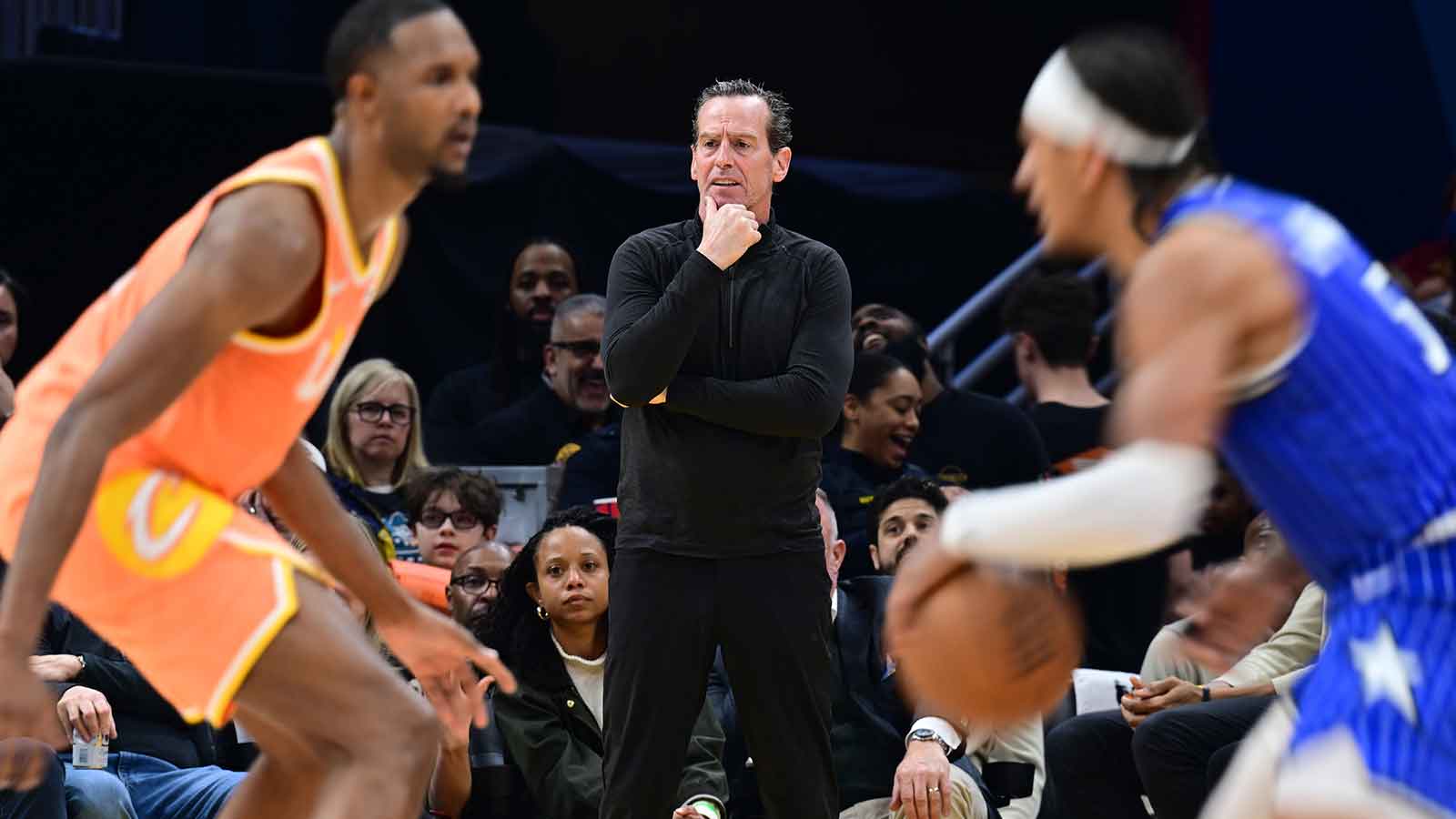
Tomlin has cemented a spot in Cavs head coach Kenny Atkinson's rotation, averaging just under 24 minutes in the last seven games. His defensive intensity, rebounding prowess, and game-changing relentlessness on each end have made Cleveland's second unit a bear to handle.
If the Cavs are able to move Ball and get his salary off the books in the process without taking a player back, they would be able to sign Tomlin to the big club and open another two-way slot. A Ball trade would also get Cleveland much, much closer to the luxury tax line than it started before Sunday.
That's where the intrigue begins because the wine and gold would have more flexibility to wheel and deal if the franchise desires. Provided they are below the second apron after a specific trade proposal, the Cavs could technically aggregate salaries, which would make it much easier to negotiate than their present, limiting predicament; right now, Cleveland can only trade one player at a time and can't take back more salary than what they trade.
It all begins with sending out Ball's contract.
There's another detail from the trade itself that the team will have to decide on at some point, too.
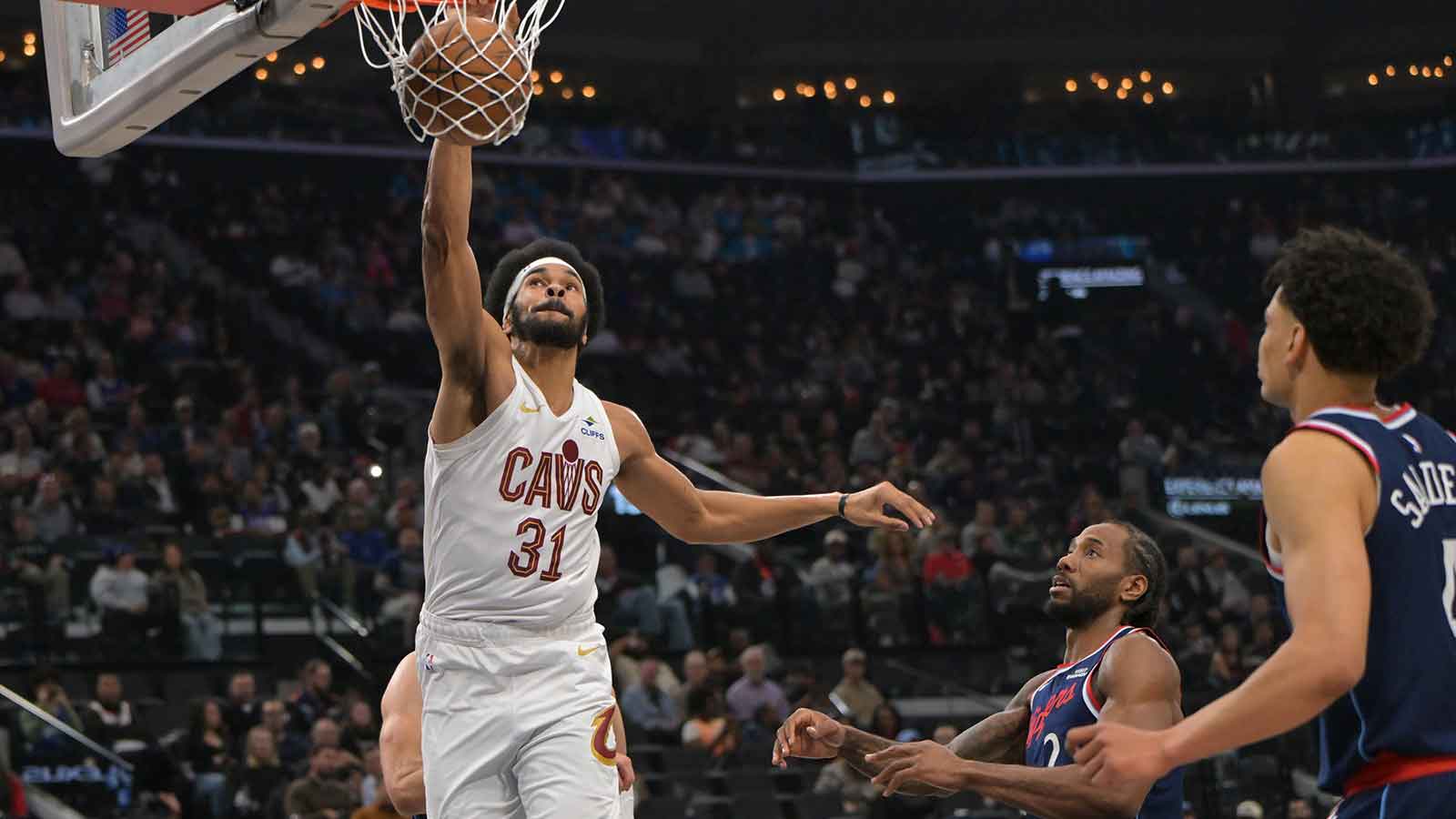
Ellis becomes extension-eligible on February 9. The Cavs can offer a deal of up to three years for $52 million, per Spotrac's Keith Smith. Because they have his Bird rights, they can exceed the salary cap to do so. We'll see if and when they make that decision, but it's safe to assume that trading Hunter away means Cleveland thinks highly of Ellis' skill set and viability in the short- and long-term.
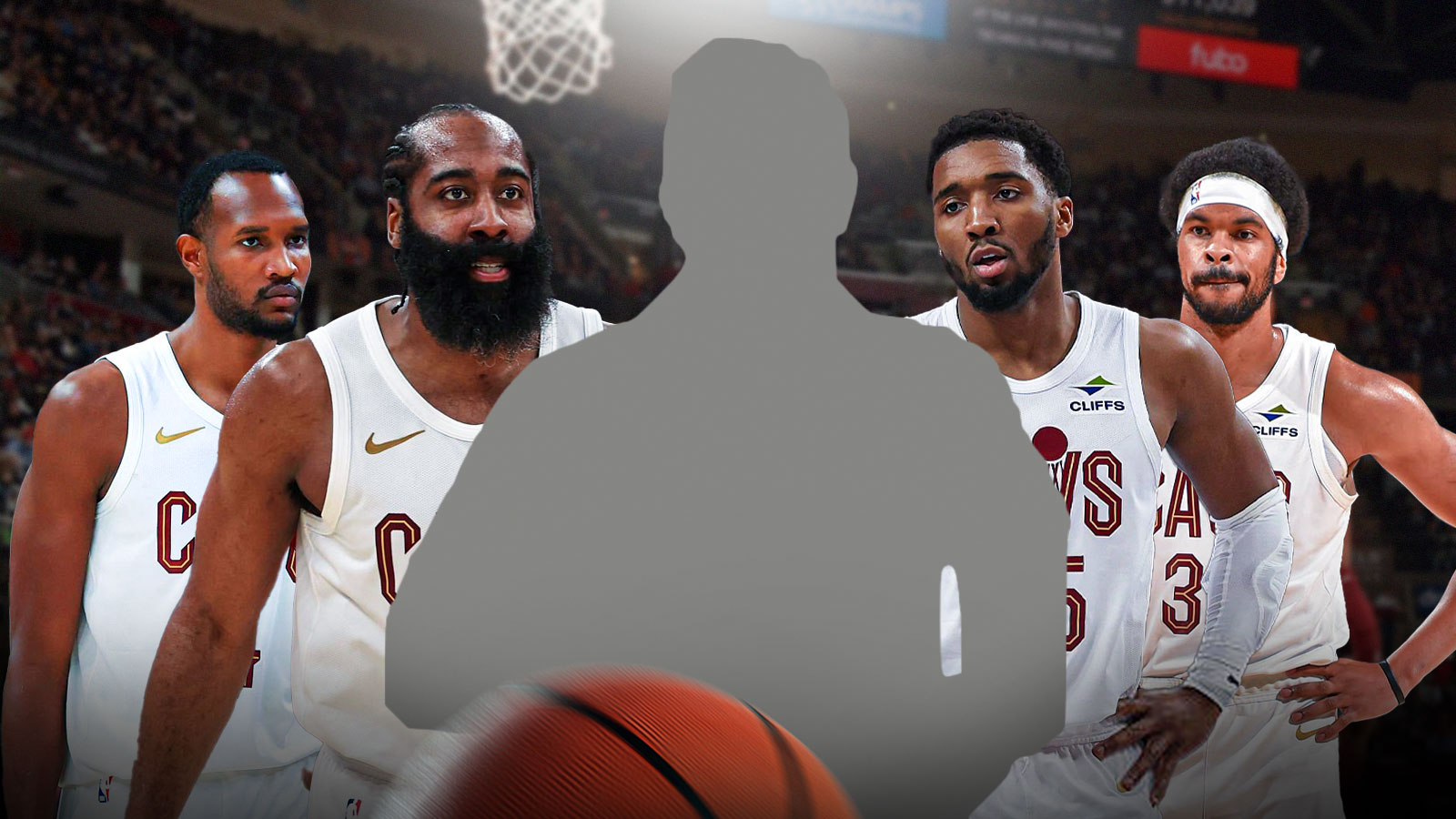
Whether it's a “big swing,” addressing needs on the margins, or dumping off bad money, Koby Altman is always active this time of year, but this season feels especially critical. Trade season is in full swing, and the Cavs likely have more up their sleeves.