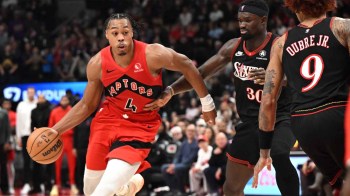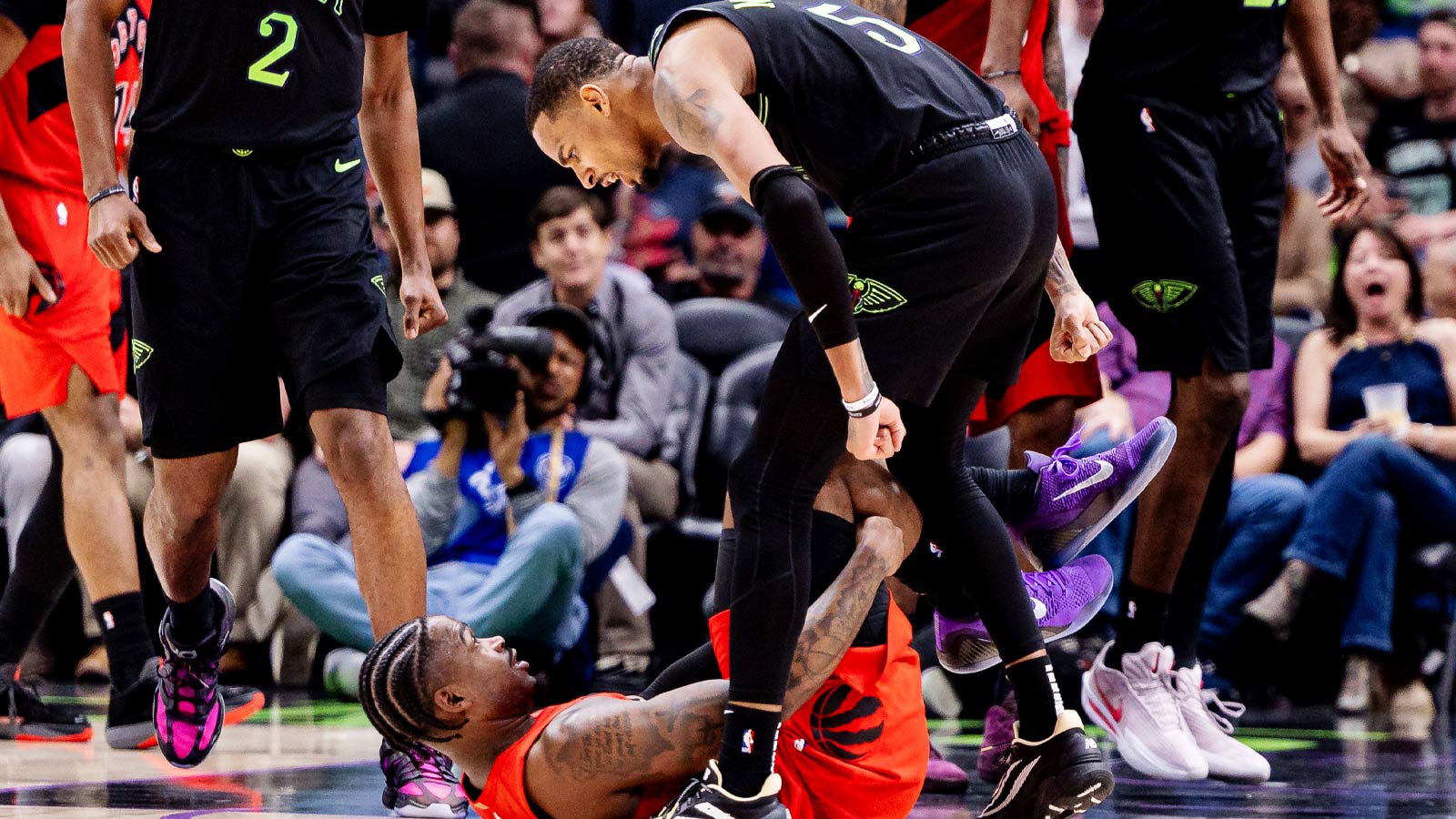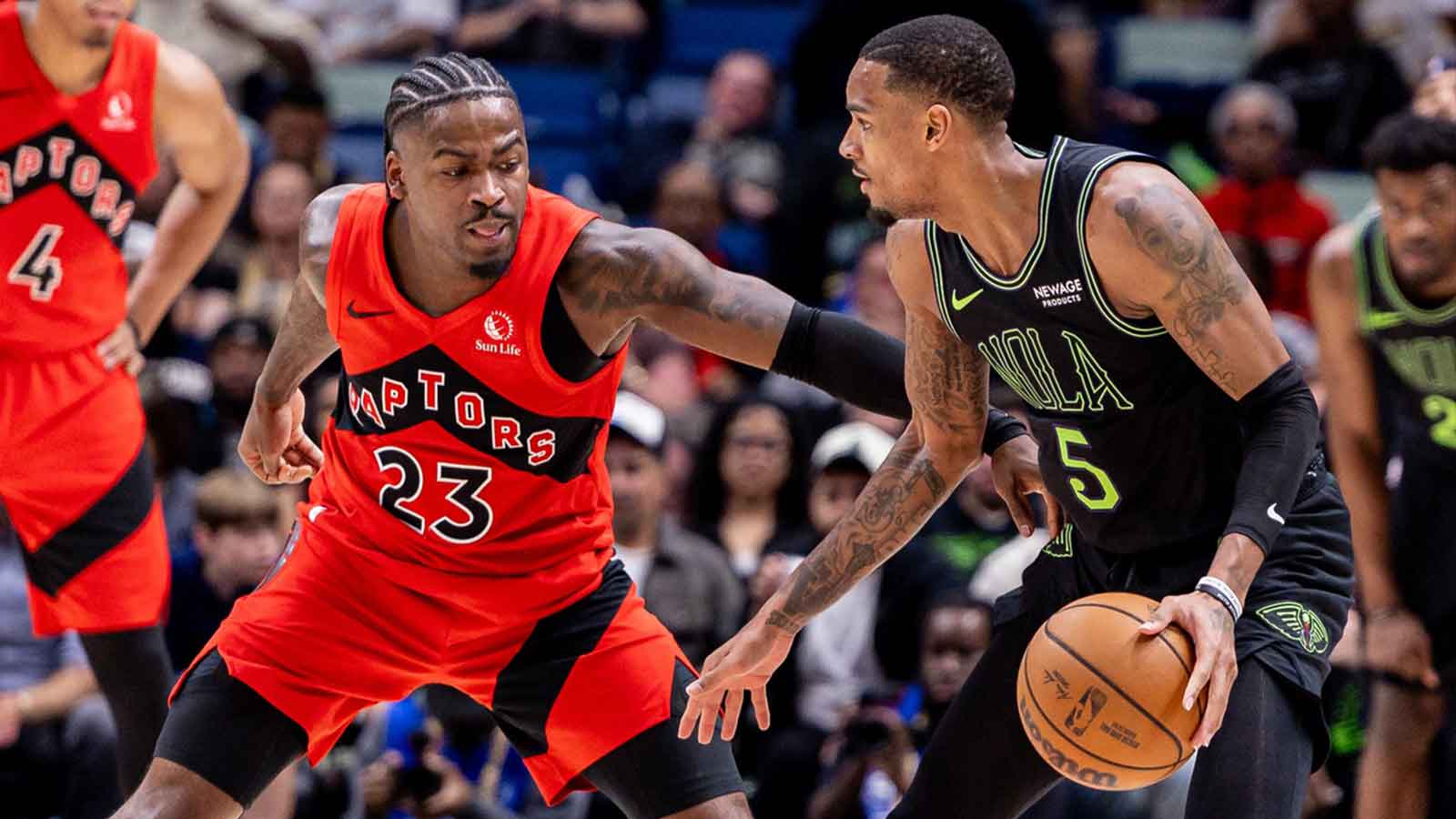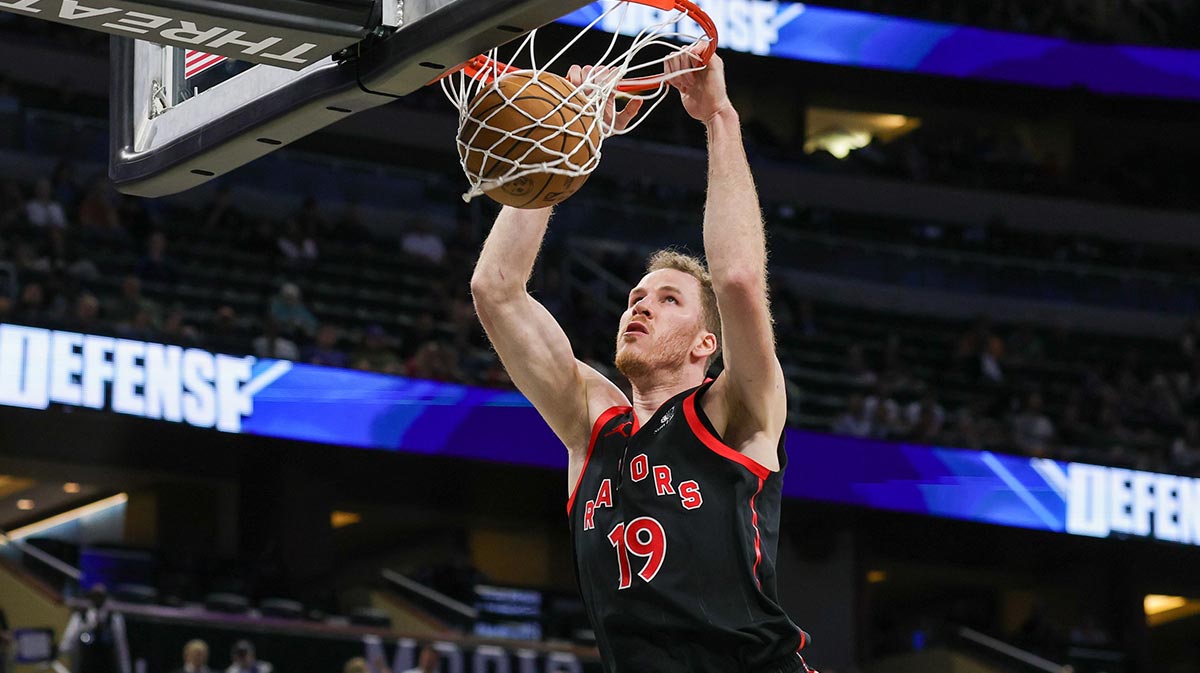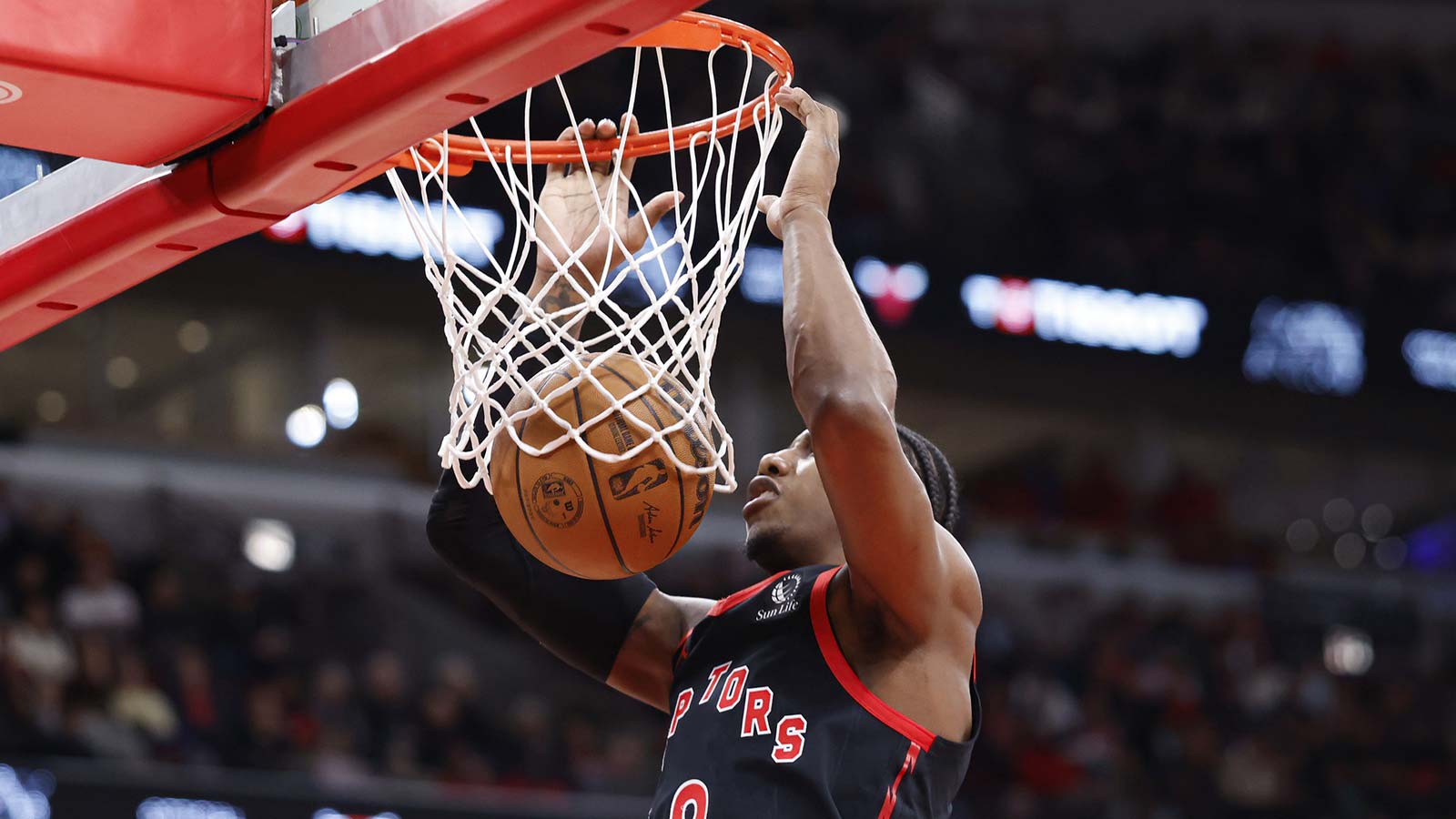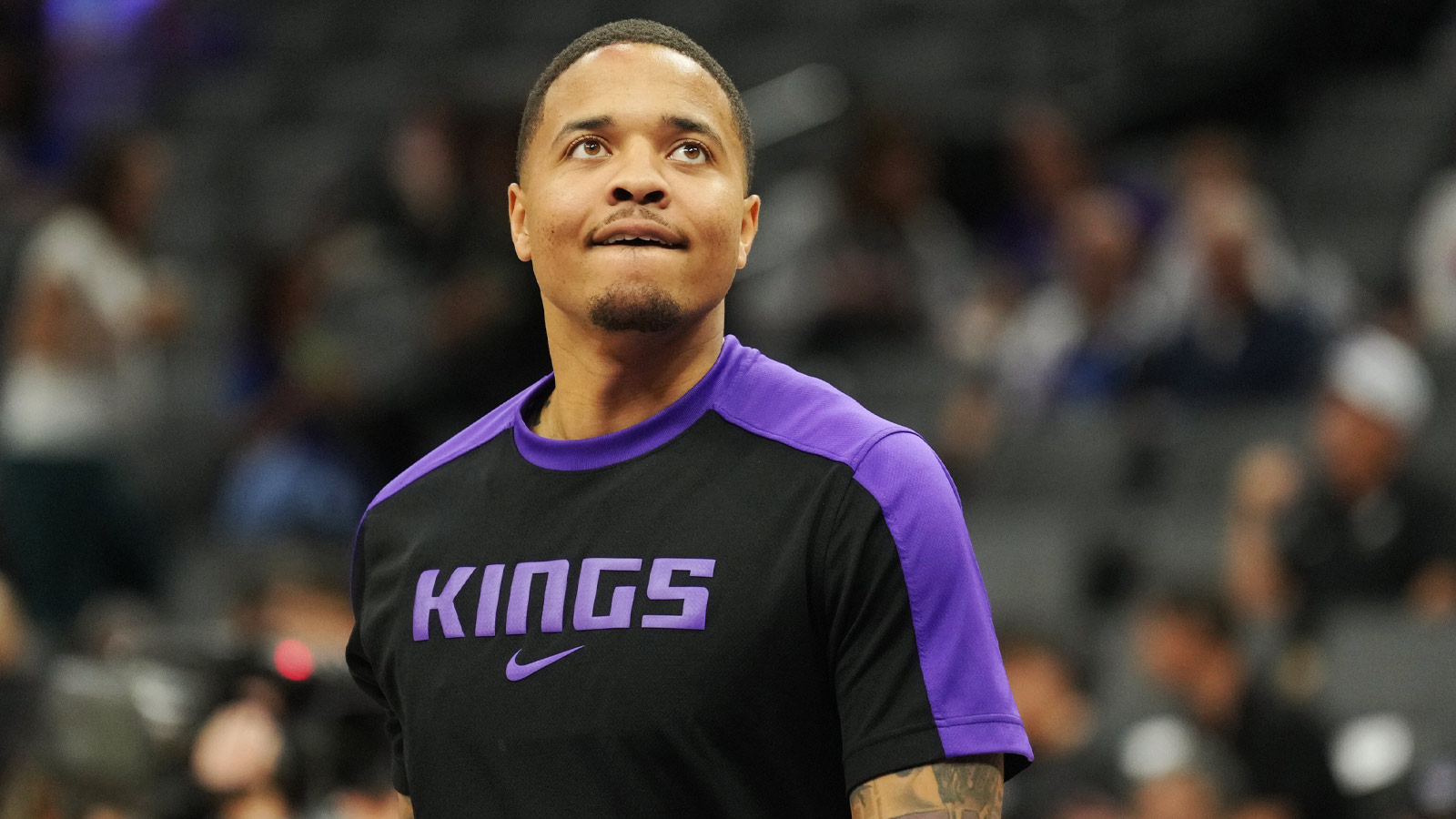

The Toronto Raptors have spent the 2025-26 season rewriting expectations. As the playoffs loom, though, the margin between triumph and collapse has never felt thinner. This once looked like a feel-good resurgence. Now, however, it is morphing into a high-stakes puzzle, where seeding could dictate everything. For a team built on rhythm, ball movement, and defensive versatility, the wrong opponent at the wrong time could undo months of progress. Right now, Toronto isn’t just chasing wins but trying to avoid a postseason minefield.
Movement, resilience, and belief
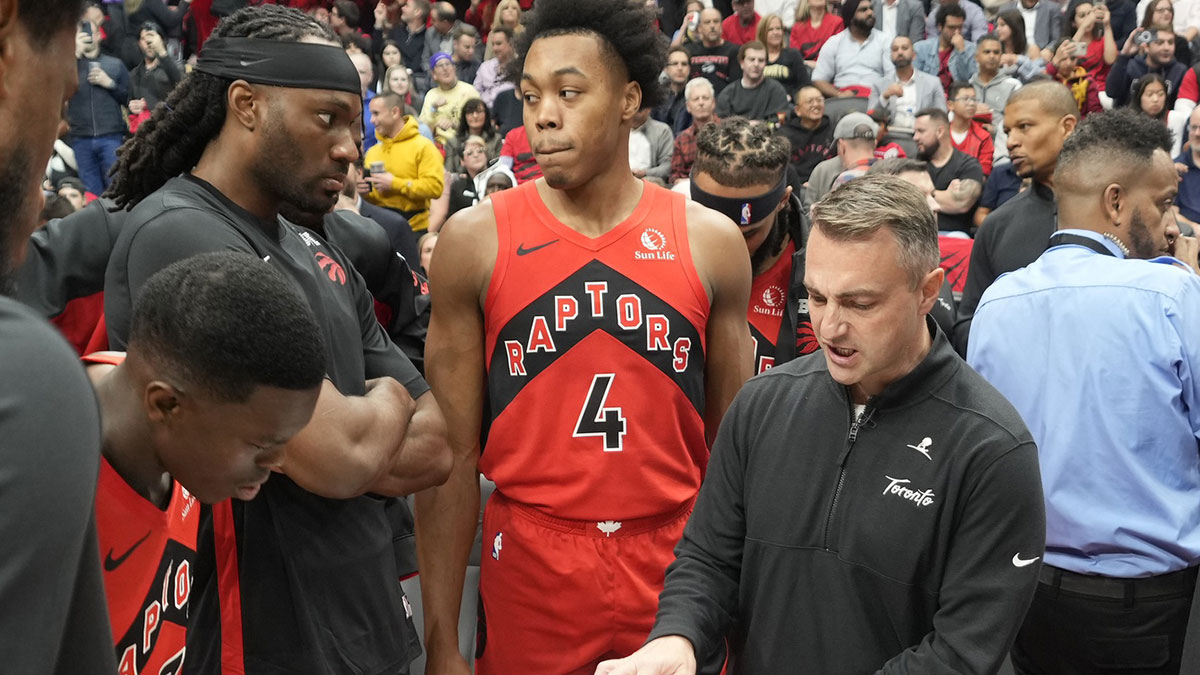
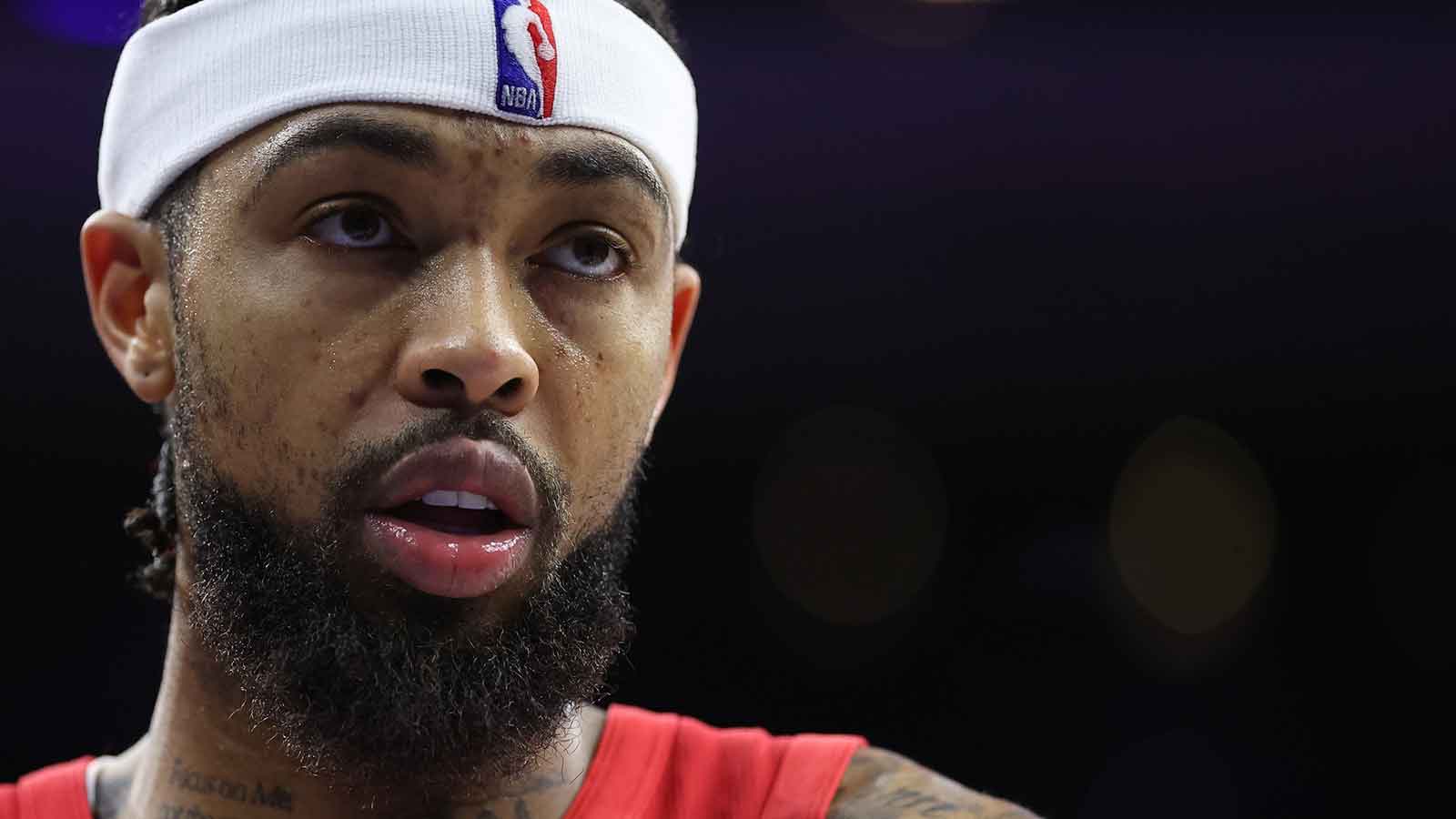
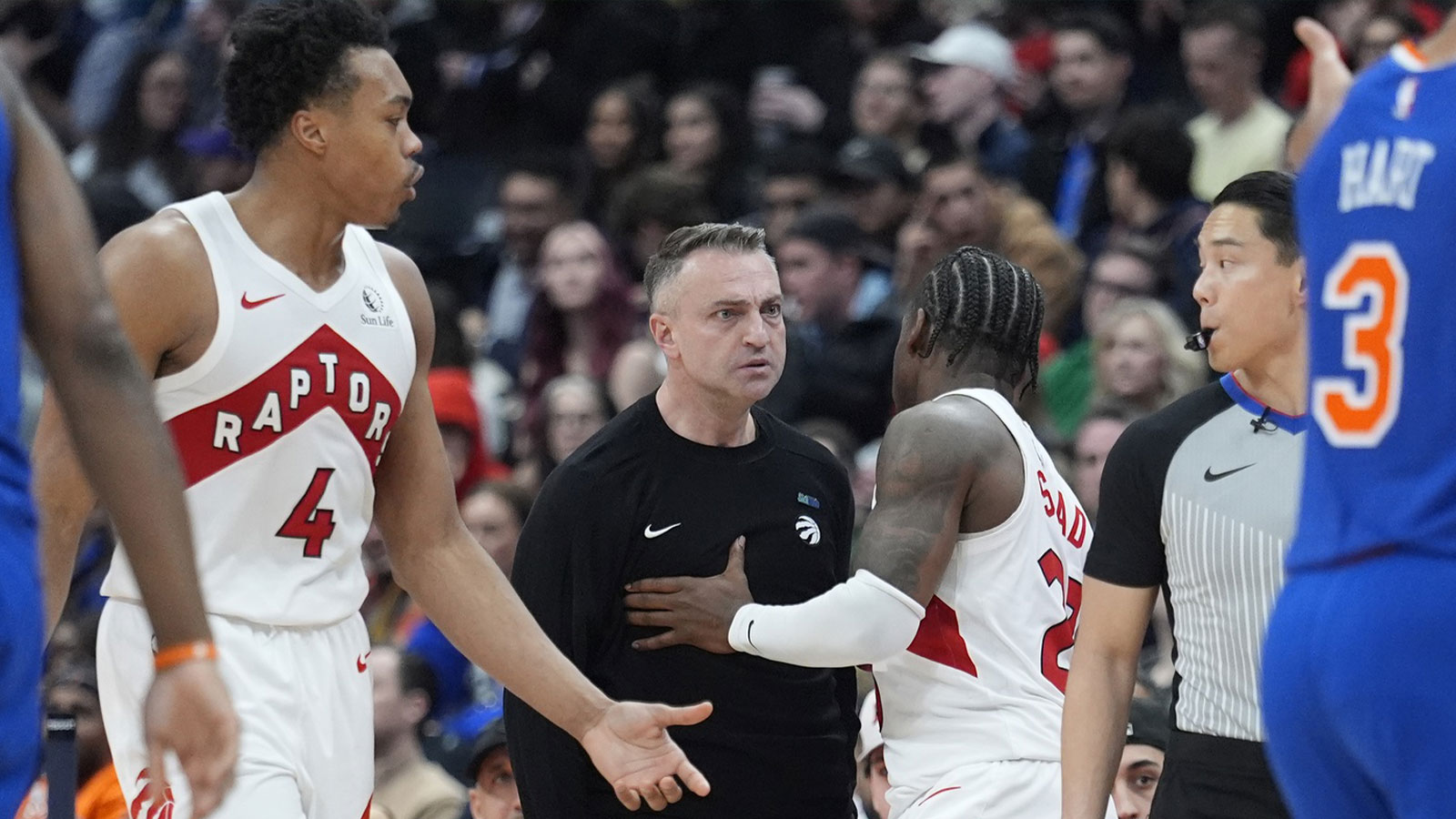
Looking at the 2025-26 campaign, the Raptors have authored a story of resilient, high-octane basketball. Few saw coming when the first ball was tipped in October. Under the steady hand of Darko Rajakovic, Toronto has evolved into one of the NBA’s most unselfish offensive teams. This is no longer an isolation-heavy attack. Instead, it’s a system driven by constant motion and trust. Scottie Barnes has blossomed into the engine of that system. Meanwhile, Brandon Ingram’s arrival has provided the elite shot-making presence the team sorely lacked.
At 41-32 entering late March, Toronto has paired that offensive fluidity with a defensive identity rooted in length and athleticism. For much of the season, they’ve hovered near the top five in defensive rating. The addition of Ingram proved to be a defining move, unlocking new dimensions for RJ Barrett’s downhill aggression and Immanuel Quickley’s perimeter gravity. The Raptors have shown they can beat elite competition. They have even swept the Cleveland Cavaliers, 3-0. Yet beneath the surface, there’s a growing sense of urgency. Injuries are creeping in, and the postseason spotlight is exposing every potential flaw.
Challenges await Toronto
As the playoffs approach, the Raptors are facing a convergence of concerns. Health sits at the top of that list. Quickley’s ongoing battle with plantar fasciitis and Ingram’s recent heel issues have placed immense strain on Toronto’s backcourt rotation. Toronto’s offense thrives on rhythm and precision. Those qualities become harder to sustain when key creators are less than fully healthy.
There is also the matter of style. The Raptors’ ball movement has been a weapon all season. That said, playoff basketball often demands a different skill set. Elite defenses like Boston and New York excel at switching schemes and forcing isolation possessions. That’s where Toronto’s vulnerability lies. While Ingram provides a reliable scoring option, the team still lacks a consistently dominant closer who can bend a defense in crunch time. They have alss struggle on the glass, ranking in the bottom third of the league in rebounding. That concern becomes even more pronounced. Against physical frontcourts, second-chance points can swing entire series. Toronto has yet to prove it can consistently win that battle.
Nightmare scenarios
The Raptors’ true challenge may not be talent, but positioning. In a tightly packed Eastern Conference, the difference between the fourth seed and the Play-In can come down to a handful of possessions. Currently hovering around the fifth spot, Toronto is in a precarious position. Even a brief slump could send them tumbling into far more dangerous territory.
The worst-case scenario begins with a drop into the seventh or eighth seed. That would likely set up a first-round showdown with either the Detroit Pistons or the Boston Celtics. Detroit has been a juggernaut all season, combining elite defense with relentless pace. Of course, Boston’s versatility and experience make them a perennial postseason nightmare. For Toronto, either matchup would represent an uphill climb. These would require near-perfect execution just to stay competitive.
Even more daunting is the possibility of falling into the Play-In Tournament. A seventh-place finish could force the Raptors into a win-or-go-home scenario against teams like the Philadelphia 76ers or the Orlando Magic. Philadelphia, when healthy, boasts championship-level talent. Meanwhile, Orlando’s length and physicality mirror Toronto’s strengths while exposing their weaknesses. In these high-pressure environments, Toronto’s occasional scoring droughts could prove fatal.
The Knicks problem
Perhaps the most troubling matchup for Toronto, however, is the Knicks. Despite the Raptors’ overall success this season, they have gone 0-4 against New York. Toronto has repeatedly struggled to crack the Knicks' defensive schemes. Mike Brown's crew excels at turning games into physical, half-court battles. They have effectively neutralized Toronto’s transition game and forced them into uncomfortable offensive sets. It’s a stylistic clash that heavily favors New York, particularly in a playoff setting.
If the Raptors were to finish sixth and face the Knicks in the first round, it could spell an abrupt end to what has otherwise been a promising season. The lack of a reliable late-game scorer becomes magnified in these grind-it-out scenarios. Toronto has yet to demonstrate it can consistently generate quality offense under that kind of pressure.
That reality makes the final stretch of the regular season critical. Securing a fourth or fifth seed could open the door to a more favorable matchup, particularly against Cleveland. It’s a narrow window, but one that could mean the difference between a deep playoff run and a quick exit.
Defined by the margins
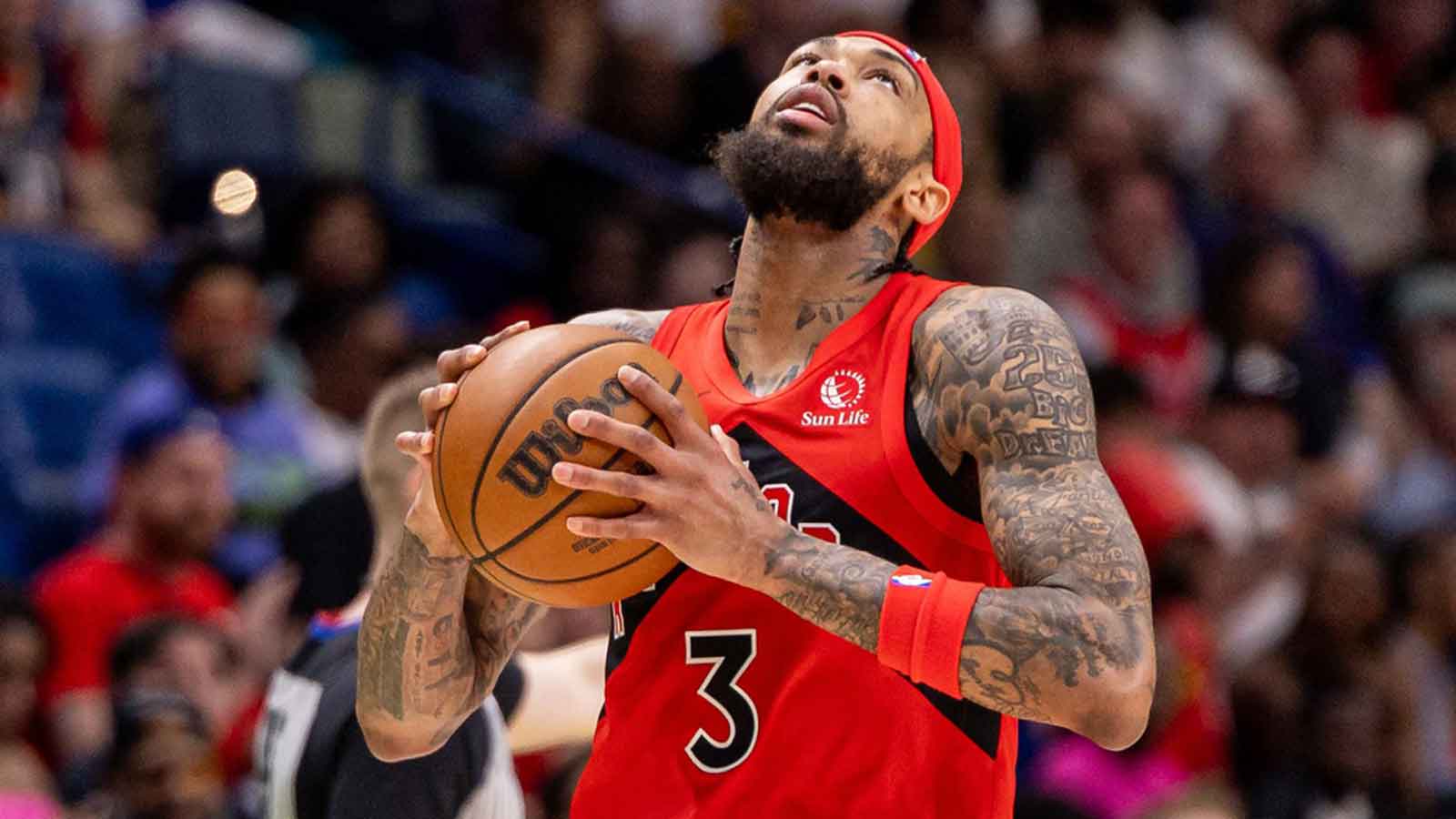
The Raptors have already exceeded expectations, by all accounts. Still, the postseason is unforgiving. Seeding, health, and matchups will all play pivotal roles in determining how far this team can go.
In many ways, Toronto’s fate won’t just be decided by how well they play but by who they face. Avoid the wrong opponent, and the Raptors could make serious noise in the East. Step into the wrong bracket, and their season could end before it truly begins.