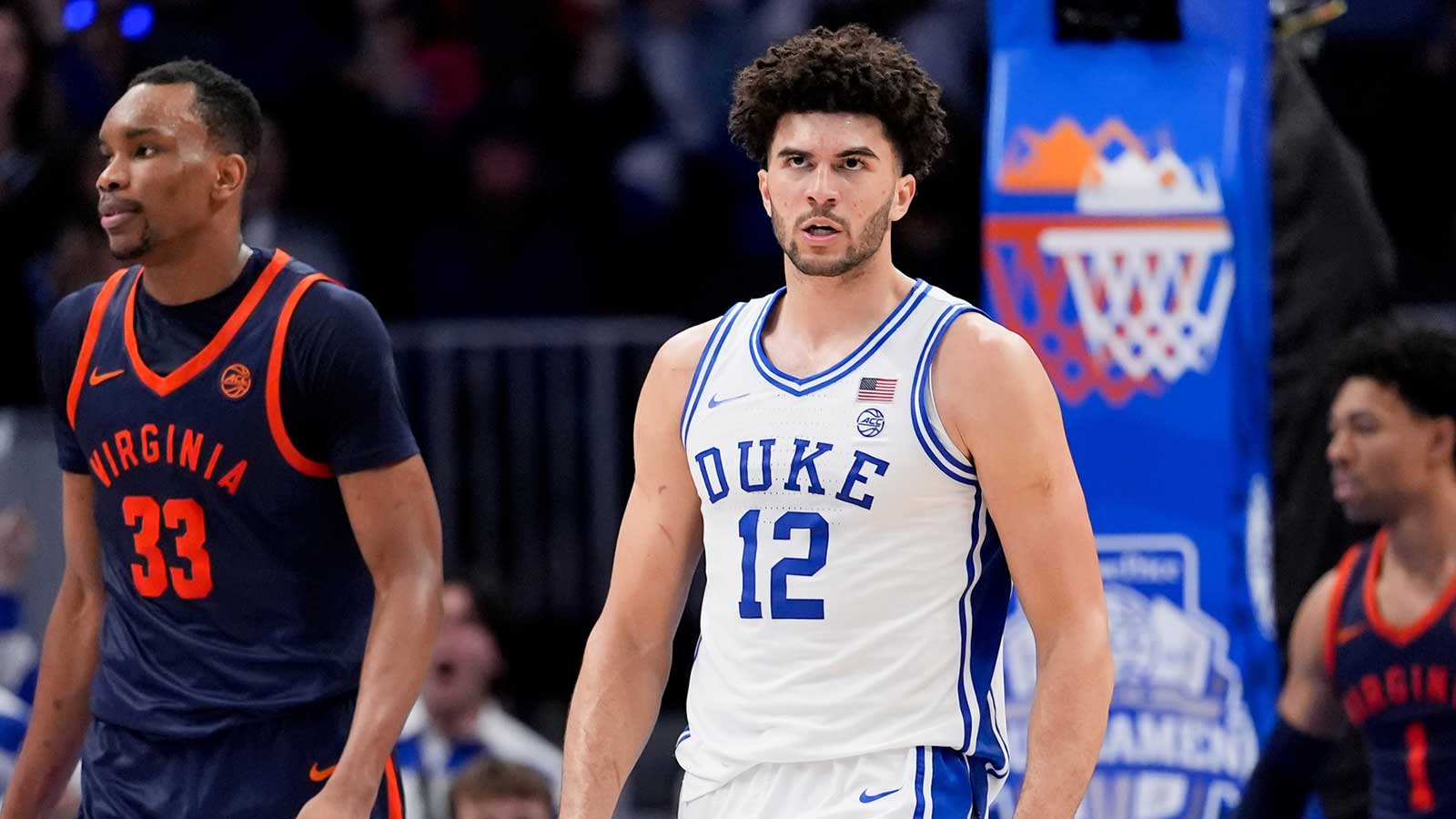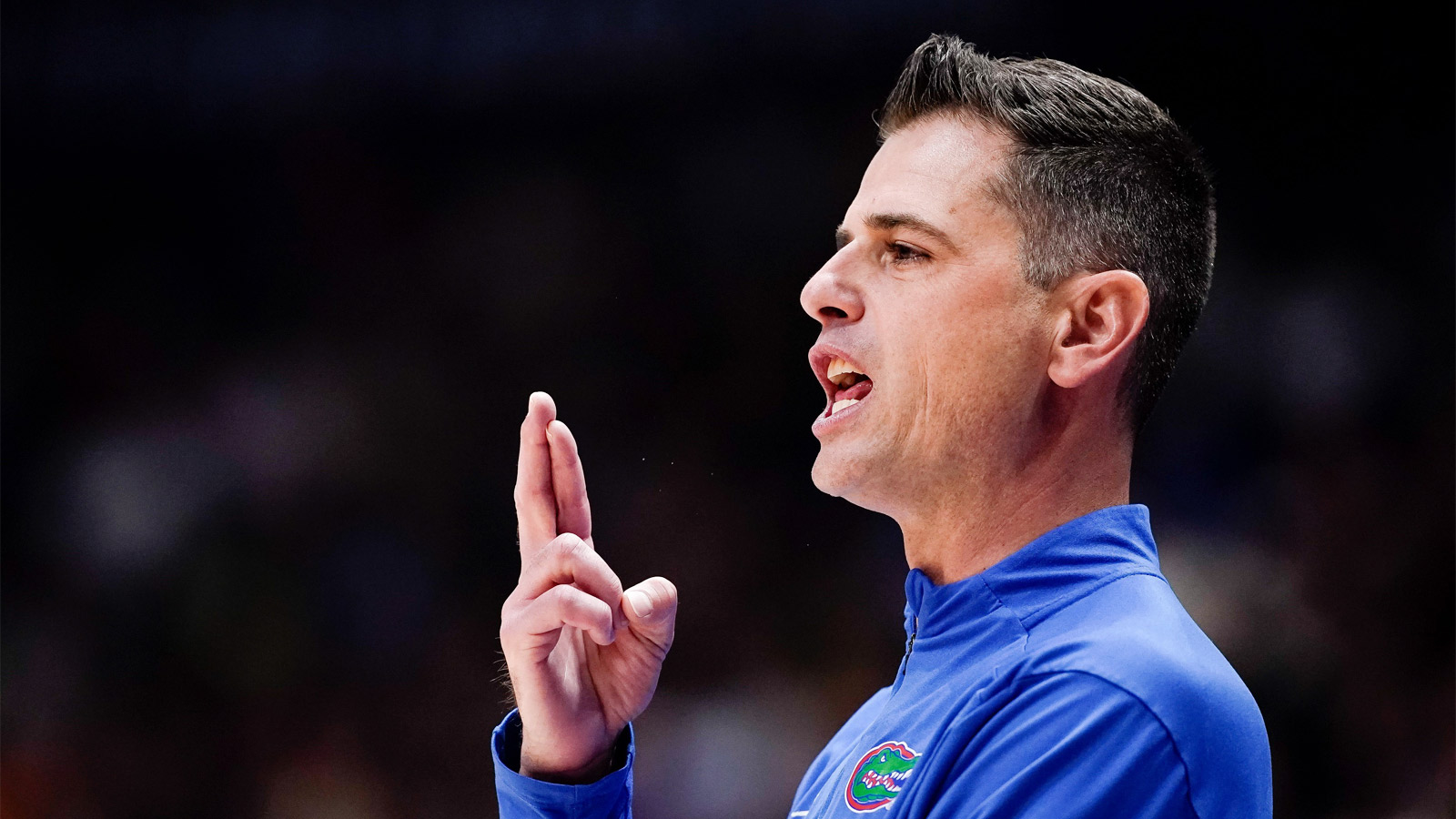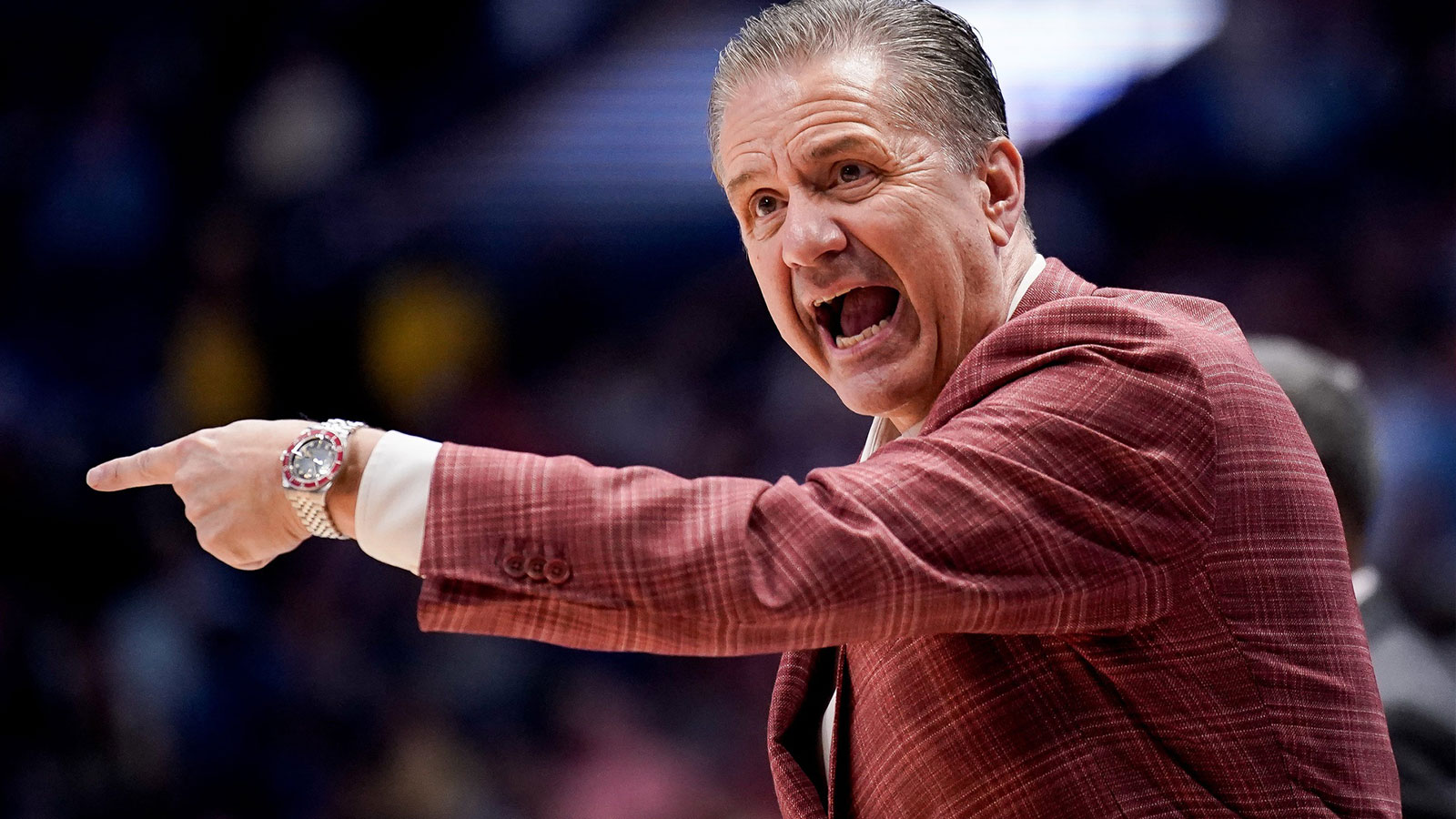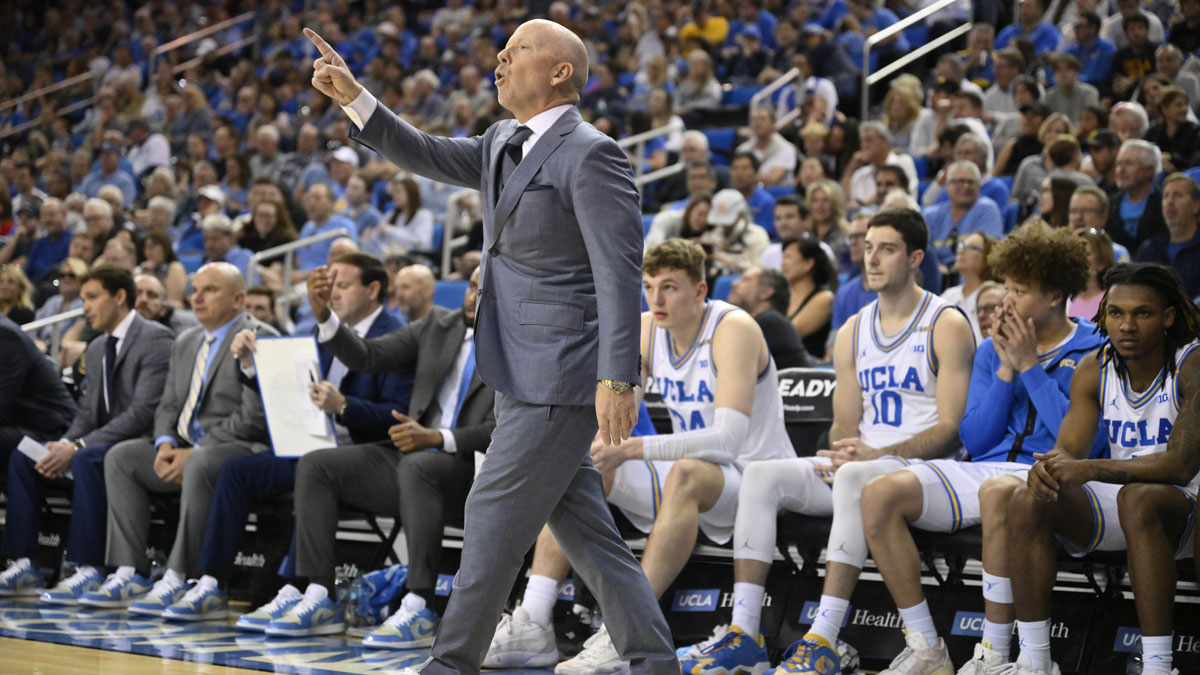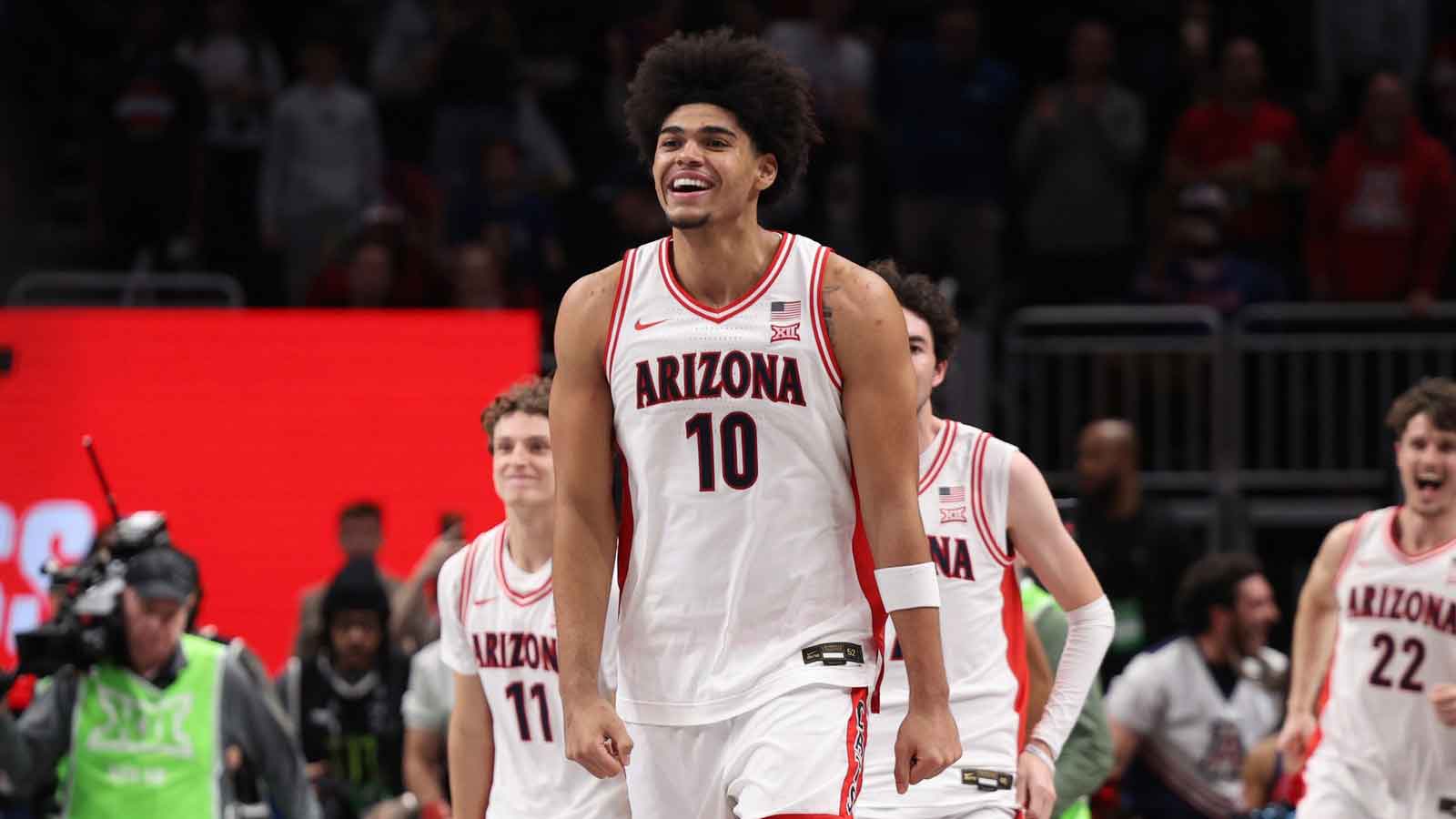
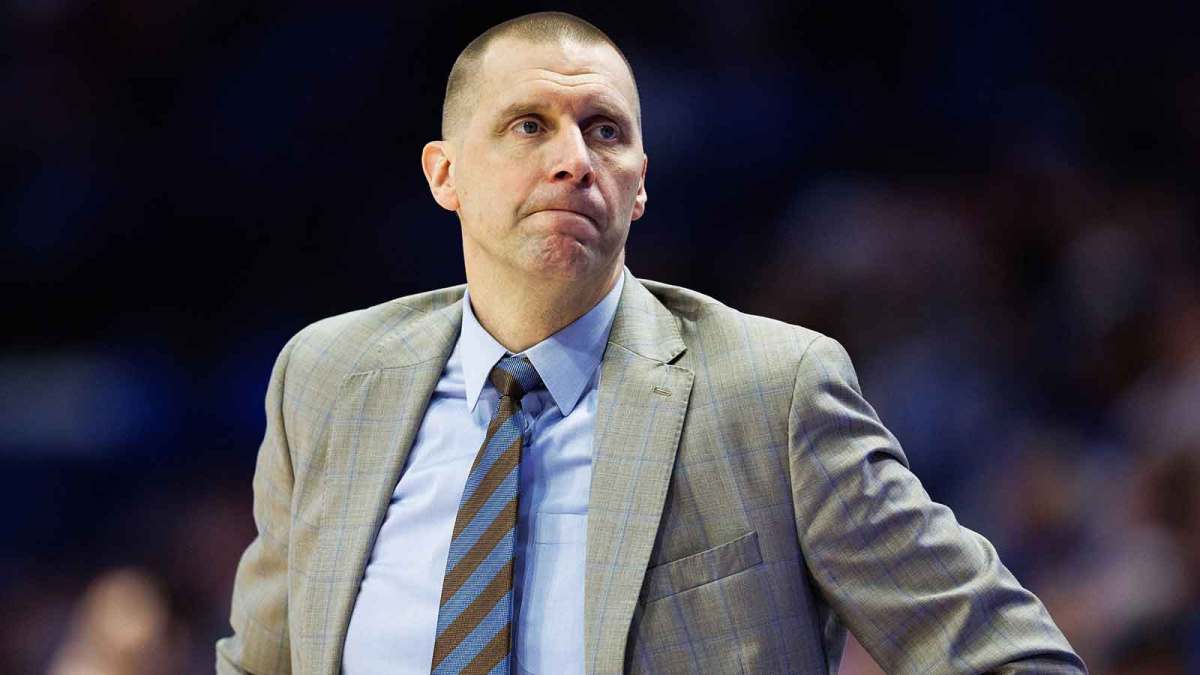
Few teams have a wider range of March Madness seeding outcomes than Kentucky, which began the 2025-2026 college basketball season as a top-10 team but ended it with a mediocre 21-13 record. The Wildcats are still well within the 68-team field, just not in the position they expected in the preseason.
A rocky 5-4 start to the season quickly knocked Kentucky out of the ranks of the elite, where many believed Mark Pope's veteran team would remain all year. An 8-1 stretch from Jan. 10 to Feb. 7 made it look like the Wildcats might return to their preseason form, but then they ended the year winning just two of their final seven regular season games.
Instead of being a dominant and resilient group, Kentucky has been one of the streakiest teams in the country. They end the year with a middling 10-8 regular season conference record.
Two wins in the SEC Tournament allowed Kentucky to cross the 20-win threshold, furthering its volatile standing in March Madness. The Wildcats are projected to be a seven-seed by ClutchPoints' Troy Finnegan and by ESPN's Joe Lunardi, but they could realistically land anywhere from six to 10.
While the Wildcats are a dangerous mid-seeded team, they are also equally as vulnerable to an early exit. They have proven as much during the regular season, beating teams like Tennessee and Arkansas, but also losing to Auburn and Texas A&M, and suffering near-losses to Bellarmine and South Carolina. They are just 5-11 in Quad 1 games, according to the NET Rankings, and 7-2 against Quad 2.
Kentucky has thrived in similar positions before, but not since Pope took over in 2024. They simply have too many flaws to feel confident in entering the most important part of the season.
Kentucky's offensive limitations give it a hard ceiling
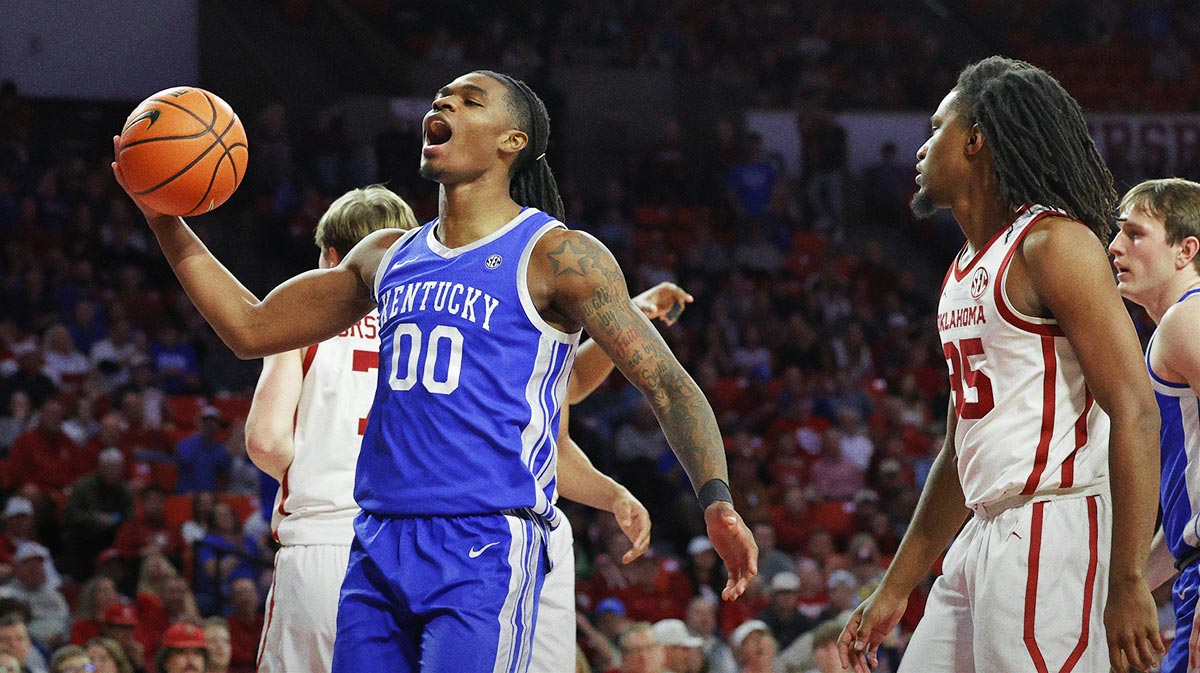
College basketball is arguably the most unpredictable sport in the world, and Kentucky is one of the most unpredictable teams in the field. It's part of what makes the NCAA Tournament so exciting and frustrating to watch for fans.
But while Kentucky's results are often a crapshoot, its play style is not. The Wildcats bring the same approach in every game, which allowed teams to figure them out as the season progressed.
For the most part, Kentucky tried to replace its entire 2024-2025 roster in the college basketball transfer portal. With Otega Oweh returning, Pope replaced Jaxson Robinson, Lamont Butler, Amari Williams and Koby Brea with Denzel Aberdeen, Mouhamed Dioubate and Kam Williams.
Aberdeen and Dioubate were the ideal position-for-position replacements for Pope and have both elevated their careers in Lexington. The one player Kentucky could not supersede was Brea, who took his 43.5 percent three-point shooting with him, leaving behind a massive hole.
Without an elite sharpshooter like Brea, Kentucky's offense is much more limited entering the 2026 March Madness tournament than it was last year. The Wildcats have just two players, Collin Chandler and Aberdeen, who make more than 35 percent of their three-point attempts, with Aberdeen barely crossing the mark at 35.1 percent.
Kentucky is still elite at the rim, ranking in the top 50 in points in the paint and averaging the 11th-most fastbreak points. But they make just 8.1 three-pointers per game, ranking 146th in the country.
The lack of offensive diversity leaves the Wildcats prone to stalling out in half-court offensive sets far too much for a team with legitimate championship aspirations, especially without a defense good enough to overcome extended scoring droughts.
Kentucky's 2026 March Madness nightmare scenarios
Kentucky's clear limitations give it a few obvious situations it will want to avoid in March Madness. Few coaches will be more anxious in the hours before the Selection Show airs than Pope.
While Kentucky can beat anybody in the paint, size is something it wants to avoid. The Wildcats struggled with the length and physicality of the four biggest teams — Florida, Gonzaga, Michigan State and North Carolina — they faced in the regular season.
Teams like UCLA, SMU, Nebraska and UCF have similar roster makeups and could give them fits in the NCAA Tournament. Kentucky would also want to avoid landing anywhere near a potential North Carolina rematch, as it shares a similar seeding projection with the Tar Heels.
If the Wildcats do receive a seven-seed, falling near potential two-seeds Houston or Iowa State would be the worst-case scenario. The Cyclones might be their biggest nightmare, as a team that locks down the paint, slows the tempo and can drill shots from deep at a high level. Kentucky would need a near-perfect night to beat them, particularly with the momentum T.J. Otzelberger's team gained in the Big 12 Tournament.
Kentucky is one of the most experienced teams in college basketball, but Pope's coaching style has been routinely exploited in March Madness. Although the Wildcats made it to the Sweet Sixteen in 2025, it will take a perfect storm to repeat that success in 2026.