North Carolina basketball faced an abrupt reality check Tuesday night in Coral Gables. Just three days after a dramatic rivalry win over Duke, the No. 11 Tar Heels failed to carry that momentum into their next road test, falling 75-66 to Miami at Watsco Center.
North Carolina entered the game riding the emotional high of a buzzer-beater victory over the Blue Devils. Instead of building on that surge, the Tar Heels never led vs. the Hurricanes and struggled to establish rhythm on either end of the floor.
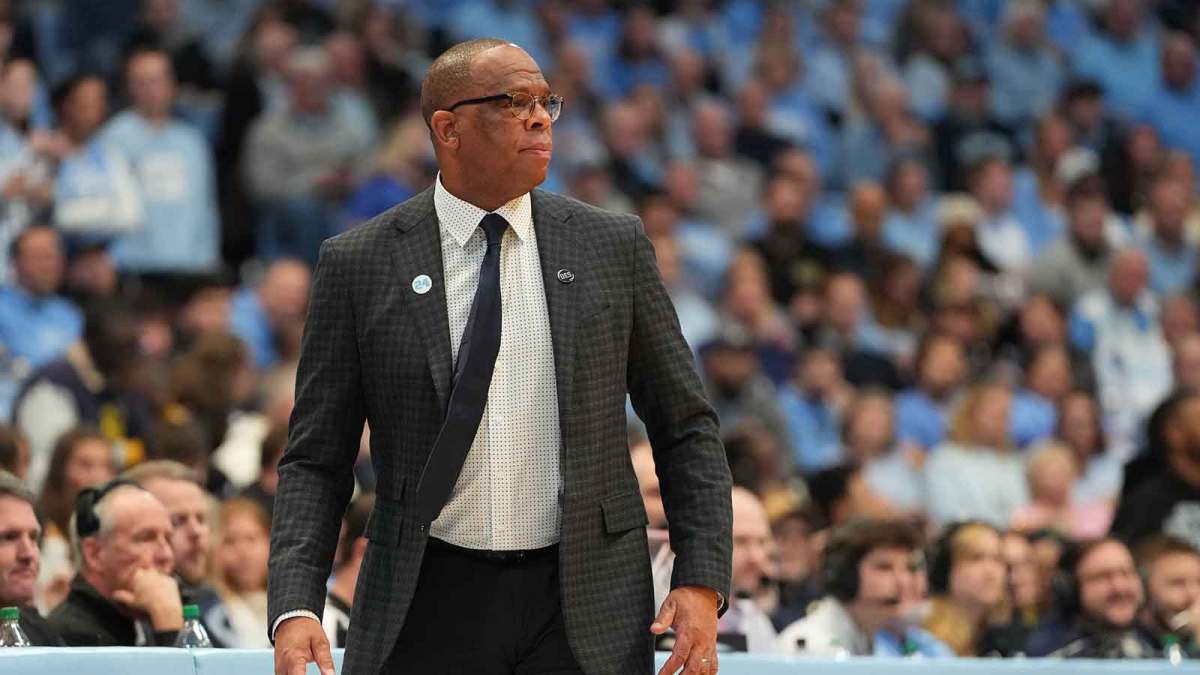
Enjoy BBall's Christian Odjakjian shared head coach Hubert Davis’ postgame comments on X (formerly known as Twitter), highlighting his firm rejection of the popular narrative surrounding the loss.
“I respectfully disagree with the ‘hangover’ thing. I don’t believe in that”
Hubert Davis: “I respectfully disagree with the ‘hangover’ thing. I don’t believe in that” pic.twitter.com/JdckyUGfEL
— Christian Odjakjian (@OdjHoops) February 11, 2026
Many observers labeled the defeat a classic trap game, pointing to the emotional peak of the Duke upset and the court-storming celebration that followed. Davis, however, dismissed the idea that psychological fatigue played a role in the outcome.
Instead, he emphasized execution and accountability. North Carolina shot inconsistently, struggled to generate efficient offense, and failed to replicate the defensive intensity it displayed against Duke. Miami capitalized on those lapses and controlled the tempo from the opening tip.
The setback complicates the ACC standings and stalls the Tar Heels’ recent upward momentum. After positioning itself as a rising force in the conference with the rivalry win, North Carolina now faces renewed questions about its consistency, particularly on the road.
By rejecting the “hangover” explanation, the head coach of the Tar Heels made it clear that emotional swings cannot dictate performance. He framed the loss as a basketball issue—missed assignments, poor shooting, and execution breakdowns—rather than a psychological letdown.
The defeat underscores a broader lesson for North Carolina. Signature wins can elevate perception, but sustained success in the ACC requires discipline beyond marquee moments. UNC now shifts its focus forward, understanding that rankings and rivalry victories carry little weight without consistent execution away from home.