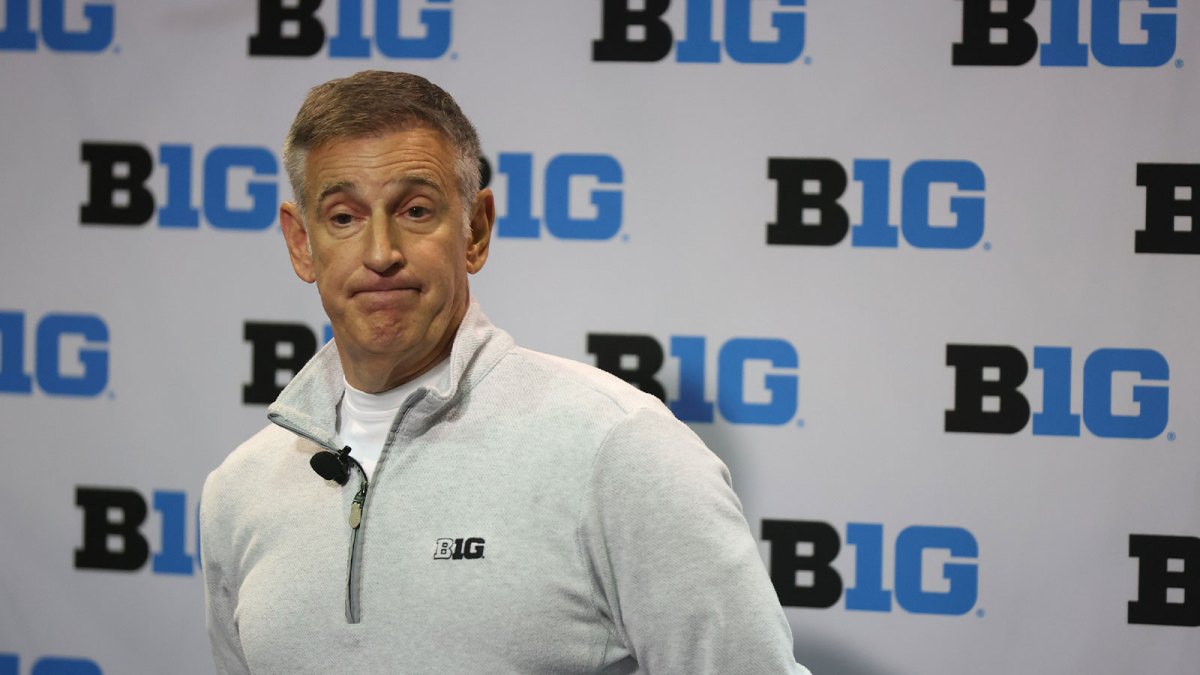
The Big Ten is one of the most influential conferences in the NCAA, alongside the SEC, but it could still face a steep climb in its ongoing pursuit of a 24-team College Football Playoff field. A blueprint for the expanded format, which the league hopes can be implemented by 2029, is being passed around internally, per ESPN's Pete Thamel. Fans now have a clearer idea of how commissioner Tony Petitti envisions the future of the sport.
The proposed layout would kick off the proceedings in the second weekend of December, with a national title game taking place in mid-January. The top-23 teams would advance to the CFP, leaving one guaranteed berth for a Group of Six representative. Eight teams would get a bye, but in the Big Ten's plan, those programs would have home games the following week. Under the current system, powerhouses like Indiana and Ohio State were denied the opportunity to host games in the CFP.
An additional week of on-campus matchups is just one of the changes the league is hoping to bring about with its 24-team model. A larger field of competition could minimize rust. Teams that have had lengthy layoffs before playing their first CFP game are 1-7 over the last two seasons. The bracket would also consist of fresh showdowns, with no regular season rematches being permitted in the first round.
Tony Petitti has obviously given this proposal serious thought, but there is one massive barrier that will be extremely difficult to clear. The Big Ten's outline eliminates conference title games, and the substantial revenue that comes with them. Even an expanded College Football Playoff bracket would probably not recoup all the media and sponsorship profits that the top league championship clashes produce.
If the Big Ten wants to formally enact its 24-team model, it will need to find a solution to this potential snag. Petitti and company understand the complications and are advocating for a gradual transition period that would initially increase the number of CFP participants to 16.
While there are many people who surely abhor the Big Ten's grand design, changes seem inevitable. Heck, the sport has already undergone a colossal transformation in just the last few years. What starts out as a document shared internally could very well become a reality in the next decade. Brace yourself, America.


![Florida head football coach Jon Sumrall reacts during spring practice at Sanders Practice Fields in Gainesville, FL on Tuesday, March 24, 2026. [Alan Youngblood/Gainesville Sun]](https://wp.clutchpoints.com/wp-content/uploads/2026/03/Jon-Sumrall-on-March-24-2026.jpg?w=350&quality=90)