A lot has been made about the eligibility rules surrounding college sports over the last few seasons. Due to court battles, players have tried to return to the field and earn more money through NIL. The NCAA has lobbied Congress for help on how to navigate this, and they might have an answer.
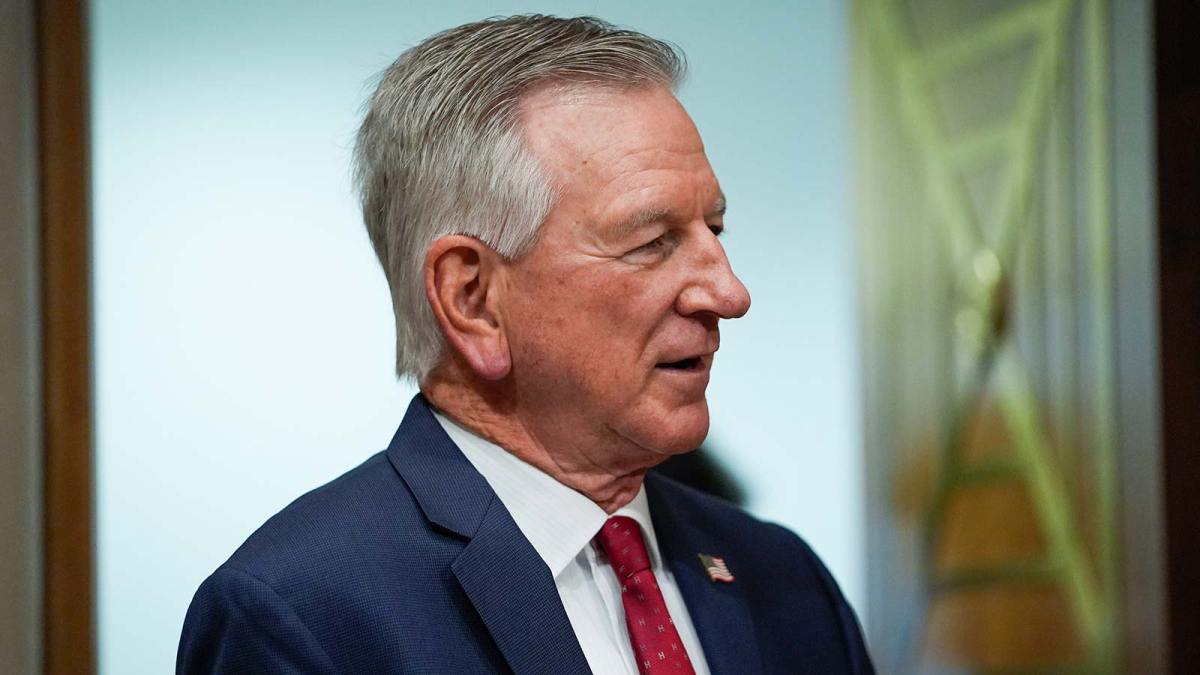
Alabama senator and former college football head coach Tommy Tuberville introduced a new bill that would place limits on NCAA eligibility and help curb some of the chaos across college sports due to the emergence of the transfer portal and the way NIL has been used to entice players to transfer. Tuberville's bill would set eligibility limits at 5 consecutive years of play or 5 consecutive seasons. Athletes could transfer once; additional transfers would require sitting out a year.
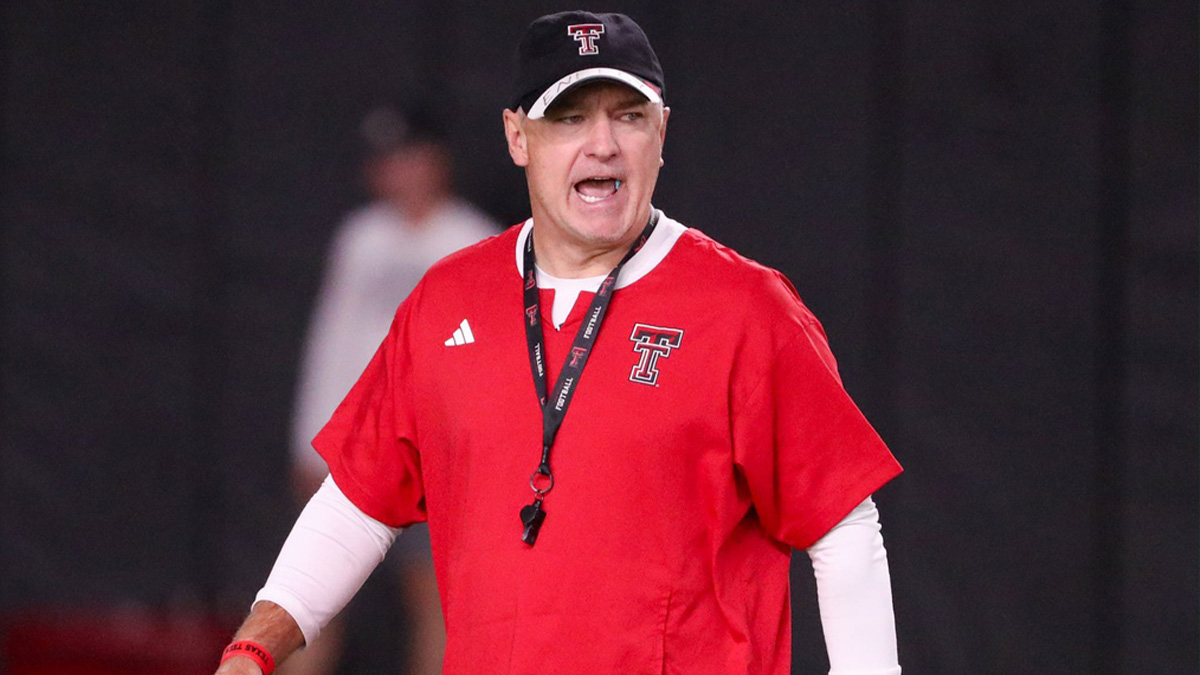
Tuberville was a college football coach before the transfer portal got as busy as it has been over the last few seasons. He coached at Auburn, Mississippi, Texas Tech, and Cincinnati. In 2024, the NCAA and the Department of Justice reached a settlement that allows unlimited transfers for all athletes. The NCAA also recently approved the House Settlement, allowing schools to play players directly.
“Transferring every year interrupts a student’s education and is bad for team morale,” Tuberville wrote in a Tuesday post on X.
“That’s why I’m introducing a bill that would allow student-athletes to transfer 1 time without penalty, no questions asked. After that, if you choose to transfer, you sit out a year. It’s simple,” he added.
It is also worth noting that Tuberville said current policies allow movement that resembles “unrestricted free agency rather than amateur competition” and added in an interview with Outkick that athletes are “selling themselves” for the money rather than buying into a program.
Assistant Attorney General Jonathan Kanter of the Department of Justice’s Antitrust Division previously said college athletes shouldn’t have to “unfairly limit their mobility” but instead choose the institutions that “best meet their academic, personal, and professional development needs.” It seems unlikely that Tuberville's bill will pass, given the changes already underway in college sports, but it will be interesting to see what happens next.