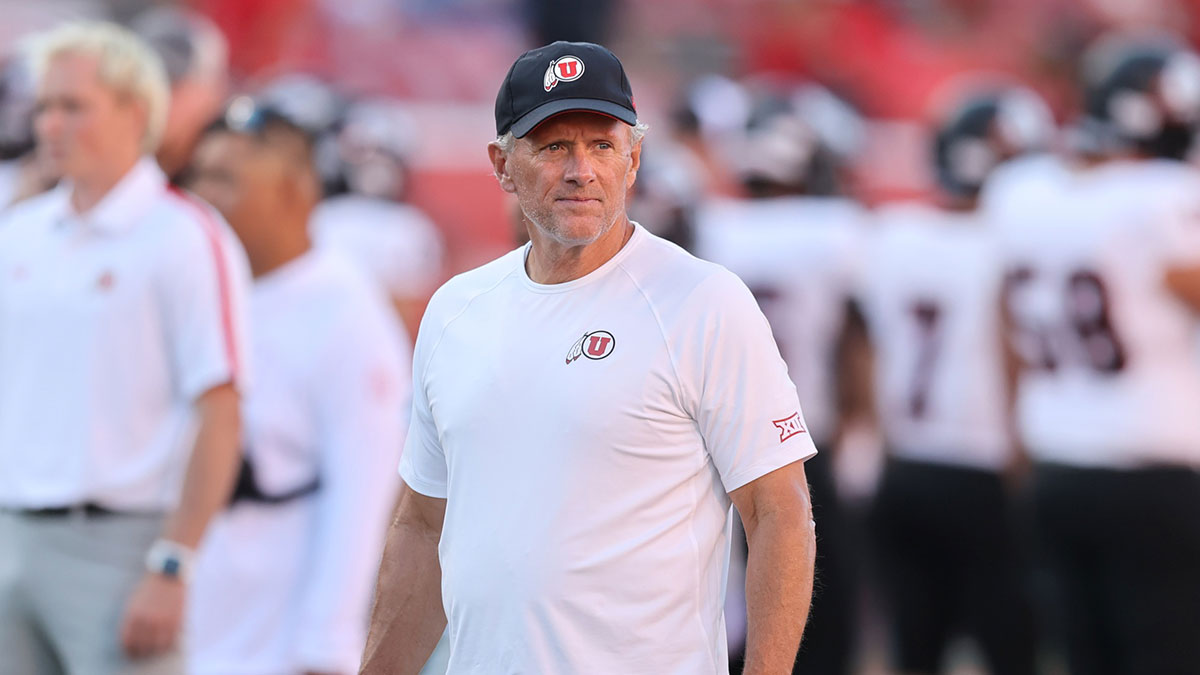
Michigan football continues evolving under new leadership, with ties to first-year head coach Kyle Whittingham influencing recent staff decisions. The Wolverines have strengthened their coaching infrastructure by hiring Alayna Williamson as Chief of Staff, reinforcing continuity and organizational structure.
Michigan officially announced Williamson’s appointment, marking a significant off-field addition to the program. She formerly worked under Whittingham at Utah, bringing familiarity with his system and leadership style. Her experience is expected to help streamline operations as Michigan transitions into a new era.
In her role, Williamson will oversee daily operations and ensure alignment across multiple areas of the program. She will coordinate communication between departments while supporting player development initiatives and internal processes. The hire reflects a broader effort by Michigan to modernize its football infrastructure and enhance efficiency.
The program shared the news on its official X account, formerly Twitter, introducing Williamson as a key offseason addition.
“Happy to have Alayna Williamson with the program as our Chief of Staff!”
The announcement emphasizes the value of adding experienced personnel behind the scenes. Her background working with Whittingham provides immediate familiarity with expectations, culture, and organizational standards.
The move also highlights a growing Utah connection within the program. Michigan continues to lean on trusted relationships as it builds out its staff, creating a sense of continuity in leadership. That approach could prove valuable as the Wolverines prepare for the 2026 season.
By pairing Whittingham with a chief of staff who already understands his expectations from their time together at Utah, Michigan is investing in the behind‑the‑scenes systems that keep a major program running smoothly. Williamson’s ability to coordinate operations, academics, and player development gives the Wolverines a clearer structure for handling the transfer portal, NIL demands, and an expanded Big Ten slate, all while keeping the focus on preparation and culture.
In an era where off‑field organization can swing close games and shape locker‑room buy‑in, that kind of continuity could be as valuable as any on‑field schematic tweak.