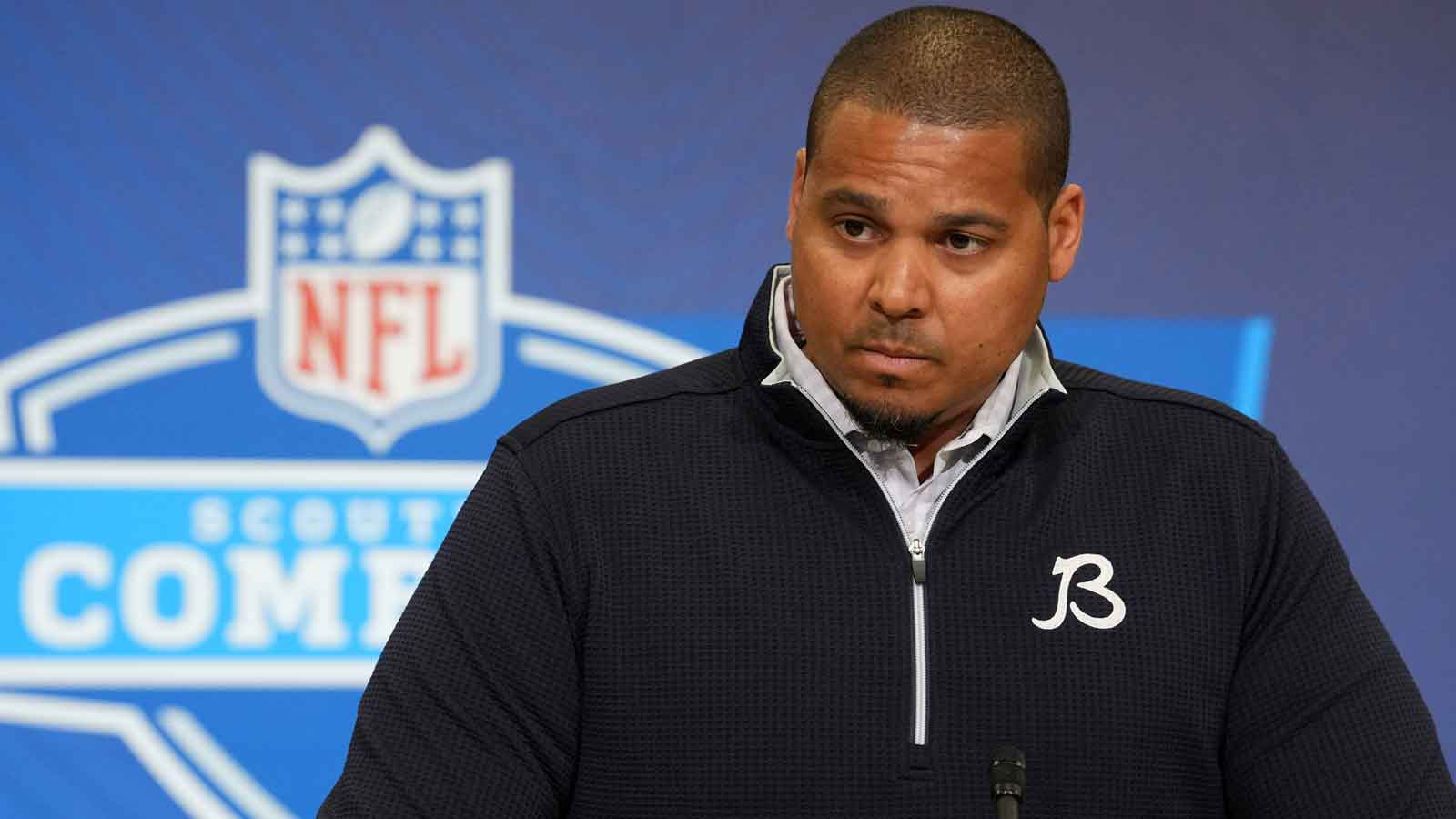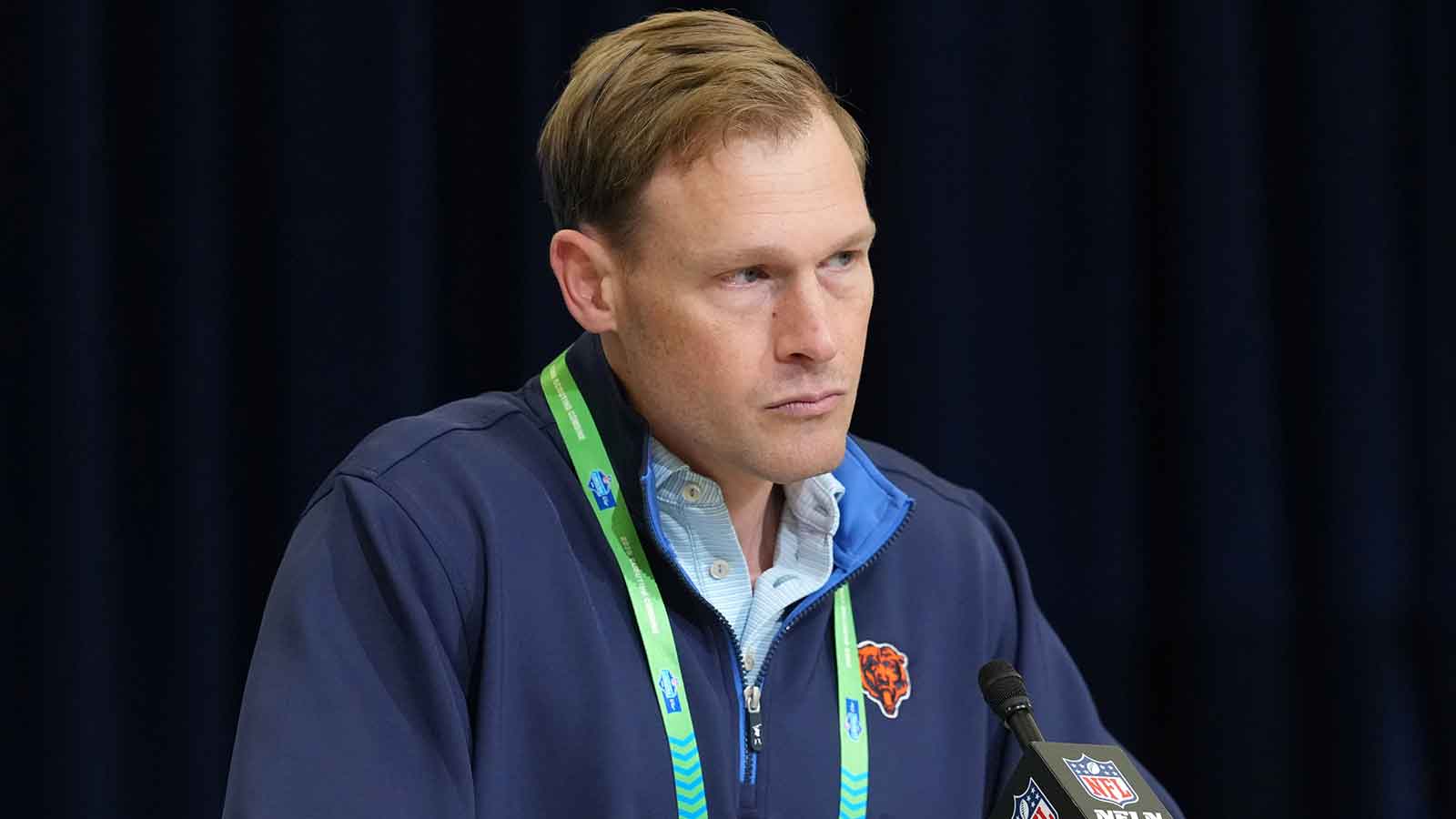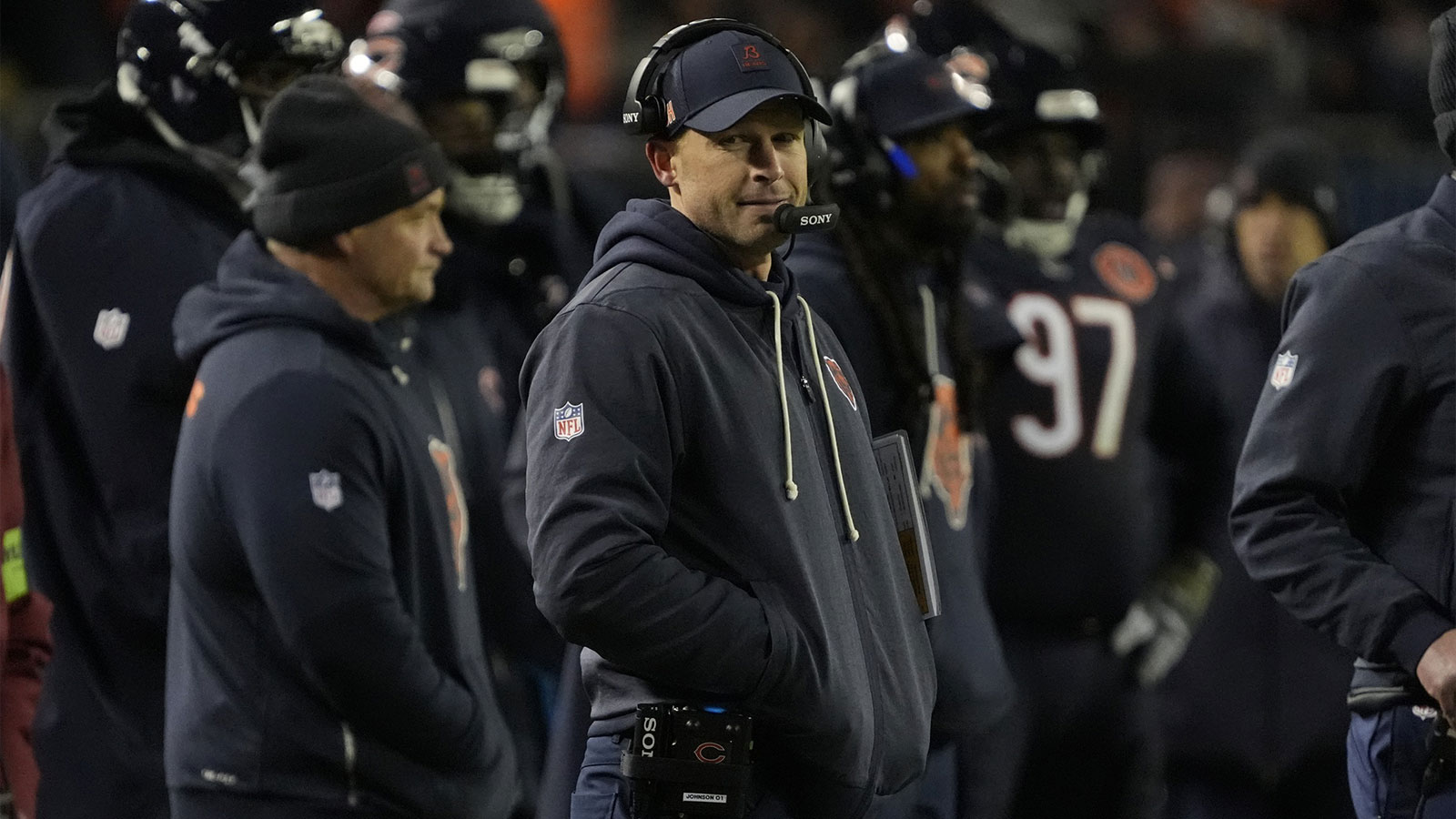

Every NFL rebuild dreams of the moment when promise converts into pressure and when hope is replaced by expectation. For the Chicago Bears, that shift has officially arrived. After years of wandering through roster recalibration, the franchise now finds itself staring directly at a Super Bowl window. Contention, though, especially in the modern NFC arms race, rewards aggression. General manager Ryan Poles and head coach Ben Johnson must now decide whether their 2025 breakthrough was the destination, or merely the launchpad. If Chicago chooses boldness, three blockbuster trades could reshape not only their roster, but the entire 2026 offseason landscape.
Return to relevance
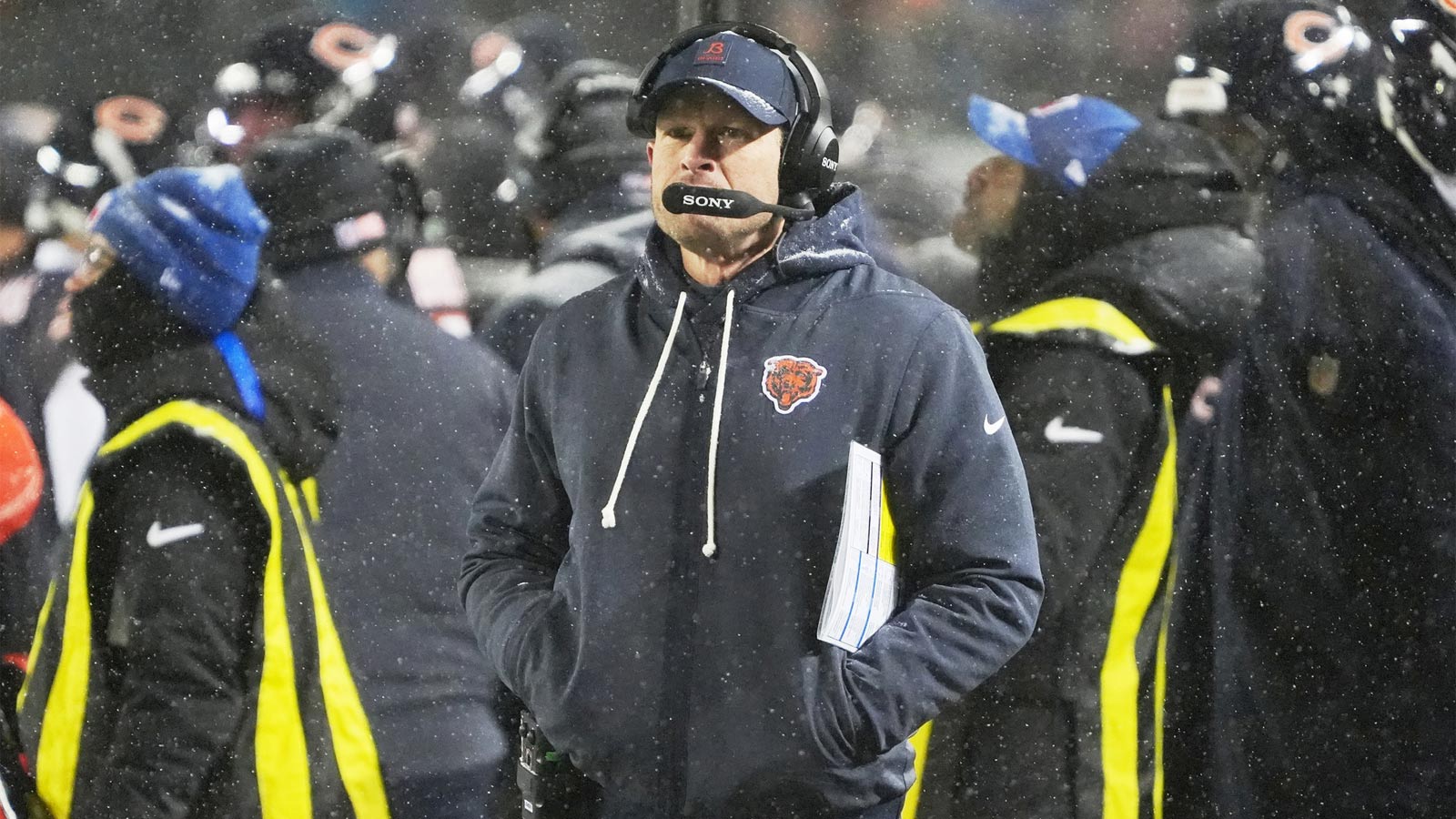
The 2025 Bears season will be remembered as one of the most emotionally charged turnarounds in franchise history. Under first-year head coach Ben Johnson, the “Cardiac Bears” transformed from rebuilding project to division champion. They finished 11-6 and captured their first NFC North title since 2018. The journey was anything but smooth. An early 0-2 stumble raised familiar doubts, but the locker room’s resilience quickly surfaced.
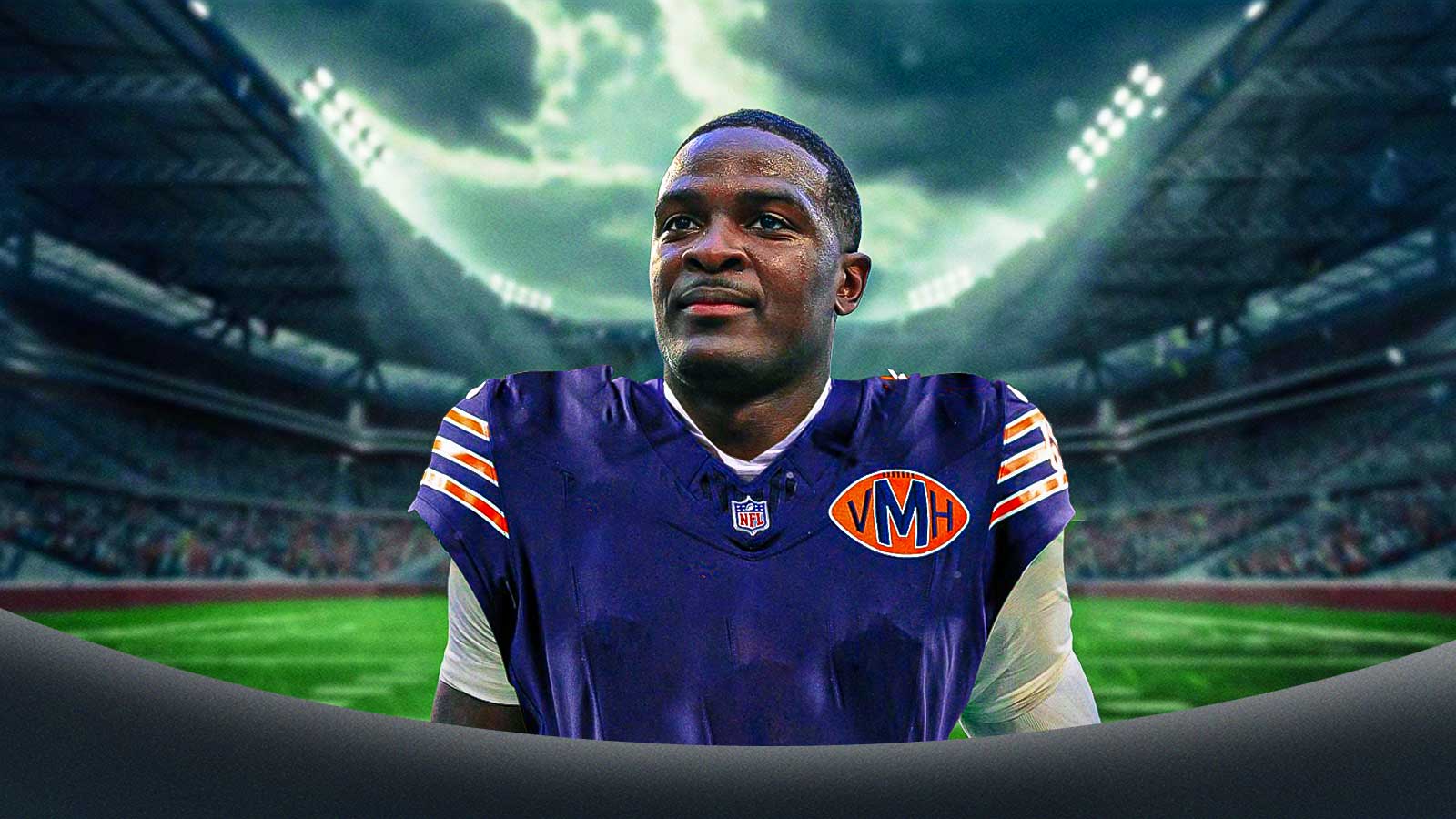
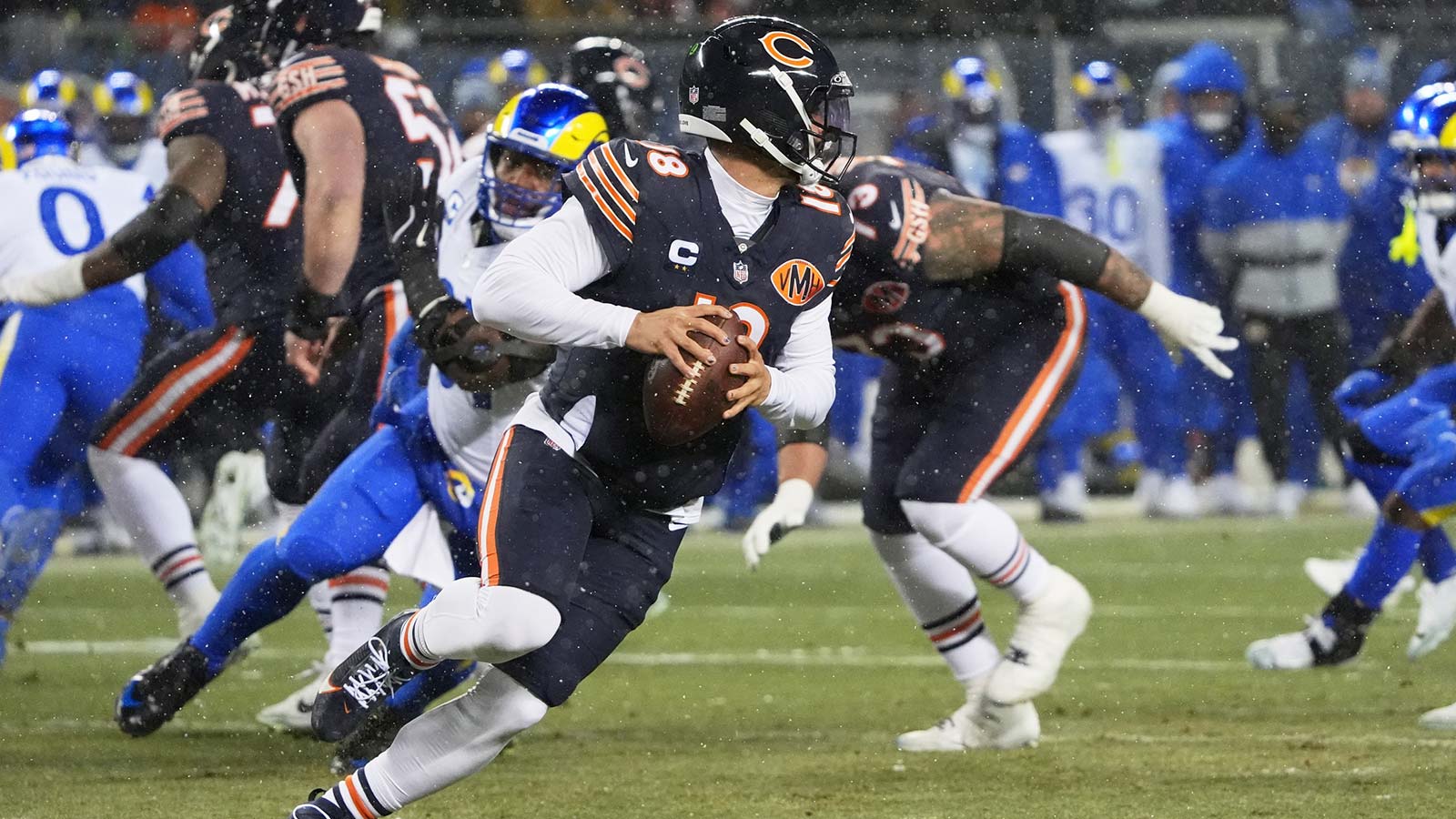
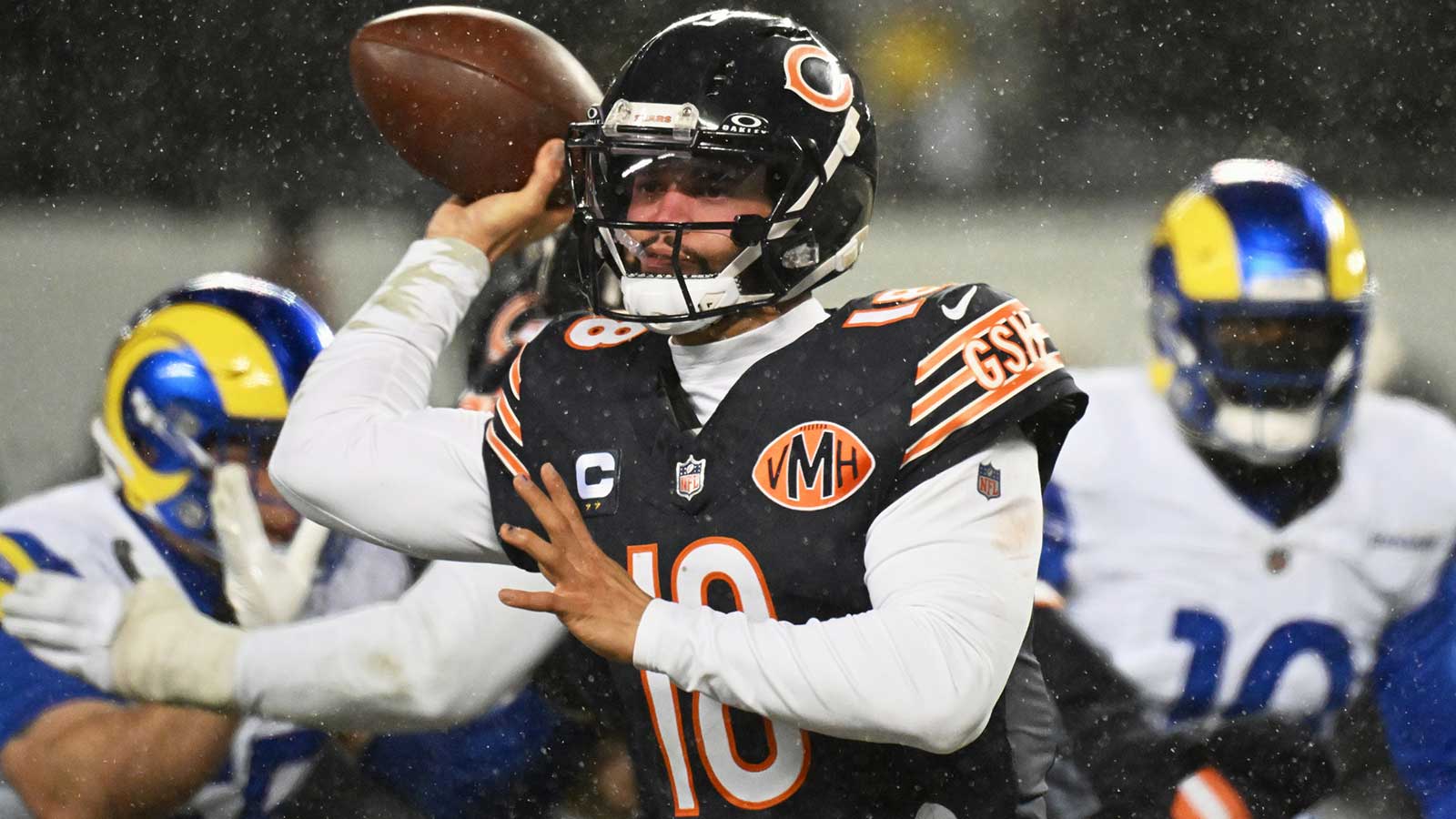
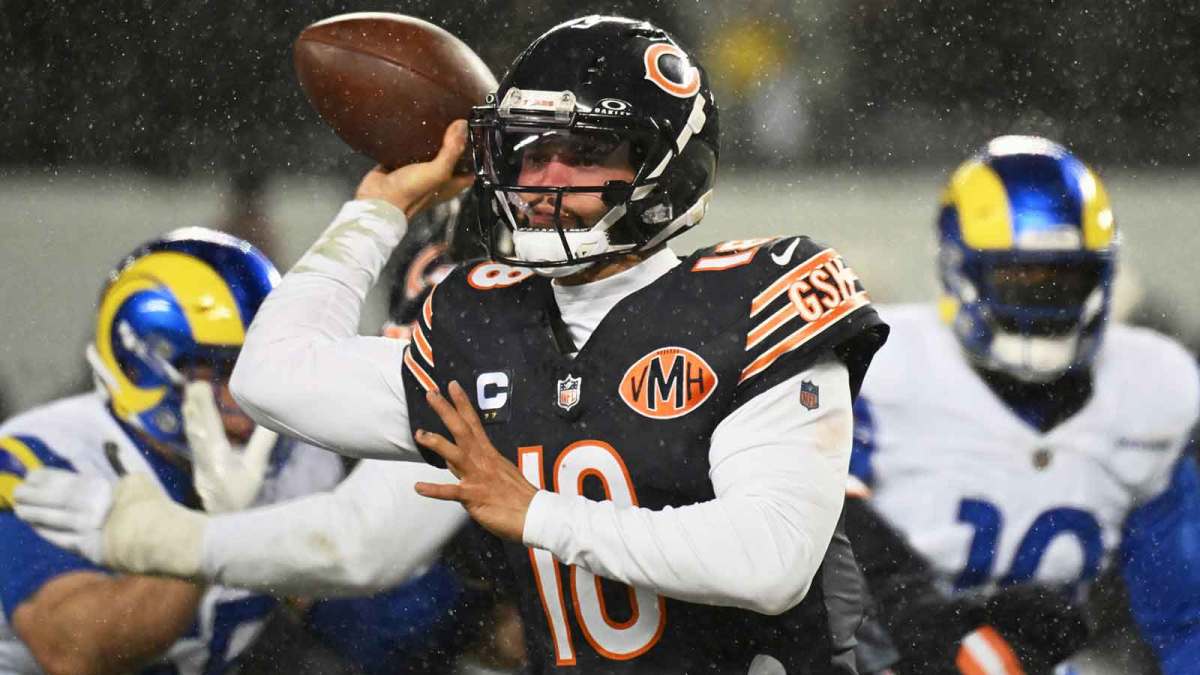
At the center of the revival was sophomore quarterback Caleb Williams. His poise under pressure became Chicago’s defining trait. Williams orchestrated an NFL-record seven comeback victories. Signature moments included delivering a 31-27 Wild Card triumph. That was the Bears’ first playoff win in 15 years. Though the dream season ended with a 20-17 overtime loss to the Rams in the Divisional Round, Chicago exited 2025 with validation. The Bears had arrived.
Cap pressure
Success, however, carries financial consequences. Entering the 2026 offseason, Chicago finds itself navigating unfamiliar cap strain. They sit approximately $5.3 million over the projected limit. The squeeze stems from the aggressive roster investments that fueled the 2025 surge. DJ Moore’s $28.5 million hit, Montez Sweat’s $25.1 million figure, and Jaylon Johnson’s $24.5 million number now anchor the balance sheet.
Poles retains flexibility. Moving on from veterans like Tremaine Edmunds could generate immediate relief. Meanwhile, restructures for Moore or Sweat could unlock upward of $60 million in maneuvering room. Yet restructures merely postpone financial gravity. With extensions looming for rising standouts such as Jaquan Brisker and Braxton Jones, Chicago must decide whether to continue pushing money forward, or reset the books through seismic roster trades.
Roster gaps
Despite the breakout season, Chicago’s roster still carries championship gaps. The pass rush remains the most glaring. The Bears finished bottom-10 in sacks with just 35. That exposed the secondary in high-leverage moments. Injuries compounded the issue, including Dayo Odeyingbo’s torn Achilles. At the same time, veteran interior presence Grady Jarrett delivered inconsistent pressure.
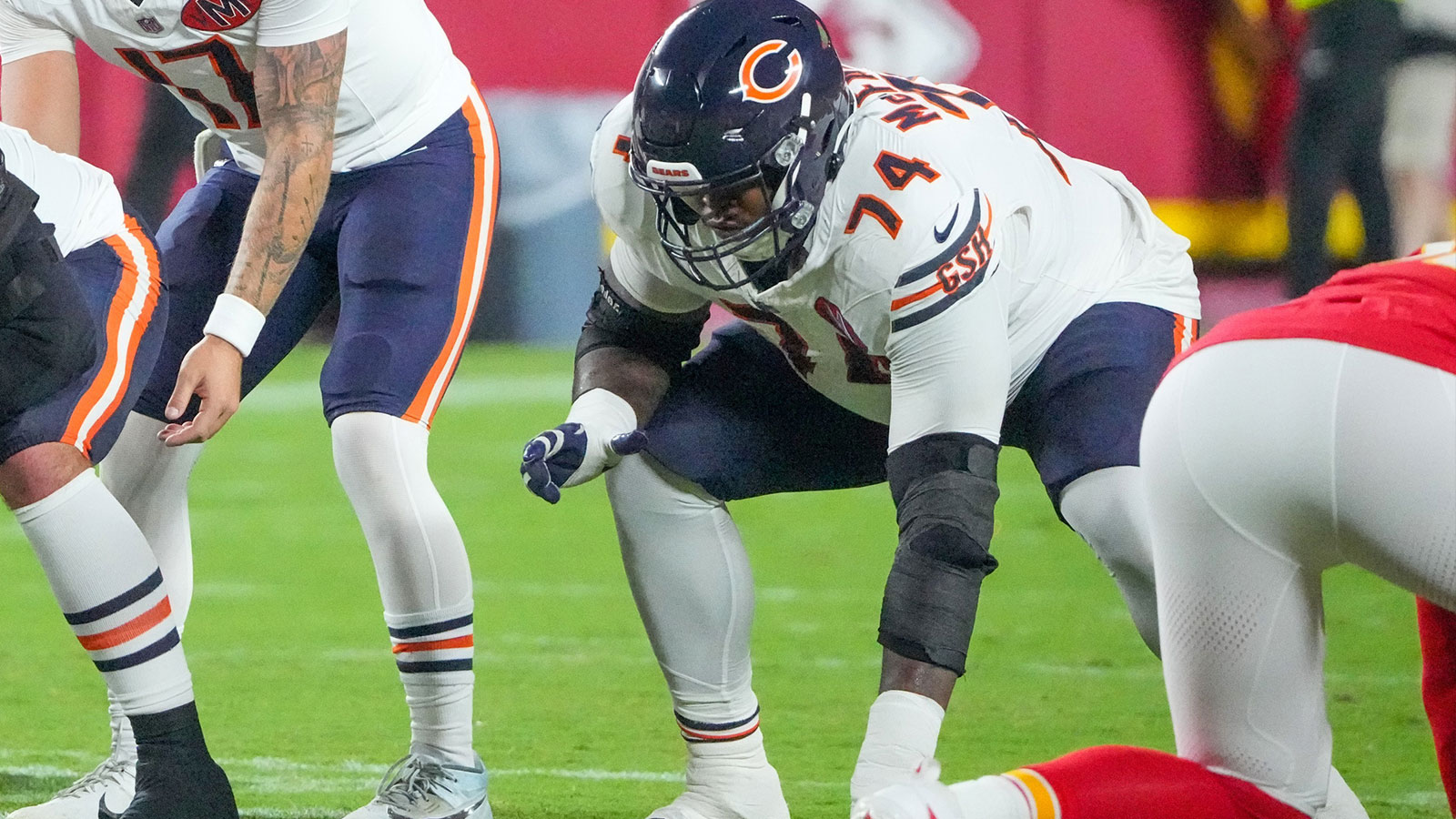
The secondary also faces instability. Brisker and Kevin Byard both hover near contractual crossroads. Offensively, the line requires succession planning. That's particularly true with Joe Thuney entering the twilight of his career and Ozzy Trapilo recovering from injury. In short, Chicago possesses contender infrastructure but not yet juggernaut insulation.
Here are some players the Bears could possibly trade or trade for.
Maxx Crosby
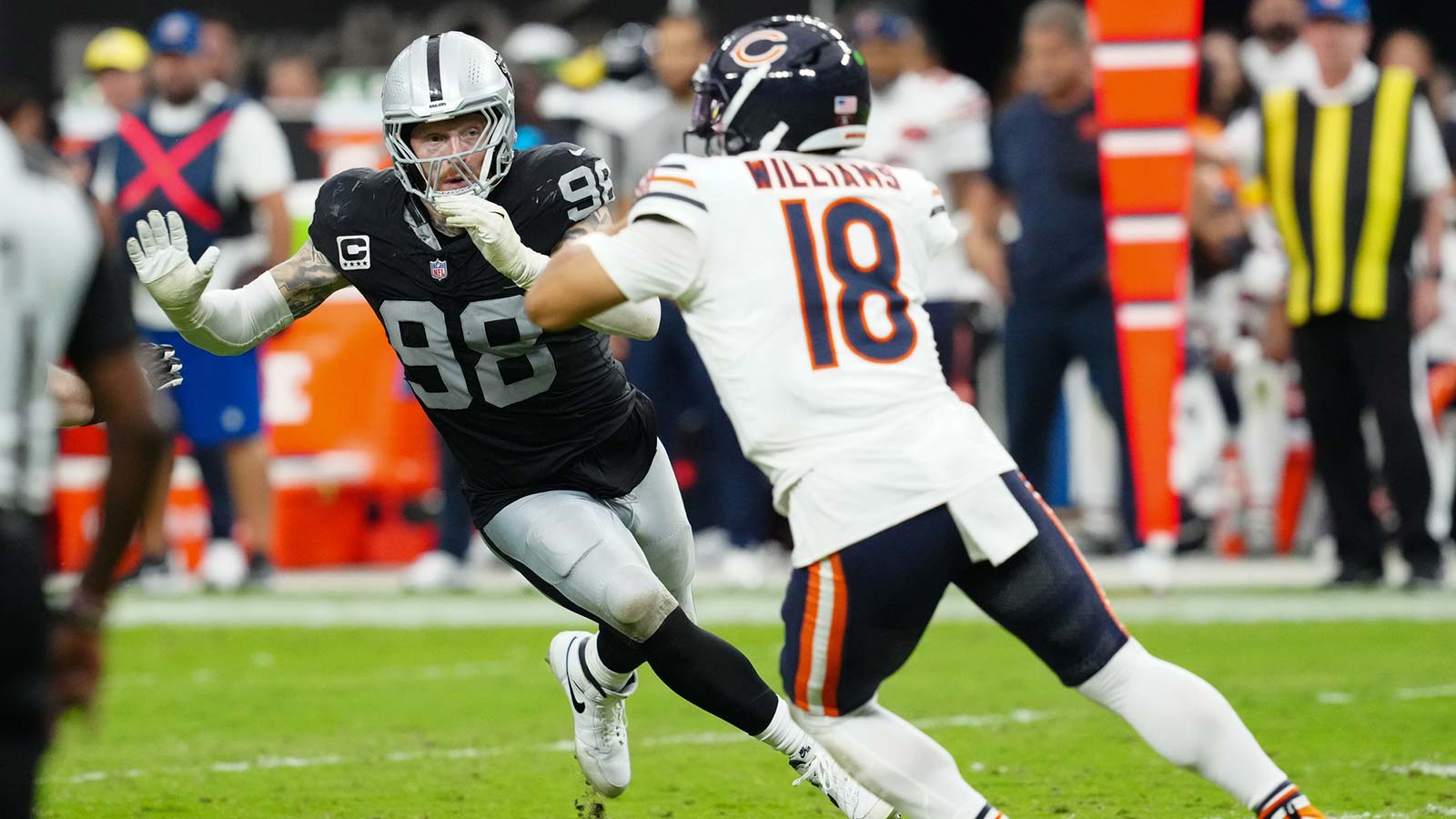
If the Bears pursue a single transformative acquisition, few targets would rival Raiders edge rusher Maxx Crosby. Chicago’s pass rush deficiency was the lone structural weakness of its defense. Pairing Crosby with Sweat would create one of football’s most terrifying edge tandems.
From a schematic standpoint, Crosby’s relentless motor and power-rush profile would perfectly complement Sweat’s burst-oriented attack angles. Offensive lines would be forced into protection compromises. That would free interior rush lanes and amplify takeaway opportunities for Chicago’s opportunistic secondary.
A trade package centered on Chicago’s 2026 first-round pick and a 2027 second-rounder could entice Las Vegas. Financially, the Bears would need creative restructuring. They could potentially smooth cap hits through adjustments tied to foundational players like Williams or Darnell Wright. The message, however, would be unmistakable: Chicago is chasing February football.
Jaylon Johnson
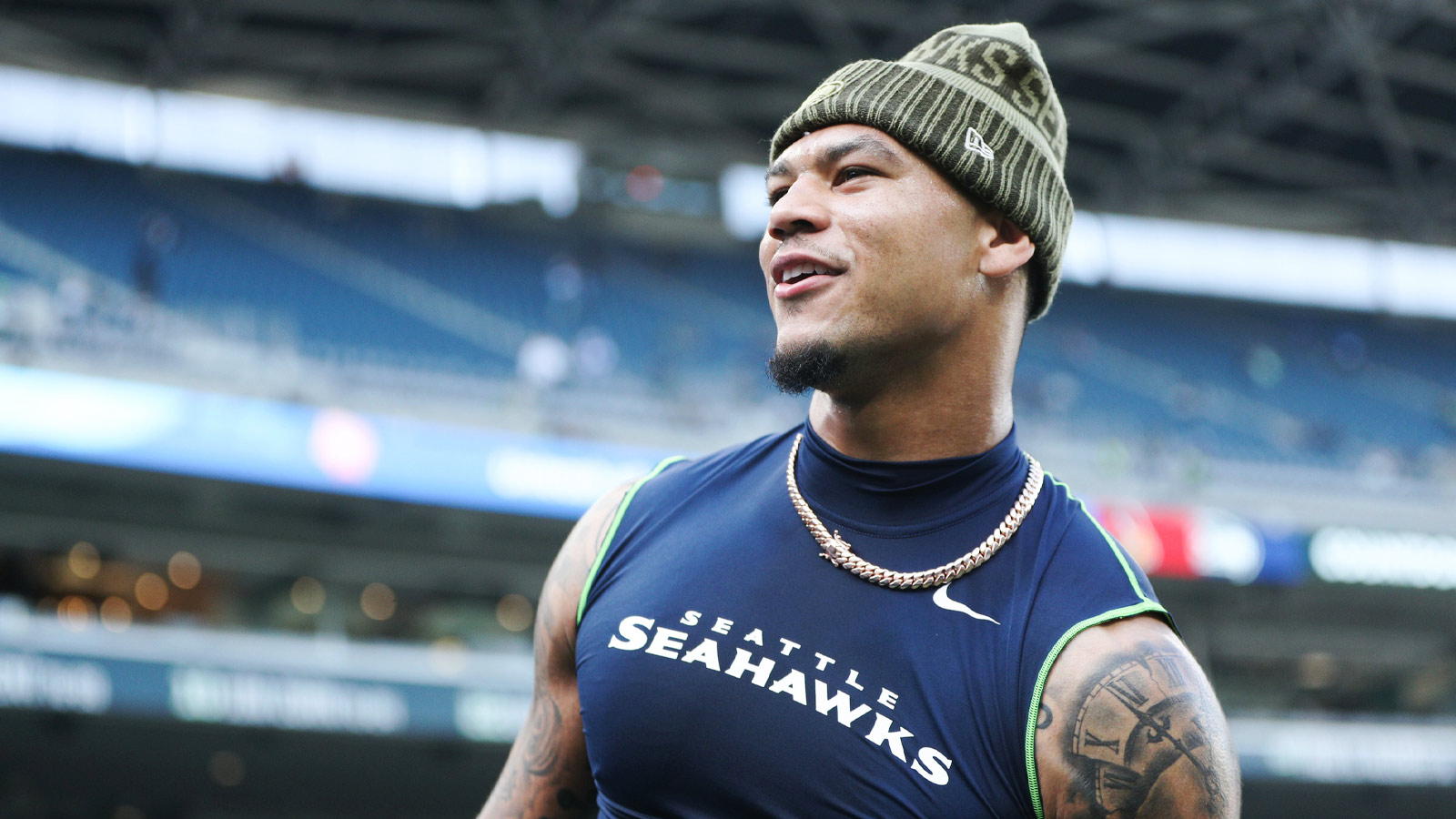
Yes, adding talent is one path to roster evolution. That said, subtracting elite assets can sometimes create broader flexibility. Jaylon Johnson represents that paradoxical trade chip. An All-Pro caliber corner entering his prime, Johnson’s value may never be higher, both in league perception and draft capital return.
Defensive coordinator Dennis Allen’s schematic preferences reportedly lean toward a different press-man profile. Chicago’s emerging corner depth could embolden a bold recalibration. Young defensive backs like Zah Frazier and Nahshon Wright have flashed developmental promise. That could potentially soften the blow of Johnson’s departure.
Moving Johnson to a contender like Baltimore or Cincinnati, could net Chicago a first-round pick plus additional assets. The cap relief would be immediate, and the draft ammunition could be redirected toward a blue-chip defensive tackle or edge rusher. The risk is obvious, though. Removing a lockdown corner from a playoff roster invites volatility. However, the potential reward is a younger, deeper defensive core.
DJ Moore
Perhaps the most emotionally jarring blockbuster scenario involves wide receiver DJ Moore. Since arriving in Chicago, Moore has functioned as both offensive catalyst and locker-room tone setter. Yet roster evolution often forces uncomfortable calculations.
Now, Rome Odunze, Luther Burden III, and Colston Loveland form a rising offensive nucleus. As such, the Bears may soon face a surplus at pass-catching positions. Moore’s veteran presence remains invaluable. The same can be said of the $16.5 million in cap space that a trade could unlock.
Dealing Moore to a receiver-needy franchise such as the Giants or Saints could return a proven interior defensive lineman plus mid-round draft compensation. That reinvestment would directly address the defensive trench weakness exposed during the 2025 postseason. Emotionally difficult as it would be, the trade would signal Chicago’s willingness to sacrifice star power for roster balance. That's a hallmark of championship team-building.
Chicago’s next step
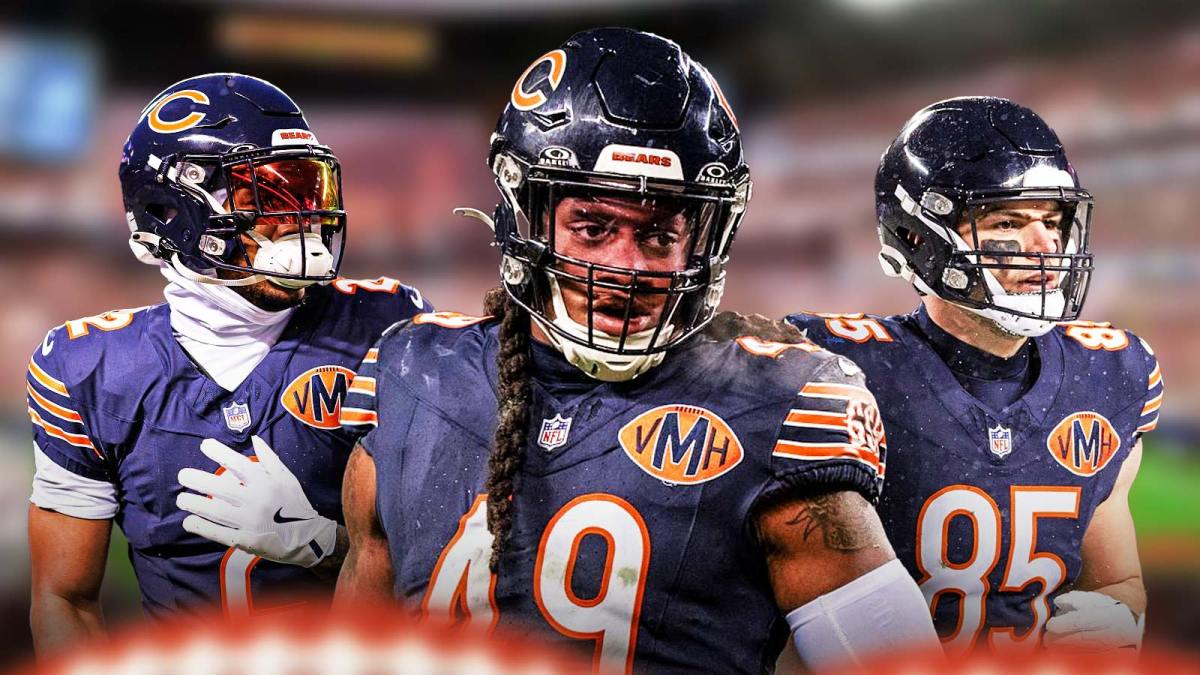
The Bears have already completed the hardest phase of franchise construction. That's finding their quarterback and validating their coaching vision. What remains is the delicate transition from contender to powerhouse.
Whether through acquiring a generational pass rusher, flipping an All-Pro corner for draft capital, or sacrificing an offensive star to fortify the trenches, Chicago holds multiple pathways to roster transformation. Each carries risk and reward. Each would send shockwaves across the NFL landscape.