The NFL Combine has a way of stripping away illusions. For the Cleveland Browns, the 2026 NFL Combine did not so much reveal new problems as confirm old ones. The roster needs reinforcement at premium positions, particularly in the trenches and under center. Using the PFF mock draft simulator post-Combine, this seven-round projection outlines a bold and perhaps unconventional path forward for a franchise attempting to stabilize under Todd Monken. Of course, they also need to balance long-term upside with immediate structural repair.
Draft priorities
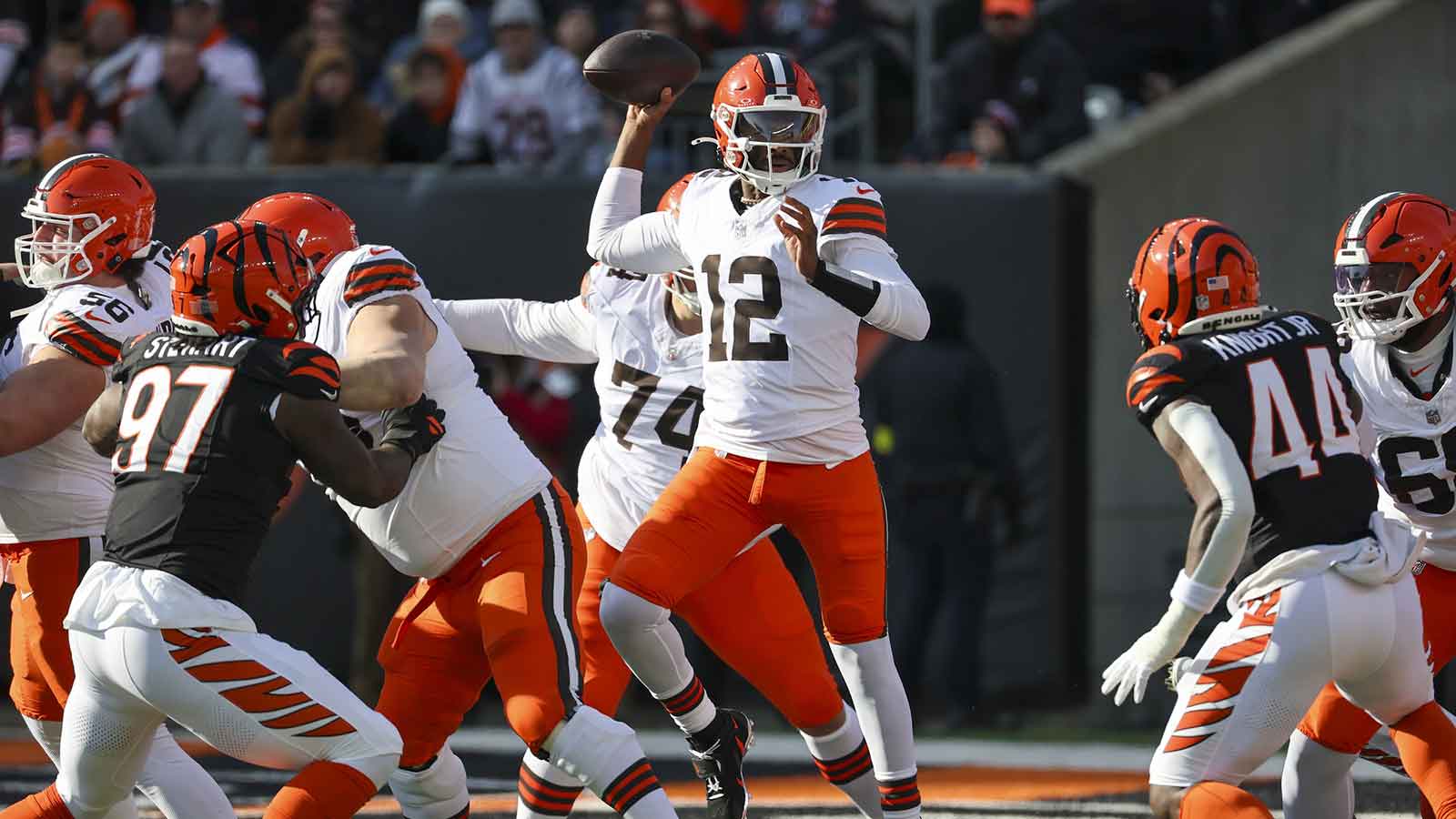
Coming out of the 2026 NFL Combine, the Browns face a critical roster reconstruction following a disappointing 5-12 season. The most glaring urgency lies in the trenches. Almost the entire starting offensive line, including stalwarts like Joel Bitonio and Wyatt Teller, is hitting free agency. That leaves massive voids at both guard and tackle that must be filled to stabilize a league-worst pass-blocking unit. Despite the staggering $80.7 million cap hit for Deshaun Watson and the presence of 2025 draftees Shedeur Sanders and Dillon Gabriel, the quarterback position remains a major question mark. Furthermore, the offense lacks a true go-to wide receiver to complement Jerry Jeudy. That makes it imperative for GM Andrew Berry to consider using his two first-round picks (No. 6 and No. 24) to secure a blue-chip protector and a dynamic playmaker.
Round 1, pick 6: LB Arvell Reese, Ohio State
The biggest surprise of this mock comes early. Reese is listed as a linebacker, but Cleveland’s interest would likely center on his positional flexibility. At 240 pounds, Reese combines play strength and explosive traits rarely seen in off-ball defenders. His bull-rush ability and block-shedding skills hint at a potential edge conversion. That fits Monken’s desire for hybrid defenders. Sure, Reese is not a conventional top-six selection at linebacker. However, his upside as a multi-front chess piece makes him a calculated gamble in a draft light on elite pass-rush certainty.
Round 1, pick 24: OL Kadyn Proctor, Alabama
This is the trench investment Browns fans were expecting. Proctor’s size is imposing even by NFL standards. His power profile aligns with a man- or gap-heavy scheme. Yes, questions about arm length and lateral recovery may invite conversation about a move inside. Still, Cleveland would welcome that flexibility given its guard vacancies. Proctor’s strength and anchor provide immediate protection insurance for whoever lines up at quarterback in 2026.
Round 2, pick 39: DL Christen Miller, Georgia
Miller fits Cleveland’s long-standing appreciation for interior versatility. At 6-foot-4 and 310 pounds, he offers alignment flexibility as either a nose tackle or 3-technique. His initial twitch and football IQ elevate his projection beyond his career snap counts. Sure, his anchor can feel light against double teams. Despite that, his processing speed and leverage make him a valuable rotational piece with upside.
Round 3, pick 70: QB Garrett Nussmeier, LSU
Cleveland goes quarterback here with Nussmeier. He is a confident passer with lineage and poise. His understanding of defensive windows and willingness to challenge tight coverage fit Monken’s aggressive tendencies. The gunslinger mentality comes with volatility, and his frame raises durability questions. Still, for a franchise unsettled at the position, competition is a feature, not a flaw.
Round 4, pick 107: EDGE Tyreak Sapp, Florida
Sapp reinforces the defensive front with physicality and discipline. His run defense is polished, and he shows pride in taking on blocks and setting the edge. As a pass rusher, he remains a work in progress, though. Cleveland’s coaching staff would need to expand his toolbox, but the foundation is sturdy.
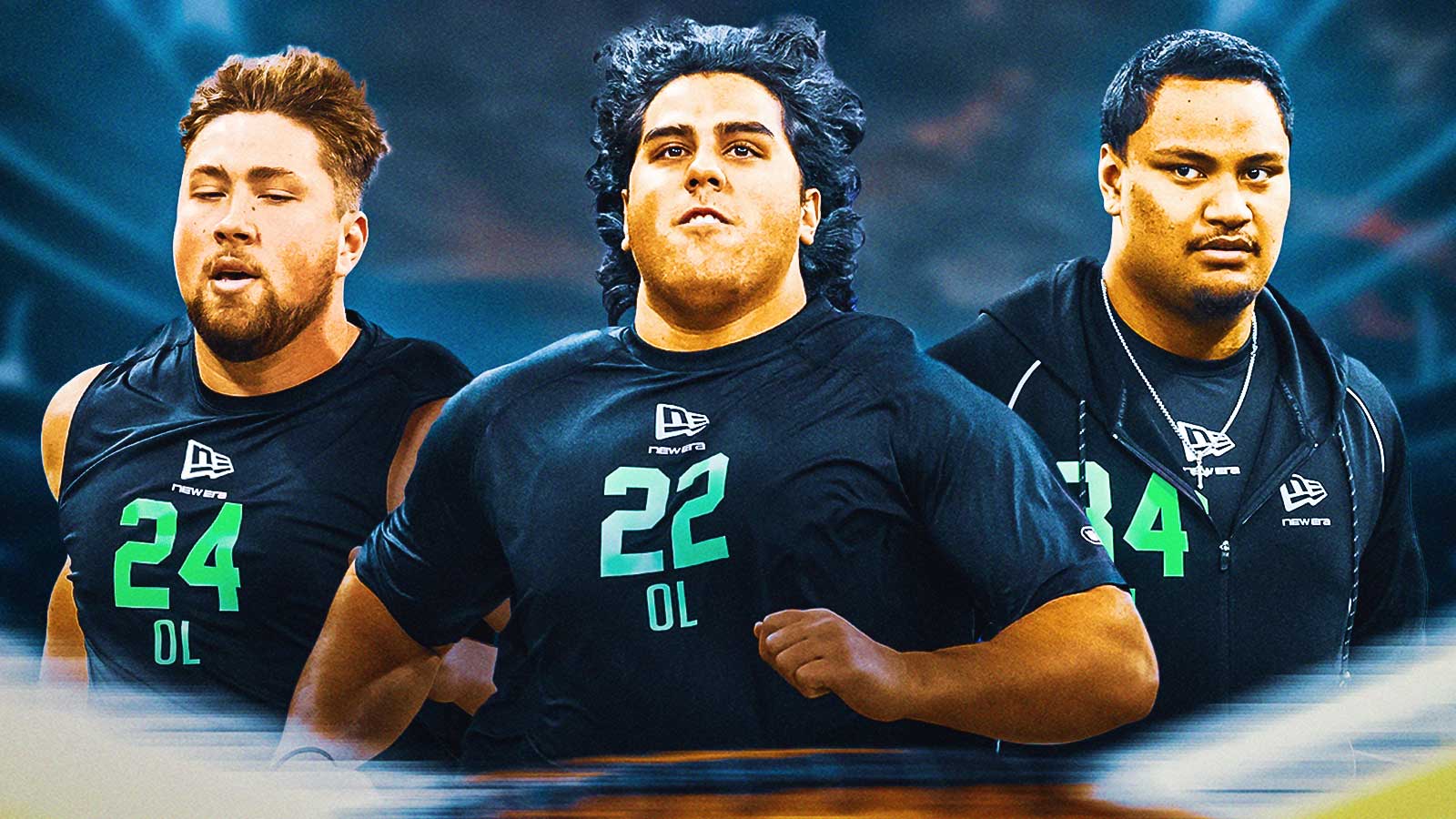
Round 5, pick 139: OL Beau Stephens, Iowa
Stephens projects as a scrappy interior lineman suited for zone concepts. His quickness and competitive toughness stand out. However, he must improve anchor strength against power. For the Browns, Stephens offers developmental depth with mid-level starter potential.
Round 5, pick 144: OL Jude Bowry, Boston College
Bowry’s athleticism makes him a natural candidate for zone schemes. Though arm length concerns cloud his tackle projection, a move inside could maximize his foot quickness and balance. In a draft centered on line reconstruction, Bowry represents another piece in Cleveland’s trench overhaul.
Round 5, pick 147: WR Eric McAlister, TCU
McAlister injects vertical speed into an offense that needs explosive stress on defenses. His ability to accelerate past coverage opens windows. His route nuance and contested-catch consistency require refinement, though. If he cleans up his ball skills, McAlister could outplay his draft slot.
Round 6, pick 204: DL Zxavian Harris, Mississippi
Harris is a projection rooted in sheer size and length. Finding a stable playing weight will be critical to unlocking his role. Yes, inconsistent pad level limits immediate impact. That said, his physical tools warrant late-round investment as a rotational interior option.
Round 7, pick 248: OL Joshua Braun, Kentucky
Braun’s massive frame and tackle-like arm length create intriguing pass-protection reliability at guard. He may lack explosive run-blocking pop. However, his consistency in protection fits Cleveland’s urgent need for stability inside.
Risk meets necessity

This post-Combine mock draft reflects a franchise willing to embrace calculated risk. Reese at No. 6 signals creative thinking. Proctor and the wave of mid-round linemen address structural urgency. Nussmeier adds competition at quarterback. The Browns are not merely patching holes but reshaping identity. Whether that gamble pays off depends on development, patience, and clarity under Monken’s leadership.