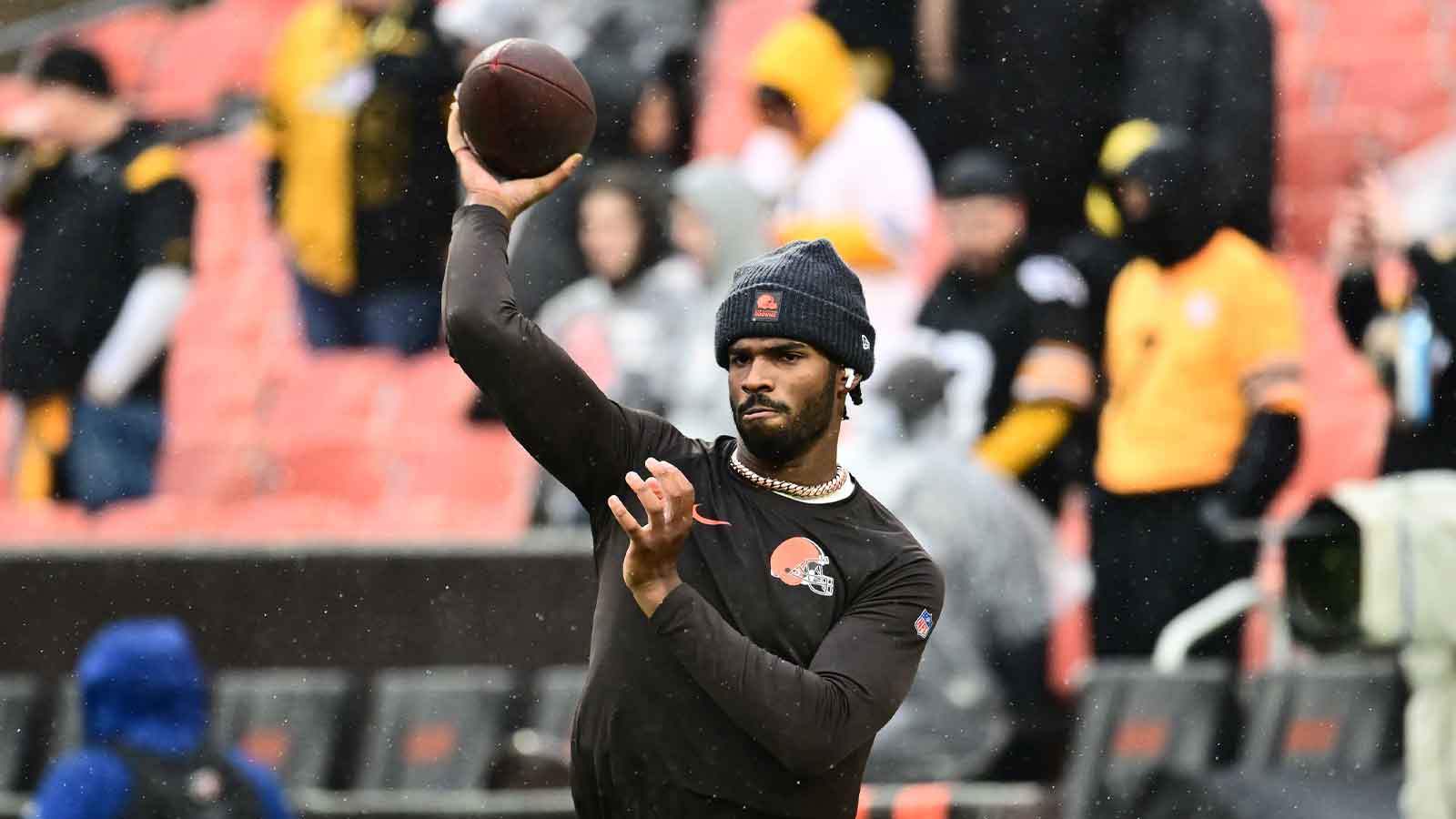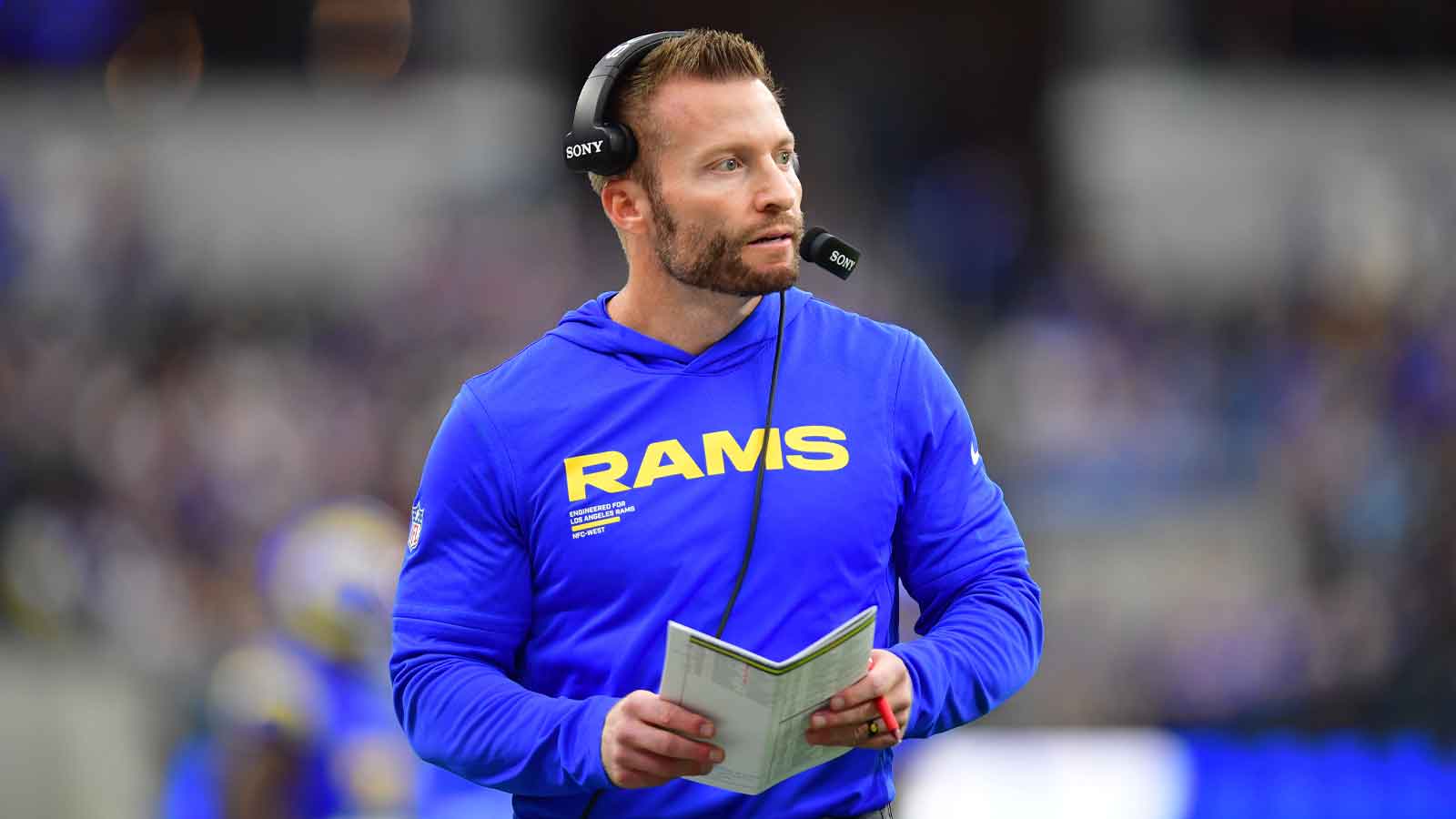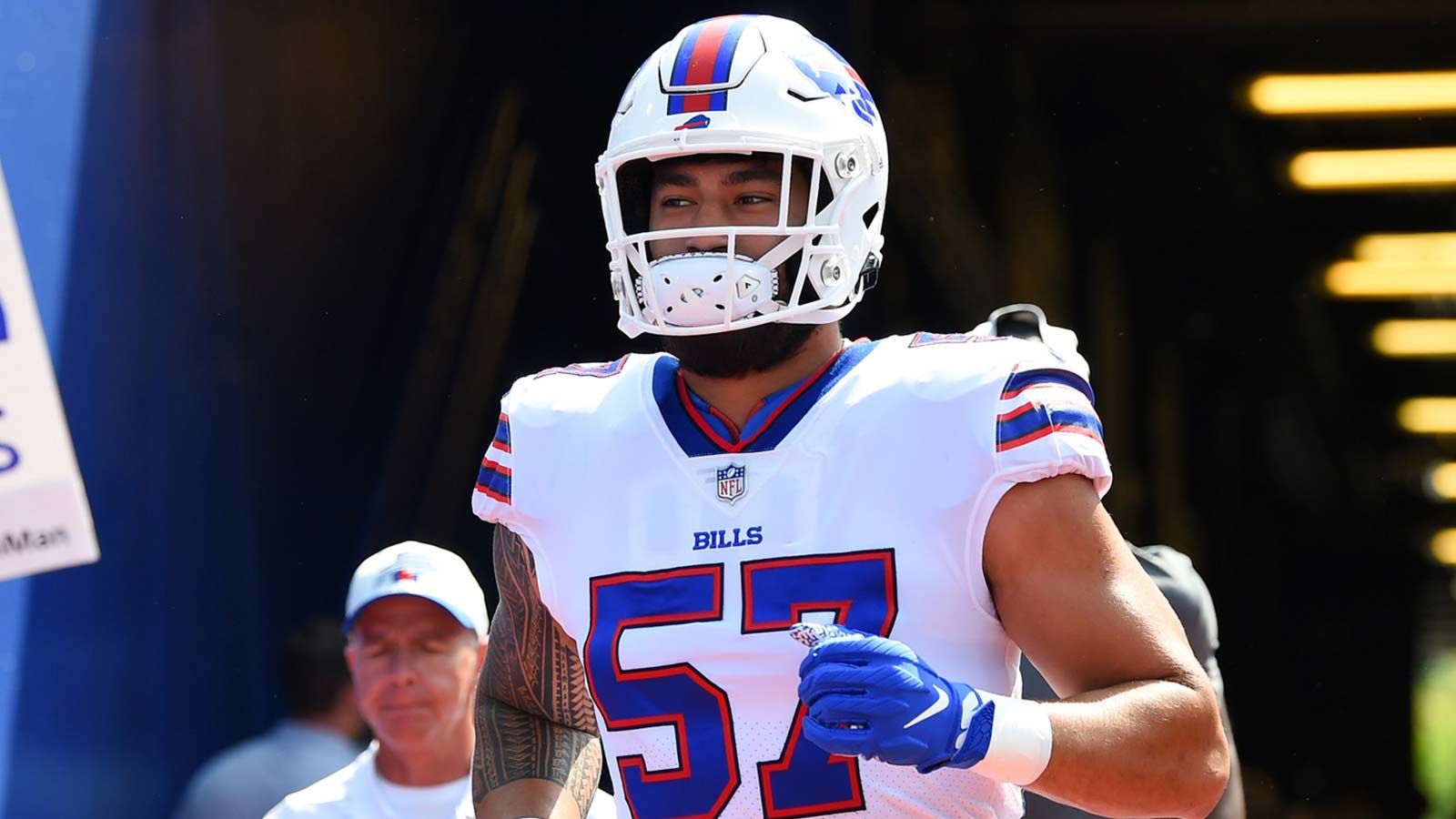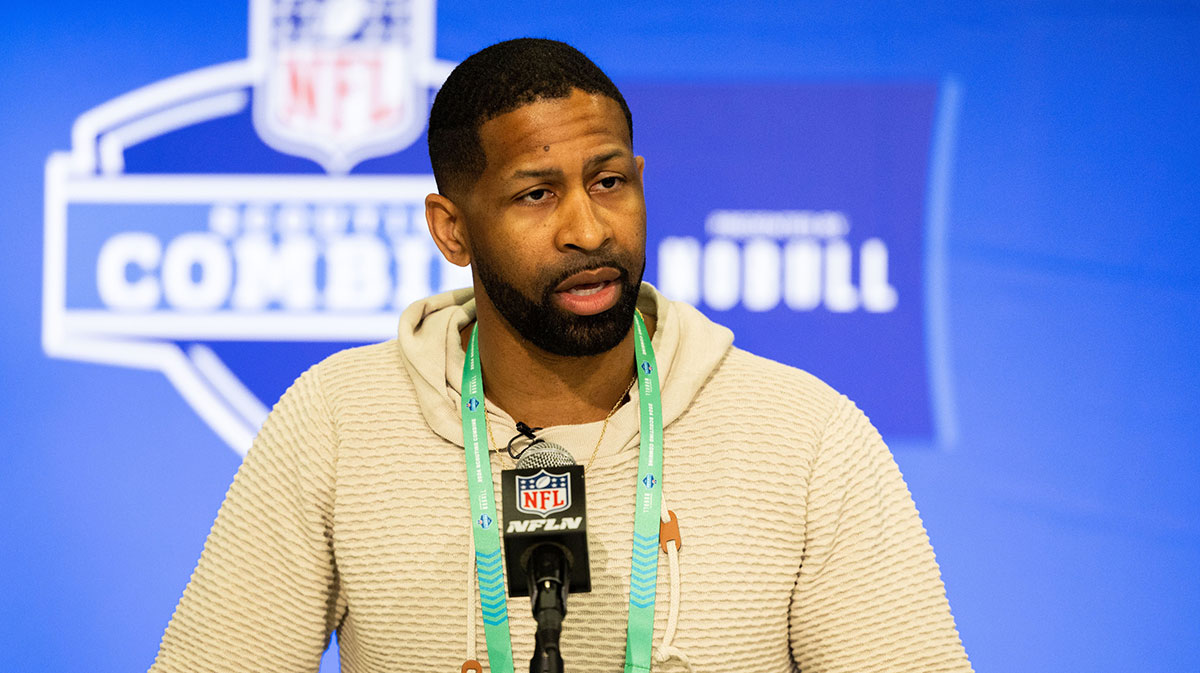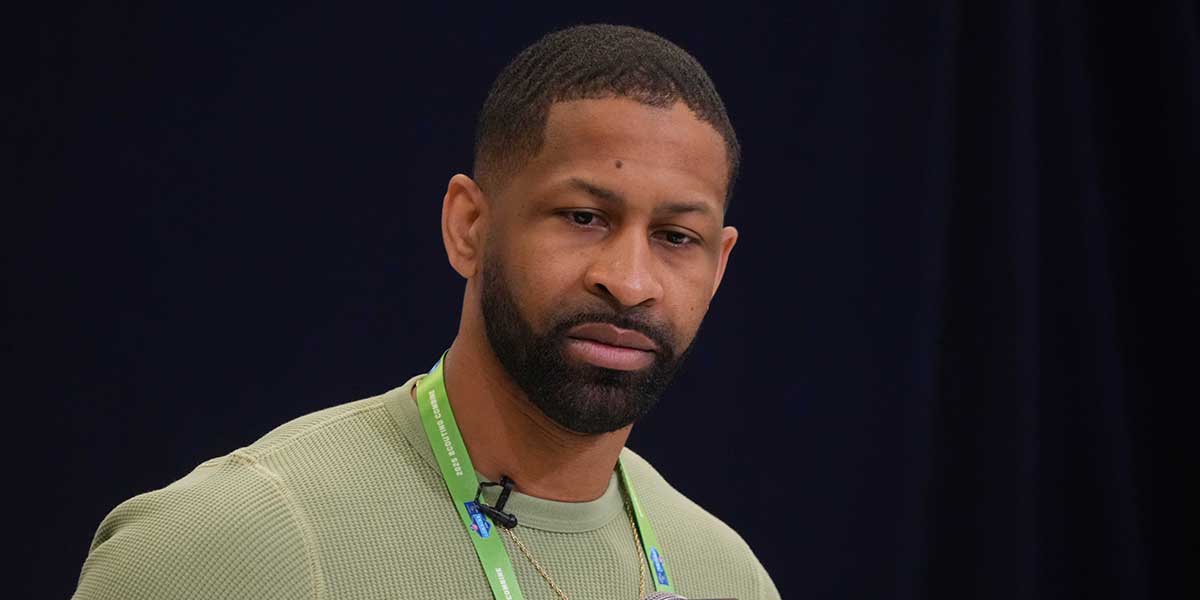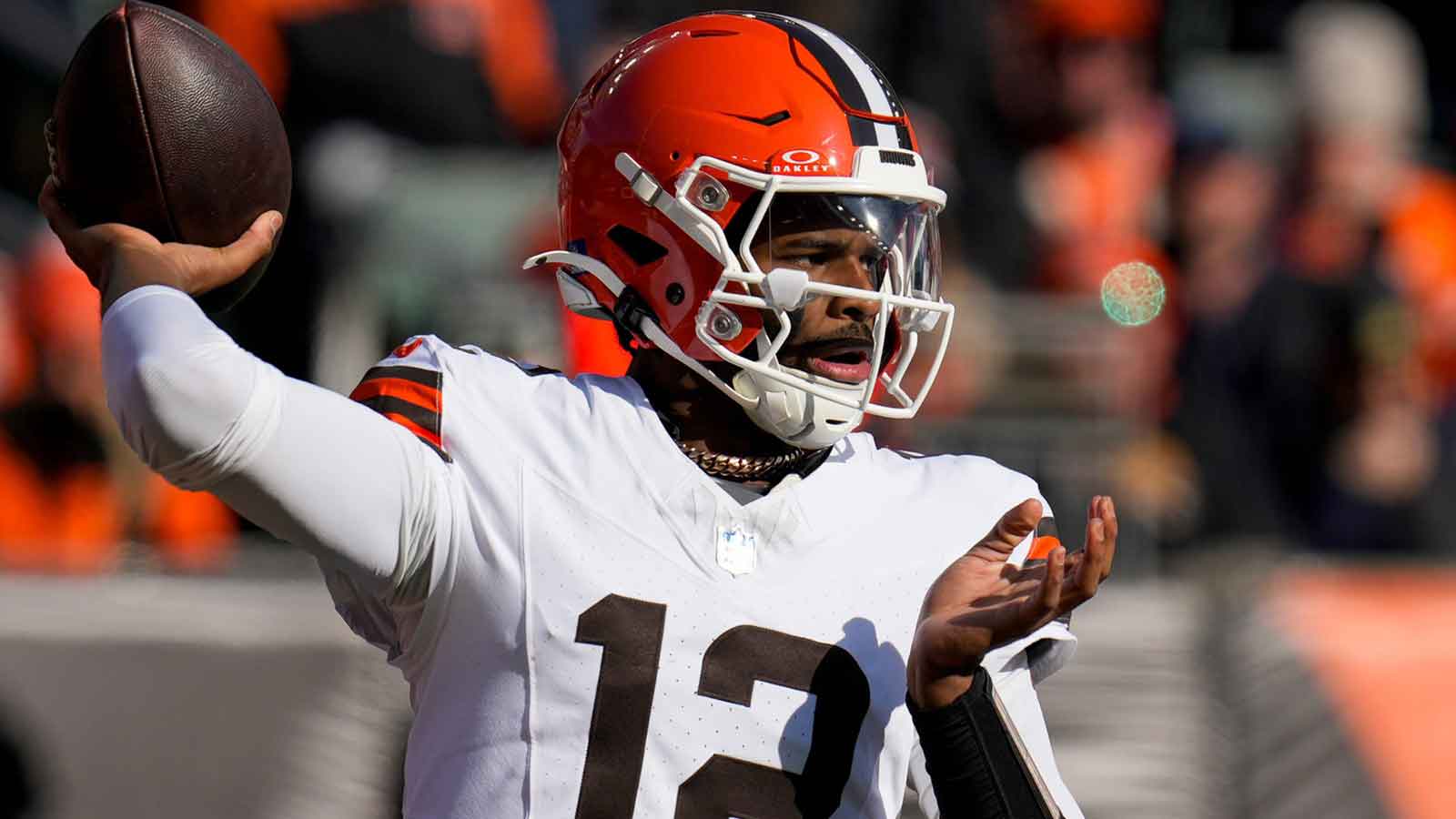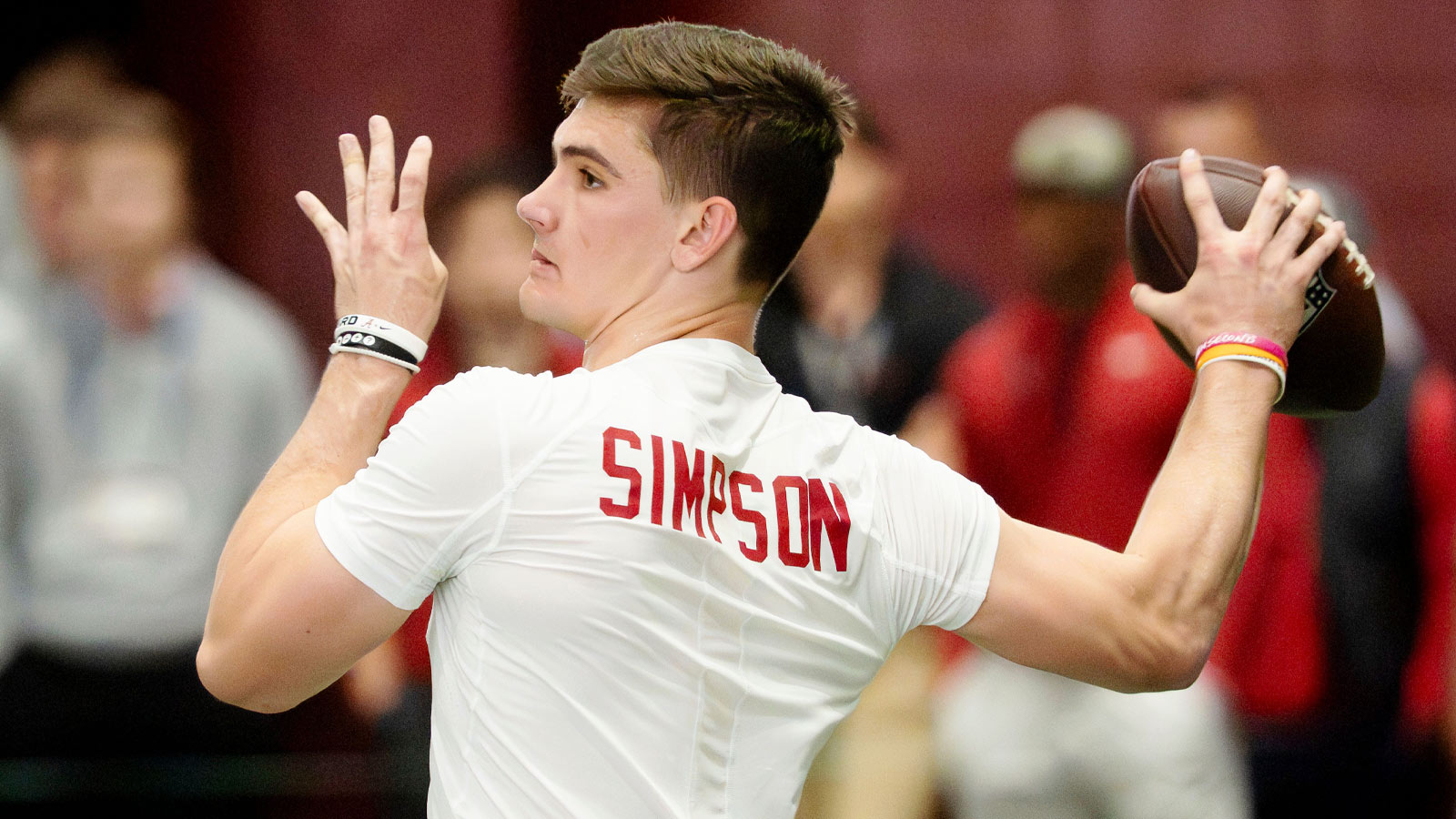
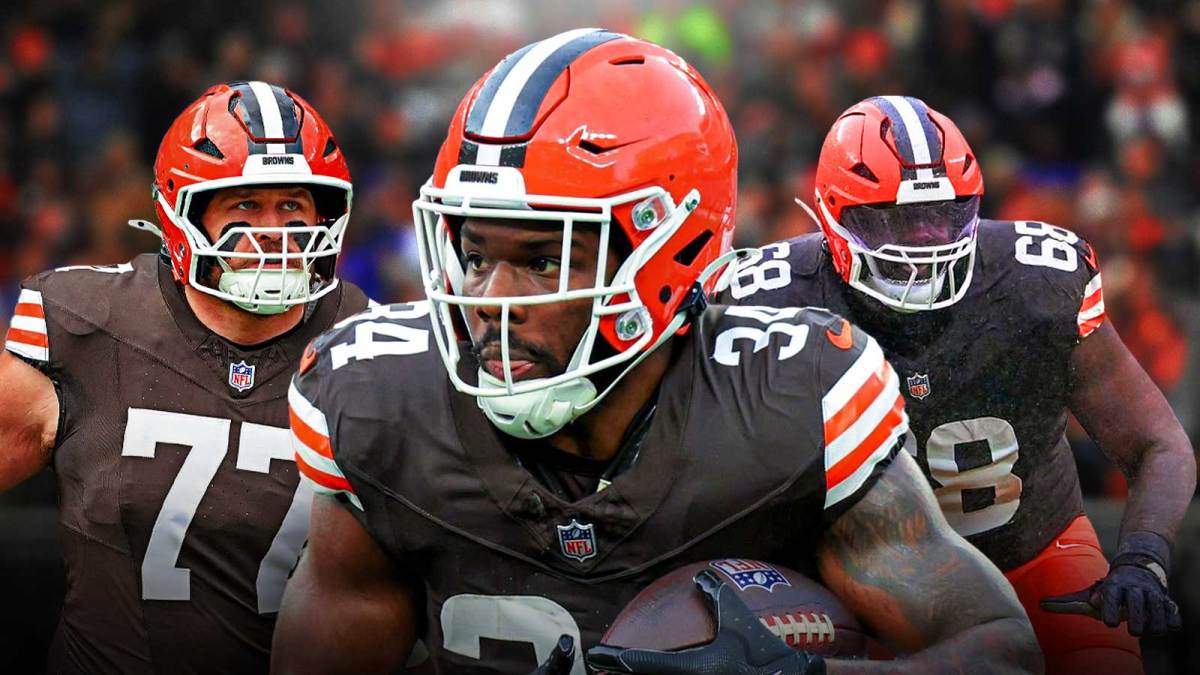
Every rebuild has its emotional checkpoints. For the Cleveland Browns, the 2026 offseason represents a moment where sentiment must yield to sustainability. Years of quarterback instability and uneven roster construction have left the front office facing a sobering reality. Not every veteran contributor can or should be retained. Andrew Berry’s challenge is reallocating resources toward a roster timeline that aligns with youth and long-term upside. That means allowing certain familiar names to walk in free agency, even if their departures sting in the short term.
Quarterback chaos
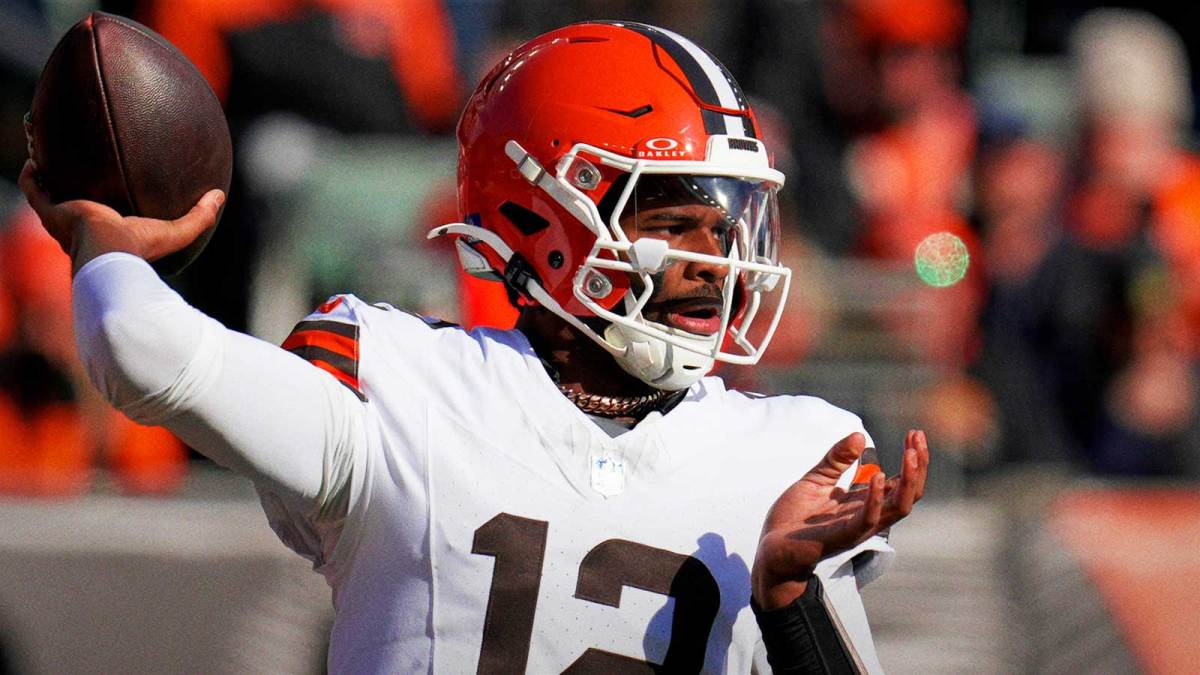
The Browns’ 2025 campaign signaled the end of an era. They finished with a 5-12 record and a fourth-place spot in the AFC North. The season was defined by a revolving door at quarterback. Veteran Joe Flacco initially held the reins, but injuries and a mid-season roster reset forced Shedeur Sanders and Dillon Gabriel into early action. Despite the offensive struggles, the defense remained elite behind a historic, record-breaking 23-sack season from Myles Garrett. However, a second consecutive losing season led to the departure of long-time head coach Kevin Stefanski. That cleared the way for the Todd Monken era to begin in 2026.
Free agency priorities
Heading into the 2026 free agency period, the Browns face a foundational crisis along the offensive line. Virtually the entire starting unit, including Joel Bitonio, Wyatt Teller, Jack Conklin, and Cam Robinson, is slated to hit the open market. With that, GM Andrew Berry must balance a desperate need for trench reinforcements with the reality of limited financial flexibility. Beyond the line, the offense requires a dynamic X-receiver to complement Jerry Jeudy. At the same time, the defense seeks to bolster its interior depth and safety rotation to maintain the elite standards set during Garrett’s record-breaking Defensive Player of the Year campaign.
Against that backdrop, Cleveland must make pragmatic decisions about which veterans no longer align with its timeline.
OL Cam Robinson
When the Browns acquired Robinson, the move was framed as emergency stabilization rather than foundational planning. Injuries had ravaged the offensive line. Cleveland needed a serviceable blindside protector just to survive the schedule. Robinson filled snaps, but he didn’t necessarily solve problems.
Statistically, his season underscored the dilemma. He finished among the league’s most penalized tackles while surrendering eight sacks and 40 total pressures. Those numbers become harder to justify when paired with the premium contract demands of veteran left tackles. For Cleveland, allocating top-tier money to a stopgap player represents inefficient resource deployment.
Cleveland’s alternative pathways are more aligned with long-term planning. Dawand Jones has flashed developmental upside. The franchise is positioned to draft a cornerstone tackle early. Investing in a rookie-scale contract also frees cap space to address multiple roster holes. Robinson’s departure, therefore, is an acknowledgment that his tenure solved yesterday’s emergency, not tomorrow’s blueprint.
OL Wyatt Teller
Letting Teller walk would represent the most emotionally complex decision of the offseason. For years, Teller embodied Cleveland’s offensive identity. He was physical, punishing, and relentless in the run game. However, roster building rarely accommodates nostalgia.
Entering his age-31 season, Teller’s 2025 performance revealed subtle but meaningful volatility. There were still stretches of elite guard play. In a vacuum, that fluctuation might be manageable. Within Cleveland’s cap structure, though, it becomes prohibitive.
Deshaun Watson’s historic cap hit already constrains roster maneuverability. Committing premium money to an aging interior lineman limits flexibility even more. The Browns must transition from paying for past production to paying for future projection.
Internal succession planning further eases the transition. Zak Zinter represents a younger, cost-controlled interior option. Meanwhile, other mid-tier veterans could be retained at more manageable figures. Moving on from Teller is about financial geometry in a roster that must get younger across the trenches.
RB Jerome Ford
Running back decisions often feel ruthless. With that, Jerome Ford’s situation exemplifies the business side of roster construction. Ford has been productive in rotational usage and capable in pass protection. However, dependability rarely commands second contracts in today’s positional economy.
His 2025 efficiency dip only accelerates the calculus. His yards-per-carry and explosive run rates trended downward. Consequently, Cleveland must evaluate whether paying market value for mid-tier production aligns with its rebuild arc. The answer, pragmatically, is no.
The Browns’ depth chart already hints at the transition. Quinshon Judkins and Dylan Sampson provide younger, more explosive profiles on cost-controlled deals. Their developmental upside combined makes Ford expendable from a roster-building perspective.
Rather than allocating multi-year money at the position, Cleveland can supplement its backfield with veteran-minimum signings while allowing youth to absorb the primary workload. Ford’s exit reflects a forward-looking resource strategy.
Strategic restraint

Letting Cam Robinson, Wyatt Teller, and Jerome Ford walk would not signal organizational retreat. Instead, this would signal discipline. Each decision reflects a broader philosophical pivot. Cleveland must prioritize cap elasticity, invest in youth, and align spending with competitive windows rather than legacy contributions.
The Browns' path back to contention won’t be built through emotional retention. It will be constructed through calculated turnover. They must identify where age, cost, and production curves diverge from long-term goals.
In many ways, this offseason represents the Browns’ true reboot. There won't be any headline-grabbing quarterback pivots or coaching changes. However, it's about the quieter, more difficult decisions to part ways with respected veterans in service of structural sustainability.