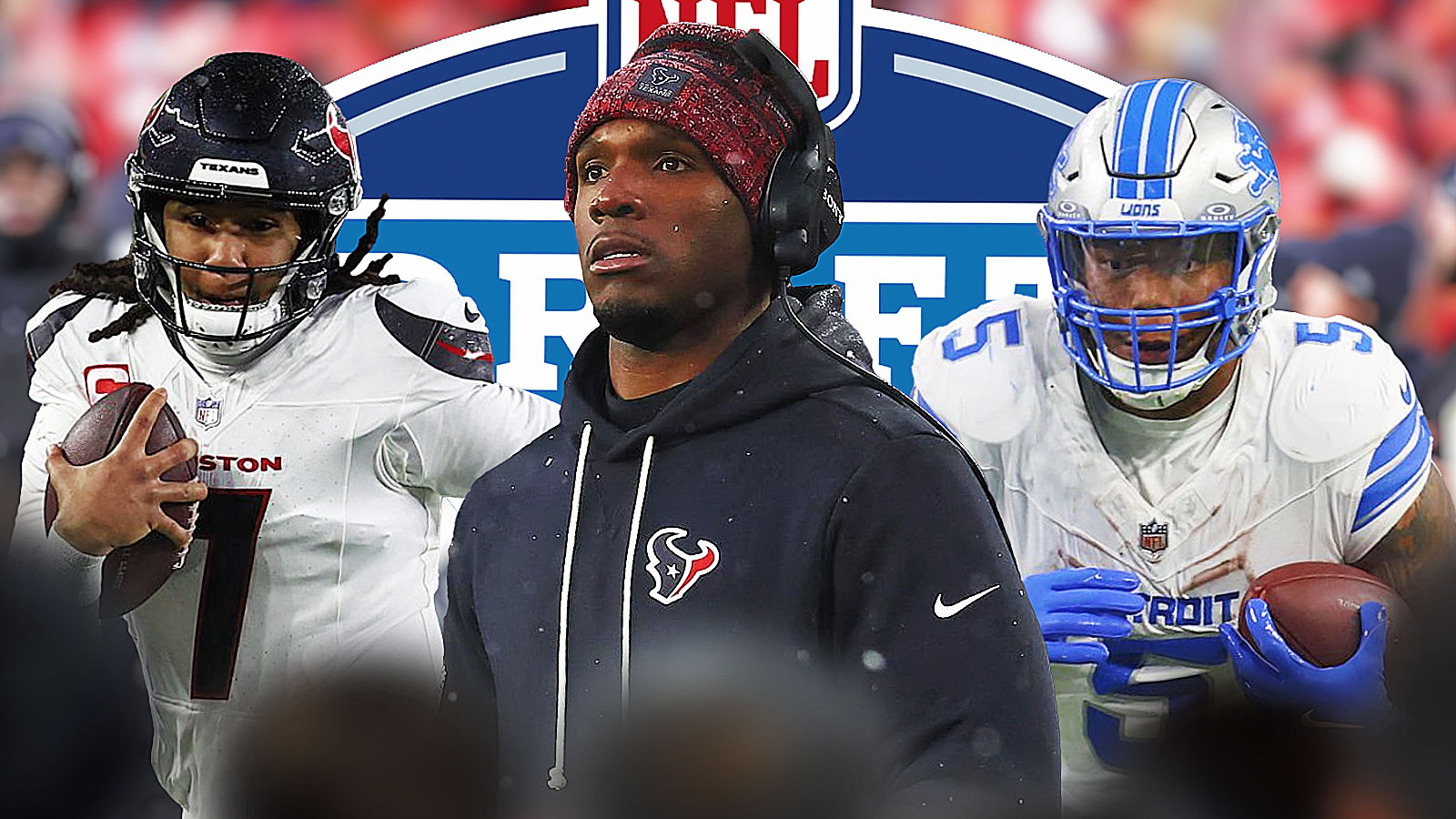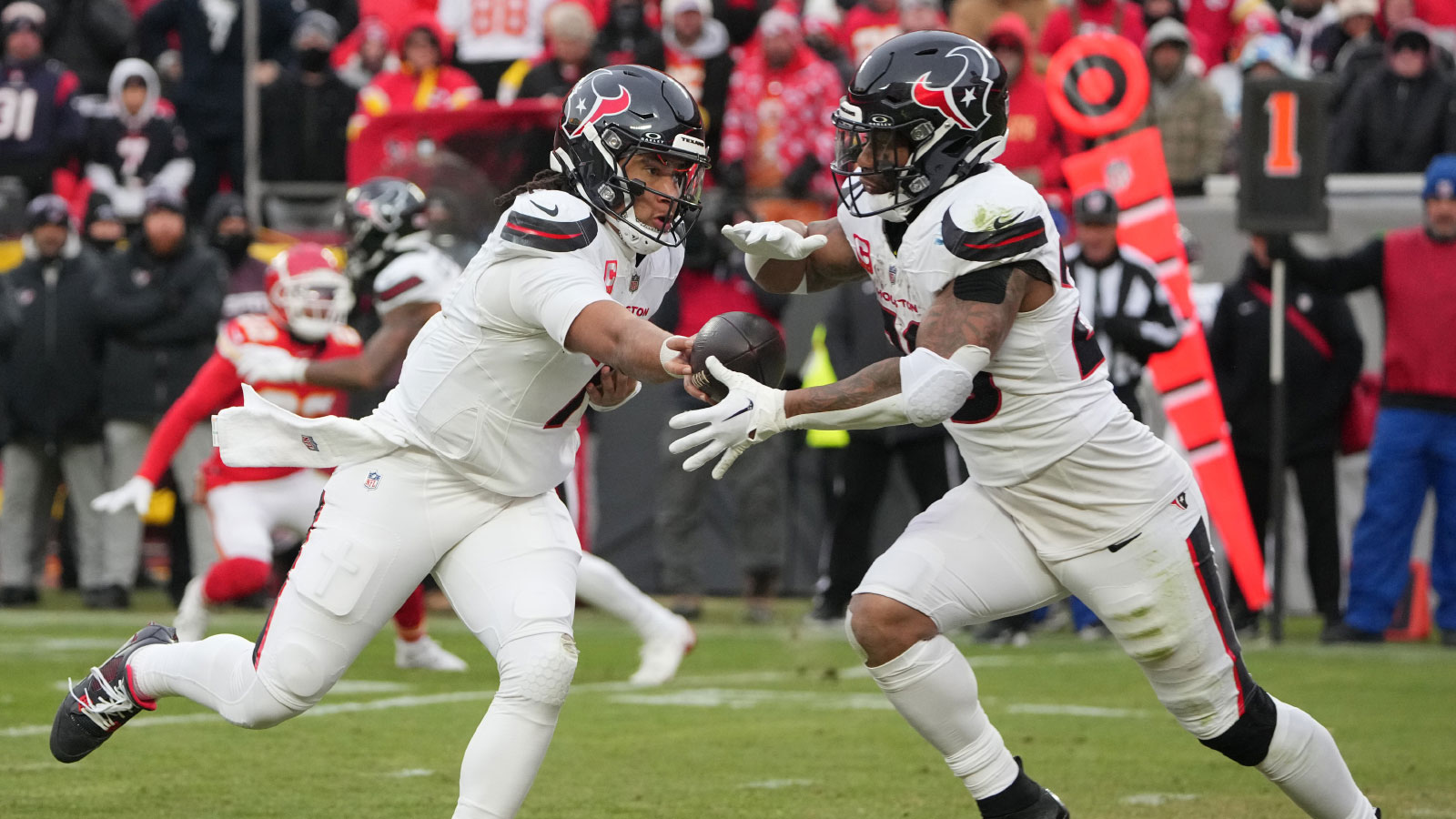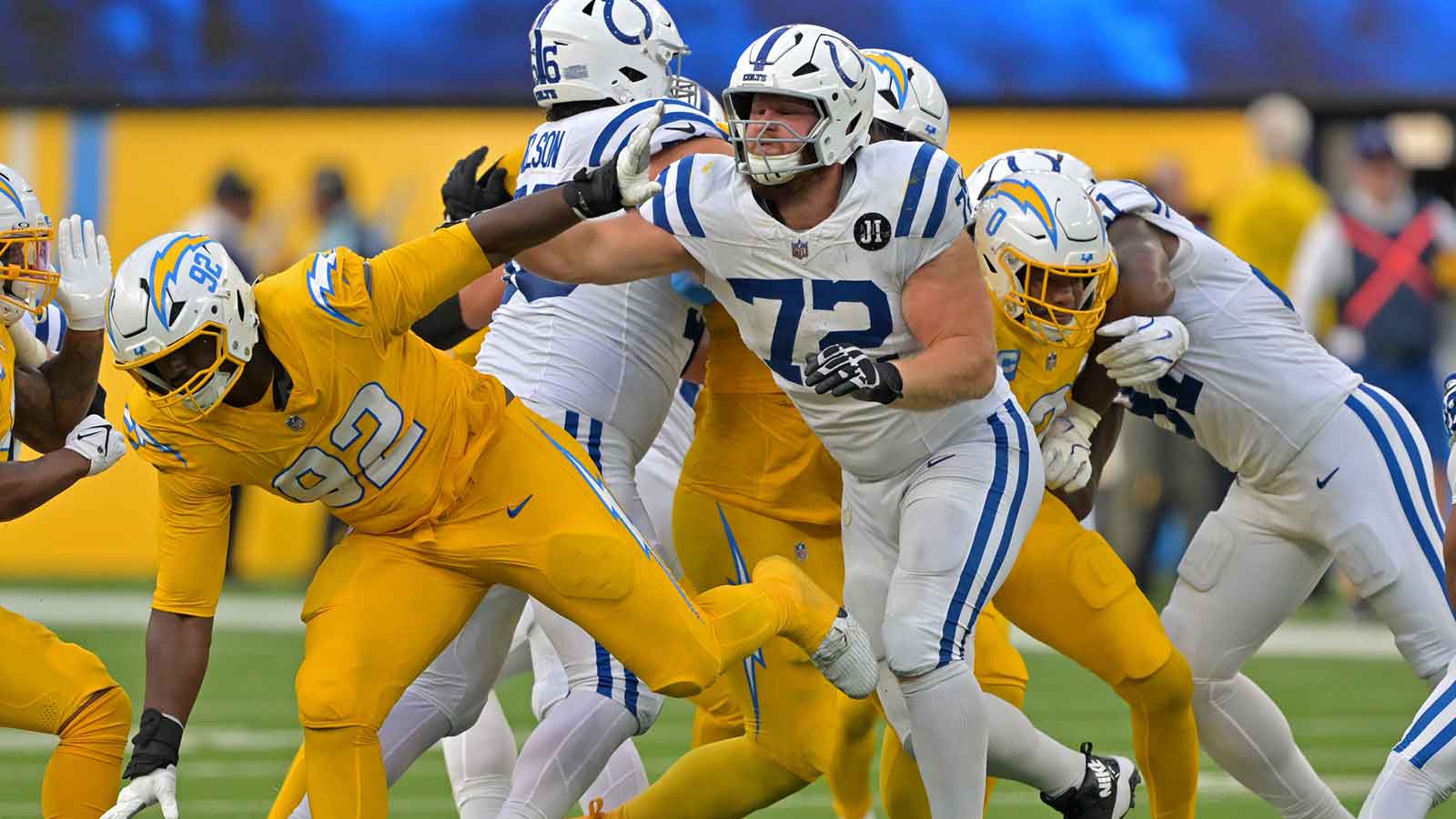

The NFL Combine tends to sharpen priorities. For the Houston Texans, the message coming out of Indianapolis was to protect CJ Stroud and fortify the trenches or risk stagnation. Houston is no longer in the “happy to be here” phase of its rebuild. They have a franchise quarterback in place and a defense featuring legitimate stars off the edge. As such, the Texans are transitioning from promising to pressurized. This post-Combine PFF mock draft reflects a team intent on reinforcing its infrastructure rather than chasing splash headlines.
Draft priorities
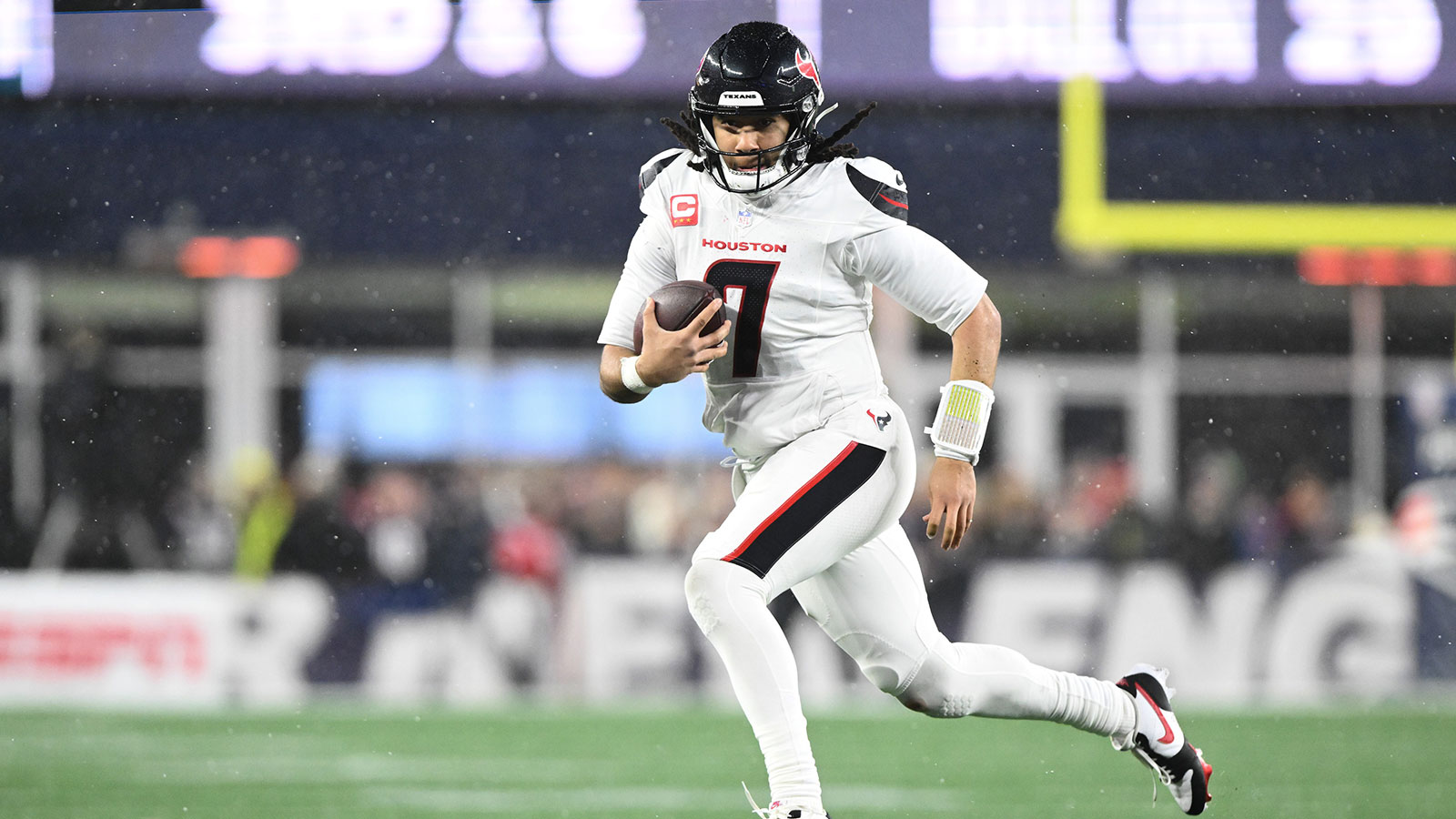
Heading into the 2026 NFL Draft, the Houston Texans' primary objective is to solidify the infrastructure around Stroud. At running back, the expected departure of Joe Mixon and the free agency of Nick Chubb leave a void for a true explosive playmaker to complement Woody Marks. Along the interior offensive line, center is a focal point for an upgrade over Jake Andrews. That should provide more stability in the middle. Meanwhile, the potential loss of free agent Ed Ingram makes guard a priority for maintaining beef in the trenches. Defensively, the interior needs additional juice and rotational depth to support stars Will Anderson Jr and Danielle Hunter. That's especially true with several veteran tackles hitting the market and the unit showing vulnerability against the run.
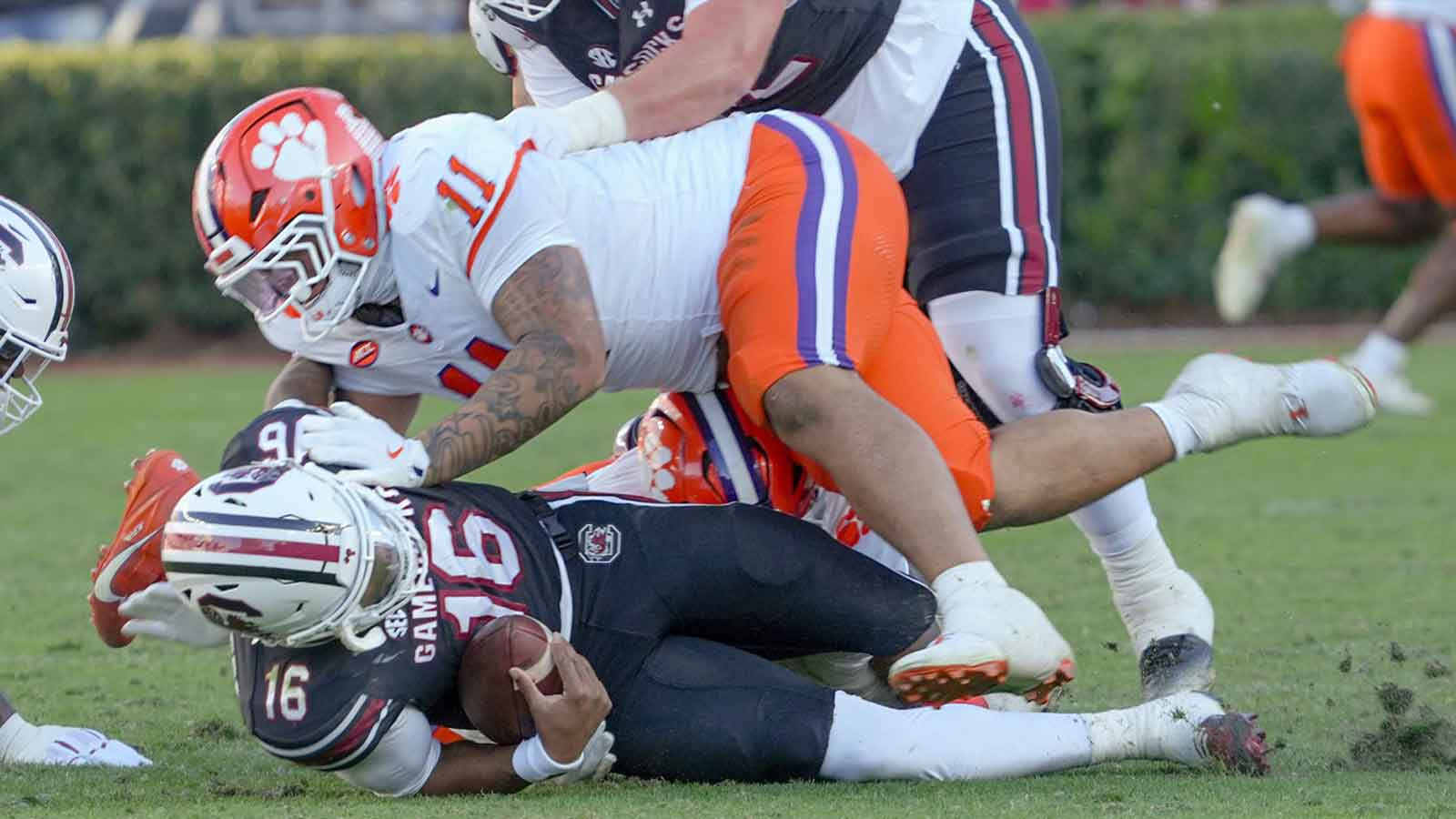
Round 1, pick 28: DL Peter Woods, Clemson
Houston opens with perhaps the cleanest projection in this class. Woods brings a rare blend of size, strength, and explosiveness. Those should translate immediately to multiple alignments. His first-step burst and ability to convert speed to power fit perfectly alongside edge threats like Anderson and Hunter. Woods’ scheme versatility gives Houston flexibility to disguise fronts and manufacture interior pressure. If he refines his pass-rush counters, Woods could become the defensive tone-setter this unit needs.
Round 2, pick 38: CB Keith Abney II, Arizona State
Sure, defensive interior was the headline need. However, Houston wisely adds secondary toughness early on Day 2. Abney thrives in zone concepts and breaking on routes with anticipation. His competitiveness in run support adds another layer to his profile. Yes, his long speed may limit pure man-match assignments against vertical burners. Still, Houston’s defensive structure often emphasizes zone principles. Abney’s mentality and communication skills align with a unit seeking reliability.
Round 2, pick 59: RB Jadarian Price, Notre Dame
Price addresses Houston’s most glaring offensive hole when it comes to backfield consistency. He is an instinctive runner with excellent vision. He can stack moves to exploit creases and finish drives. Sure, he may not offer elite third-down value. However, his feel for spacing and nose for the end zone provide immediate offensive rhythm. In a system built around Stroud, a reliable zone runner like Price stabilizes the play-action game.
Round 3, pick 69: C Sam Hecht, Kansas State
Hecht might be one of the most technically polished interior linemen in this draft. His hand placement, leverage, and spatial awareness jump off the tape. Though he lacks ideal mass, his athleticism allows him to execute reach blocks and second-level climbs effectively. For Houston, Hecht represents a long-term solution at center. He can orchestrate protections and keep Stroud upright.
Round 4, pick 106: WR Cyrus Allen, Cincinnati
Allen adds quick separation ability and three-level versatility to Houston’s passing attack. His ability to uncover quickly against man coverage complements the Texans’ route-based system. Allen’s savvy and movement skills give Stroud another reliable outlet in timing-based concepts.
Round 4, pick 128: DL Chris McClellan, Missouri
McClellan reinforces rotational depth inside. Yes, he is not an explosive penetrator. That said, his strength and ability to collapse pockets add situational value. Houston’s goal here is keeping Woods and the edge rushers fresh by fortifying the middle with depth.
Round 5, pick 165: RB Mike Washington Jr, Arkansas
Washington offers contrast to Price. He brings power and a high motor, capable of grinding tough yardage while still flashing breakaway speed. Pairing Washington with Price creates a balanced backfield committee.
Round 7, pick 243: OL Ethan Onianwa, Ohio State
Onianwa is a late-round bet on size and power. His dense lower body and arm length create versatility, potentially at guard or tackle. Sure, his footwork remains a work in progress. However, his finishing mentality in the run game fits Houston’s desire to establish physical presence.
Round 7, pick 244: DL Zane Durant, Penn State
Durant is a projection swing based on strength and athletic potential. His production did lag behind his testing numbers. Still, Houston can afford patience with late-round developmental prospects. If he translates weight-room power into on-field consistency, this pick could quietly outperform expectations.
Reinforce not reinvent
This post-Combine mock draft reflects disciplined team-building. Houston does not overreach for glamour. Instead, it fortifies the interior on both sides of the ball and balances its backfield. By adding Woods and Hecht, the Texans protect their quarterback while empowering their pass rush. By pairing Price and Washington, they diversify their offensive rhythm. This is not a dramatic overhaul but structural reinforcement. For the Texans, that may be exactly the right move.