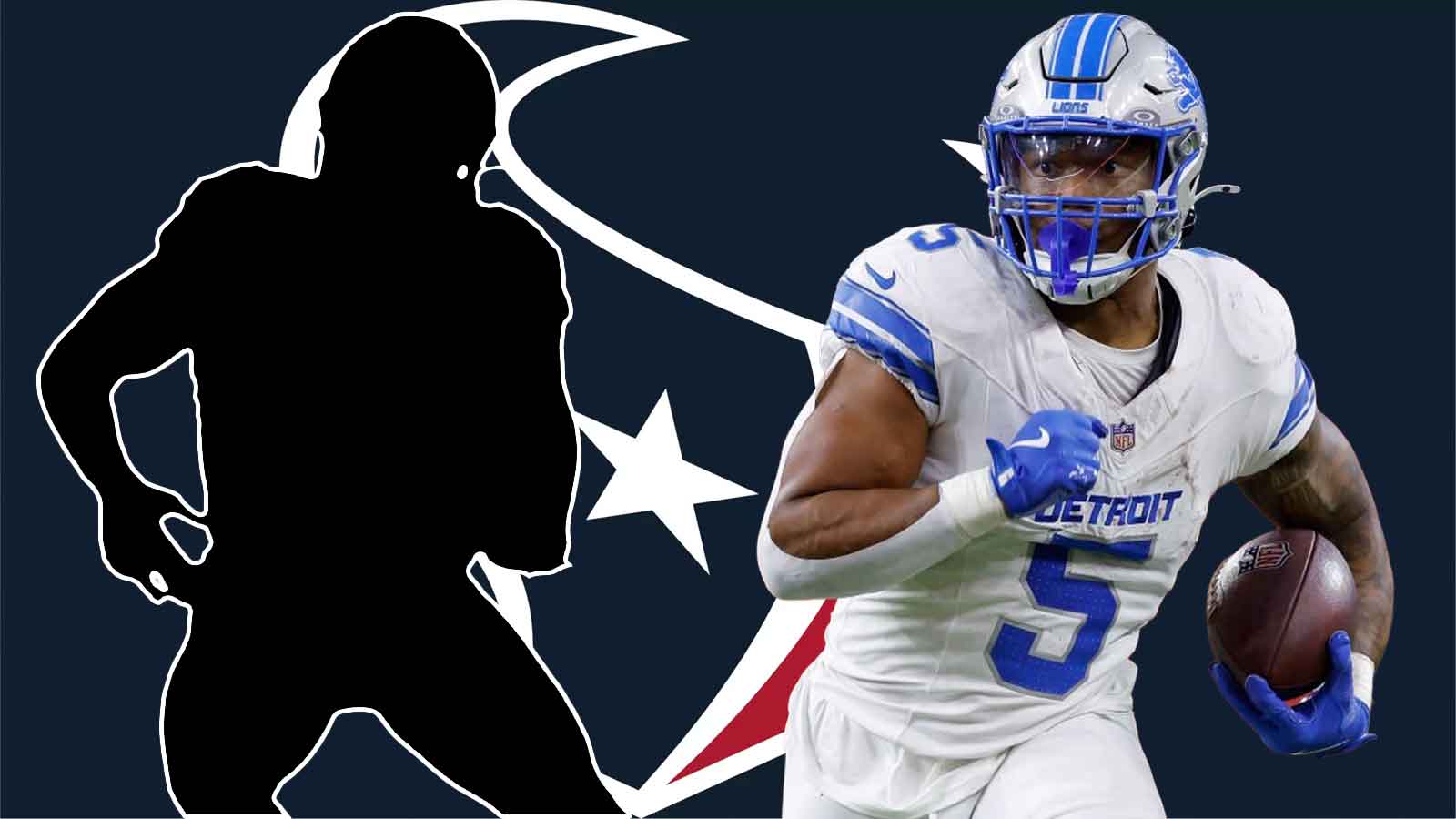

The Houston Texans didn’t limp into the 2026 offseason wondering whether their rebuild worked. They entered it knowing it has worked and yet it still wasn’t enough. A season that began in frustration and ended in heartbreak crystallized exactly where Houston stands. This is a talented, resilient, and dangerous team. Still, it is missing the final pieces required to survive January football. With the 2026 NFL Draft looming, the Texans now face a familiar but pivotal challenge. They must figure out how to turn promise into permanence after another brutal playoff exit.
Season recap
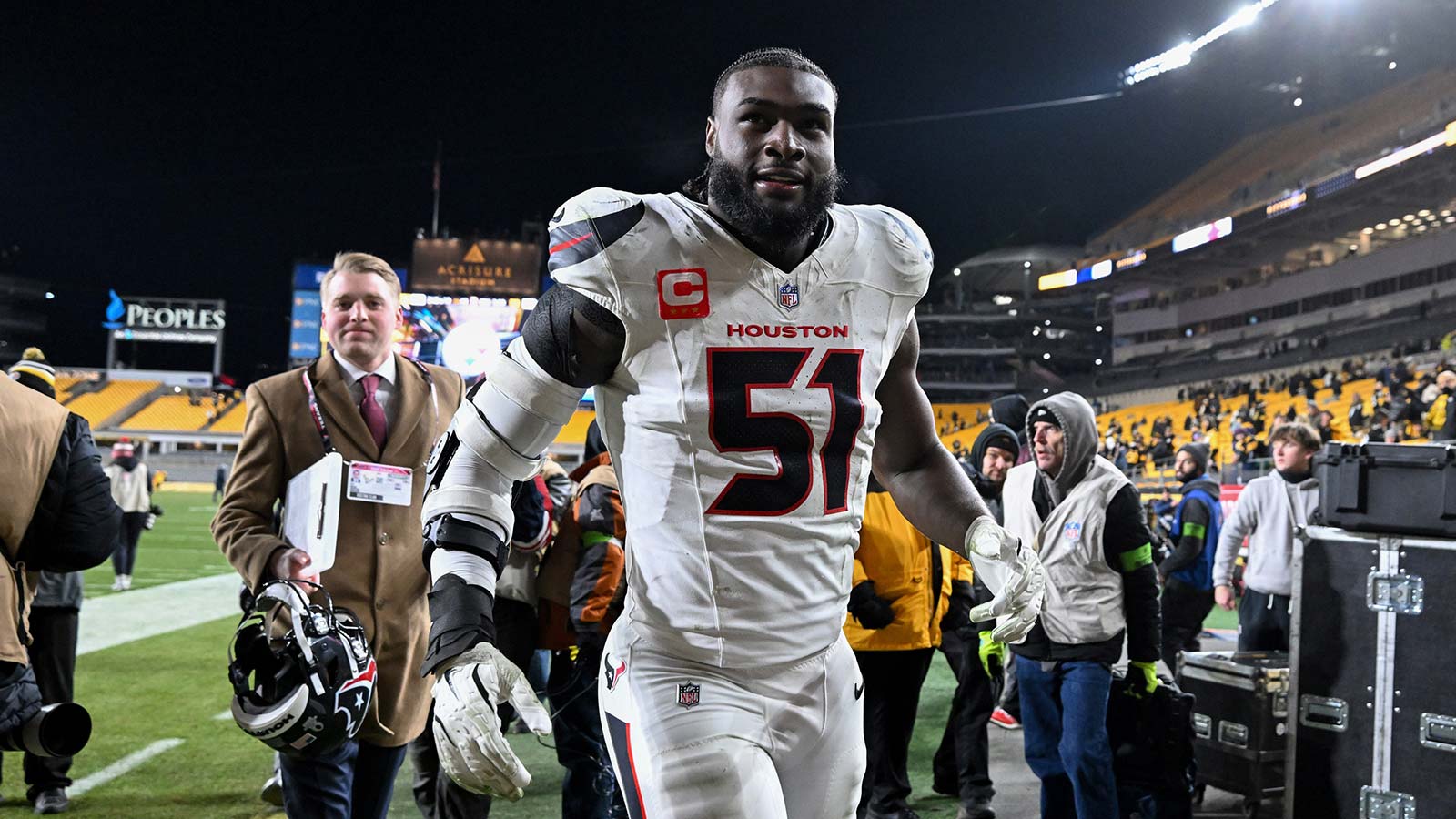
Houston’s 2025 campaign was a testament to resolve. After stumbling out of the gate at 0-3 and sitting at 3-5 through Week 9, the Texans looked closer to regression than contention. Instead, they authored one of the most impressive turnarounds in the league. Houston ripped off nine consecutive wins to finish 12-5 and secure a third straight playoff berth.
That surge was driven by an elite defense anchored by first-team All-Pros Will Anderson Jr and Derek Stingley Jr. That unit consistently dictated terms and masked offensive inconsistencies. The Texans punctuated their rise with the franchise’s first-ever road playoff win. They booked a dominant 30-6 dismantling of the Pittsburgh Steelers in the Wild Card round that felt like a symbolic breakthrough.
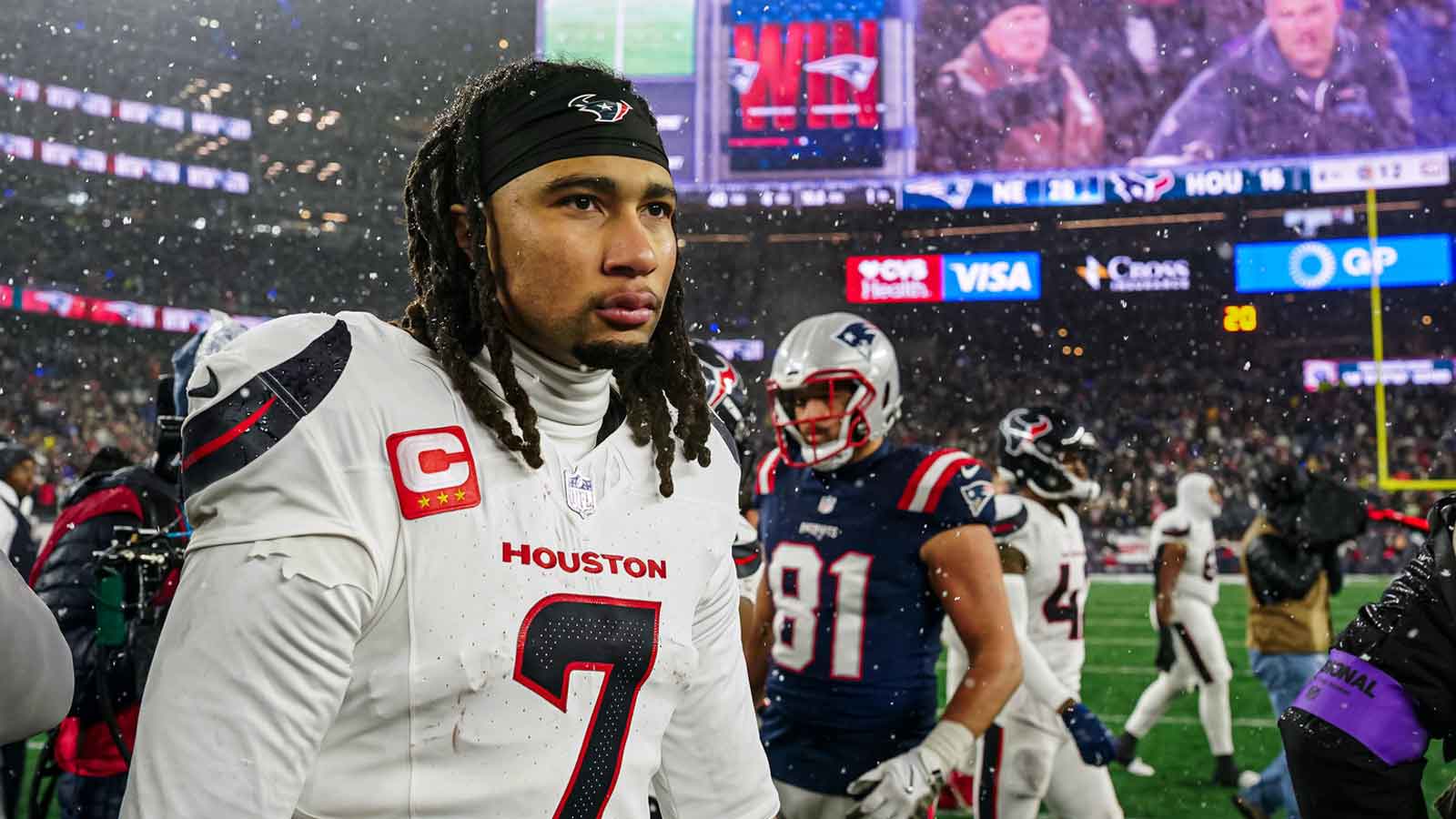
History, however, proved stubborn. Houston’s season ended in familiar fashion with a 28-16 Divisional Round loss to the New England Patriots at a snow-covered Gillette Stadium on Sunday. Five turnovers, which included four first-half interceptions by CJ Stroud, proved fatal. The defeat dropped Houston to 0-7 all-time in Divisional Round appearances. It was clear that while the Texans have a solid foundation, the ceiling remains unbroken.
Draft needs
The playoff loss clarified Houston’s priorities. The Texans need reinforcements in the trenches and more balance offensively.
Interior offensive line play tops the list. Stroud was pressured far too often against New England. Sure, Houston’s tackle situation is solid. Still, guard and center remain areas of concern. Strengthening the interior is essential if Stroud is going to thrive against elite playoff defenses.
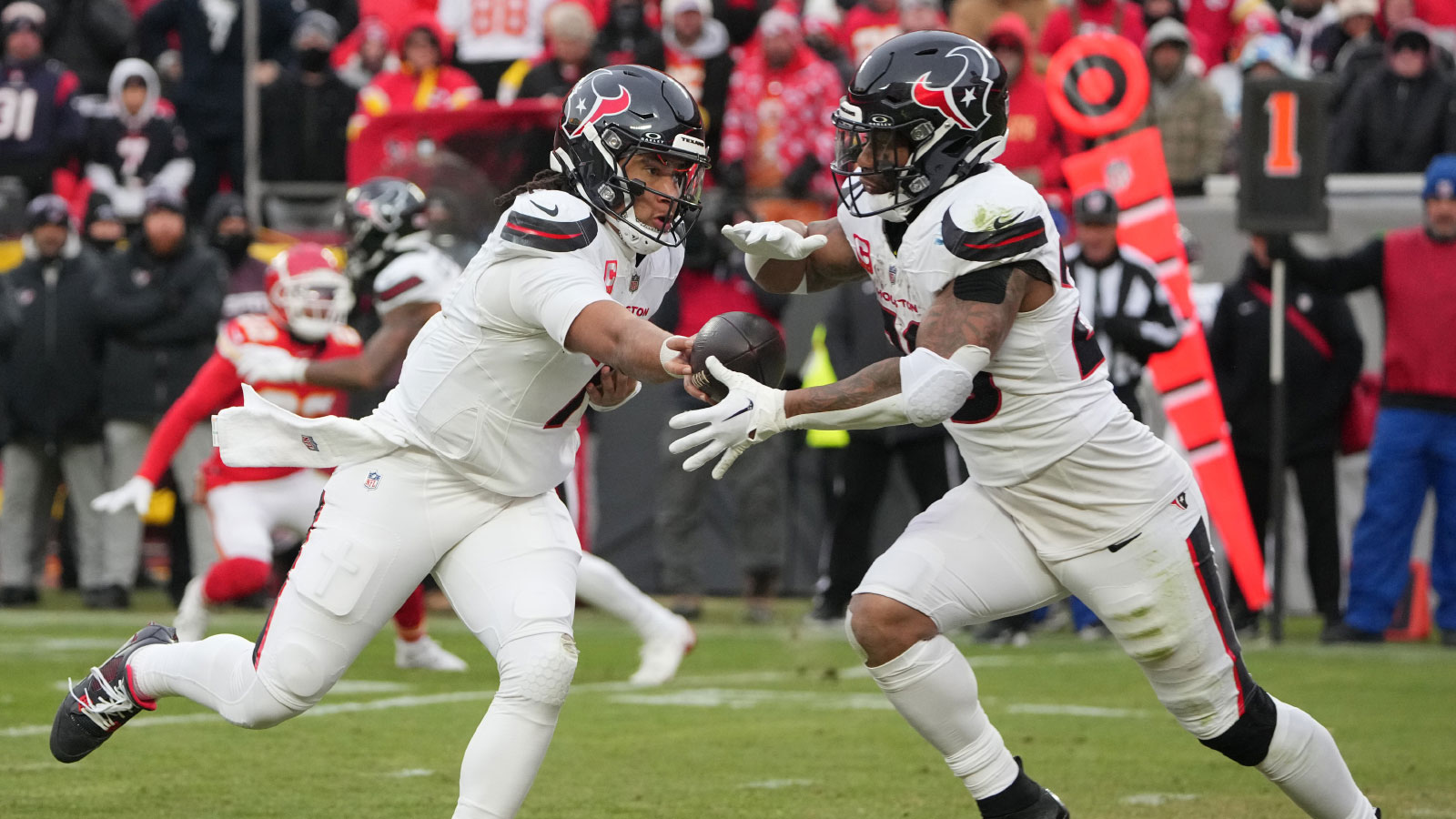
Running back is another quiet but important need. Woody Marks and Nick Chubb gave Houston reliable production. That said, adding a younger, more explosive option would diversify the offense. It would also reduce the burden on Stroud in high-leverage situations.
Defensively, the Texans are already elite. Sustaining dominance, though, requires depth. Adding a high-motor interior defensive lineman would help maintain their front-four rotation. It would also ensure Houston remains stout against the league’s best rushing attacks deep into January.
Here we'll try to look at and discuss the Texans' 3-round mock draft based on the PFF 2026 NFL mock draft simulator.
Round 1, pick 28: OL Kadyn Proctor, Alabama
Houston’s first-round selection is about protecting its most valuable asset. Kadyn Proctor brings overwhelming size and raw power. Those should immediately translate to NFL trench play. Sure, he entered college as a tackle. However, his shorter arm length and difficulty handling cross-face moves suggest his long-term future may be inside at guard.
That projection works perfectly for Houston. Proctor’s strength and mass make him a natural fit in a gap-based run scheme. His anchor ability would go a long way toward stabilizing the pocket. Sliding him inside could unlock his best traits while addressing Houston’s most glaring postseason weakness.
Round 2, pick 38: EDGE LT Overton, Alabama
Houston doubles down on trench warfare early in Round 2. LT Overton is not a finesse rusher. He is, however, disruptive, physical, and assignment-sound. That's exactly the type of player defensive coordinators trust in January.
Overton’s speed-to-power conversion allows him to set the edge and collapse running lanes. That makes him a strong fit as a rotational defensive end in either a 3–4 or 4–3 look. Yes, he may never be a high-sack artist. That said, his ability to muddy pockets and play disciplined run defense would complement Anderson beautifully.
Round 2, pick 59: DL Domonique Orange, Iowa State
Few prospects in this class bring raw power like Domonique Orange. At over 330 pounds with elite strength numbers, Orange offers immediate utility as a space-eater who commands double teams.
His game isn’t polished, though. Hand speed and disengagement remain areas for growth. Still, his first-step explosiveness for a player of his size creates real disruption. In Houston’s scheme, Orange would be a valuable early-down presence. He would allow the Texans to rotate bodies up front without sacrificing physicality.
Round 3, pick 69: EDGE Anthony Lucas, USC
Houston rounds out its draft by adding another versatile defensive piece. Anthony Lucas isn’t a speed rusher. That said, his length, strength, and relentless effort give him a clear path as a rotational edge defender.
Lucas profiles as a developmental player who can contribute on special teams. He can also grow into situational snaps. For a team that wants to stay fresh up front throughout the season, players like Lucas matter more than they often get credit for.
Final thoughts
This mock draft won’t dominate social media. It won’t sell jerseys either. However, it does something far more important. This will address exactly why Houston’s season ended.
By reinforcing the offensive line, adding physicality to the defensive front, and building sustainable depth, the Texans aren’t chasing flash. They’re chasing durability, balance, and control. Those will define teams that still stand come late January.
For Houston, contention is no longer a target but an expectation. The 2026 draft is about answering the harder question: how do you finally break through?