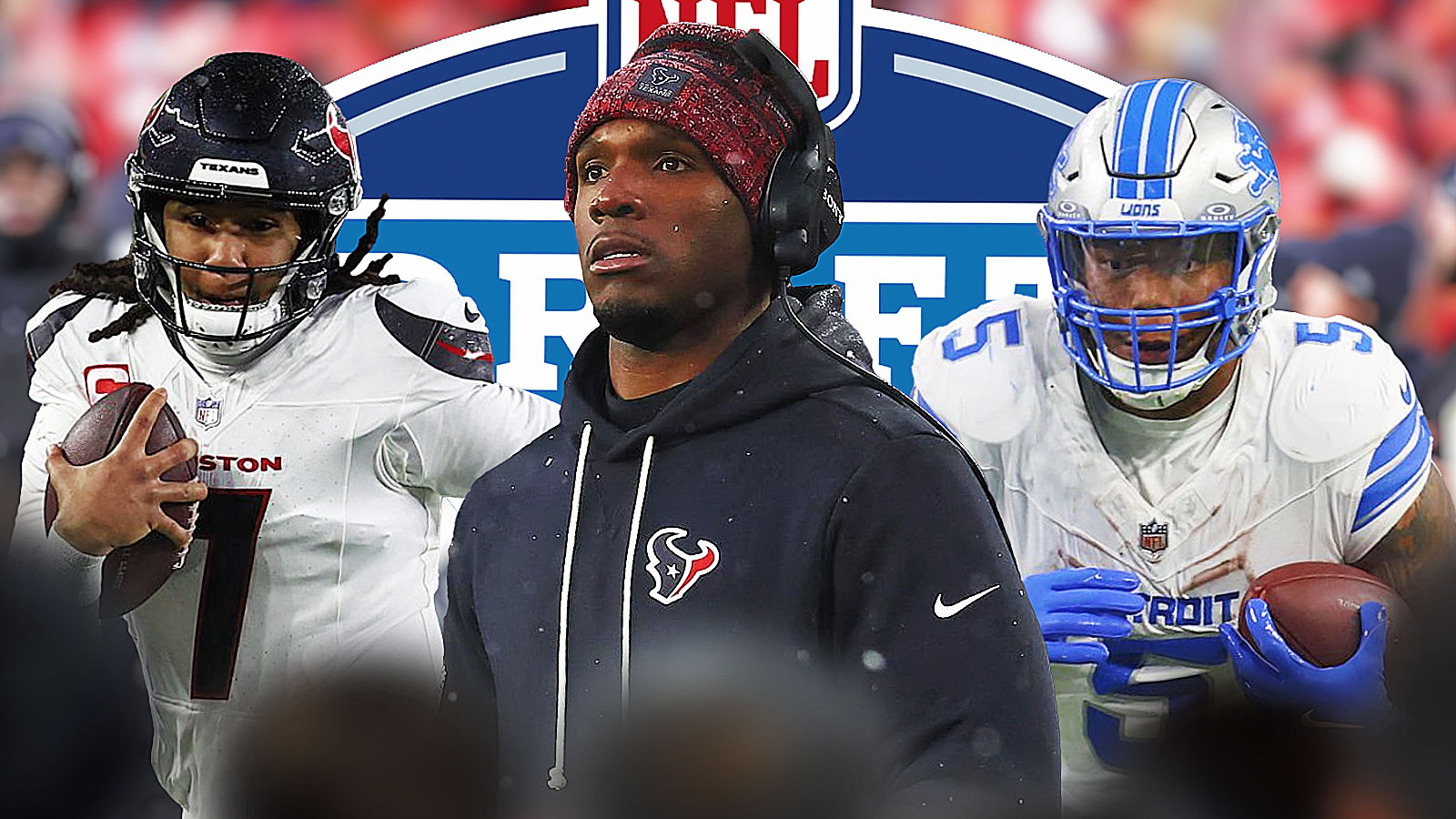
The Houston Texans are neither rebuilding nor ahead of schedule. They are bona fide contenders with a quarterback who could be among the long-term faces of the AFC. Here’s the uncomfortable truth about contenders, though: once you arrive, the margin for error shrinks. The difference between a Divisional Round exit and a Super Bowl appearance is neither culture nor effort. It’s precision.
Houston has star power at the premium positions. They have a defensive identity. They have a quarterback in CJ Stroud who operates with poise beyond his years. What they don’t have yet is interior stability that guarantees their offense hums when the lights are brightest. To fix that, one free agent stands above the rest.
Blueprint works
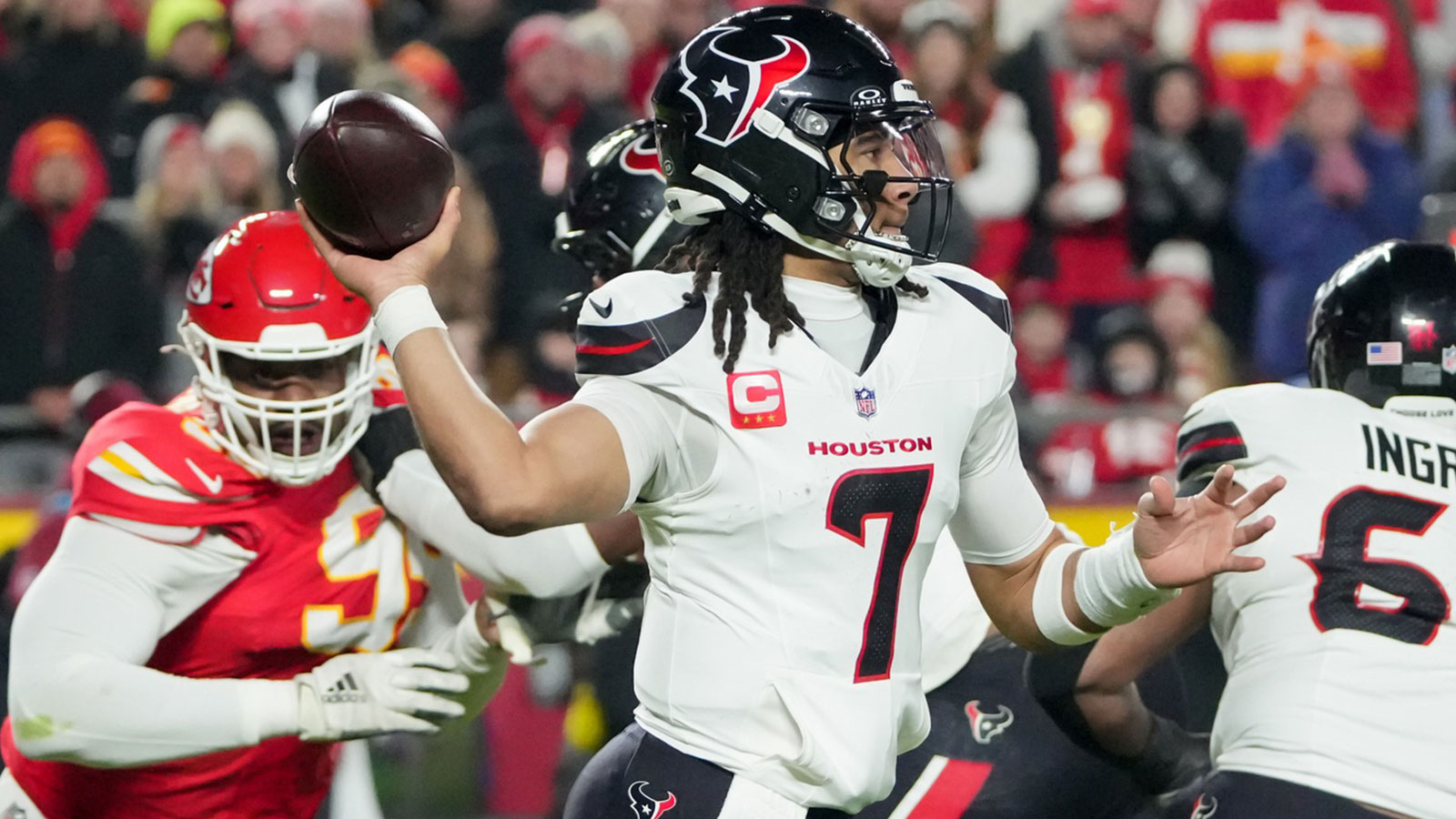
The Texans’ 2025 campaign was a resilient tale of two seasons that solidified their status as an AFC powerhouse. After sitting at 3-5 through Week 9, DeMeco Ryans’ squad flipped a switch. They rattled off a nine-game winning streak to finish 12-5. The Texans narrowly missing the AFC South crown to a 13-win Jaguars team.
Houston entered the postseason as a dangerous Wild Card and delivered the franchise’s first-ever road playoff victory. Their run ultimately ended in a 28-16 Divisional Round loss to the eventual AFC champion New England Patriots. However, the season validated the franchise’s trajectory.
Stroud provided steady, mature quarterback play. The defense powered by All-Pros Will Anderson Jr and Derek Stingley Jr finished second in the league in points allowed. The culture Ryans has built is real. Now the focus to ensuring they stay.
Houston’s biggest flaw
By 2026, Stroud will be entering his prime. The Texans already boast elite weapons in Nico Collins and Tank Dell. Their edge rush duo of Anderson and Danielle Hunter gives them championship-caliber bite on defense. Yet their most persistent Achilles’ heel has been interior offensive line consistency, specifically at center.
The center position is the nerve center of any offense. It dictates protections and anchors communication. It absorbs immediate interior pressure that can derail even the most talented quarterbacks. In 2025, Houston experienced stretches where interior breakdowns forced Stroud off his spot too quickly. You can survive inconsistent tackle play. You cannot survive consistent A-gap leakage. To become a perennial Super Bowl favorite, Houston needs a “set it and forget it” anchor in the middle.
Tight but workable
The Texans enter the 2026 offseason in a tight but manageable cap position. Early projections have them roughly $8 million over the cap. That places them in the bottom third of the league in immediate spending power. Still, this is more of a puzzle than a crisis.
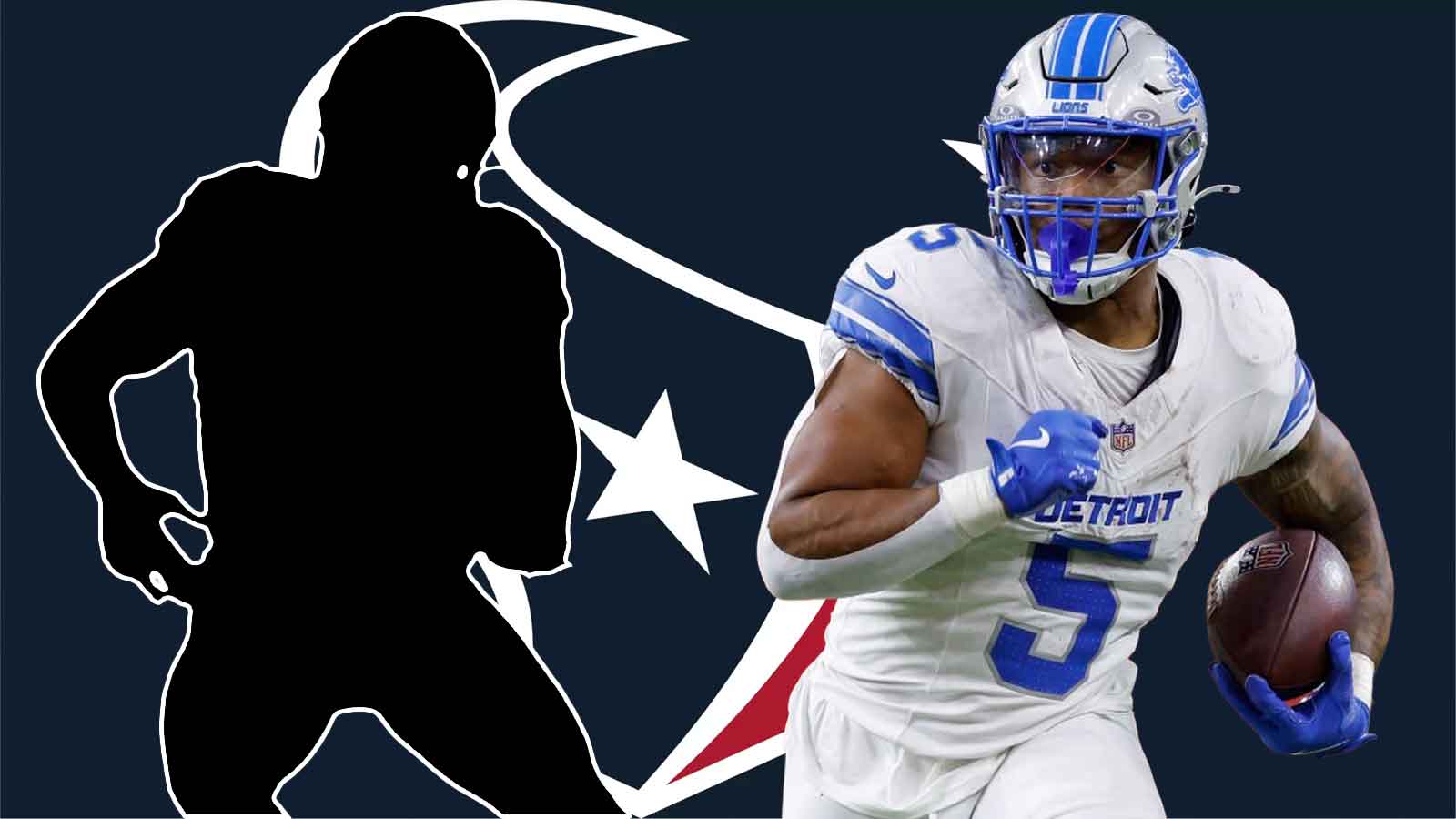
General manager Nick Caserio has multiple lever pulls available. Releasing veteran running back Joe Mixon would free approximately $8 million. Moving on from rotational contributors like Mario Edwards Jr and Jarrett Patterson could unlock an additional $8 million in space. With Stroud still on his rookie deal, Houston has one final opportunity to aggressively restructure veteran contracts to create room for a splash addition.
The selection: Tyler Linderbaum
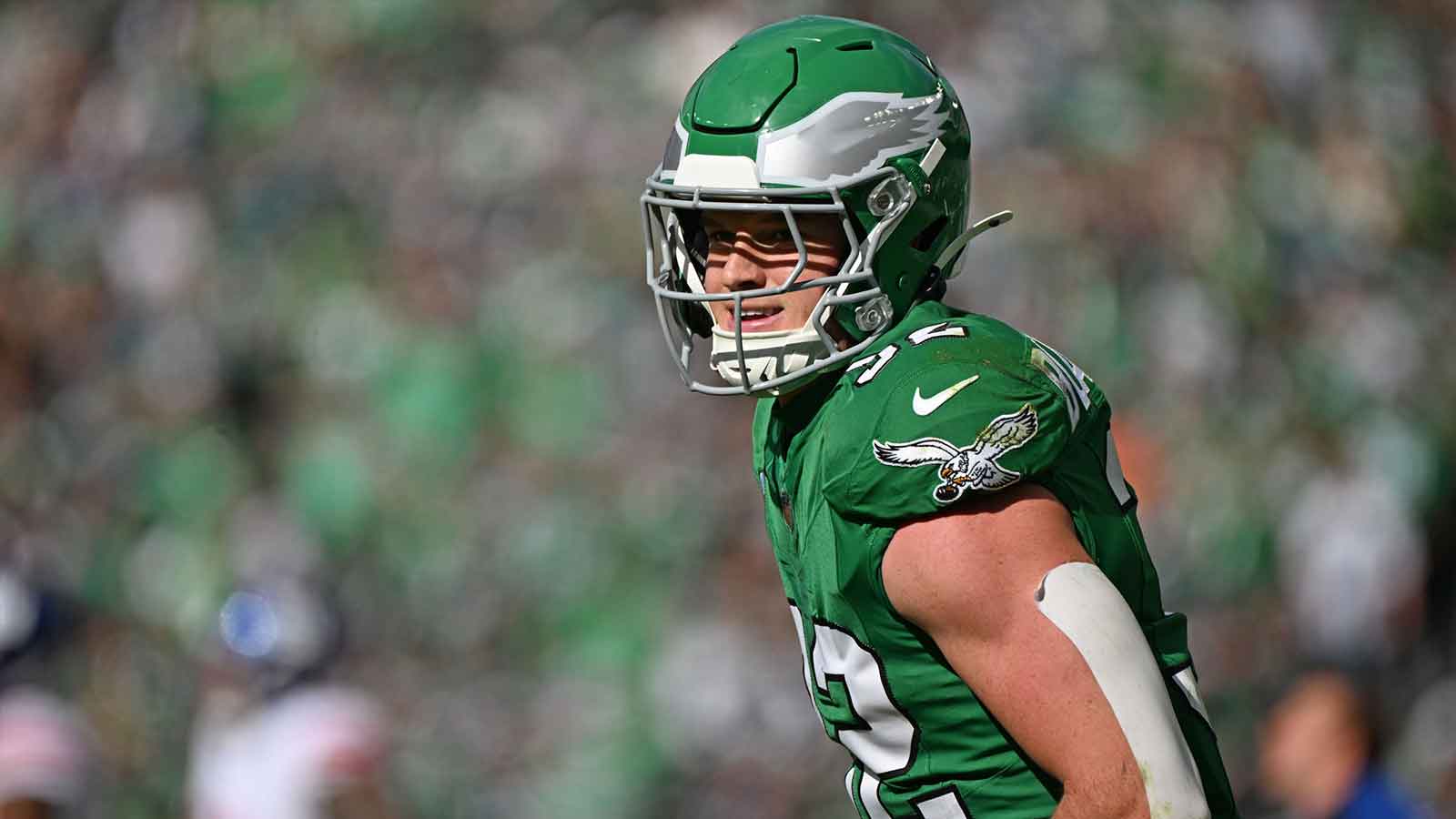
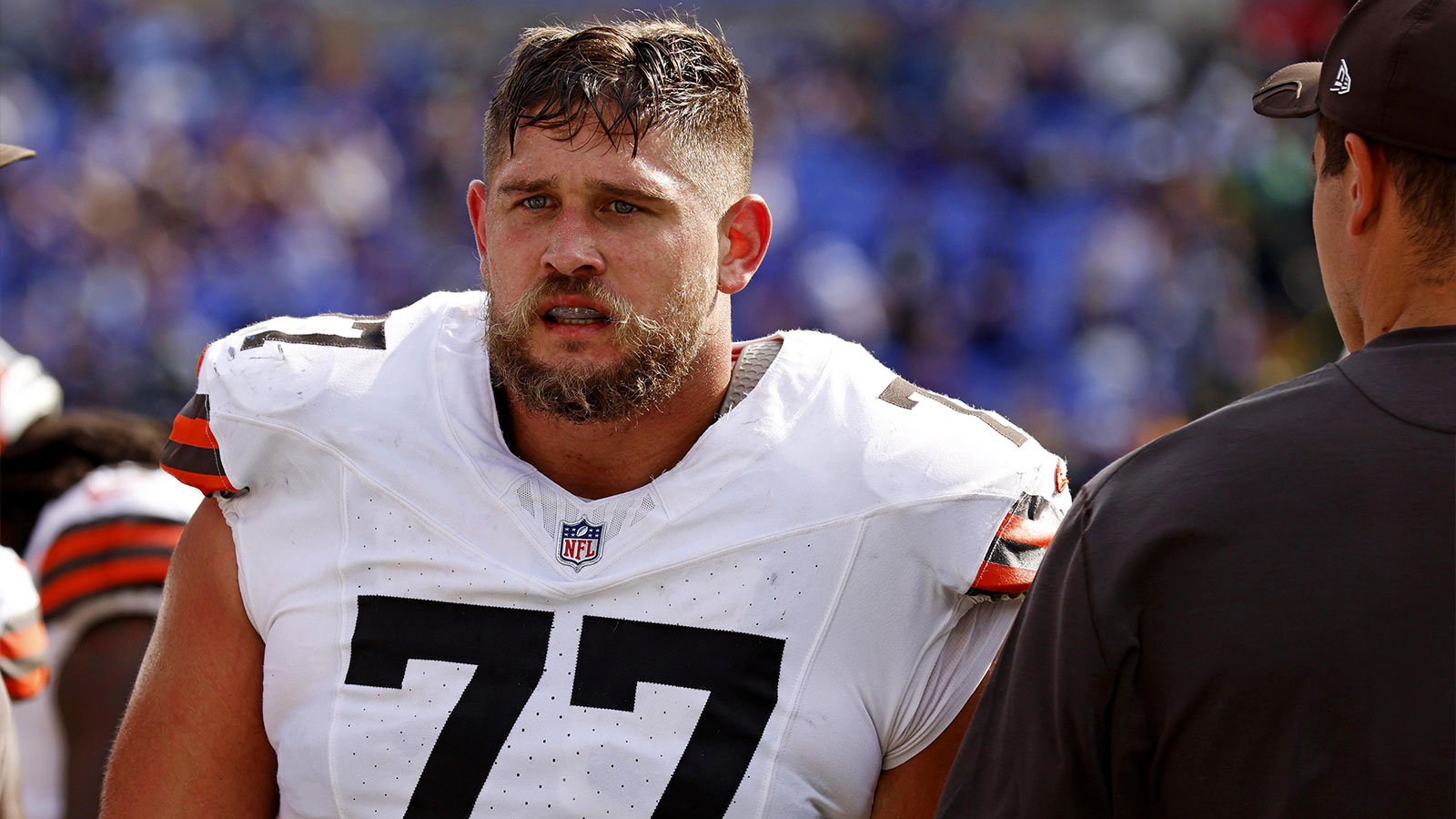
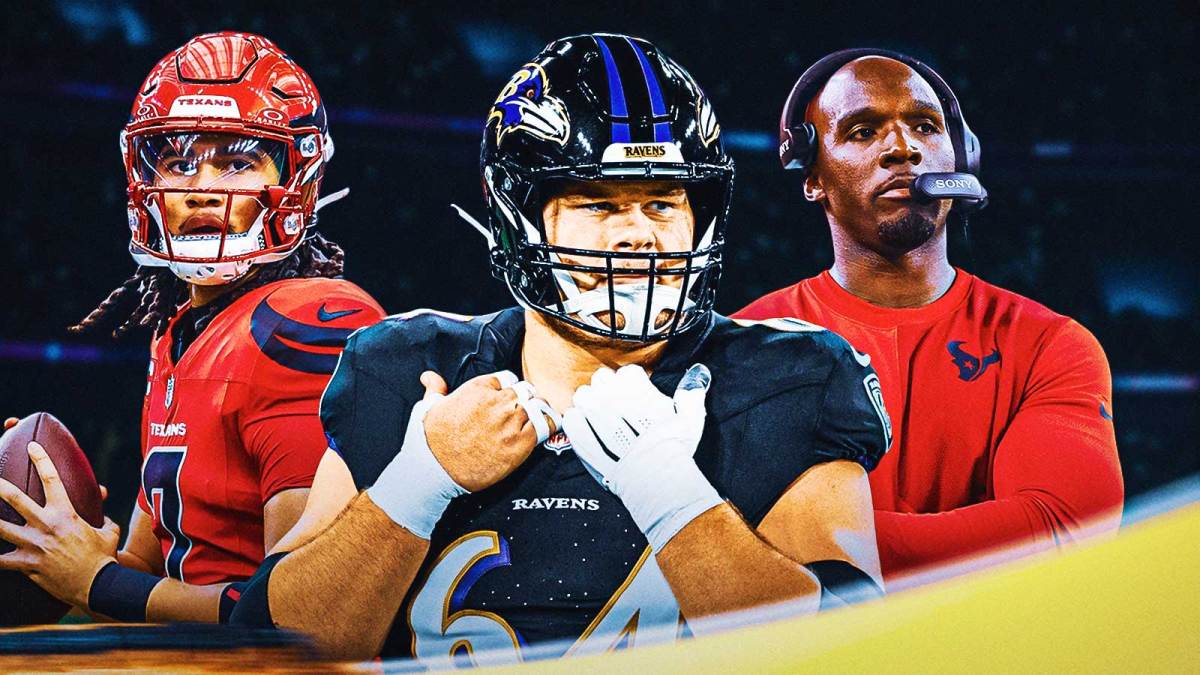
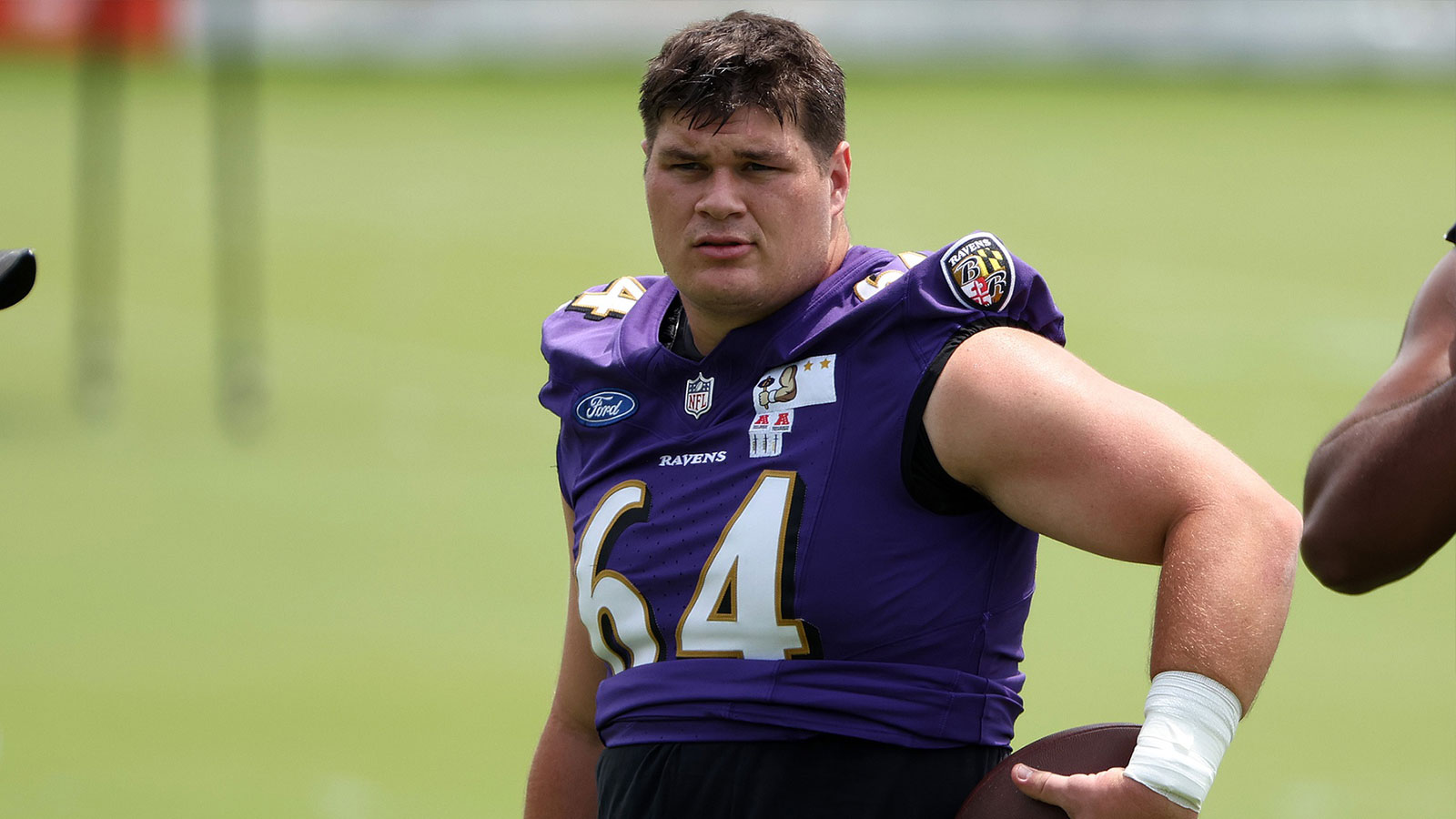
If Houston is serious about eliminating its biggest flaw, the answer is Tyler Linderbaum. Linderbaum ranks as the No. 3 free agent on the board for 2026, and for good reason. At just 25 years old, he would enter the market coming off his third consecutive Pro Bowl caliber season. He is widely regarded as the best pure technician at the center position. Accolades aren’t the selling point, though. Fit is.
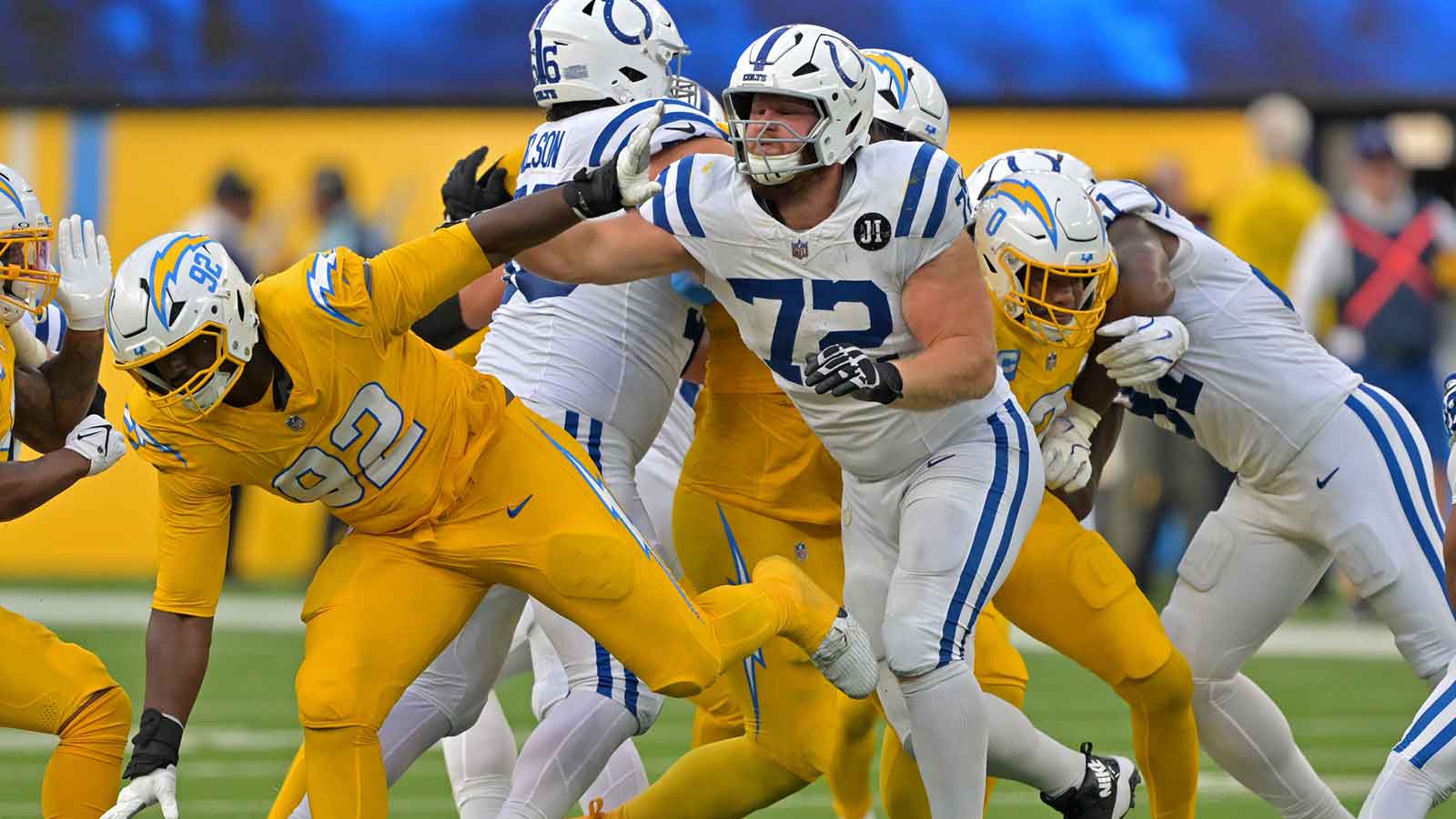
Houston operates a Shanahan-style zone-blocking scheme that demands athleticism. Linderbaum is arguably the most mobile and technically refined center in the NFL. His skill set would immediately enhance Houston’s run game efficiency. Screens, split-zone looks, and play-action concepts all benefit from a center who can move fluidly in space.
Then there’s the Stroud factor. Elite quarterbacks thrive when the A-gap is clean. Pressure up the middle is the quickest way to disrupt timing and mechanics. Linderbaum’s pass protection is elite. His anchor against bull rushes is strong despite not being the heaviest interior lineman in the league. He gives quarterbacks the confidence to step up rather than drift laterally.
For Stroud, that matters enormously. With a secure interior pocket, Stroud can operate vertically and punish blitz-heavy defenses. Linderbaum doesn’t just block defenders but expands the playbook.
True contender status
Houston’s roster is already balanced. The defense is championship-caliber. The skill positions are dynamic. Their coaching staff has established an identity built on discipline and adaptability.
What separates Super Bowl participants from Divisional Round exits is reliability in high-leverage moments. When third-and-seven in January arrives, the pocket must hold. Linderbaum provides that certainty.
He aligns perfectly with Houston’s competitive timeline. At 25, he would grow alongside Stroud rather than age out during the quarterback’s prime. He stabilizes communication along the offensive line and enhances both run and pass efficiency. Most importantly, he removes the one lingering vulnerability opponents can exploit.
The AFC is unforgiving. Denver, Pittsburgh, Cincinnati, and even Cleveland all possess interior disruptors capable of wrecking games from the middle. Neutralizing that threat is strategic necessity. The Texans don’t need to reinvent themselves in 2026. They need to fortify their foundation.
With that, Tyler Linderbaum isn’t just a luxury signing. He’s the final structural beam in Houston’s championship blueprint.