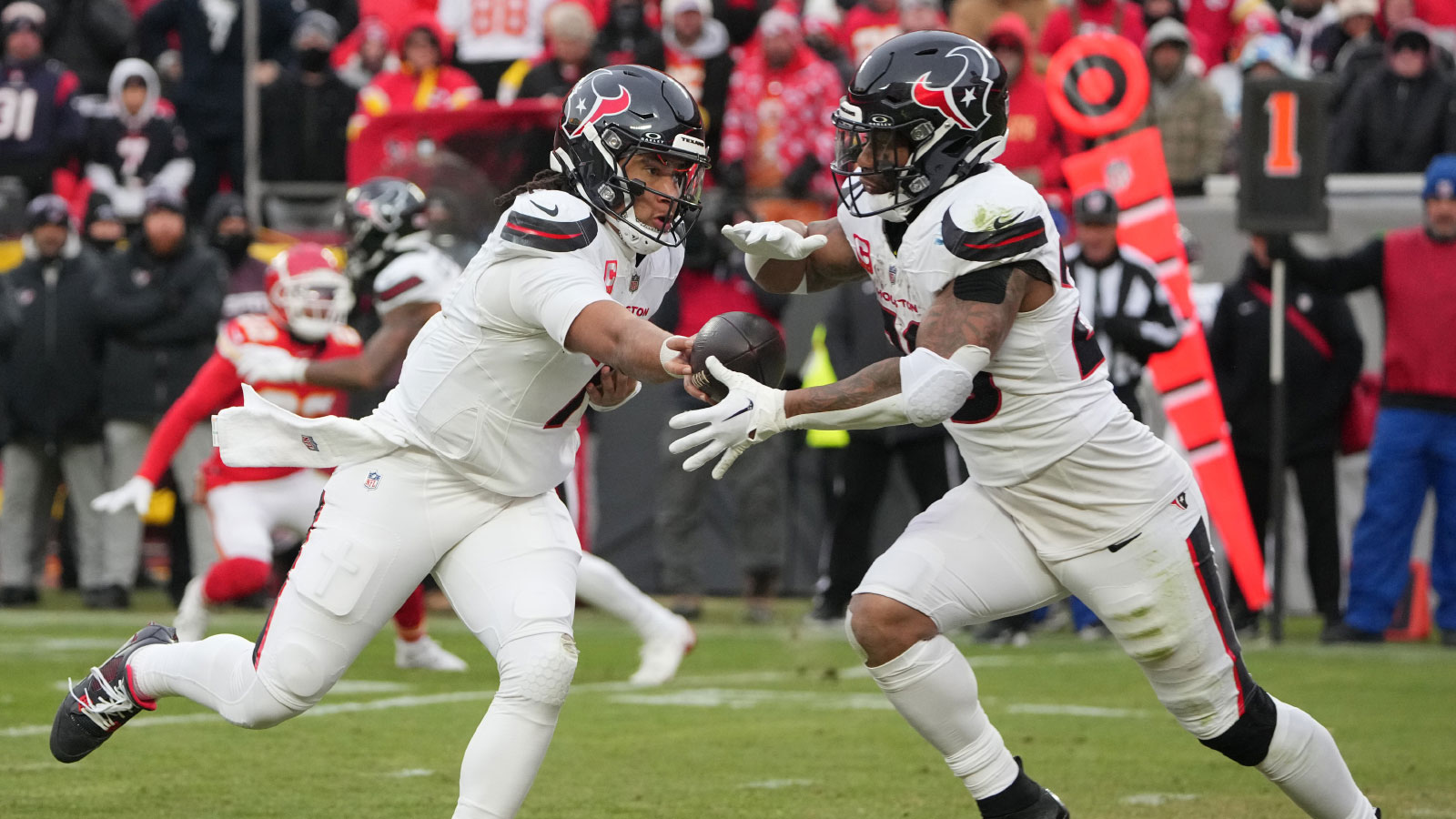
If the Houston Texans manage to make it to the Super Bowl, it'd be because of cap discipline. That's because sustaining contention in the NFL is often harder than reaching it. For Houston, the 2026 offseason represents the moment where a rising powerhouse must transition from aggressive roster building to calculated roster trimming. DeMeco Ryans and GM Nick Caserio have successfully accelerated Houston’s rebuild. Success, though, now comes with a price tag. Franchise pillars are due market-resetting extensions, and depth pieces want raises. Cap flexibility is tightening. That reality forces uncomfortable but necessary decisions.
Texans’ turnaround
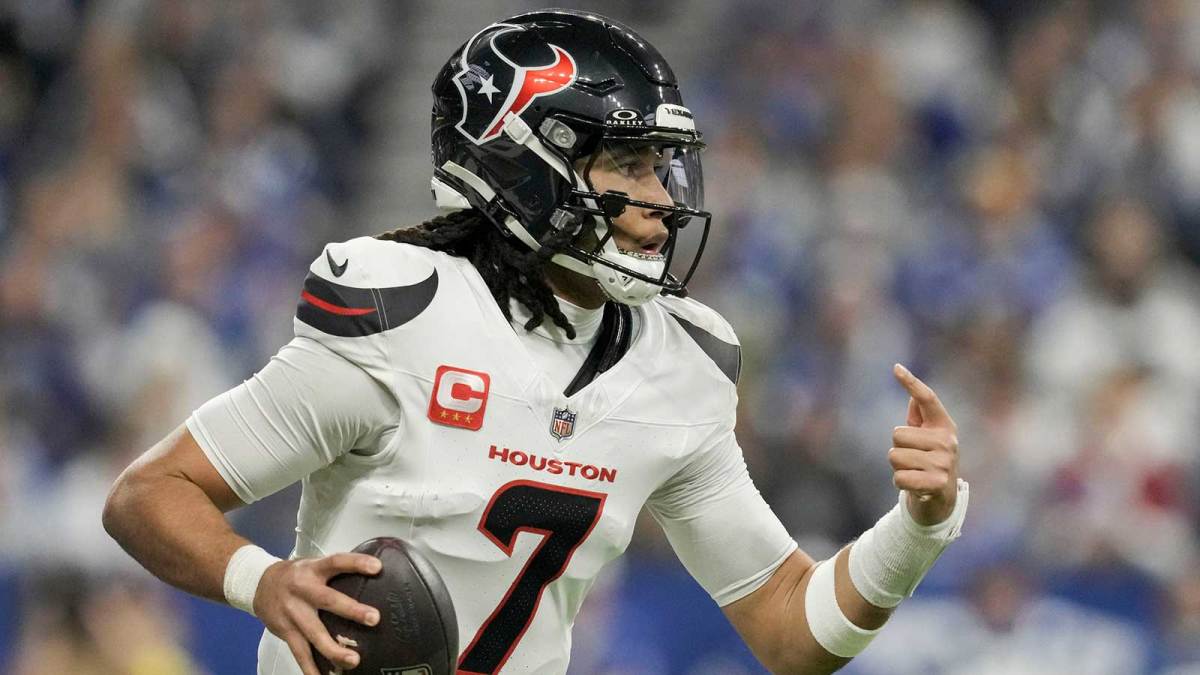
The Texans’ 2025 season was a resilient journey under Ryans. Despite a sluggish 0-3 start to the year, the team engineered a spectacular turnaround. It was headlined by a nine-game winning streak that propelled them to a 12-5 regular-season record. Sure, they ultimately finished second in the AFC South behind the Jaguars. However, Houston secured their first-ever road playoff victory in franchise history with a dominant 30-6 Wild Card win over the Pittsburgh Steelers. The defense led the way. Will Anderson Jr and Danielle Hunter combining for 27 sacks and earned All-Pro honors. Still, the campaign eventually ended in the Divisional Round with a 28-16 loss to the New England Patriots.
That finish reinforced Houston’s arrival. At the same time, it accelerated the financial timeline of keeping the roster intact.
Extension pressure
The Texans now find themselves in a complex cap crunch as they need to pay their superstars. CJ Stroud and Anderson are both eligible for massive contract extensions that will likely reset their respective markets. As such, the primary roster needs center on finding high-value, cost-controlled efficiency. Offensively, the priority is reinforcing the interior offensive line. They need to seek a long-term solution at right guard to protect Stroud and revitalize a run game that ranked near the bottom of the league in yards per carry.
Defensively, the Texans must address a revolving door at safety and find a disruptive interior defensive lineman. This is especially urgent with veterans like Sheldon Rankins hitting the open market. Ultimately, the front office must balance these gaps with a limited budget. They have to focus on surgical depth additions than splashy, high-priced signings.
That fiscal reality places several familiar names squarely on the chopping block.
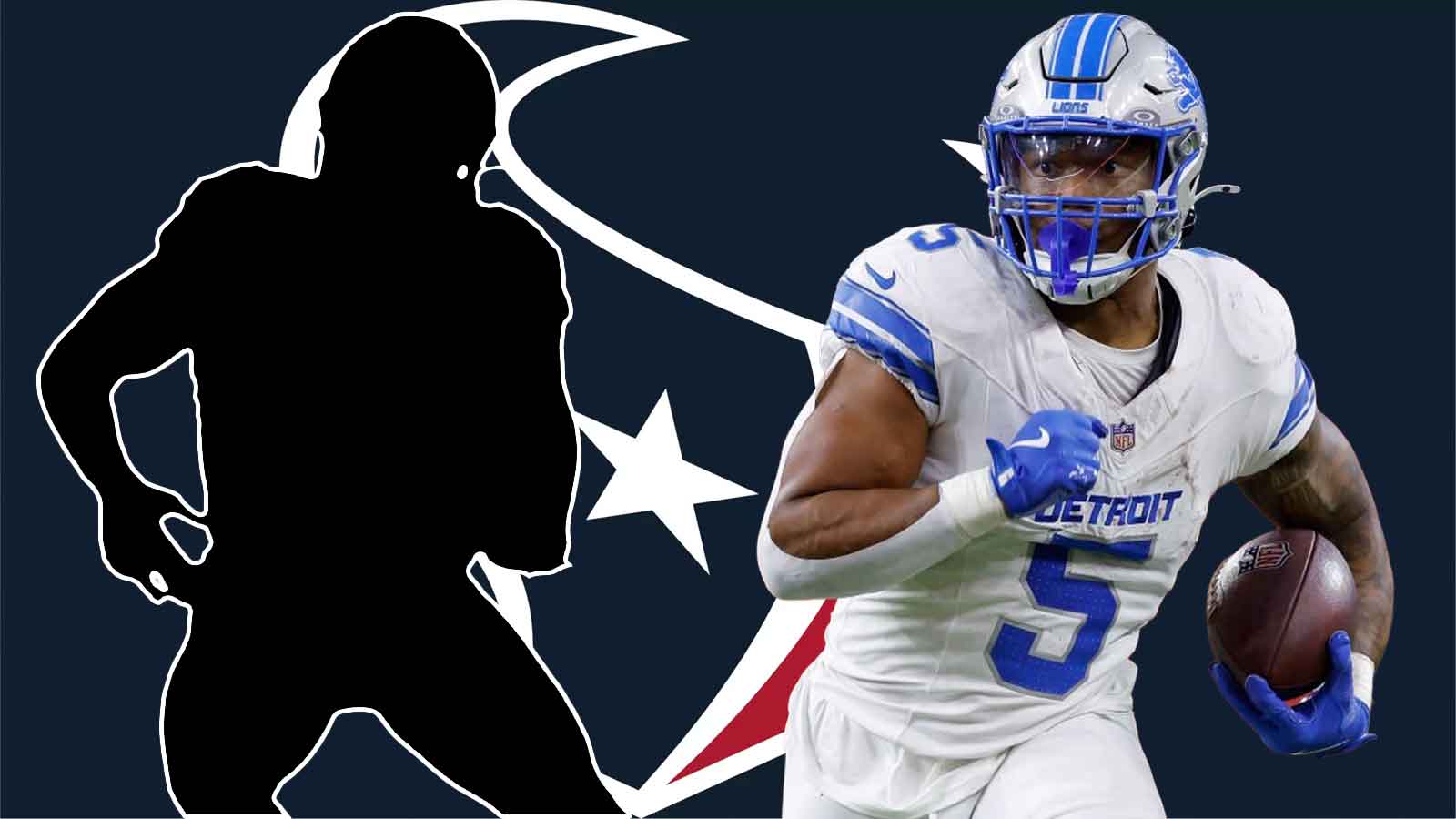
WR Christian Kirk
When Houston acquired Christian Kirk in 2025, the vision was clear. They added a polished veteran route-runner to stabilize a young receiver room and give Stroud a dependable intermediate separator. Of coursse, flashes of that version appeared. However, the week-to-week consistency never fully materialized.
Kirk’s production settled into that of a complementary WR2 rather than a featured weapon. Within Houston’s financial landscape, it becomes a luxury expenditure.
The Texans’ receiver pipeline has quietly shifted toward youth and cost control. Jaylin Noel’s emergence injected vertical explosiveness. Meanwhile, Tank Dell’s return in 2026 should restore one of Stroud’s most trusted chemistry targets. Nico Collins remains the boundary alpha. That trio reduces Kirk’s functional necessity.
Market dynamics further complicate retention. Even in a down year, Kirk’s resume positions him for mid-tier veteran receiver money. That's precisely the type of deal Houston must now avoid. Allocating that cap space toward offensive line reinforcements provides exponentially greater roster impact.
Letting Kirk walk is about reallocating resources toward structural needs rather than positional redundancy.
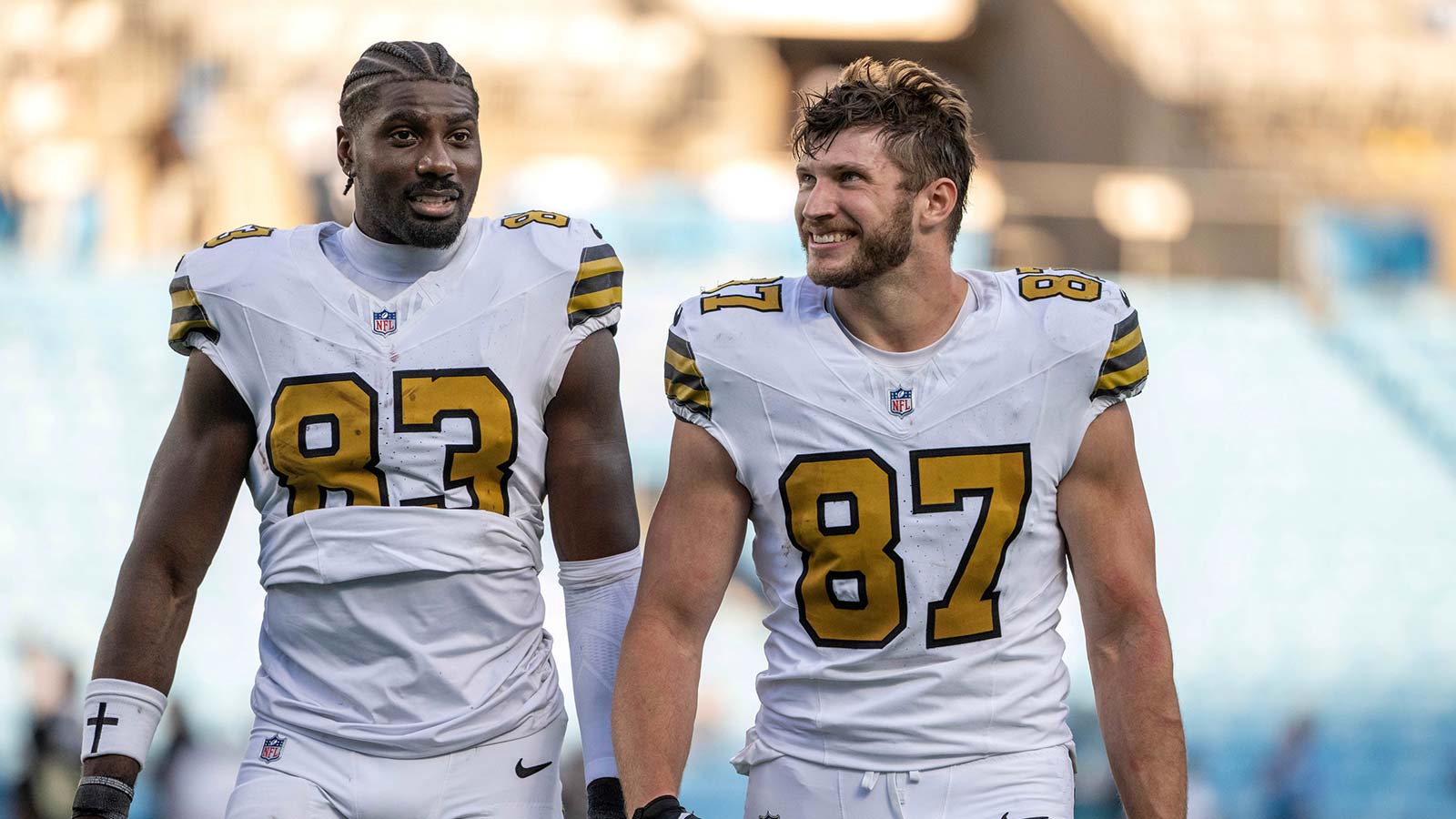
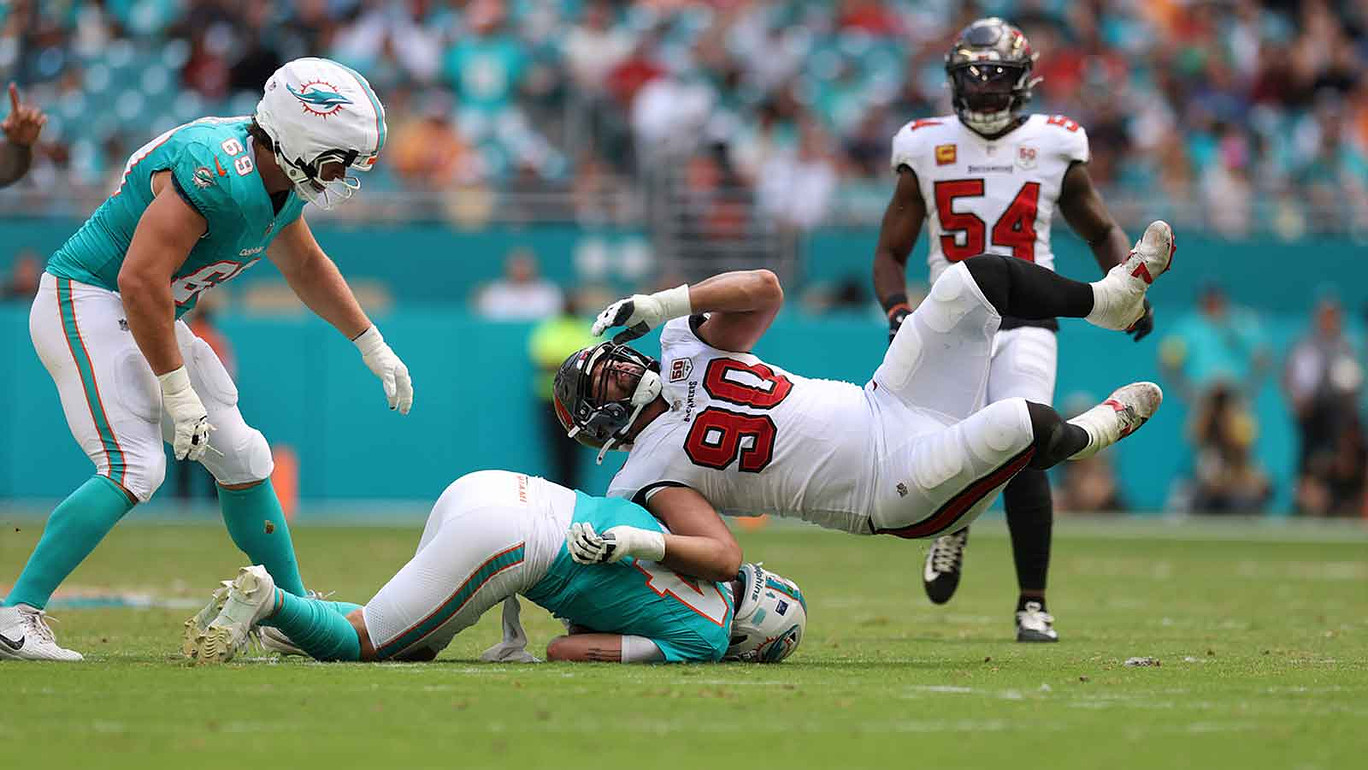
DL Denico Autry
Denico Autry has been the quintessential DeMeco Ryans defender. His ability to slide across the defensive front made him invaluable during Houston’s ascent from rebuilding afterthought to playoff threat. That said, roster timelines matter.
Autry enters the 2026 season at 35 years old. He carries the wear typical of trench warfare veterans. Availability has already become less predictable. Even suspensions have impacted his snap share over the past two seasons. While his leadership remains unquestioned, the Texans must evaluate sustainability over sentiment.
Houston’s defensive identity hinges on wave-based pass-rush pressure. With Anderson anchoring the future and Hunter still producing at a high level, the organization must prioritize finding the next long-term edge partner. That's instead of extending a short-term rotational veteran.
Re-signing Autry would represent the safe choice. Letting him walk represents the forward-thinking move. That would open snaps for younger pass rushers and preserve cap room for interior reinforcements.
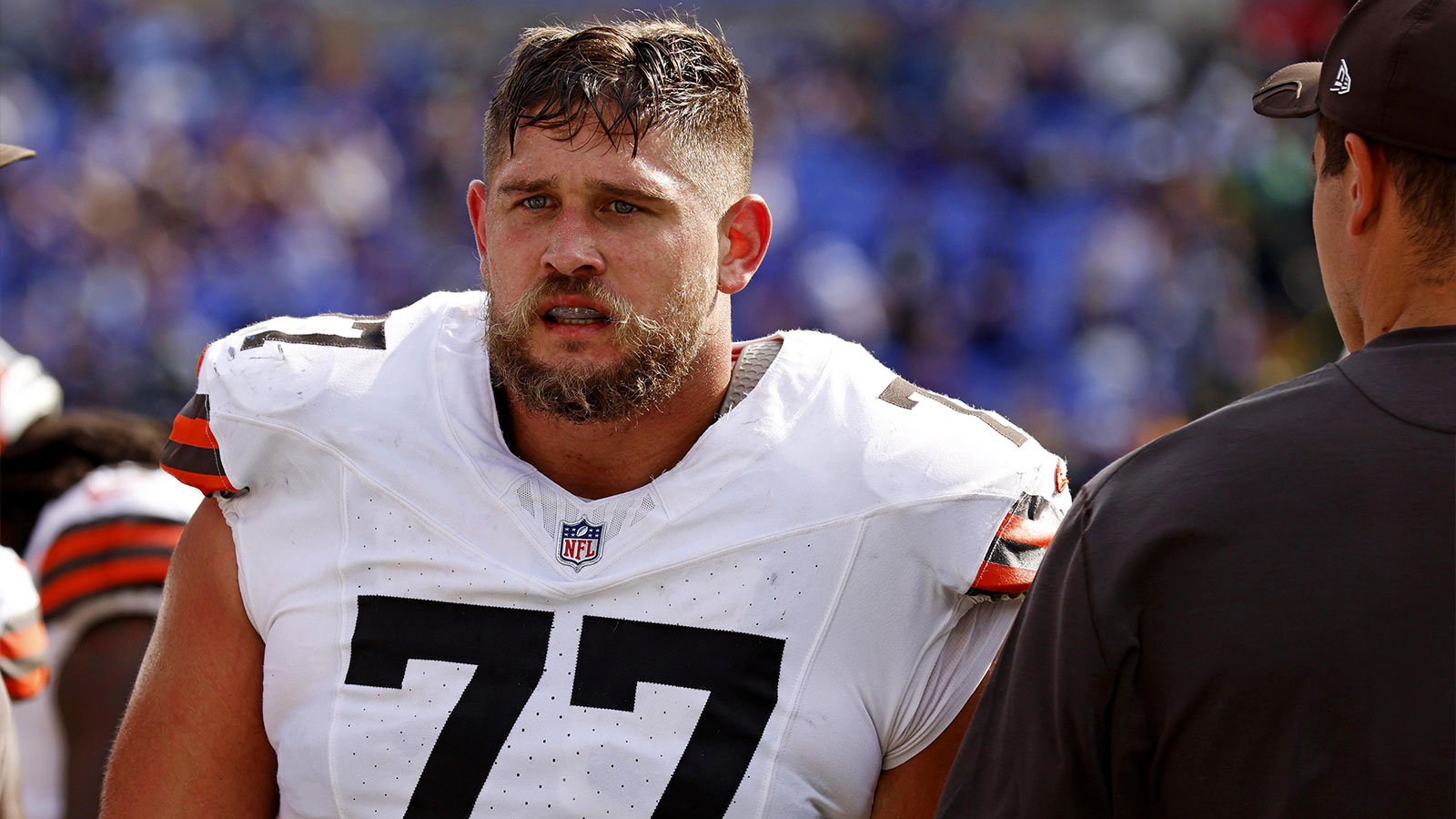
WR Braxton Berrios
Braxton Berrios’ signing was rooted in situational value. Houston sought a return-game spark and a reliable underneath outlet. On paper, the fit made sense. In practice, however, the role proved replaceable.
Berrios spent stretches of 2025 as a healthy scratch. He was squeezed out by deeper receiver rotations and special teams experimentation. His offensive usage never reached the threshold necessary to justify a dedicated roster slot.
That reality becomes magnified under cap strain. With Stroud’s looming megadeal, every marginal roster expenditure comes under scrutiny. Specialists, particularly those offering limited offensive snaps, become expendable first.
Strategic restraint
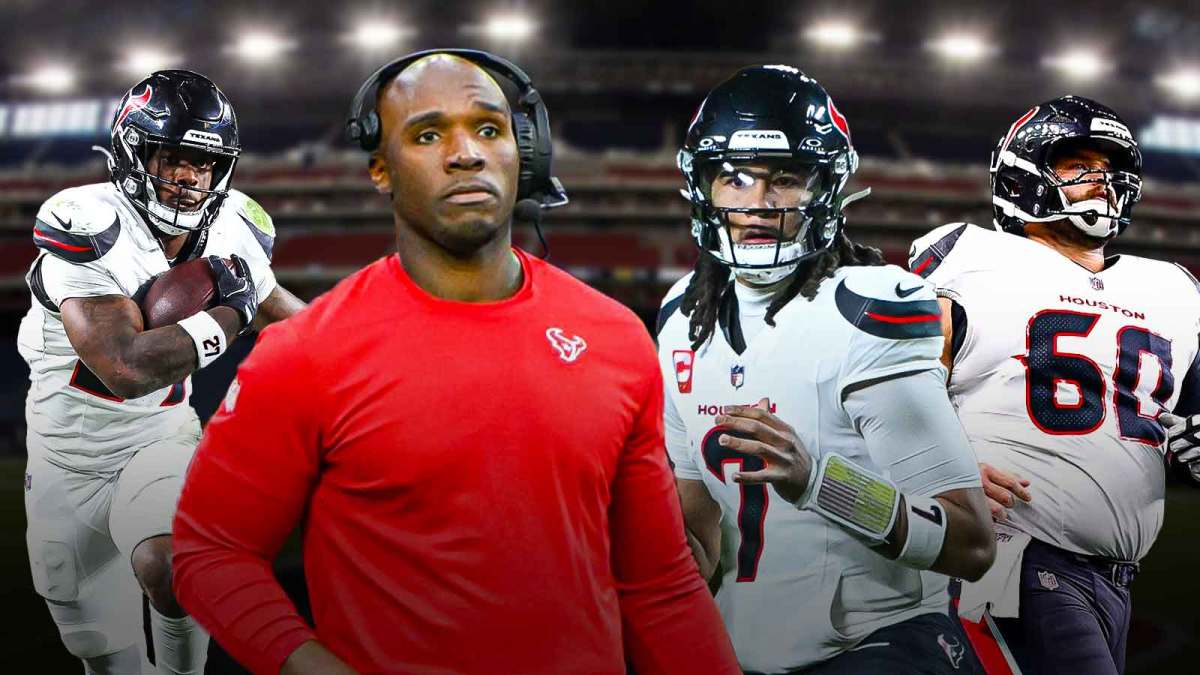
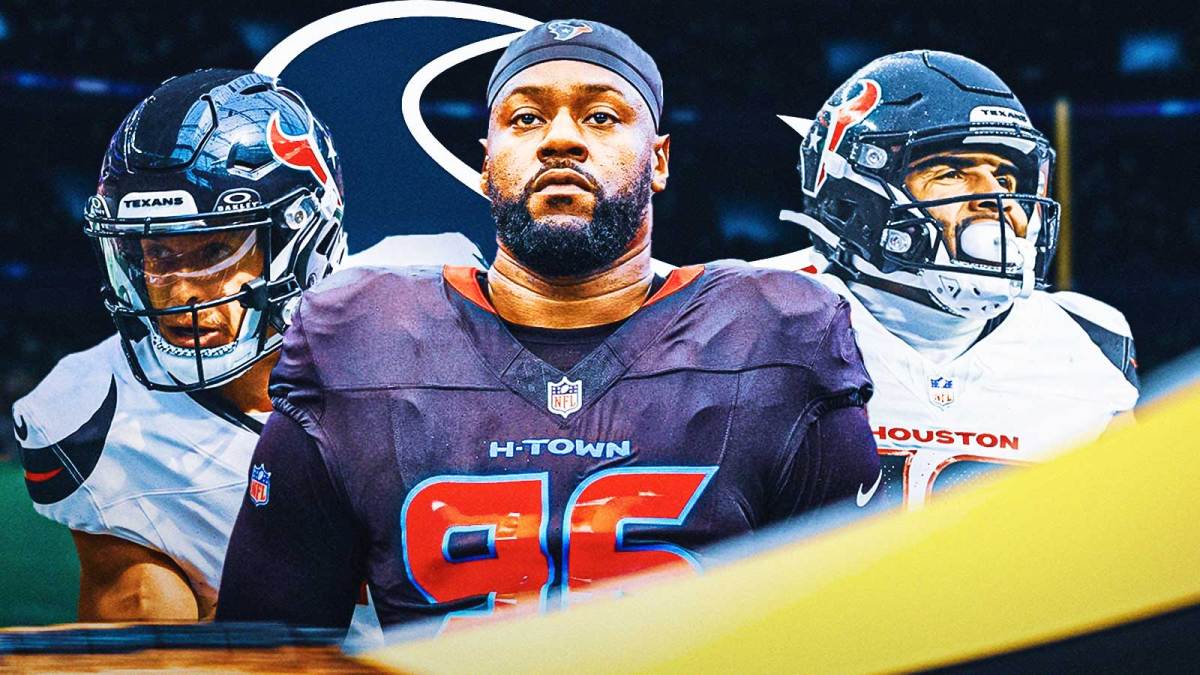
Letting Christian Kirk, Denico Autry, and Braxton Berrios walk would not weaken Houston’s contender trajectory but protect it. Each decision aligns with a broader pivot towards roster optimization. The Texans are here to manage sustainability, after all.
Cap space must funnel toward franchise cornerstones, trench reinforcements, and defensive longevity. Depth must be younger, cheaper, and scheme-flexible. Veterans who once stabilized the rebuild now become financial obstacles to the next leap. That's a painful reality but reality nonetheless.
The better a team becomes, the harder its roster decisions grow. For Houston, preserving a championship window around CJ Stroud and Will Anderson Jr means mastering the art of letting go.