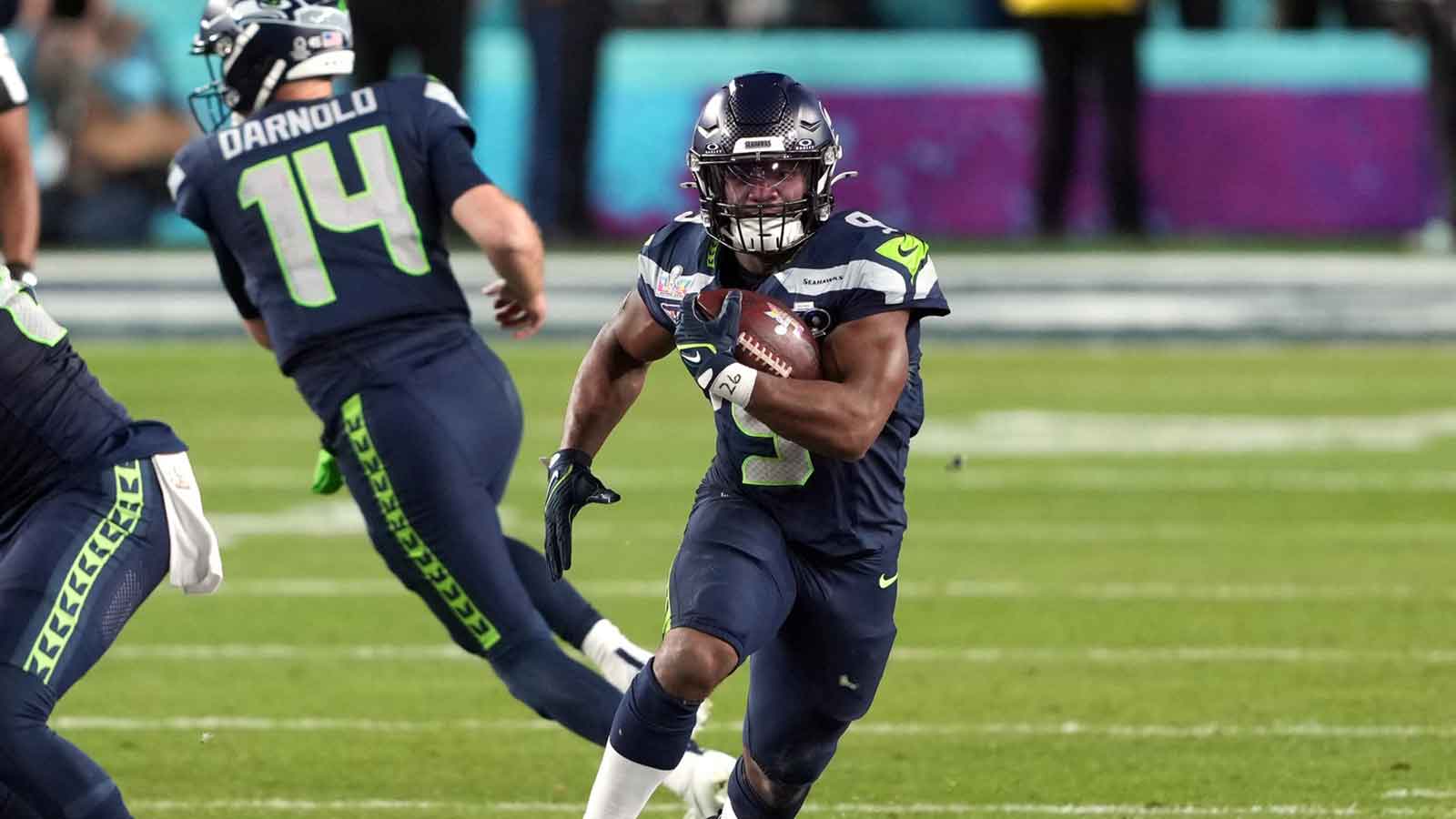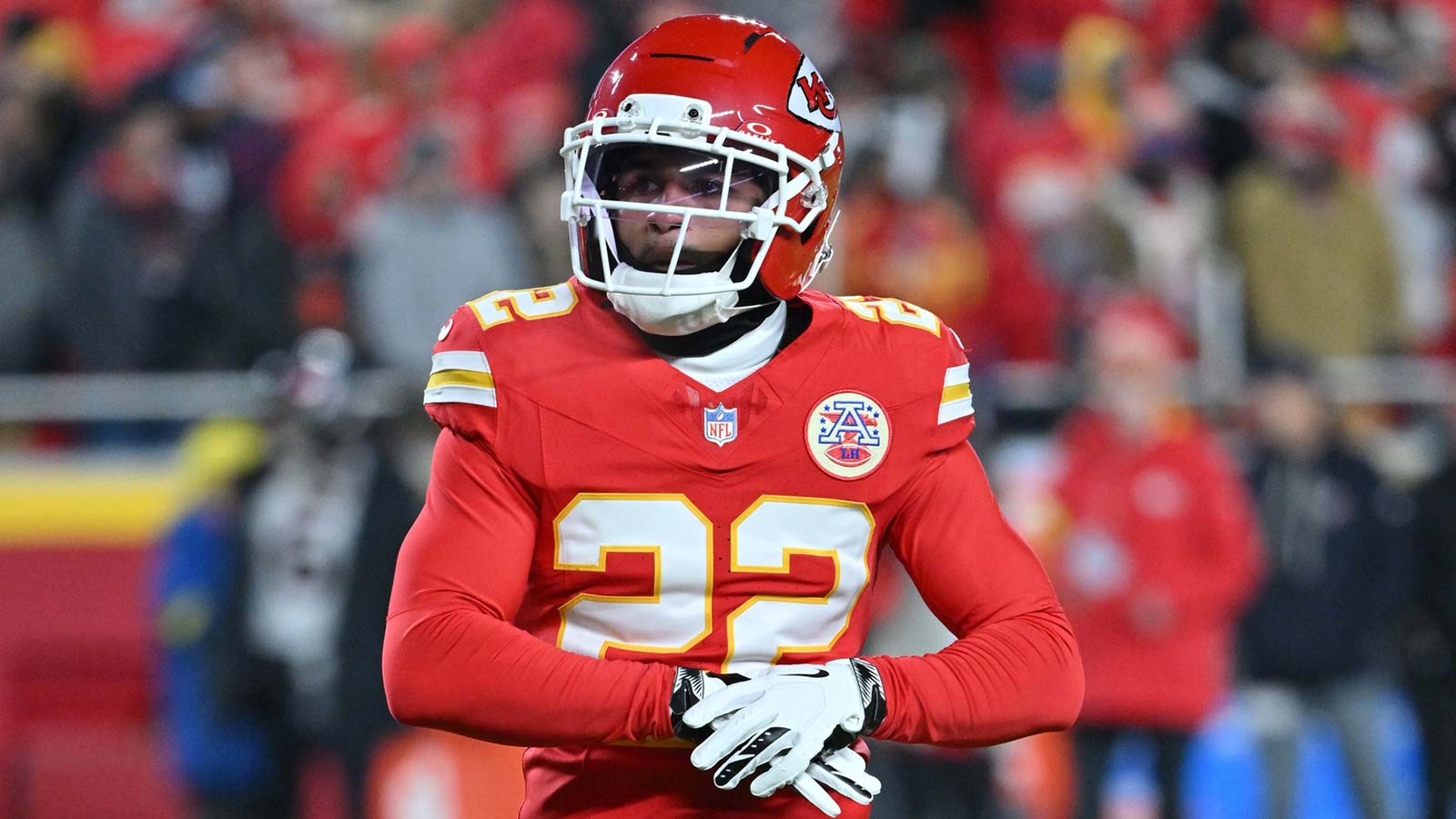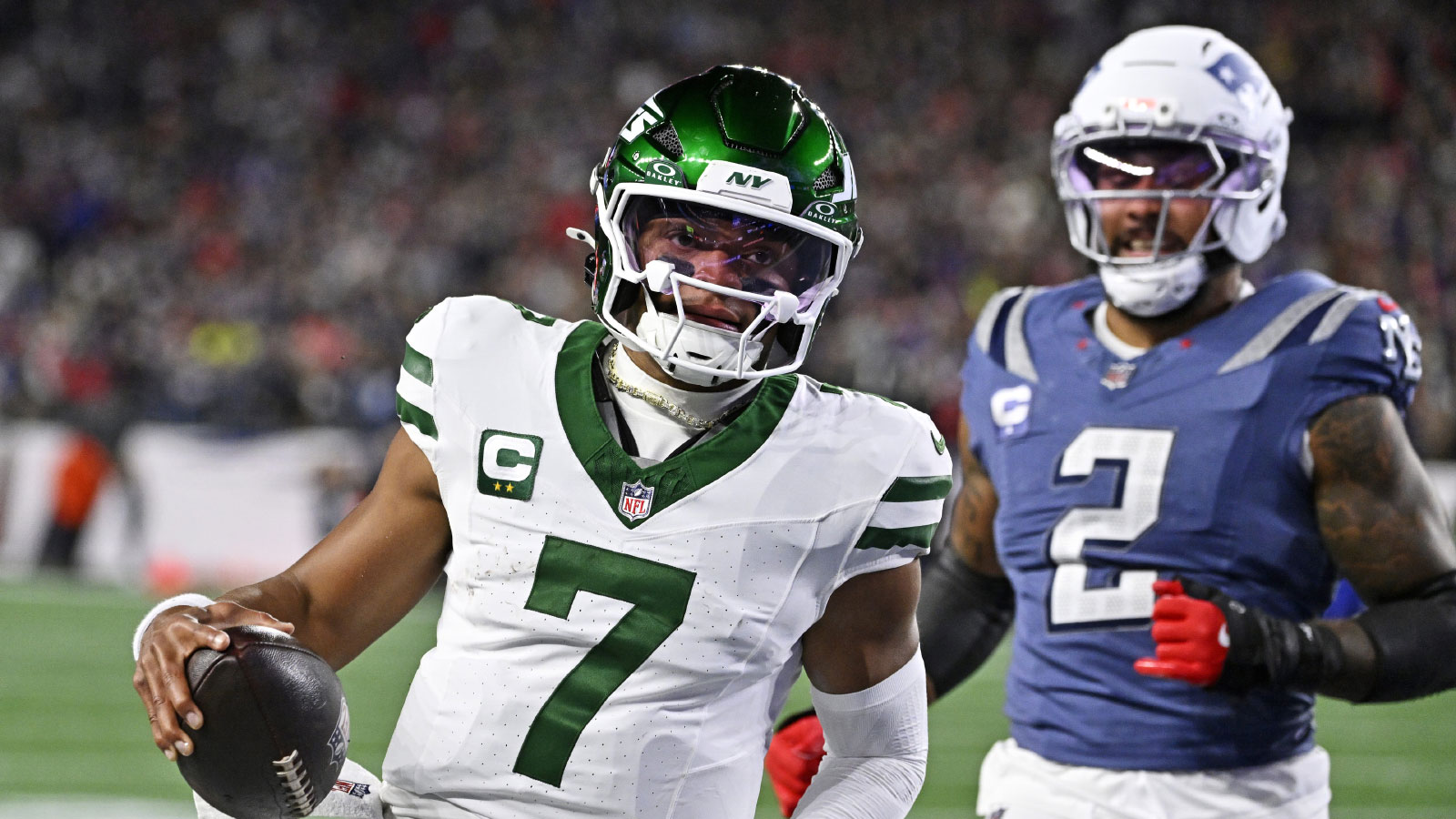

The Kansas City Chiefs have never been a franchise content with standing still. Now, the arrival of Kenneth Walker III feels like a seismic shift in the tectonic plates of the AFC. They have just secured the services of the reigning Super Bowl MVP on a three-year, $45 million deal. As such, general manager Brett Veach has effectively declared war on the narrative that the Chiefs’ dynasty is in decline. It is a bold, aggressive, and frankly necessary maneuver for a team that has spent the better part of two seasons searching for a legitimate identity on the ground.
The Cheifs will pair Walker’s explosive vision and 14.9 percent explosive run rate with the cerebral brilliance of Patrick Mahomes. That creates a dual-threat monster that should keep defensive coordinators awake until the 2026 season kicks off. However, while the Kingdom is busy celebrating this backfield coup, the cold reality of the modern NFL is that one superstar signing does not a champion make. The champagne from the Walker announcement has barely settled, and yet the clock is already ticking on their next move. This could define whether the Chiefs return to glory or remain a mid-tier enigma.
Disappointing 2025 campaign
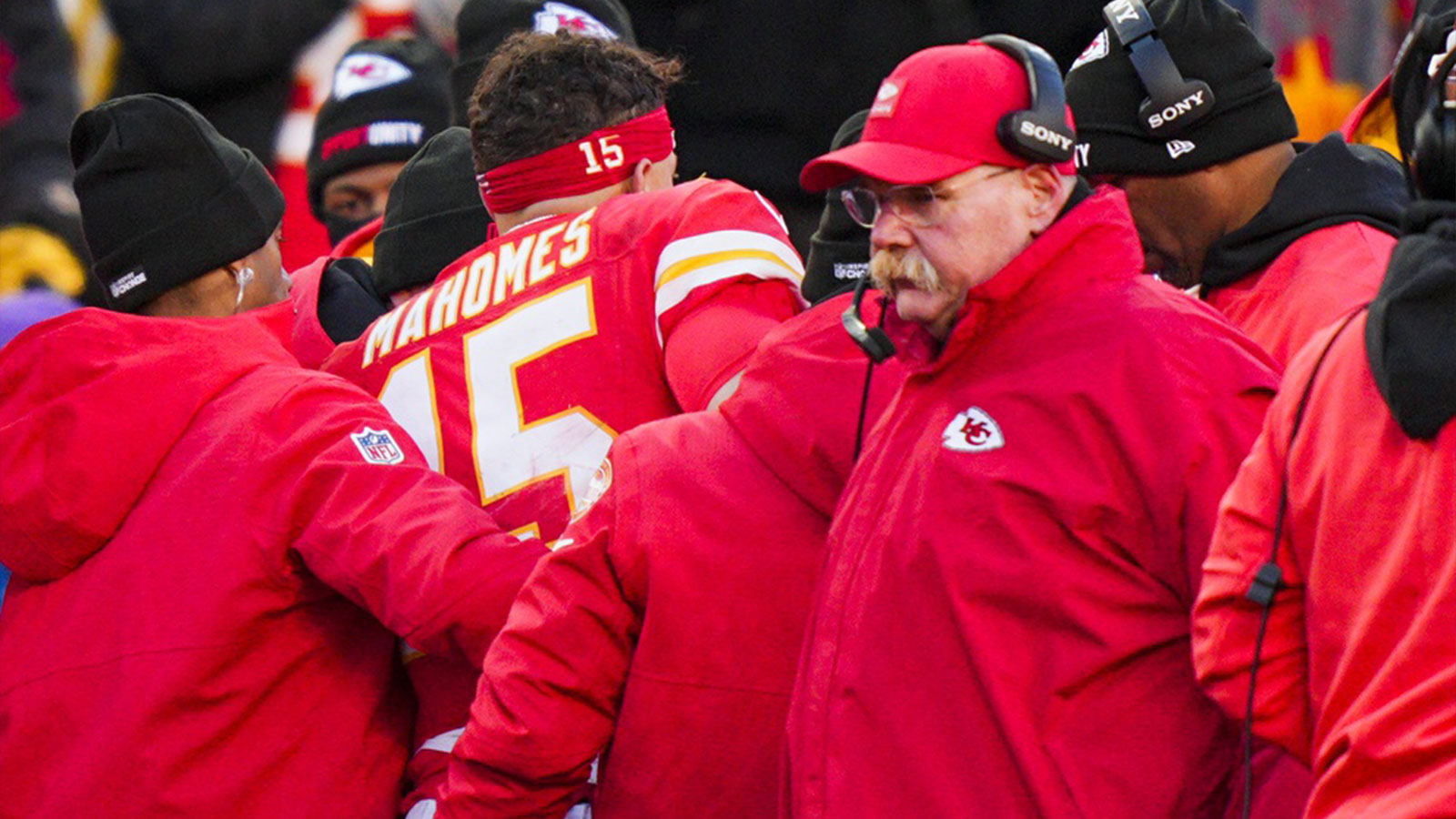
To understand the urgency of the 2026 offseason, one must first confront the wreckage of the 2025 campaign. For the first time in the Mahomes era, the Chiefs looked human. They stumbled to a 6-11 finish and missed the postseason entirely. It was a season marred by a lack of offensive punch and an uncharacteristic inability to close out tight games. Fans saw this through an agonizing nine losses decided by a single possession.
Sure, the defense remained stout under Steve Spagnuolo, ranking 6th in points allowed. However, the offense cratered to 21st in the league. Mahomes was hampered by a torn ACL late in the year, too. He struggled to find consistent rhythm as the run game stagnated at 25th in rushing yards per game. The once-vaunted AFC West crown slipped away to the Los Angeles Chargers. The Chiefs also watched the playoffs from the couch for the first time since 2014. It was a humbling experience that laid bare the roster's deficiencies. This was particularly true with the lack of a home-run threat in the backfield and the growing age of the supporting cast.
Aggressive reinforcements
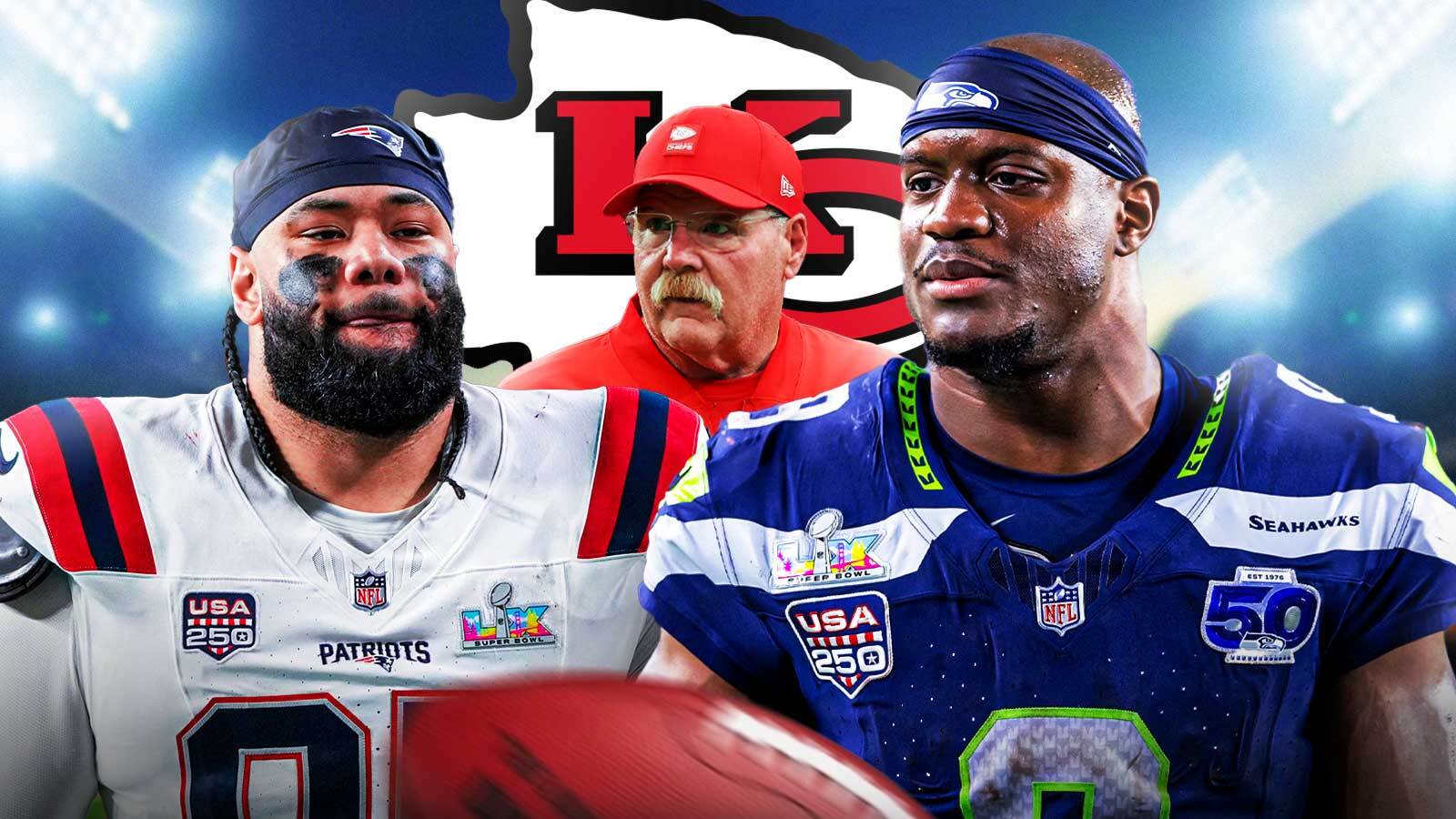
The 2026 free agency period has seen the Chiefs operate with a level of desperation and precision that suggests they are finished with losing. Before the Kenneth Walker III blockbuster, the front office was already busy reshaping the roster's core. They secured Travis Kelce on a one-year deal to ensure Mahomes has his safety blanket for at least one more run. On the defensive side, the additions of safety Alohi Gilman from the Ravens and defensive tackle Khyiris Tonga from the Patriots have provided much-needed bulk and veteran savvy.
Even the special teams units were prioritized with the re-signing of return specialist Nikko Remigio and long snapper James Winchester. Yet, these moves have come at a cost. The departure of Isiah Pacheco to Detroit and the painful loss of cornerbacks Trent McDuffie and Jaylen Watson to the Rams have left glaring holes that have not yet been fully addressed. The tampering period has been a whirlwind of high-stakes gambling. Still, the ledger is far from balanced.
Fixing the secondary
The next move the Chiefs must make is non-negotiable if they intend to survive the AFC arms race. This is the acquisition of a legitimate, shutdown cornerback to replace the vacuum left by the McDuffie trade. Yes, Walker fixes the offense’s lack of balance. That said, the defense is currently staring down the barrel of a secondary crisis. Losing both starting cornerbacks to a division rival’s former assistant GM is more than just a personnel loss. It is a tactical emergency.
The Chiefs currently lack a veteran CB1 capable of erasing an opponent's top wideout. That role is essential in a conference populated by the likes of Ja'Marr Chase and Nico Collins. Sure, names like Cobie Durant and Trevon Diggs remain on the market. The Chiefs, though, cannot afford to wait for the draft at pick No. 9 to solve this problem. They must pivot immediately to a veteran corner who can step into Spagnuolo’s complex press-man schemes without a learning curve. If the Chiefs enter the 2026 season with a backfield of gold but a secondary of glass, all the rushing yards in the world from Walker won’t be enough to keep the Lombardi Trophy within reach.
Securing the edge
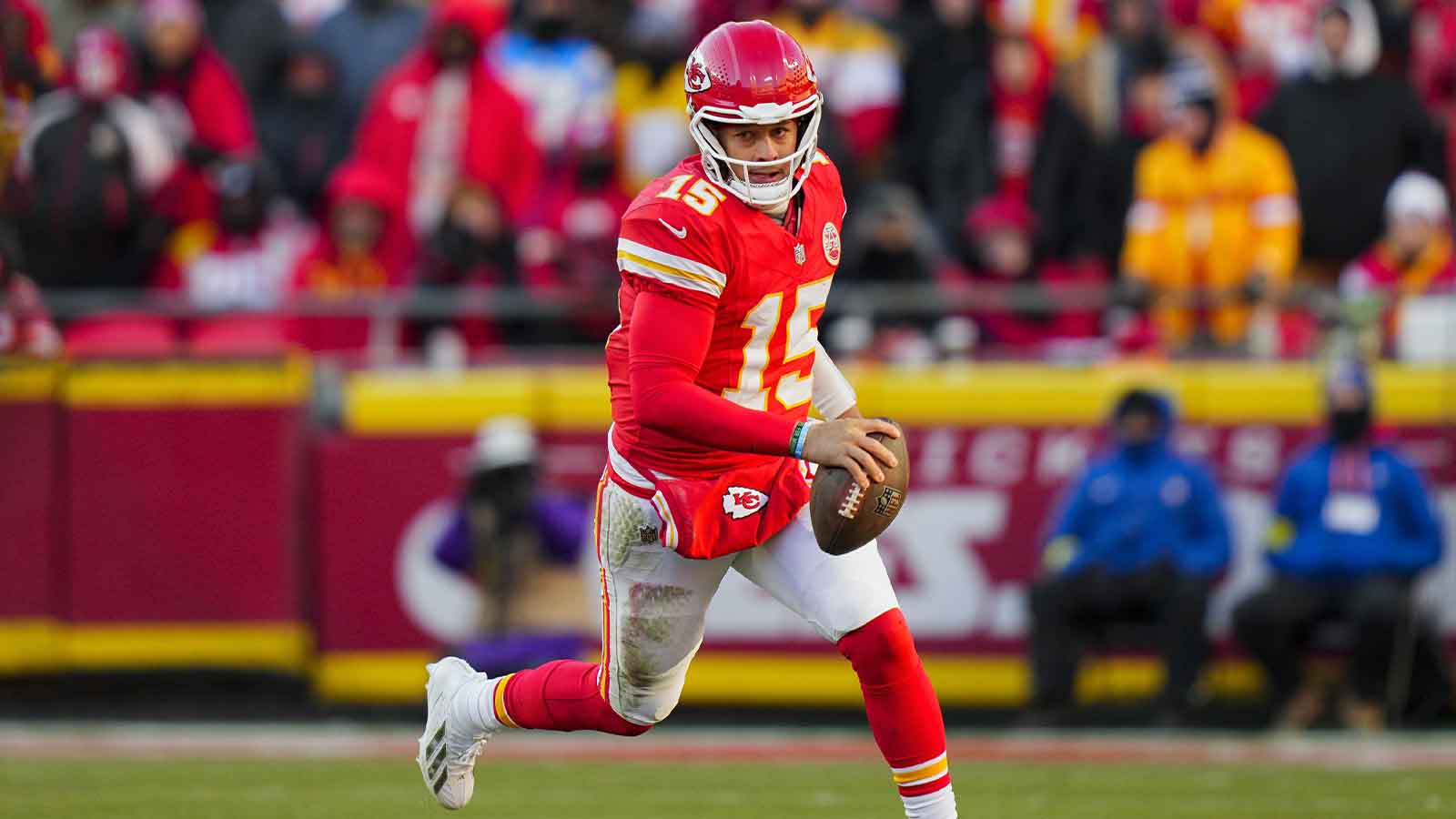
Beyond the secondary, the Chiefs must bolster their pass rush following the departure of Charles Omenihu. Yes, George Karlaftis continues to be a foundational piece. Still, the defense requires another high-motor edge rusher to ensure that Walker’s potential leads aren't evaporated by opposing quarterbacks having all day to throw. Persuasive as the offense might be with its new superstar runner, championships in Kansas City have always been predicated on the defense’s ability to generate “Spags-style” pressure in the fourth quarter.
If the Chiefs can land a savvy veteran pass rusher on a short-term deal, they will provide the necessary protection for a secondary that is currently in flux. The Walker signing was the opening statement. Now, the defense needs a closing argument. Without a follow-up move to shore up the perimeter and the pass rush, the Chiefs risk wasting a prime year of the Mahomes-Walker partnership. The blueprint for 2026 is clear. They must find the man who can stop the pass, because they finally have the man who can run the ball.