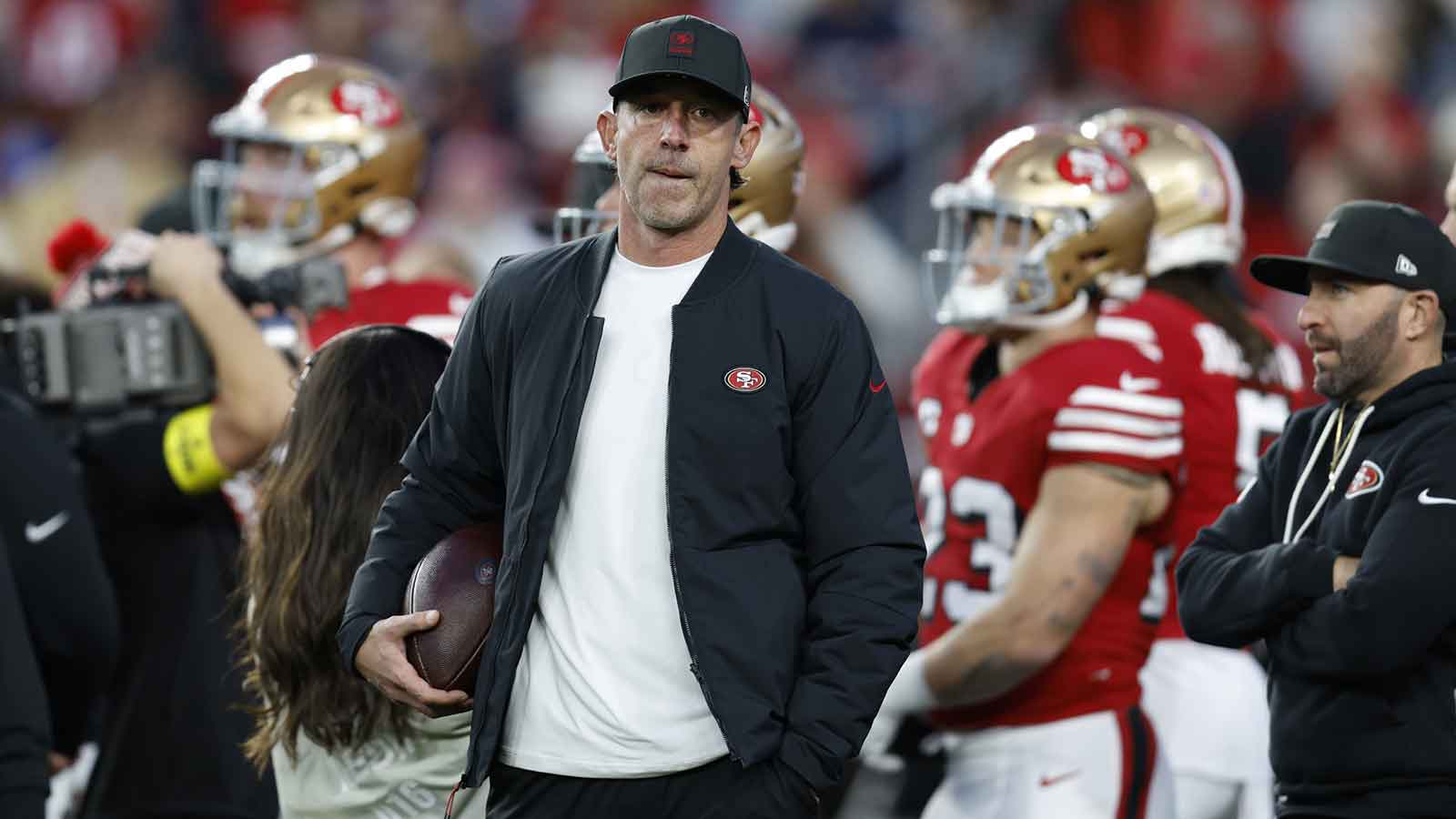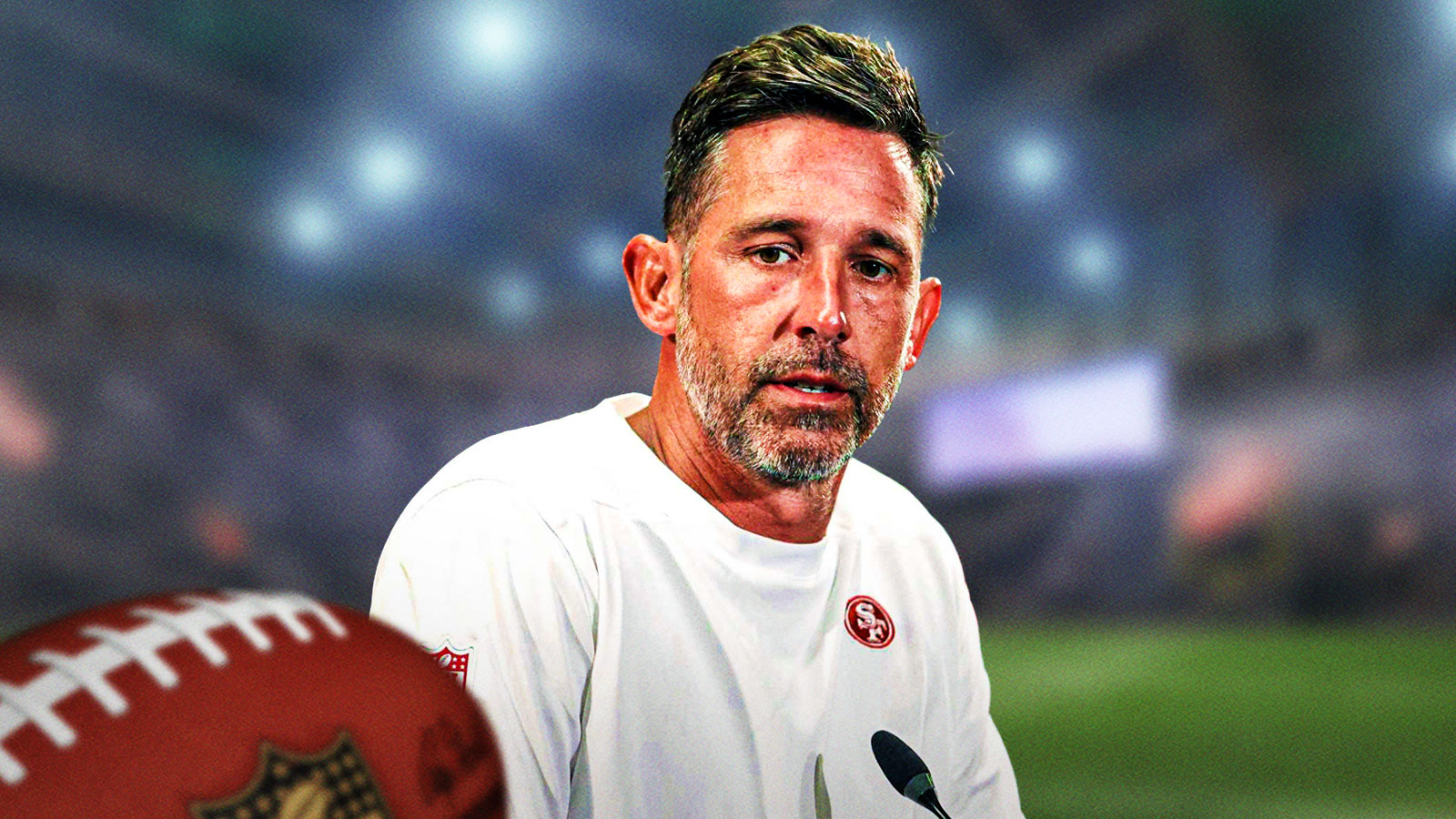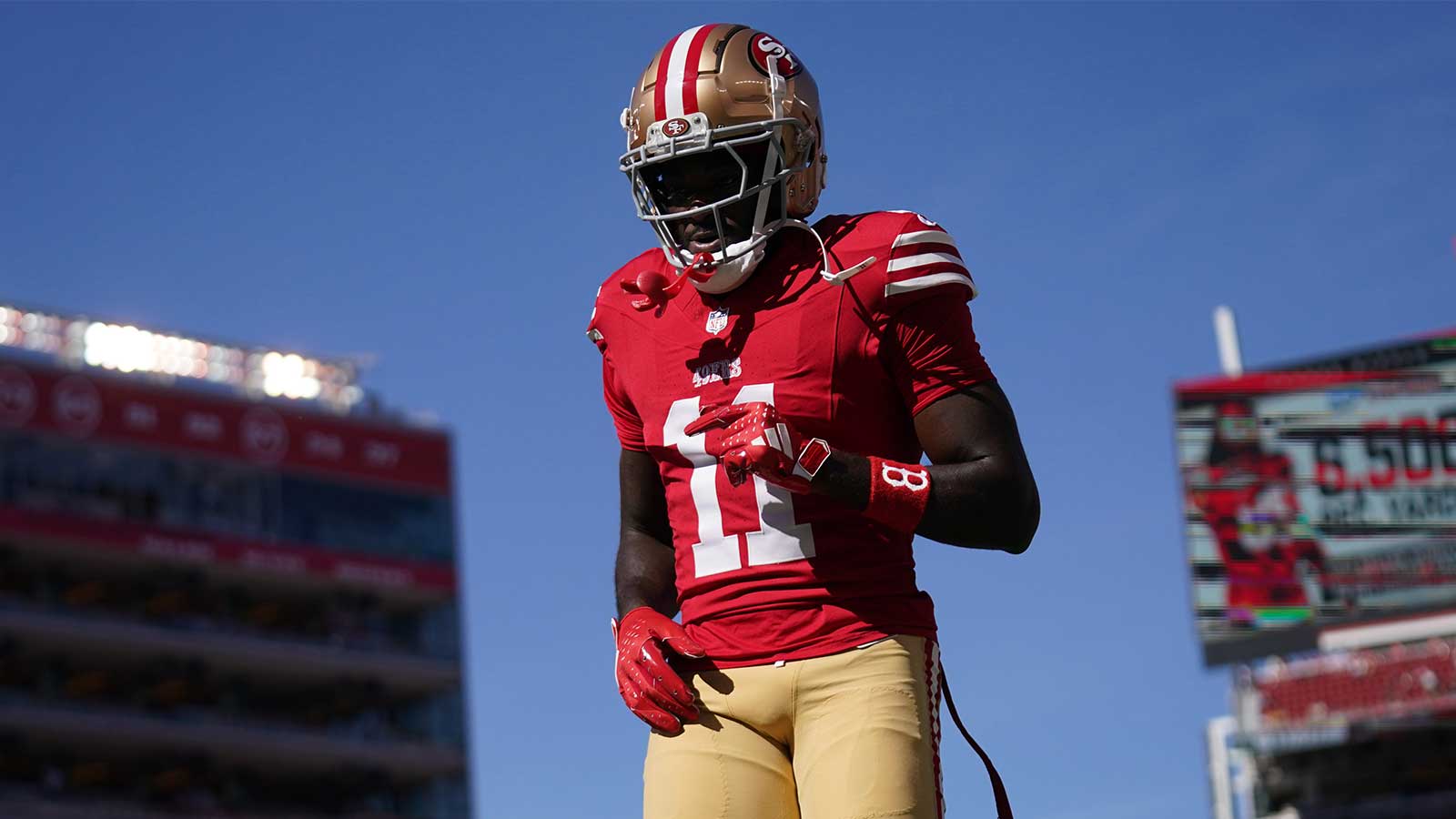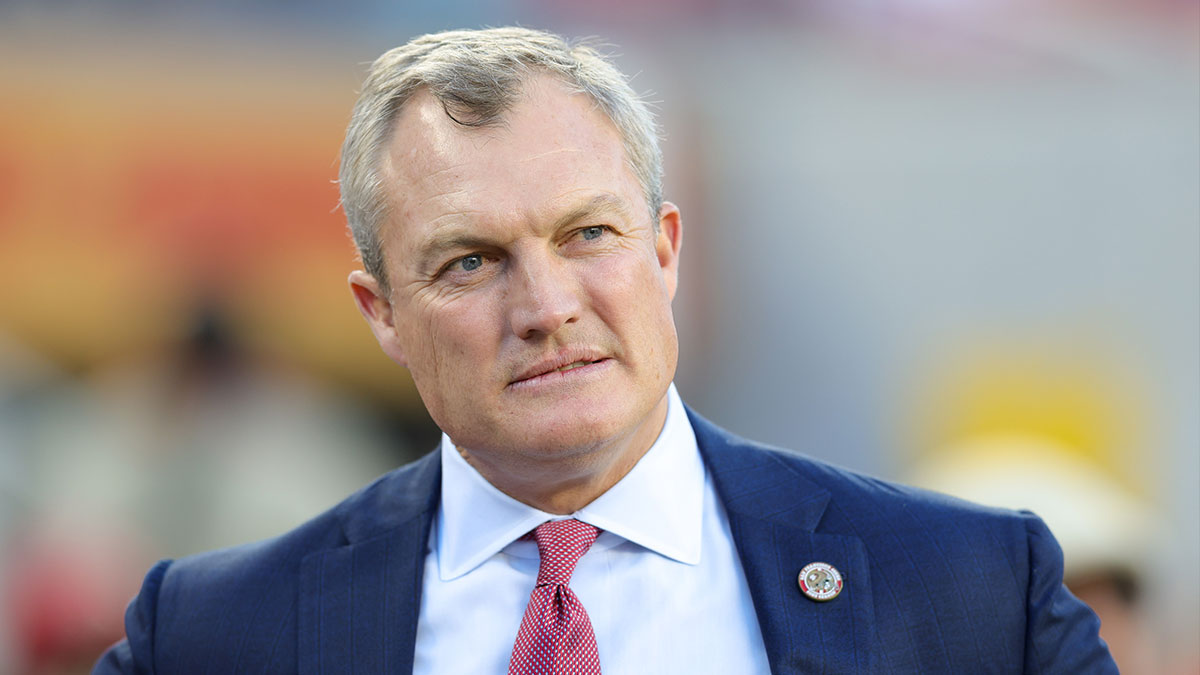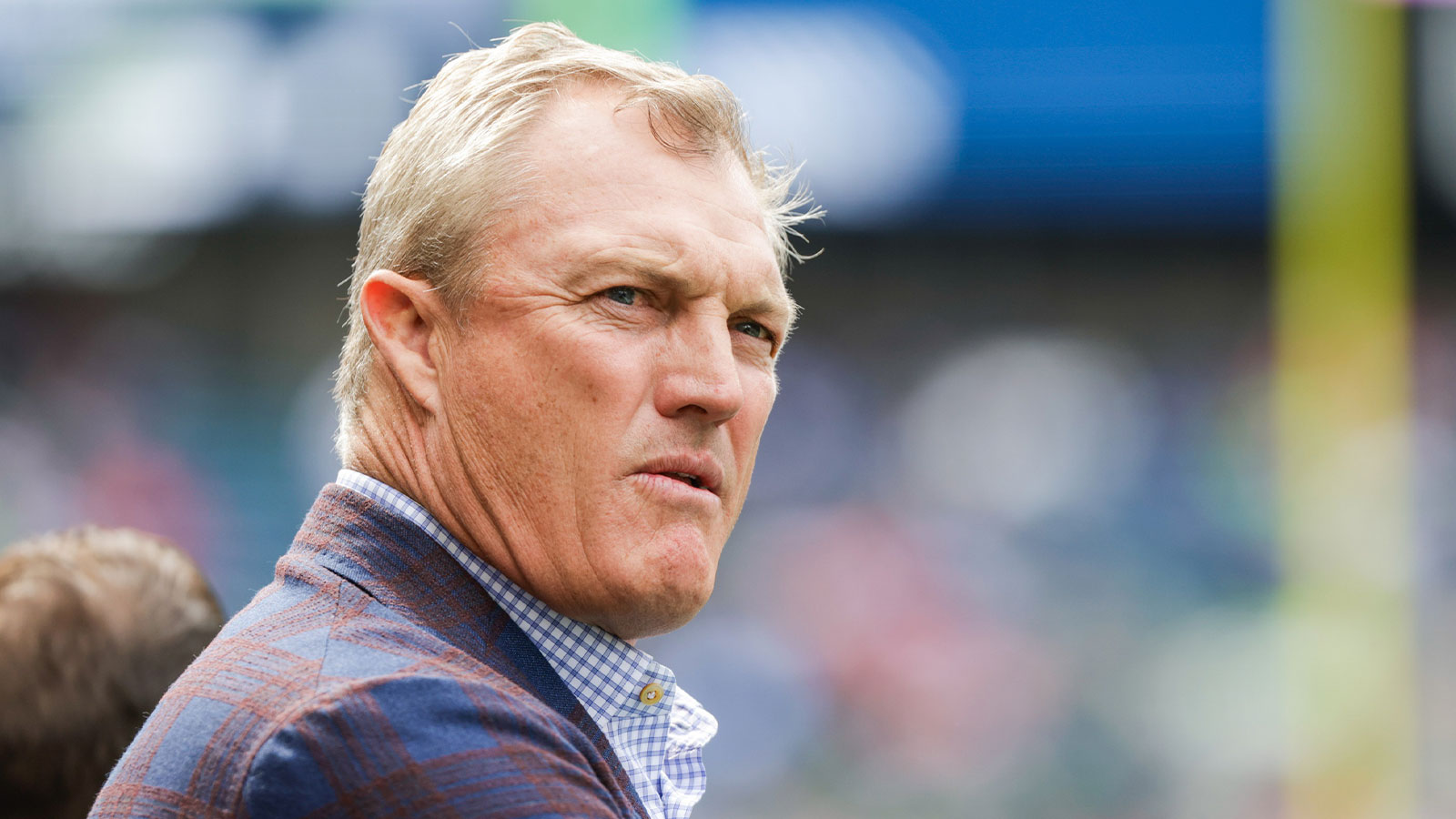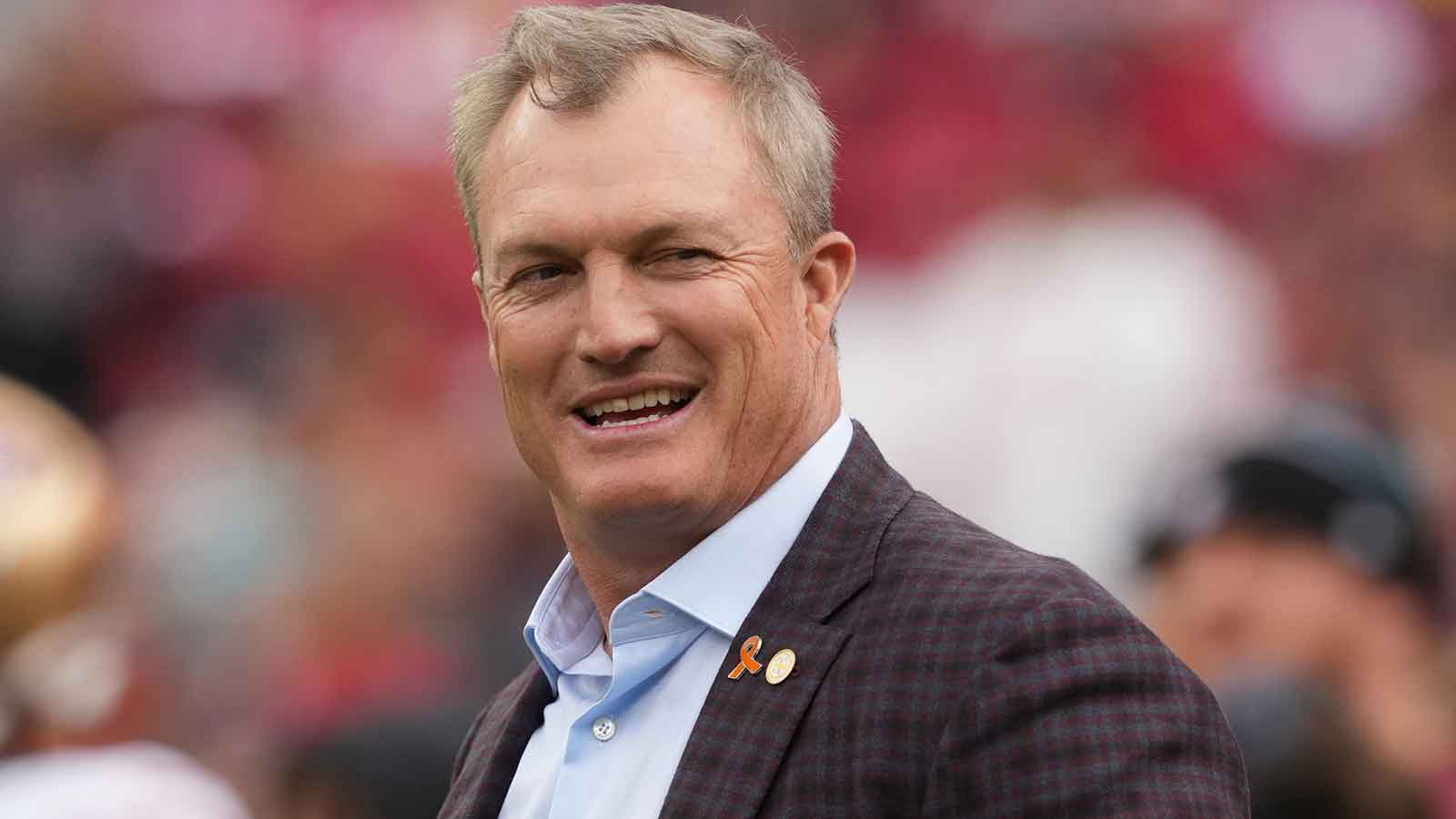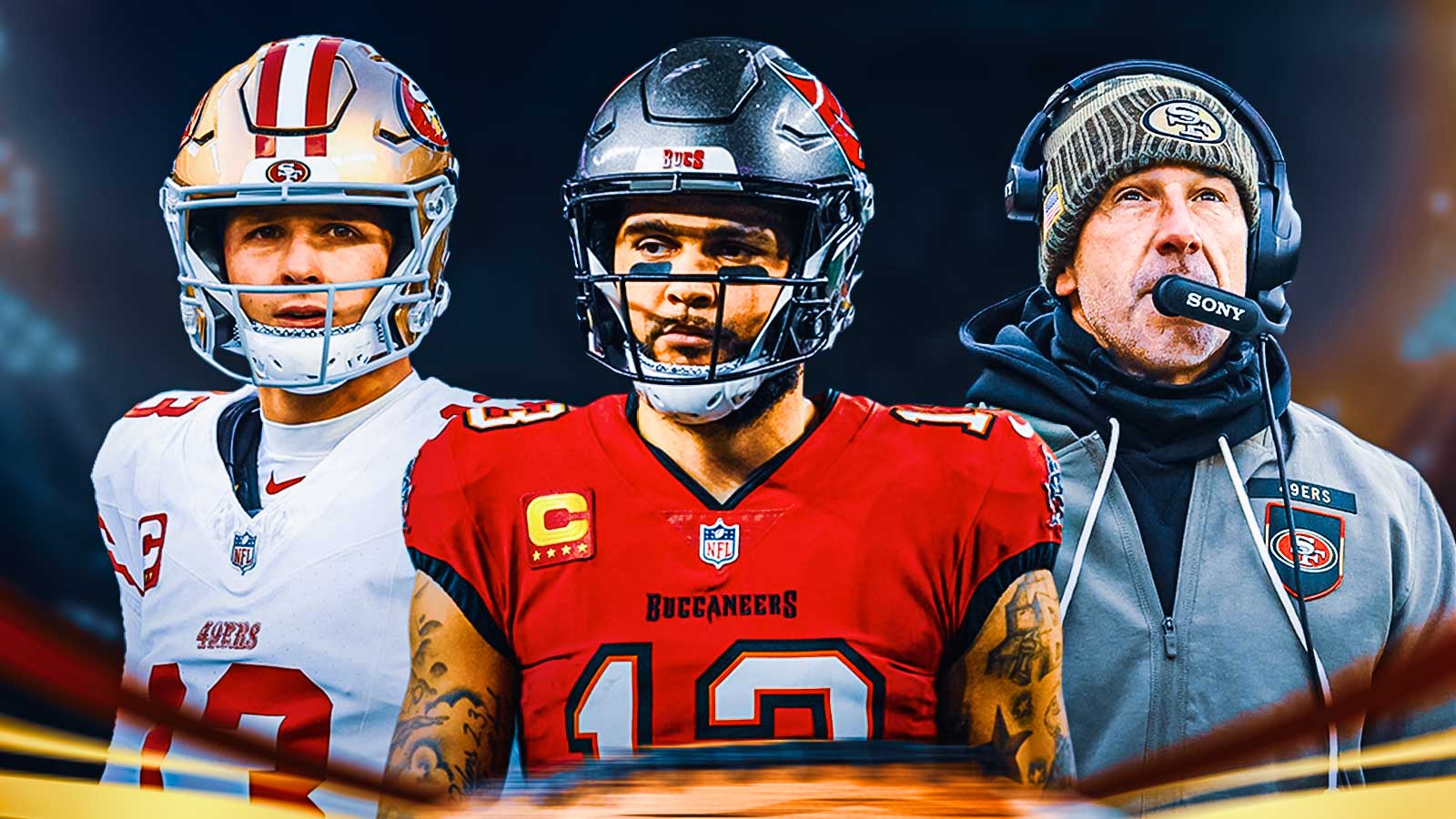
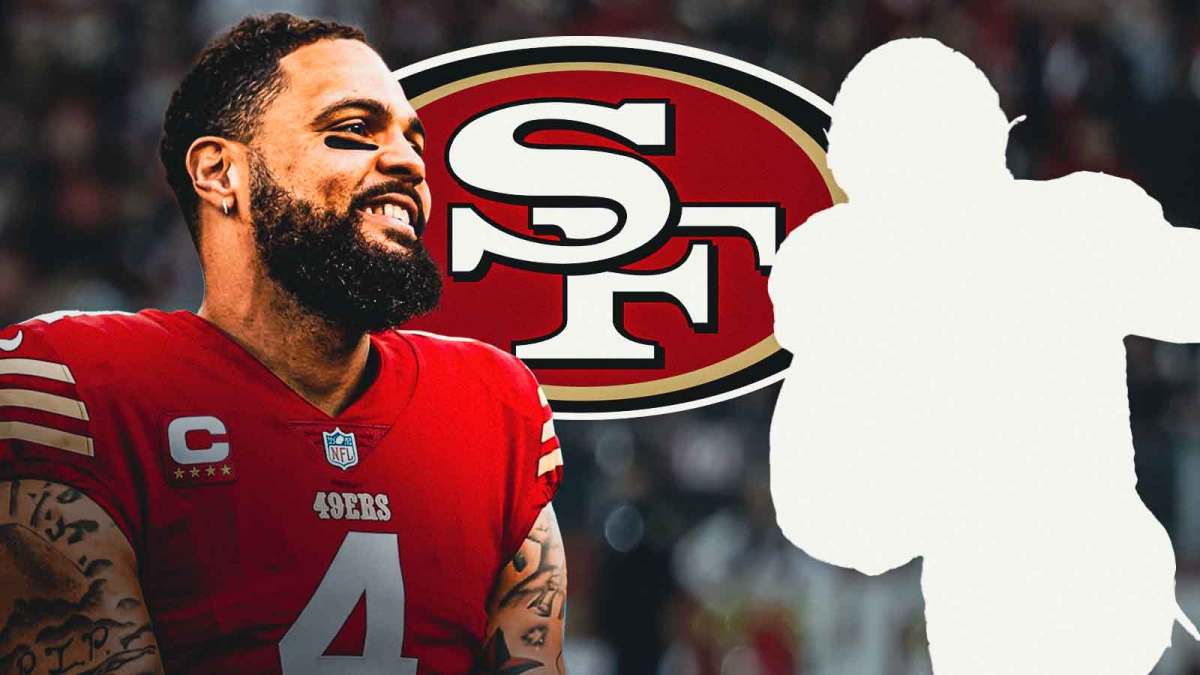
The San Francisco 49ers have never been a franchise afraid of bold moves when a championship window is within reach. This offseason, that philosophy was on full display when general manager John Lynch and head coach Kyle Shanahan landed one of the most decorated wide receivers of the modern era: Mike Evans. The three-year, $60.4 million contract instantly reshaped the narrative surrounding San Francisco’s offense.
Evans brings size, red-zone dominance, and veteran leadership to a receiving corps that had been ravaged by injuries and inconsistency. That said, the move represents only the opening chapter of the 49ers’ 2026 roster strategy. The franchise clearly believes its Super Bowl window remains open. Still, if San Francisco truly intends to capitalize on the Evans acquisition, the next move must focus on reinforcing the offensive line.
Resilient 2025 season
To understand why the 49ers are moving aggressively now, one must revisit the dramatic journey that defined the 2025 season. San Francisco began the year facing the aftermath of a disappointing campaign in 2024. Expectations were tempered accordingly. However, the team quickly rediscovered its competitive identity.
Despite a relentless wave of injuries, the 49ers fought their way to a remarkable 12-5 record. The resilience of the roster earned the group the fitting nickname “The 49-IRs,” a nod to the seemingly endless list of players who battled injuries throughout the year.
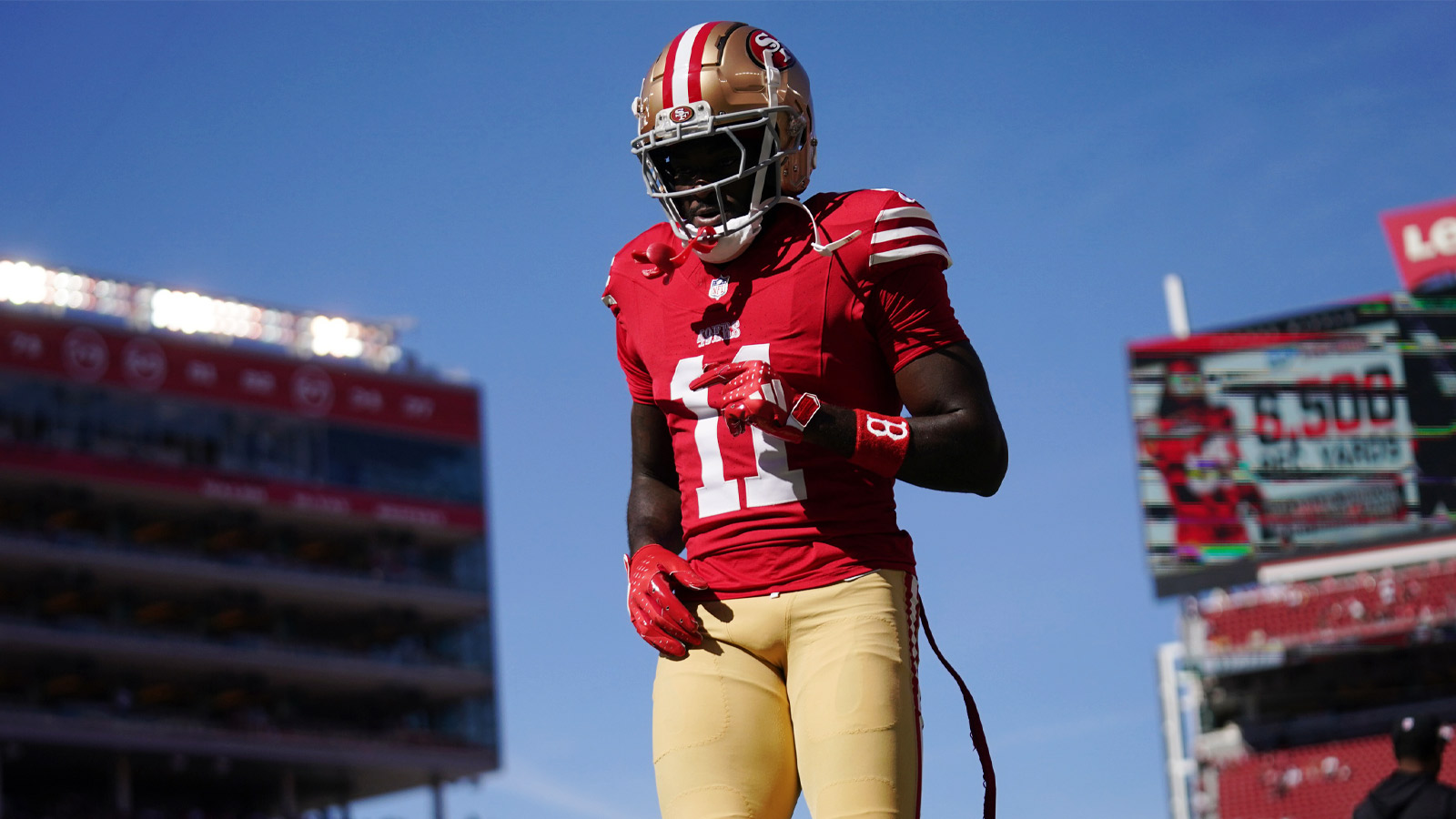
George Kittle’s heartbreaking Achilles tear and Brandon Aiyuk’s injury-plagued season could have derailed the team entirely. Instead, San Francisco continued to grind out victories behind a combination of creative coaching and veteran leadership.
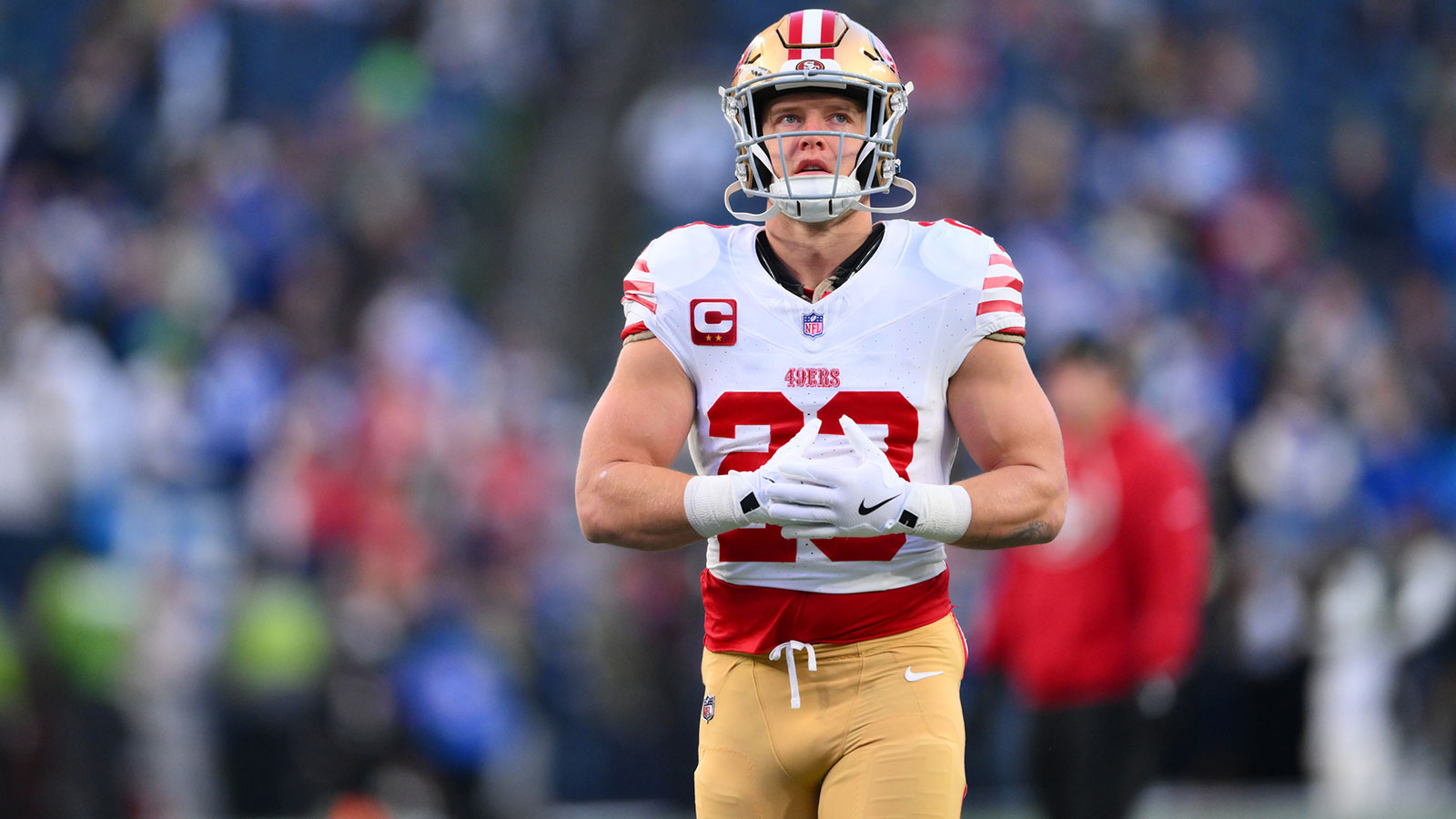
Christian McCaffrey delivered one of the most memorable seasons of his career. He completed the rare 1,000 rushing and 1,000 receiving yard milestone on his way to earning the AP Comeback Player of the Year award. The 49ers even managed to defeat the Philadelphia Eagles in a thrilling Wild Card matchup. That reinforced the belief that they remained legitimate contenders.
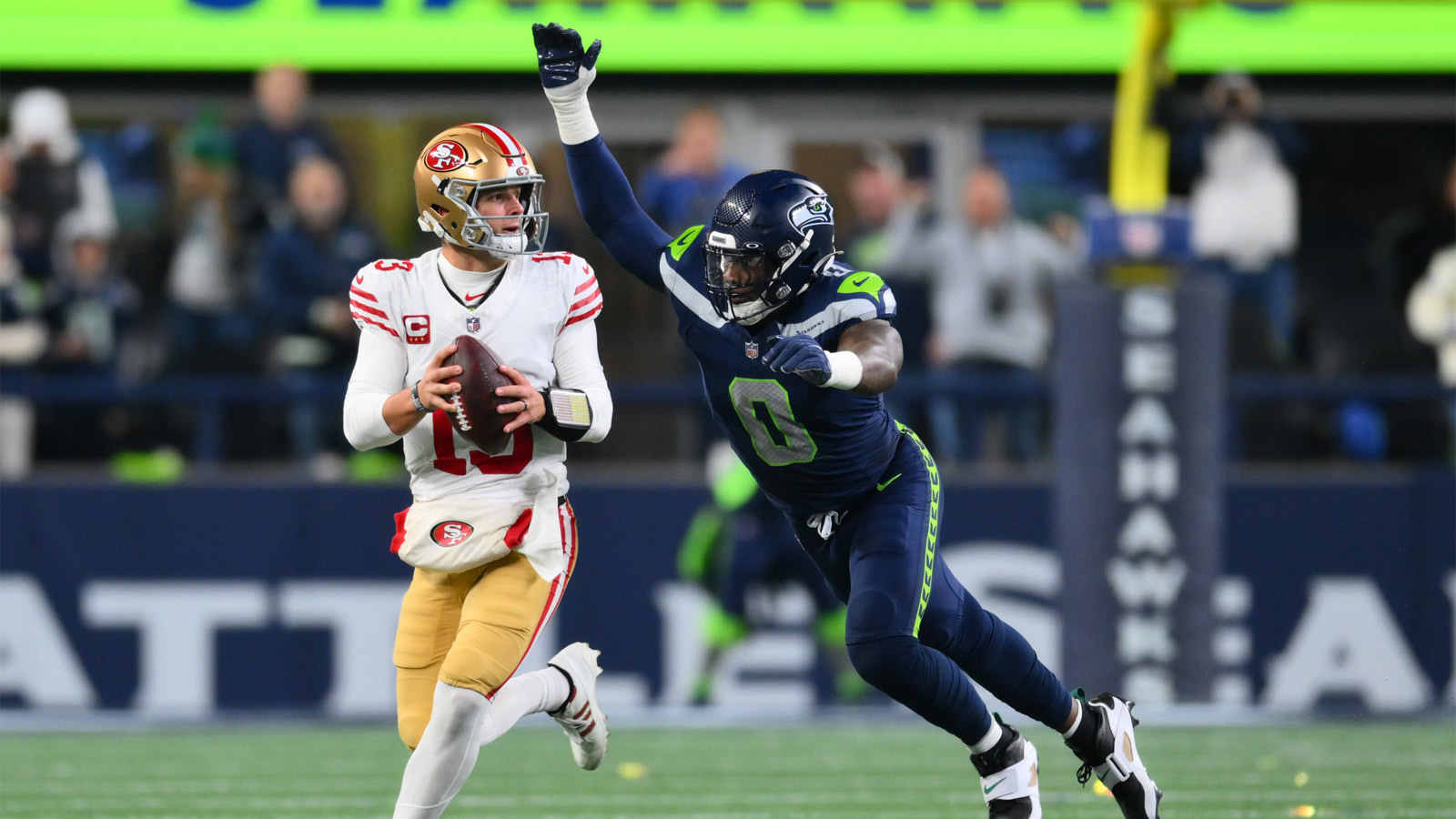
The season, though, ended abruptly in the Divisional Round. In a rain-soaked matchup at Lumen Field, the Seattle Seahawks dismantled San Francisco 41-6. That loss exposed the roster’s lack of depth and physical durability. The loss was not simply a defeat. It was a reminder that championship teams require sustainable strength across the entire roster.
Mike Evans's greatness
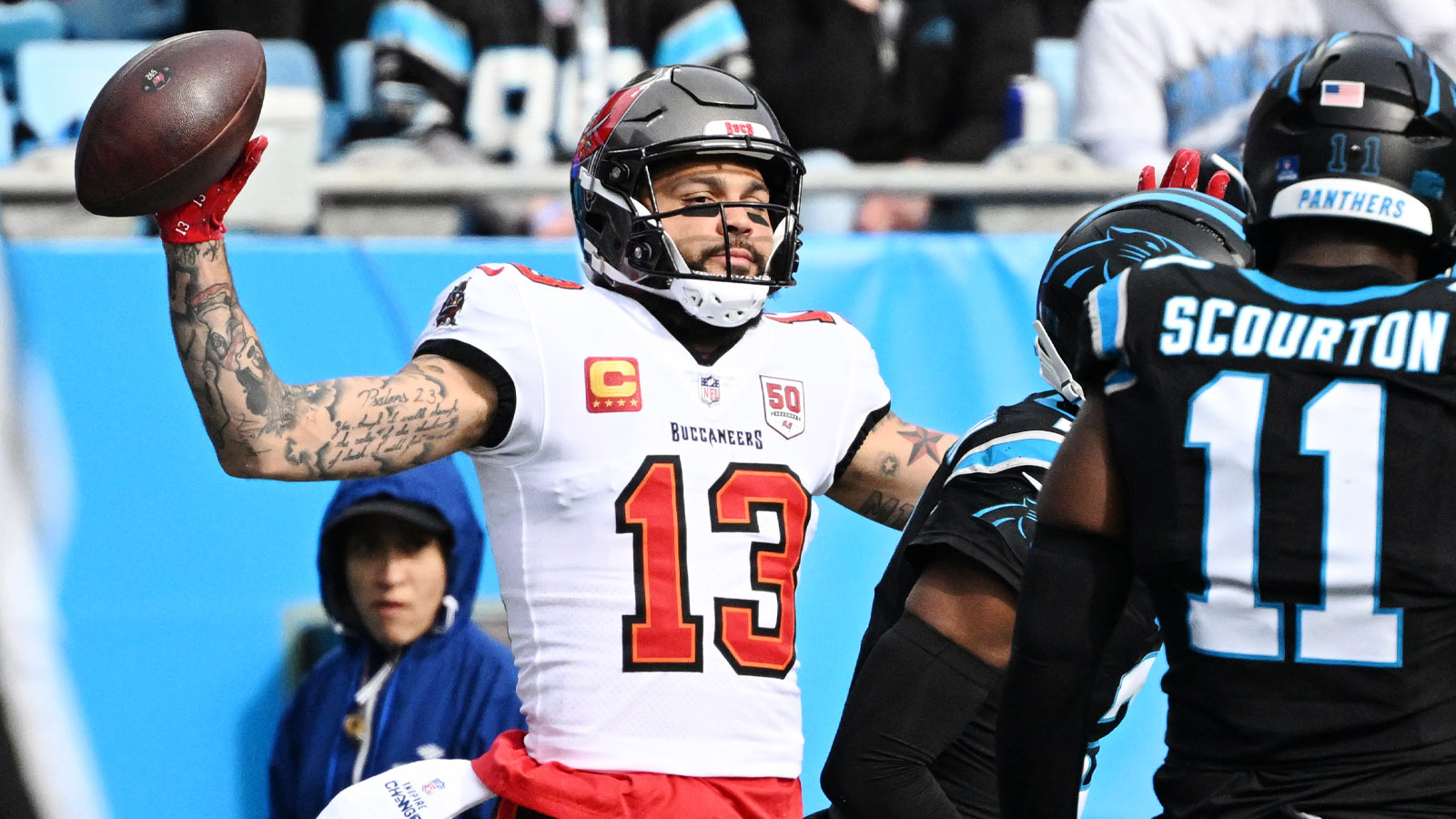
For Evans, the 2025 season represented a different kind of challenge. After matching Jerry Rice’s record with 11 consecutive 1,000-yard seasons to begin his career, Evans’ legendary streak finally came to an end. Nagging hamstring and shoulder injuries limited the veteran receiver to just eight games during his final year with the Tampa Bay Buccaneers.
Even in limited action, however, Evans demonstrated why he remains one of the most respected wideouts in football. He recorded 30 receptions for 368 yards and three touchdowns while averaging 12.3 yards per catch. His presence alone continued to shape opposing defensive strategies.
When his Tampa Bay tenure concluded, Evans left the franchise as its all-time leader in every major receiving category. He was also a six-time Pro Bowler whose consistency defined an entire era of Buccaneers football. Though injuries interrupted his historic streak, his impact on the field remained undeniable.
San Francisco making waves
The 49ers’ pursuit of Evans was part of a broader strategy that revealed the franchise’s all-in mentality. Lynch and Shanahan entered free agency determined to address multiple weaknesses exposed during the playoff loss to Seattle. The headline move, of course, was the signing of Evans. He instantly gives Brock Purdy a dominant outside target and a formidable red-zone option.
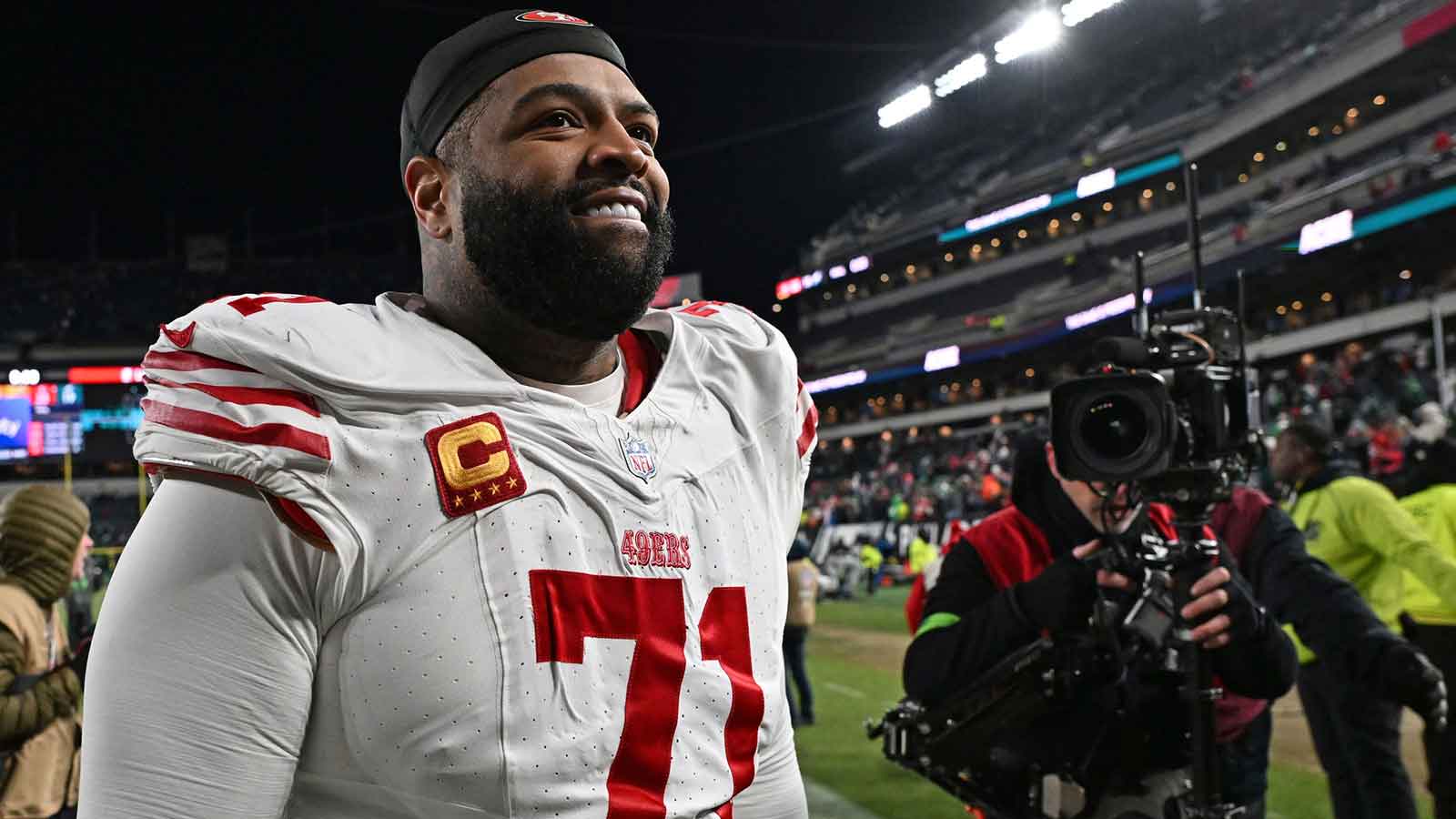
San Francisco also strengthened its defensive front by acquiring defensive tackle Osa Odighizuwa via trade. Additional moves included a four-year extension for kicker Eddy Piñeiro and the signing of offensive lineman Vederian Lowe to provide depth along the offensive front.
These transactions collectively illustrate a franchise operating with urgency. Yet the roster still contains one glaring vulnerability.
The next priority
For all the star power San Francisco has assembled, the interior offensive line remains the most concerning weakness on the roster. The departure of Aaron Banks following the 2025 season left a void at left guard. Shanahan’s offensive system relies heavily on dominating the interior gaps in both the running and passing game. When those lanes collapse, the entire offense struggles to function.
Purdy is at his best when he can step up confidently in the pocket and deliver accurate throws downfield. When interior pressure forces him backward, the offense becomes far less efficient. The same principle applies to McCaffrey’s success in the running game. Shanahan’s zone-running concepts require linemen who can create space quickly and consistently. Without reliable interior protection, even the most creative play design becomes vulnerable.
Strengthening the foundation
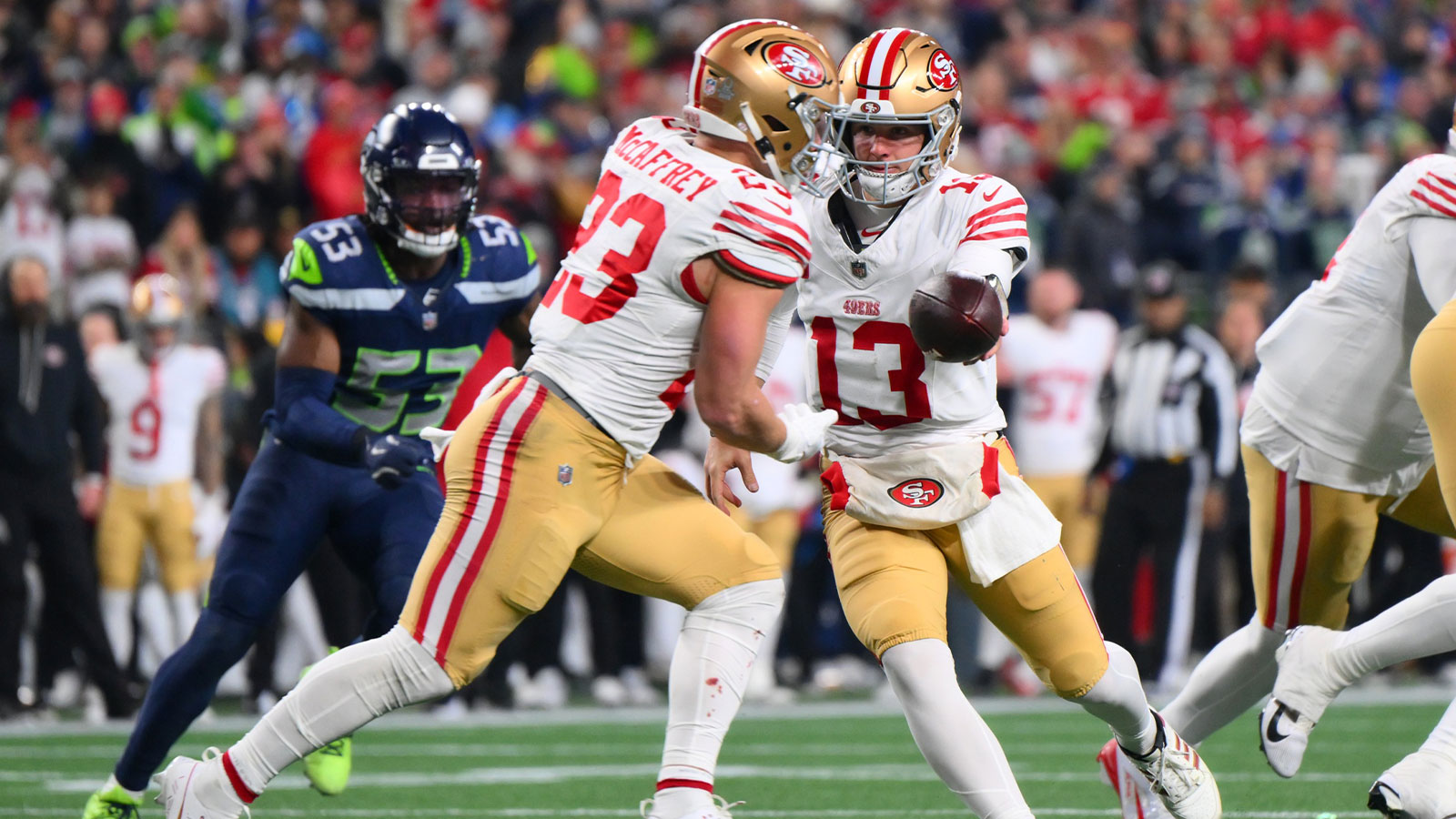
The logic behind prioritizing the offensive line is straightforward. Adding a high-level interior lineman would enhance the performance of nearly every skill player on the roster. McCaffrey would face fewer defenders at the line of scrimmage. Evans would benefit from longer-developing route concepts. Purdy would operate within a cleaner pocket. More importantly, the move would protect San Francisco’s investment in its offensive stars.
If San Francisco wants to avoid another playoff disappointment, the next step must be clear. They must reinforce the interior offensive line and ensure the offense has the protection necessary to thrive. Only then can the Evans signing reach its full potential-and perhaps bring the Lombardi Trophy back to the Bay Area.