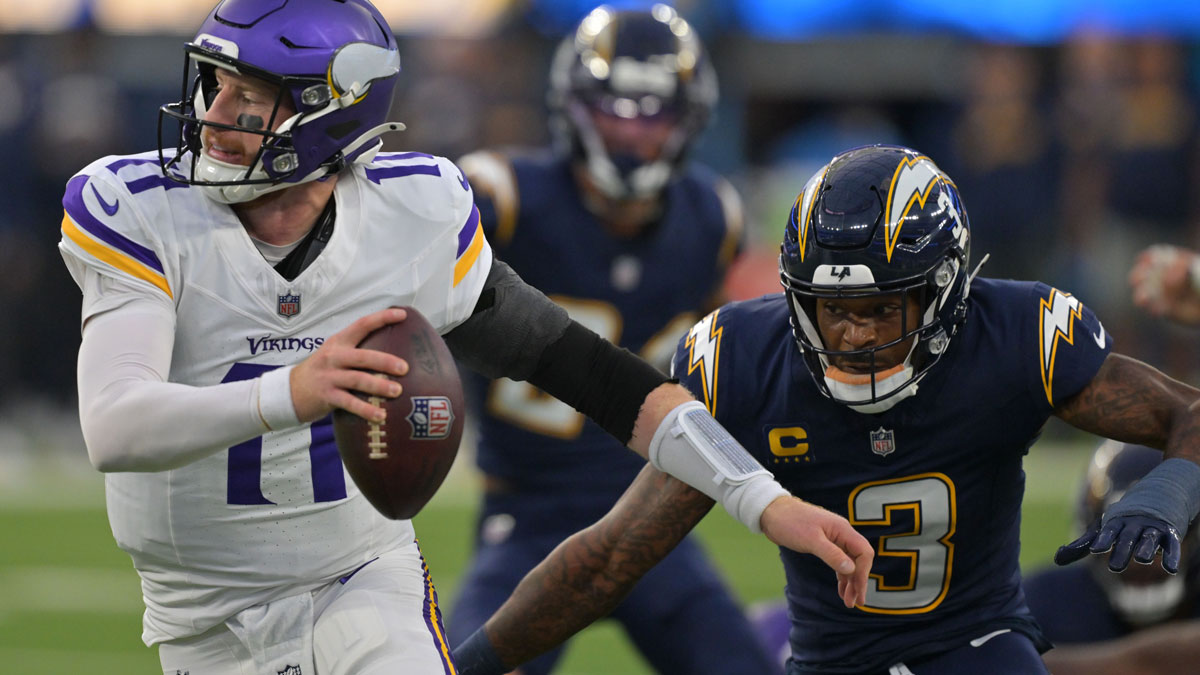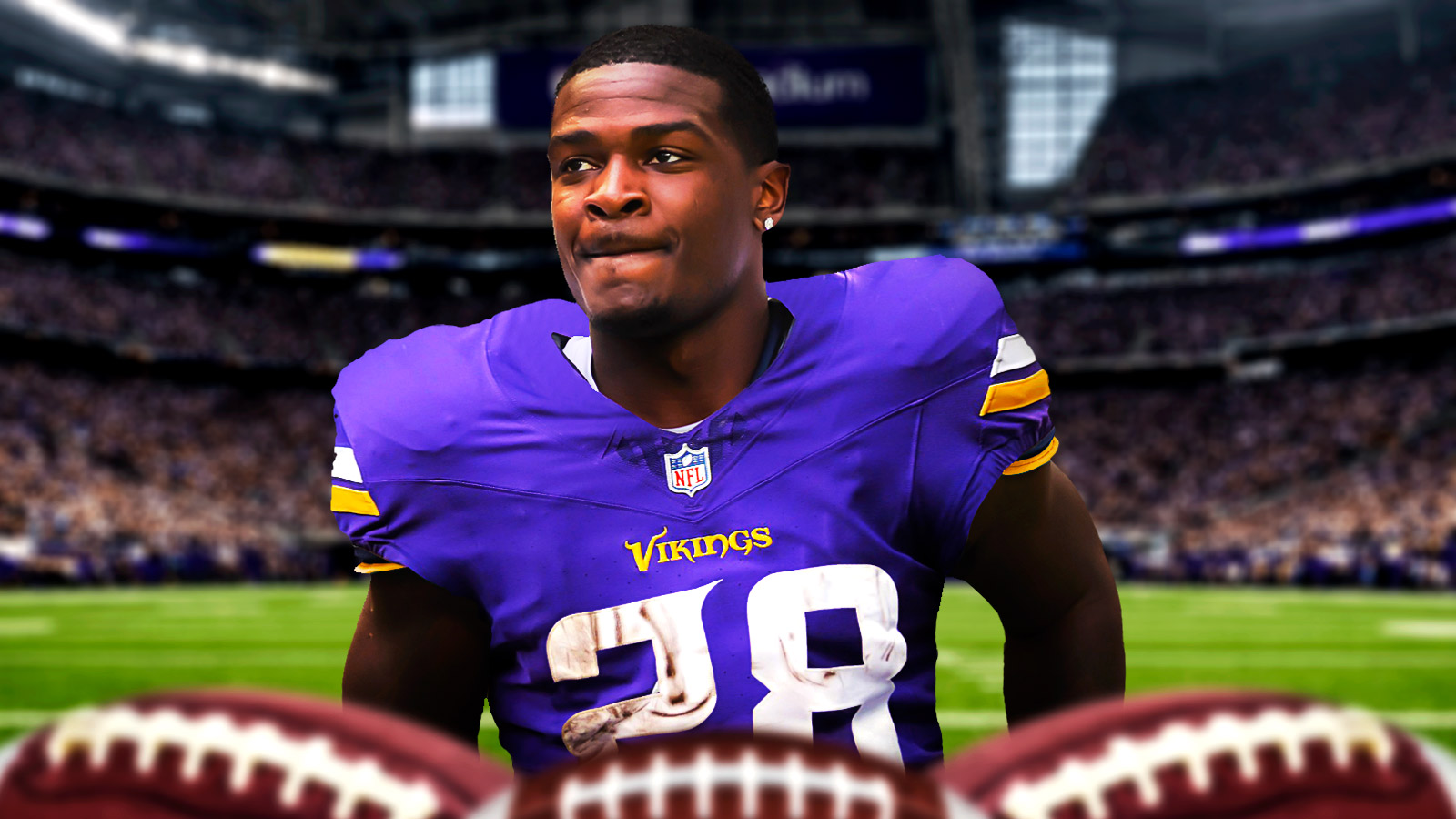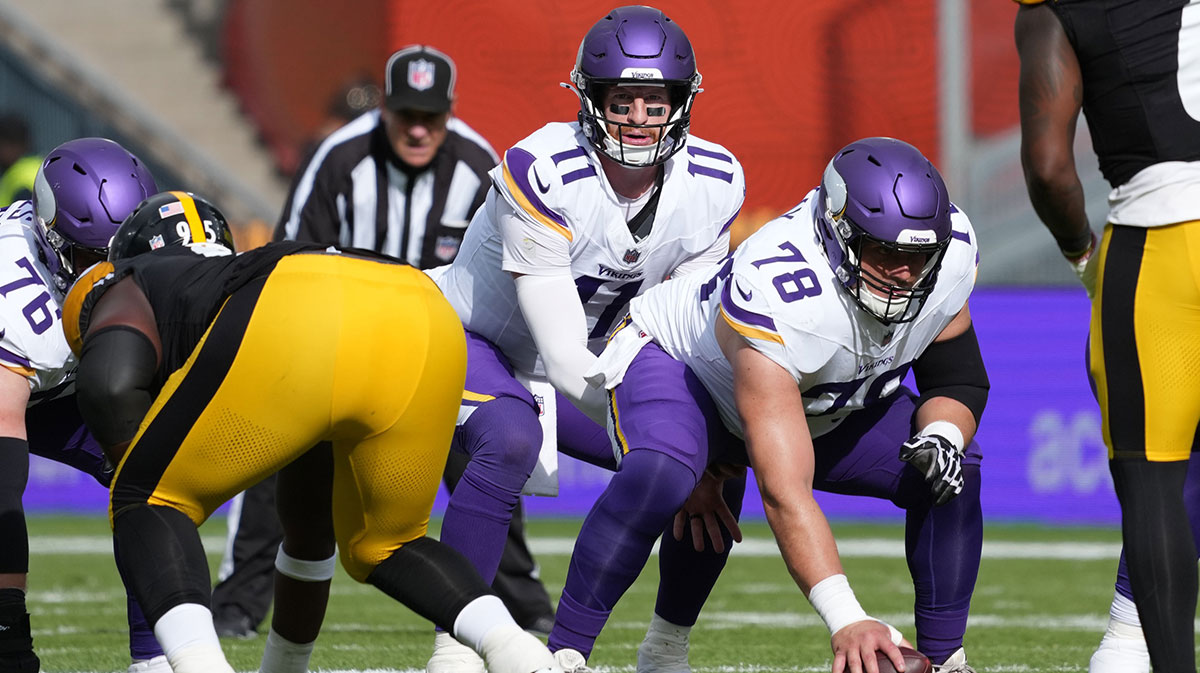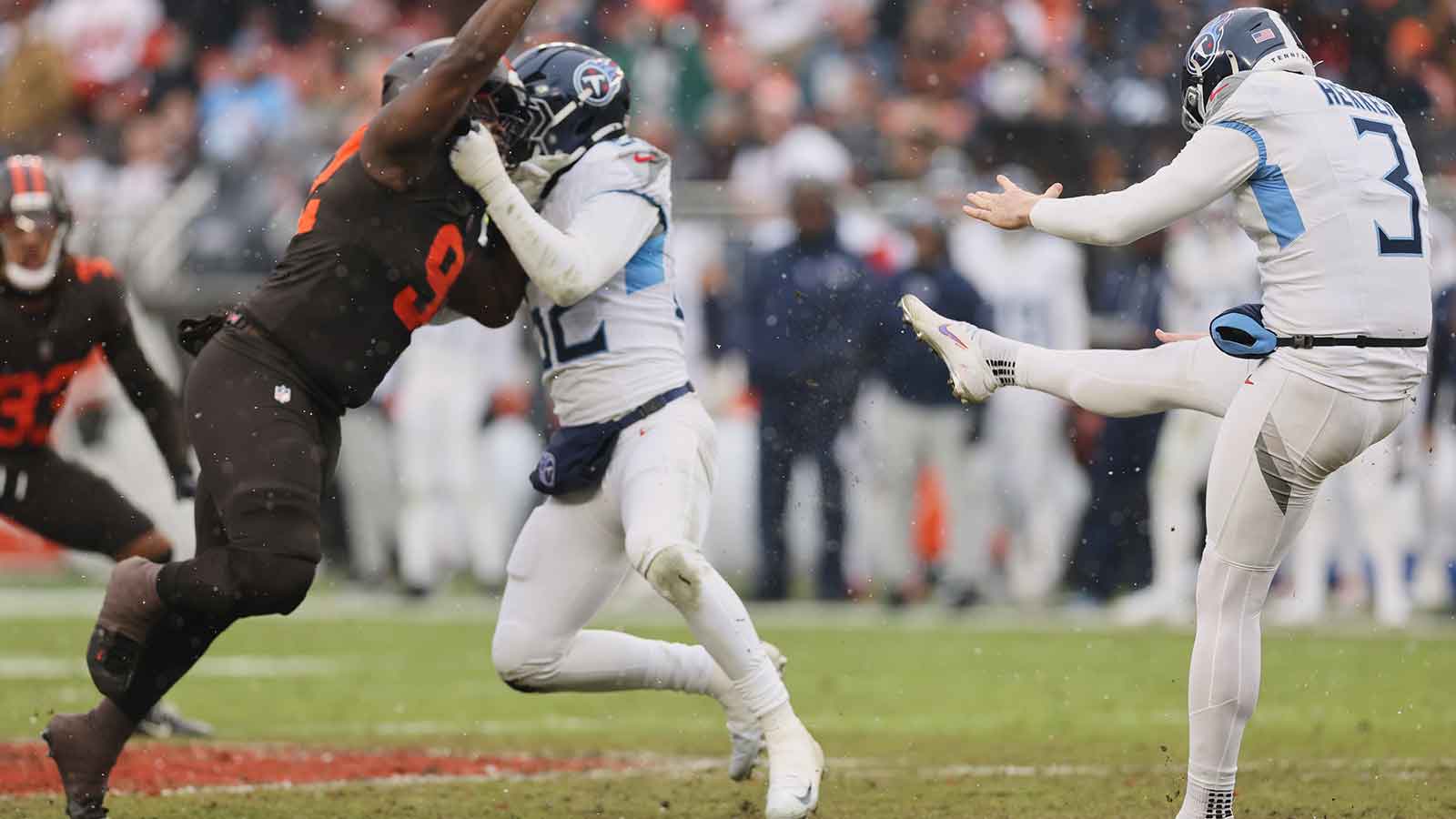

Rookie quarterback JJ McCarthy says the hardest part of stepping up to NFL speed isn’t the play call or the pre-snap read, it’s when the rush and back-end disguises collide after the snap. “I think it’s the rush. That rush, it gets to you quick. And they’re doing so many things on the back end that, yeah, you could figure out it’s Cover 2, but by the time you figure out it’s Cover 2, you’re on your back,” McCarthy told reporters, summing up why processing quickly after the snap matters more than ever.
Defenses these days mask looks from the line and mouths of secondary players, then flick the switch post-snap. That combination forces young signal-callers to confirm what they thought they saw before the pocket collapses. The Vikings have responded by simplifying the offense at times, fewer moving parts, clearer reads, so McCarthy can act rather than react. The approach aims to reduce mistakes born from hesitation.
The plan paid off in Minnesota’s 31-0 win over the Washington Commanders, when McCarthy completed 16 of 23 passes for 163 yards and three touchdowns in a clean, controlled outing via the ESPN Box Score. He spread the ball to eight different targets and avoided turnovers, a welcome sign after a rocky stretch that included a concussion and an inaccurate stretch of games.
The physical rush shows up in other ways, too. McCarthy’s passes have been batted at a high rate this season, evidence that slow decision-making or late drops of the ball put his throws in harm’s way. Removing that hesitation helps reduce pressure-induced mistakes.
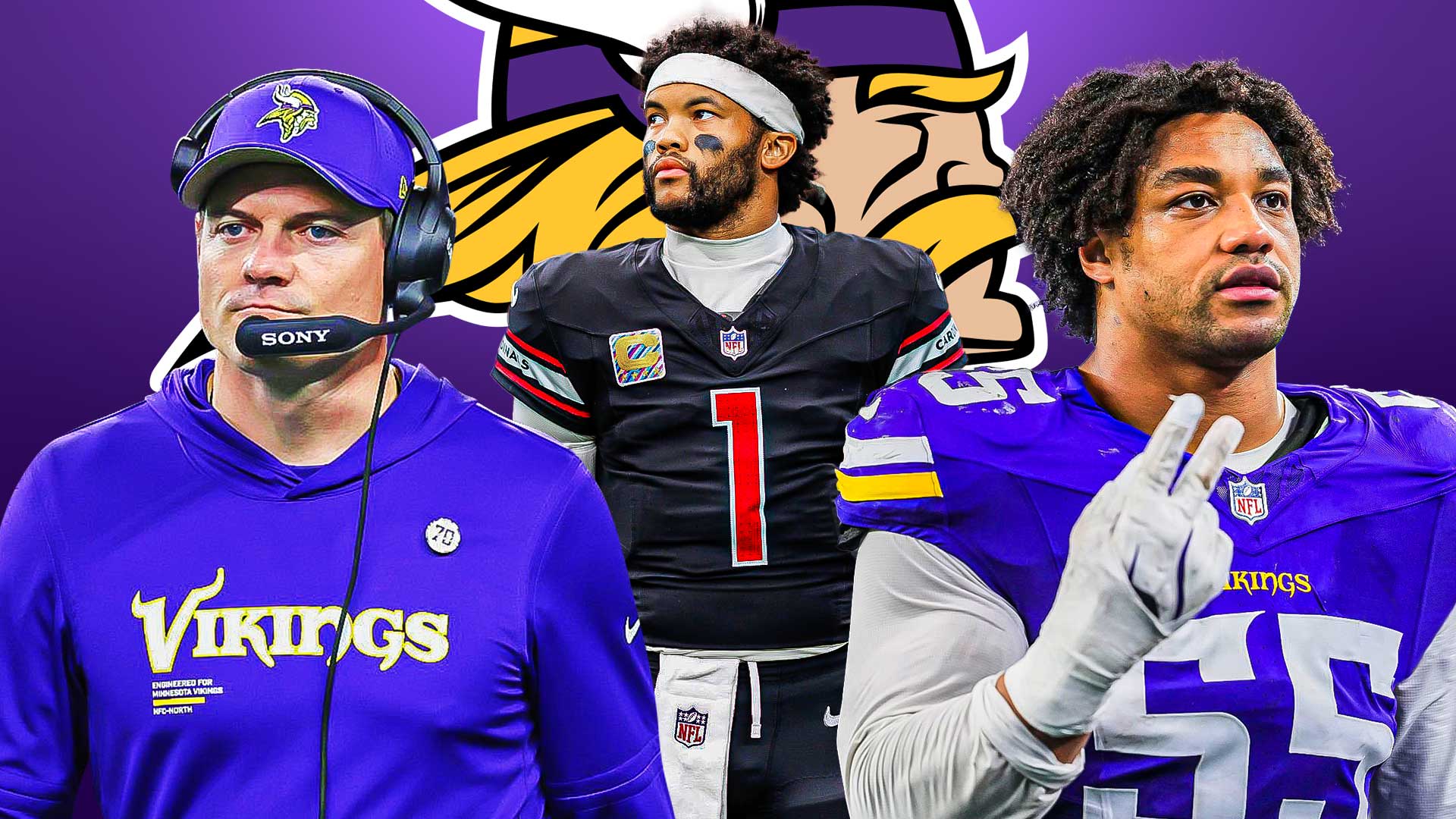
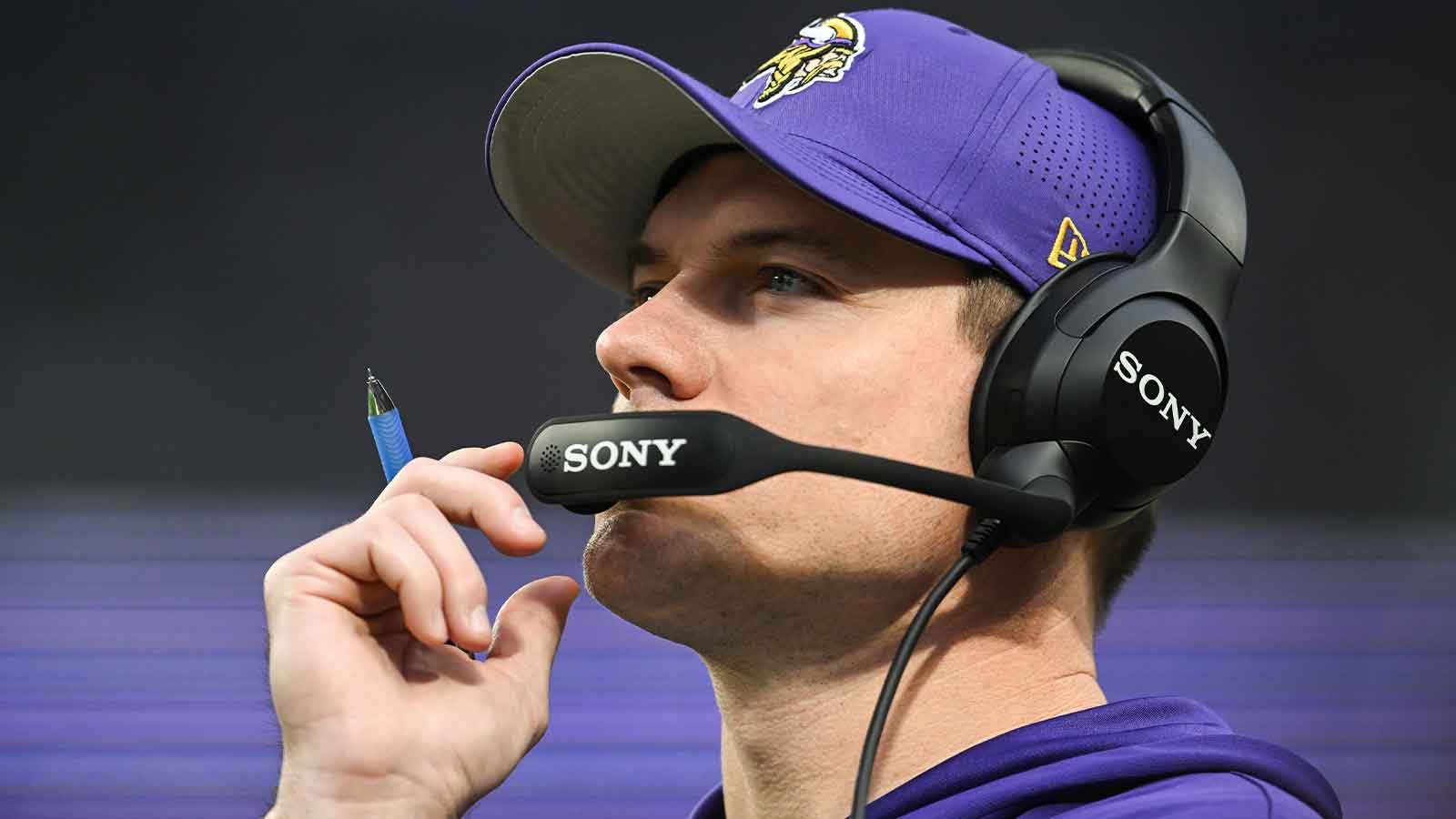
Coach Kevin O’Connell has publicly backed a cleaner, decision-focused role for McCarthy, emphasizing that the quarterback shouldn’t overthink and must trust the offense’s structure. With a tough matchup coming against the Dallas Cowboys and more NFL disguises on the docket, McCarthy’s ability to marry pre-snap recognition with instant post-snap confirmation will determine whether he keeps growing or keeps getting rushed into poor decisions.