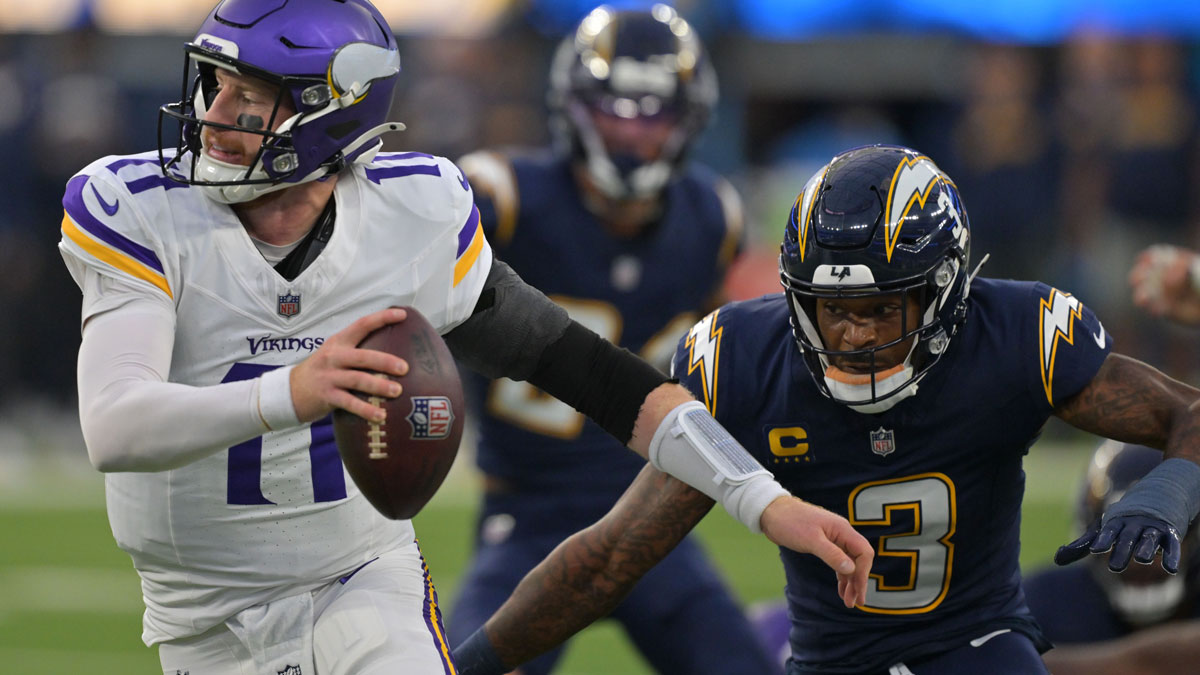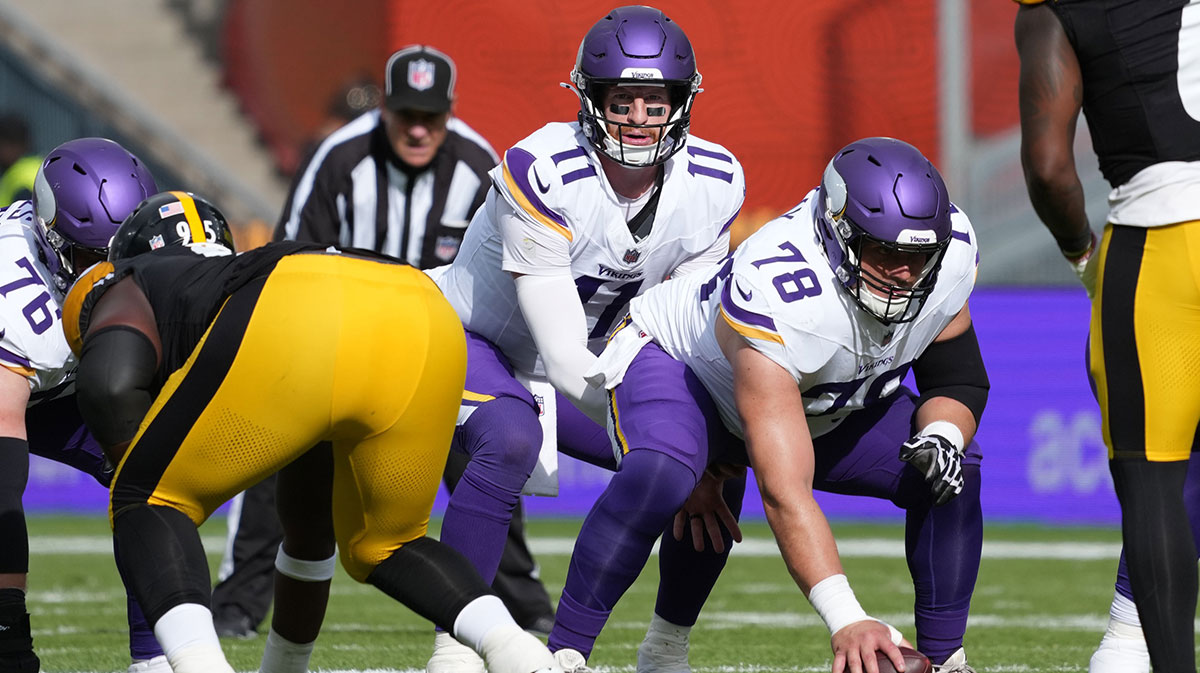
Minnesota has formally entered the race to host the 2028 NFL Draft. On Wednesday, Minnesota Sports and Events officially announced its bid in partnership with the Minnesota Vikings and the U.S. Bank Stadium to host the three-day offseason event in 2028, per Vikings.com.
The bid comes as the NFL continues its rotating host model, with Pittsburgh set to stage the 2026 draft and Washington, D.C. already awarded the 2027 event. while Minnesota seeks to join a recent run of cold-weather host cities that includes Detroit (2024) and Green Bay (2025).
If awarded, the 2028 draft would mark the first time Minnesota hosts the event and would complete a full cycle of NFC North cities hosting since the draft moved away from its long-standing New York base, with Chicago having previously hosted in 2015 and 2016.
MNSE EVP of Business Development & Tourism Matt Meunier claimed that they were looking to host a truly ‘regional event.”
“In terms of the location of the draft, the red carpet and all the ancillary events that go with hosting the draft, all those things are under evaluation by the league right now, so it's to be determined, but what we can say is TCO Performance Center is a really viable option. Flag football, youth football is going to continue to be more prominent as it relates to the NFL and leaning into 2028 and the L.A. [Olympic] Games, so there's potential to stage some youth football and community legacy events out at TCO Performance Center, but in addition to that, every event Minnesota Sports and Events hosts, we're really intentional about staging events throughout the region and not just downtown,” he said.
Plans under evaluation include utilizing the TCO Performance Center for ancillary programming such as youth and flag football initiatives. Minnesota’s bid is grounded in measurable outcomes from recent drafts, which have consistently drawn 600,000 to 750,000 attendees and generated between $100 million and $213.5 million in economic impact.
Detroit’s 2024 draft drew more than 750,000 fans with an estimated $213.5 million impact, while Green Bay’s 2025 event exceeded 600,000 attendees and produced more than $100 million in local economic activity.