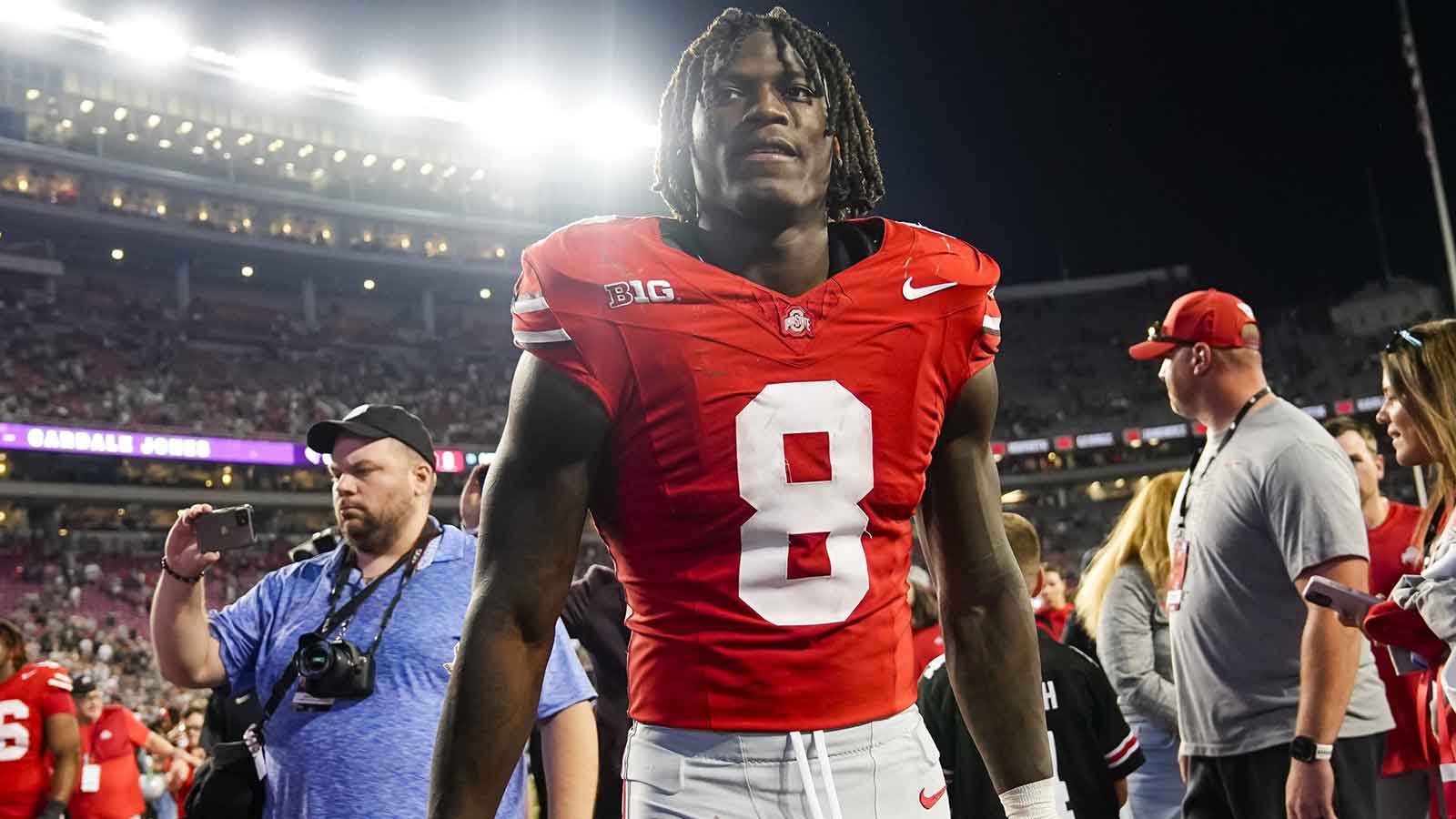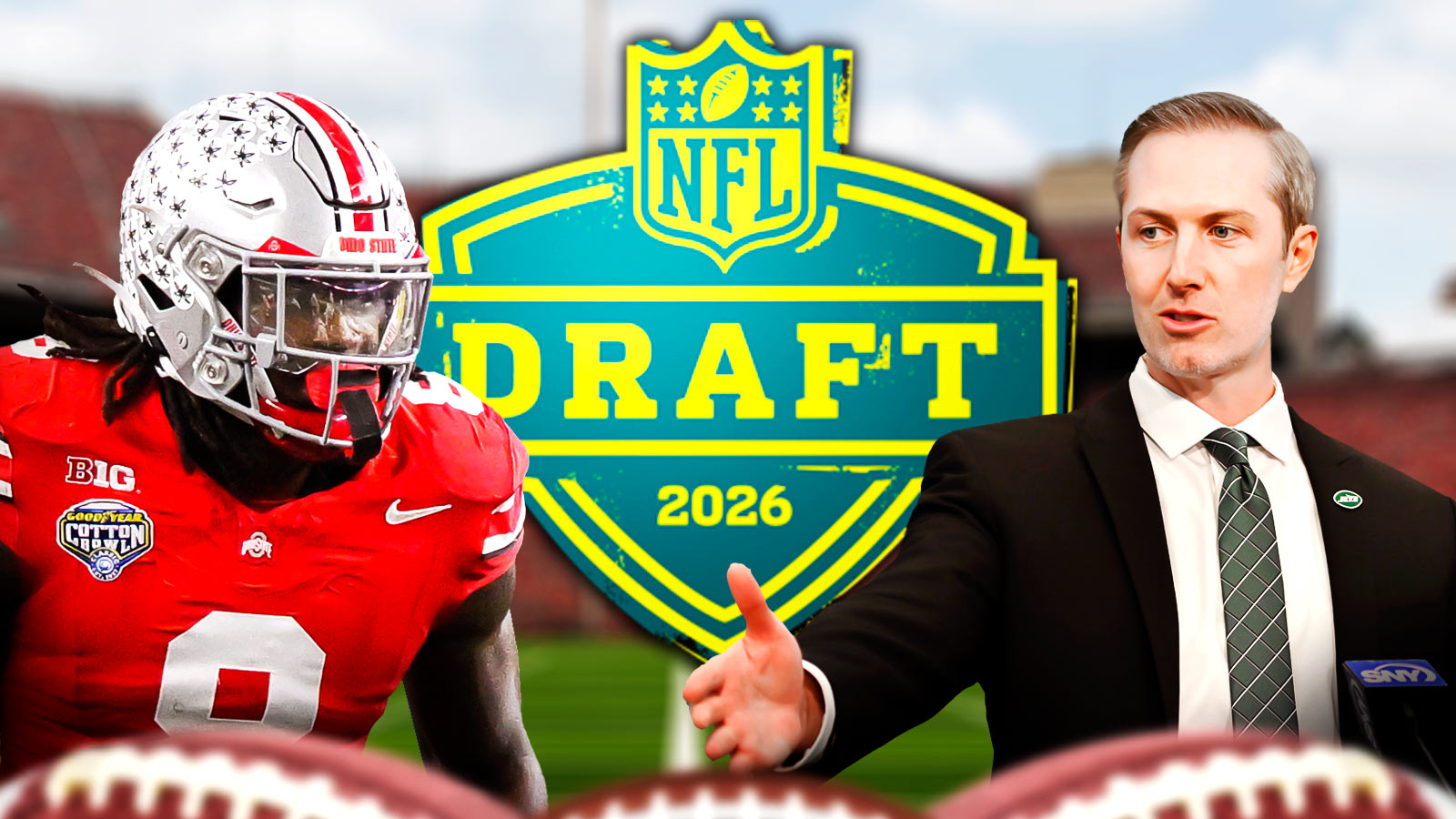
The Jets are trying to reset the conversation in the 2026 offseason, and the draft buzz shows how weird the situation still is. In ESPN’s latest mock, Field Yates has New York using the No. 2 pick on Ohio State edge Arvell Reese instead of grabbing a quarterback, even with the Jets sitting on two first-rounders and coming off an offense that cycled through multiple QBs without finding anything stable. The logic is harsh but fair.
New York’s pass rush production was near the bottom of the league in 2025, and the roster has enough holes that forcing a quarterback at No. 2 can turn into another rushed timeline. The Jets can take a quarterback later, or they can take the pass rusher who changes the math on third down and stops the defense from being a weekly charity drive.
Cap-wise, the Jets are in an unusual spot for a team that went 3-14. They have room to spend, but the way they spend has to match the reality that this is still a fragile roster. When a front office has space, the easiest mistake is to treat that space like permission to buy problems.
A clean plan gives the Jets options. It also lets them move quickly when the market shifts, which matters in a year where the quarterback plan might change mid-March. The good news is that New York has several obvious levers in 2026.
The bad news is they are not the fun ones.
Below are three moves New York should make to clear salary cap space in the 2026 offseason.
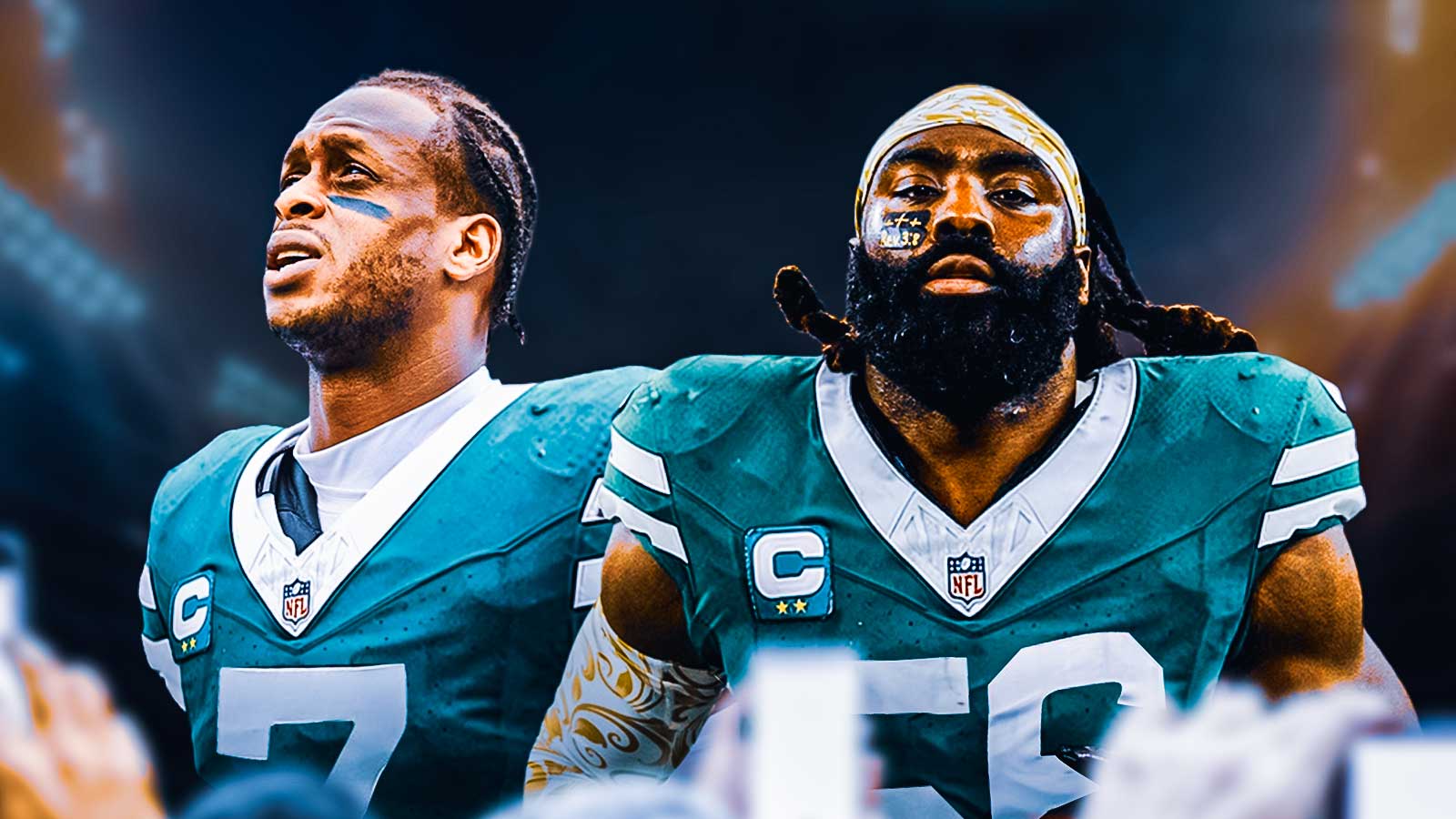
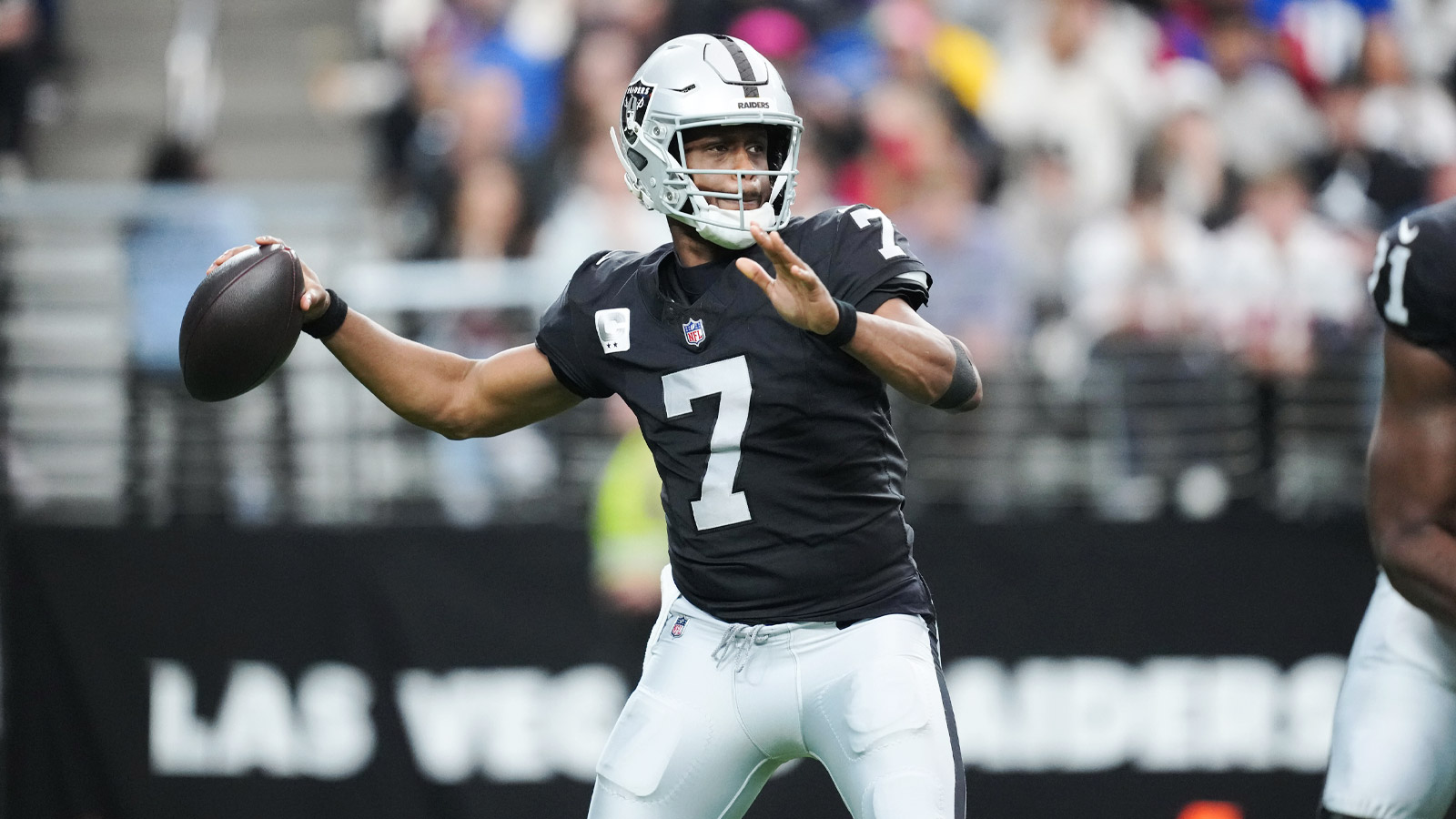
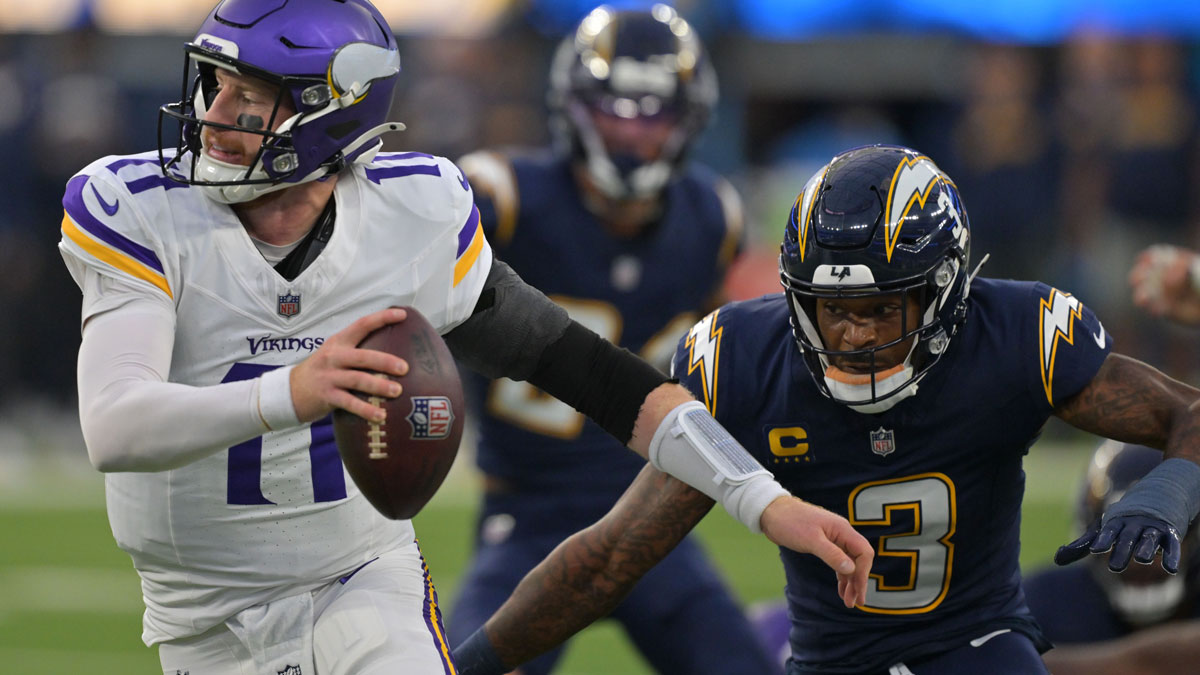
Justin Fields
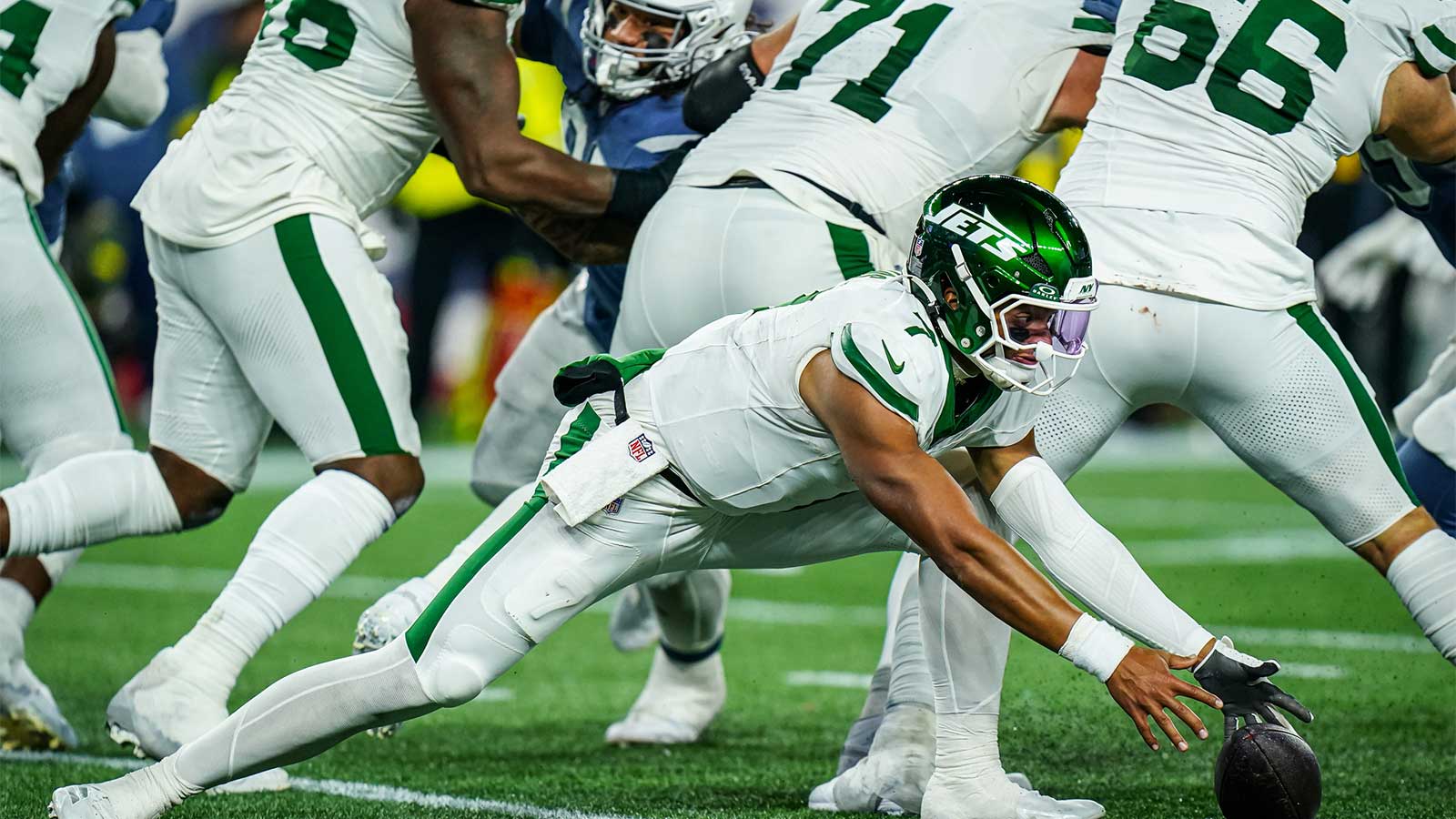
This is the most direct cap move on the roster because it is tied to a result everyone already lived through. The Jets tried to patch the quarterback, but it did not take, and the 2025 season spiraled anyway. Fields’ deal is structured in a way that gives New York a clean decision.
If the Jets do not believe he is the starter, they should not carry his 2026 number into March. So, keeping a mid-tier starting quarterback cap hit on the books blocks two types of moves that matter for a rebuilding team. It blocks the ability to add multiple mid-range starters, and it blocks the ability to absorb a contract if a trade opportunity pops up.
If the staff is going to change the offense again, the worst place to be is half committed. Either you are building around that quarterback’s strengths, or you are not. The cap has to reflect the actual plan.
Garrett Wilson
Wilson is the rare piece on the Jets who still looks like a real building block, regardless of who is throwing the ball. That is exactly why his contract situation is a cap lever, not a threat. A long-term extension can lower the immediate cap hit by converting money into bonus and spreading it, and it also keeps New York from drifting toward a franchise tag-type standoff later.
The football reason is straightforward. Wilson’s skill set travels. He can win on timing routes, he can separate at the top of the stem, and he can bail out imperfect quarterback play with contested catches that are not actually “contested” because he arrives first.
If they do nothing with Wilson’s deal and let his cap figure sit there untouched, it becomes harder to add support around him, and then his prime gets wasted in the same loop the franchise has lived in for a decade.
Jamien Sherwood
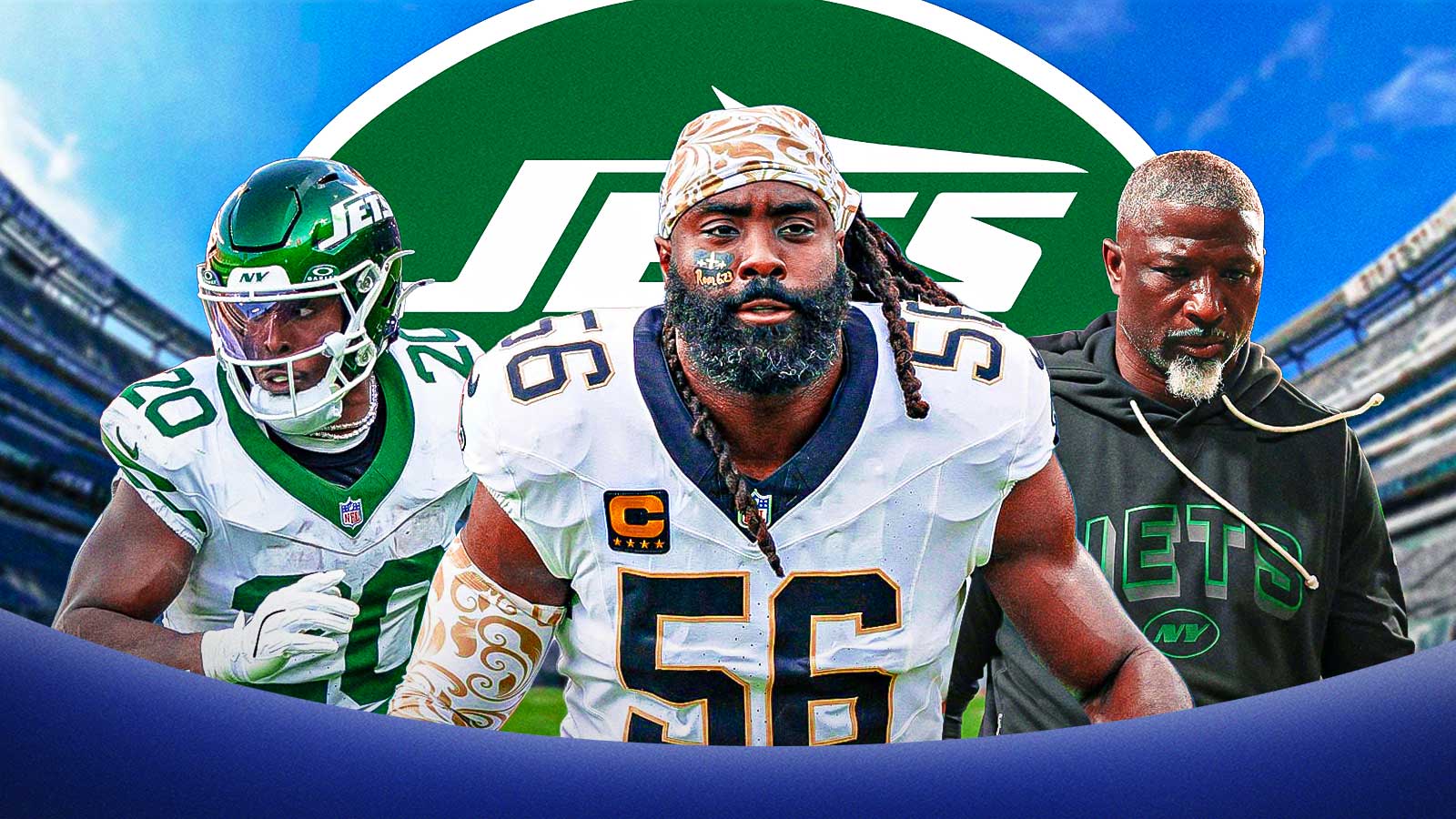
This is the kind of move smart teams make when they are trying to stabilize a defense without handing out new mistakes. Sherwood’s role is valuable because he is versatile, and versatility becomes more important when the roster has gaps. He can play on different fronts, he can adjust to different matchups, and he can help the defense survive when injuries hit.
His deal can be reshaped to lower the 2026 hit without losing the player, and the technical part is the usual restructure mechanism, salary to bonus, and proration over the remaining years. A defense that cannot cover space turns conservative, and a conservative defense gives up long drives.
The Jets, adding an edge rusher early in the draft, are telling you they want to get back to affecting the quarterback. That only matters if the second level and the back end can hold up long enough for the rush to arrive. Keeping Sherwood while smoothing his cap number is a practical way to protect that plan.
Those three moves are not glamorous, but they are specific.
The draft approach fits that mindset. The Jets are using premium capital on a pass rusher at No. 2; they are admitting they cannot keep living without a pass rush that scares anyone. It is also a tacit admission that the roster is not ready to be dragged forward by a rookie quarterback taken at the top of the draft, and that is not an insult to the quarterback class. A rookie quarterback gets ruined when everything around him is unfinished. A rookie edge rusher, in contrast, can contribute even if the rest of the roster is messy, because pressure travels.
Now, the penultimate wrinkle, because it is exactly the kind of rumor that shows up when a team is desperate for functional quarterback play. There has been talk about whether the Jets should take a swing on a Kyler Murray trade with the Cardinals.
The hypothetical that keeps getting floated is Murray plus a 2026 sixth-round pick for a 2026 fourth-rounder, essentially a “buy low” deal on a 28-year-old quarterback with a massive cap hit.
The argument is that the Jets have been so far below average at quarterback for so long that even volatile competence would feel like oxygen.
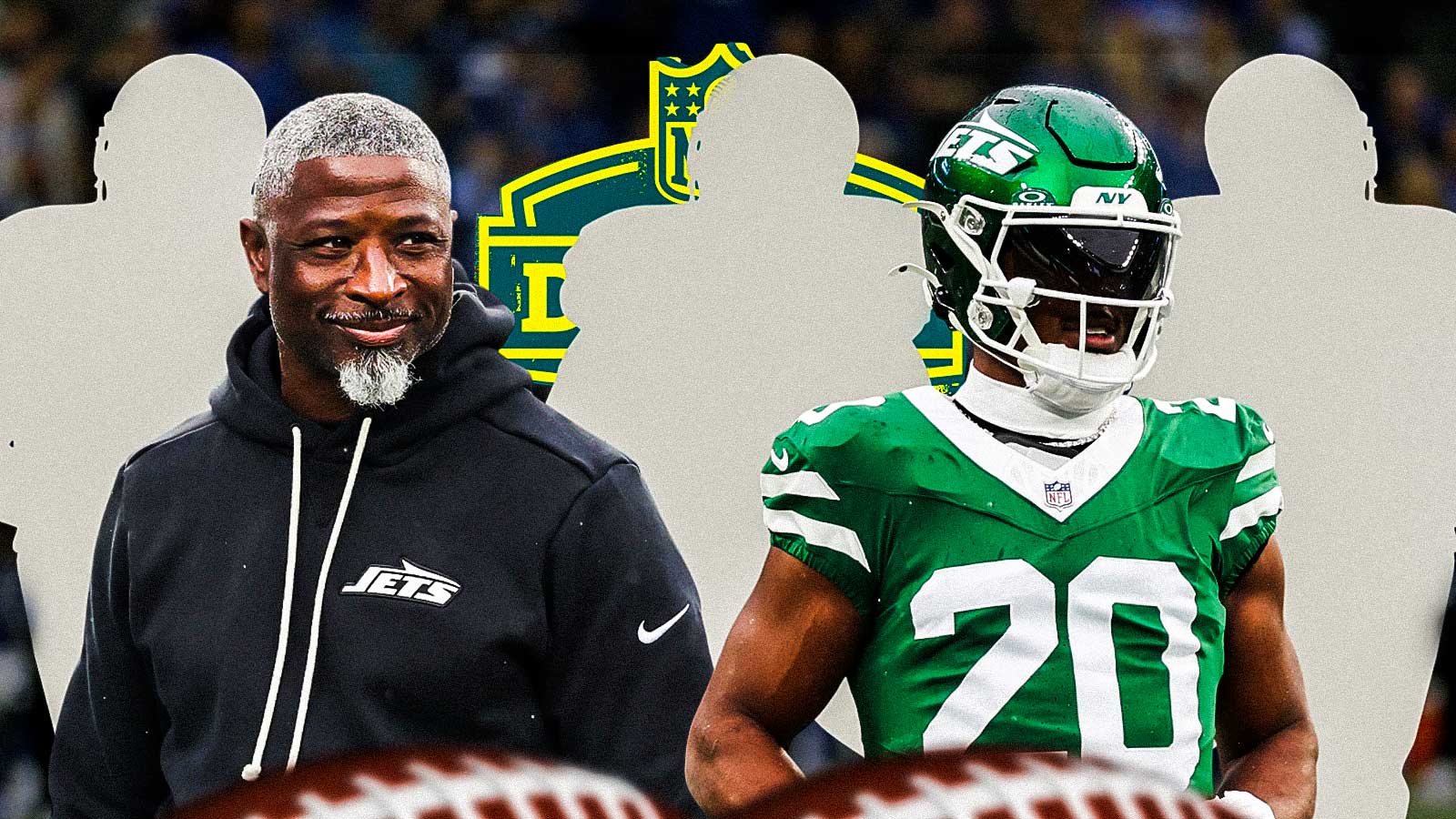
Aaron Glenn is entering Year 2 after a brutal first season, and he turned over his staff, and his job security is going to be judged by wins. A veteran quarterback who can steal a few games changes the temperature fast, even if the roster is still incomplete.
That is why the Jets’ cap plan matters so much in 2026. If they want to be positioned for a veteran quarterback swing, they need clean room to absorb the contract, but if they want to draft and develop, they need the cap space to build an offense that does not collapse around a young passer.
The Jets do not have to pick the perfect quarterback today.