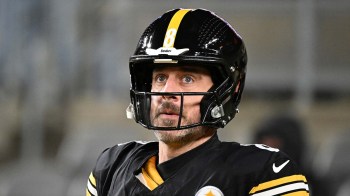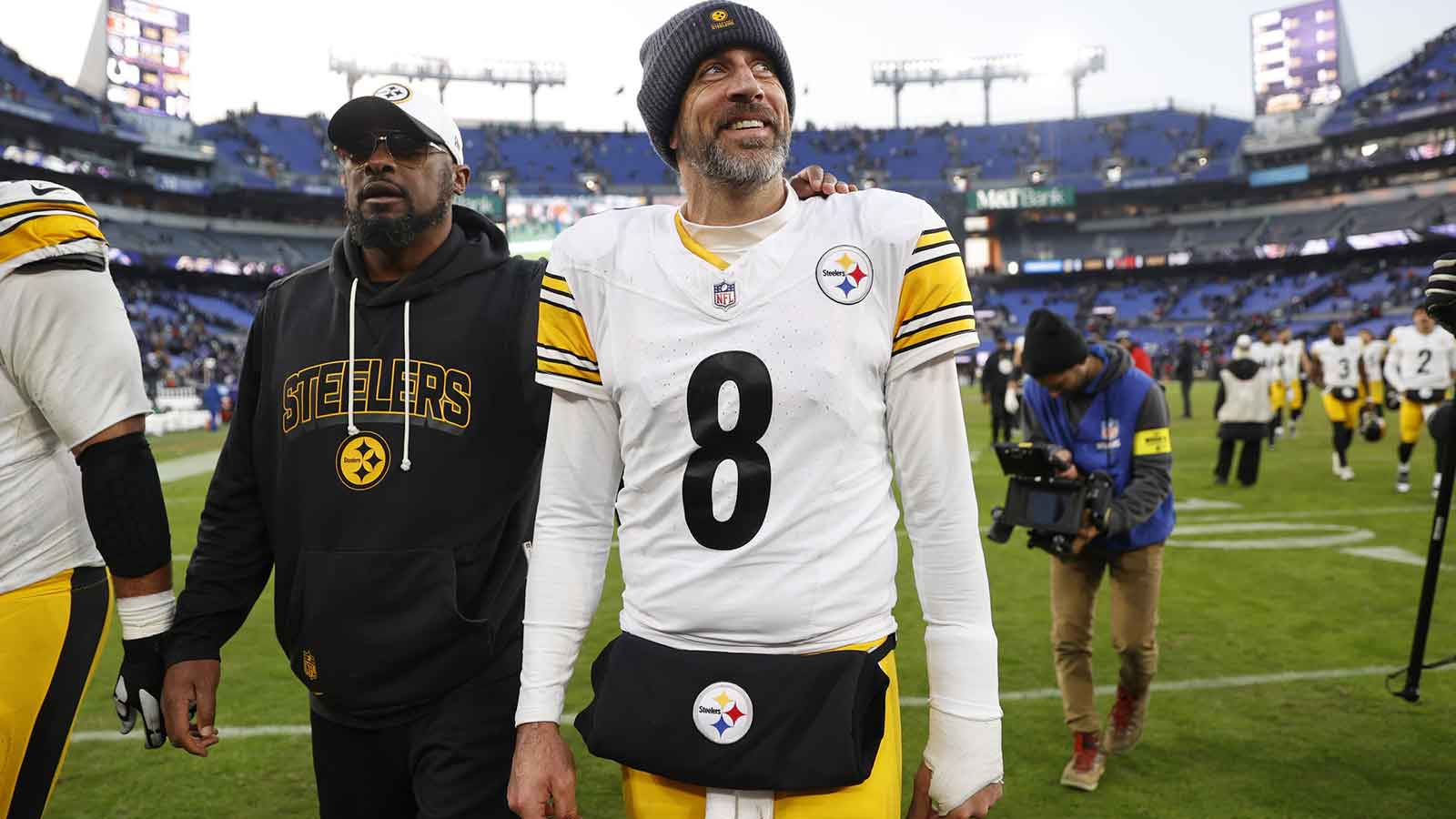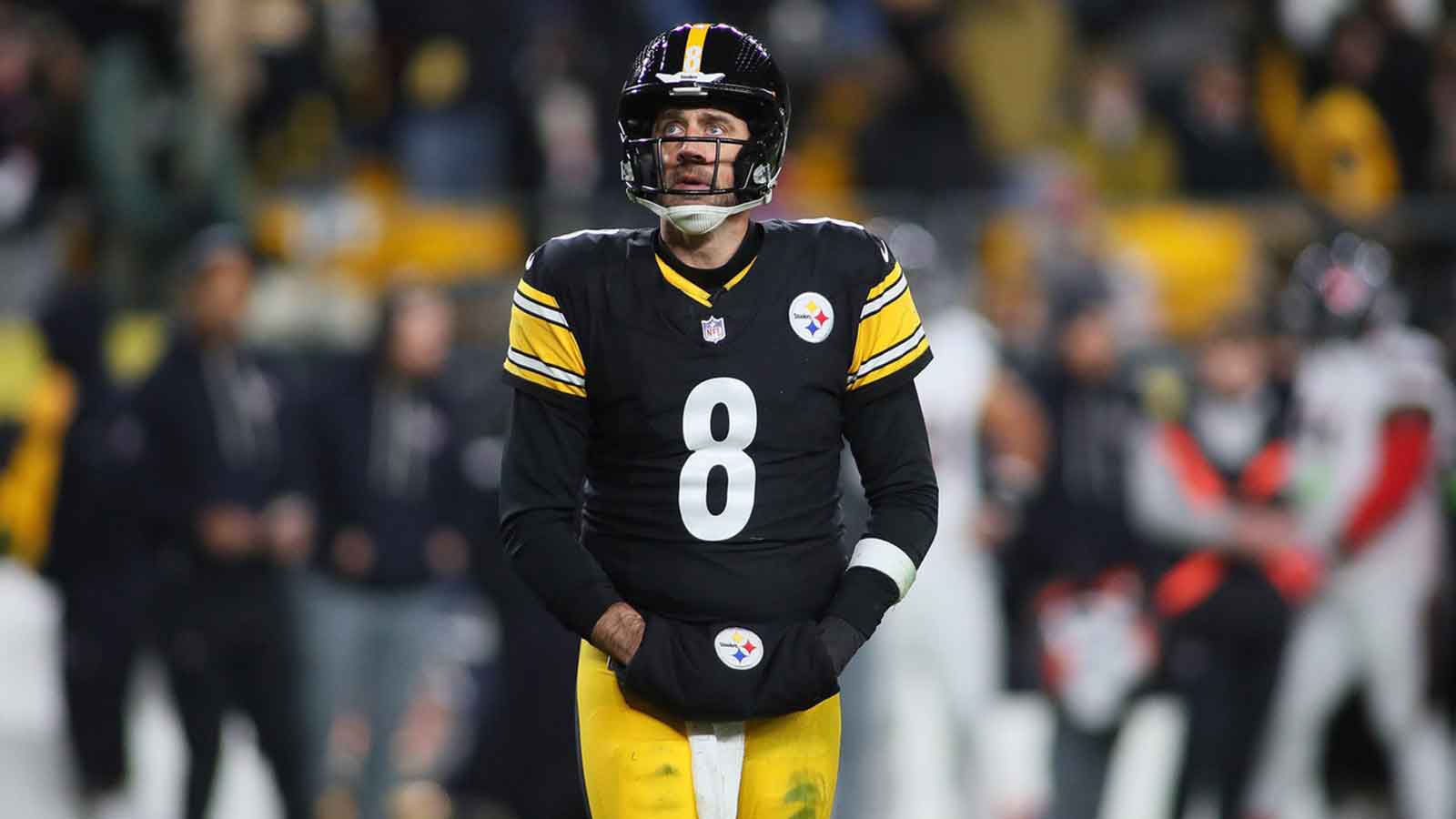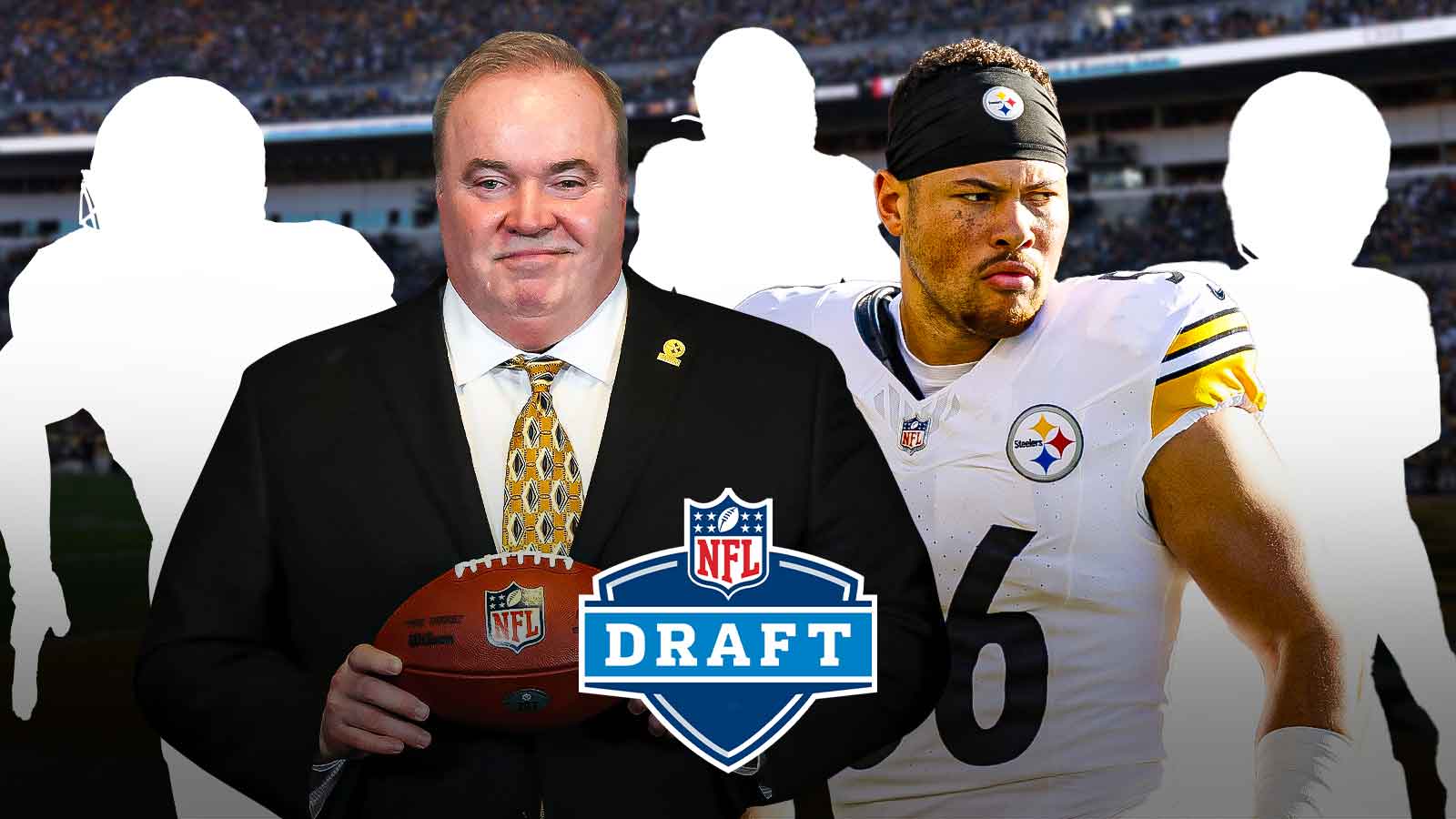
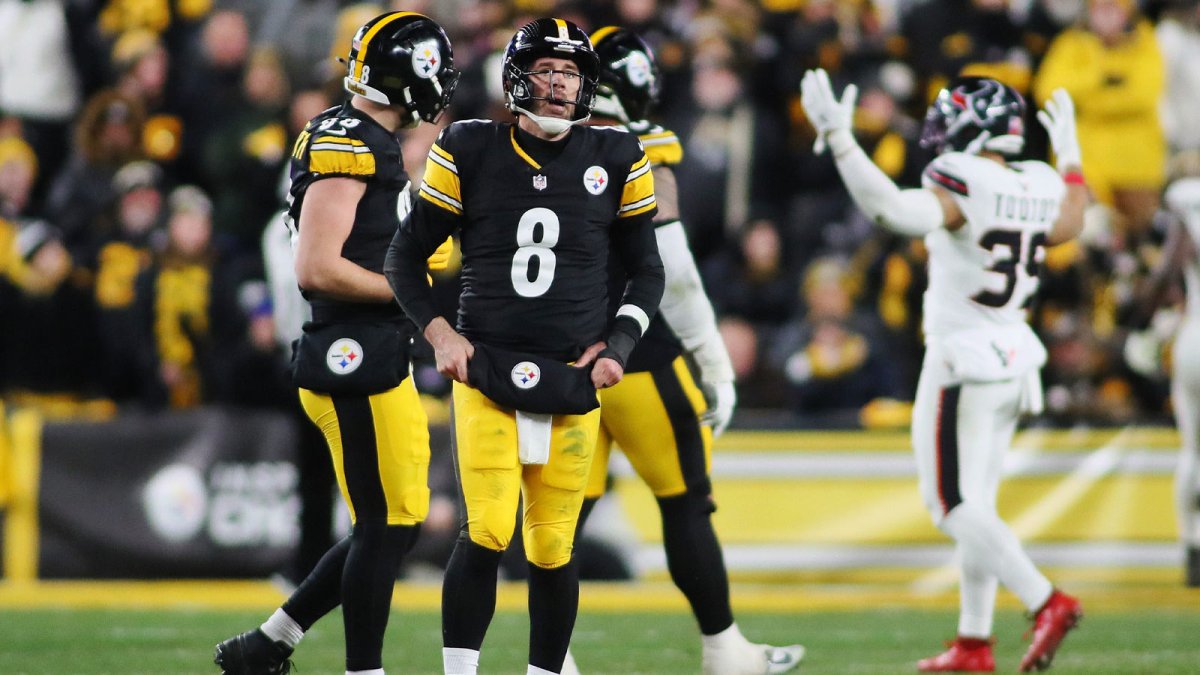
The Steelers' messaging leading up to the draft has been quite clear. Ben Roethlisberger has recently publicly stated that the Steelers should continue to invest in the offensive line, and Art Rooney II has expressed a desire to know Aaron Rodgers' decision before the draft.
This indicates that the organization is approaching April with a focus on both the quarterback situation and the essential task of strengthening the roster, and this dual focus is significant because it removes much of the false mystery surrounding their draft strategy. The Steelers require one draft that emphasizes discipline.
And this is the obviously appropriate perspective for the team because Pittsburgh isn't starting from scratch, but it's not in a position to spend high draft picks on any player that seems exciting at the moment.
They still have critical work to do on the offensive line and within the wide receiver corps, and this reality is reflected in their recent mock-draft exercises.
In their latest in-house Round 1 mock draft, one staff member selected USC wide receiver Makai Lemon, another chose Penn State interior lineman Olaivavega Ioane, and a third opted for Arizona State receiver Jordyn Tyson. Importantly, the mock draft noted that while selecting a quarterback might be the “best option” for discussion, addressing that position can wait.
This approach should inform their draft strategy, of course, and the issue with making the wrong pick for the Steelers this year isn't necessarily that the chosen player will be bad; rather, it’s more likely to be a good player at an inappropriate position.
QB Carson Beck, Miami
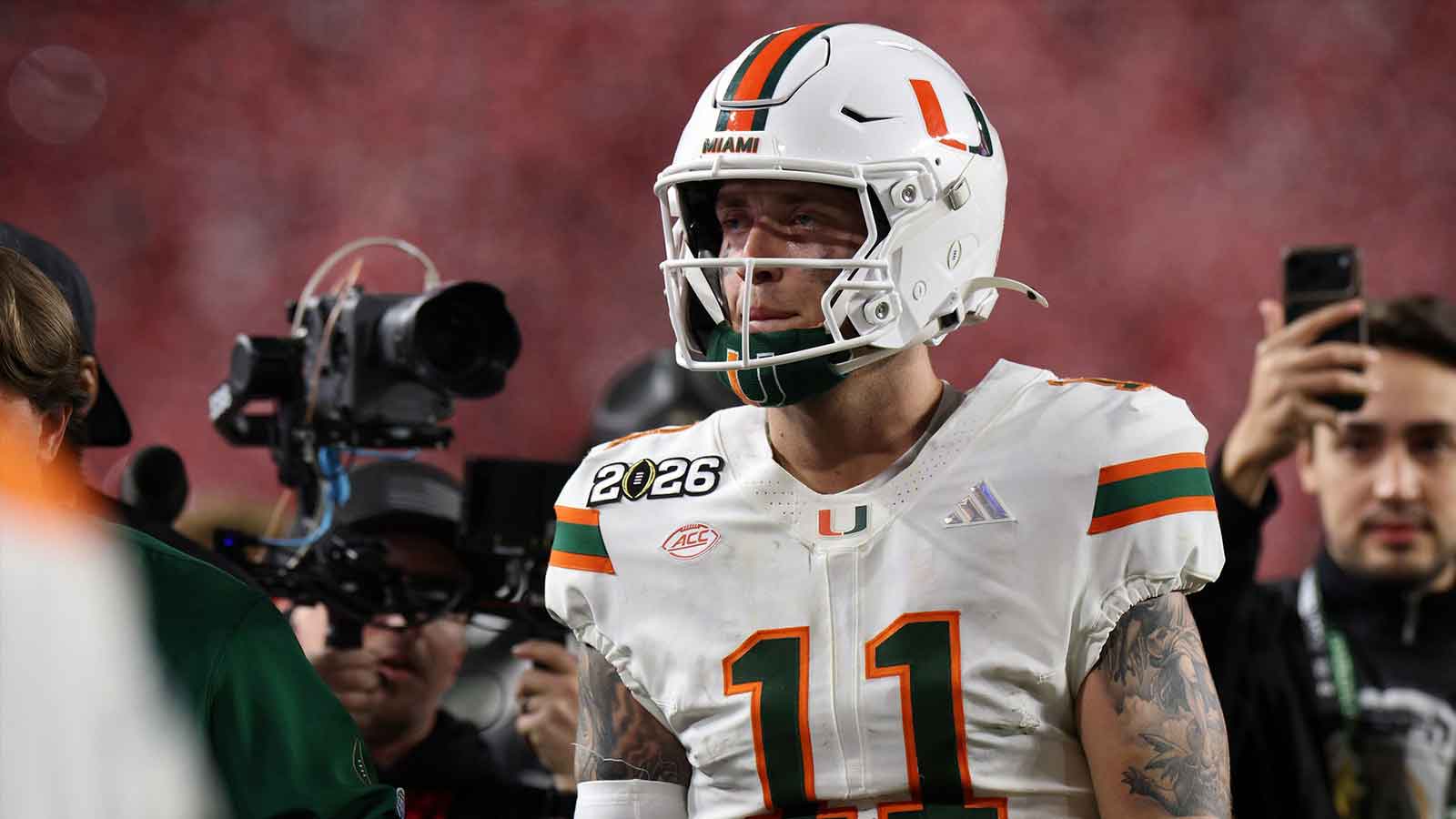
Carson Beck is often seen as a player teams consider when their long-term plans at the position are uncertain, and this describes the Steelers, especially with Aaron Rodgers' situation still unresolved and Mason Rudolph and Will Howard not exactly being the long-term solutions. However, selecting Beck may not be the best decision for the Steelers in this particular draft.
The main issue here is the order of priorities, as the Steelers' recent mock draft suggests that they view wide receiver and offensive line as more pressing needs, indicating that quarterback can be addressed later.
This implies that the smarter strategy for them is to focus on enhancing the overall offense before allocating significant resources to a new quarterback, simply because there are questions about the current roster.
While picking Beck might sound reasonable in theory, he has the right background, fits the profile of a starting quarterback, and would offer the Steelers another developmental option for the next two years, it doesn't address the fact that the offense needs more reliable support.
A rookie quarterback will not be easier to evaluate if the team neglects the obvious need to accumulate players at the same position. Though the Steelers have invested in offensive linemen in the first and second rounds recently, it's important to remember that good teams usually don't regret having too many offensive linemen, but often regret failing to fully address their needs before believing the roster is complete.
Additionally, selecting Beck could create unnecessary tension on the team.
If Rodgers decides to return, Beck would be a valuable backup on a roster that has other critical needs, but if Rodgers does not return, the Steelers would be putting a rookie quarterback into a situation where the offense still requires more line support and another receiver, and neither scenario is ideal.
They should focus on strengthening the pieces around the quarterback rather than adding another layer of uncertainty to the quarterback situation during this crucial draft.
RB Justice Haynes, Georgia
Justice Haynes represents the kind of player that could mislead a team into thinking it has found a valuable asset when, in reality, it has strayed from its core priorities, and there is undeniable appeal in his skills.
He is explosive, skilled enough to handle significant touches, and talented enough that some teams may view him as one of the more polished offensive weapons available outside of the elite tier.
For them, however, pursuing Haynes should not be a priority.
The Steelers have already signed Rico Dowdle and have an offensive identity that should be anchored more by structure than by acquiring another flashy name for the backfield. Most importantly, their draft discussions have focused more on receivers and blockers than on running backs.
This is not coincidental because it stems from a roster that has more pressing needs at positions that influence the offense on every snap rather than every few touches.
Selecting Haynes could be justified by the notion that a strong offense can never have too many weapons, and while there is some truth to this, it is crucial to distinguish between a luxury and a necessity.
The current Steelers roster is more likely to be hindered by inadequate protection or a lack of complementary options in the passing game than by a shortage of talented running backs. Drafting Haynes early might risk treating a fun addition as if it were essential.
Moreover, this would overlook the realities of the draft board. If the Steelers find themselves in a draft position where top receiver talent and genuine interior-line assistance are available at pick 21, drafting a running back would exemplify the mistake of trying to be clever rather than addressing a more critical need sitting right in front of them.
That is not the kind of error a team with playoff aspirations should make.
TE Luke Hasz, Ole Miss
Luke Hasz is the type of tight end that coaches typically love to envision because he has mobility, can operate in more versatile roles beyond just being an in-line blocker, and provides the kind of flexibility that could make an offense appear more imaginative on paper.
Many teams might find him appealing, but the Steelers should be cautious about using premium draft capital on him.
This is not the right year for the Steelers to allocate one of their top picks on a secondary offensive luxury when the board already presents them with more pressing needs, and their draft strategy indicates a focus on wide receivers and interior offensive linemen, which is not surprising.
These positions are far more critical in determining whether the offense becomes more robust or remains incomplete.
Selecting a tight end like him would be easier to justify if the Steelers were already equipped with a deep pool of wide receiver talent and felt entirely secure about their offensive line, but they are not in that position.
That is why drafting Hasz would be a risky choice for this roster because he would not address the offense's most pressing issues but would instead introduce a new element before the foundational elements are solidified. The Steelers should reserve such luxuries for teams that have fewer structural concerns.
LB Deontae Lawson, Alabama
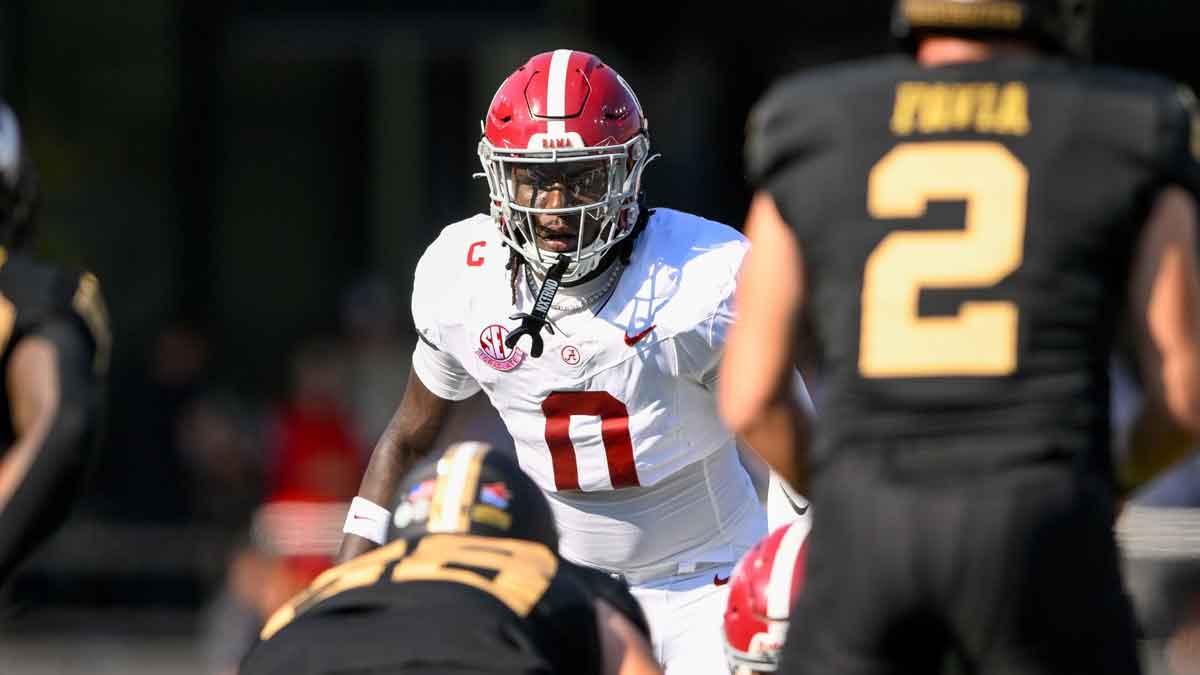
Deontae Lawson is the type of linebacker who can make a team feel smarter. He is athletic, well-known, and embodies the kind of defender that is highly valued in a modern league that demands second-level players to run, cover, clean up, and, under different circumstances, that might be sufficient. However, for the Steelers, it should not be.
This is where good teams can falter in subtle ways, because they spot a talented defender in a position that does not urgently require help, convince themselves that adding more speed and flexibility is always beneficial, and then realize midway through the season that their roster needed another receiver or a reliable blocker much more than it needed a linebacker with an enticing resume.
This is the potential pitfall with Lawson, and they should not be investing premium draft capital in an off-ball linebacker at this point.
Patrick Queen is already an essential part of their defense, and the main draft discussions surrounding the Steelers have centered on making the offense more complete and protecting whichever quarterback will take the most significant snaps. The draft board consistently directs the Steelers toward seeking help at wide receiver or on the offensive line, as those are the areas where they can gain the most value.
Lawson has the potential to become an excellent professional player, but that does not alter the mistake of selecting him, and a team can accurately assess a player's talent while still making the wrong pick. For them, this would exemplify that scenario, drafting a high-quality player whose value does not align with the roster's most pressing needs.
This lesson applies to all four names in discussion because the Steelers do not need to avoid these players because they are flawed or untalented.
Instead, they should avoid them because this draft is guiding them toward a more specific set of needs, and arguments about focusing on improving Roethlisberger's offensive line may seem outdated, but they align perfectly with the draft board, which continues to present Pittsburgh with the most logical first-round options at the blocker and receiver positions.
While ongoing uncertainties around Rodgers may keep quarterback discussions alive, the team’s draft approach is already indicating that addressing the quarterback position should not be the top priority.
If the Steelers ignore this and instead use their best picks on any of these players, they will not be making bold moves.