The San Francisco 49ers don’t have the luxury of patience anymore. Not with Brock Purdy firmly established or with Christian McCaffrey still operating at an elite level. And certainly not after pushing all their chips to the center of the table in free agency. This is a team built to win now, urgently, aggressively, unapologetically. Even the most complete rosters, though, have fault lines. For San Francisco, one remains dangerously exposed.
With that, the 2026 NFL Draft isn’t about dreaming on upside but really about survival. Because if the 49ers don’t address their most glaring need, all the fireworks from free agency could end up being just flash without finish.
2025 was defined by reality
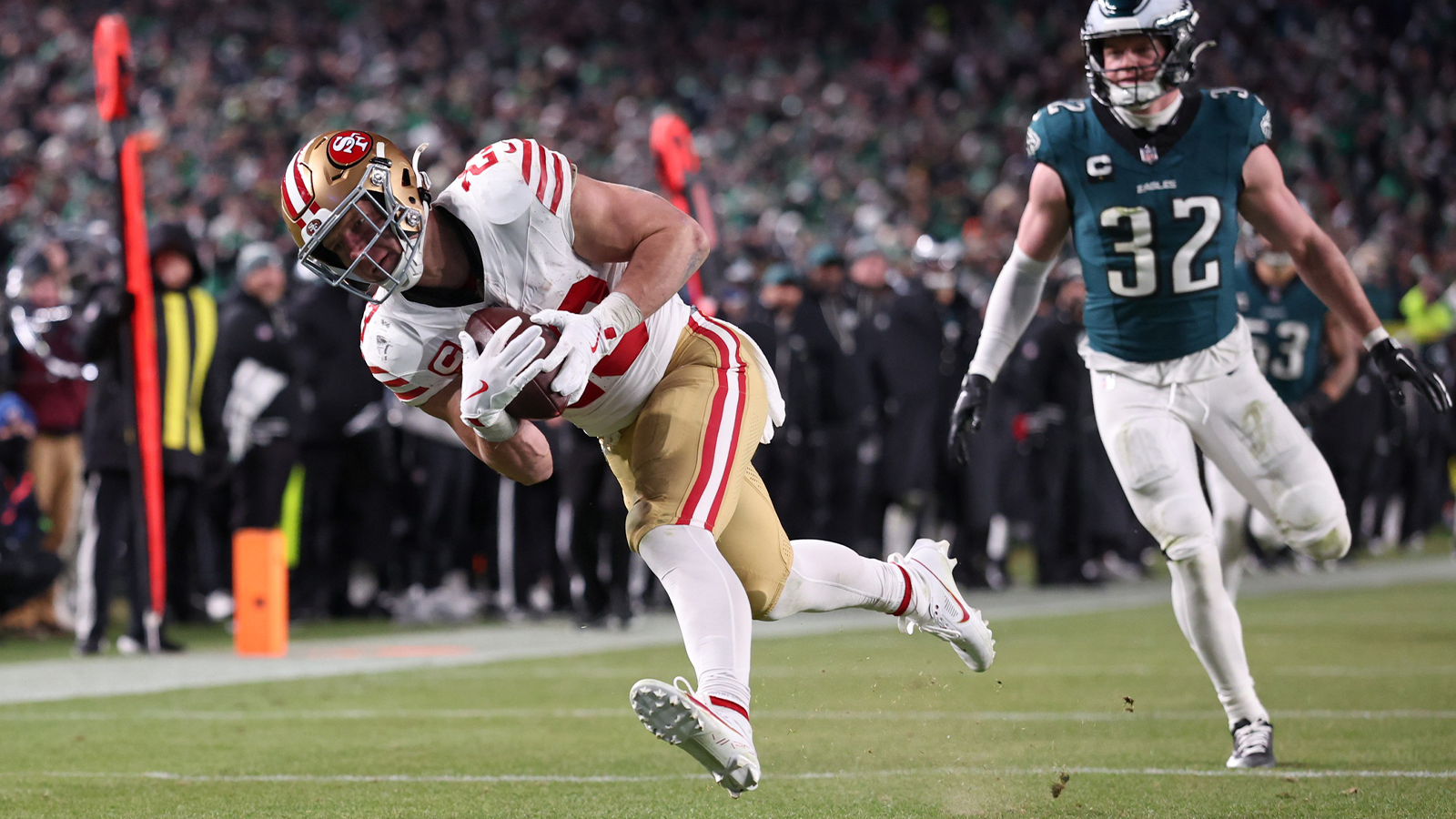
The 2025 NFL season was a masterclass in adaptation, even if it ended with harsh realities. The 49ers fought their way to a 12-5 record. They even earned the nickname “49-IRs” along the way as injuries piled up across the roster. CMC was the engine, reclaiming his dominance and earning AP Comeback Player of the Year honors.
However, the offense was often held together by willpower. Brandon Aiyuk didn't see action at all, while George Kittle’s devastating Achilles injury late in the season stripped the unit of one of its most reliable weapons. Still, San Francisco found ways to win. They even gutted out a Wild Card victory over the Philadelphia Eagles.
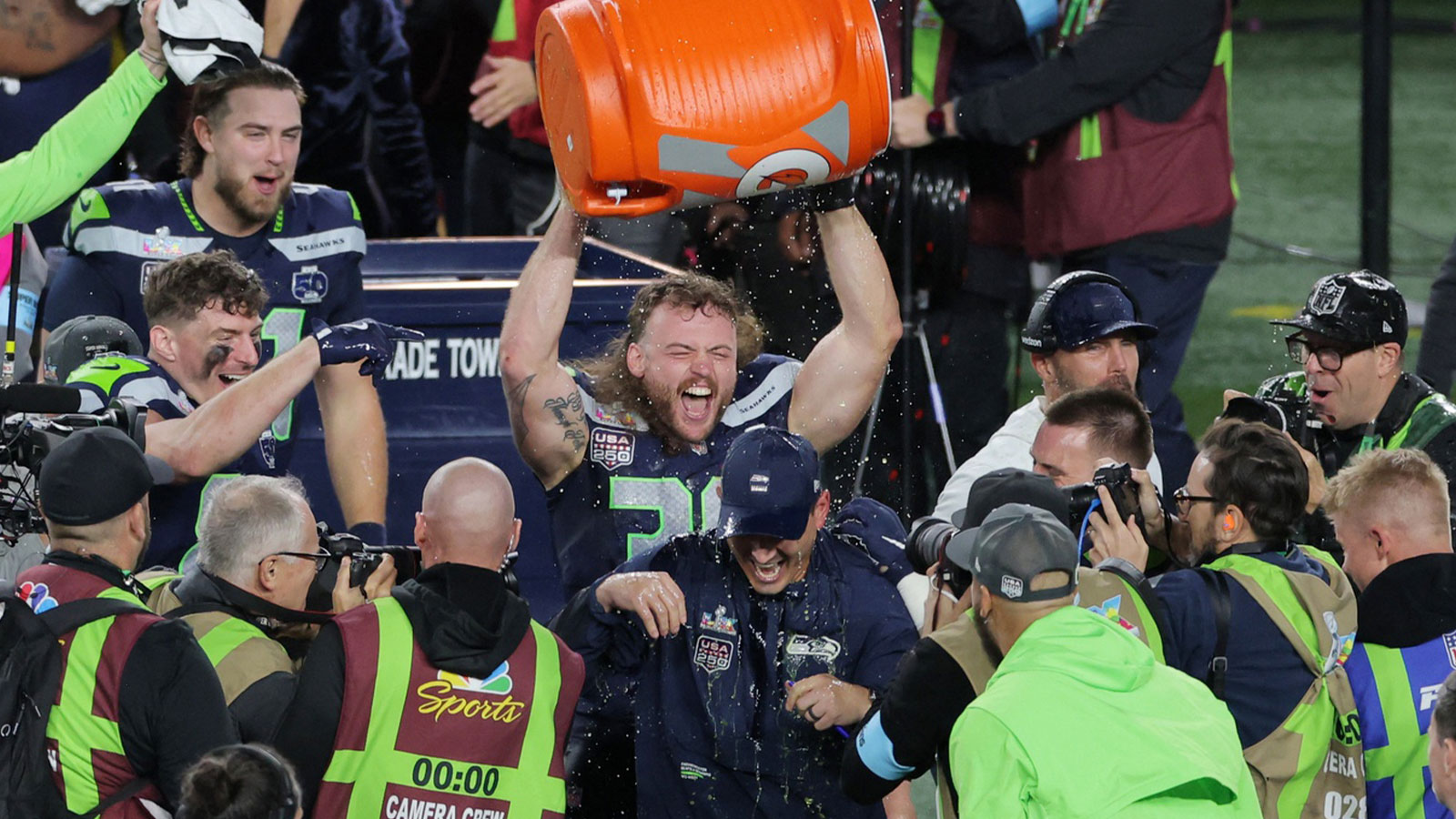
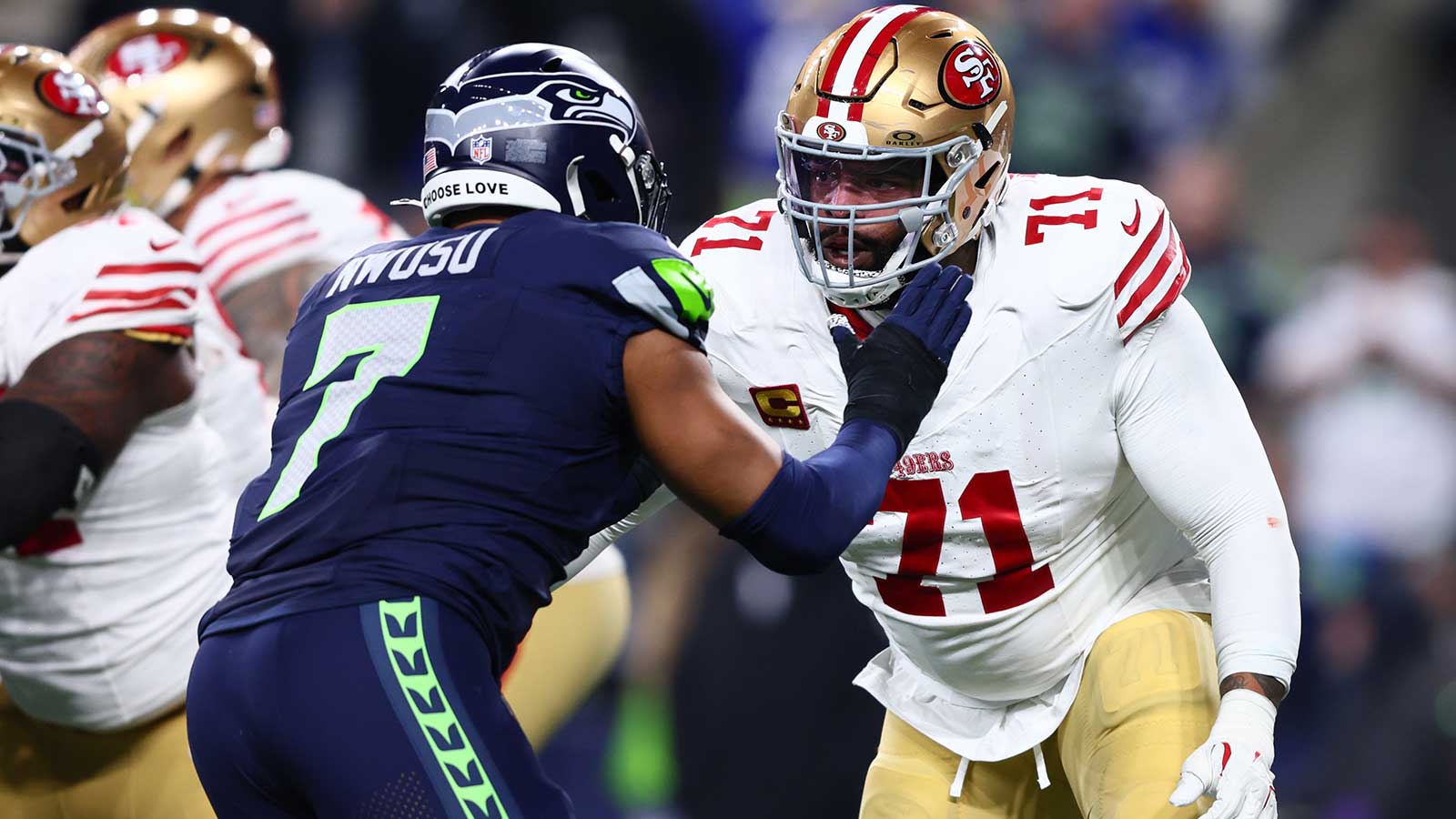
Then came the reality check. A 41-6 blowout loss to the Seattle Seahawks in the Divisional Round exposed the limits of their depth and the cracks in their foundation. Purdy’s magic can elevate a team. It can’t, however, cover for breakdowns in the trenches.
Free agency splash
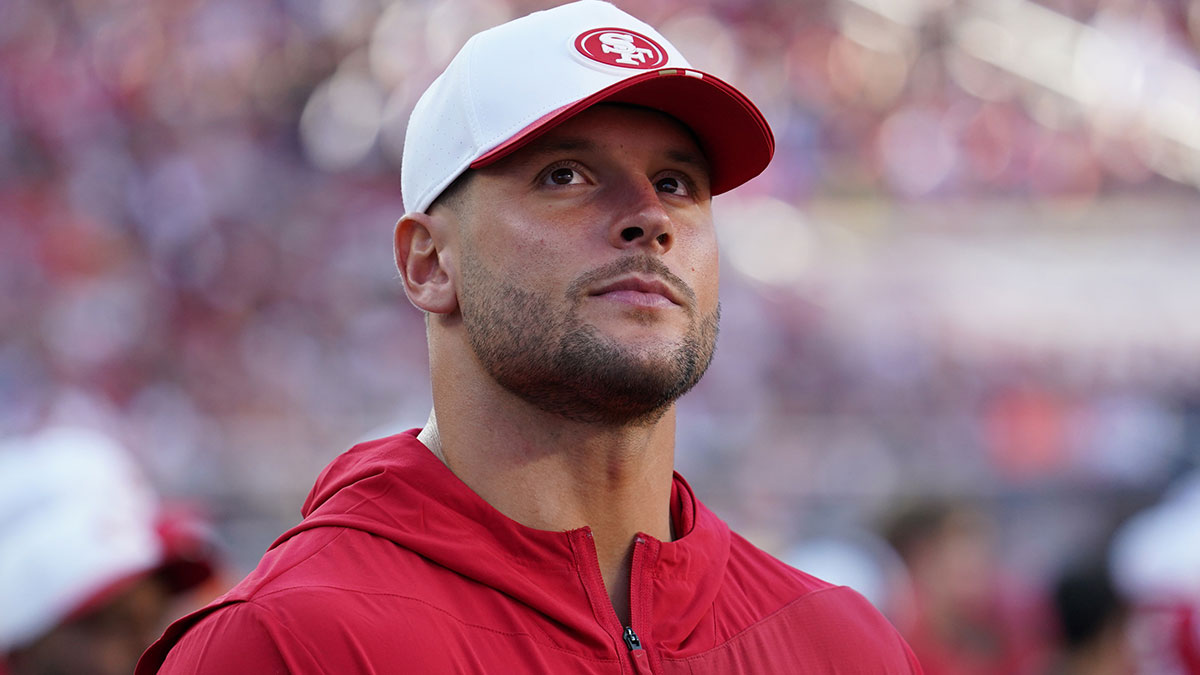
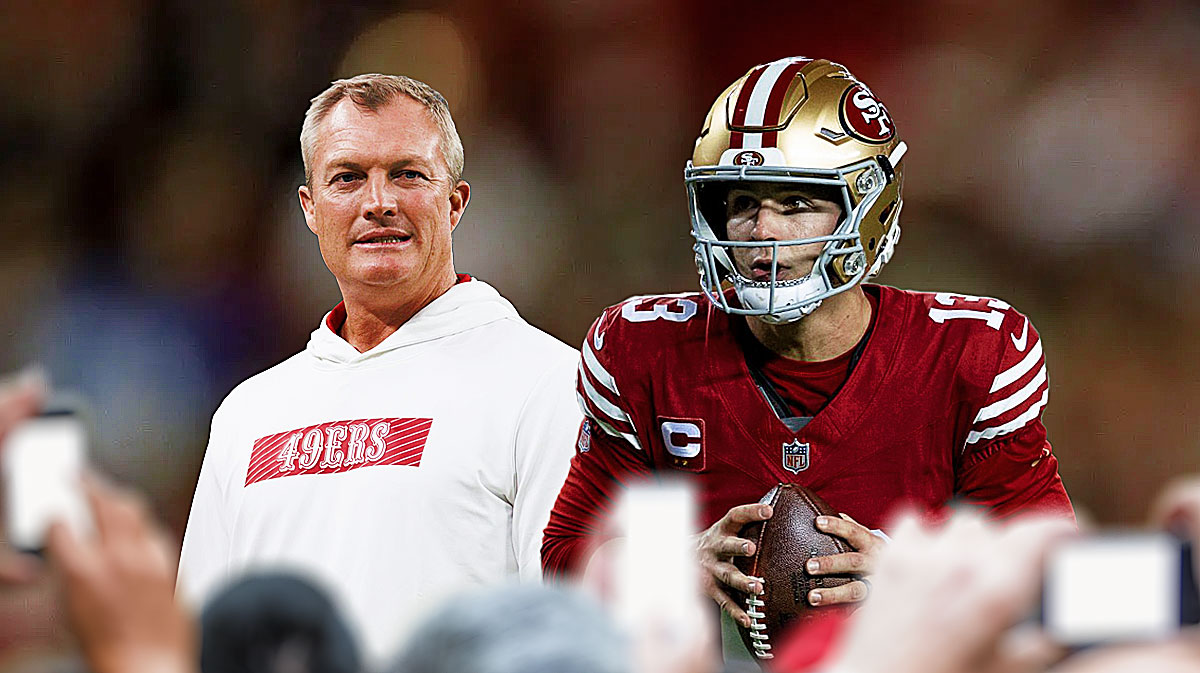
If there was any doubt about the 49ers’ intentions this offseason, GM John Lynch erased it quickly. San Francisco approached free agency with a “burn the boats” mentality. Lynch made it clear they are all-in on this championship window.
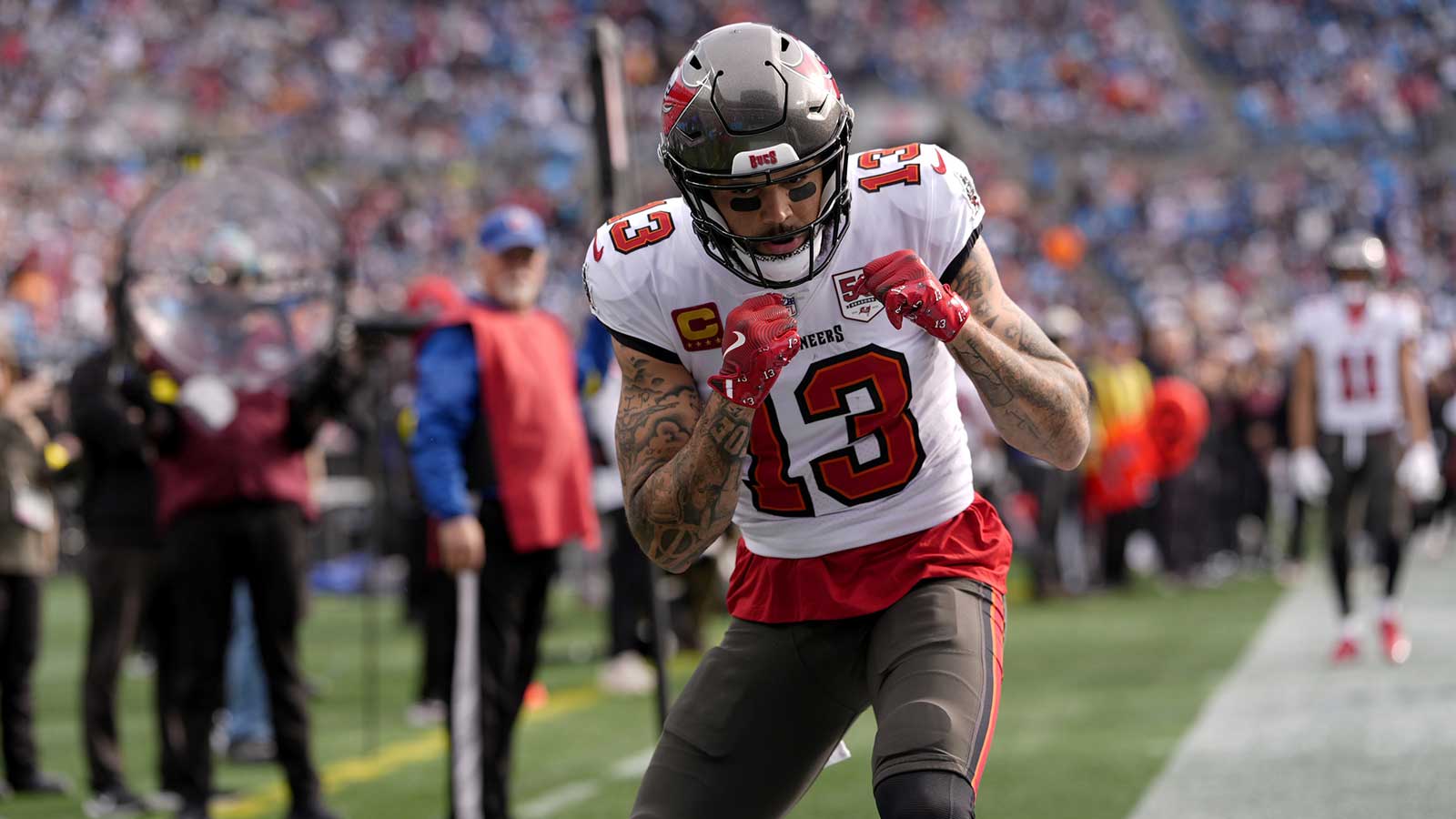
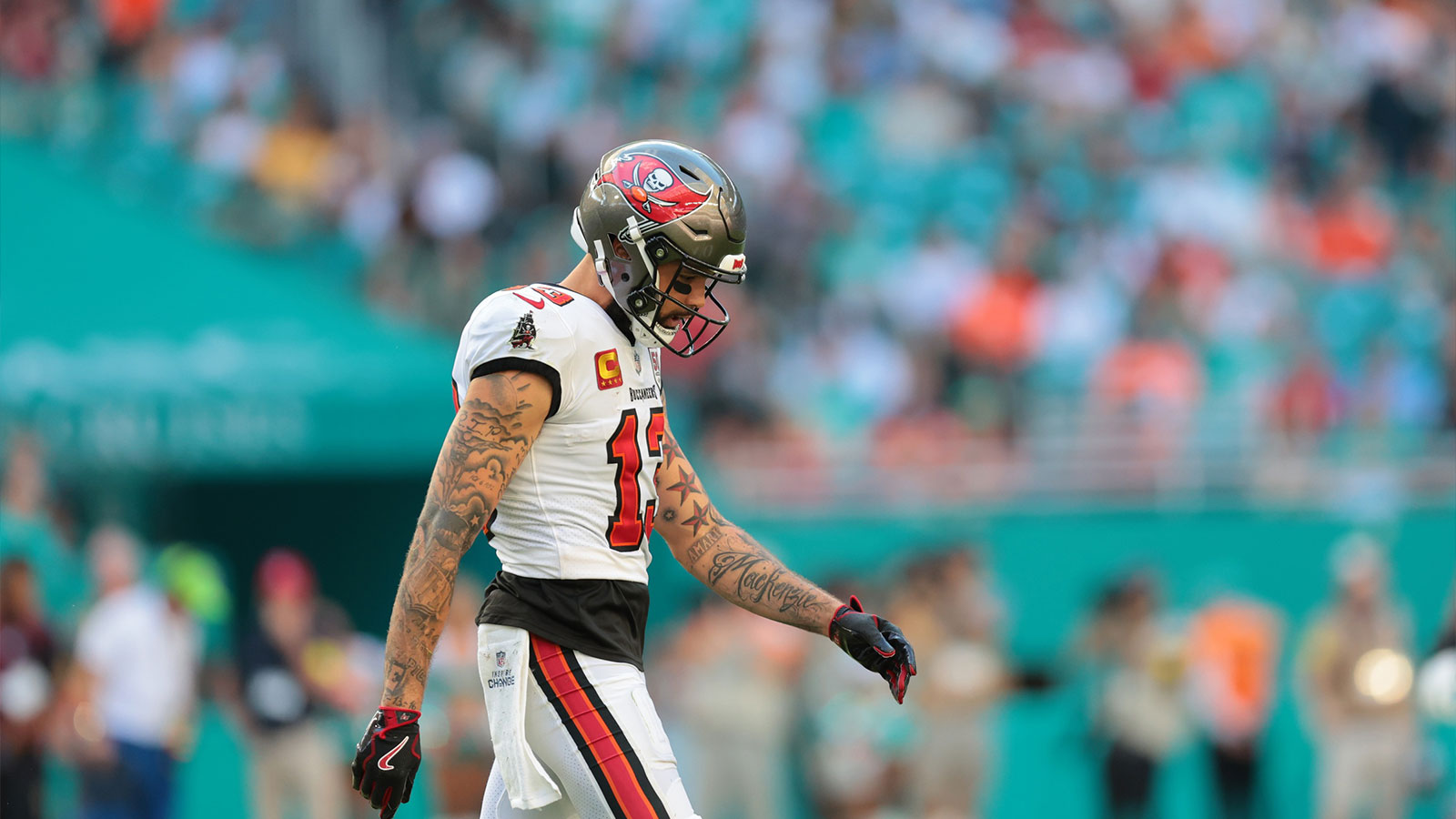
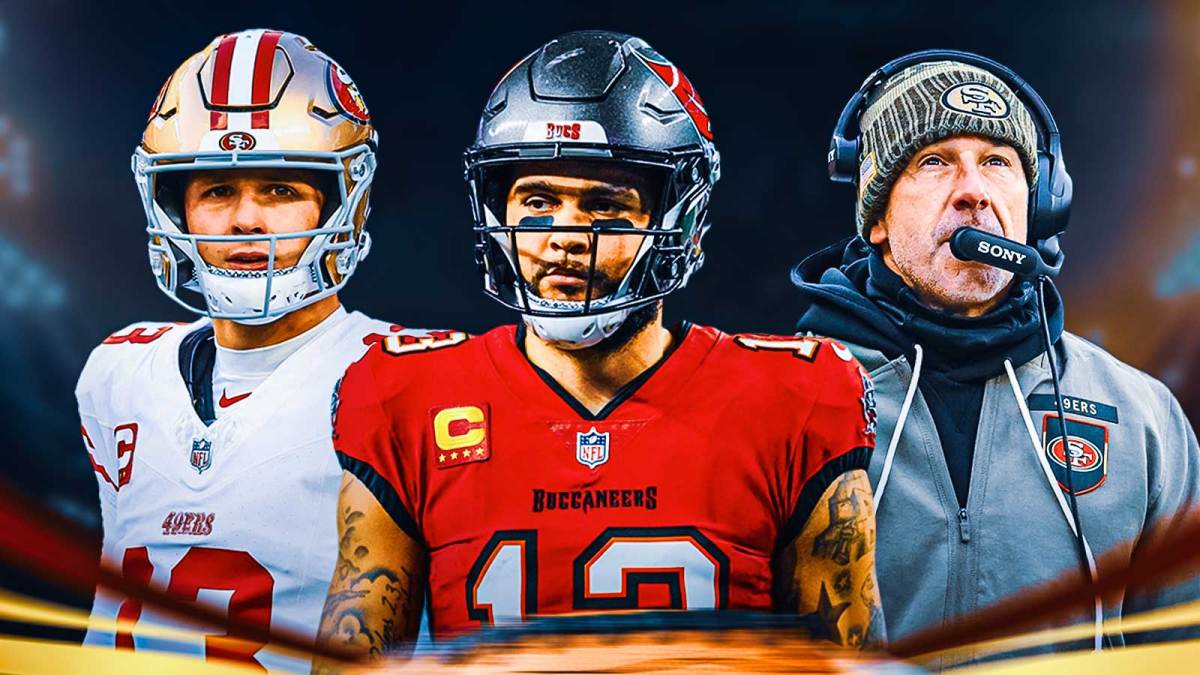
The headline move was the signing of future Hall of Famer Mike Evans. He immediately transforms the passing game with his size, physicality, and red-zone dominance. Pairing Evans with Christian Kirk signaled a shift toward reliability and firepower in the receiving corps. That addresses one of the uncertainties from 2025.
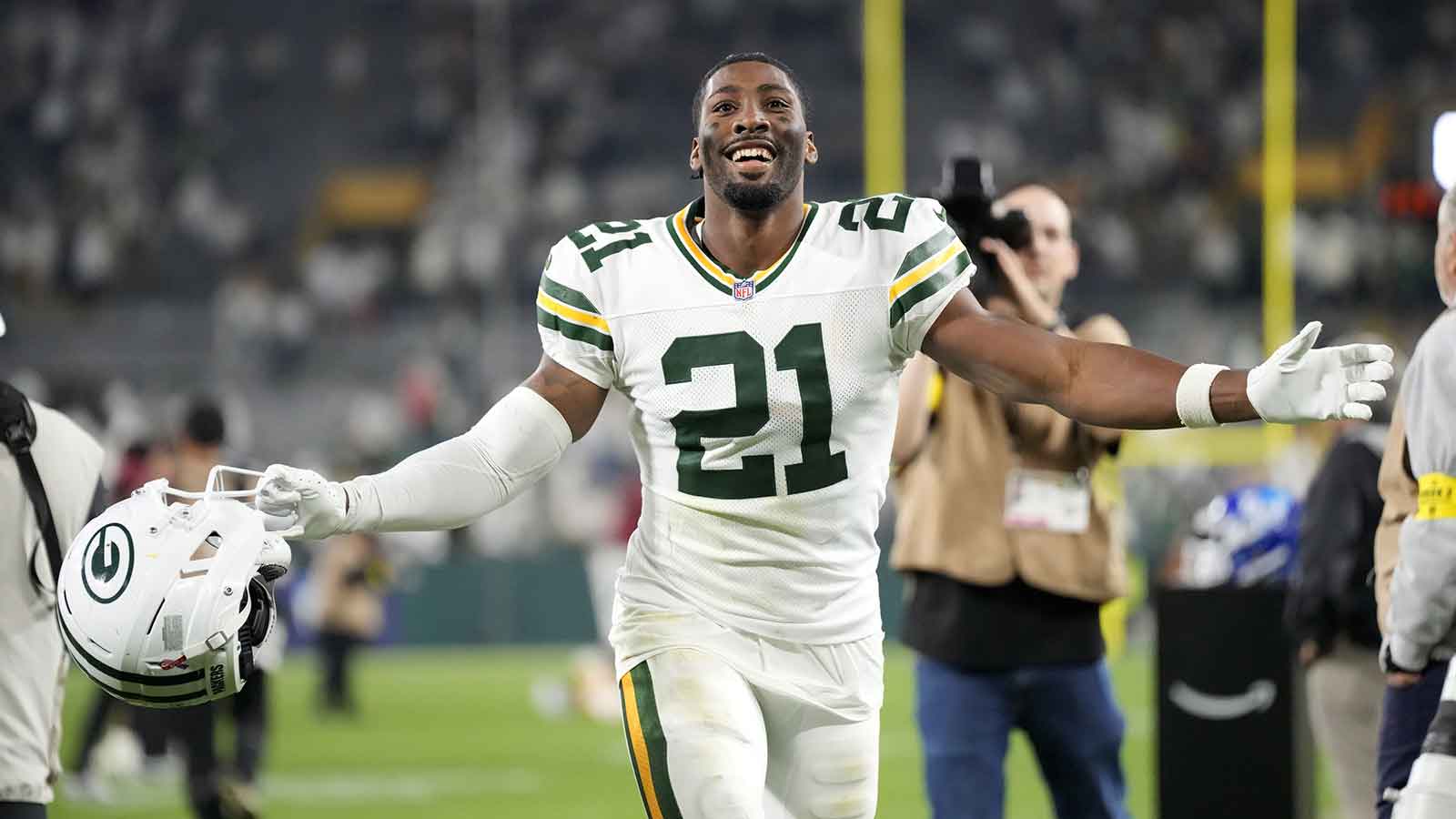
Defensively, the 49ers remained aggressive. They traded for Osa Odighizuwa to reinforce the interior line. They also added Nate Hobbs to stabilize a secondary that was exposed late last season. Even special teams were locked down with Eddy Piñeiro’s extension.
On paper, it’s a strong offseason. Holes were filled. Depth was improved. Star power was added.
One vacancy, though, still stands out, and it won't stay hidden for long.
Completing the front
Despite all the activity, the 49ers failed to find a consistent, high-impact edge rusher.
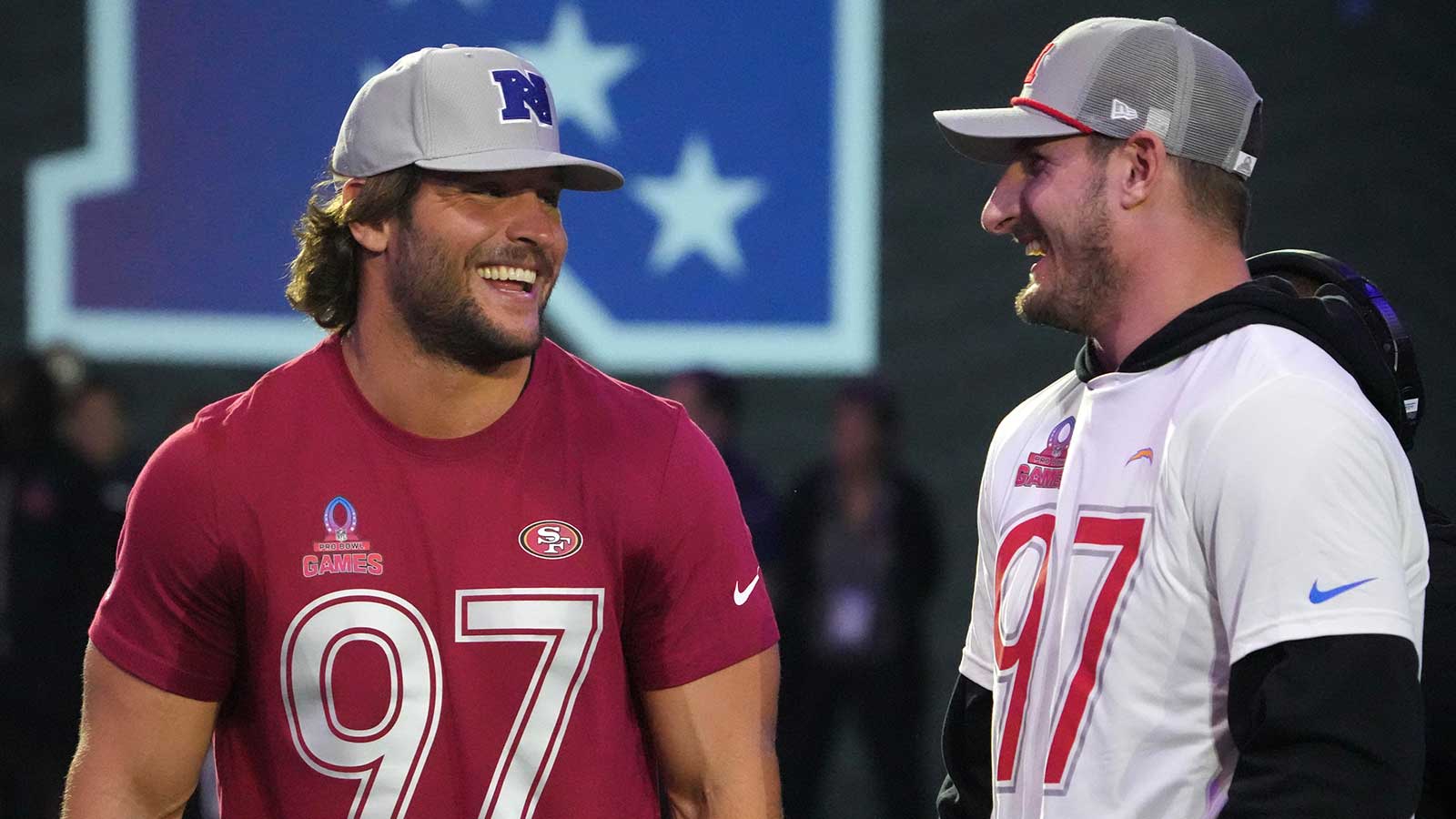
The retirement of Bryce Huff removed a key piece from the defensive front. Sure, Odighizuwa strengthens the interior. Still, there is a glaring lack of edge pressure. The current rotation lacks a player who can consistently win one-on-one battles, collapse the pocket, and force quarterbacks into mistakes.
That absence was felt most in the postseason. Against Seattle, the 49ers couldn’t generate pressure when it mattered. Sam Darnold had too much time to scan the field, extend plays, and exploit a secondary that was left covering for longer than any defense should be asked to. Even an improved secondary can’t hold indefinitely. Without edge pressure, coverage eventually breaks.
This is the domino effect of a missing pass rush. San Francisco’s defensive scheme thrives when the front four can generate pressure without relying on blitzes. Absent of a true edge threat, though, that identity weakens. The defense becomes reactive instead of aggressive. In their conference, that’s a losing formula.
Draft must deliver
That’s why the 2026 NFL Draft is so critical. Holding the No. 27 pick, the 49ers are in position to find exactly what they need. That's a young, explosive edge rusher who can contribute immediately and grow into a cornerstone.
Prospects like Akheem Mesidor, Keldric Faulk, and Cashius Howell fit the mold. They bring the length, burst, and technical refinement to disrupt offenses from day one. More importantly, they bring the kind of presence that forces offensive coordinators to adjust protections and game plans.
That’s the goal. Because adding an edge rusher elevates the entire defense. It allows the secondary to play more aggressively and reduces the need for high-risk blitzing. It restores the balance that made San Francisco’s defense one of the most feared units in football.
The temptation might be there to add another offensive weapon or reinforce another area. However, this isn’t the time for luxury picks. This is the time for necessity.
Championship windows
The 49ers have done almost everything right this offseason. They’ve added elite talent, reinforced key areas, and doubled down on a championship push. But in the NFL, “almost” isn’t enough.
Not when the NFC West is as competitive as it’s ever been. Not when teams like the Seahawks and Rams are built to exploit weaknesses. And not when your own postseason exit just highlighted exactly where you’re vulnerable.
Mike Evans brings the firepower. Osa Odighizuwa brings the muscle inside. But without a true edge rusher, the structure remains incomplete.
The 2026 NFL Draft is San Francisco’s chance to find the player who turns pressure into disruption, disruption into mistakes, and mistakes into wins.
Right now the 49ers cannot just focus on building for the future. They also have to make sure that the present doesn’t slip away.