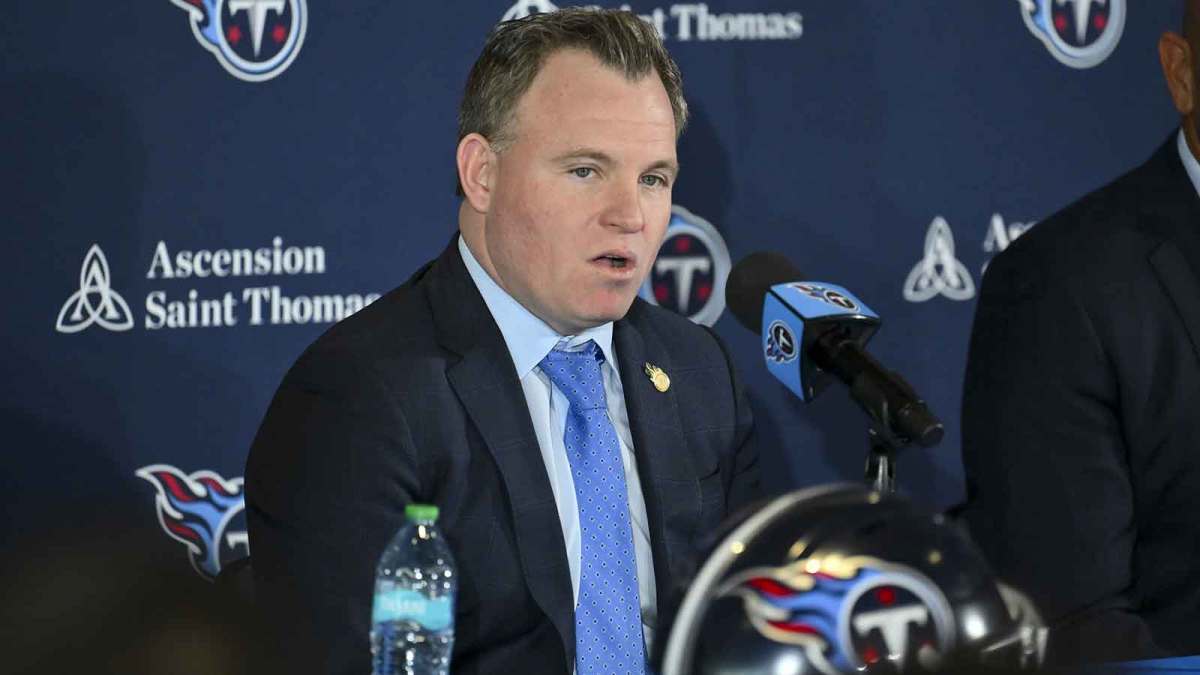
The Tennessee Titans are standing at a crossroads, and it's not the quiet, reflective kind. This is loud, urgent, and unforgiving. After a flurry of calculated moves in free agency, the franchise is done treading water. The goal now is ascension. Of course, ascension in the NFL is really about adding the right talent. One wrong pick, especially near the top of the board, can ripple through a roster still searching for identity under a new regime. For a team trying to build around a young quarterback, the 2026 NFL Draft is a referendum on vision. And sometimes, the smartest move isn’t who you select, but who you deliberately leave behind.
Reshaping the Titans’ identity

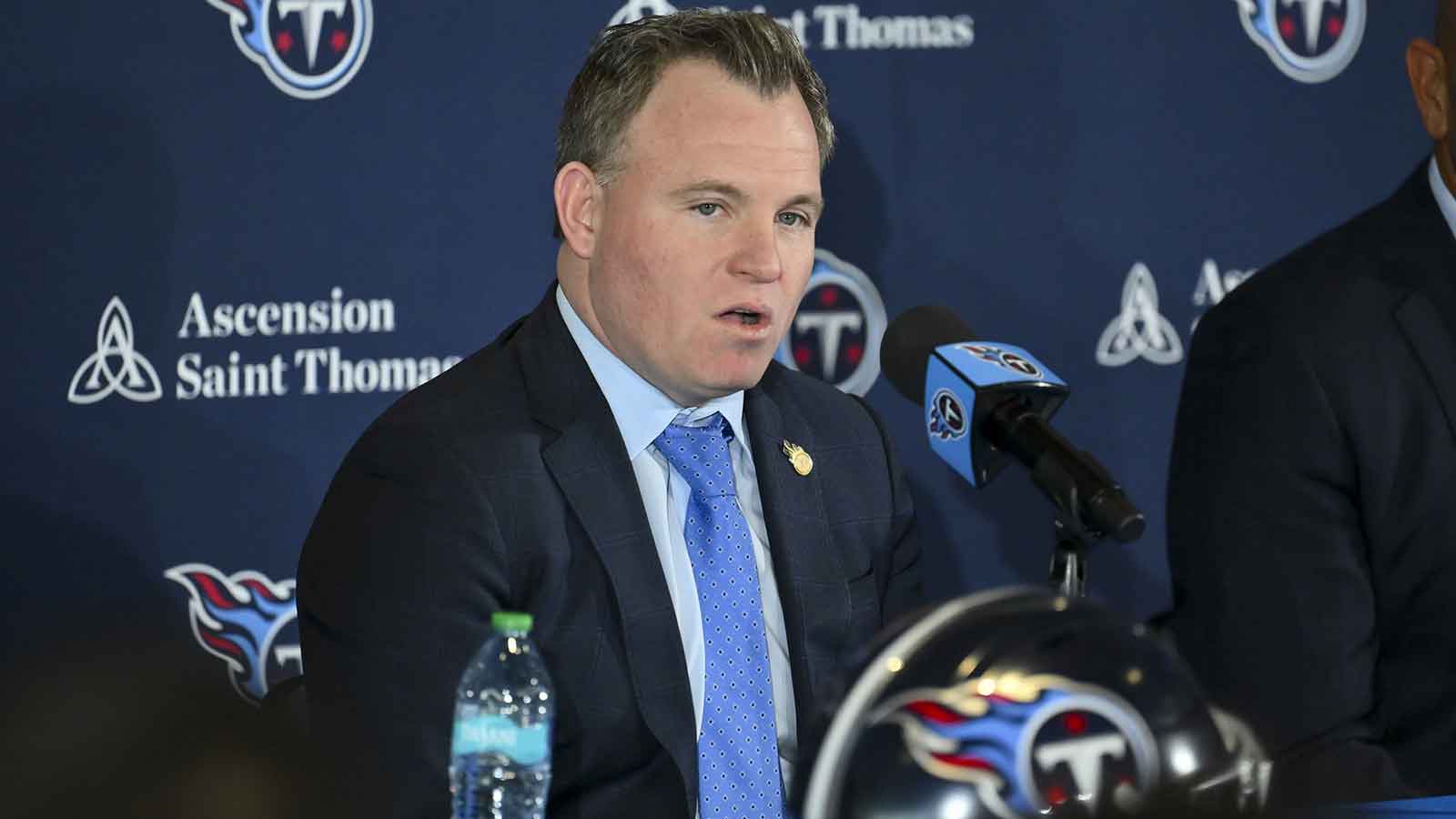
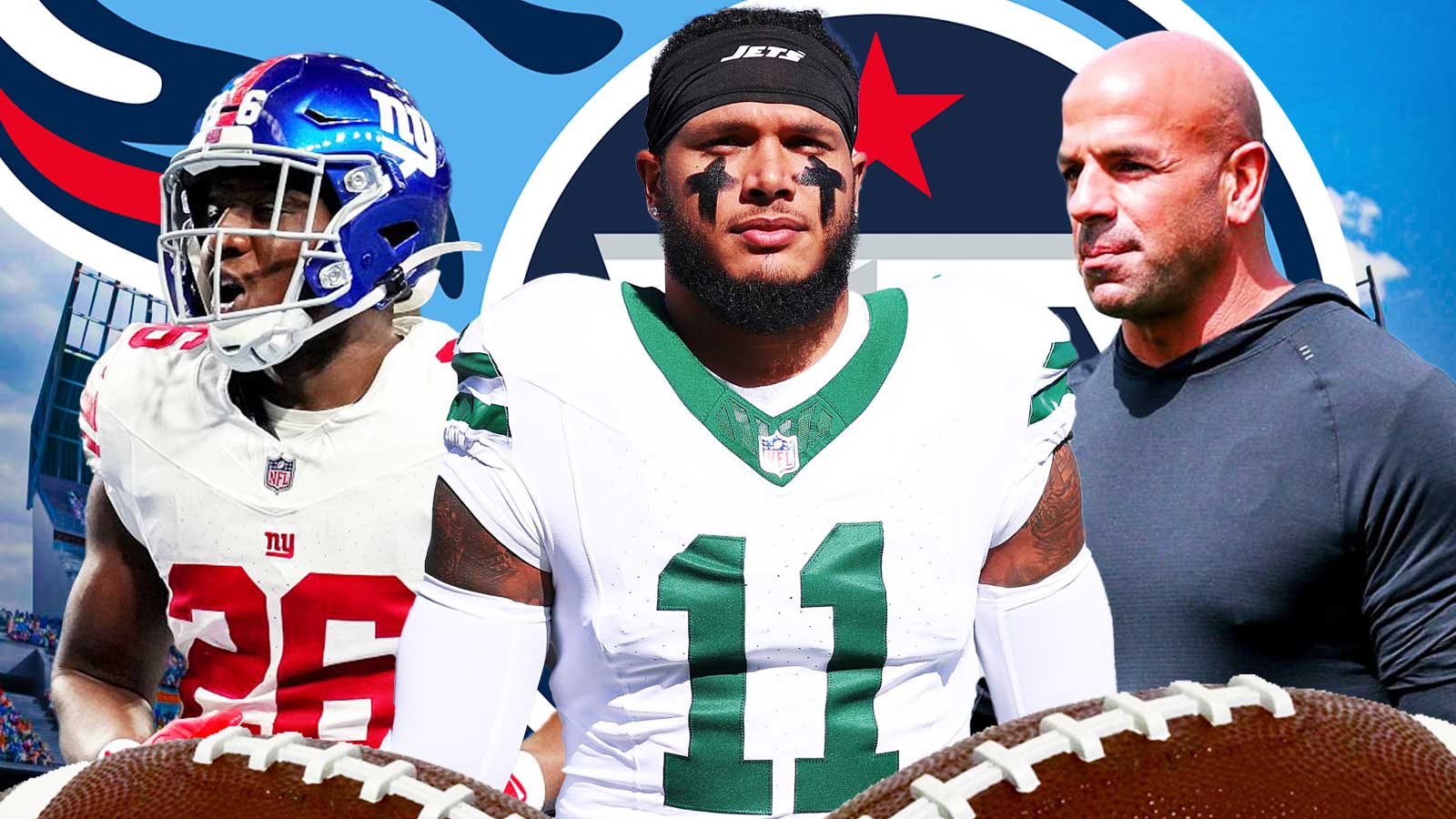
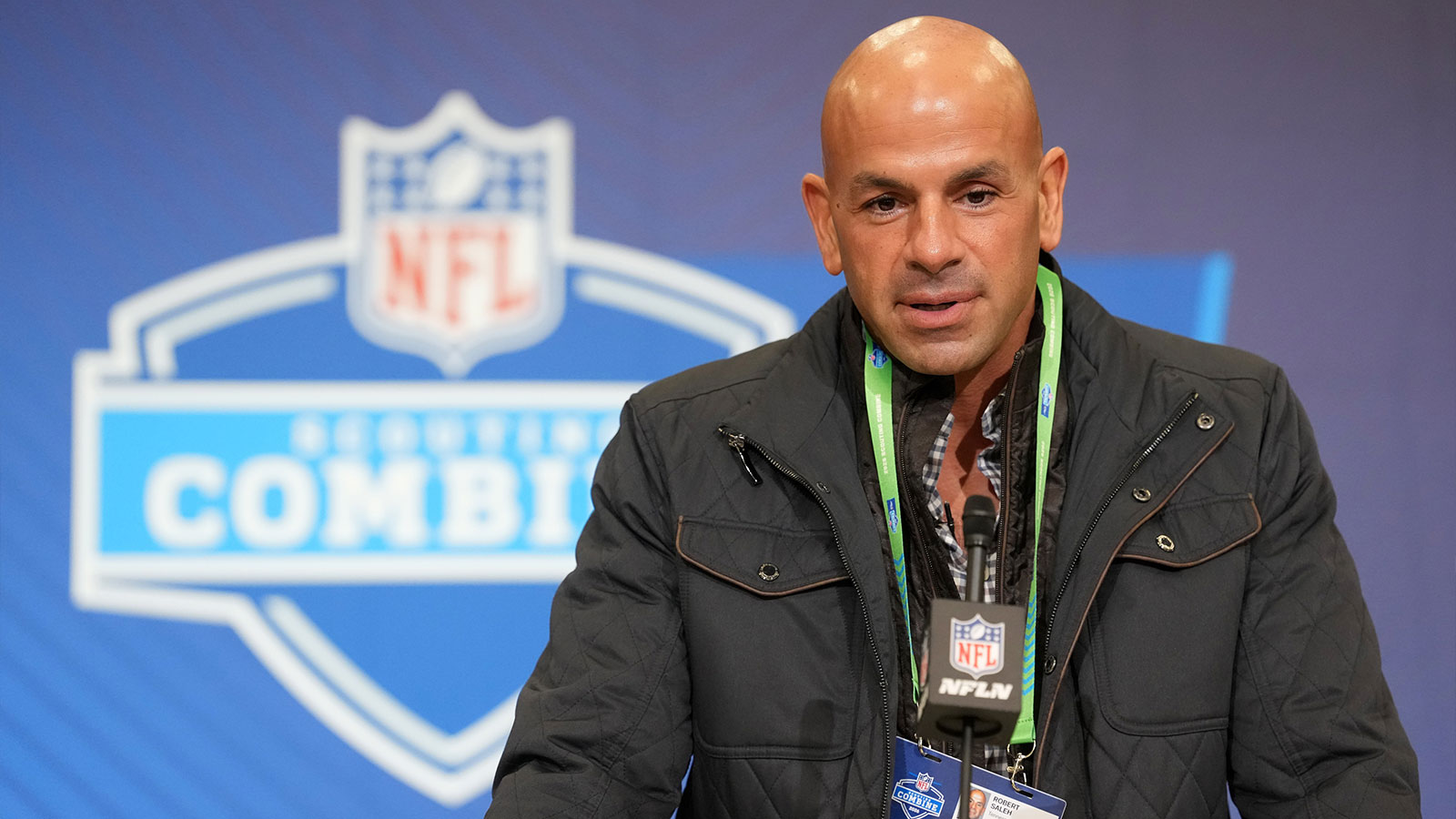
To understand where the Titans are going, we have to look at the frantic, calculated chess moves they made during the 2026 NFL Free Agency period. GM Mike Borgonzi dove headfirst into the deep end to fix a defense that had become far too porous for Robert Saleh’s liking. The marquee addition of former Denver Broncos edge rusher John Franklin-Myers means Tennessee wants to win in the trenches again. By pairing Franklin-Myers with the indomitable Jeffery Simmons, the Titans have a defensive interior that should terrify opposing quarterbacks. They didn't stop there, either, snagging cornerback Alontae Taylor. It was a defensive-heavy masterclass intended to give Saleh the tools he needs to implement his trademark aggressive scheme.
There’s a tone shift here that echoes the Titans teams of old. This isn’t about finesse. It’s about imposing will. And in a conference loaded with offensive firepower, that identity matters more than ever.
Raising the floor but not the ceiling
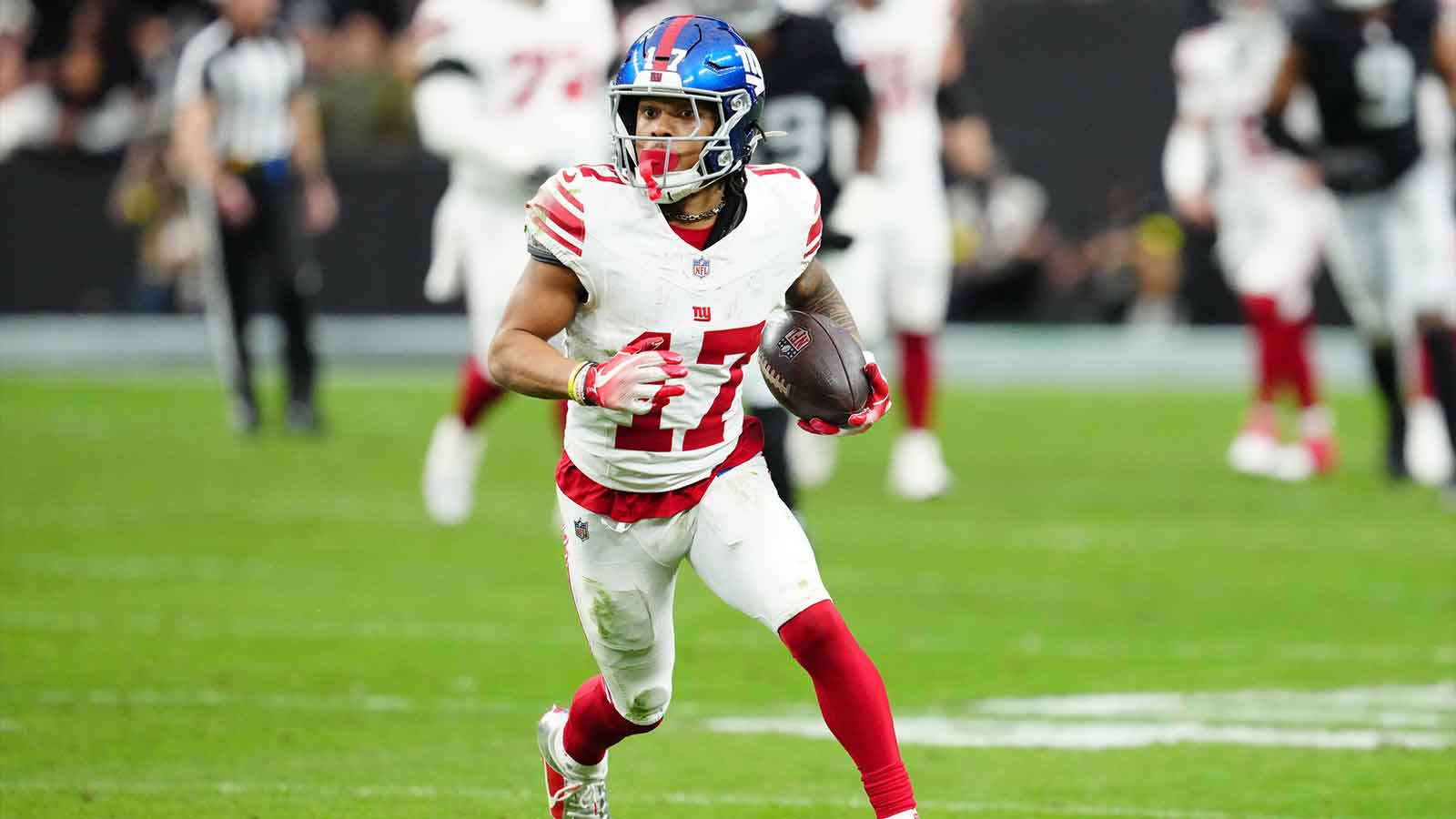
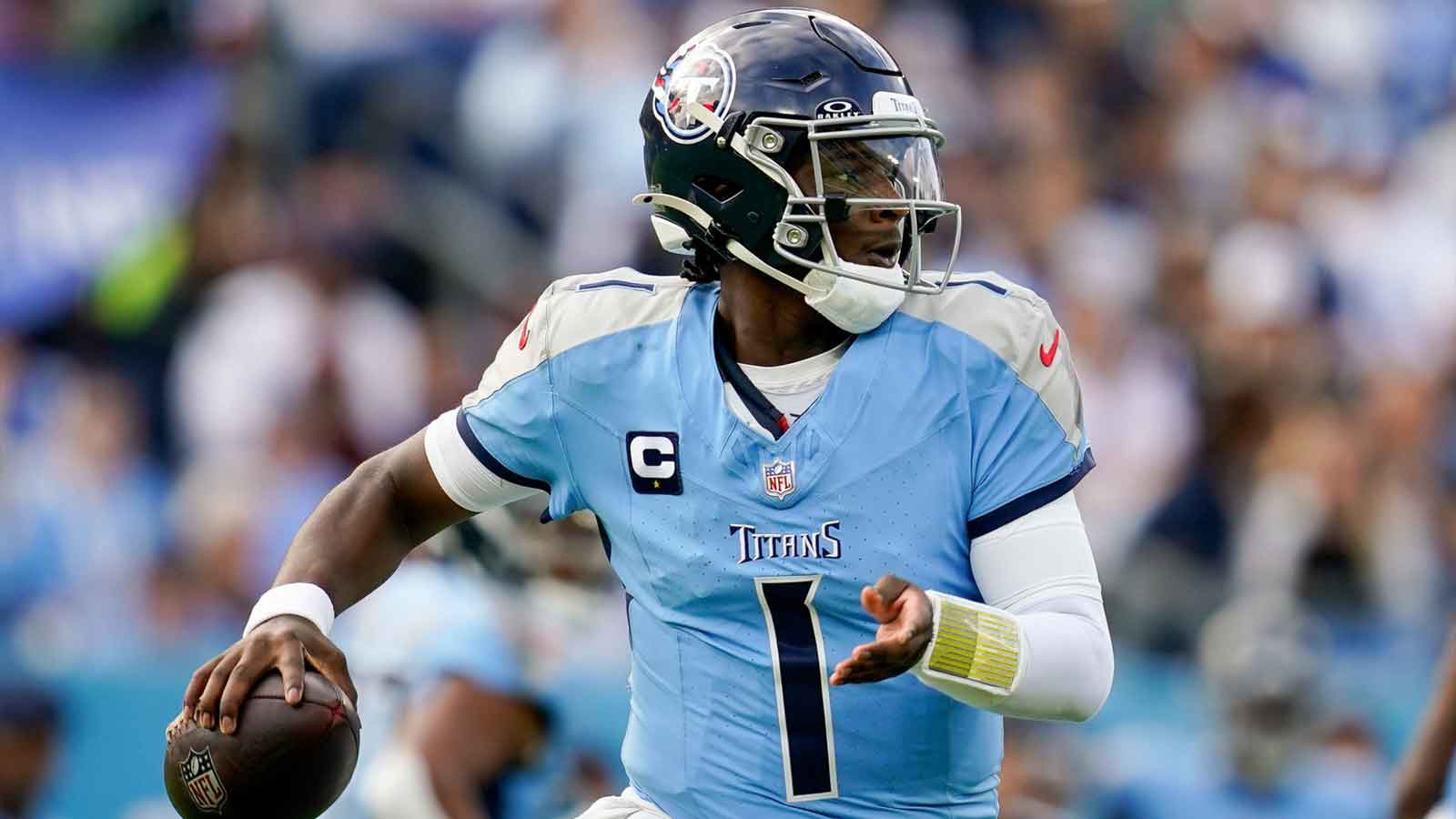
On the flip side of the ball, the Titans made a savvy move to support young franchise cornerstone Cam Ward. The signing of wide receiver Wan’Dale Robinson from the New York Giants provides Ward with a reliable, twitchy slot target. However, while that certainly raises the floor, it doesn't quite touch the ceiling.
That’s the lingering issue. The offense is functional, but it’s not yet fearsome. The departure of veteran mainstays and the aging legs of Calvin Ridley leave Tennessee searching for a true offensive identity. The free agency period was about stabilization, but the draft must be about transformation. The Titans need difference-makers.
Identifying the missing piece
As we peer into the war room, the Titans’ biggest need remains an explosive, high-volume edge rusher. Of course, the addition of Franklin-Myers provides stability. That said, Saleh requires a vertical, speed-oriented pass rusher who can win on the outside and force the pocket to collapse. The Titans finished near the bottom of the league in pressure rate last year. They simply cannot survive without a premiere sack artist. This need is compounded by the uncertainty at right guard and the lack of a true, long-term WR1 to grow alongside Ward. However, in a draft where the top four picks are expected to be defensive anchors, the Titans must prioritize that cornerstone edge rusher.
Why David Bailey is a gamble
There’s a certain allure to David Bailey. Turn on the tape, and it’s easy to see why scouts are intrigued. The burst off the line. The ability to bend. The flashes of dominance that suggest something special could be there. The Titans, though, aren’t drafting for flashes. They’re drafting for certainty.
Bailey’s profile is that of a high-upside pass rusher, but one with clear limitations. His size and length are not ideal for an every-down role at the next level. That becomes a problem in a system like Saleh’s. This defense demands players who can anchor against the run, absorb contact, and still generate pressure. Bailey, at this stage, is more of a situational weapon than a foundational piece.
Using a premium pick on a player who may only see the field in passing situations is a risk the Titans simply cannot justify. There’s also the question of projection. Bailey’s game is built heavily on athleticism. That's valuable, but it’s not always sustainable without a refined technique to support it. In the NFL, raw athleticism alone isn’t enough.
Don't reach for Monroe Freeling
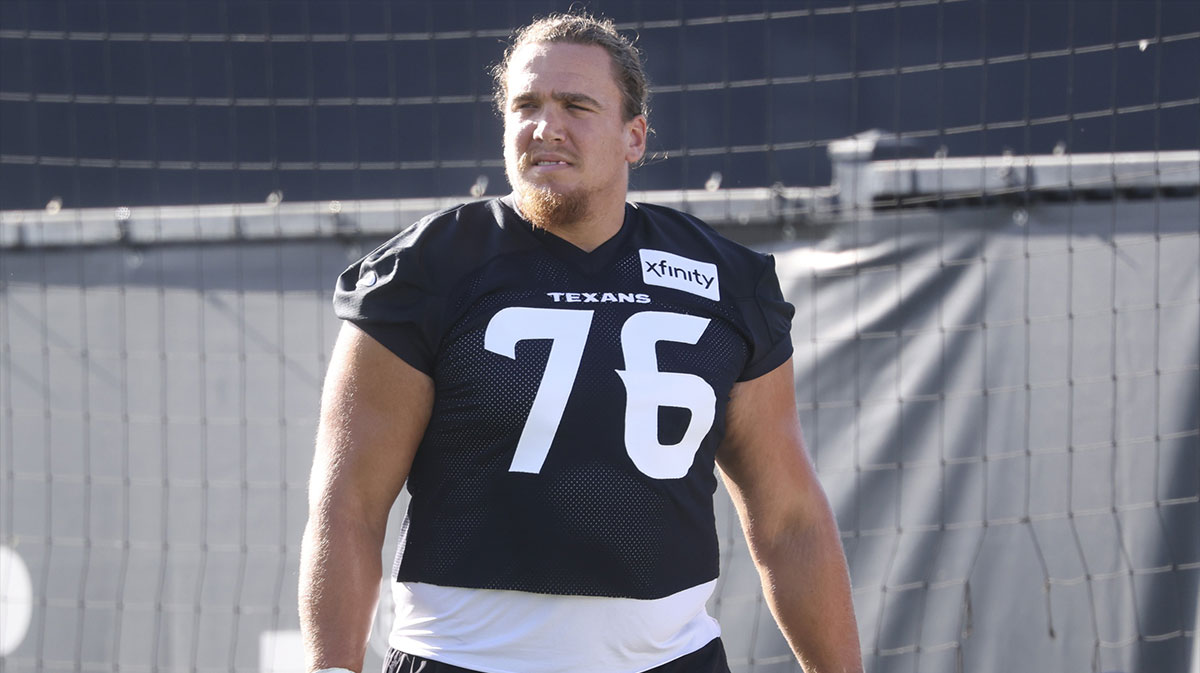
If Bailey represents risk on defense, Monroe Freeling represents temptation on offense. On paper, Freeling checks every box. He has the size. The experience against high-level competition in the SEC. He looks like an NFL tackle before he even steps onto the field.
Of course, football isn’t played on paper. Freeling’s tape tells a more complicated story. His footwork in pass protection is inconsistent. His anchor against power rushers also remains a concern. These are not minor issues but foundational ones.
For Tennessee, the offensive line is not an area where you can afford uncertainty. Protection must be reliable, immediate, and durable. There’s also a broader context to consider. The Titans have seen firsthand how costly it can be to invest in offensive line prospects who fail to translate their physical tools into consistent production. Freeling’s ceiling is intriguing, but his floor is unstable.
Discipline will define the future

The Titans have done the hard work of reshaping their roster. They’ve added toughness. They’ve reinforced their identity. Now comes the most delicate part: refinement.
Avoiding players like David Bailey and Monroe Freeling isn’t about dismissing their potential. It’s about understanding the moment and recognizing that this team doesn’t need pillars not projects.