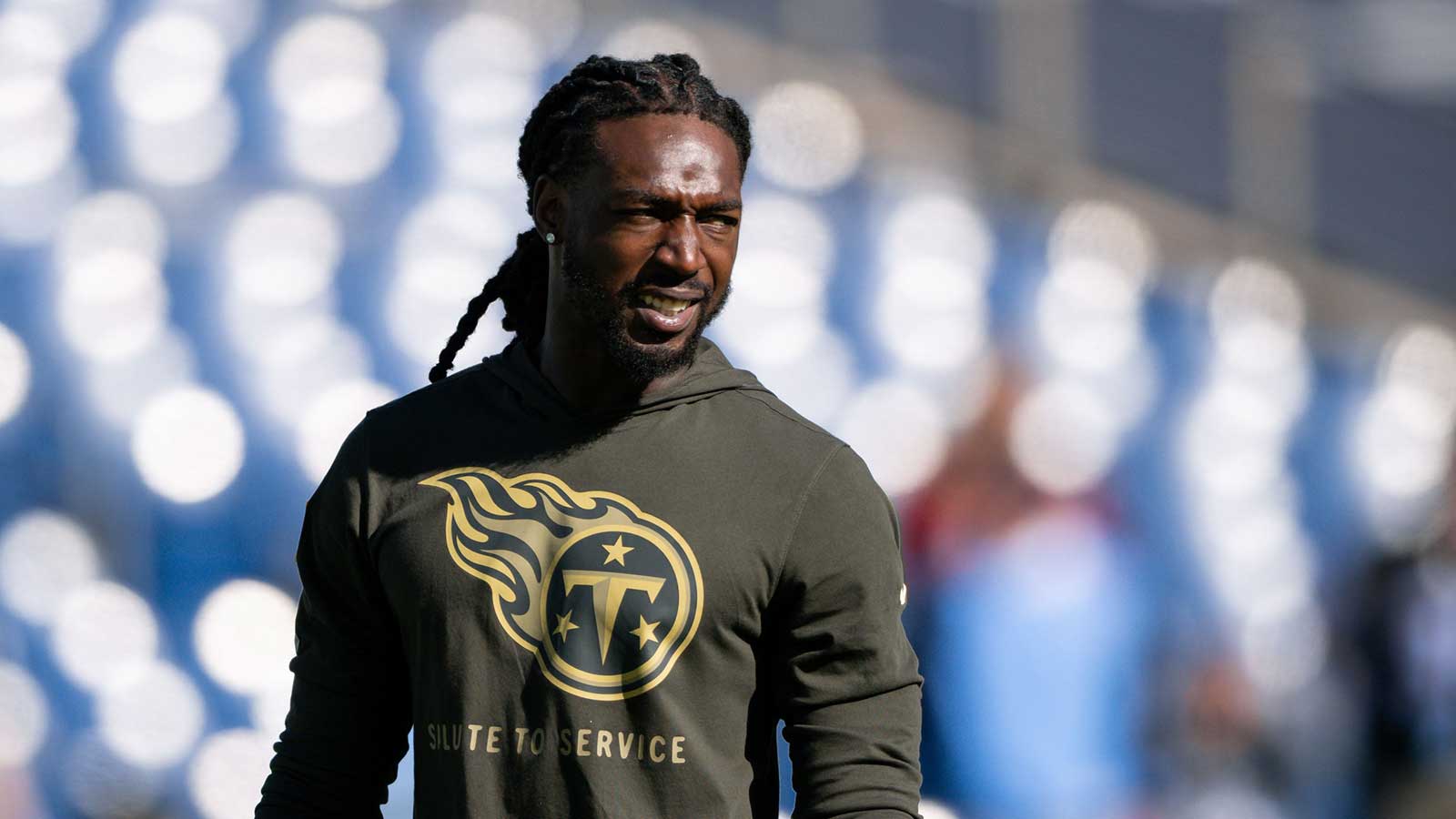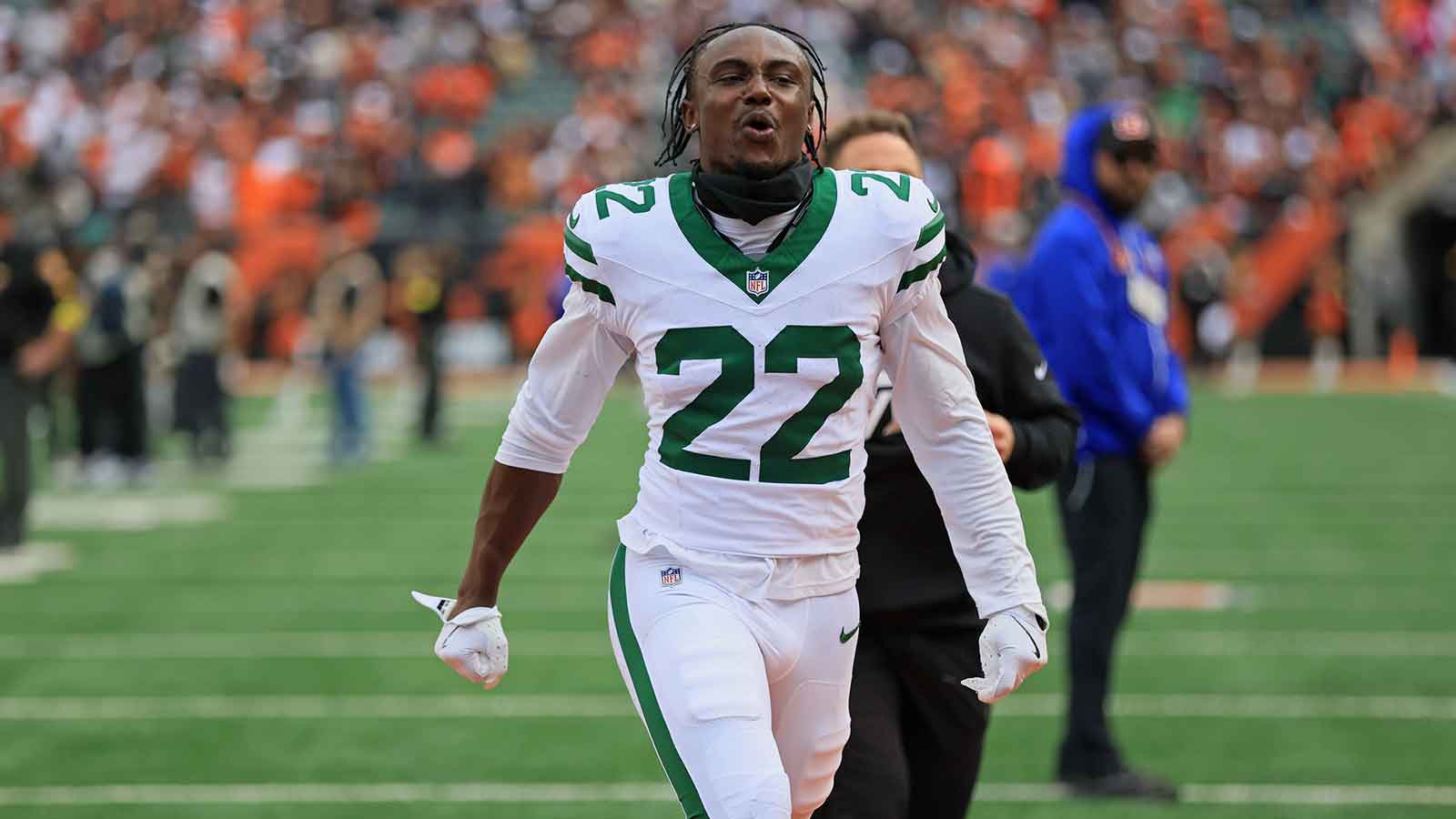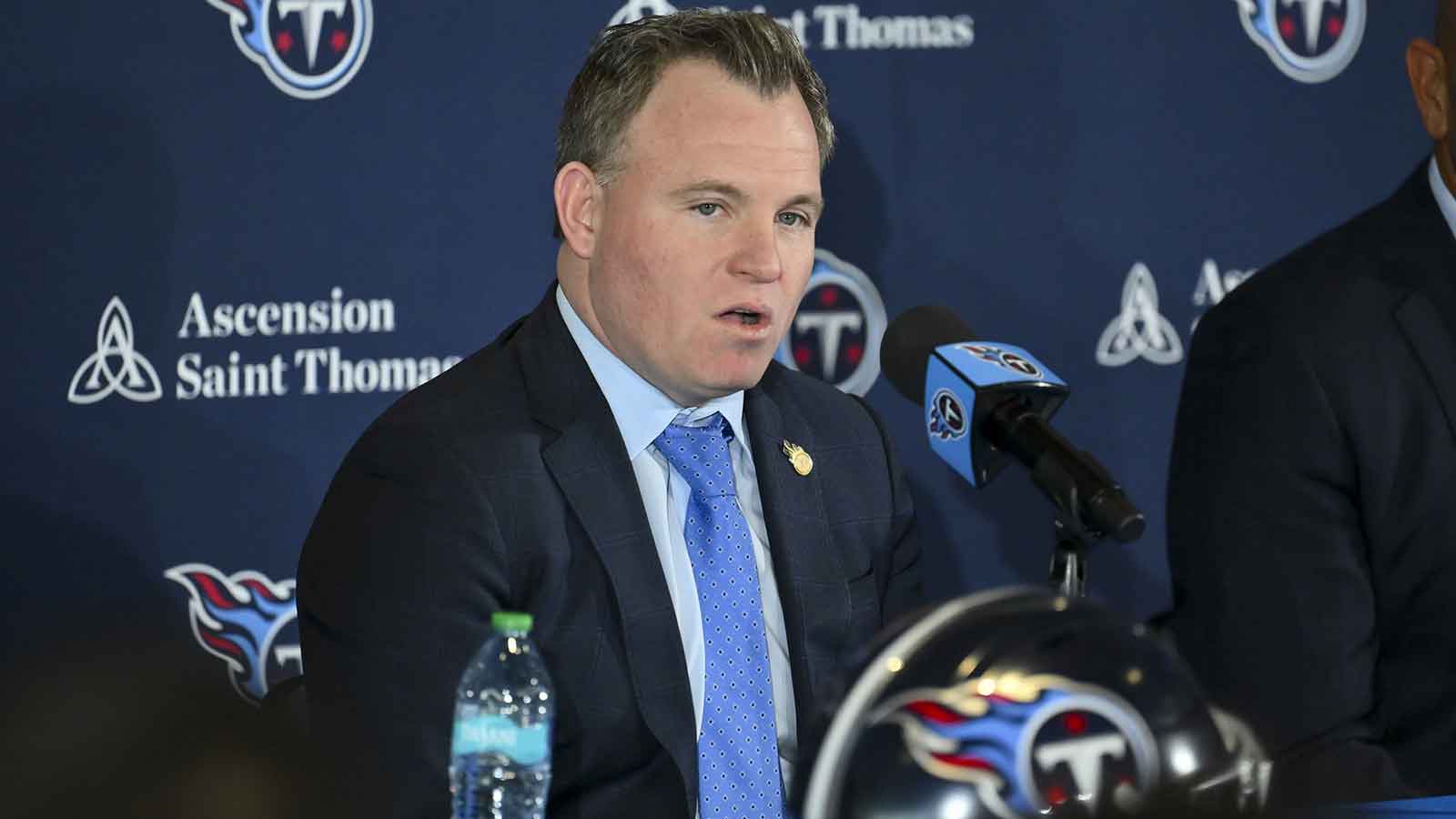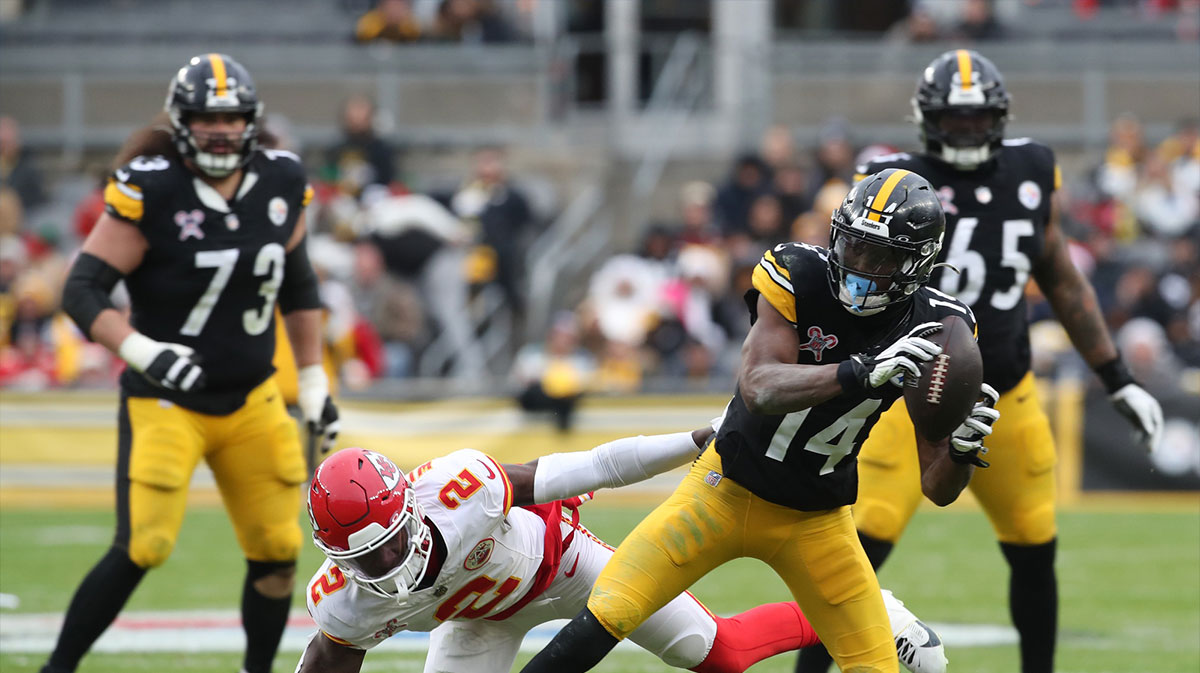
The Tennessee Titans spent the opening week making moves that, at first glance, seemed orderly. The Titans signed former Chiefs cornerback Joshua Williams to strengthen their secondary and reworked Calvin Ridley's contract to keep him in Nashville through 2026, avoiding a potential contract standoff.
On the surface, these decisions appear reasonable, but they fit into a much larger context that begins to reveal some unevenness.
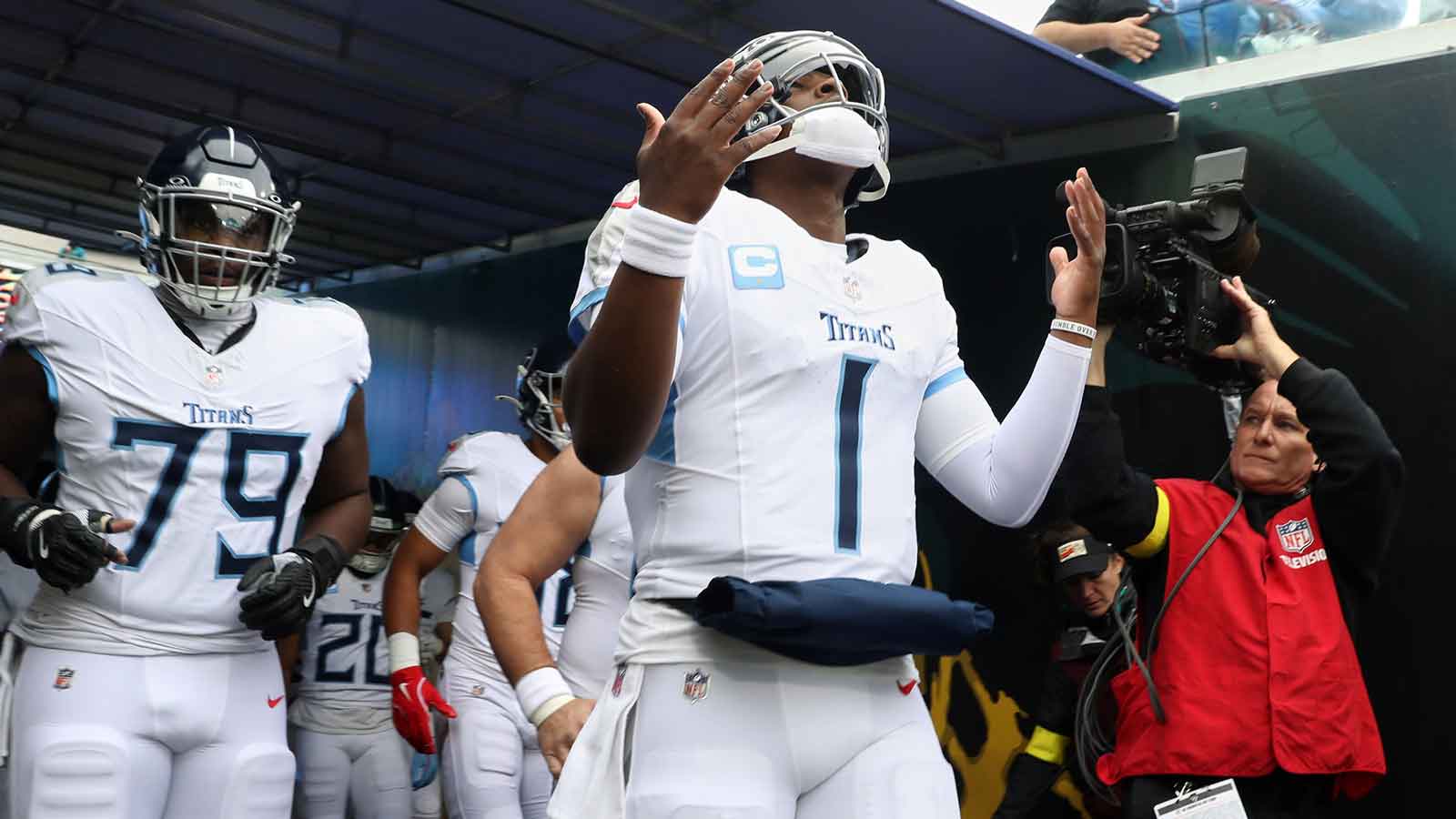
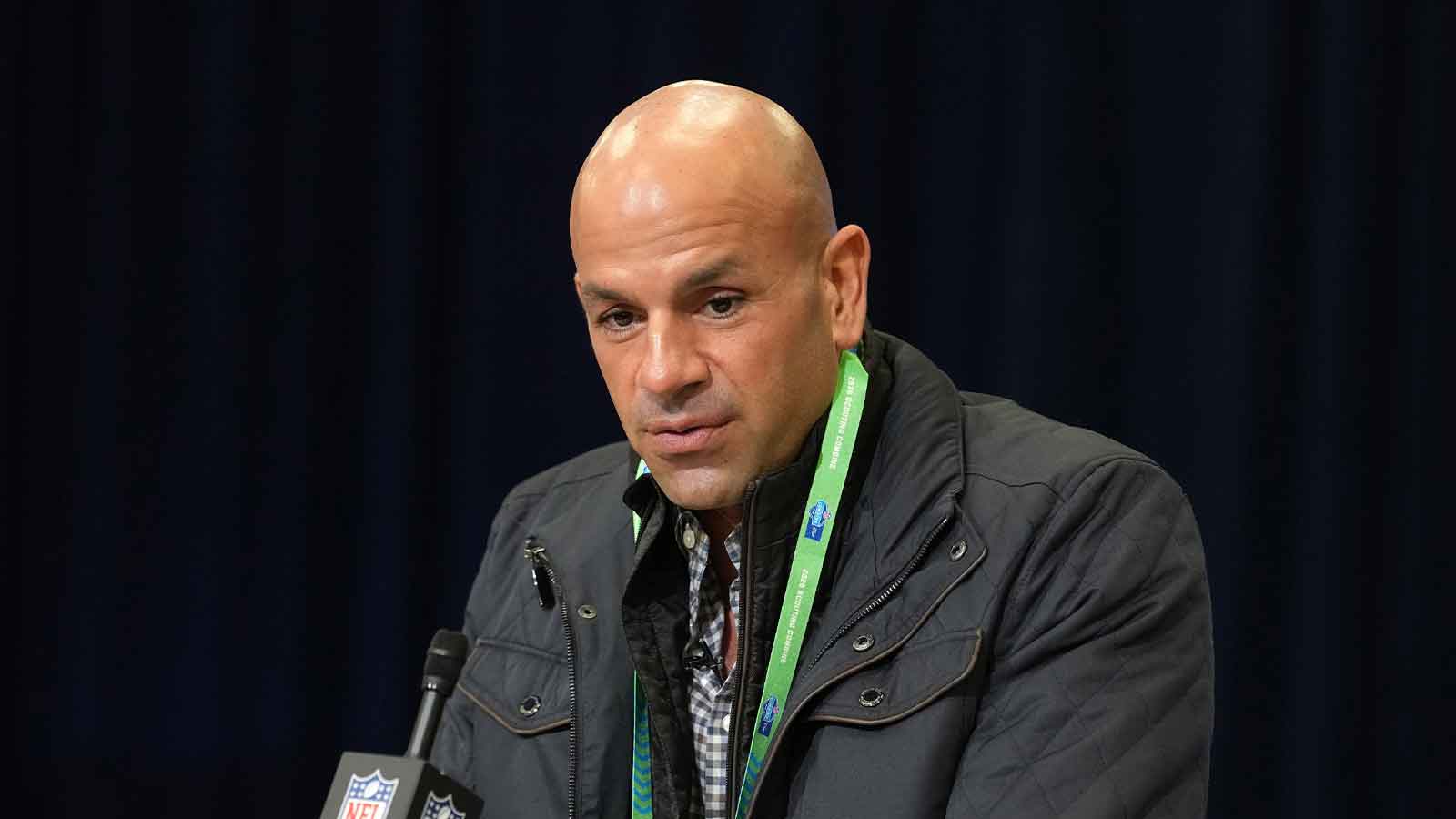
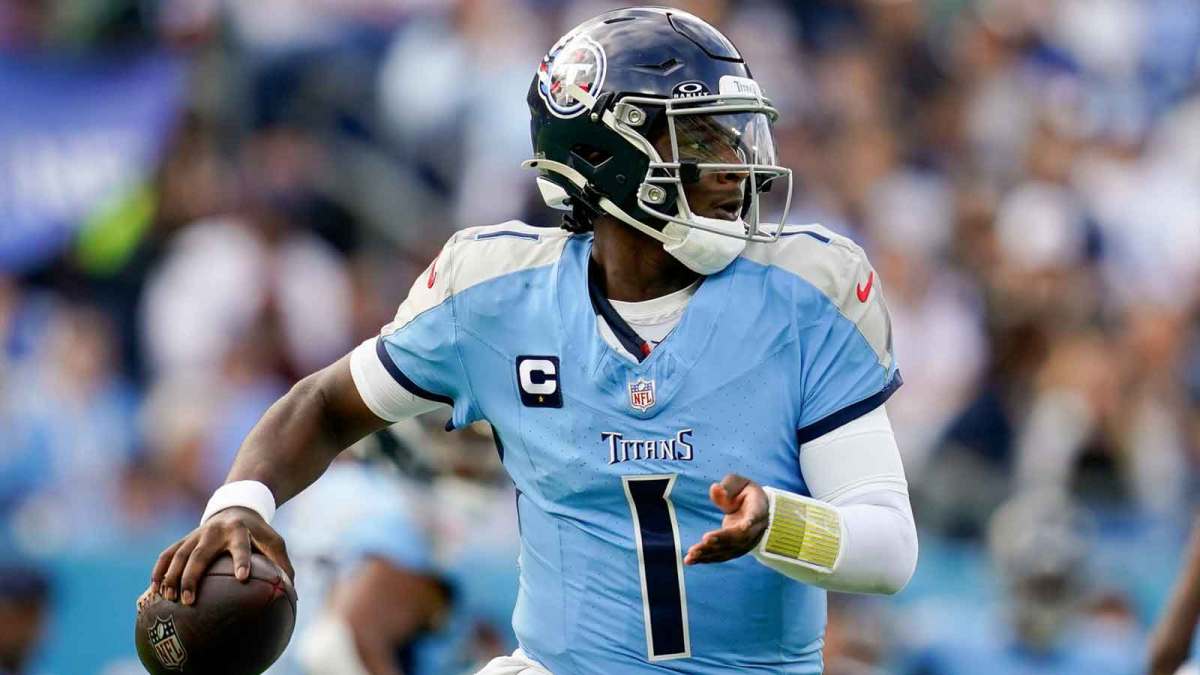
To me, the biggest mistake the Titans made in Week 1 was misjudging where the real urgency lay. The team has the quarterback situation settled, at least in the short term, with Cam Ward as the centerpiece, and when that’s the case, the offseason strategy should revolve around supporting him.
However, the Titans approached free agency as if their most pressing issue was fixing the secondary and reshaping the defense, and they made significant investments in cornerbacks, added another proven defensive lineman, and continued to reshape the back seven.
Meanwhile, the offensive line, arguably the most crucial element for a young quarterback in his first full season, received minimal attention.
This brings us to the deals for Alontae Taylor and Cor’Dale Flott, which really highlight the issue.
Taylor's three-year, $60 million deal is a substantial investment, and Flott's three-year, $45 million contract is another significant commitment. Coupled with Williams’ addition for depth, the Titans clearly indicated a desire to revamp their secondary after releasing L’Jarius Sneed.
ESPN's tracker outlines that Taylor is expected to set the tone in the corner room, while Flott is likely to start immediately, capable of playing both outside and inside.
If you evaluate this strictly as a defensive makeover, it's easy to justify the decisions because they aimed for faster, younger, and more durable corners, and they went out and acquired them.
Football decisions aren't made in isolation, though, and this is where Tennessee's approach lost focus because if you are building around a young quarterback, especially one stepping into a team that finished with a 3-14 record, prioritizing protection should not be treated as a secondary concern; it should dominate the initial phase of the offseason.
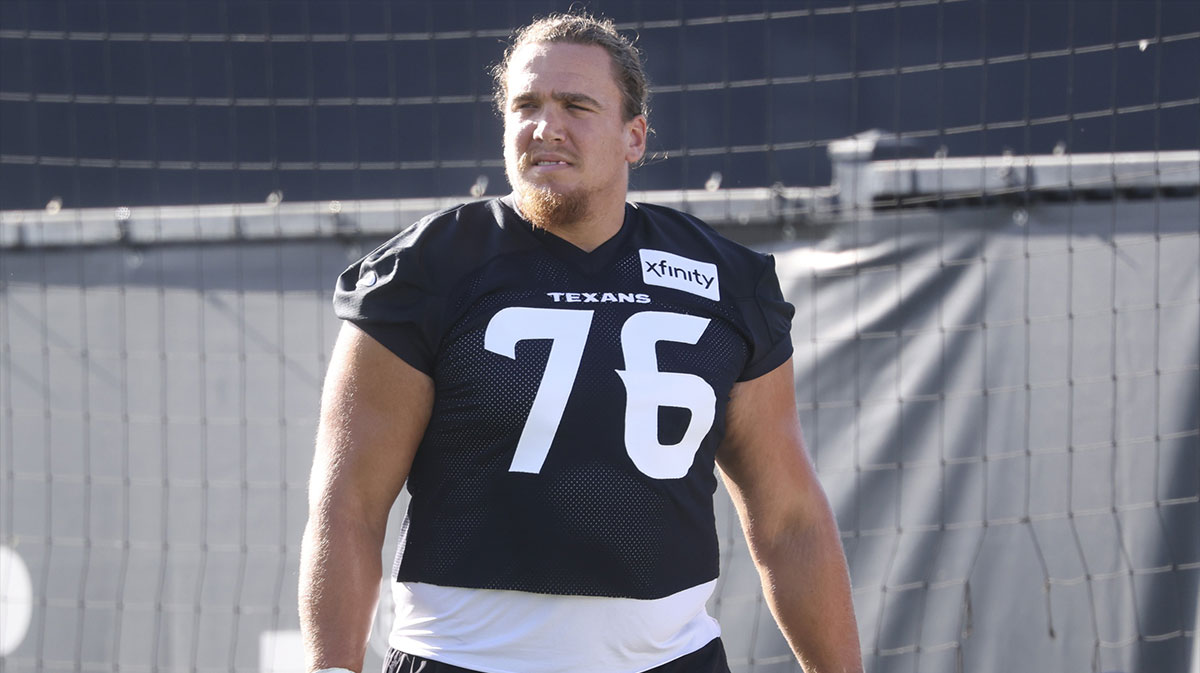
Instead, the Titans emerged from the first wave of free agency with Austin Schlottmann and Cordell Volson as their primary offensive line additions. Schlottmann may start at center, and Volson is a low-risk right guard option coming off shoulder surgery. These are moves focused on depth rather than ways to immediately support the quarterback, and that’s the crux of the complaint.
They signed Wan'Dale Robinson to a four-year, $78 million deal, brought in tight end Daniel Bellinger, added Mitchell Trubisky as a backup quarterback, and retained Ridley through a restructure.
You can see what Brian Daboll is trying to build with Robinson, who provides a reliable chain-mover, Ridley remaining a viable outside threat, Bellinger strengthening their heavier personnel options, and Trubisky offering a veteran presence who understands the system. The framework is there, but the support beneath it remains too precarious.
That is why this week felt off balance to me.
What are the mistakes the Titans made?
The Titans invested as if they were committed to making life difficult for opposing quarterbacks, but not with the same urgency for keeping their own quarterback comfortable.
John Franklin-Myers is a solid player and a defensible signing at three years and $63 million, especially after they traded T’Vondre Sweat and sought additional interior pressure alongside Jeffery Simmons.
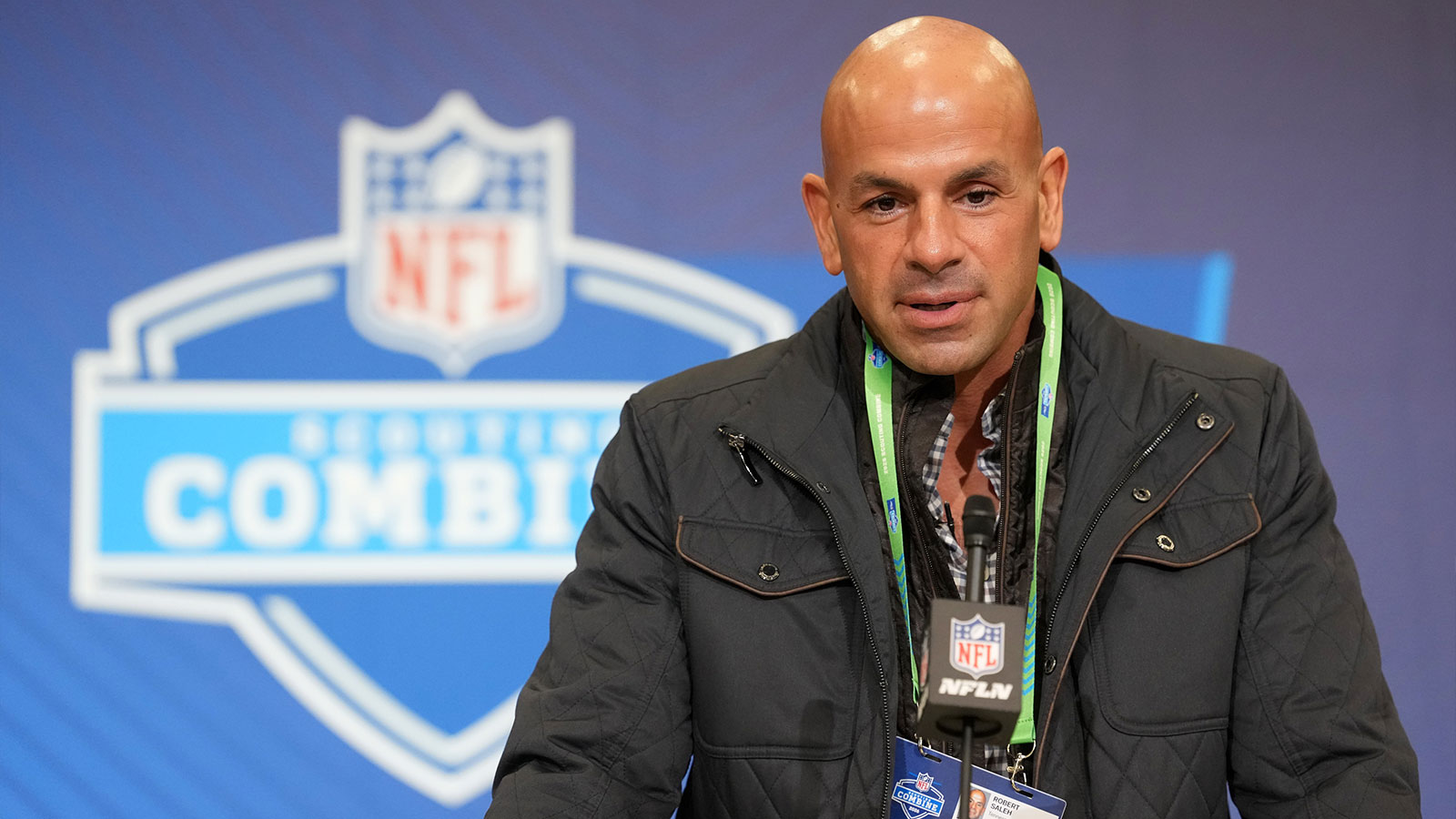
Solomon Thomas is another rotational addition with connections to head coach Robert Saleh, and while these are not poor team-building decisions, the overall imbalance is striking.
The Titans were far more aggressive in acquiring defenders than in securing offensive blockers, and this strategy would make more sense if Ward were stepping into a stable offensive environment, but he is not.
The Titans have skill players now, but they lack enough certainty in front of them because Robinson undoubtedly helps the passing game; he arrives after catching 92 passes for 1,014 yards as Daboll’s top target with the Giants, but the biggest disservice a team can do to a young quarterback is to add more routes without providing him with more time.
I also don't think the perspective of “we can fix the line in the draft” is convincing here. Yes, the Titans still have the draft ahead of them, and there will be linemen available, but after spending significant money on cornerbacks and another considerable chunk on a wide receiver, the team's priorities are not very clear.
They had one of the best opportunities in the league to address some of its needs during free agency because it had cap space, a rookie quarterback window, and clear requirements, and instead, they focused their first week on overhauling the secondary and enhancing the offense while leaving the offensive line in a situation where a rookie might struggle. This isn't fatal, but it's a terrible mistake.
There is also a subtler issue with the Ridley restructure, as keeping him was a reasonable choice overall, and releasing him would have created a bigger problem at receiver.
But the restructure made it easier for the Titans to act as though their receiving situation was solid enough to deprioritize it, and I don’t think that’s accurate.
Ridley is 31, and Robinson tends to be more slot-driven than a game-changing presence. Bellinger is a complementary player, not a difference-maker, and the passing game has its structure, but it lacks margin for error.
In this situation, the offensive line becomes even more crucial because the quarterback needs time for the offense to operate effectively, and their first week added weapons to the scheme without adequately protecting the scheme itself.
This leads me to assert that I wouldn’t label Joshua Williams, Taylor, Flott, or Franklin-Myers as mistakes because, individually, many of these moves are fine or even better than that.
The real issue is that the Titans spent their first major week acting as if the defense needed urgent attention while allowing the offense around Ward to be put together more slowly, and I believe this is a mistaken approach.
A defense can endure some changes if the coach has a clear vision, and in contrast, a rookie quarterback behind an offensive line supported only by modest one-year contracts can be exposed much more quickly.
If I had to summarize the week’s biggest mistake in one sentence, it would be this: the Titans prioritized secondary reconstruction as the main focus of their rebuild when the protection of the quarterback should have been the first, second, and third priority.
That said, this situation can still be rectified because the offseason is not over, and they can still add another offensive lineman.
Week 1 typically reveals what a team views as its most pressing issues, and in this instance, they signaled that remaking the defense was its top priority.
I believe they should have approached those initial days as if ensuring protection for Cam Ward was the factor that could derail everything else.