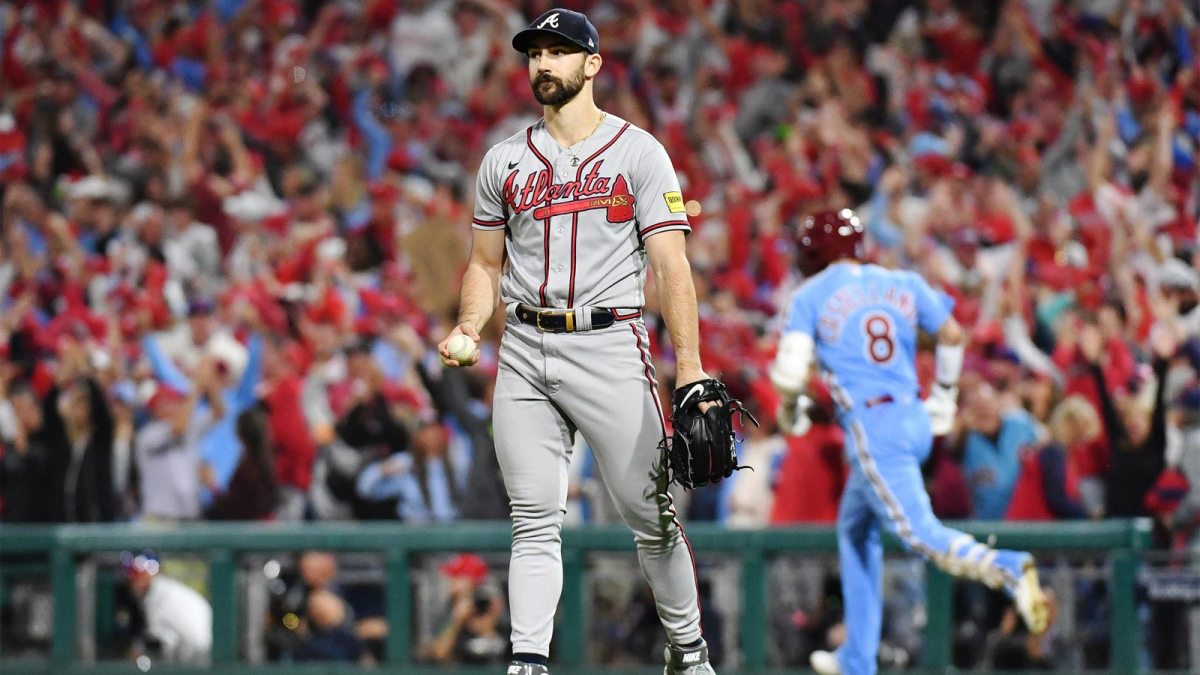
The Atlanta Braves enter 2026 with familiar expectations and unfamiliar uncertainty. While the roster still features elite top-end talent, legitimate concerns about pitching stability, lineup depth, and the strength of the National League cast doubt on the team’s championship outlook. In today’s National League, the margin for error has significantly narrowed, and it often determines the difference between contention and elimination.
1. A Rotation Built on Risk, Not Reliability
The Braves’ biggest question mark lies in their starting rotation. On paper, the group offers upside. In reality, it is defined by volatility.
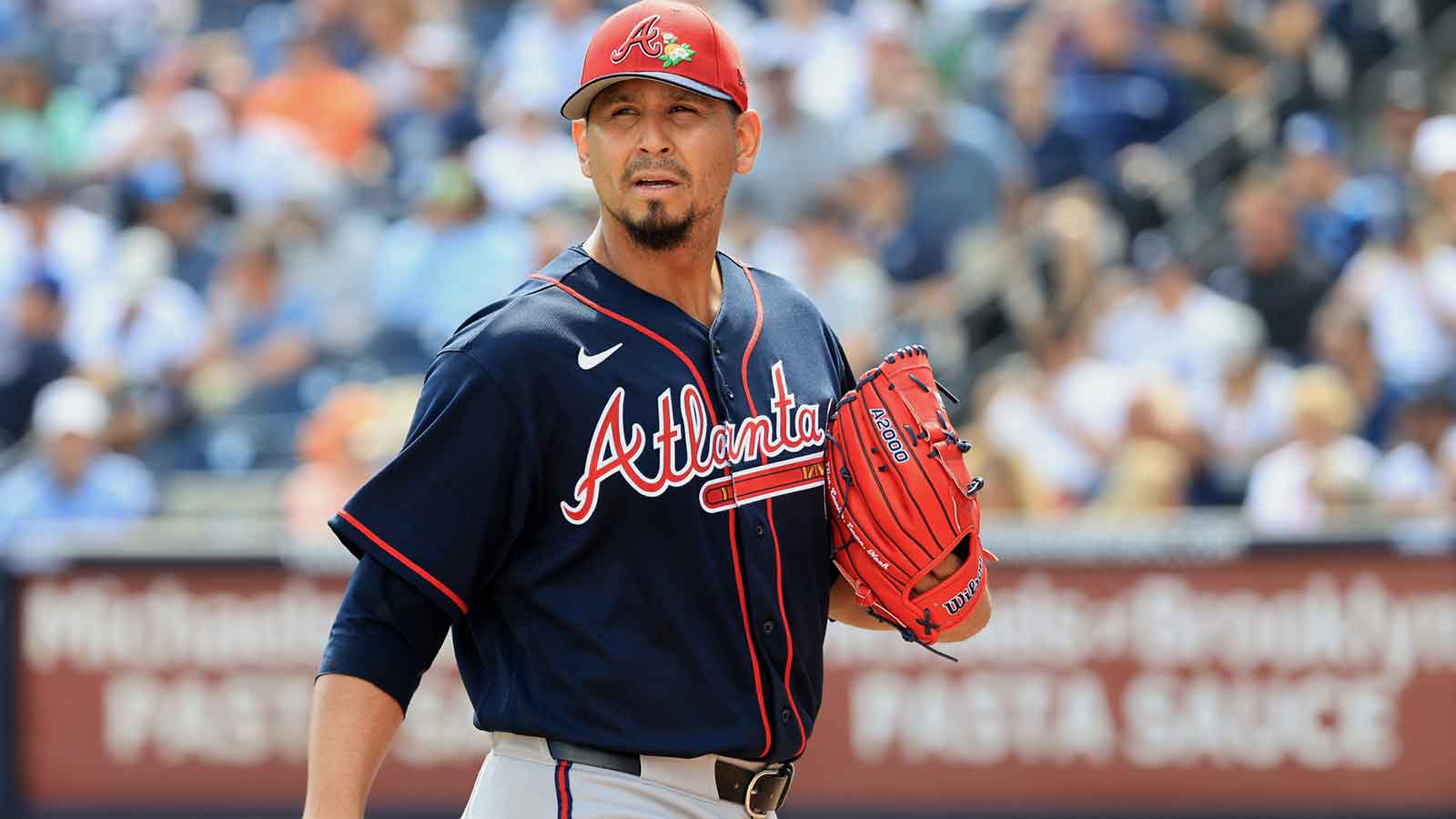
Chris Sale is entering his age-37 season with a well-documented injury history. Spencer Strider is returning from elbow surgery and will likely face workload restrictions. Reynaldo Lopez is transitioning back into a starting role after spending time in the bullpen and having recent shoulder issues. Grant Holmes, meanwhile, is still working his way back from a UCL injury that stalled his development.
Individually, each arm brings intrigue. Collectively, they represent a fragile foundation.
The depth behind them only heightens the concern. Spencer Schwellenbach and Hurston Waldrep both underwent elbow procedures early in 2026, and A.J. Smith-Shawver remains sidelined. That leaves Atlanta thin on dependable reinforcements, increasing the likelihood that fringe options such as Bryce Elder will be pressed into meaningful roles sooner than expected.
With a demanding early schedule looming, even a single setback could expose the rotation’s lack of durability. For a Braves organization with championship aspirations and high expectations, that is a dangerous place to start.
2. A Top-Heavy Lineup With Too Many Questions
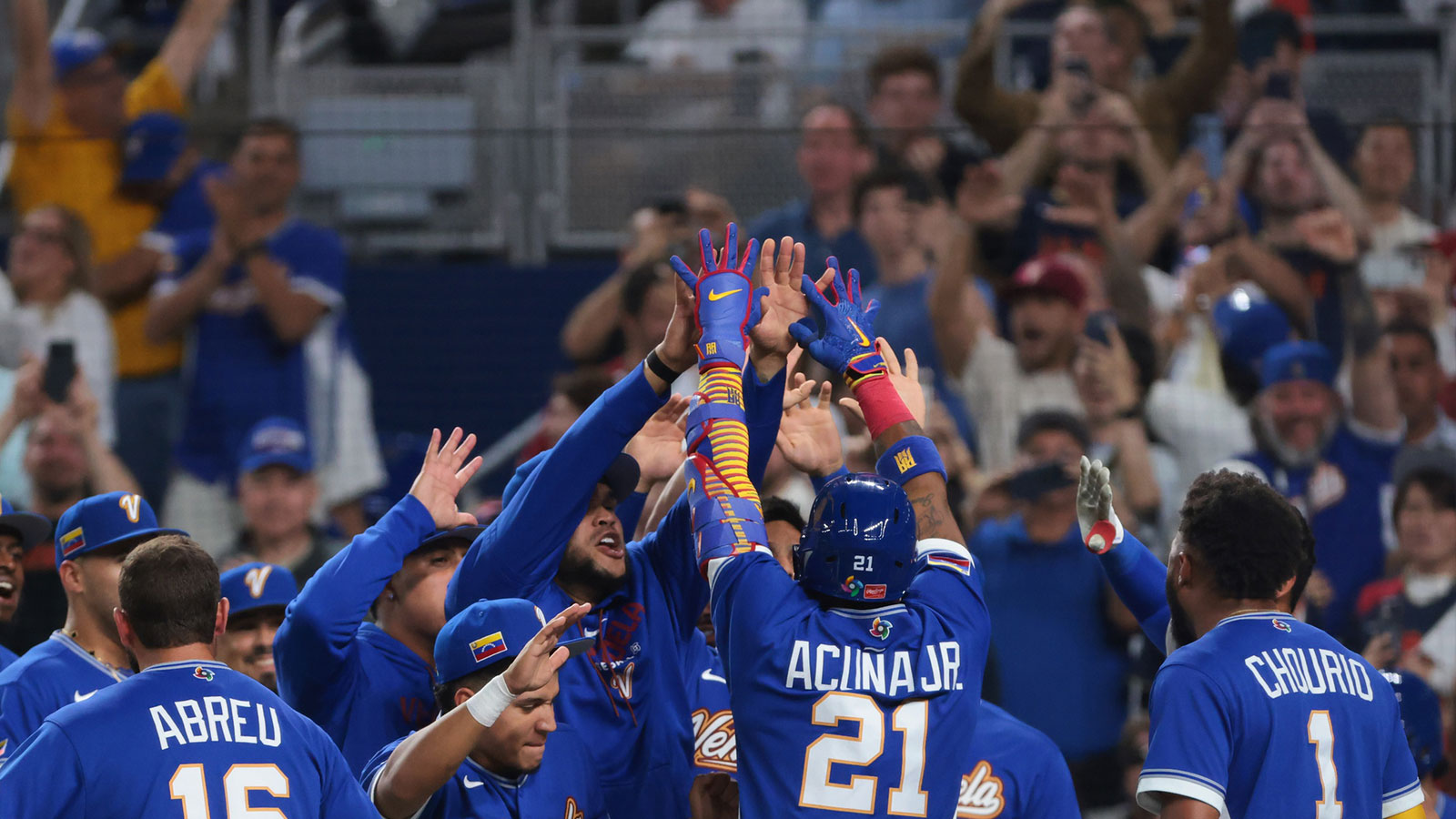
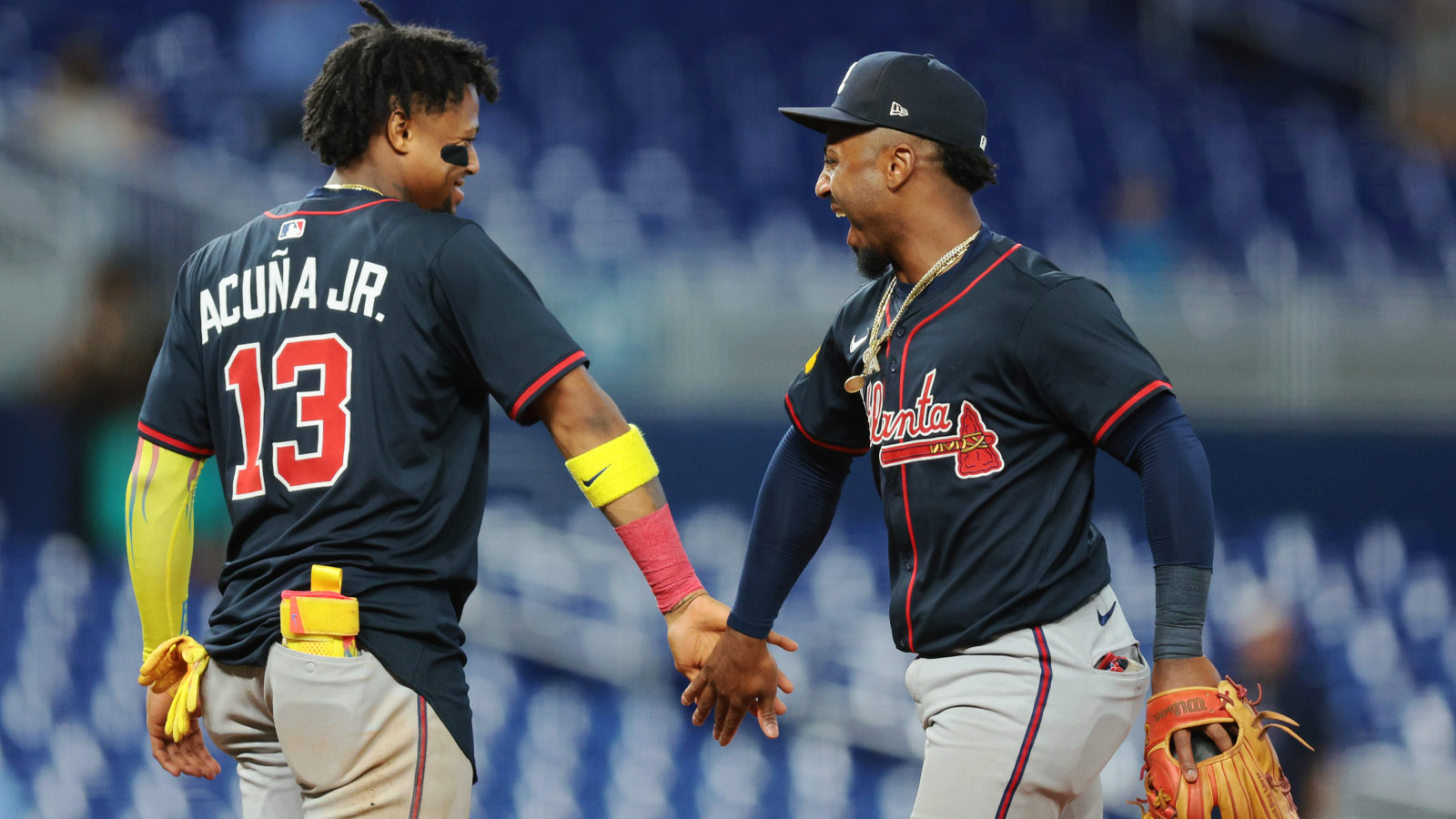
Atlanta’s offensive core remains formidable. Ronald Acuna Jr., Matt Olson, and Austin Riley are capable of anchoring one of baseball’s most productive lineups.
The issue is everything around them.
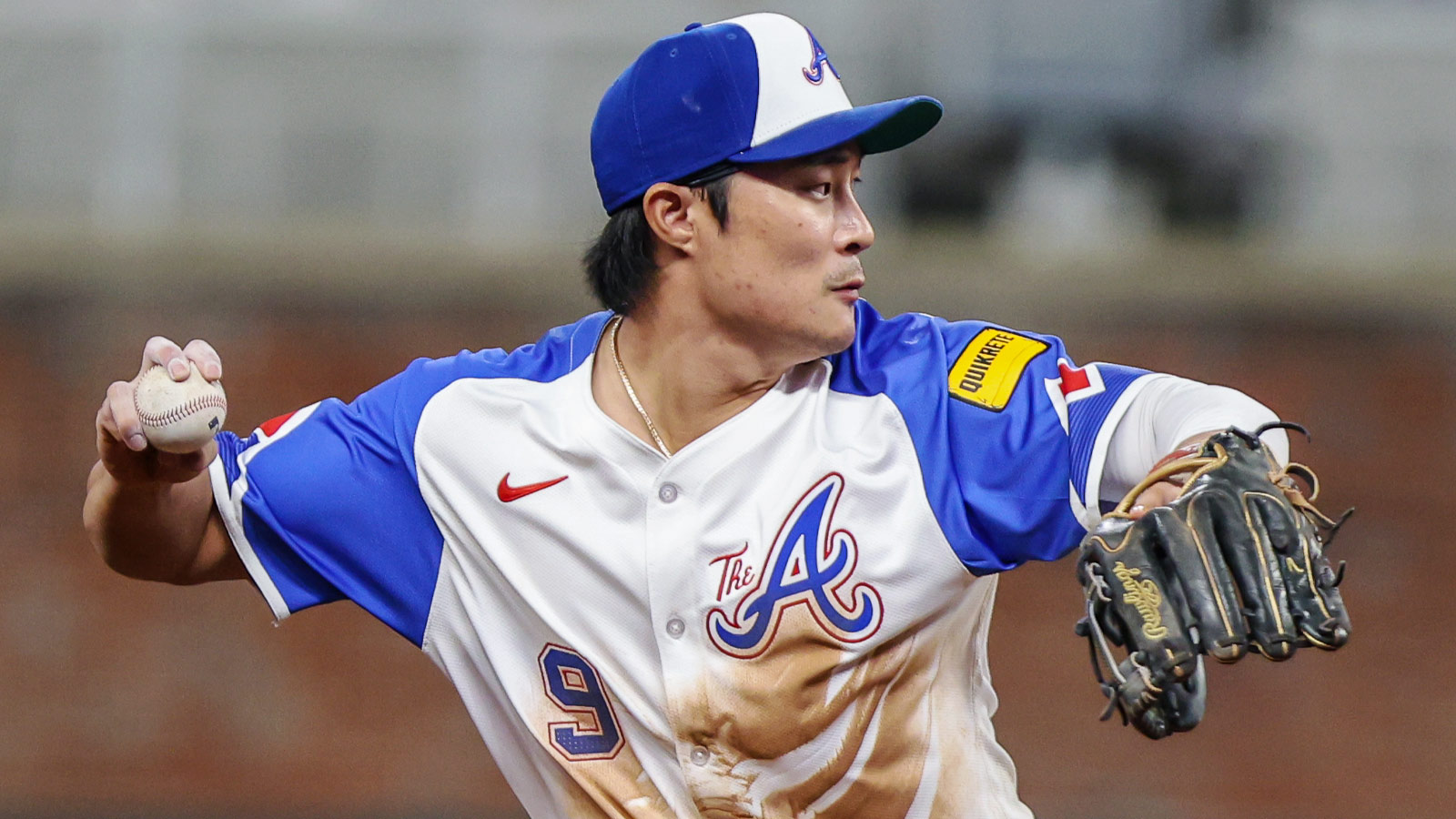
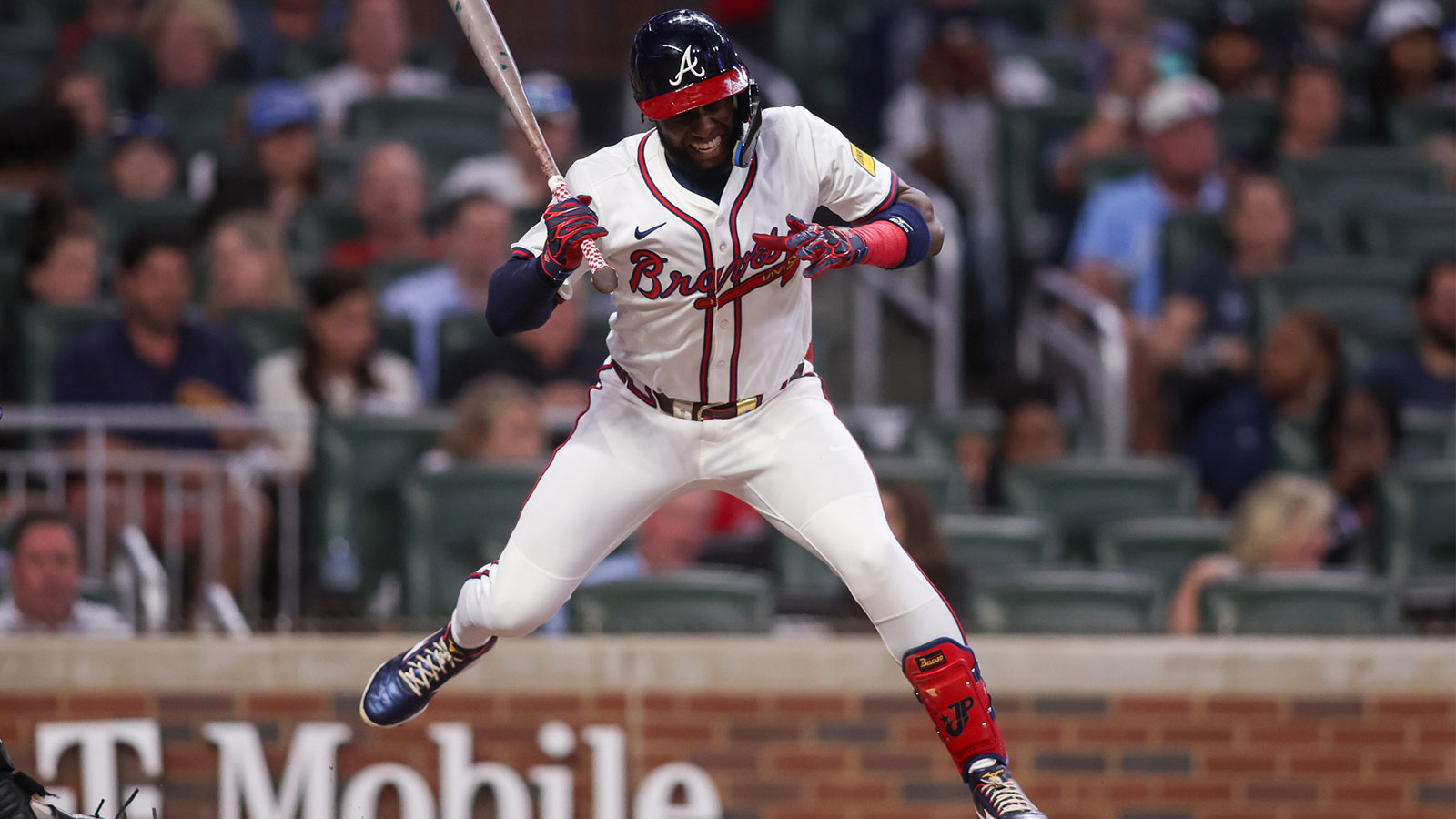
Ozzie Albies has oscillated between above-average production and stretches of mediocrity. While Michael Harris II continues to display moments of brilliance, his inconsistent performance at the plate continues to be a cause for concern. Ha-Seong Kim provides defensive versatility and stability, yet profiles more as a complementary piece than a true offensive catalyst.
Availability is another issue. Sean Murphy and Kim both entered the season dealing with injuries, while Jurickson Profar’s reported suspension removes an expected contributor from the mix. That leaves Atlanta increasingly reliant on role players to fill critical offensive gaps.
The result is a lineup that feels imbalanced, elite at the top but uncertain at the bottom.
That imbalance already proved costly in 2025, when the Braves failed to reach the postseason. If even one or two core hitters miss time or regress, the offense becomes significantly easier to neutralize. Without meaningful improvement in depth, sustaining production over 162 games and into October will be a challenge.
3. A Tougher League and Limited Organizational Depth
Even if Atlanta addresses its internal concerns, the external landscape presents another obstacle.
The National League is as deep and unforgiving as it has been in years. The Los Angeles Dodgers still fuse top‑end star power with one of baseball’s most loaded farm systems. The Philadelphia Phillies remain a proven October menace, built around a battle‑tested core headlined by superstar sluggers Bryce Harper and Kyle Schwarber. The New York Mets, sharing the NL East spotlight with Philadelphia, have reemerged as a legitimate threat after retooling their roster and pitching staff. Around them, multiple clubs project into the same win band, creating a traffic jam at the top of the standings where even a minor flaw can mean the difference between a pennant run and an early exit.
Atlanta, by contrast, lacks the same level of organizational flexibility.
The Braves farm system ranks near the bottom of the league, with few impact-ready position players. Pitching prospects such as JR Ritchie and Didier Fuentes offer some long-term promise, but they do little to address immediate needs. That limits the club’s ability to adapt over the course of a long season, especially when injuries inevitably arise.
Recent history reinforces the concern. Since winning the World Series in 2021, Atlanta has experienced early playoff exits followed by a missed postseason in 2025. The window is not closed, but it is no longer just wide open. Compounding the issue, the organization has generally operated more conservatively in free agency than some of its direct competitors, making rapid roster correction more difficult.
The Braves are still good enough to contend for a playoff spot. But winning a World Series requires more than star power. It demands durability, balance, and depth.
Currently, the club falls short in all three areas.
A championship run remains unlikely until the Braves rotation proves it can hold up over a full season, the lineup shows greater consistency beyond its core, and the organization finds ways to match the depth of its rivals.