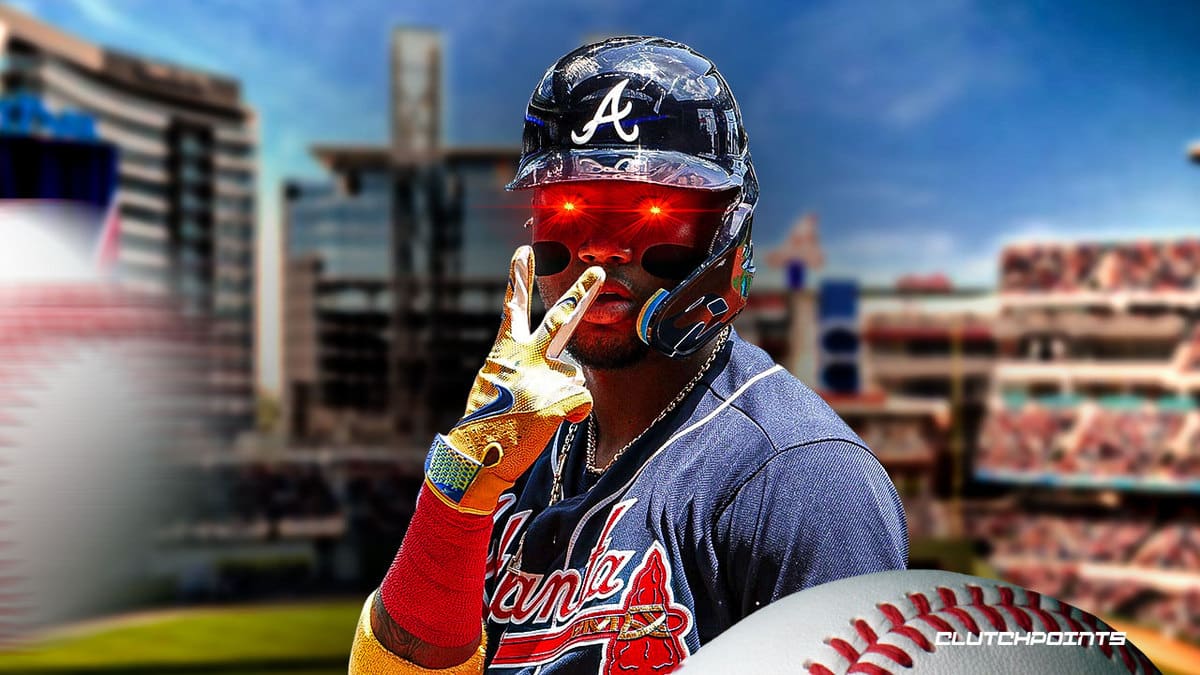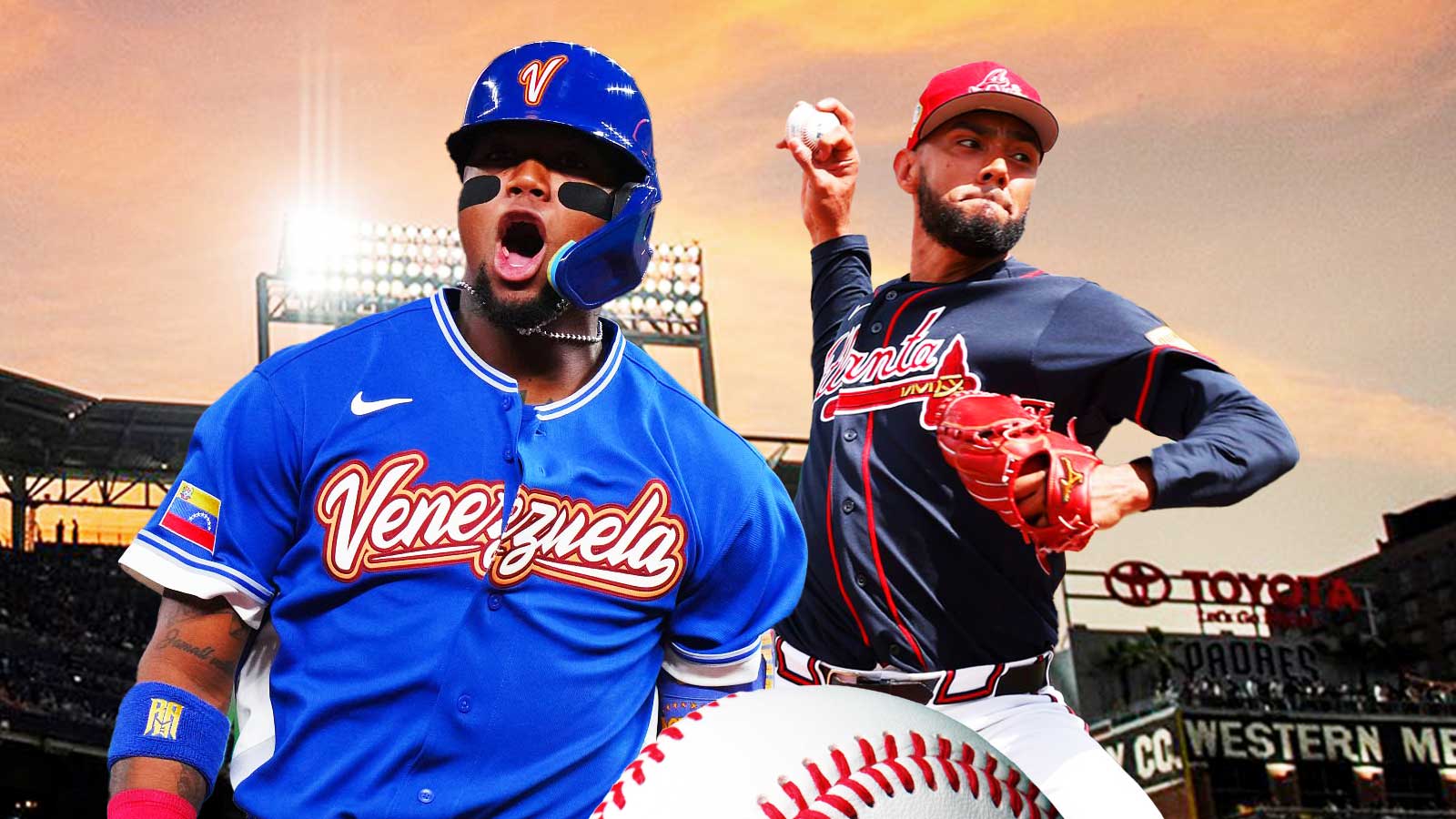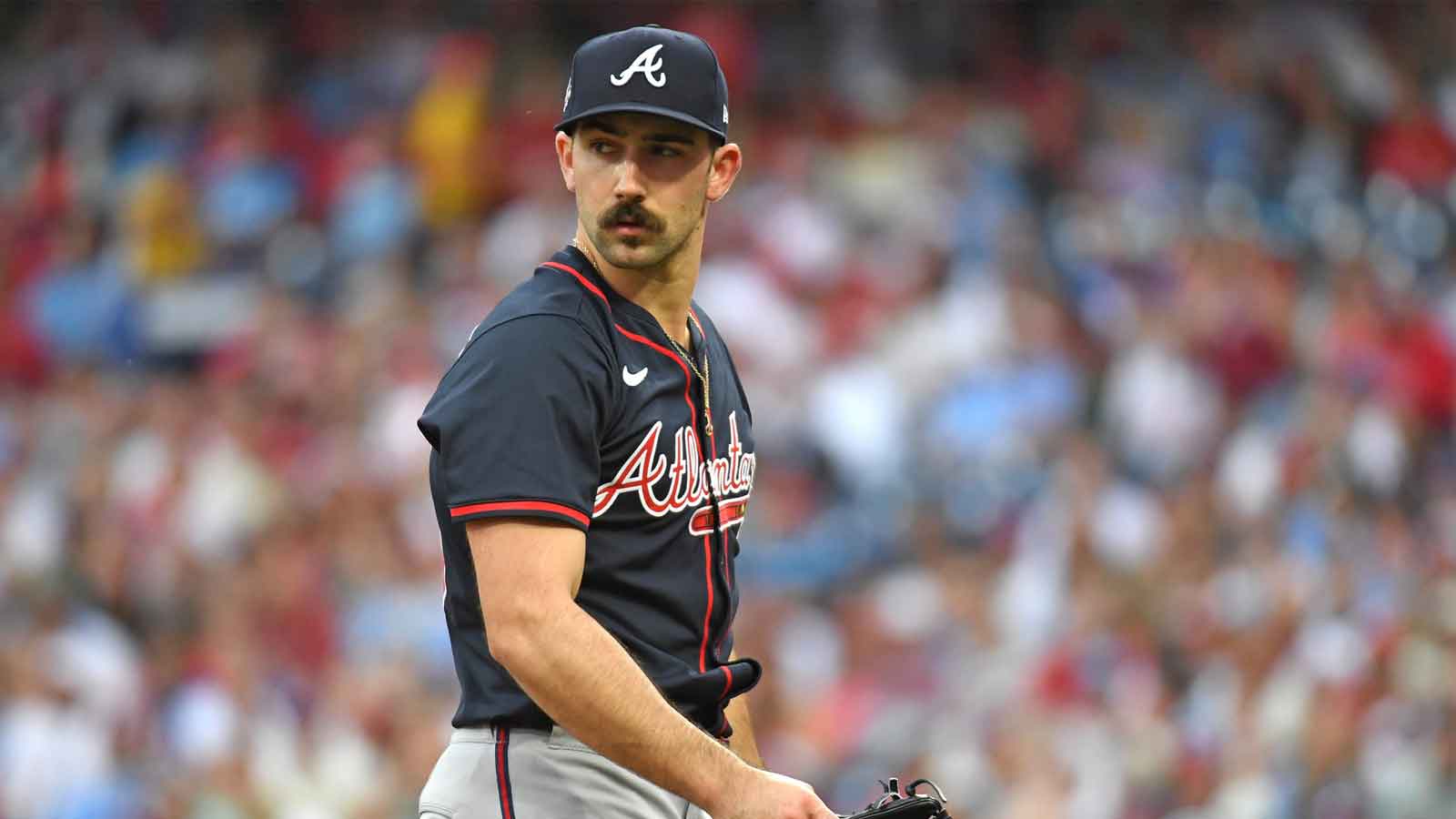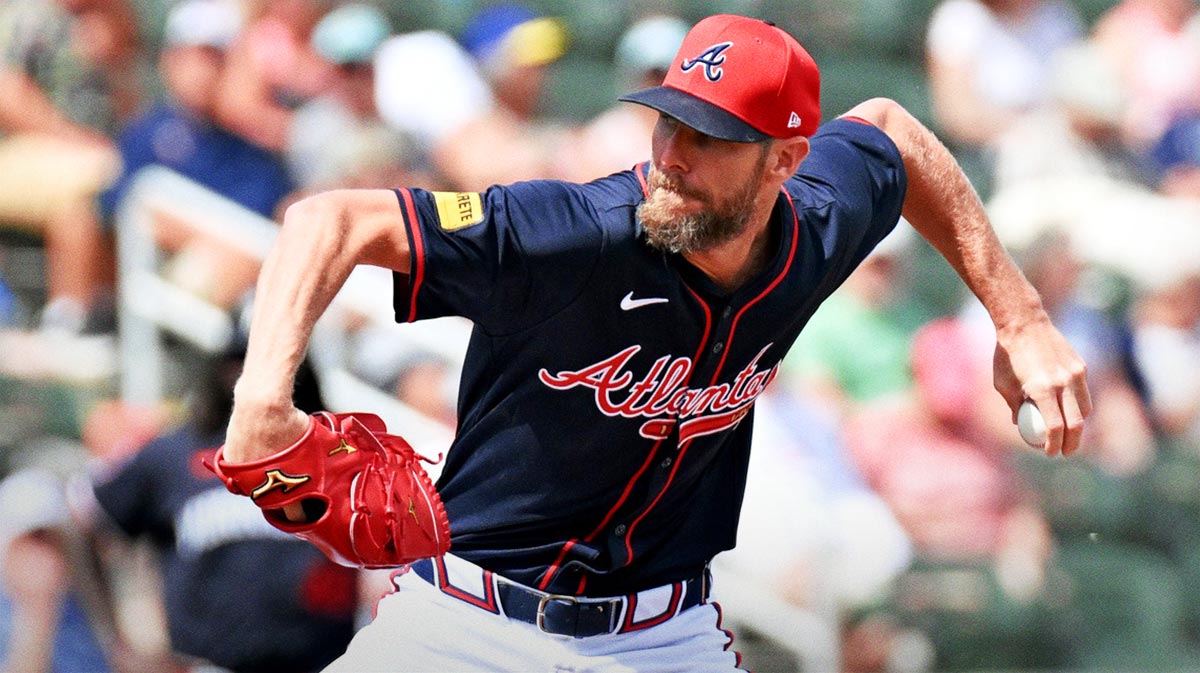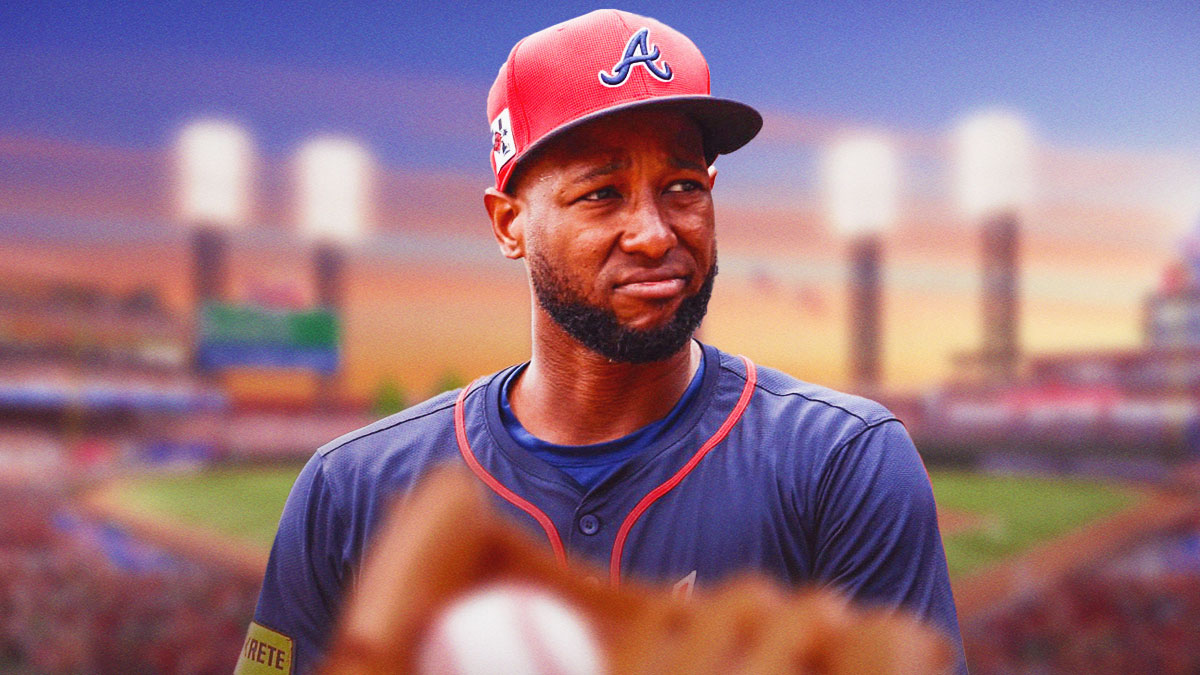
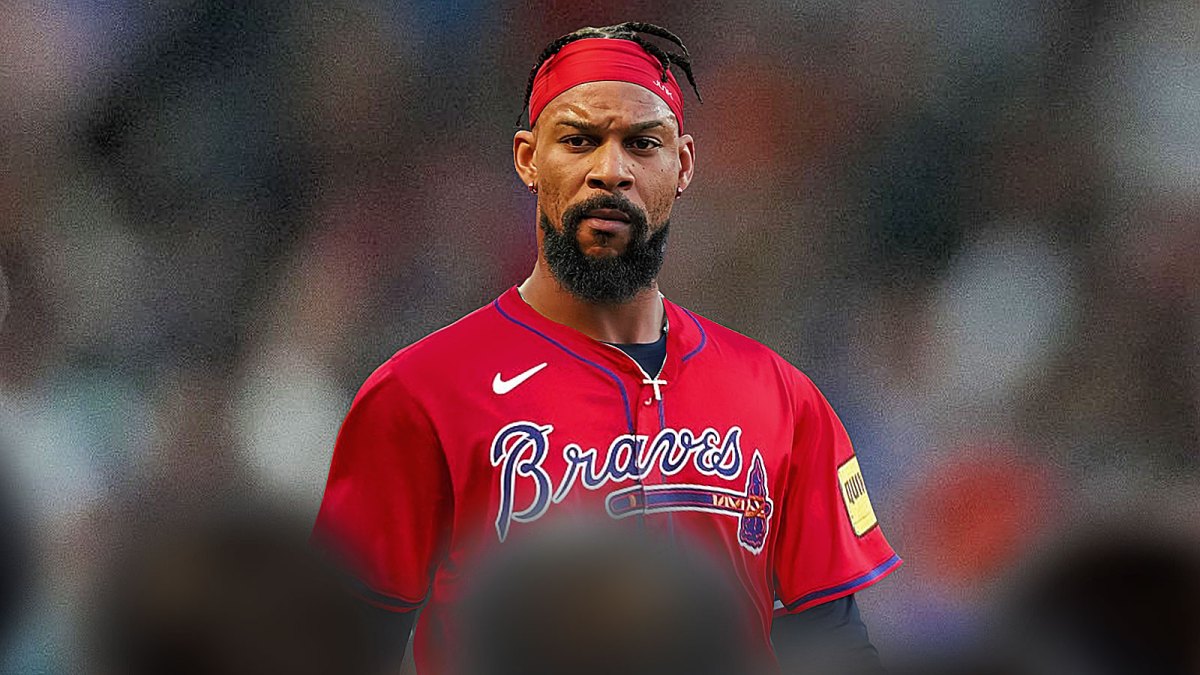
The rumors surrounding the Minnesota Twins this offseason have centered on their willingness to listen to offers for their star center fielder, creating a frenzy of speculation. Byron Buxton is reportedly willing to waive his no-trade clause, and the Atlanta Braves—his hometown team—are logically at the very top of his wish list.
This creates a fascinating leverage point for the Twins, who are navigating a winter where they must balance payroll constraints with a desire to remain competitive in the AL Central. The team is in an interesting position because the free-agent market is severely lacking in high-end outfield talent, making Buxton a rare and valuable commodity.
If the paucity of frontline free agent outfielders prompts a team to make a serious offer, Minnesota has to take it seriously to maximize their long-term flexibility. The Braves, always opportunistic under Alex Anthopoulos, could see this as the perfect moment to acquire a legitimate superstar at a suppressed acquisition cost.
Byron Buxton is Worth the Risk

Buxton's tools have been considered top of the charts since he was drafted No. 2 out of high school in 2012, and those tools remain elite today. He is a top-of-the-scale runner who changes the geometry of the game, while also serving as an above-average defender with a solid arm that deters base runners.
At the plate, he possesses standout bat speed that allows him to catch up to high velocity, which helps compensate for what scouts describe as middling pitch selection. This unique athletic profile allows him to impact the game in ways that very few peers can match, provided he remains in the lineup.
The power numbers are staggering when you look at the rate statistics, specifically his ability to drive the ball for extra bases. Buxton has the third-best isolated power in the league since 2020, trailing only Aaron Judge and Shohei Ohtani in that specific category.
However, Buxton has roughly half the number of homers as those two in that span because of various injuries that have limited his playing time. This dichotomy between elite production and limited availability is what makes his trade value so difficult to pin down precisely.
Last season, he managed to secure career highs in plate appearances with 542 and WAR at 5.0, suggesting he may have turned a corner physically. The question remains whether Buxton figured something out about his durability at age 31 or if things simply fell just right for him.
With three years of team control remaining for just over $15 million per year, the contract is incredibly team-friendly for a player with MVP-caliber upside. This financial reality increases the likelihood of a deal, even if the predicted chance of getting traded is currently sitting at just 35 percent.
Here is the proposal that balances risk and reward for both franchises:
Braves Receive:
OF Byron Buxton
Twins Receive:
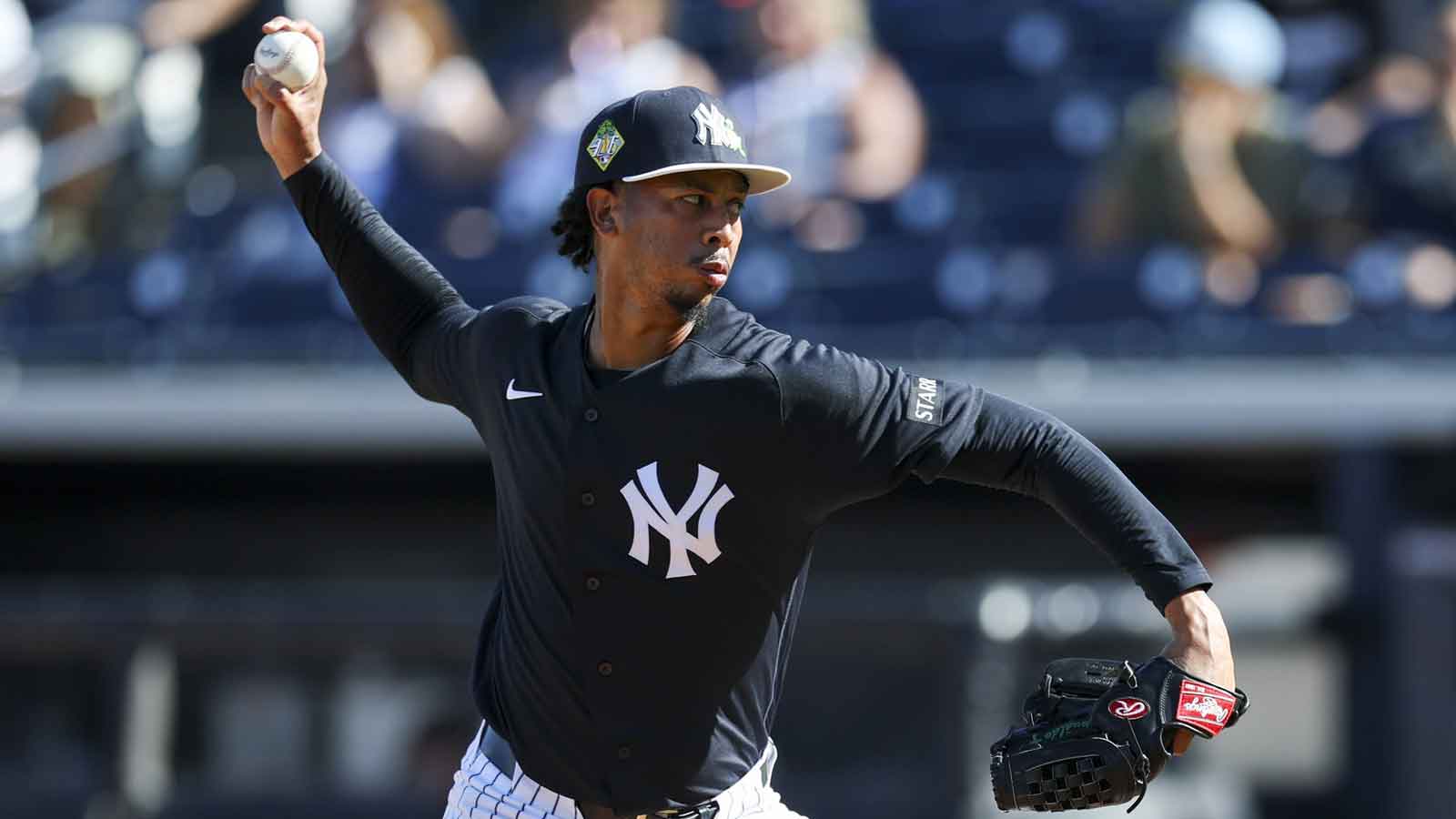
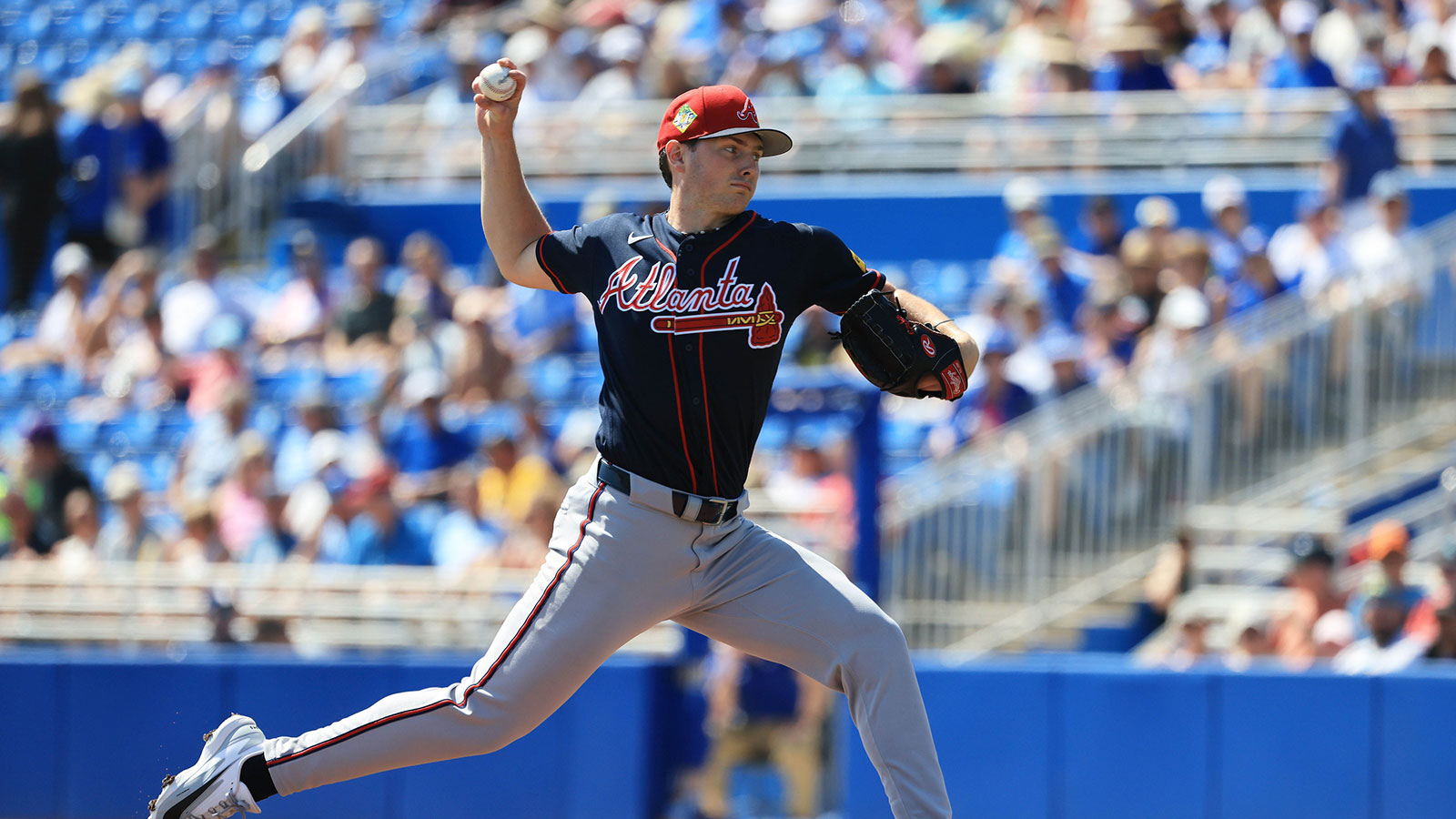
RHP Hurston Waldrep
C Drake Baldwin
Why This Deal Works for Both Sides
For the Twins, moving on from Buxton would signal a significant shift, but receiving two high-ceiling prospects who are near-ready for the majors balances the ledger immediately. This return provides Minnesota with a potential top-of-the-rotation arm and a catcher who can impact the lineup, addressing long-term needs without requiring a full rebuild.
The Twins would also clear significant salary space, allowing them to reinvest in other areas of the roster while maintaining a competitive core. If Buxton goes, does that mean the Twins would be open to dealing some of their pitching, too, or does this return allow them to stand pat?
For Atlanta, acquiring Buxton is the kind of high-ceiling gamble that wins World Series titles, giving them a dynamic outfield defense and premier power. The price is right regarding his salary, fitting perfectly into the Braves' payroll structure while leaving room for other deadline additions.
While giving up promising young talent is difficult, the Braves are operating in a window where established major league dominance is the only acceptable currency. Adding a Georgia native who can produce a 5.0 WAR season essentially solidifies the lineup as the most dangerous in the National League.
Ultimately, this trade is not overly one-sided because it acknowledges the injury risk Atlanta is inheriting while compensating Minnesota with legitimate, blue-chip capital. If the Twins are truly one of the most fascinating teams this winter because of the possibilities at their disposal, this deal proves it.