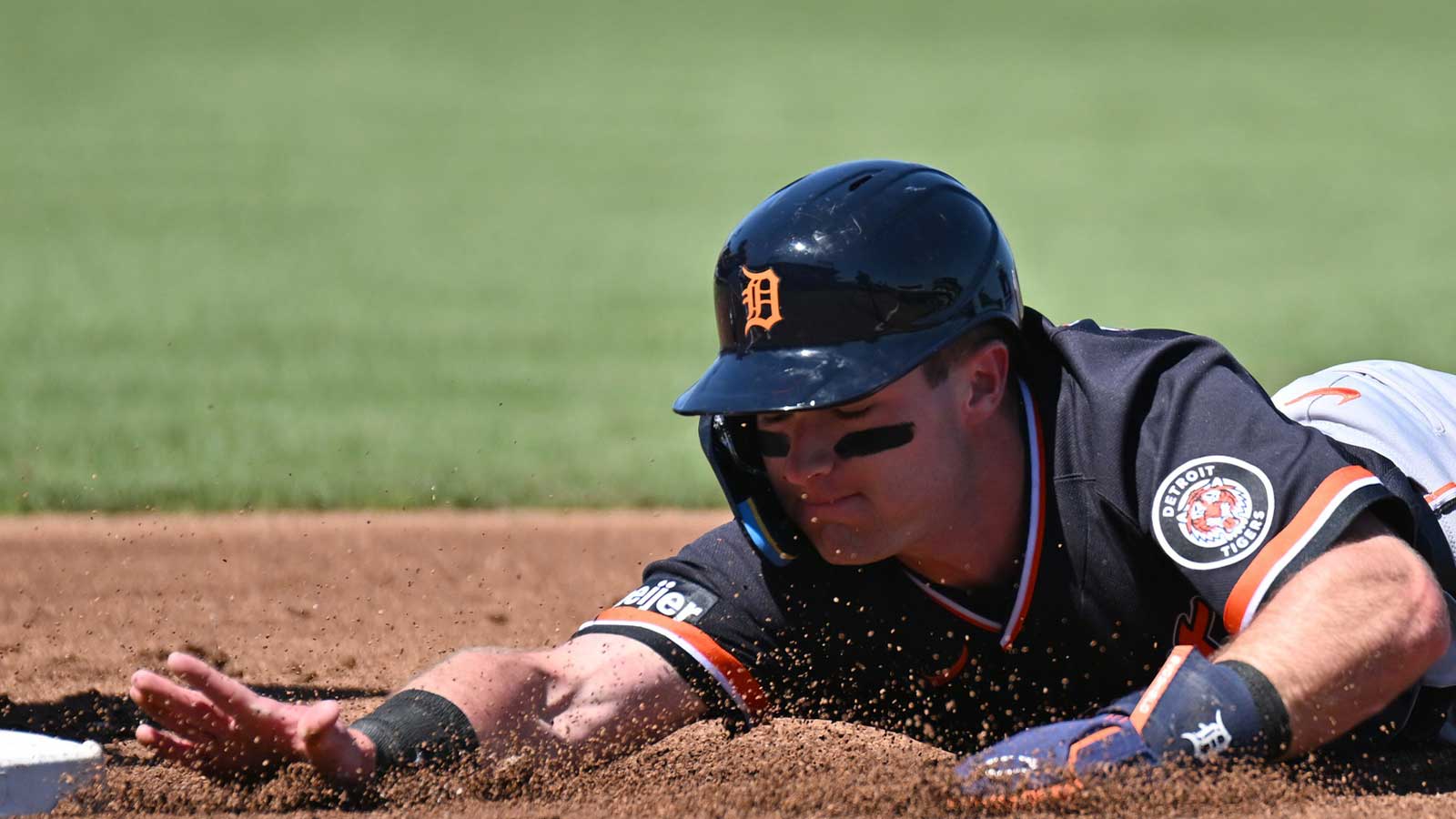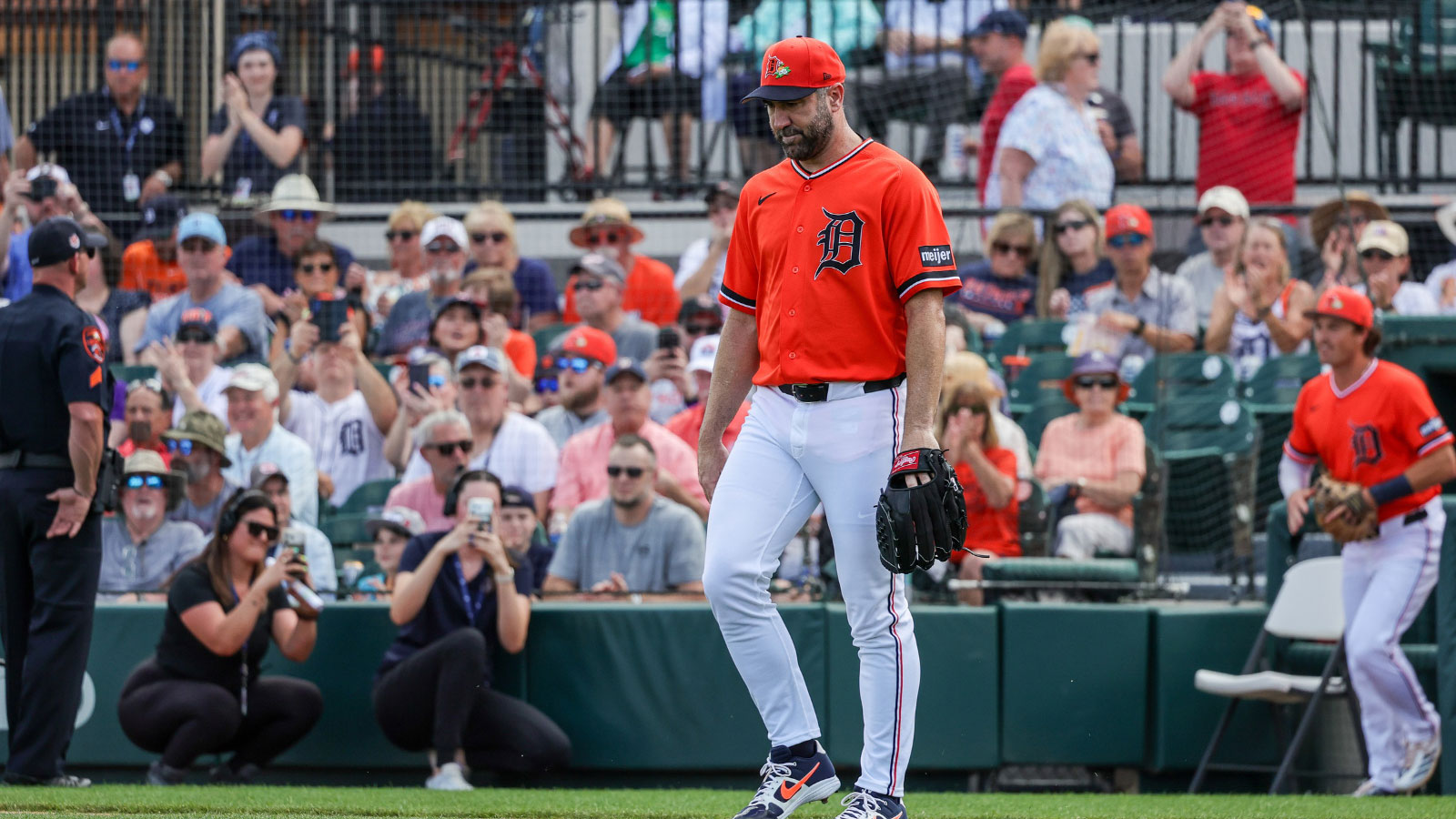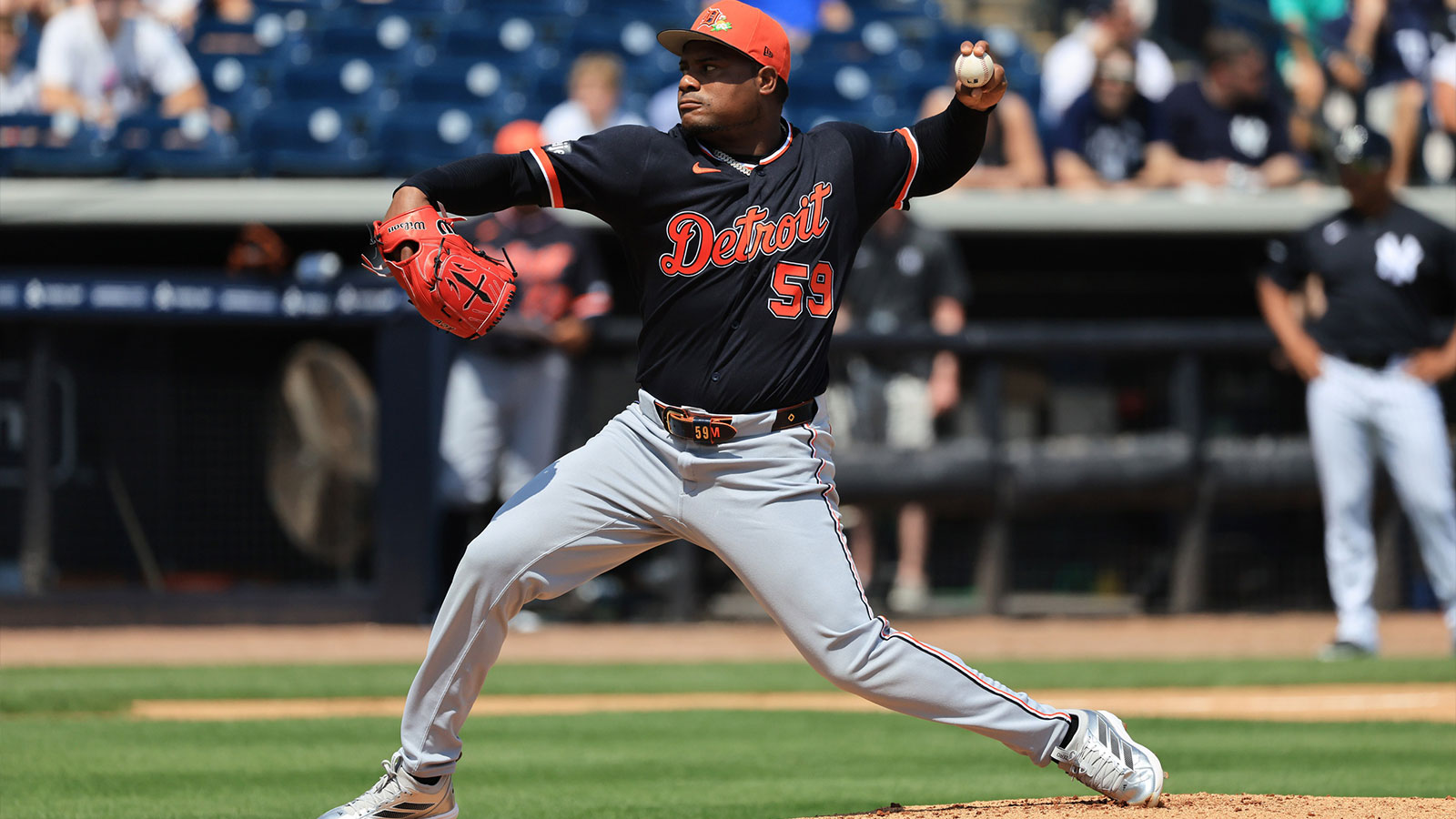

The Detroit Tigers are entering the competitive phase of their rebuild and need an impact bat more than ever. Byron Buxton is exactly the kind of calculated gamble that can change their 2026 trajectory.
With Spencer Torkelson and Riley Greene forming a young core, Detroit still lacks a true game-breaking presence in center field. Buxton’s elite speed, power and defense would instantly raise the club’s ceiling on both sides of the ball.
There are obvious risks, starting with Buxton’s durability track record and the reality that his availability has often capped his value. But last season’s career highs in plate appearances and WAR, combined with three affordable years of control at just over 15 million per season, make this a moment worth attacking for a club on the rise.
From Detroit’s perspective, this is precisely the type of move that accelerates a timeline without completely emptying the farm. From Minnesota’s side, a deal only makes sense if it significantly deepens their long-term talent base while preserving near-term competitiveness.
Why Byron Buxton is Detroit's ideal swing-for-the-fences target
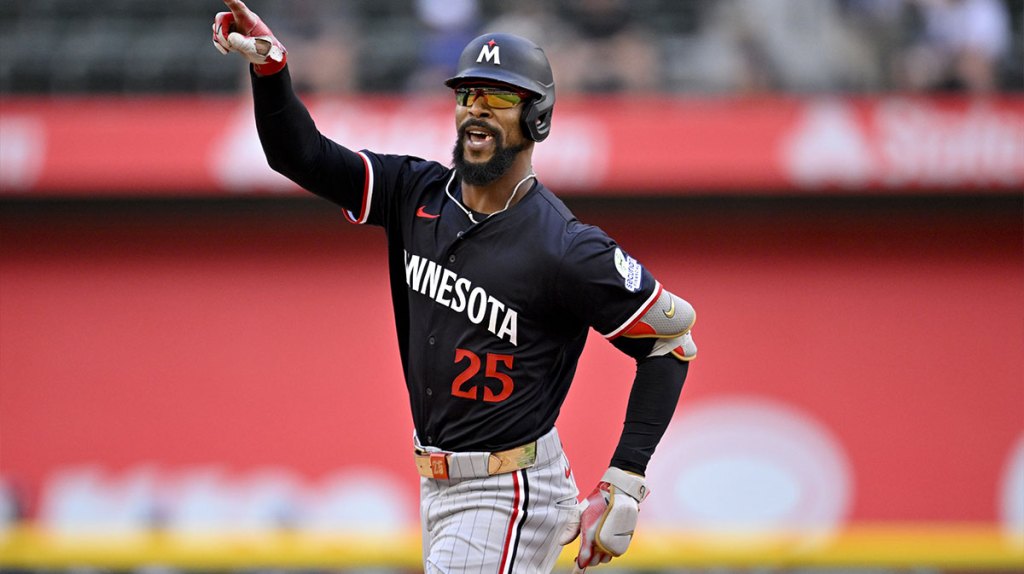
Buxton checks every box the Tigers should be chasing in an upgrade. He brings top-of-the-scale speed, above-average defense in center, and enough arm strength to turn extra bases into outs.
At the plate, his standout bat speed and elite isolated power profile as the perfect complement to Detroit’s existing lineup. The Tigers have needed someone who can both punish mistakes and create runs with dynamic athleticism, and Buxton fits that description as well as almost any available player.
His contract is another key factor. Three years of control at a reasonable annual figure lets Detroit absorb the risk while still retaining payroll flexibility for future moves.
Because the free-agent outfield market is thin at the top, trading for Buxton may actually be more efficient than overpaying for an imperfect external fit. In that landscape, being the most aggressive team with a serious, balanced offer can push the Twins to act on a 35 percent trade probability.
Crafting a fair Tigers–Twins deal
To get Minnesota’s attention, Detroit has to offer real value without stripping its major-league roster bare. The Twins are not in teardown mode; they will want both upside and controllable pieces that help them win soon.
That means the Tigers’ proposal should center on multiple players who provide present or near-future value, rather than a pure lottery-ticket package. It also needs to respect Buxton’s upside while acknowledging his risk profile, landing in a sweet spot that is aggressive but not reckless.
Here is the perfect trade framework for Byron Buxton from Detroit’s side, structured to be compelling but not lopsided:
Tigers receive:
- OF Byron Buxton
Twins receive:
- RHP Jackson Jobe
- OF Justyn-Henry Malloy
For the Tigers, this package hurts but does not derail the broader plan. They surrender a premium pitching talent and a near-ready bat, but they do so in exchange for a star-caliber center fielder under contract through his early thirties.
Detroit still keeps enough organizational depth to continue building around its homegrown core while adding a player who can transform its run prevention and lineup balance. It is an aggressive push that signals to the rest of the American League that the Tigers are done waiting and ready to contend.
For Minnesota, this kind of return justifies moving a franchise name with three years of control remaining. It gives the Twins multiple avenues to replace Buxton’s value across the roster and timeline, rather than betting everything on one fragile asset.
This structure also reflects the current market dynamics. In an offseason light on frontline outfielders, the Twins leverage scarcity into a three-player return, while the Tigers convert prospect capital into a win-now difference-maker.
In the end, that is what makes this proposal feel like the right kind of uncomfortable for both sides. Detroit takes on the risk and the upside of Buxton, while Minnesota walks away with substantial talent instead of waiting for a market that may never be hotter than it is right now.