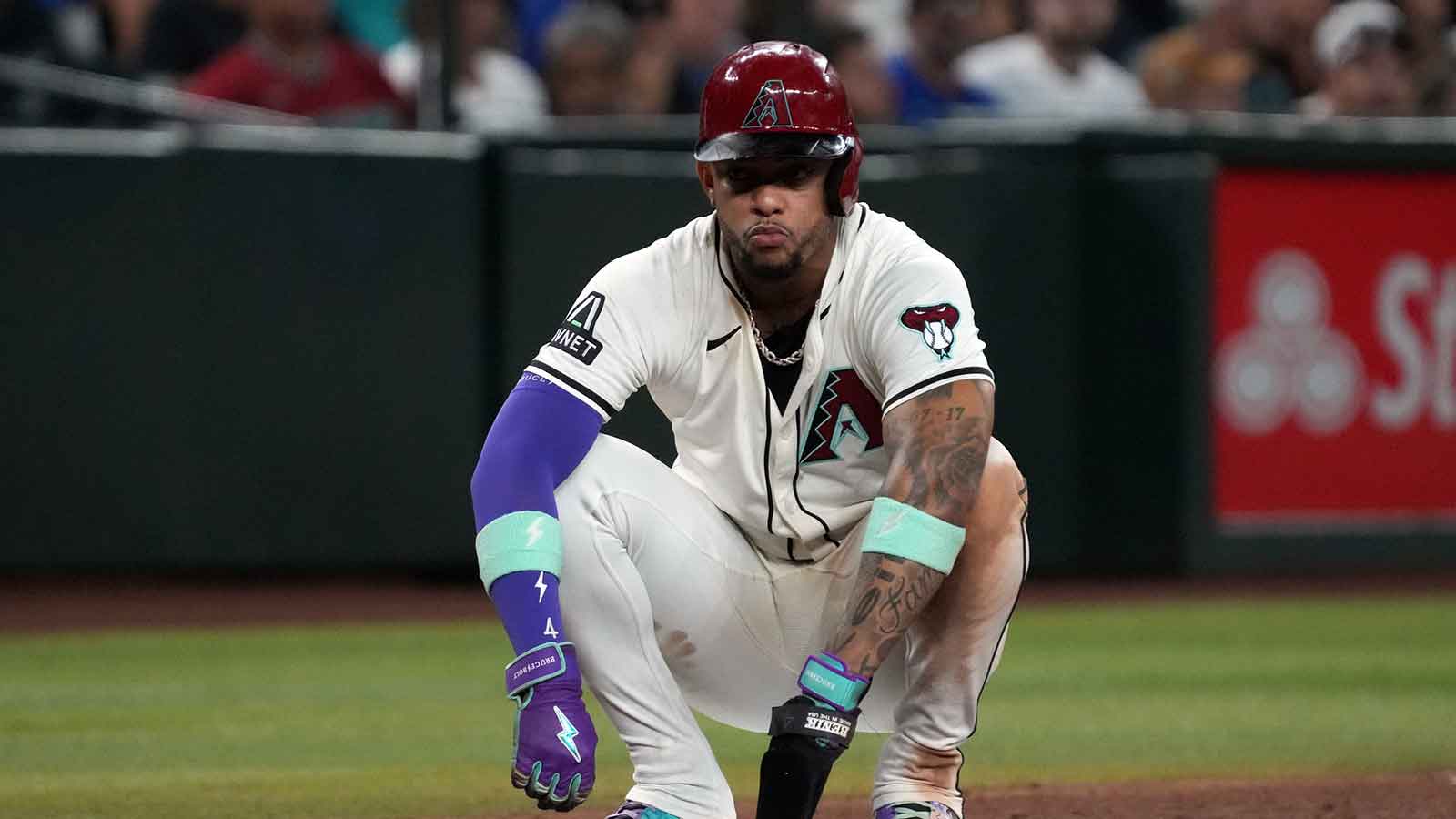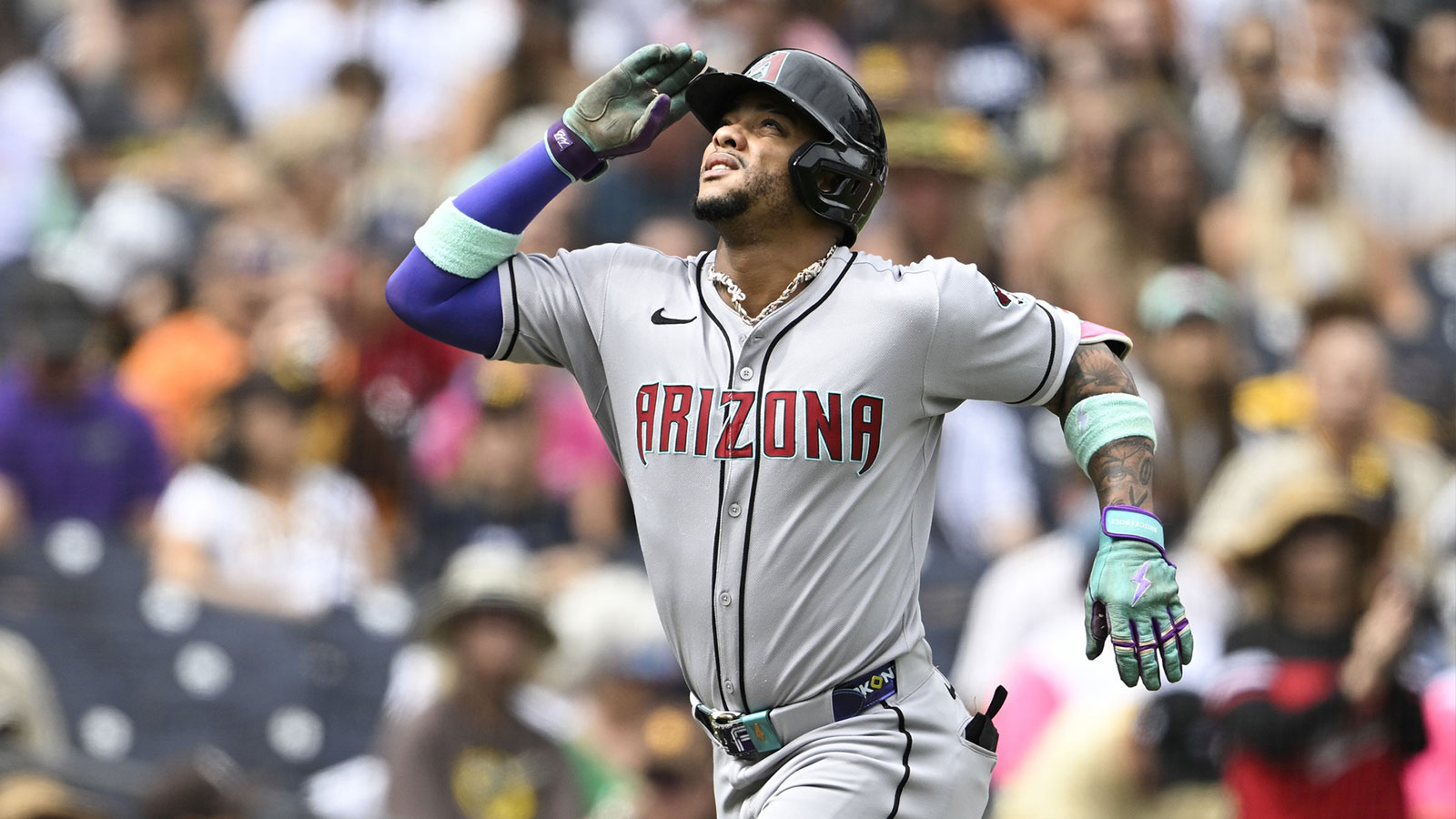

The Arizona Diamondbacks have emerged as an unlikely player in the Alex Bregman sweepstakes, marking a surprising pivot from their typical offseason approach of prioritizing starting pitching.
The D-Backs are “kicking the tires” on the possibility of acquiring the star third baseman, a move that would represent a significant statement about their competitive ambitions.
The Arizona Diamondbacks have become a surprise entrant in the Alex Bregman sweepstakes and are ‘kicking the tires’ on the possibility. The Dbacks would certainly have the financial flexibility if they move 2B Ketel Marte and could move 3B Jordan Lawlar to 2B
— Bob Nightengale (@BNightengale) December 16, 2025
For a franchise that just invested heavily in their rotation by bringing back Merrill Kelly on a two-year deal, pivoting to acquire a generational hitter like Bregman would require bold financial maneuvering and a commitment to winning now. The timing and opportunity feel right for Arizona to make a splash in the market and address a glaring question mark at the hot corner.
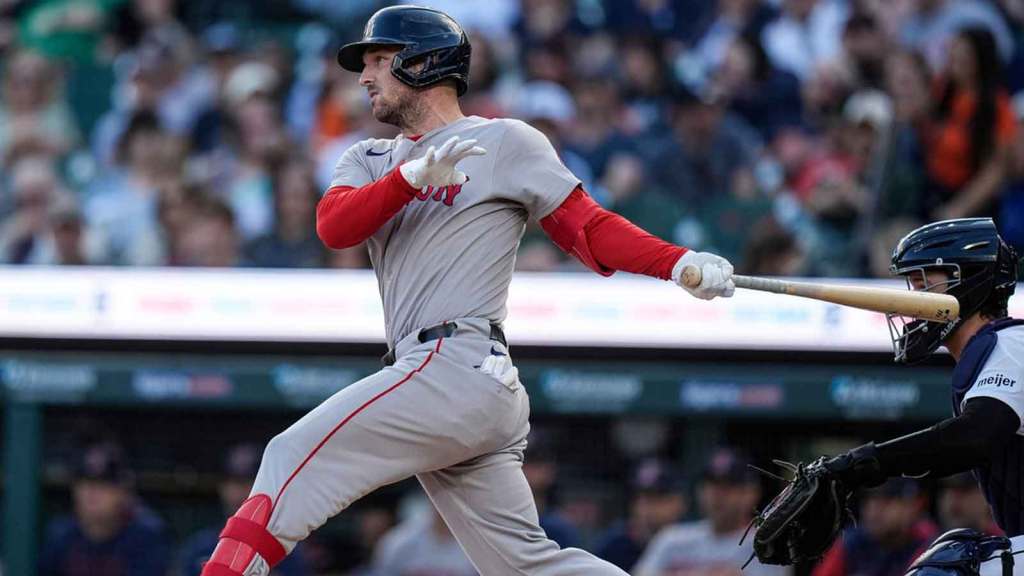
Bregman's free agency represents one of the most coveted opportunities in this year's market. The 31-year-old third baseman recently opted out of his three-year, $120 million contract with the Boston Red Sox, walking away from $80 million over two years in hopes of landing a more lucrative long-term deal.
ESPN's Kiley McDaniel projects Bregman to land a five-year, $170 million contract this offseason, though some projections have climbed even higher as teams continue to bid for his services. Despite being limited to just 114 games in 2025 due to a quad strain, Bregman still managed to post a respectable 3.5 WAR with a .273 batting average and a .462 slugging percentage. With his one-year removed Gold Glove, elite on-base skills, and proven track record as one of baseball's premier hitters, Bregman remains the crown jewel of this free agent class at his position.
The Diamondbacks' Compelling Case for Alex Bregman
What makes this pursuit particularly intriguing is Bregman's personal connection to Arizona. Raised in Albuquerque, New Mexico, Bregman grew up a Diamondbacks fan, attending games during his travel baseball explorations throughout the state. In the 2015 MLB Draft, Bregman reportedly hoped to hear his name called first overall by his childhood team, only to watch them select shortstop Dansby Swanson instead.
The Astros then selected Bregman with the second overall pick, beginning his journey to stardom in Houston. Now, a decade later, Arizona has a rare opportunity to right that historical wrong and bring Bregman home—a storyline that resonates deeply with both the organization and the player himself.
From a purely baseball standpoint, the Diamondbacks make sense as a landing spot for Bregman. The team traded away Eugenio Suárez at the deadline, leaving third base in flux. Their top prospect Jordan Lawlar struggled tremendously in his September audition, batting just .182 without a home run in 74 plate appearances and committing costly throwing errors.
The Diamondbacks lack confidence in Lawlar's defensive capabilities at the corner, suggesting they would be open to upgrading the position. Bregman would instantly stabilize the left side of their infield and provide an immediately productive bat in the middle of their lineup.
Making the Math Work: The Perfect Contract
To make Bregman a Diamondback, the front office would need to navigate significant financial constraints. Currently, RosterResource projects the D-Backs for a $171 million payroll in 2026, down from the approximately $195 million they carried into the 2025 season. Owner Ken Kendrick has already indicated that payroll will decline from 2025 levels, making a massive addition to a premium free agent challenging. However, if Arizona trades Ketel Marte and moves Lawlar to second base, they would free up approximately $15 million in 2026 salary, creating financial breathing room to pursue Bregman.
The perfect contract to steal Bregman from Boston would be a six-year, $156 million deal with a starting annual average value of $26 million. This aggressive structure would include the following framework: Year 1-2: $30 million, Year 3-4: $26 million, Year 5-6: $22 million, with a full no-trade clause and limited opt-outs after year three. By backloading the deal with strategic deferrals—roughly $10 million deferred to the years following his contract's expiration—Arizona could manage their immediate payroll obligations while still offering Bregman a guaranteed $166 million total compensation when accounting for signing bonuses.
This contract structure accomplishes several critical objectives for the Diamondbacks. First, it undercuts the five-year, $170 million projection while still offering more guaranteed money than Bregman received from Boston, appealing directly to his desire for long-term security. Second, the declining AAV allows Arizona to maintain flexibility in the later years of his deal, crucial for a small-market franchise navigating future financial decisions. Third, the no-trade clause respects Bregman's star status while the limited opt-outs provide both sides with some control over the relationship's future trajectory.
The Diamondbacks' interest in Bregman represents an organization willing to break from its recent blueprint to address a critical need. By trading Marte, promoting Lawlar to second base, and aggressive investing in an elite bat, Arizona could construct a contender around their young arms and a proven superstar. For Bregman, returning to Arizona to fulfill a childhood dream while joining a legitimate playoff contender offers the perfect blend of sentiment and competitive opportunity. The perfect contract exists—it's simply a matter of whether both sides are willing to execute.