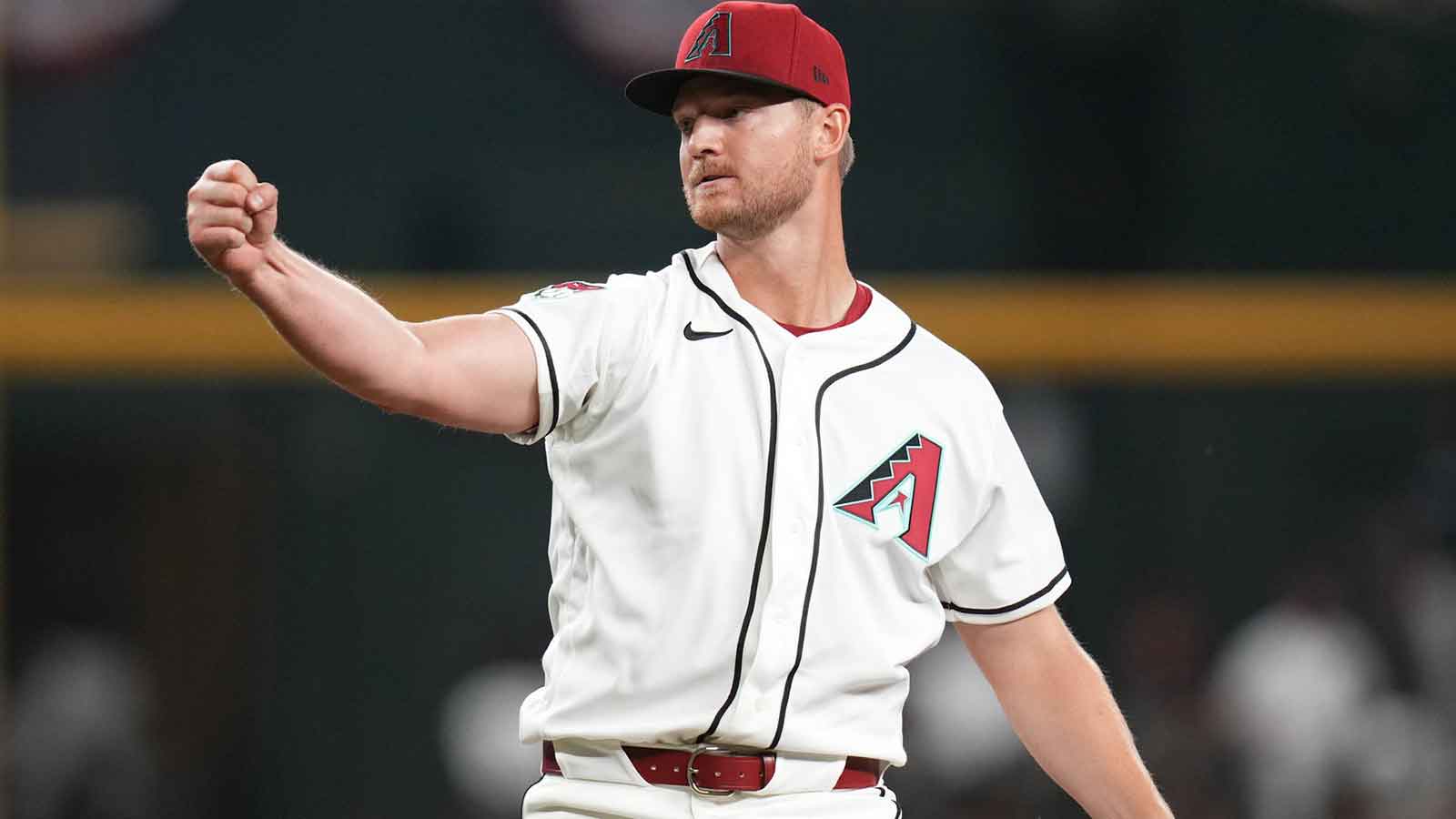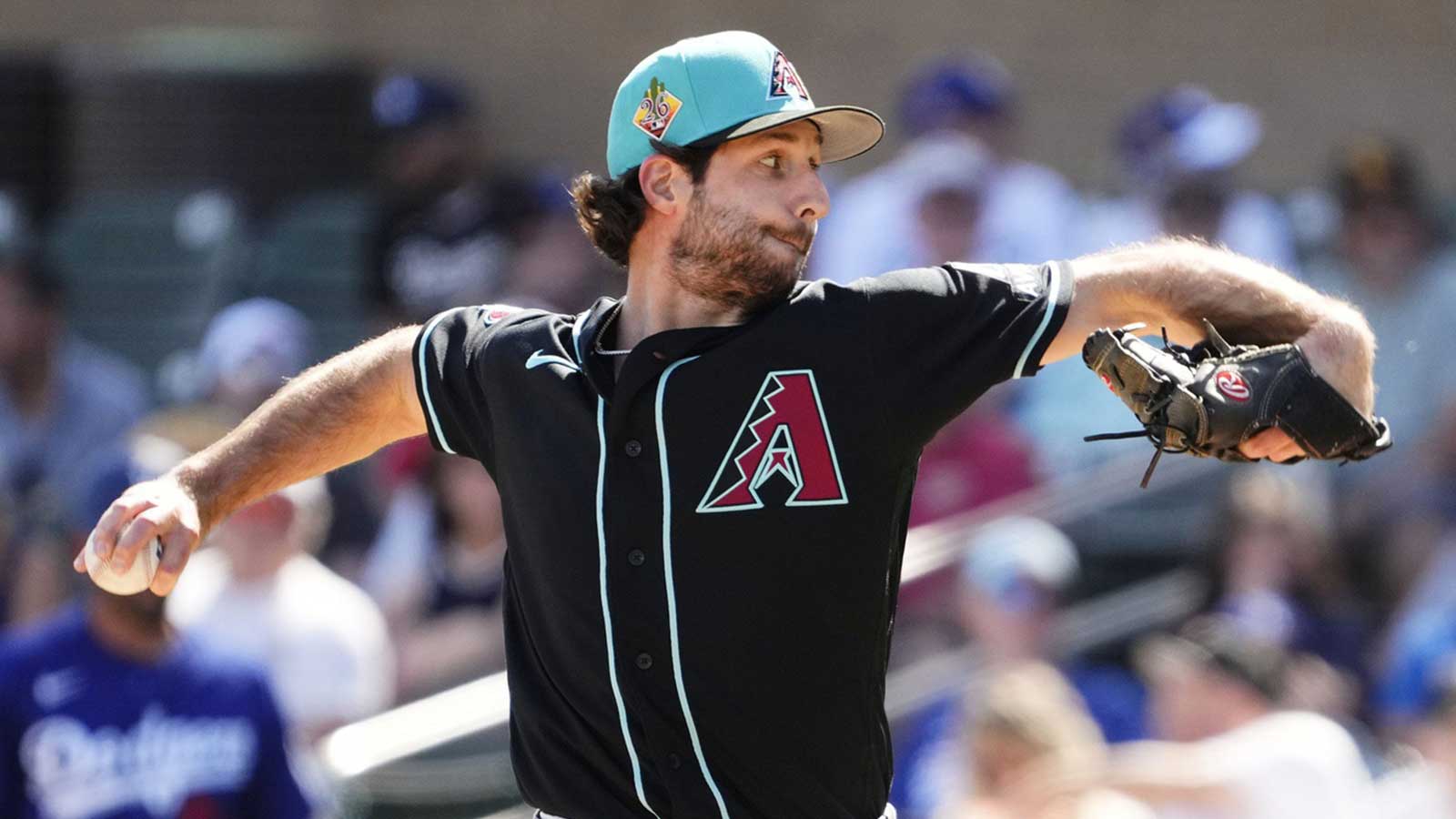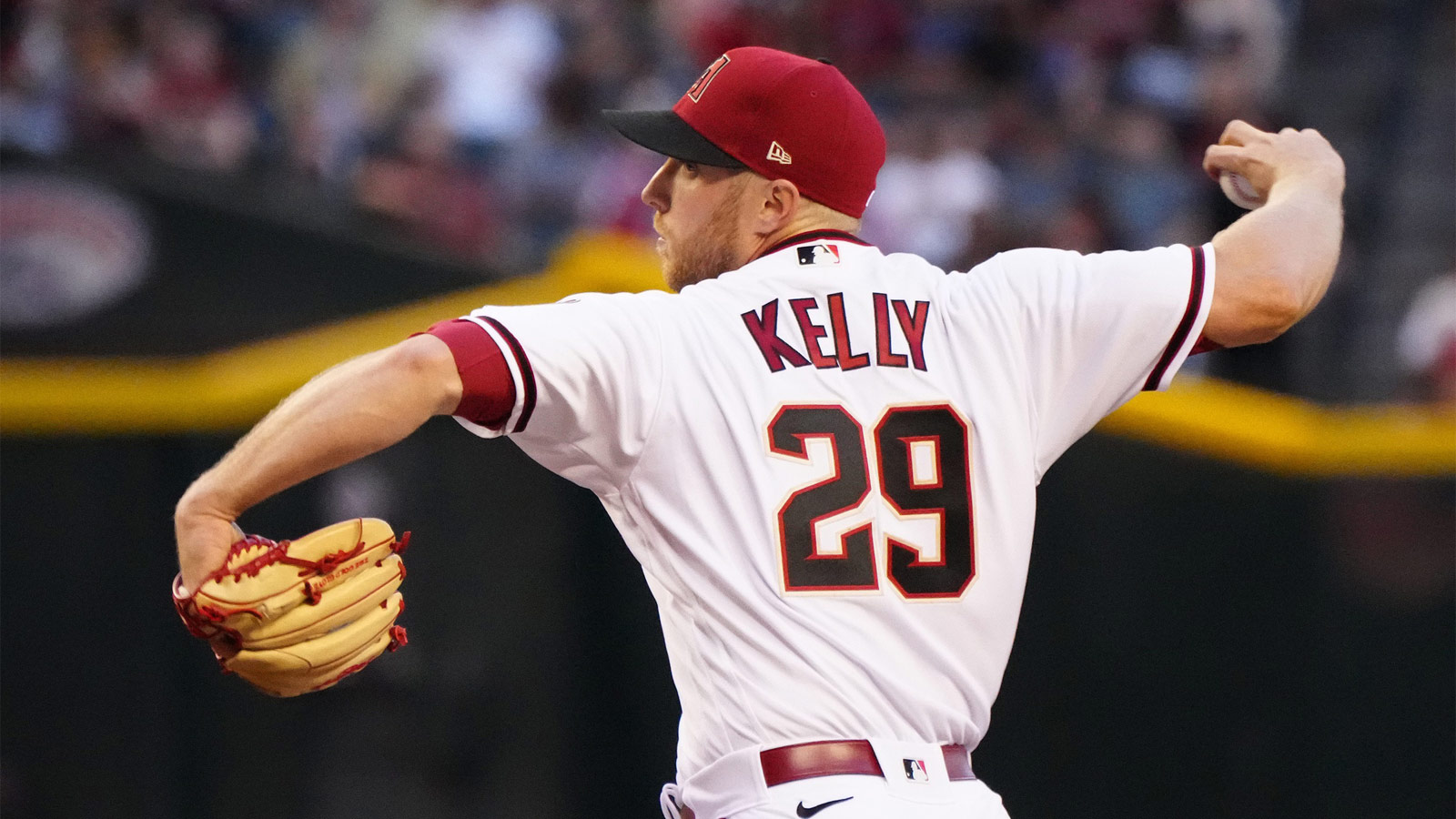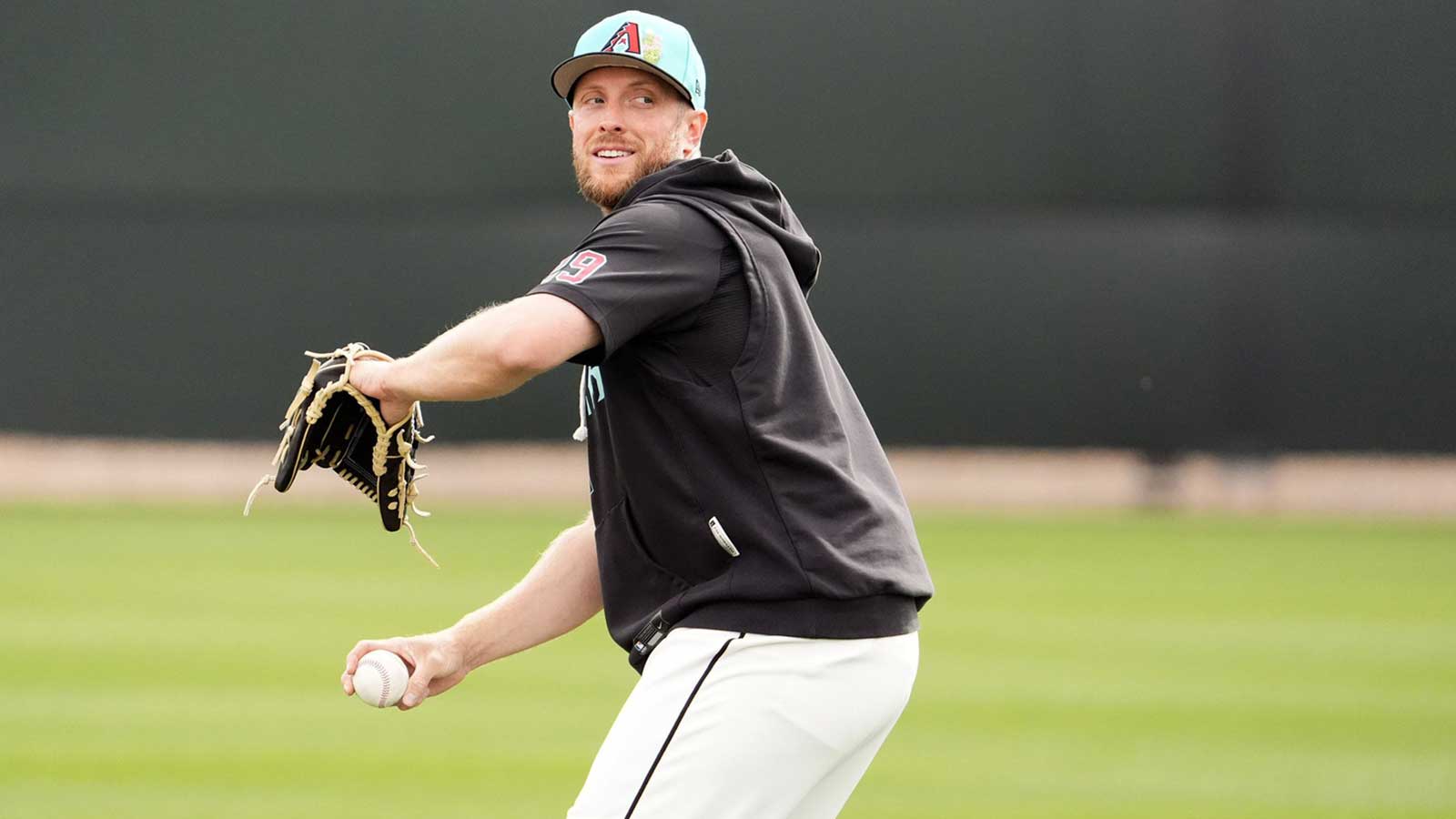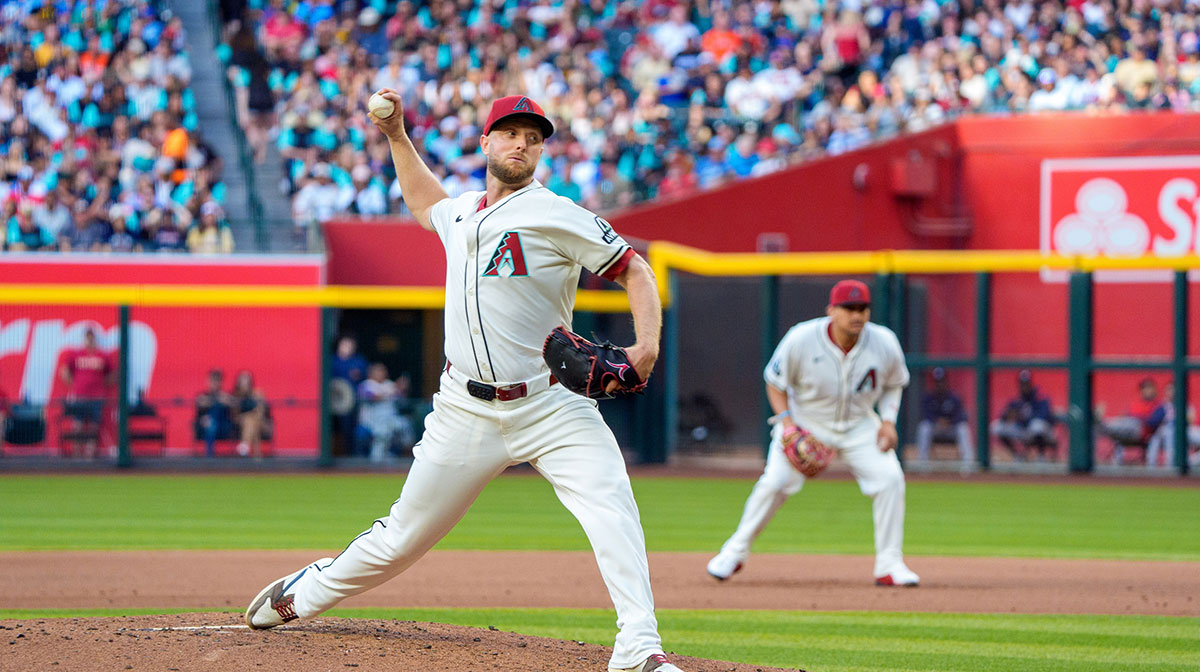
The Arizona Diamondbacks entered the offseason searching for pitching stability, and expectations surrounding Mike Soroka now sit near the center of that plan. Arizona’s rotation outlook, overall pitching depth, and Soroka’s 2026 season trajectory all came into focus after the club offered the veteran a clearly defined path to start.
The Diamondbacks signed Soroka to a one-year, $7.5 million deal that includes incentives and a mutual option for the 2027 season. The contract reflects Arizona’s belief that Soroka can still handle a starter’s workload after several injury-disrupted seasons. More importantly, the organization committed to giving him a consistent role in the rotation rather than limiting him to a hybrid assignment.
The opportunity played a significant role in Soroka’s decision. While other teams viewed him primarily as a swingman, Arizona presented a chance to fully reestablish himself as a starting pitcher. The Diamondbacks’ rotation leans on several established arms, but the club views Soroka as a potential stabilizer if he can remain healthy across a full season.
The Foul Territory Network shared a clip on X (formerly known as Twitter) in which Soroka explained what motivates him heading into the 2026 season and why durability has become his personal benchmark with his new club.
“I need to be able to prove to myself, not just everybody else, that I can go out there and throw 180 innings again.”
Michael Soroka says he would've had offers with more total value as a swingman, but he wants to bet on himself as a starter in 2026.
"I need to be able to prove to myself, not just everybody else, that I can go out there and throw 180 innings again." pic.twitter.com/3JXl4dGuHc
— Foul Territory (@FoulTerritoryTV) December 16, 2025
Soroka’s 2026 season represents a calculated gamble for both sides. He has not reached triple-digit innings since his breakout 2019 campaign, though he showed flashes of effectiveness in limited roles over the past two seasons. Arizona’s pitching depth strategy allows the team to manage risk while preserving upside.
For the Diamondbacks, this move fits a familiar pattern. Arizona has consistently targeted arms with rebound potential to support its rotation without long-term commitments. If Soroka approaches his innings goal, the Diamondbacks could uncover significant value at a modest cost.
As spring training approaches, the Diamondbacks’ rotation picture will sharpen. Whether the 28-year-old proves he can shoulder a full workload may help determine how far the Diamondbacks’ pitching staff can carry the club in 2026.