The Philadelphia Phillies enter the upcoming season with high expectations, and World Series buzz continues to build as Opening Day 2026 approaches. But beneath that optimism lies a more complicated reality. There are legitimate doubts about this team's ability to navigate October due to persistent concerns about roster construction, rotation depth, and lineup consistency. In Philadelphia, the focus has shifted from merely qualifying for the postseason to whether this team can truly complete the task of bringing home a World Series title.
Aging Core Presents Real Risk
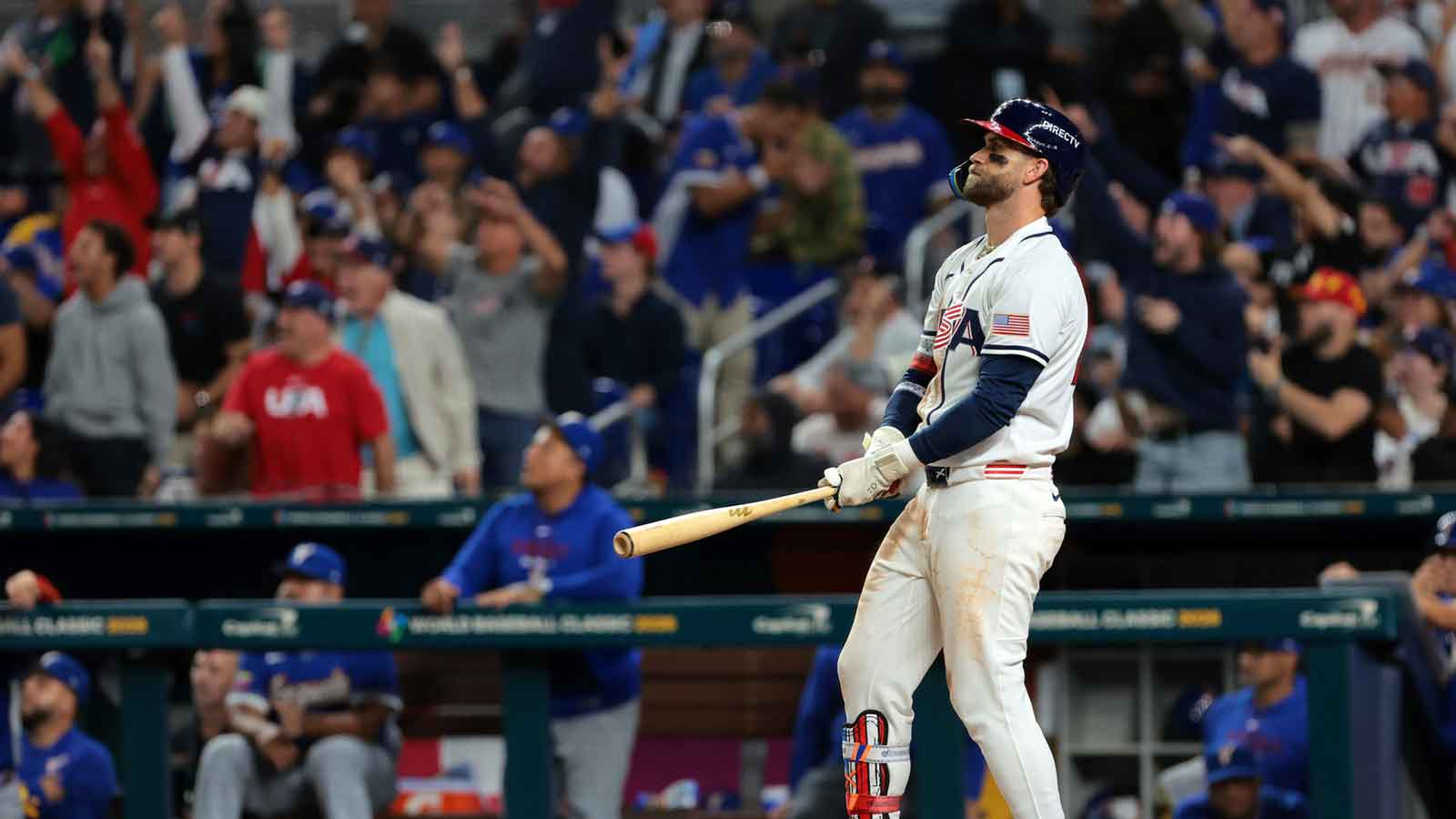
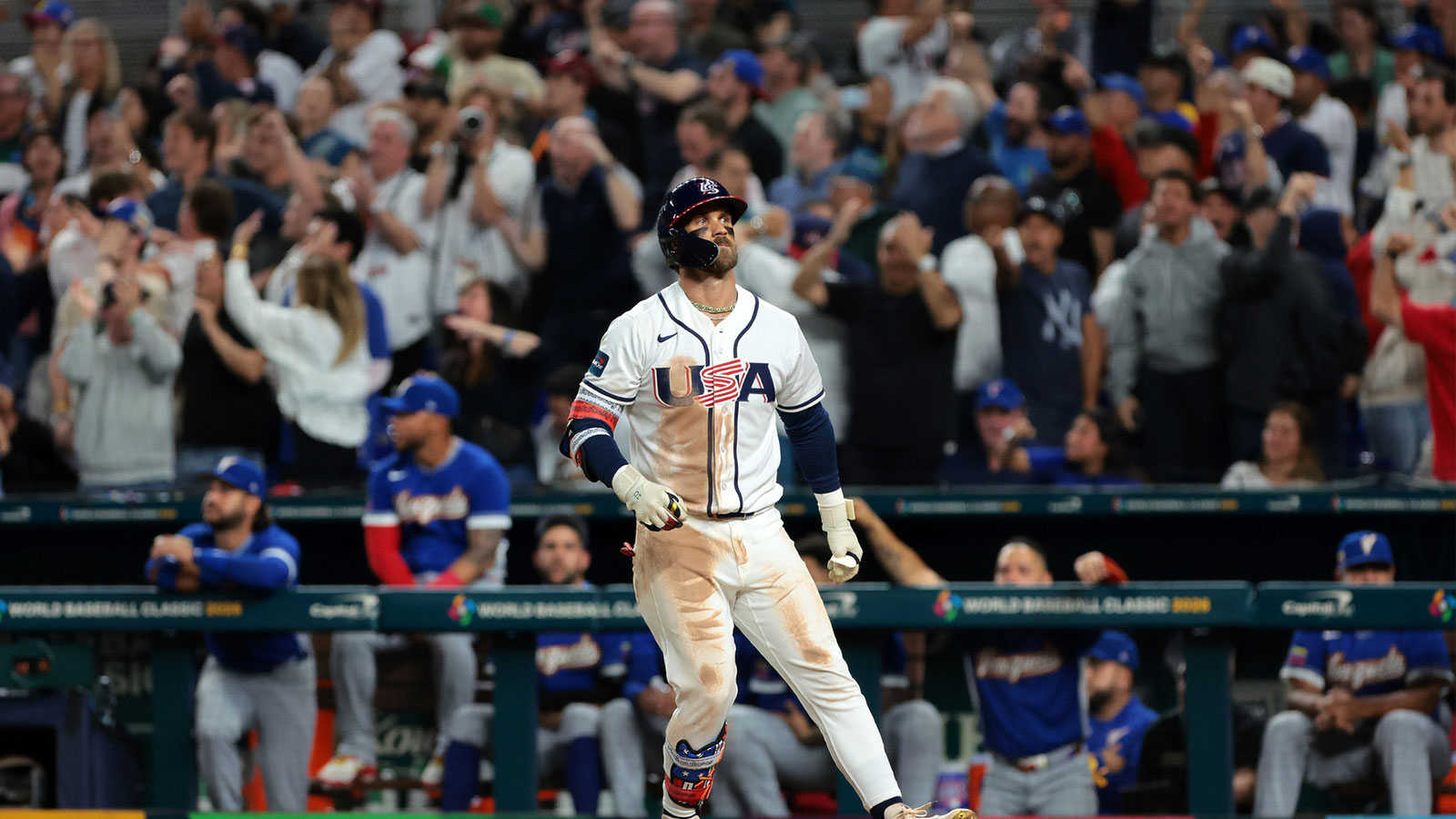
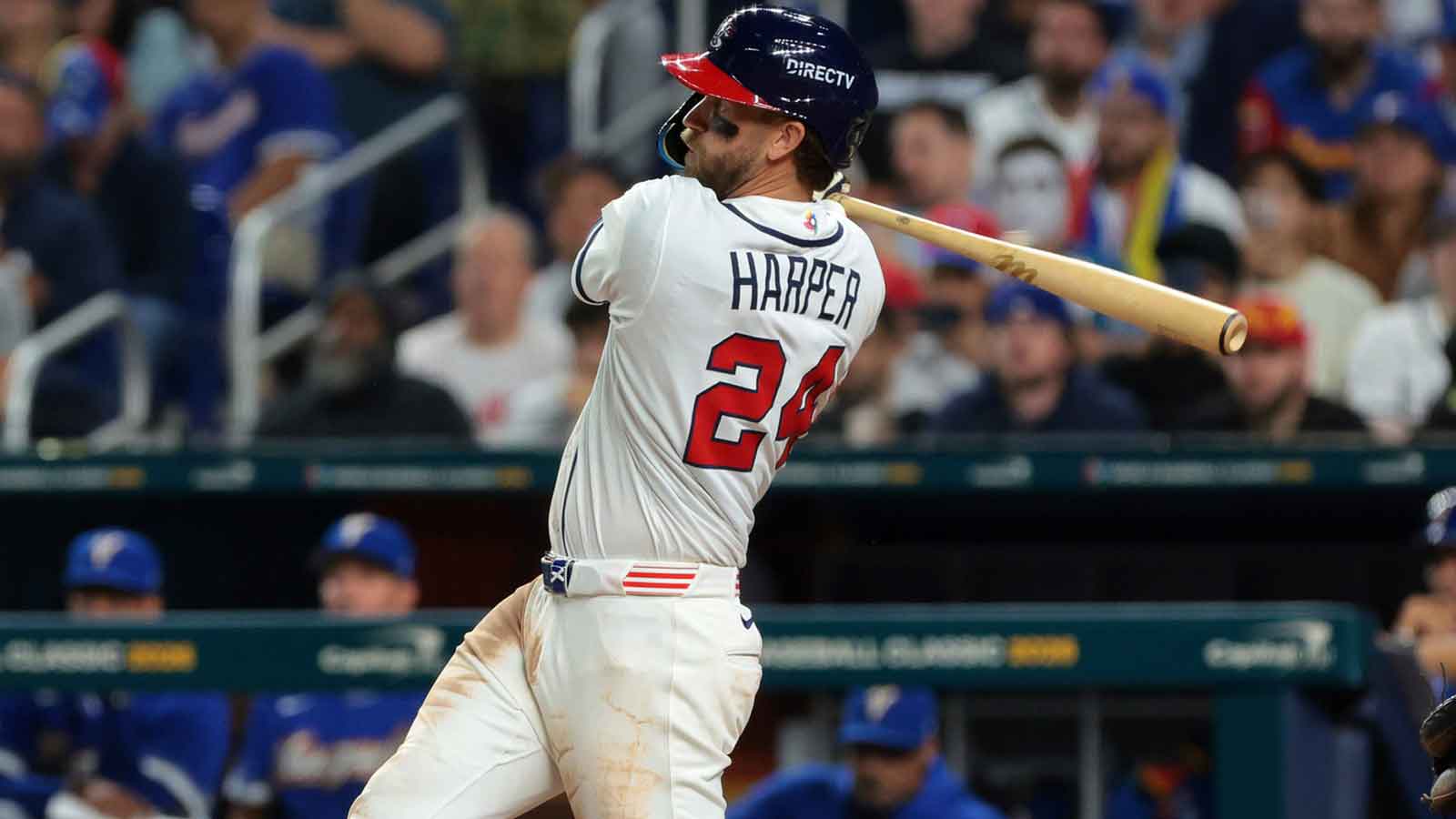
The Phillies continue to lean heavily on veteran production, a strategy that carries both upside and risk. Superstar slugger Bryce Harper remains the centerpiece, entering his age-33 season with considerable mileage. His 2025 numbers—a .261 average, 27 home runs, and an .844 OPS across 132 games—still reflect a dangerous hitter, but they also signal a step down from the elite production that once defined his peak.
Trea Turner brings dynamic speed and offensive versatility, yet his defensive inconsistency remains a concern. Over his first 333 games with the Phillies, Turner has committed 45 errors—the second-most in Major League Baseball during that span. Meanwhile, J.T. Realmuto continues to provide value behind the plate, but his offensive production has declined, with his OPS settling into the .700 range as he moves deeper into his 30s.
These trends point to a familiar reality—the aging curve is unforgiving. Players in their 30s often experience declines in reaction time, durability, and recovery. Over a 162-game season, those effects can be managed. In October, they are often exposed. A single defensive miscue or a slight delay in bat speed can shift the outcome of a postseason game.
Harper’s workload, Turner’s defensive volatility, and Realmuto’s offensive regression all underscore the issue—this core remains productive but is no longer consistently dominant. Harper can still take over games, but expecting sustained excellence from April through October is increasingly unrealistic. Turner’s offensive impact is undeniable, yet his defensive instability introduces risk. Realmuto’s leadership and game-calling remain assets, but declining offensive output reduces his overall value.
The Phillies are betting that experience and star power will outweigh the realities of aging. That is not an unreasonable gamble—but it is one that significantly tightens their margin for error.
Rotation Depth Raises Durability Concerns
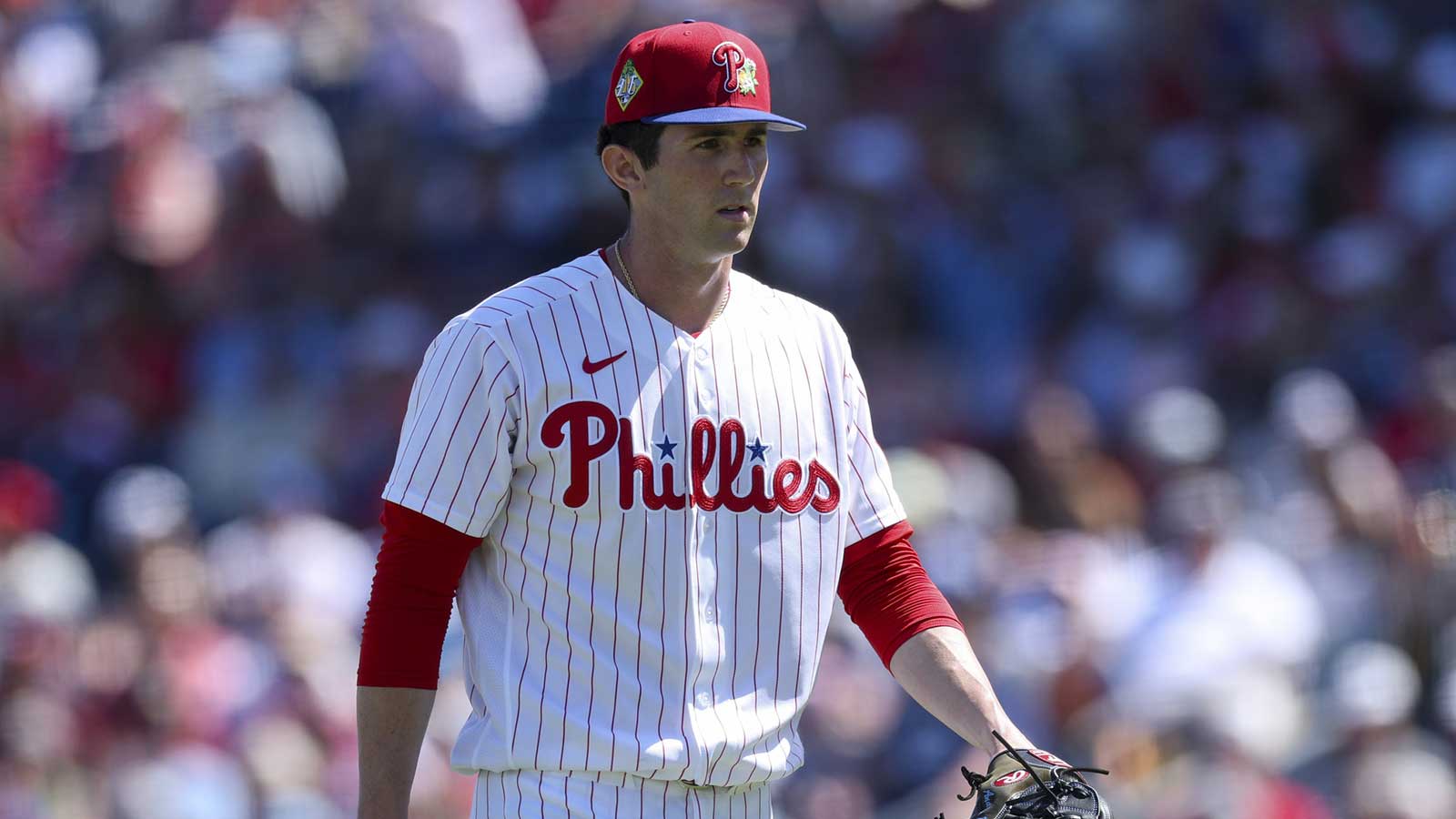
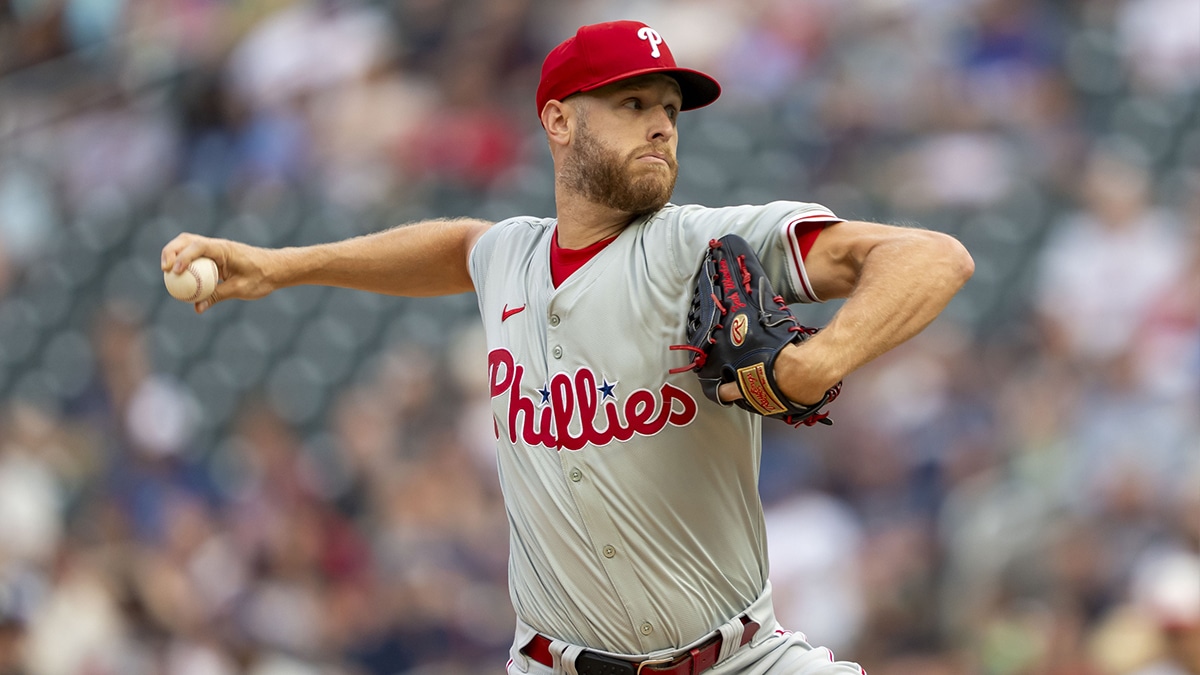
Rotation depth remains the Phillies’ most pressing question. Zack Wheeler still profiles as the staff ace but enters 2026 following thoracic outlet syndrome surgery—a procedure that carries considerable uncertainty, particularly for pitchers in their mid-30s. Even if his velocity returns in short outings, sustaining command and effectiveness over a full season is far from guaranteed.
In the meantime, Cristopher Sanchez is set to shoulder a larger role at the front of the rotation and open the year as Philadelphia’s Opening Day starter, a notable escalation in responsibility for a pitcher who only recently graduated from depth-arm status. Aaron Nola remains a steady presence, and offseason addition Jesus Luzardo brings swing-and-miss upside from the left side, though his injury history adds an additional layer of volatility.
Behind that top group, Andrew Painter represents both promise and unpredictability, while the back end remains unsettled with Ranger Suarez no longer in the mix and Taijuan Walker’s role undefined. Taken together, the Phillies present a high-variance profile—anchored by a recovering ace, a newly elevated Opening Day starter, and an unproven young arm—rather than the bankable stability most championship rotations rely on.
Lineup Volatility Remains a Defining Flaw
If there is one consistent trait of this Phillies team, it is inconsistency. The lineup is capable of explosive production, but it is equally prone to prolonged droughts. This unpredictable nature becomes particularly perilous in October, when brief series offer minimal opportunities for recuperation.
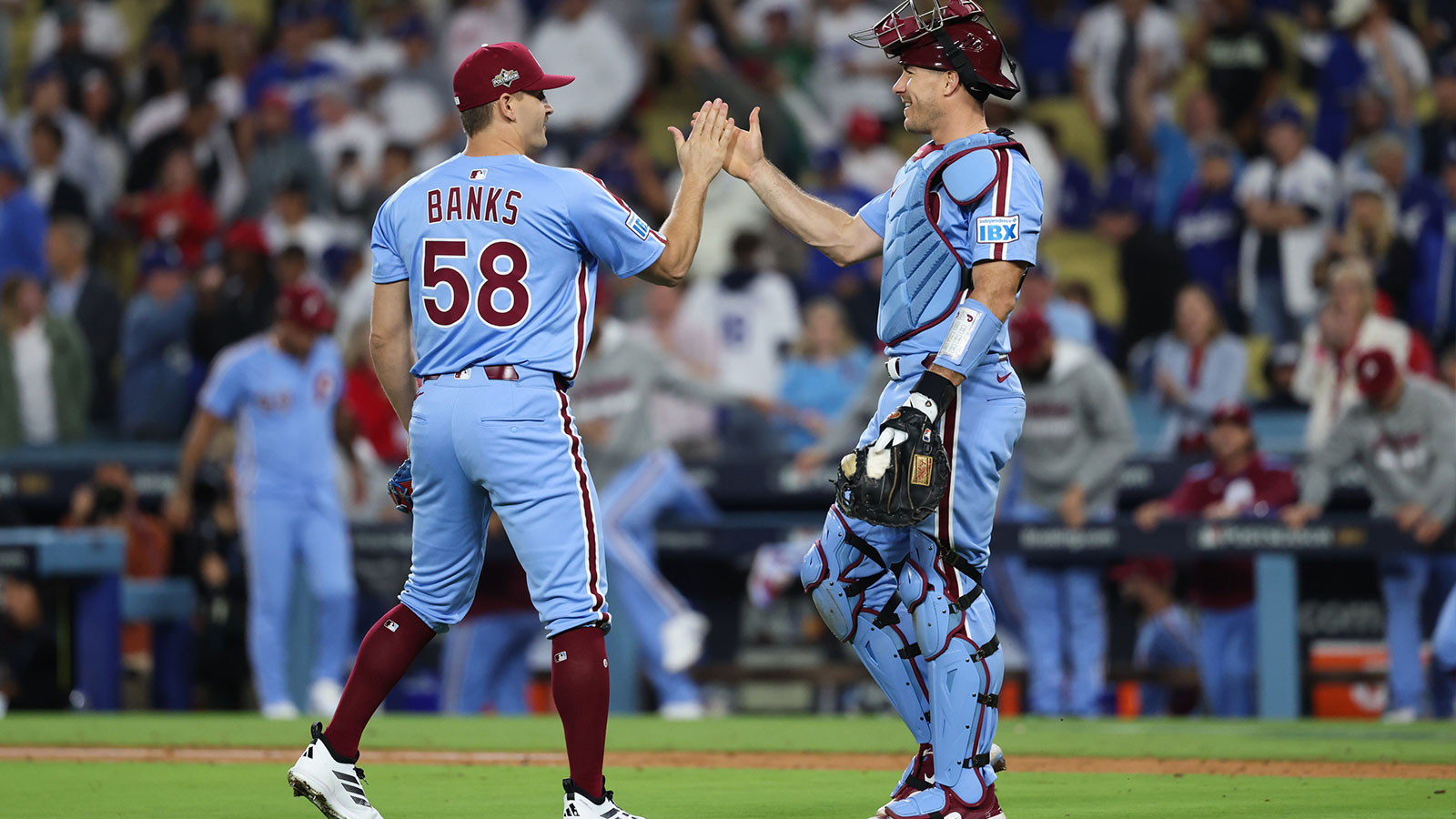
When the offense is clicking, Philadelphia can overwhelm opponents with power. But when timing slips, the strikeouts mount, rallies stall, and even average pitching can neutralize the lineup. The Phillies displayed this volatility during the 2025 NLDS against the Los Angeles Dodgers. Through the first two games of the series, Turner, Kyle Schwarber, and Harper went a combined 2-for-21 with 11 strikeouts, setting the tone for a rare collective slump at the top of the order.
Over the full series, the trio finished just 10-for-48, including a 3-for-35 mark in Philadelphia’s three losses, with most of their production concentrated in a single breakout Game 3 win. Outside of that performance, the offense consistently came up short in critical moments.
This pattern is not incidental. It reflects the team’s offensive identity. The Phillies are built around power and extra-base hits, an approach that can produce runs in bunches but lacks consistency when the long ball disappears. In the postseason, where elite pitching is the norm, that reliance becomes a liability.
Short playoff series amplify these weaknesses. A few quiet games can end a season, and the Phillies have already experienced that outcome. Notably, the structure of this lineup remains largely unchanged entering 2026, offering little evidence that volatility will suddenly disappear.
A championship run demands timely hitting and sustained pressure. As currently constructed, the Phillies’ offense lacks consistency in both areas.
Final 2026 Outlook
The Phillies undeniably have the talent to contend in the National League. Their roster still features star power, postseason experience, and the ability to compete with any team on a given night. But talent alone does not guarantee a championship.
An aging core, uncertain rotation depth, and a volatile lineup present clear obstacles for the Phillies, and those weaknesses are deeply interconnected. October often exposes and quickly exploits even minor flaws due to defensive decline, pitching instability, and offensive inconsistency.
The Phillies remain legitimate contenders, but their margin for error is razor-thin in a National League loaded with talent. In October, those margins often decide everything. Unless these structural concerns are addressed, Philadelphia risks finding itself in a familiar position, close, but not good enough to secure a World Series title.