This year's trade deadline might finally mean something in Chicago. For years, the Bulls have lived in NBA purgatory. The 2026 NBA trade deadline, however, feels different. This isn’t about chasing a low playoff seed or papering over flaws with short-term fixes. For the first time in a very long time, Chicago is operating from a position of choice. They have draft control restored, cap flexibility looming, and a young core beginning to take shape. As such, the Bulls’ dream deadline scenario is about clarity. At a franchise crossroads, the goal isn’t winning now but choosing the right direction without hesitation.
Extremes and emotional whiplash
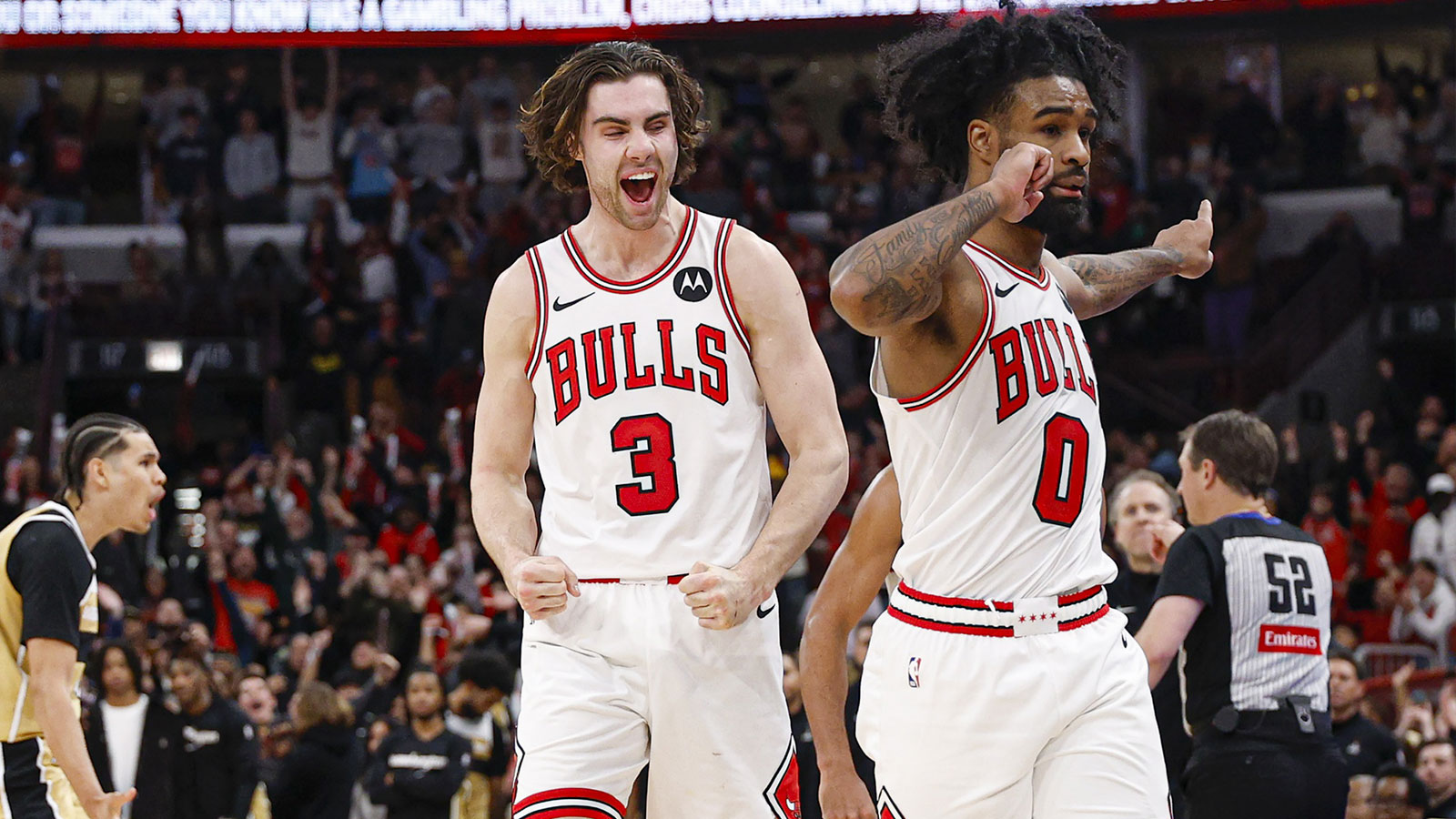
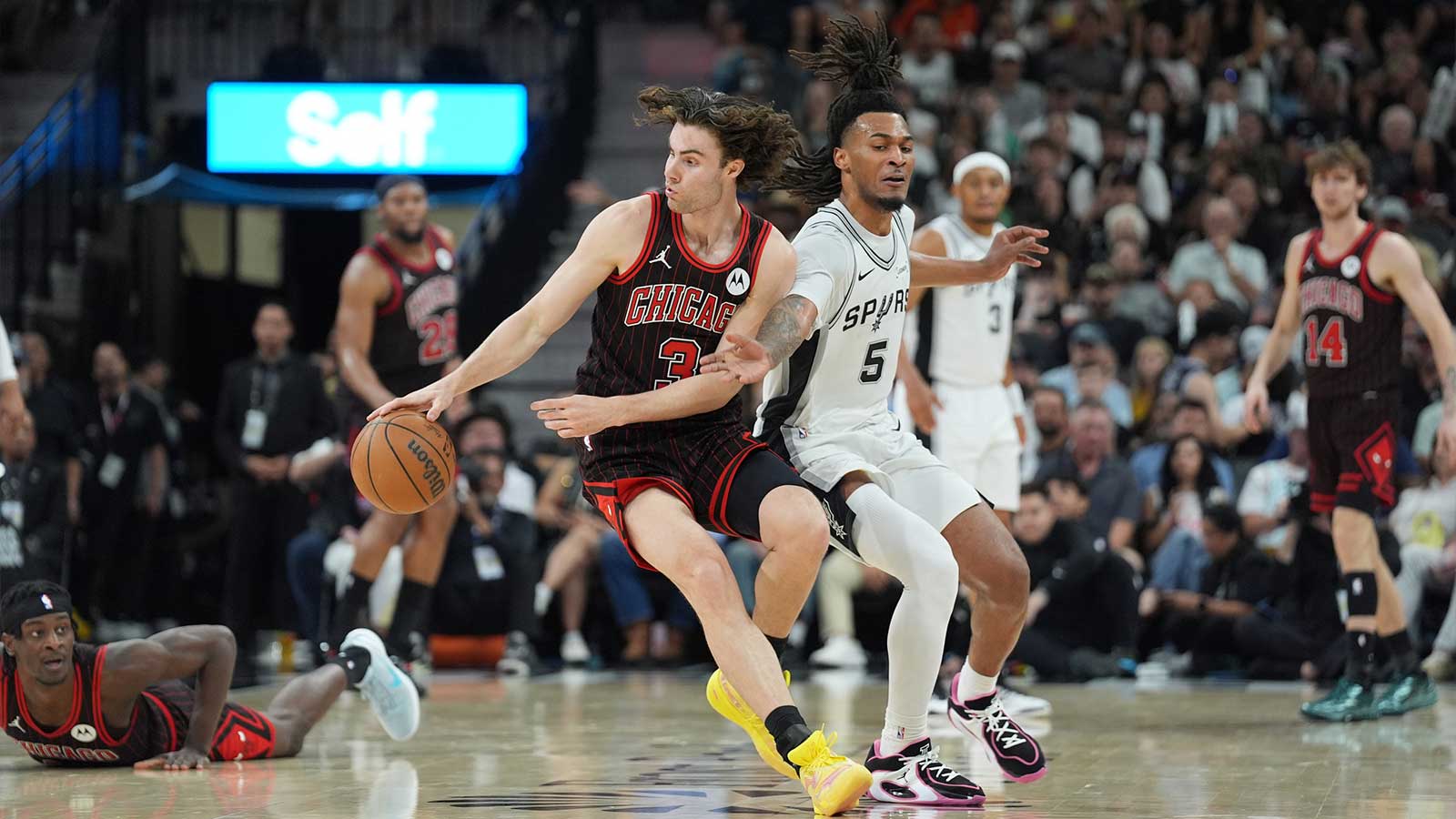
The 2025-26 campaign has unfolded as a tale of two seasons for Chicago. It began with a nostalgic jolt: a 5-0 start that marked the franchise’s best opening since the 1996-97 “Last Dance” era. That surge was driven by an offense playing free and fast, orchestrated by newly extended Josh Giddey. He has flirted with nightly triple-doubles while averaging 18.6 points, 8.6 rebounds, and 8.8 assists. For a brief moment, the United Center buzzed with optimism that felt almost foreign.
Reality, though, arrived swiftly. Defensive breakdowns piled up, transition coverage cratered, and the Bulls slid into a punishing seven-game losing streak in November. That was their longest since 2020. Despite ranking near the bottom of the league in points allowed, the team has remained competitive through offensive balance and resilience. That contradiction was symbolized on a poignant night when the Bulls upset the Celtics just hours after retiring Derrick Rose’s iconic No. 1 jersey. It blended nostalgia with stubborn present-day fight.
Stuck in the middle
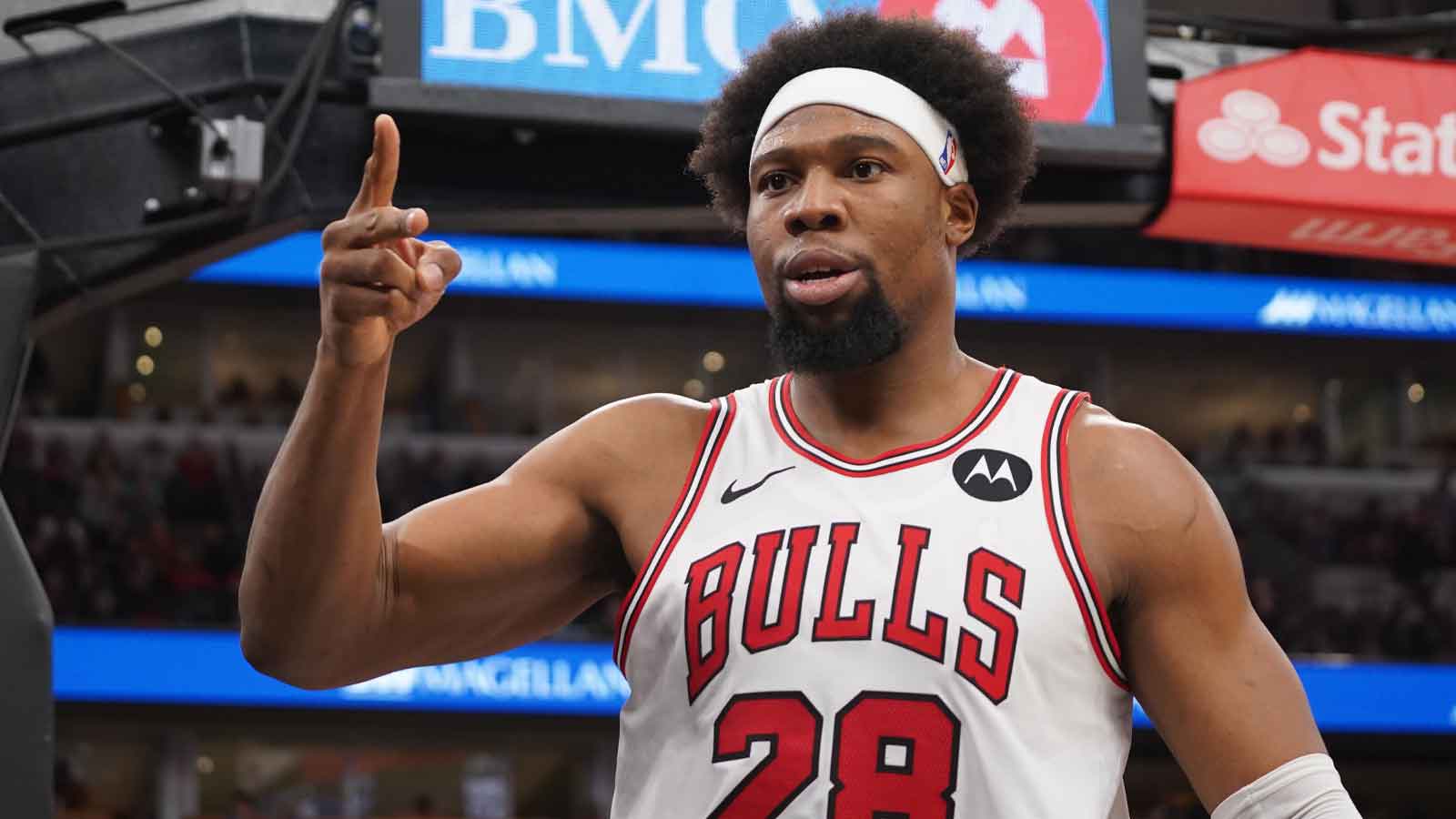
As February 2026 begins, Chicago sits at 24-26, ninth in the Eastern Conference, and clinging to a Play-In spot. The rotation has found a fragile equilibrium, though. Coby White’s shot-making, Nikola Vucevic’s interior scoring, and Giddey’s orchestration have kept the offense afloat. Meanwhile, Matas Buzelis has quietly emerged as a defensive bright spot. He is averaging over a block per game and guarding across positions.
That said, injuries have tested that balance. Hamstring issues for Giddey and Tre Jones have disrupted continuity. This has forced lineup improvisation and exposed depth concerns. Once again, the Bulls hover just below .500. They are good enough to compete, but not good enough to inspire confidence. That familiar mediocrity has sharpened the front office’s dilemma. Should they chase short-term relevance or finally leverage value before it evaporates?
Everyone available, finally
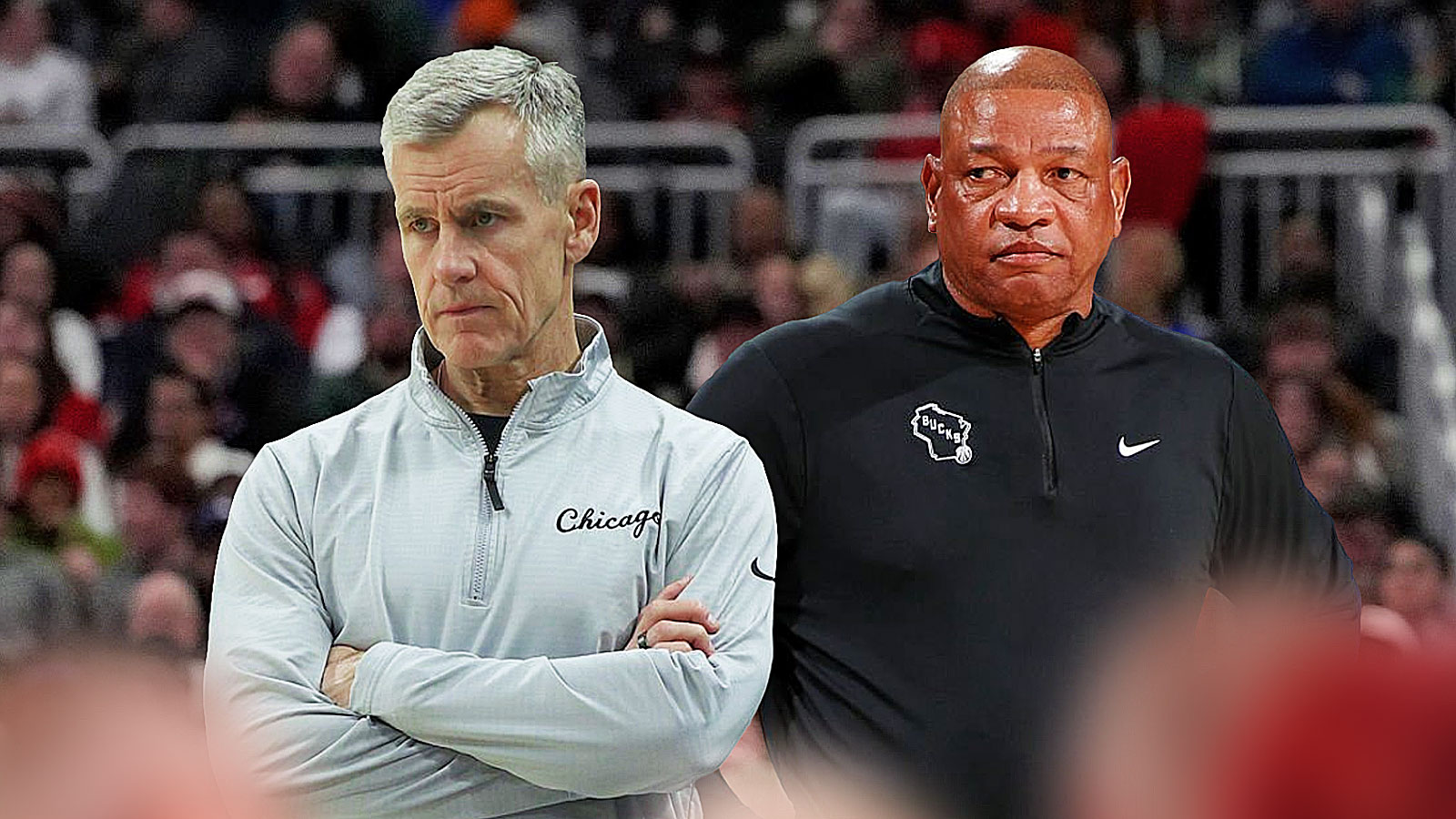
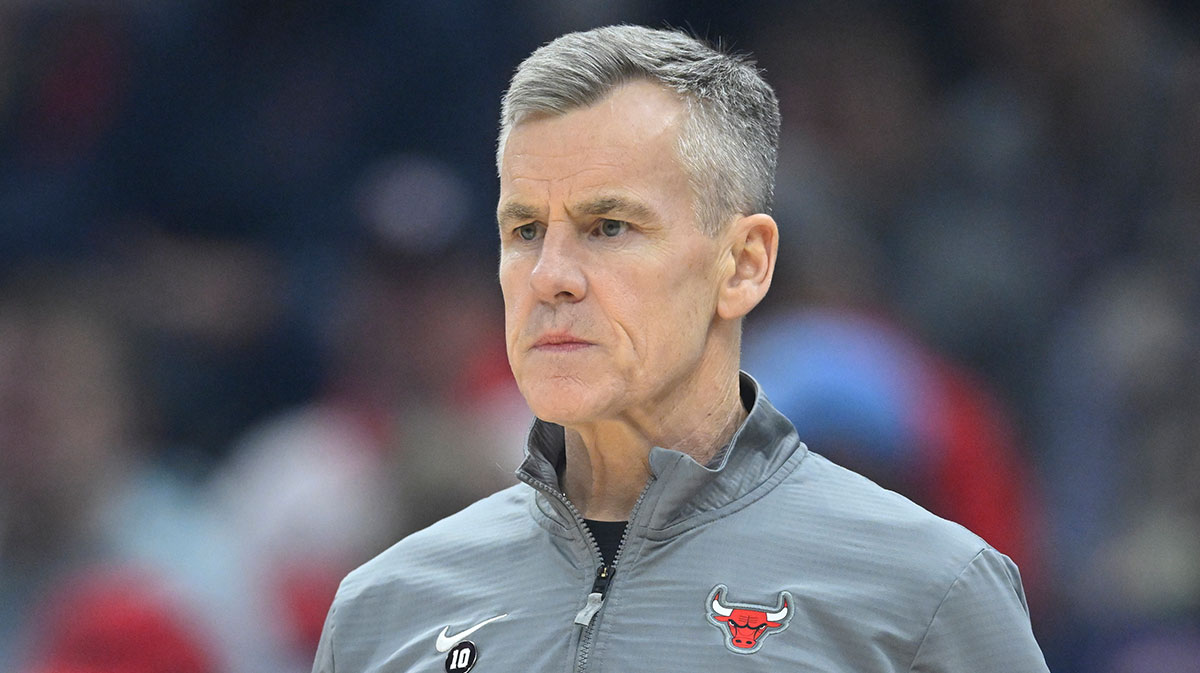
Unlike past deadlines, Chicago isn’t pretending this roster is untouchable. Executive VP Arturas Karnisovas has signaled a philosophical shift by designating only Giddey and Buzelis as untouchable. Everyone else is, at minimum, discussable, and the league has noticed.
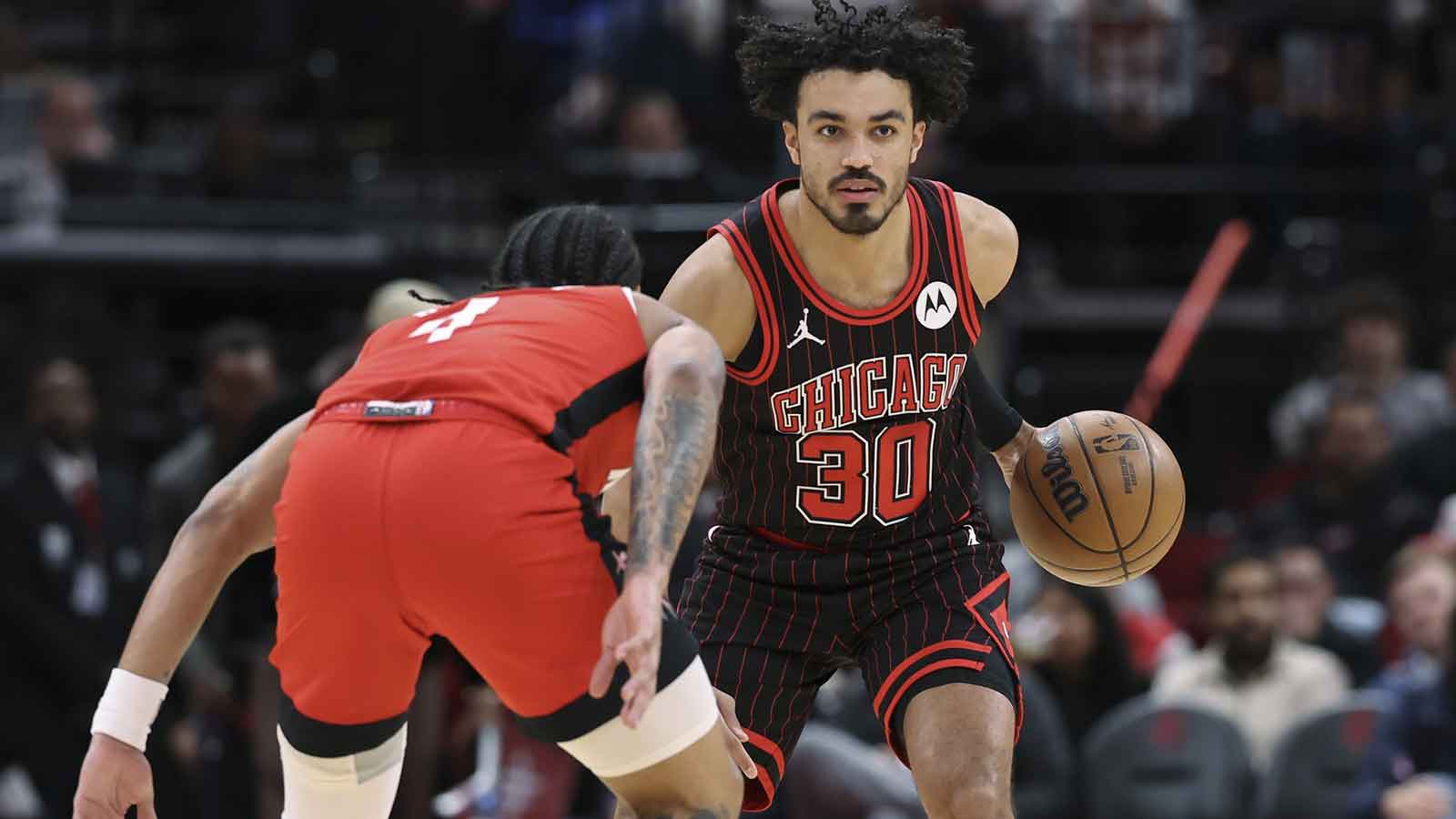
Ayo Dosunmu’s name dominates conversations. Shooting a career-best 44.9% from deep, he has become a top target for contenders like the New York Knicks. Of course, his impending free agency has kept Chicago’s asking price high. Vucevic recently surfaced in exploratory talks with the Celtics. Meanwhile, Jones has drawn serious interest from the Suns and Timberwolves. Both are desperate for backcourt stability.
Chicago has already acted as a facilitator in a three-team deal with Sacramento and Cleveland. They landed Dario Saric and draft assets. That move was widely viewed as a prelude rather than an endpoint. Some insiders even whisper about a future blockbuster pursuit of a disgruntled star. However, the dream scenario is more disciplined than dramatic.
Competitive reset
Chicago has full control of its future first-round picks restored and over $100 million in potential cap space projected for the 2026 offseason. With that, the Bulls' deadline calculus is refreshingly honest. This isn’t about saving the season. It’s about choosing between a competitive reset and a total teardown and doing it on Chicago’s terms.
The “sell high” move: Tre Jones or Ayo Dosunmu
Dosunmu’s career year makes him an obvious candidate, but the smarter dream move may involve Jones.
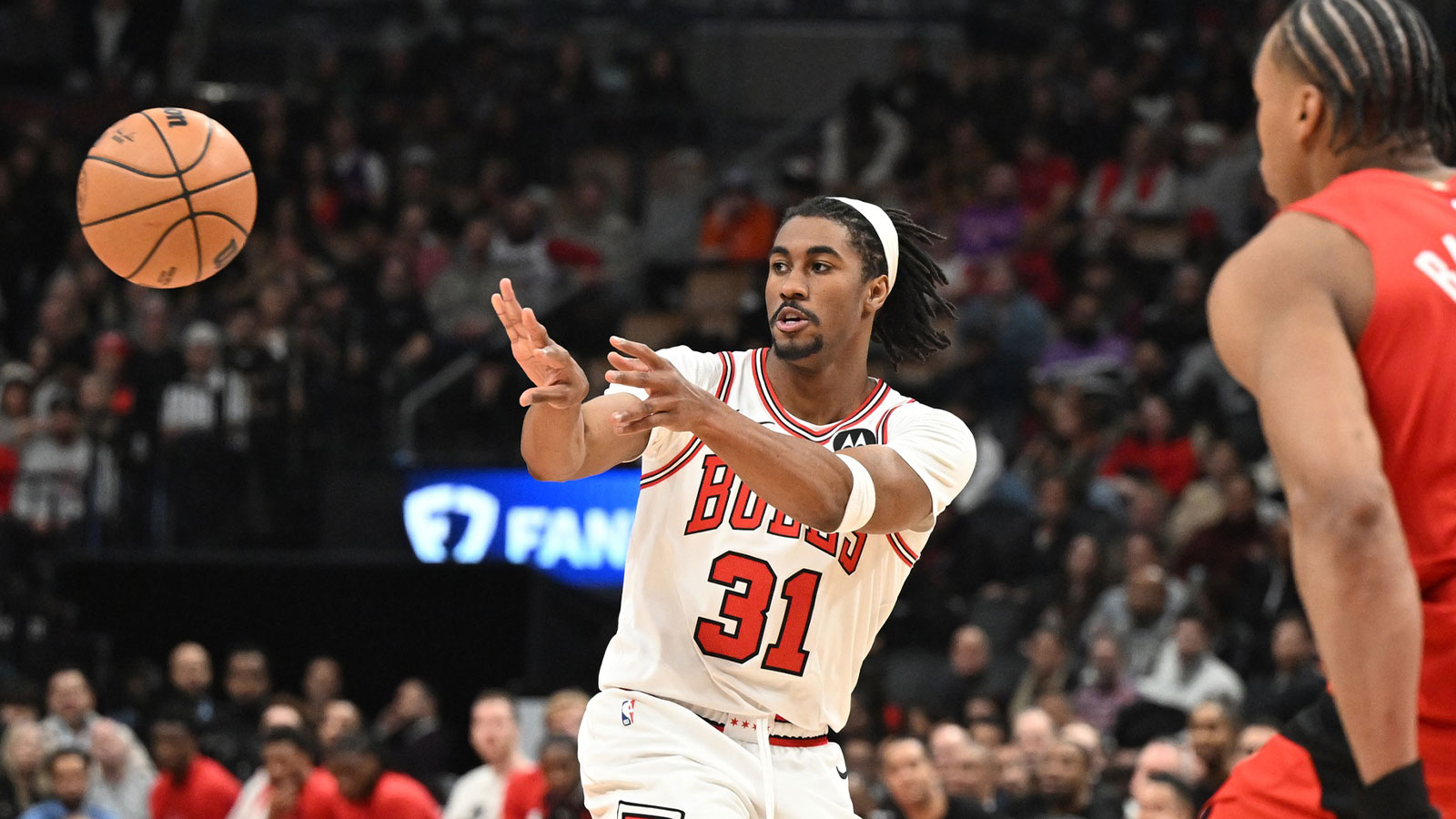
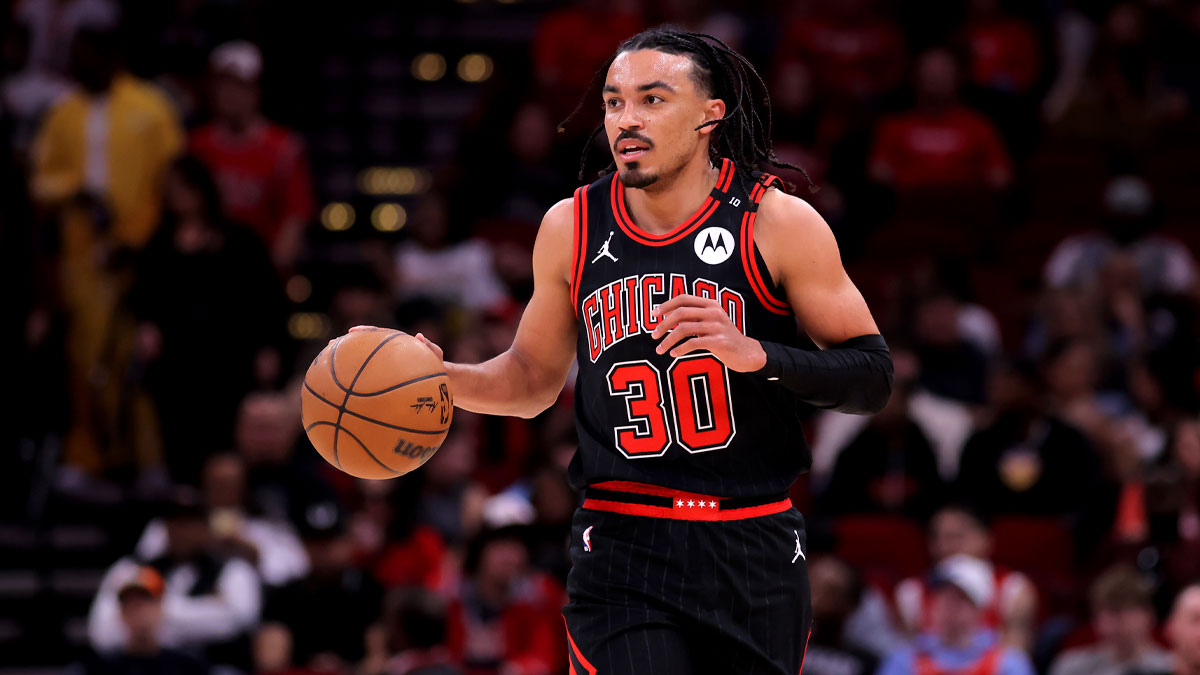
Jones is averaging nearly six assists per game in just 24 minutes. He sports an elite assist-to-turnover ratio that playoff teams covet. Sure, Dosunmu has the higher scoring ceiling. Still, Jones is generating more functional interest across the league.
Why moving Tre Jones now makes sense
1. Bargain factor
Jones’ three-year, $24 million deal is one of the league’s best values. In an NBA where backup guards routinely command $12-15 million annually, Jones is a cost-controlled luxury contenders want yesterday.
2. Avoiding the “middle” trap
Jones is currently sidelined with a hamstring strain but expected back in early February. Moving him while the “bargain guard” narrative is strongest prevents Chicago from overcrowding the backcourt and stalling Giddey’s development. The Bulls need to know who their primary ball-handlers are before the 2026 draft, not after another inconclusive season.
3. Clearing the runway for young wings
Trading Jones opens roughly 25 minutes per game. That’s not just about Giddey but about forcing Buzelis and Dosunmu into expanded creation roles. At a crossroads, Chicago must find out whether its young wings can actually handle the ball under pressure.
Dream trade scenarios for Tre Jones
Scenario A: Minnesota homecoming
The trade: Tre Jones to the Timberwolves for Rob Dillingham, Terrence Shannon Jr, and two second-round picks.
Why it works: Minnesota needs a true point guard to stabilize the bench behind Donte DiVincenzo and Mike Conley. Chicago gets Dillingham. He's a 2024 lottery pick who hasn’t found his footing but still carries All-Star scoring upside. They also obtain depth and picks. It’s a classic upside bet.
Scenario B: Phoenix’s all-in push
The trade: Tre Jones to the Suns for a protected 2031 first-round pick and salary filler.
Why it works: Phoenix is capped out and desperate for a cheap distributor to relieve pressure from Devin Booker and Jalen Green. For Chicago, distant firsts from aging contenders are gold. These are flexible assets that appreciate with time.
Choosing direction is the real win
The Bulls’ dream 2026 trade deadline is all about being disciplined. It’s about resisting nostalgia, resisting the Play-In mirage, and finally aligning roster decisions with a long-term vision.
For the first time in years, Chicago isn’t boxed in by past mistakes. The assets are there, and the cap space is coming. The only question left is whether the Bulls are ready to act like a franchise that knows where it’s going. At this crossroads, clarity is the real dream.