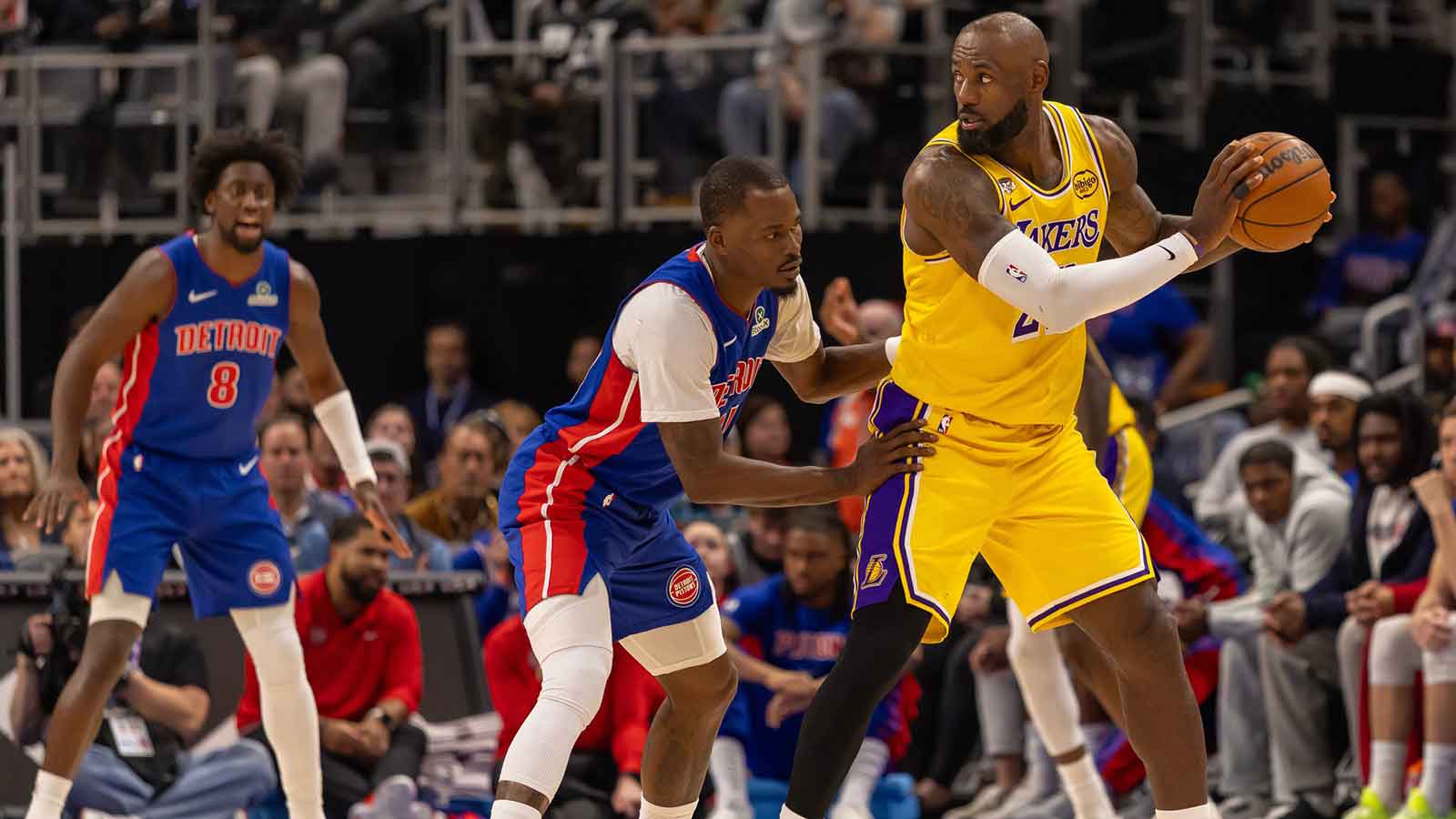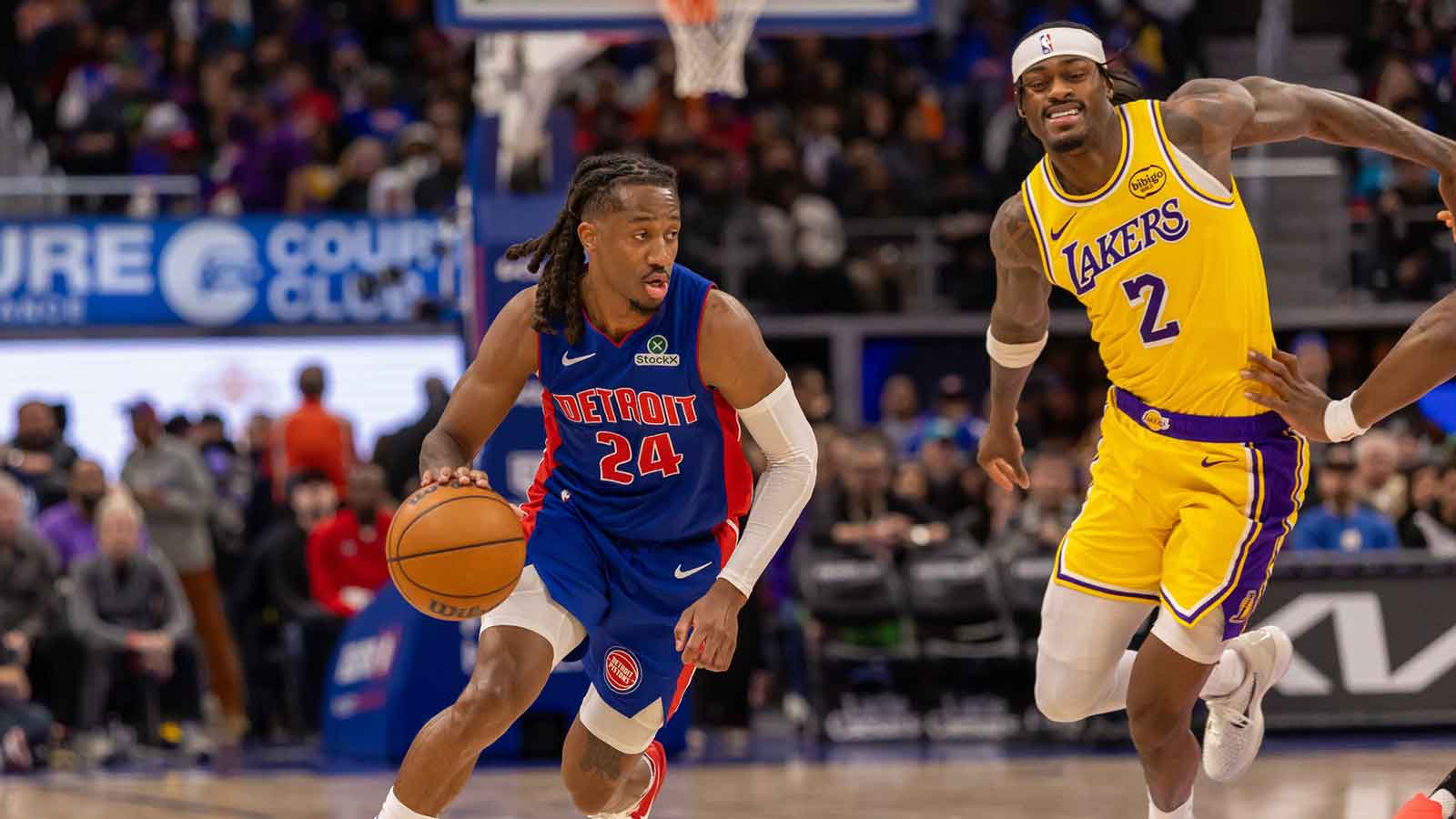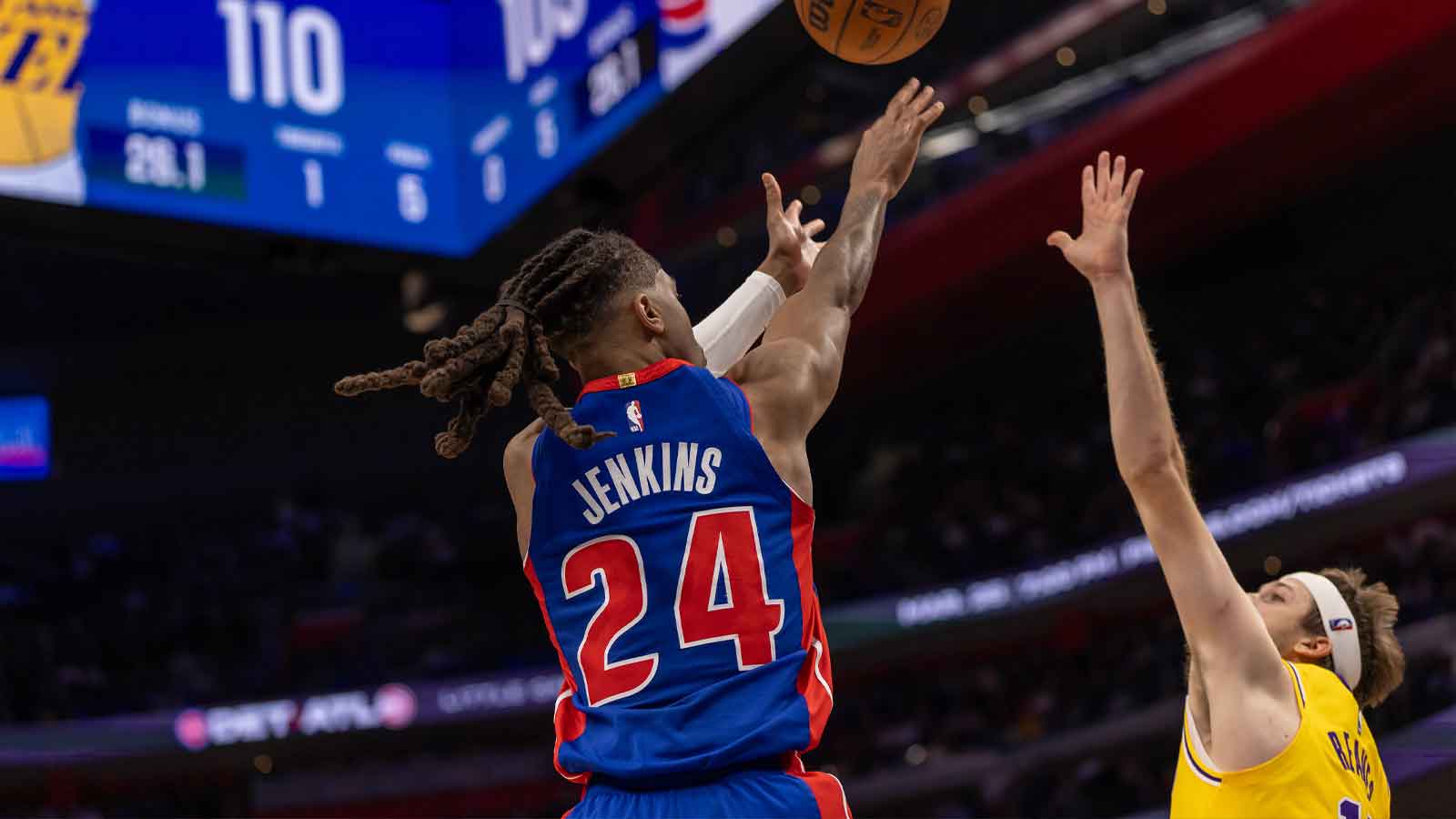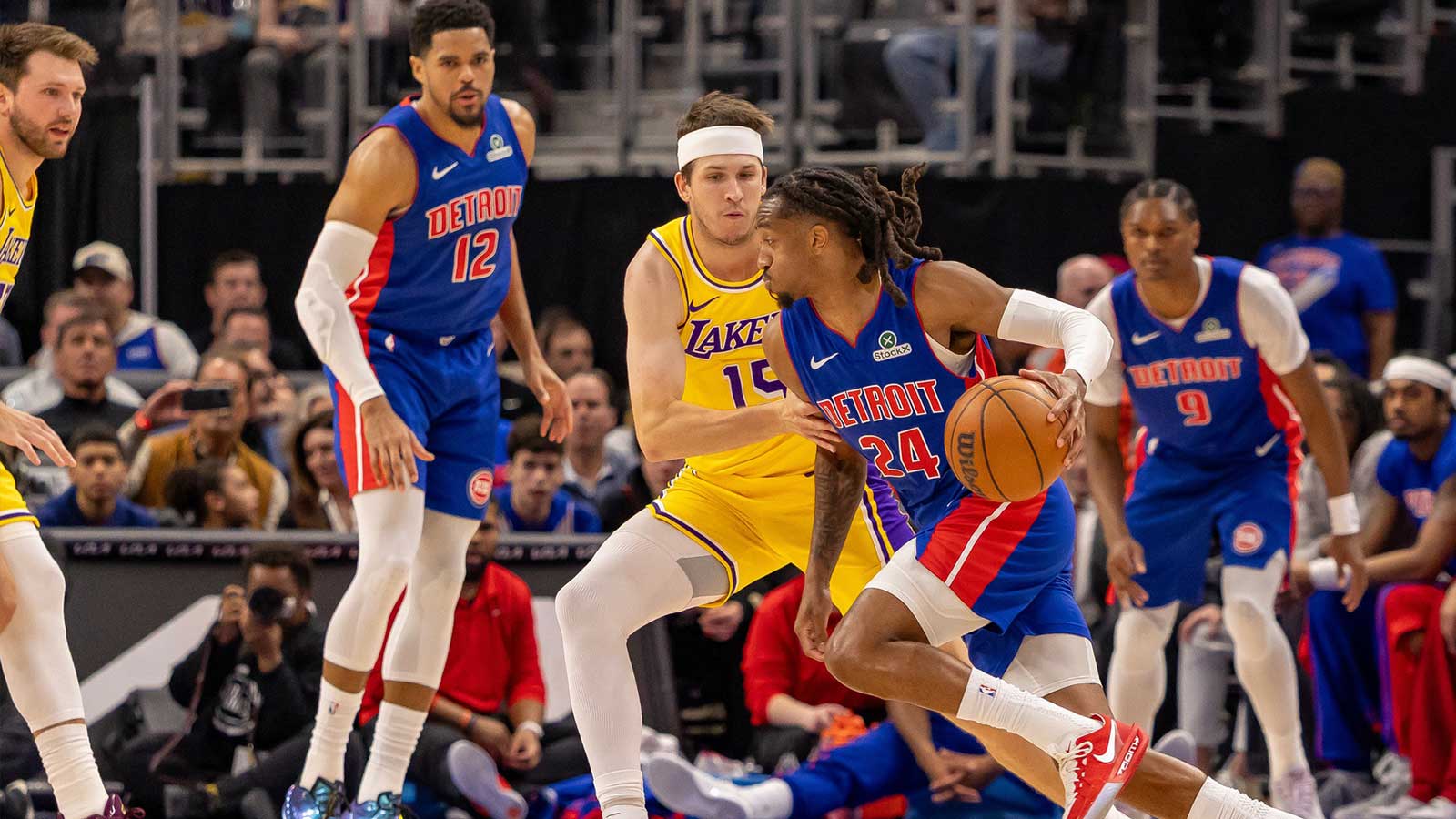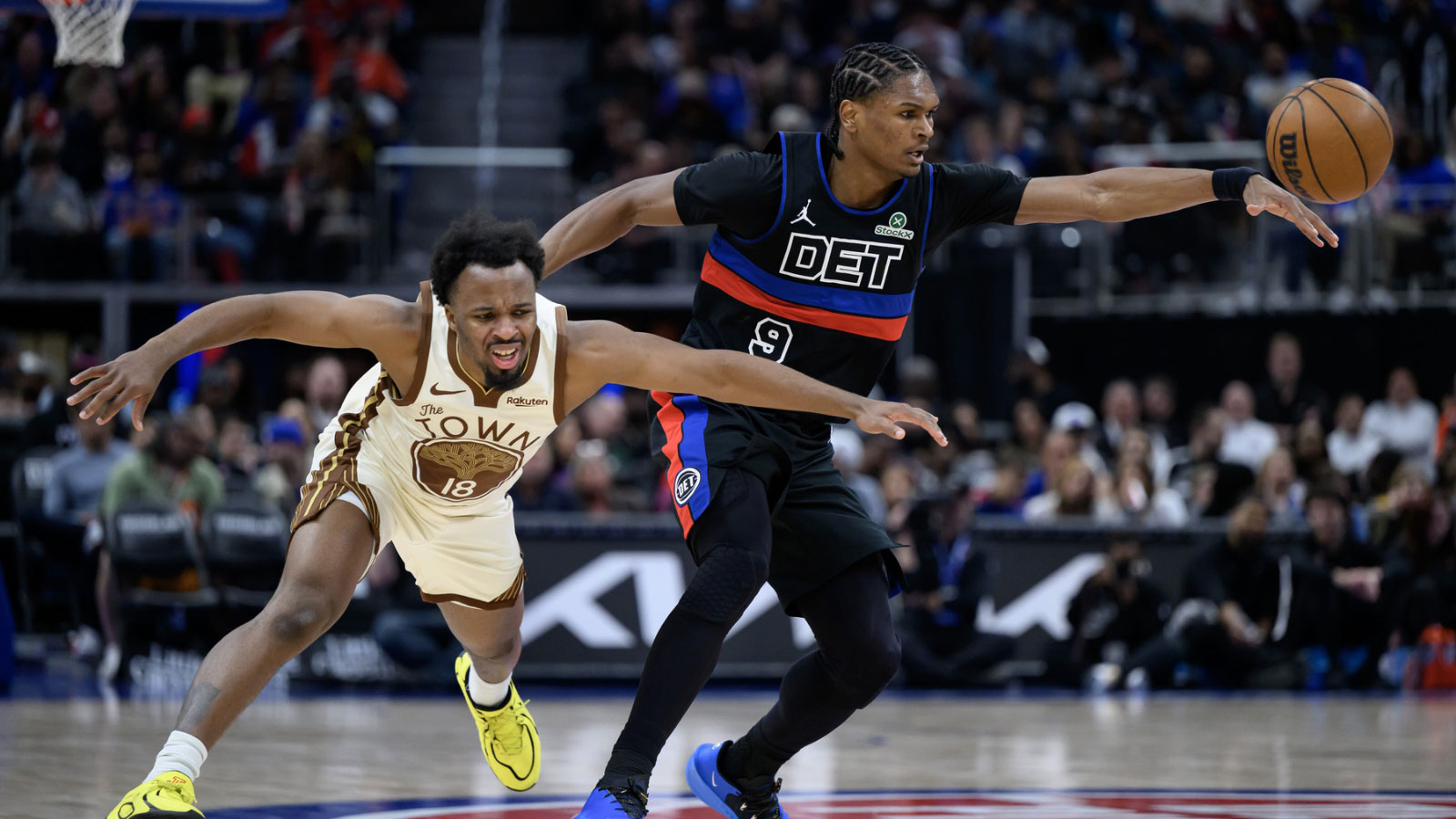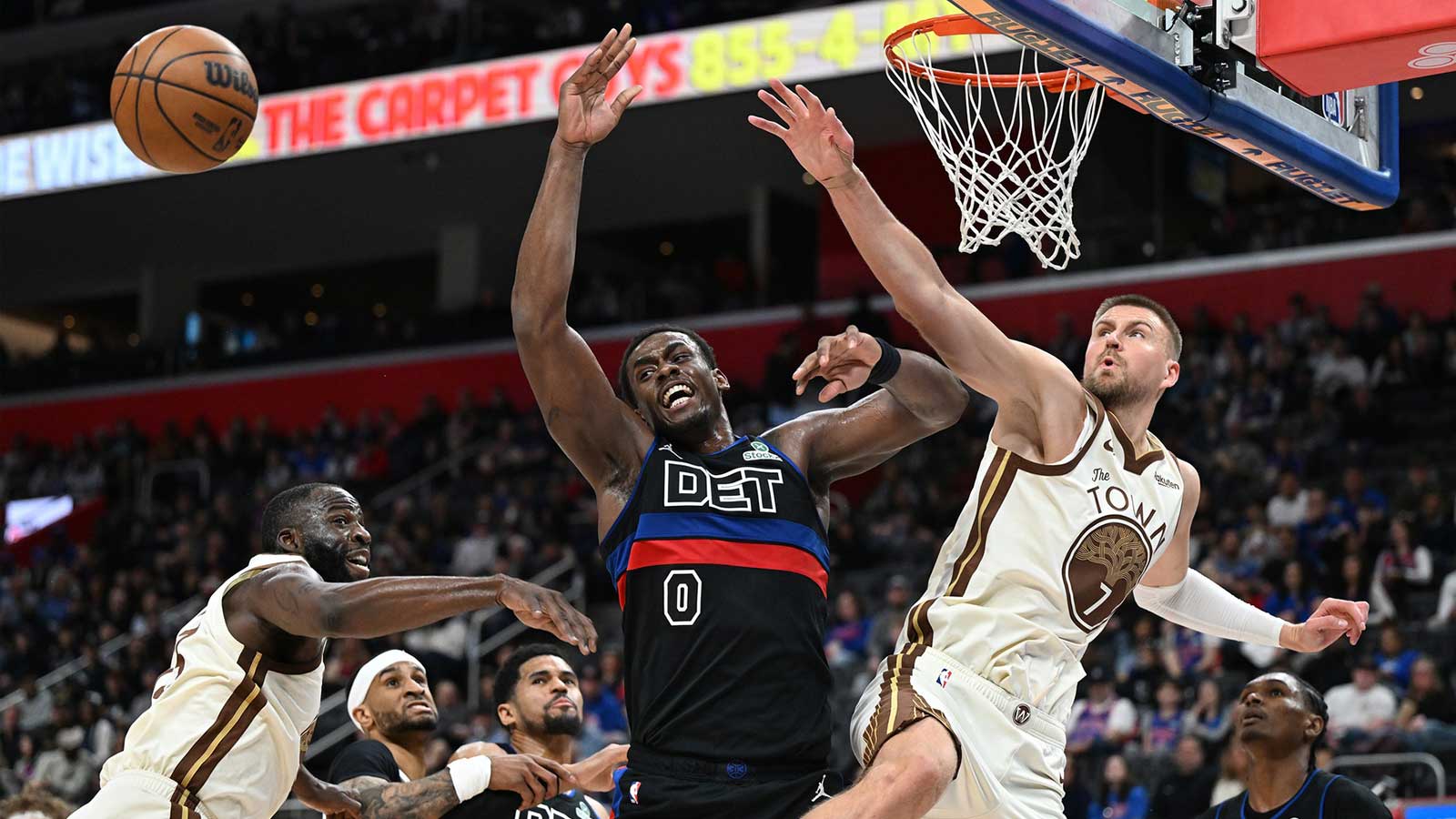
Detroit is a contender with something to prove. For the first time in nearly two decades, the Pistons are no longer a rebuilding curiosity. As No. 1 seeds, they are a legitimate Eastern Conference powerhouse. Of course, with that rise comes a new kind of pressure. As the 2026 NBA Playoffs approach, the question is no longer whether Detroit is good enough but whether they’re ready. That's because history has shown that regular season dominance guarantees nothing in the postseason. For a young, ascending team like the Pistons, the road ahead may be far more treacherous than their record suggests.
Changing everything
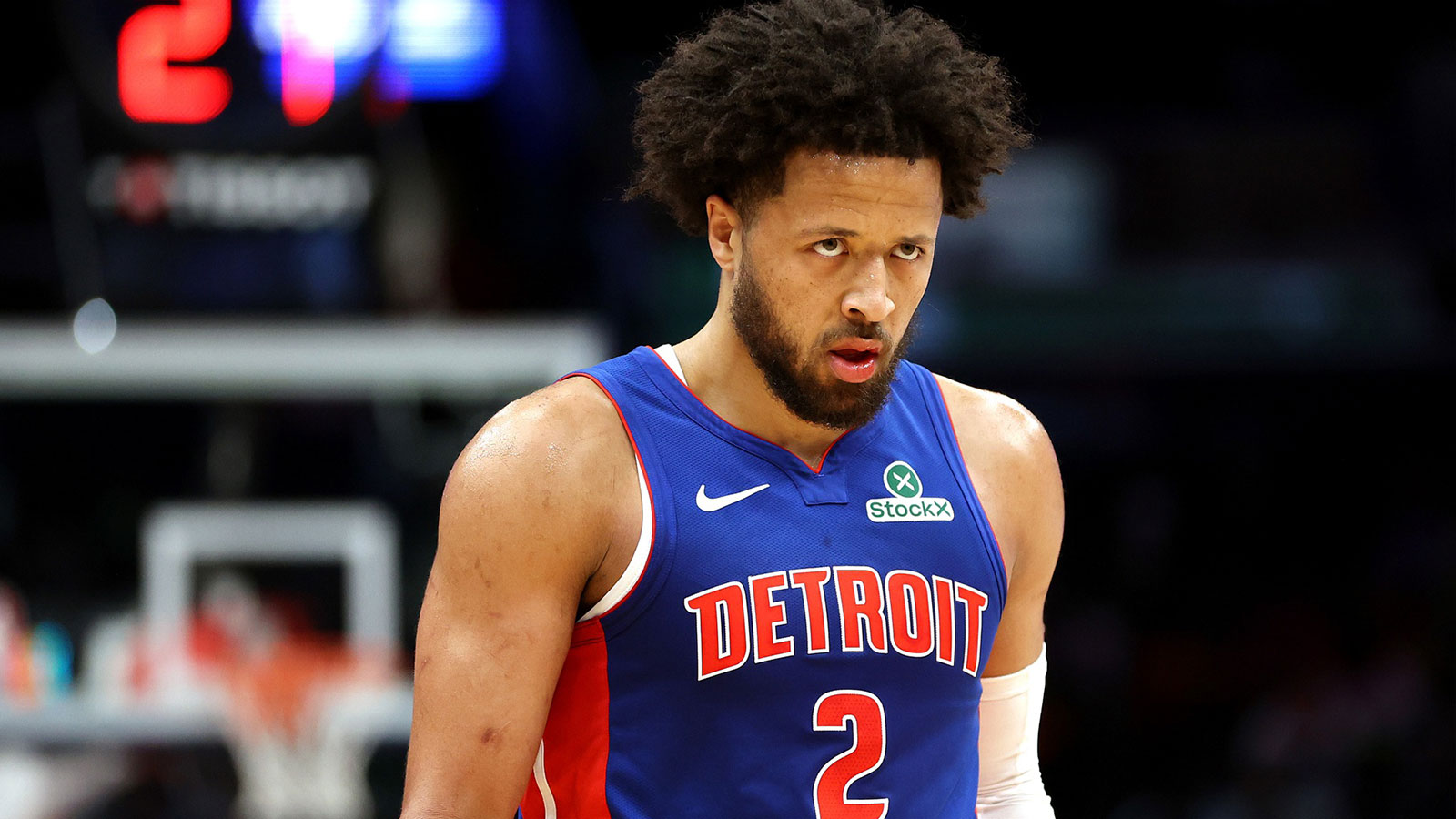
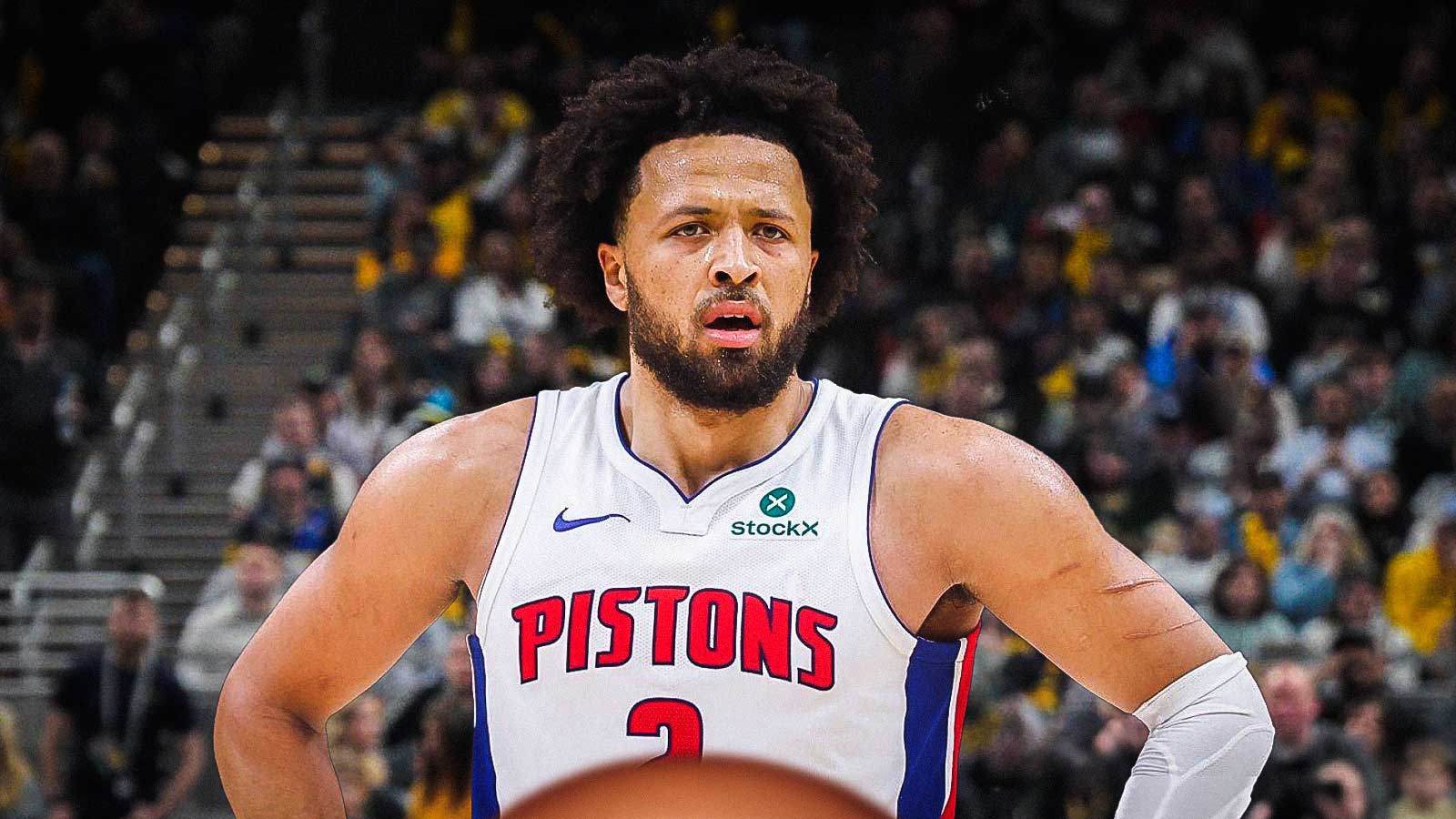
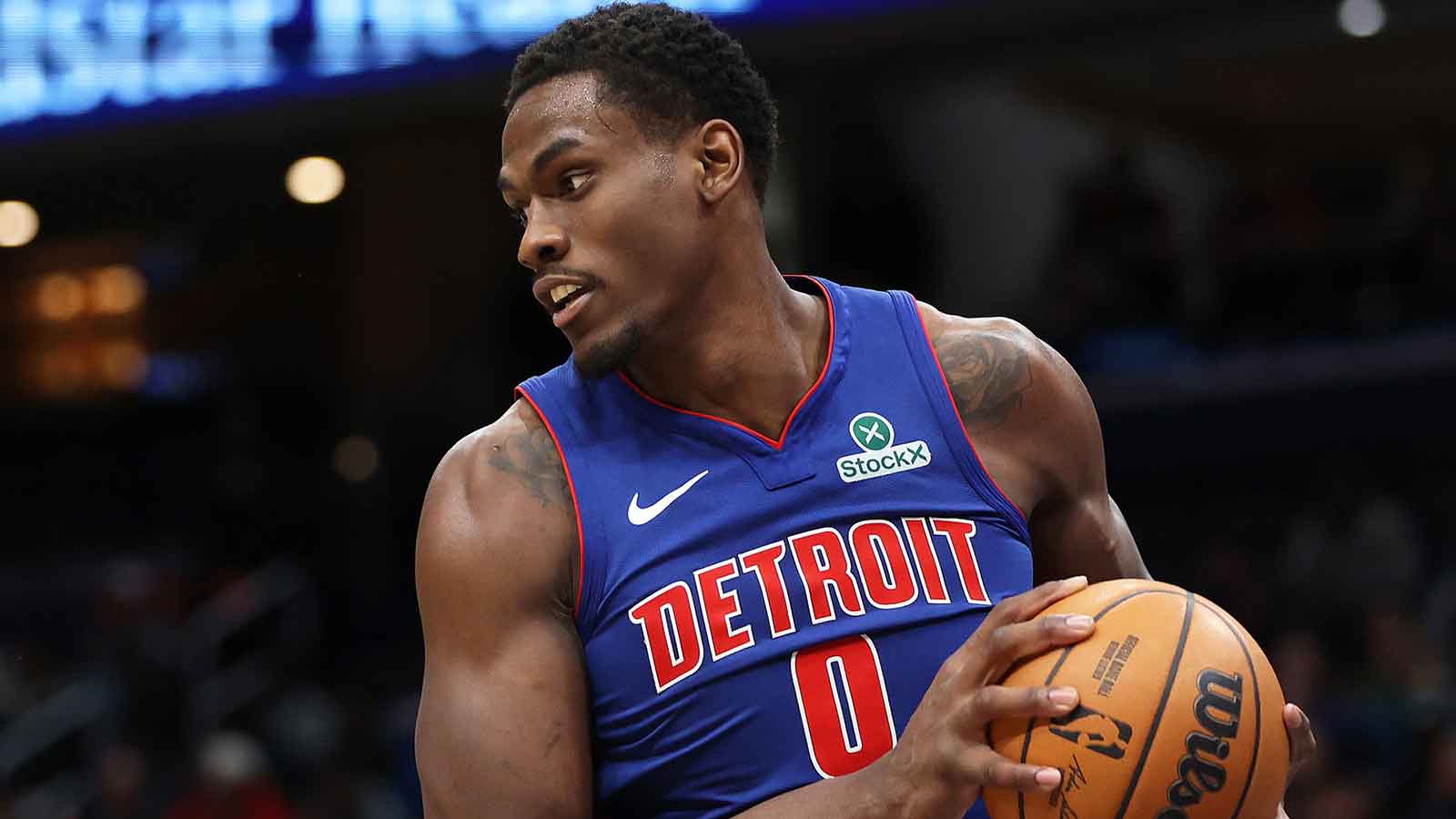
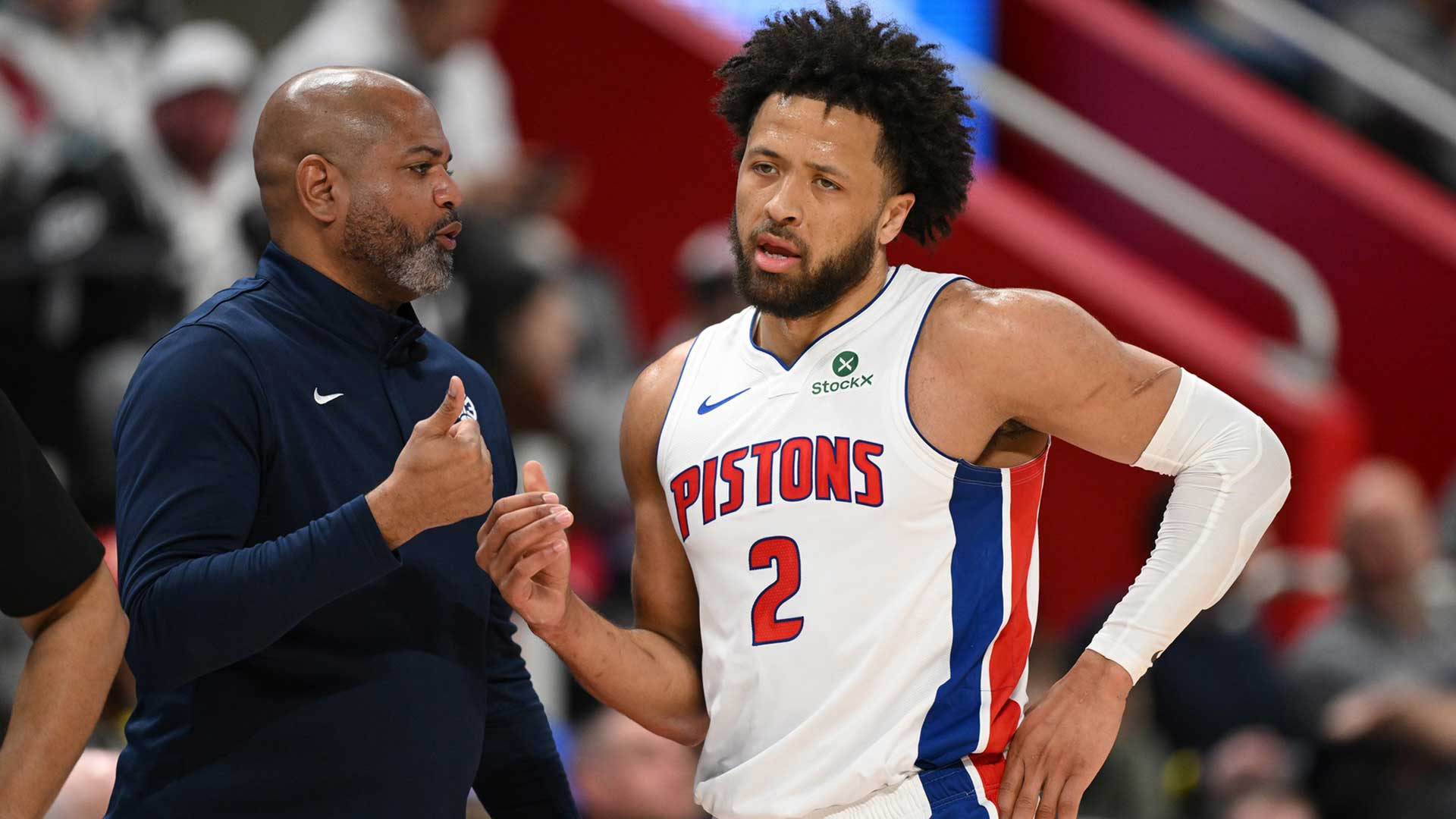
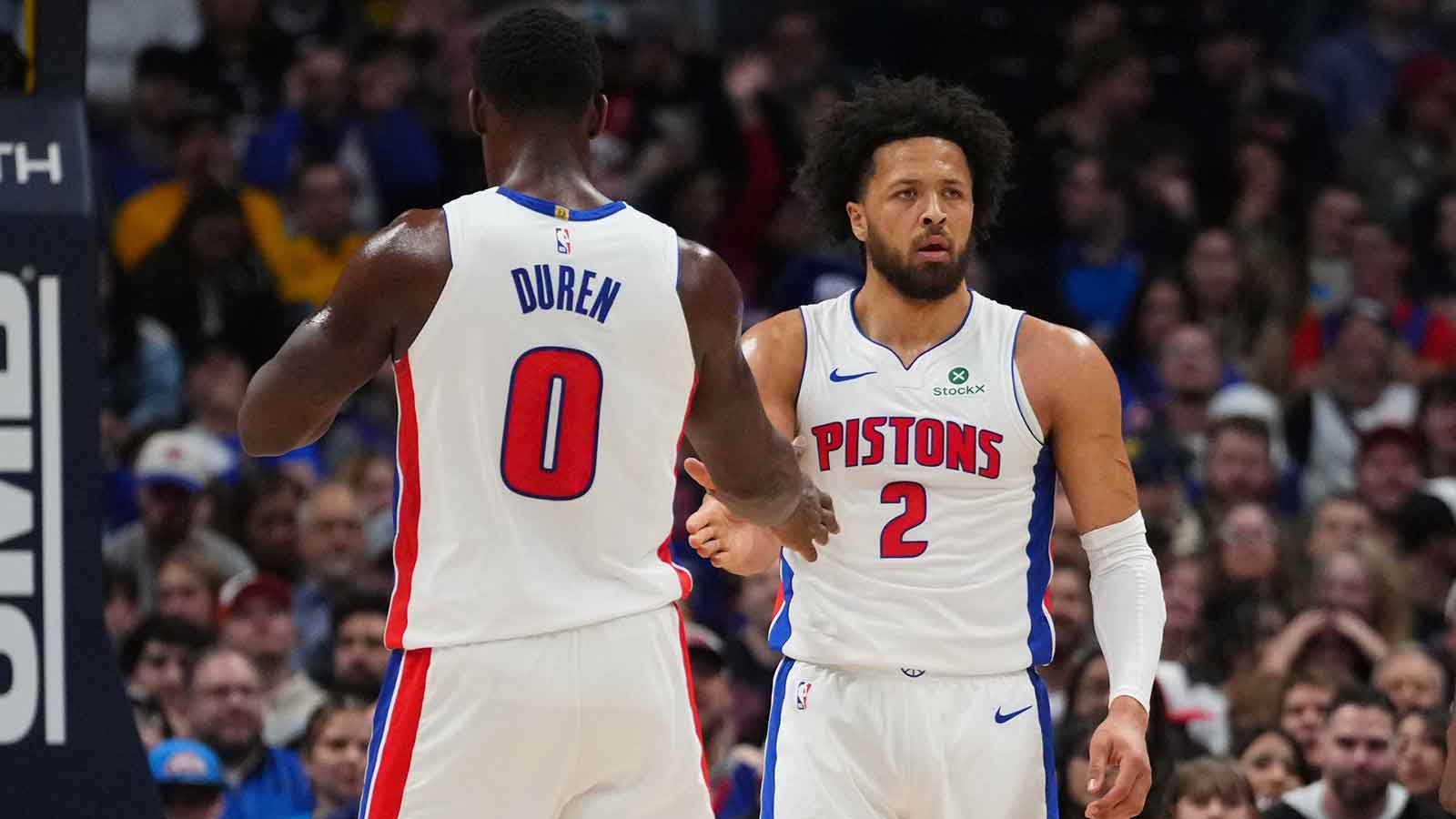
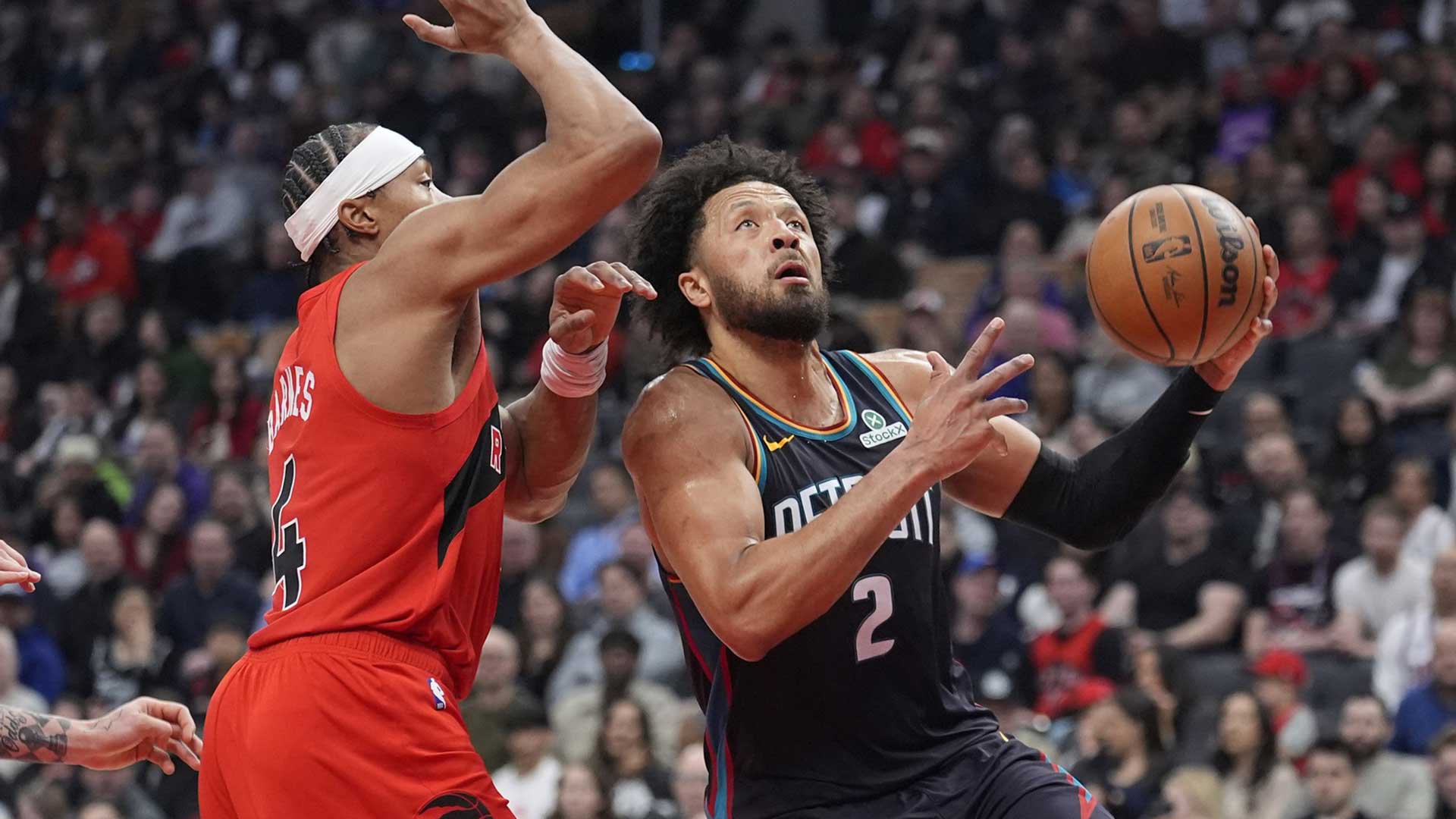
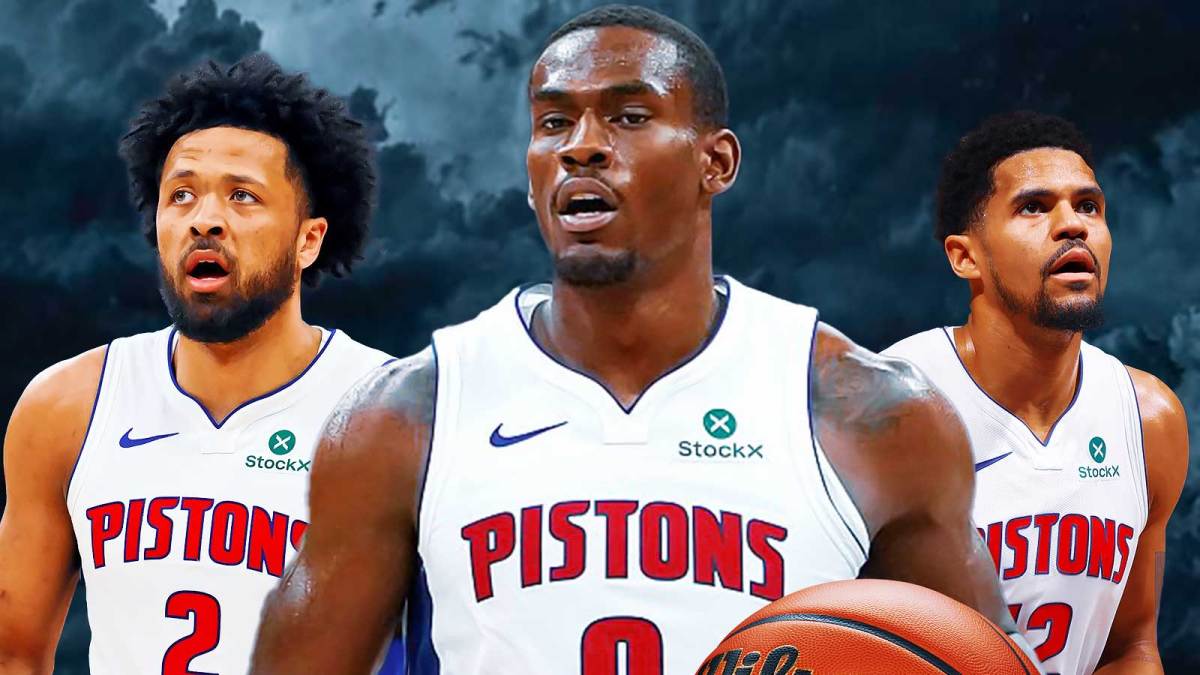
To understand where the Pistons are going, you have to appreciate the absolute tear they have been on during this 2025-26 campaign. Currently sitting at a dominant 54-20 record, Detroit has already secured its first 50-win season in 18 years. This isn’t a fluke, too. It's a byproduct of an elite defensive identity that ranks second in the league in defensive rating. Earlier in the season, this squad reeled off 13 consecutive victories, tying a franchise record. Led by the transcendent play of Cade Cunningham and the interior dominance of Jalen Duren, Detroit has turned Little Caesars Arena into a fortress.
What has made this run even more impressive is its versatility. The Pistons have proven they can win in multiple ways. They can grind out low-scoring defensive battles or push the pace in high-octane shootouts. Tobias Harris has provided veteran stability, while a deep supporting cast has allowed Detroit to weather minor injuries without losing momentum. This is a team that imposes its identity. And yet, as dominant as they’ve been, the postseason represents an entirely different test.
Looming shadows
As all winner sknow, the transition from regular season dominance to playoff success is the steepest climb in this league. For all their accolades, the Pistons enter the 2026 NBA Playoffs with a roster largely unproven in the crucible of a seven-game series. The primary concern is health and depth. We’ve already seen how fragile the margin for error becomes when Cunningham is unavailable. His recent absence due to a collapsed lung didn’t derail the team. However, it exposed how dependent the offense is on his orchestration. In the unlikely scenario Cunningham fails to return, Detroit will be extraordinarily vulnerable.
Beyond health, the playoffs demand a different kind of basketball. The pace slows, possessions become more deliberate, and execution in the half court becomes paramount. Opponents have time to scheme, adjust, and exploit weaknesses over the course of a series. This is where experience often trumps talent. Sure, Harris brings a calming veteran presence. However, much of the responsibility will fall on players who have yet to carry that postseason burden. If Detroit’s offense stagnates under pressure or fails to find secondary scoring beyond its stars, their defensive brilliance alone may not be enough to carry them deep into May.
Nightmare matchups
Now, let’s talk about the nightmare. On paper, finishing with the No. 1 seed should be a reward. In reality, the chaos of the Eastern Conference play-in race could turn it into a trap. The worst-case scenario for Detroit is drawing the Philadelphia 76ers in the first round. Injuries have kept Philadelphia hovering around the play-in line. That said, a healthy lineup featuring Joel Embiid, Tyrese Maxey, and Paul George is anything but an eighth seed in spirit. That’s a championship-caliber trio disguised as an underdog. For Detroit, that’s a tactical nightmare. Duren has been exceptional, but asking him to anchor a defense against a former MVP like Embiid in a playoff setting is a challenge that can tilt an entire series.
Then there’s the Miami Heat. That's another lurking threat that embodies postseason unpredictability. Erik Spoelstra’s teams are synonymous with discipline, physicality, and adaptability. Miami’s switch-heavy defense is specifically designed to disrupt rhythm players. Cunningham, who thrives on controlling tempo, would be the focal point of that disruption. A series against Miami would certsinly test Detroit's composure and ability to withstand relentless physical pressure.
Gauntlet
Even beyond the first round, the path doesn’t get easier. If the Pistons advance, they’re likely staring at a second-round showdown against a battle-tested Cleveland Cavaliers squad or a surging Toronto Raptors team that has quietly built one of the East’s most balanced rosters. Cleveland brings size, defensive discipline, and playoff experience. Toronto counters with versatility and a top-tier defense of its own. Neither matchup offers Detroit a clear stylistic advantage.
This is where the “bracket of death” becomes real. The Pistons could potentially face Embiid in round one, a physical, grinding opponent in round two, and then a powerhouse like Boston or New York in the Conference Finals. It’s a gauntlet that would test even the most seasoned contenders, let alone a team still writing its playoff identity.
Greatness meets its ultimate test
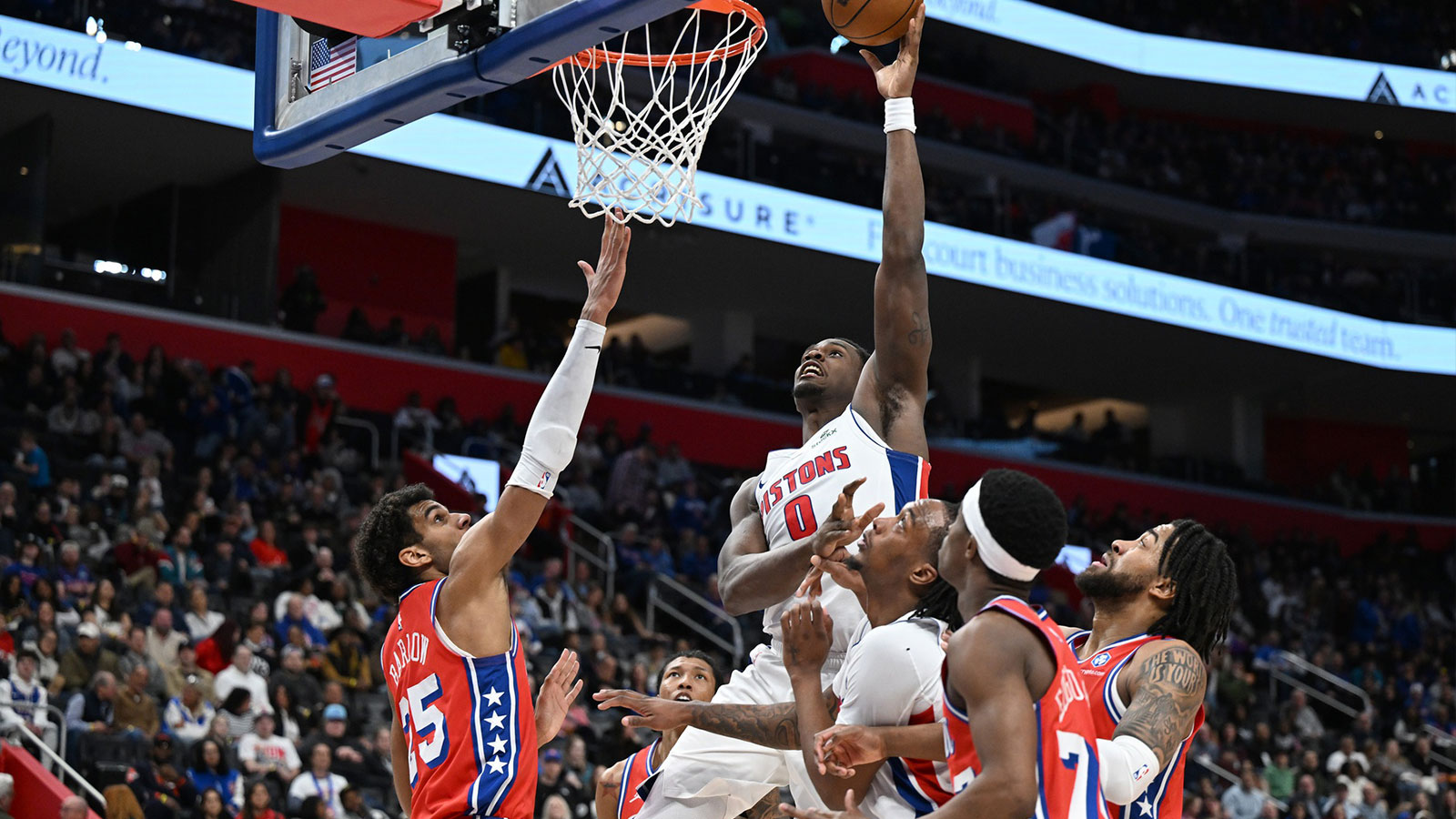
The Detroit Pistons have earned every accolade this season. They’ve been dominant, disciplined, and undeniably dangerous. However, the playoffs are where narratives shift and reputations are forged. For Detroit, the nightmare isn’t about whether they’re good enough. Rather, it's about timing, matchups, and the unforgiving nature of postseason basketball.
If the bracket breaks the wrong way, this historic season could end sooner than expected. On the other hand, if the Pistons navigate the chaos and survive the gauntlet, this young core won’t just validate its rise. It could announce the beginning of a new era in the Eastern Conference.