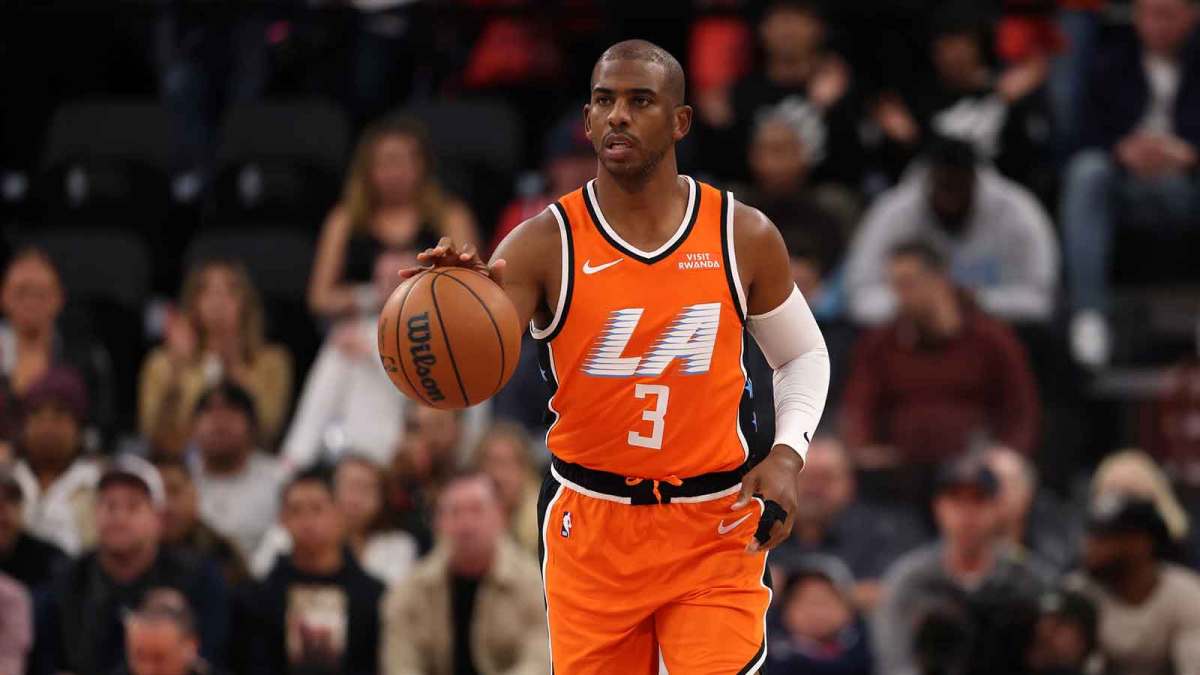
NBA veteran Kenyon Martin raised eyebrows this week when he implied that Chris Paul’s interest in becoming an NBA head coach may have contributed to rising tension with Los Angeles Clippers coach Tyronn Lue before Paul was abruptly sent home.
Speaking on Gil’s Arena, Martin compared Paul’s basketball intellect to that of former Nets teammate Jason Kidd, who transitioned directly into coaching after retirement. Martin suggested Paul views himself on that same trajectory.
“We look at Chris Paul maybe as a future coach,” Martin said. “Not saying I know this for facts, but [I'm] struggling thinking of point guard guys who got done and had a job the next year like Jason Kidd. I’m thinking he’s of [that] same caliber. They’re not winning, and you’re over there kicking Ty Lue’s back end.”
Martin, who played with Paul during the 2011 to 2012 Clippers season, went further, calling Paul “a politician” and arguing that “people don’t trust politicians,” a pointed assessment at a time when reports surfaced that Lue and Paul were no longer speaking. Multiple outlets later confirmed that Paul’s vocal critiques of the coaching staff created a disruptive environment, as team officials saw it.
The Clippers are making waves after releasing Chris Paul
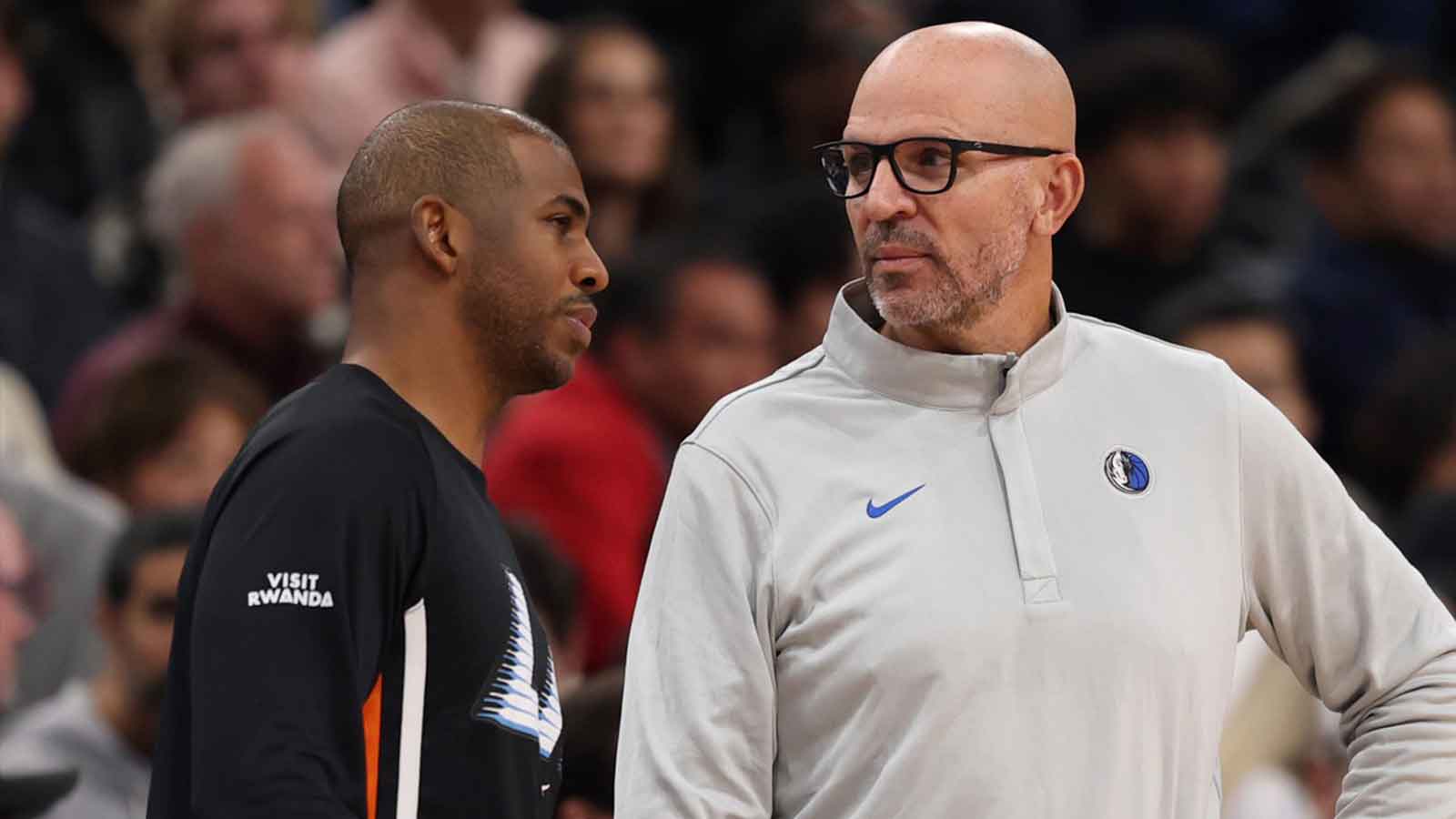
Those undercurrents became public when the Clippers parted ways with the 40-year-old guard during a road trip. Paul posted “Just found out I’m being sent home” on Instagram at 2:40 a.m. ET. He had averaged 2.9 points in 16 games. The team has gone 2–14 in its last 16 contests with him as a reserve playmaker.
Lue acknowledged he played a role in the decision. He called Paul a friend but admitted “it wasn’t a good fit.” The Clippers insist the move was about performance and chemistry. But Martin’s comments highlight a deeper concern. The perception was that Paul’s coaching ambitions and assertive leadership style clashed directly with Lue’s authority.
For a franchise already fighting to salvage a disastrous start, the fallout raises new questions about the Clippers’ internal stability. Perhaps Paul’s presence represented more threat than help to a team in freefall.