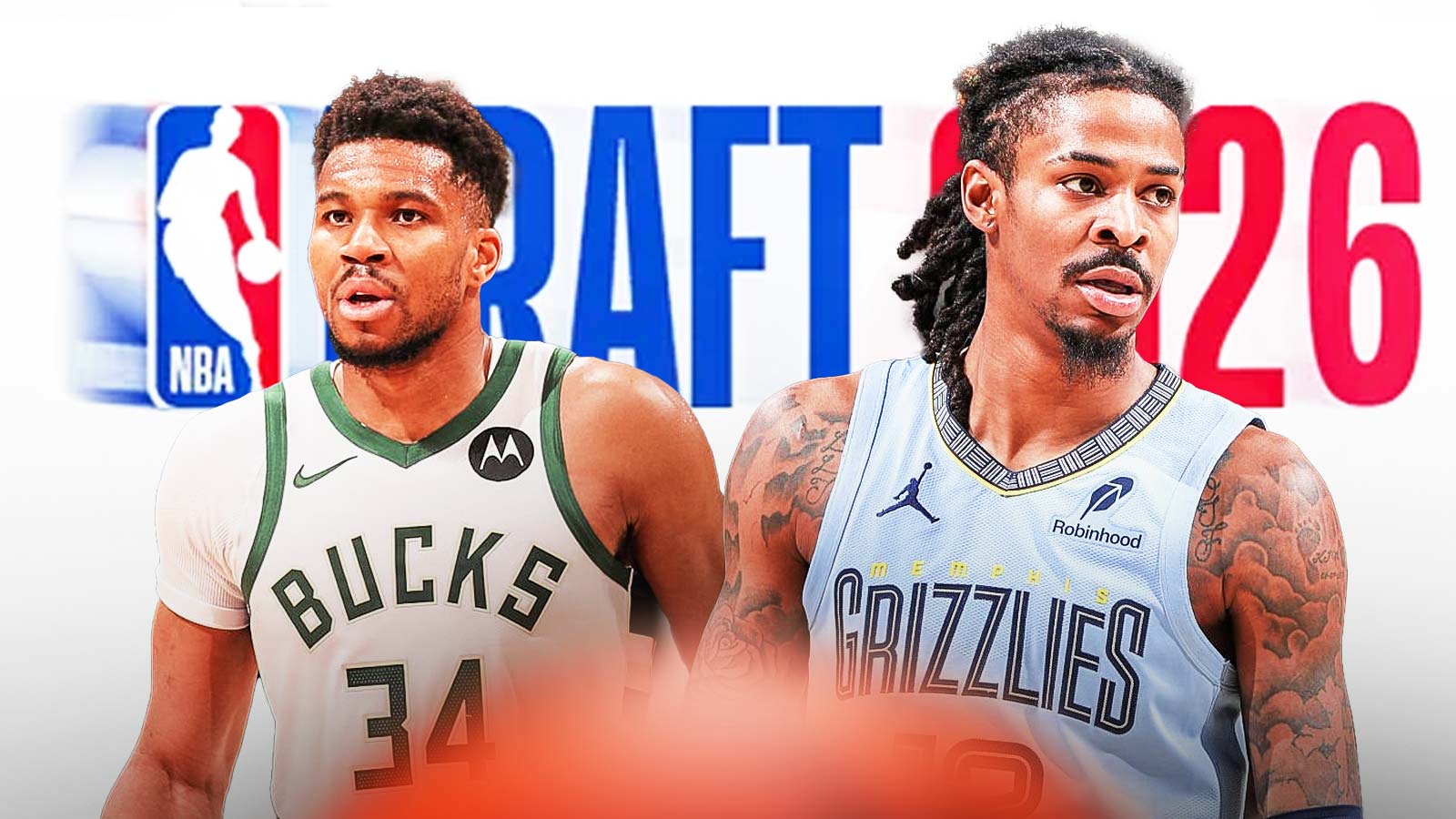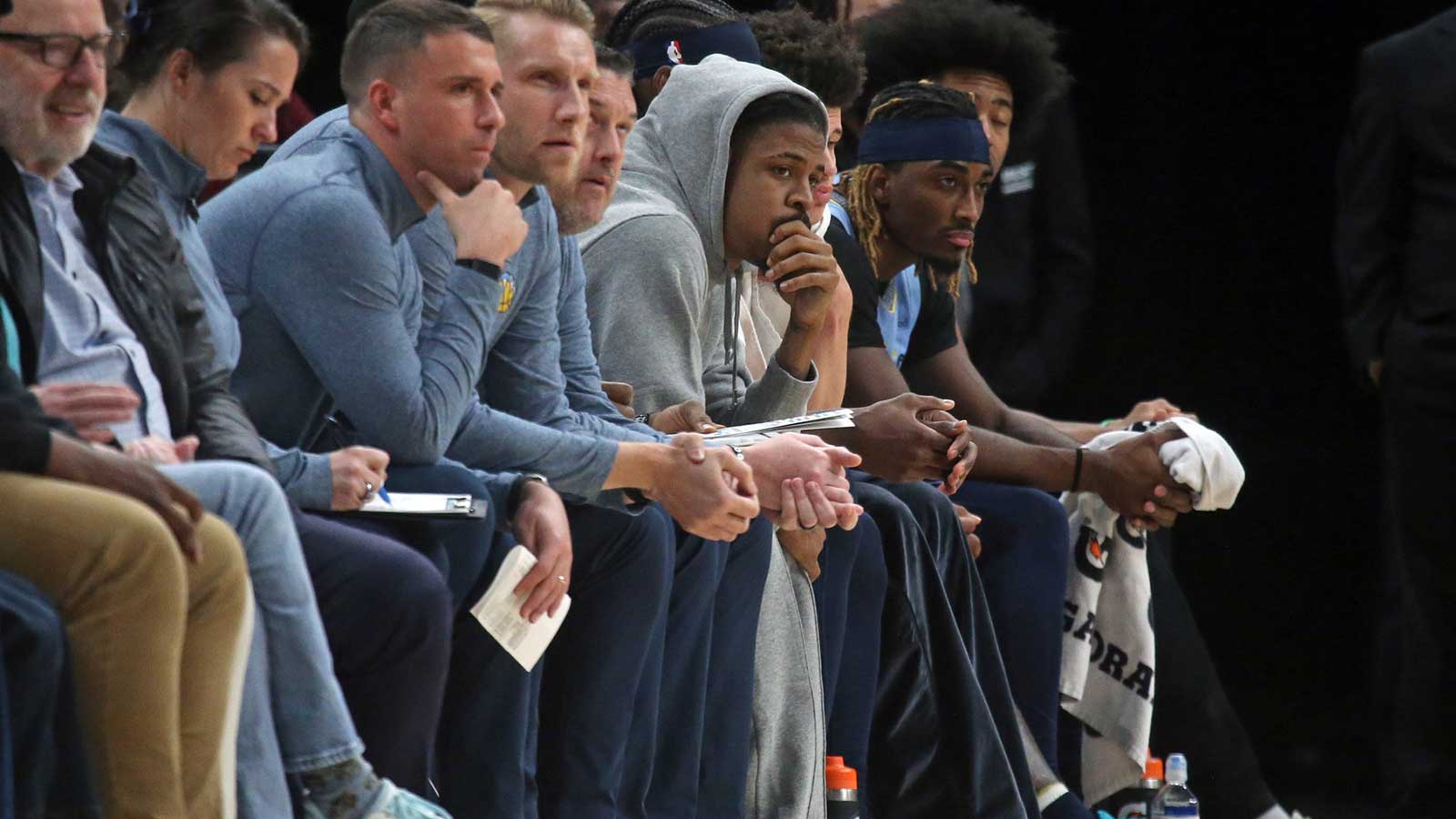
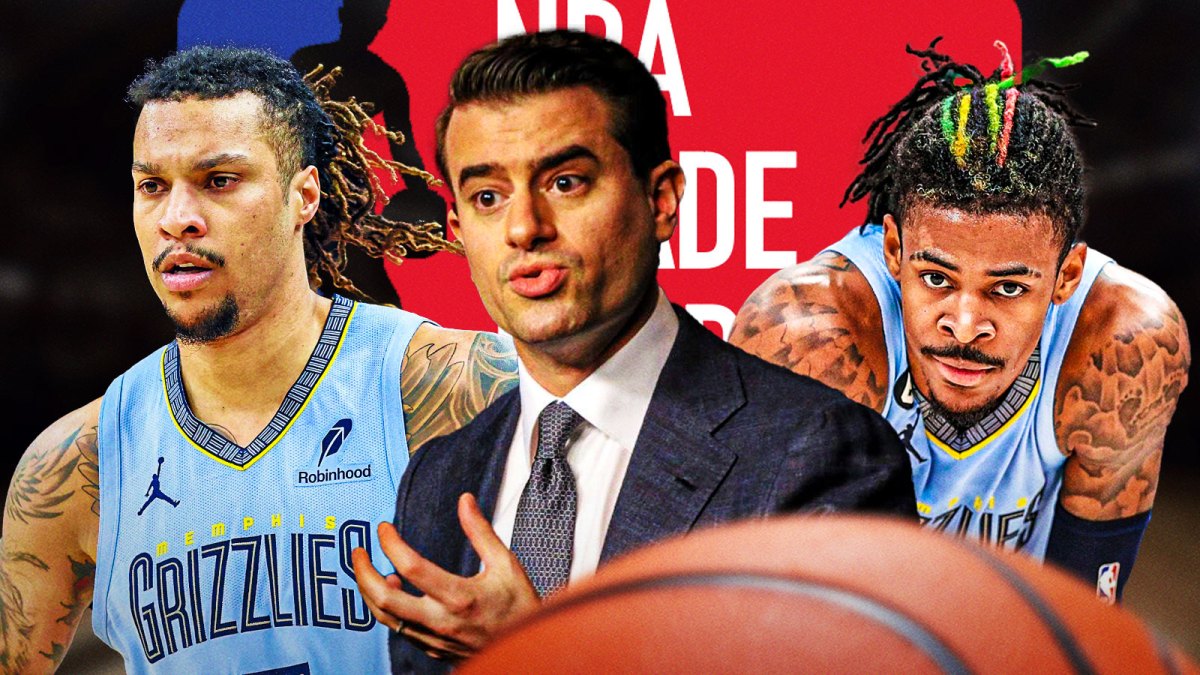
The Memphis Grizzlies find themselves in a precarious position as the 2026 NBA Trade Deadline looms. Tuomas Iisalo's injury-riddled roster is clinging to the 10th spot in the Western Conference, barely holding onto the final Play-In Tournament berth with a 15-20 record. One bench-bolstering move, plus a bit of health luck around Ja Morant and Jaren Jackson Jr., will not be enough to upset the Oklahoma City Thunder or San Antonio Spurs.
League sources paint a picture of a proactive front office, quietly shopping five intriguing assets in a search for another starter-caliber piece. These aren't the crown jewels, but solid building blocks for a contender hungry for depth and future upside.
Kentavious Caldwell-Pope ($21.62 million salary) is a championship-proven defender who gives the Grizzlies substantial salary-matching capabilities in any potential deal. Big man Brandon Clarke ($12.5 million) is another versatile frontcourt piece with proven playoff production, when healthy. Rounding out the salary components is John Konchar ($6.17 million), a glue guy whose hustle and three-and-D capabilities have made him a valuable rotation piece.
Money is not an issue given the rest of the salary cap's structure. Even better, Kleiman's real leverage lies in the draft capital. The Grizzlies hold the 5th most future first-round picks. However, Danny Ainge, for example, will ask for a haul in a Lauri Markkanen ($46.3 million) deal. Myles Turner, Ivica Zubac, Bobby Portis, Domantas Sabonis, or even Pascal Siakam would be far cheaper frontcourt depth. Zion Williamson would be pennies on the dollar compared to a Markkanen package.
Grizzlies have buying power
Splitting the draft picks up is relatively straightforward. The 2029 first-round pick with Orlando swap rights represents a fascinating gamble for any acquiring team. Essentially, it's two lottery tickets in one. The selection conveys as the better of the Memphis pick or the Orlando Magic's first-rounder, which has top-two protections. Both teams could theoretically be tearing things down simultaneously, making this asset a potential goldmine.
The Grizzlies' own 2028 pick tells a different story. For Kleiman, there is a personal incentive to keep the team competitive with Ja Morant and Jaren Jackson Jr. for the next several seasons. If the pick conveys as a lottery selection, it likely means the franchise's plan failed and someone else is making the decisions. That's the kind of calculated risk that makes trade negotiations fascinating.
By some accounts, those NBA Draft picks in 2026 (Memphis owns two) and 2027 are earmarked for targeted acquisitions that bolster the bench with young, proven talent on rookie-scale or early second contracts. Herb Jones is just one cost-controlled option who provides immediate value without a long-term financial burden.
Memphis also recognizes that if they stand pat at the deadline, those 2026 and 2027 selections would provide the budget-friendly rookie contracts necessary to maintain roster flexibility. Ja Morant's value and future are both in doubt, with everyone waiting to see how the Trae Young deal resets the market. There are pivots where Kleiman can see this through without both of the homegrown All-Stars being with the team after next summer, as long as there is draft capital left in the war chest.
So, the question isn't whether Kleiman will act. League insiders expect him to pull the trigger before the deadline. The real question is what the Grizzlies are willing to put on the table and how much value they will have after the first blockbuster move is made.